Redfin Cactus Pleco (L024)
Pseudacanthicus pitanga
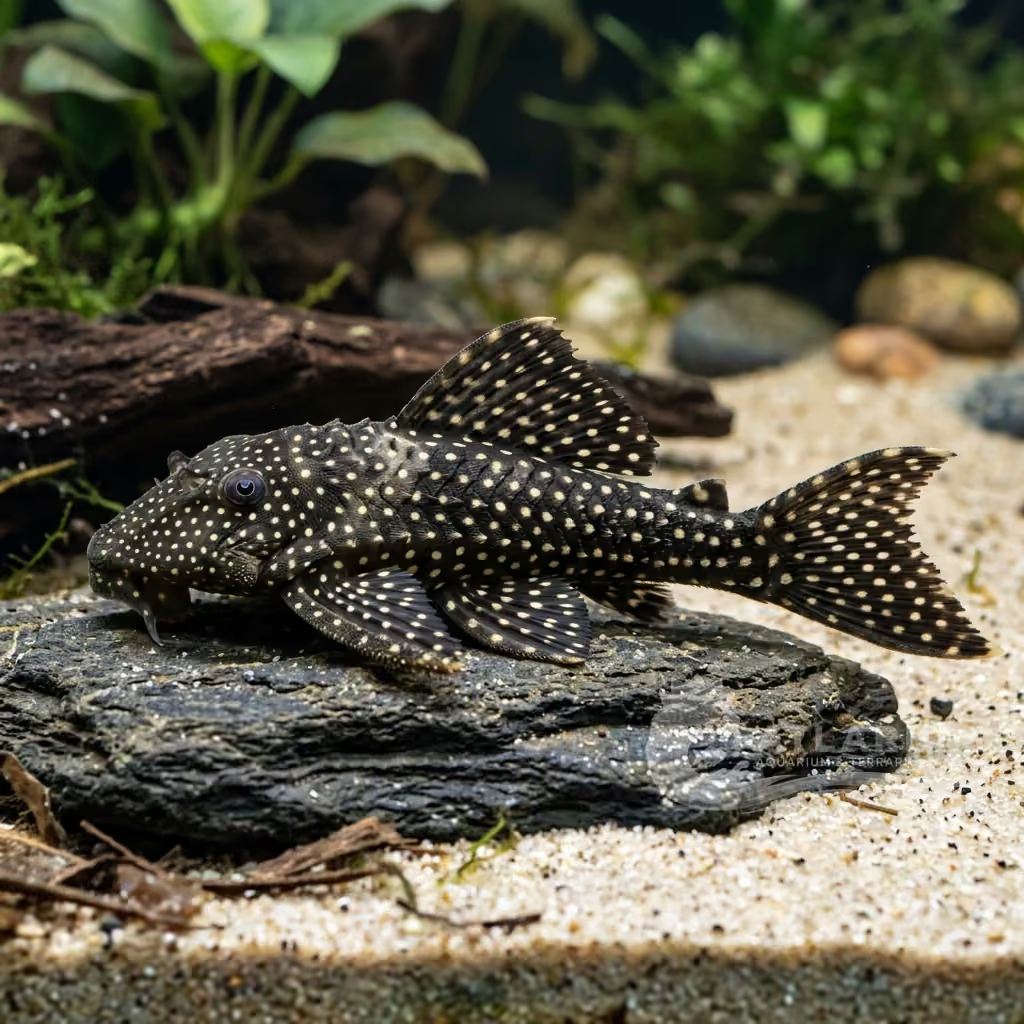
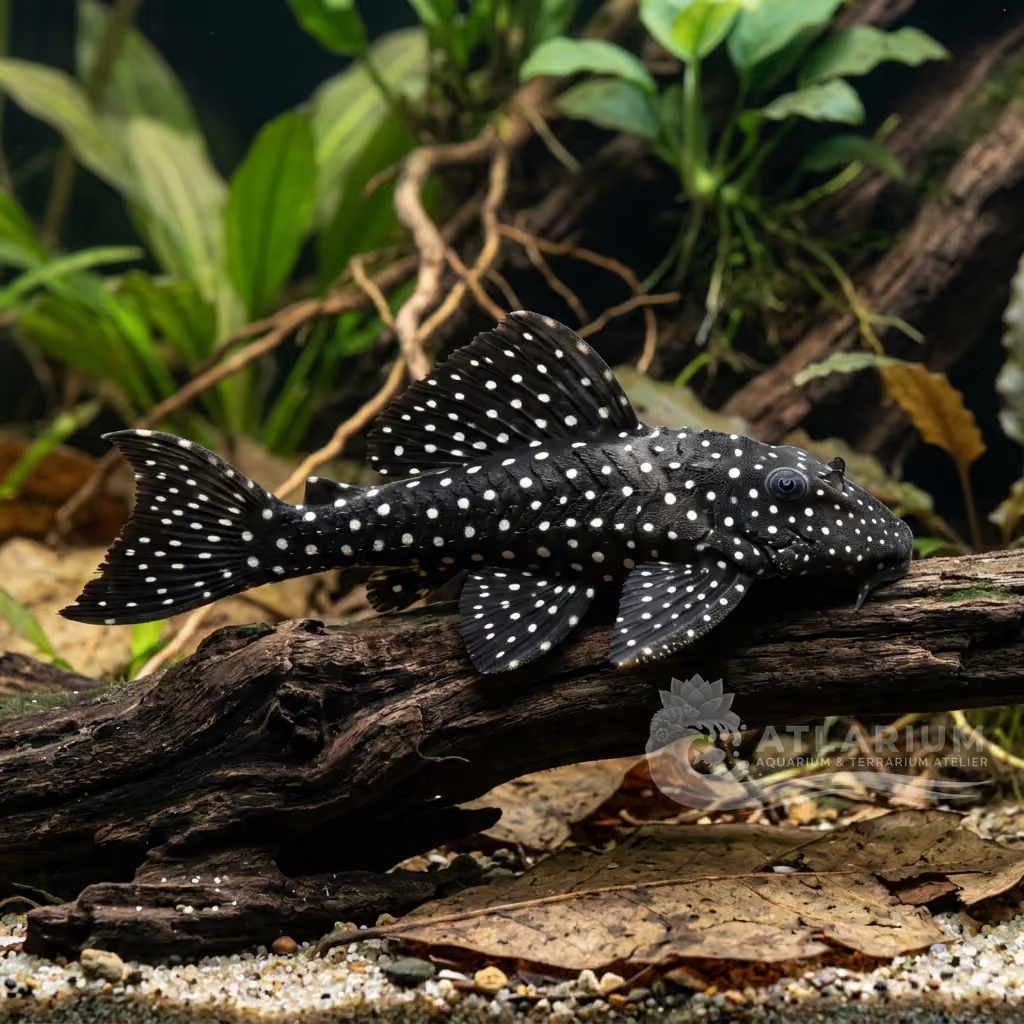
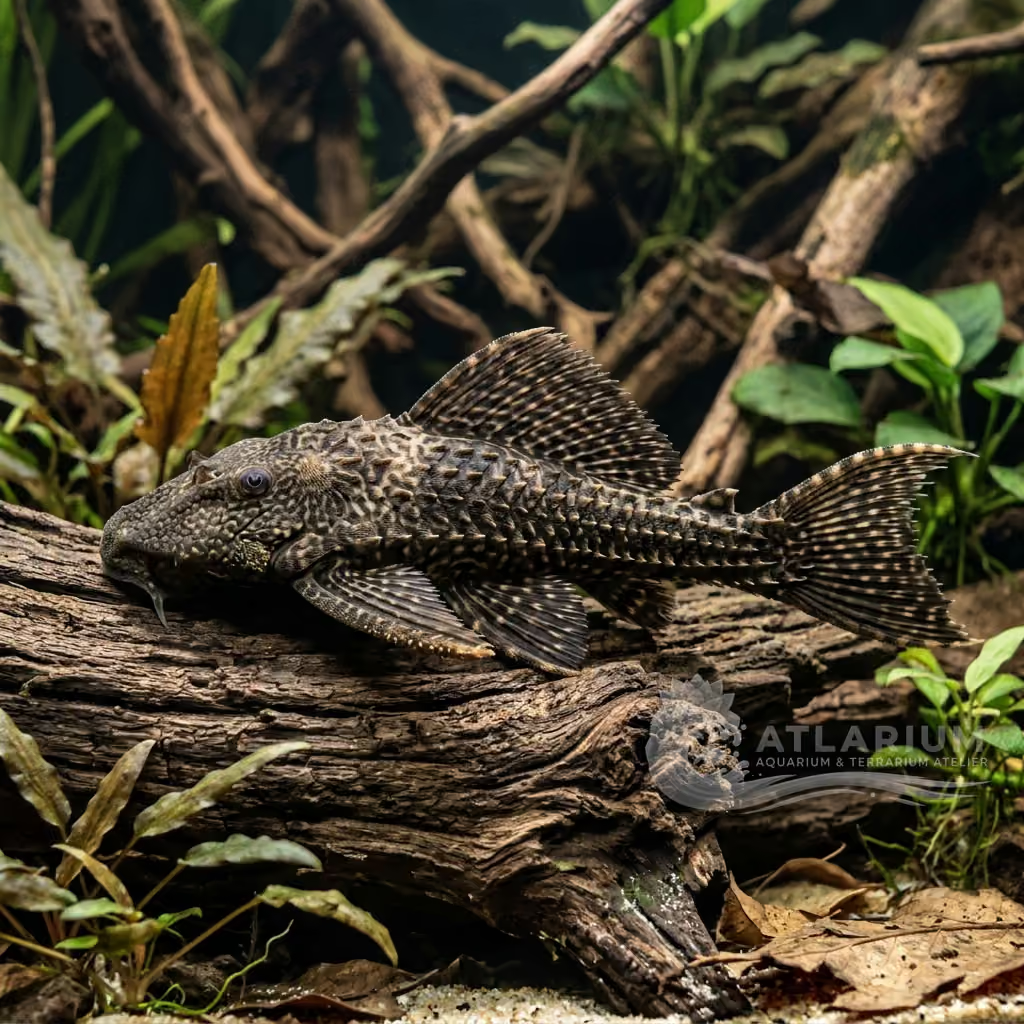
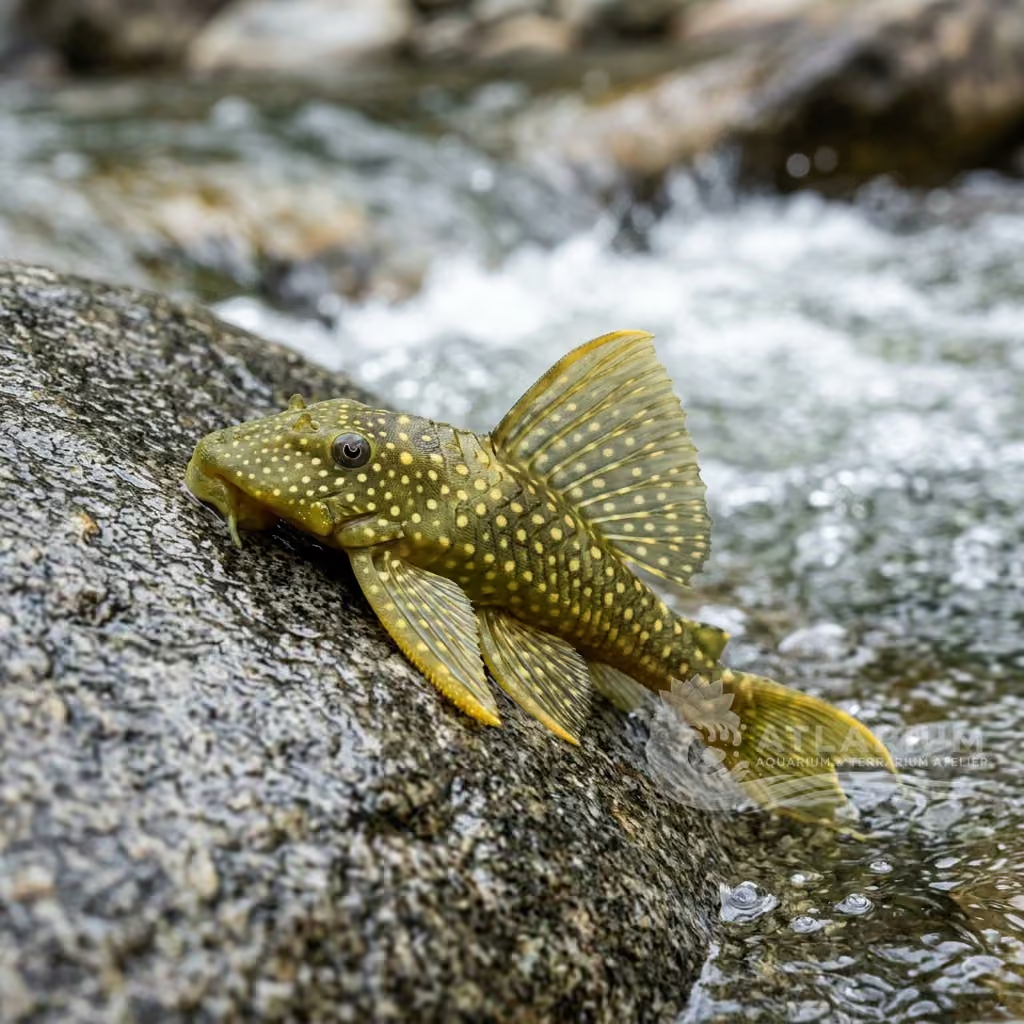
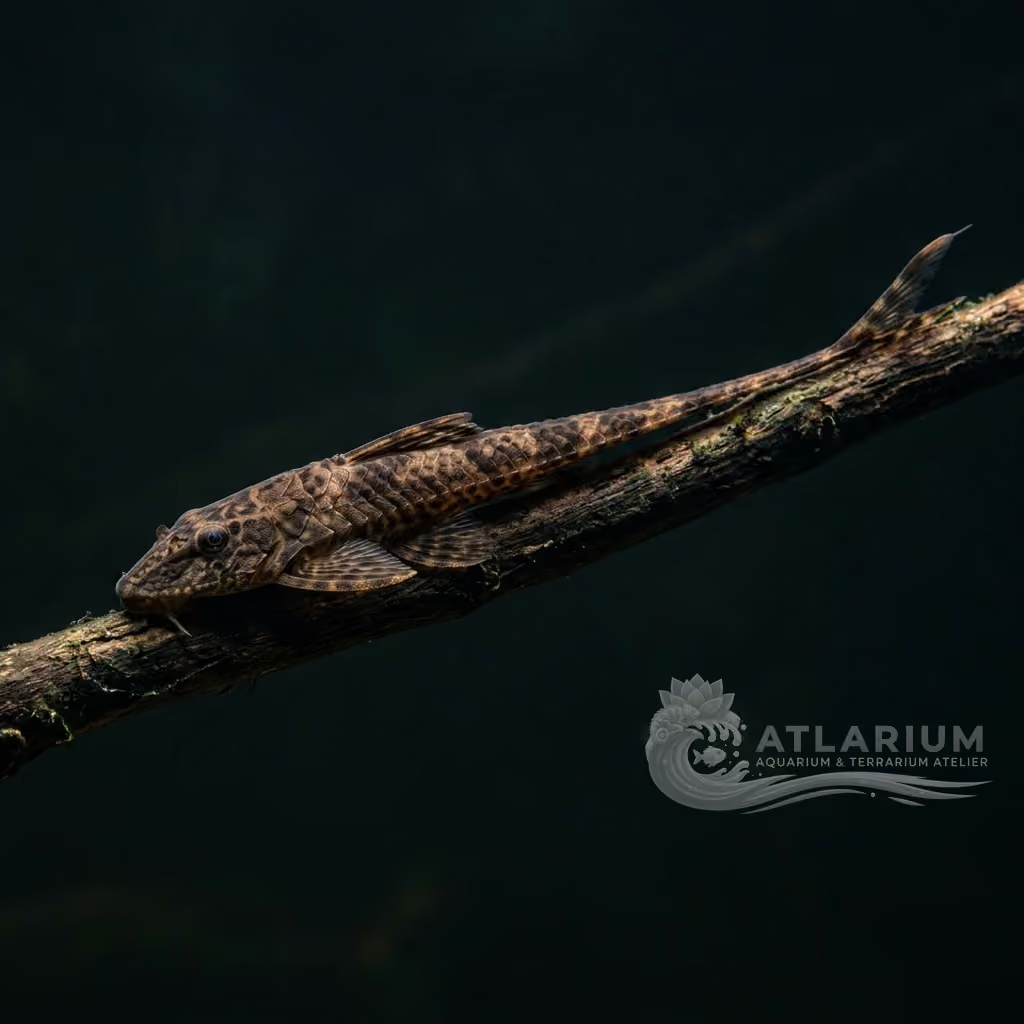
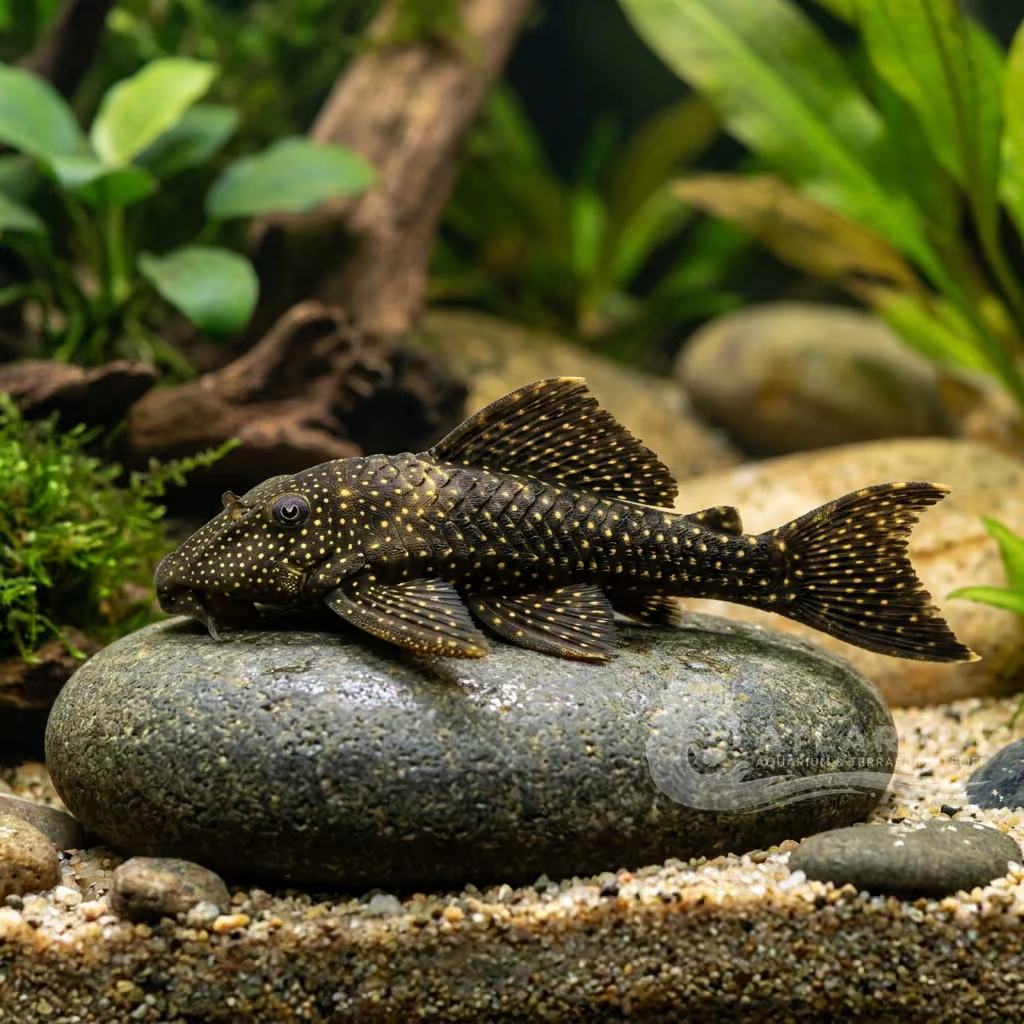
The Redfin Cactus Pleco (L024 or Pseudacanthicus pitanga) is one of the most aggressive and impressive giant Loricariids in existence. The name "Cactus" derives from its armor literally covered with huge sharp spines all over its body, while "Redfin" refers to the stunning fiery orange and red that ignites its large fins. Reaching 40 cm (16 inches) in length, it is a powerful carnivorous predator that requires monstrous aquariums, extreme filtration, and tankmates capable of withstanding its fierce nature. It is absolutely not a fish for beginners.
25 - 29 °C
6 - 7.5
Eau douce
Fond
40 cm
>= 500 L
>= 1
2 - 15 dGH
1 - 7 dKH
40 - 295 ppm
63 - 461 uS/cm

Description de l'espèce

Soins, reproduction et cohabitation

Origine et répartition géographiques
Origine

Profil de poisson
- Tempérament
- Aggressive
- Extremely territorial and aggressive towards benthic tankmates. They are heavily armored and possess sharp odontodes. Consider them as a centerpiece bottom fish in a specialized setup.
- Régime alimentaire
- Carnivore
- Strictly carnivorous. Their diet should consist of high-quality sinking carnivore pellets, shrimp, chopped fish, and bloodworms. They will not survive on an algae-based diet.
- Espérance de vie
- 10-15 years
- Taille adulte
- 40 cm
- Ratio des sexes
- Solitary
- Best kept singly. If multiple are kept, ensure a vast tank size with only one male and several females. Males will fight intensely over territory.
- Fréquence d'alimentation
- Twice daily
- Feed once daily, ideally at night. They can be shy and may need targeted feeding to ensure they receive enough food. Monitor to ensure they are not outcompeted.
- Charge biologique
- High
- Heavy bioload characteristic of large carnivorous plecos. They eat heartily and produce a lot of waste. Excellent filtration and regular water changes are mandatory.
- Courant
- Strong
- Prefer moderate to high water flow with excellent aeration. They originate from fast-flowing rivers. Strong current helps maintain water quality and oxygen levels.
- Risque de saut
- No
- Reproduction
- Oviparous
- Cave spawners that are difficult to breed in captivity. Requires dedicated breeding setups with large caves and very clean water. The male will fiercely guard the spawn.
- Compatibilité et compagnons
- Highly aggressive
- Best kept with medium to large, fast-moving fish that occupy the upper levels of the tank. They are highly intolerant of other bottom dwellers, especially conspecifics. Only mix with other plecos in massive aquariums with broken lines of sight.
- Niveau dans le bac
- Bottom
- Bottom-dwelling species. They need plenty of hiding spaces formed by rocks and driftwood. They will claim a specific spot and defend it.

Modèles et paramètres scientifiques
Fenêtre sur les données scientifiques officielles de l’espèce
- Résilience
- Moyenne (1,4 - 4,4 ans)
- Singularité phylogénétique (PD50)
- 0.5039
- Relation bayésienne longueur-poids
- a = 0.01549, b = 2.96
- VulnérabilitéVulnérabilité faible à modérée (27 / 100)

Espèces associées
Recommandations regroupées par proches parents, compagnons et soins similaires.