Blizzard Cactus Pleco (L065)
Pseudacanthicus sp. L065
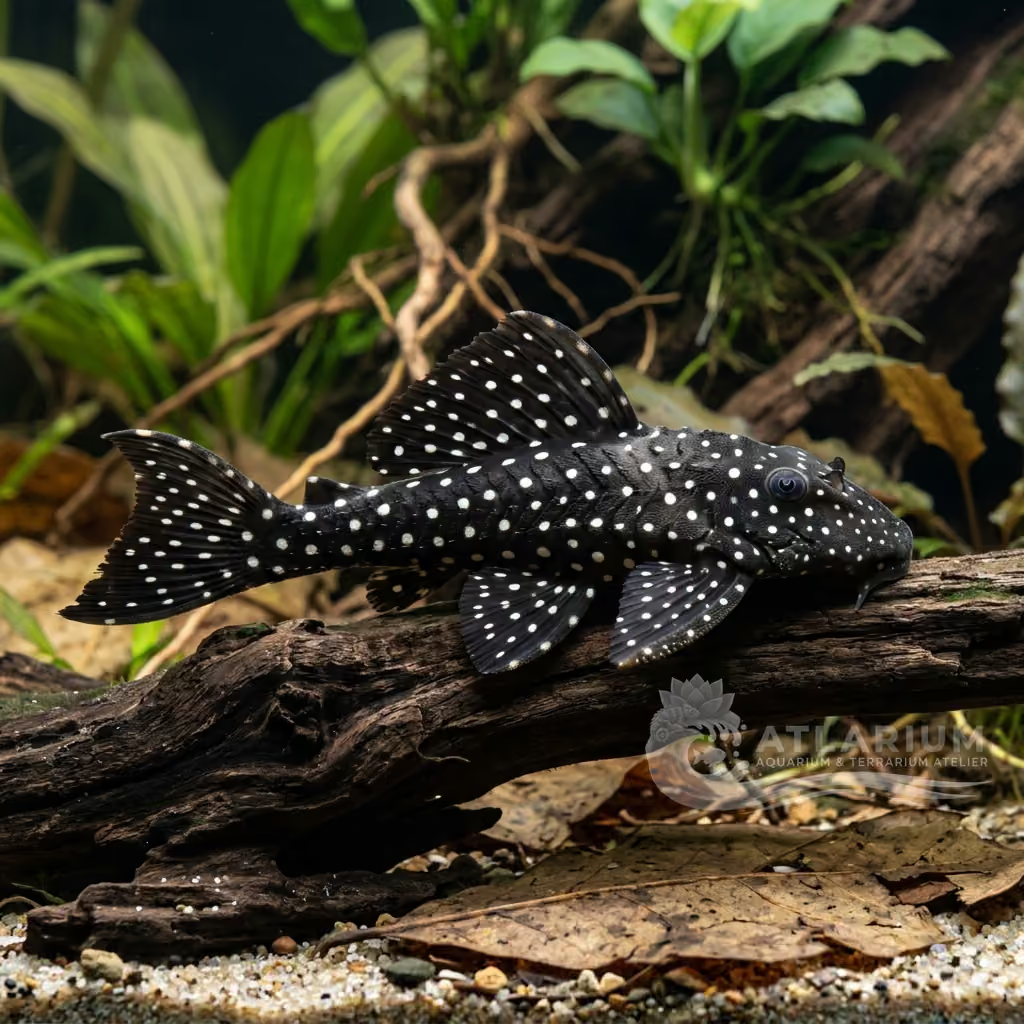
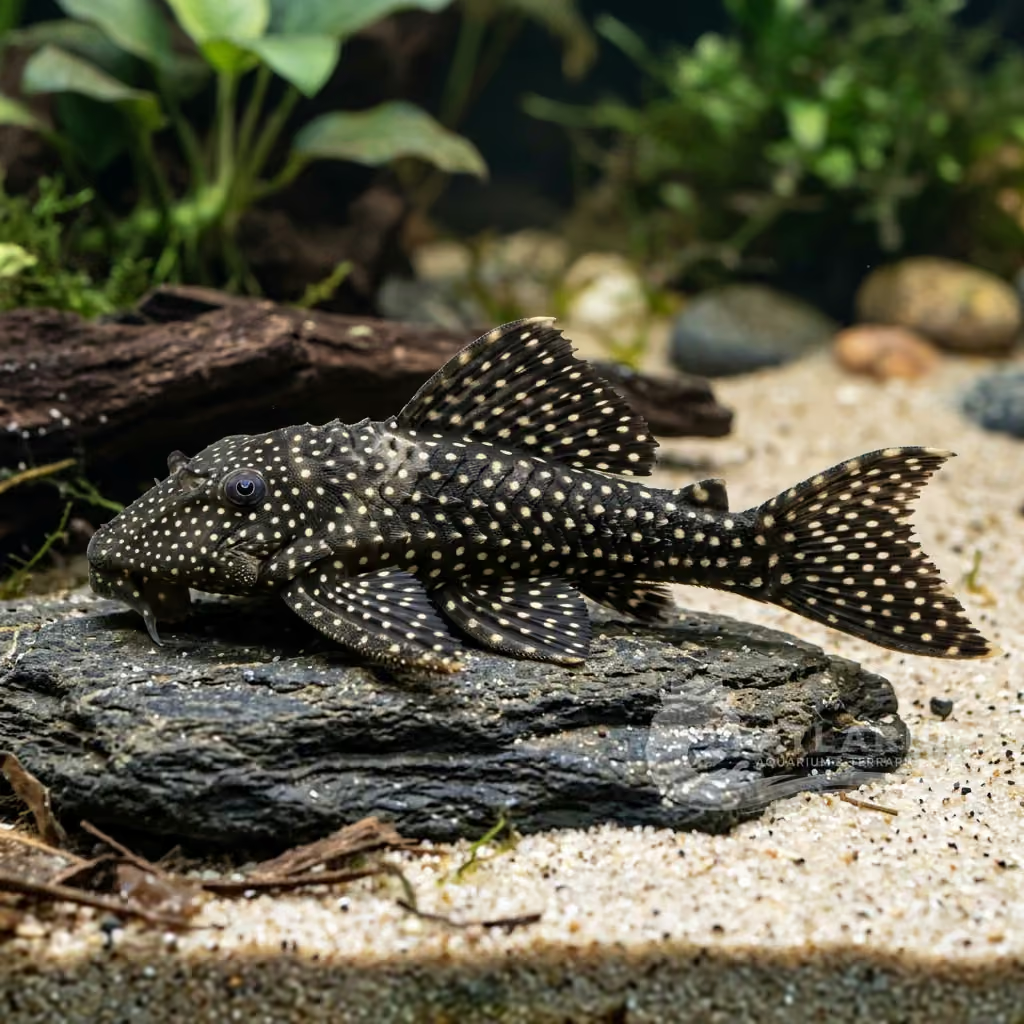
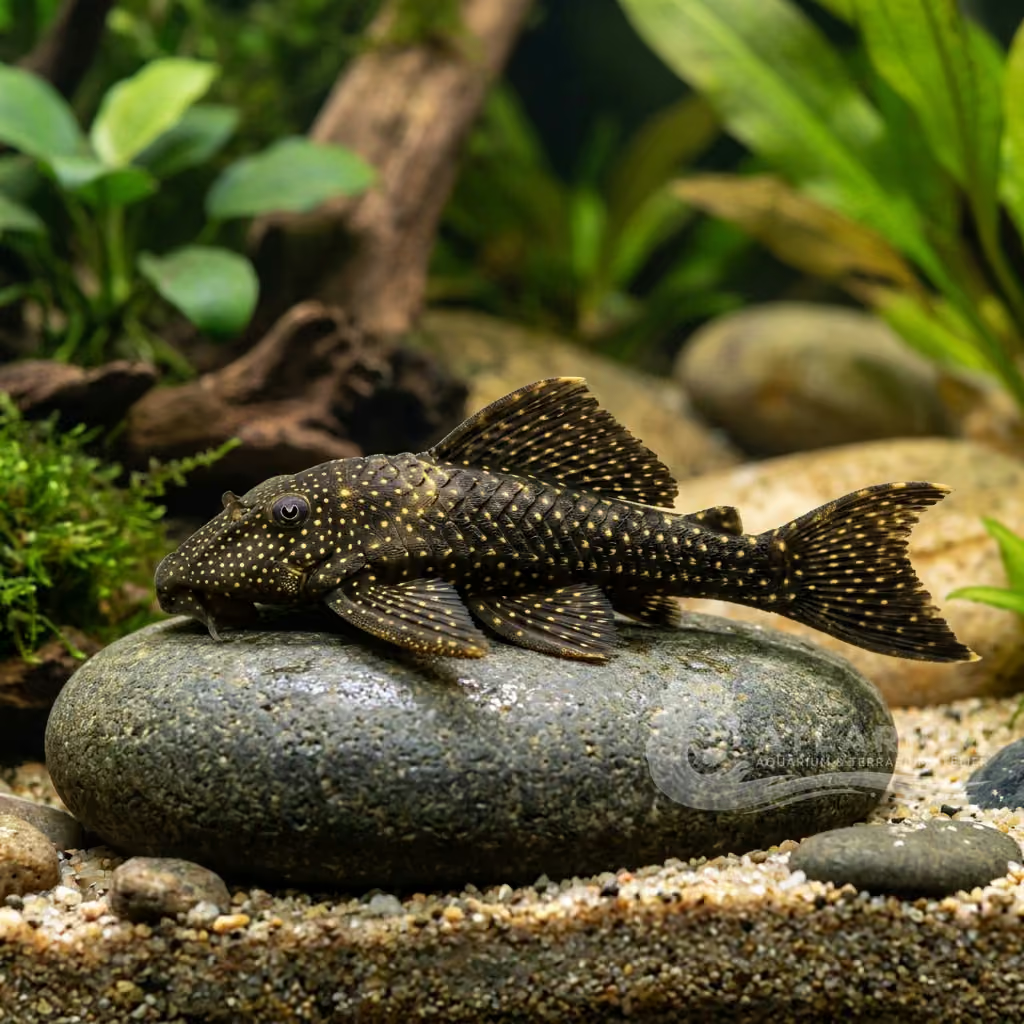
The 'Blizzard' is one of the most striking Cactus Plecos, with a dark livery splashed by dense and bright white spots, resembling a snowstorm. Rare and expensive.
Température de l’eau
25 - 29 °C
Valeur du pH
6 - 7.2
Type d'eau
Eau douce
Niveau dans le bac
Fond
Taille adulte
25 cm
Volume minimal du bac
>= 450 L
Groupe minimal
>= 1
GH
2 - 12 dGH
KH
2 - 10 dKH
TDS
50 - 280 ppm
Conductivité
78 - 438 uS/cm

Description de l'espèce
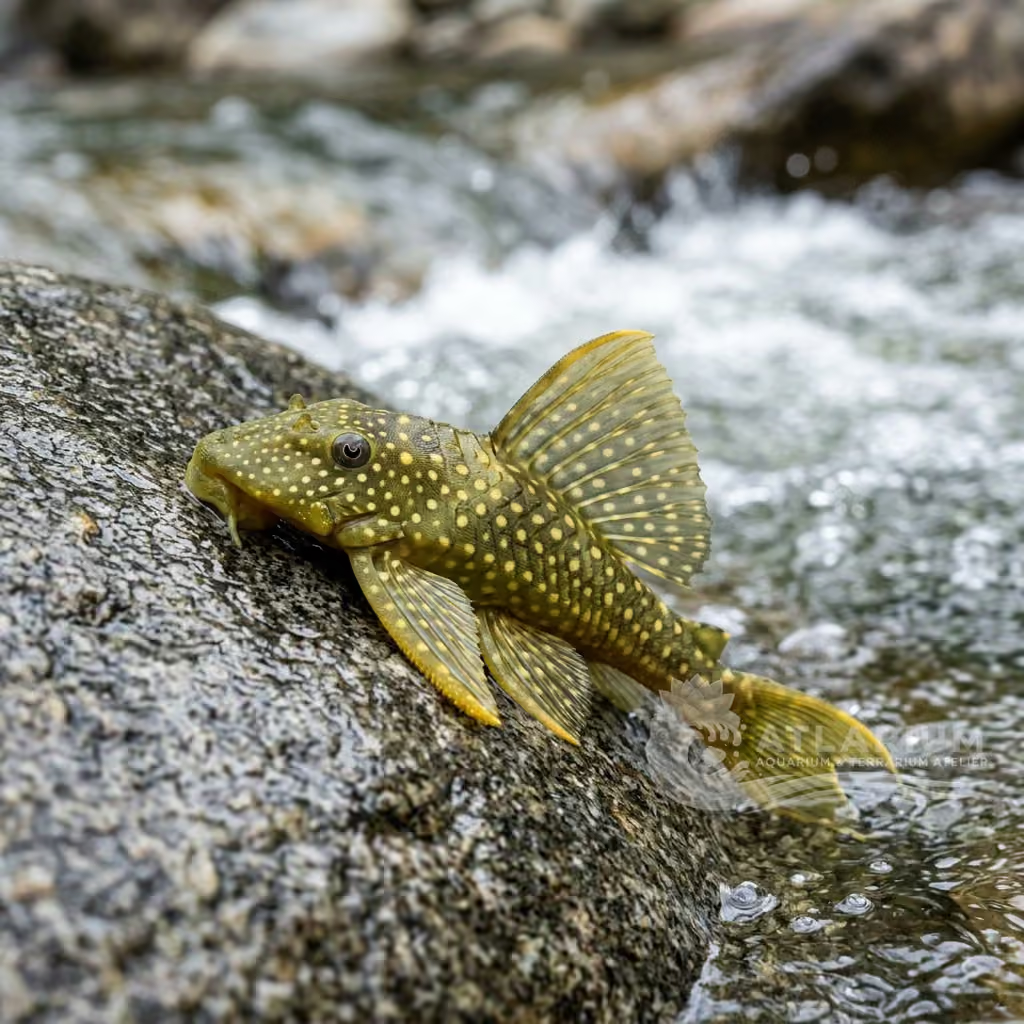
Geographical Origin and Habitat: Rio Tocantins basin (Brazil). Swims in the fast and rocky stretches of the river, often anchored in the underwater crevices of rocks and waterfalls to resist the powerful seasonal current.
Taxonomy and Morphology: Blizzard Cactus Pleco (L065). Imposing pleco belonging to the "group" of spiny plecos (Cactus Plecos). Like other Pseudacanthicus, it boasts armor as thick as stone, covered with painful spikes (odontodes) if handled.
Social Behavior: Solitary and highly aggressive towards other bottom-dwelling fish, especially conspecifics. Guards its crevice/cave by violently attacking any other pleco that approaches to steal food or space.
Coloration and Sexual Dimorphism: Magnificent livery called "Blizzard": very dark body (anthracite or intense black) covered with pristine and bright irregular white spots. Males with a squarish head and extended spikes along the entire flank and pectoral fins.

Soins, reproduction et cohabitation
Aquarium Setup: Tank for giant fish (minimum 150-180 cm / 60-72 inches in length). The tank must be designed with enormous smooth stones wedged together to create unfathomable canyons, adequate PVC pipes, and high-flow circulation pumps.
Diet and Feeding: Almost exclusively carnivorous. Devours clams, whole shrimp slices, earthworms, strips of fish fillet, and large commercial tablets for bottom carnivores. Will reject vegetarian regimes and vegetables.
Water Quality: Being endemic to tumultuous waters, it is sensitive to a lack of oxygen and to organic load (which it worsens by producing voluminous excrement). Imposes strict weekly water changes and high temperatures (25-29°C / 77-84°F).
Compatibility and Cohabitation: Perfect partner for setups with large Amazonian predators (Arowana, Cichla, large rays). There must be no competition for the substrate: pairing with other loricariids will often lead to the death of one of the contenders.
Aquarium Breeding: Extreme. Male and female engage in hard fights before spawning in sealed tubes. The male takes care of the egg mass by expelling debris with vigorous tail strokes.
Risks and Diseases: Very hardy, but a prolonged water pump failure will asphyxiate it or cause a lethal ammonia spike, given its enormous oxygen consumption.

Origine et répartition géographiques
Rio Tocantins basin (Brazil). Swims in the fast and rocky stretches of the river, often anchored in the underwater crevices of rocks and waterfalls to resist the powerful seasonal current.
Origine
Amazonie, Orénoque et Guyanes

Profil de poisson
- Tempérament
- Semi-aggressive
- Strongly territorial and aggressive towards similar species. They are generally peaceful towards fish in the upper water column. Use caution when introducing them to tanks with existing bottom dwellers.
- Régime alimentaire
- Carnivore
- Predominantly carnivorous. Offer a varied diet of meaty foods like mussels, shrimp, sinking carnivore pellets, and frozen bloodworms. They occasionally nibble on wood but need high protein.
- Espérance de vie
- 10-15 years
- Taille adulte
- 25 cm
- Ratio des sexes
- Harem
- Recommended to be kept singly to avoid territorial aggression. In very large tanks, a harem of one male to a few females might work. Males are generally more spiny and have broader heads.
- Fréquence d'alimentation
- Twice daily
- Feed daily, preferably when the aquarium lights are off. They are nocturnal and more active in the dark. Make sure food is placed near their hiding spots.
- Charge biologique
- Medium to High
- High bioload due to their adult size and carnivorous diet. They require a mature and robust filtration system. Frequent large water changes are necessary to keep nitrates low.
- Courant
- Stagnant
- Require well-oxygenated water with moderate to strong flow. Mimicking a river environment with powerheads is highly recommended. High temperatures should be accompanied by high oxygenation.
- Risque de saut
- No
- Reproduction
- Oviparous
- Breeding is rarely reported in captivity. They are assumed to be cave spawners like other Pseudacanthicus. Requires pristine water and large, suitable caves for the male to guard.
- Compatibilité et compagnons
- Territorial
- Can be kept with robust mid and top-dwelling species. They are highly territorial towards other plecos and bottom dwellers. Provide plenty of visual barriers if mixing with other bottom fish.
- Niveau dans le bac
- Bottom
- Strictly bottom-dwelling. They spend most of the day hidden in caves or crevices. Ensure the hardscape is stable to prevent injuries.

Espèces associées
Recommandations regroupées par proches parents, compagnons et soins similaires.