Hypancistrus sp. L450
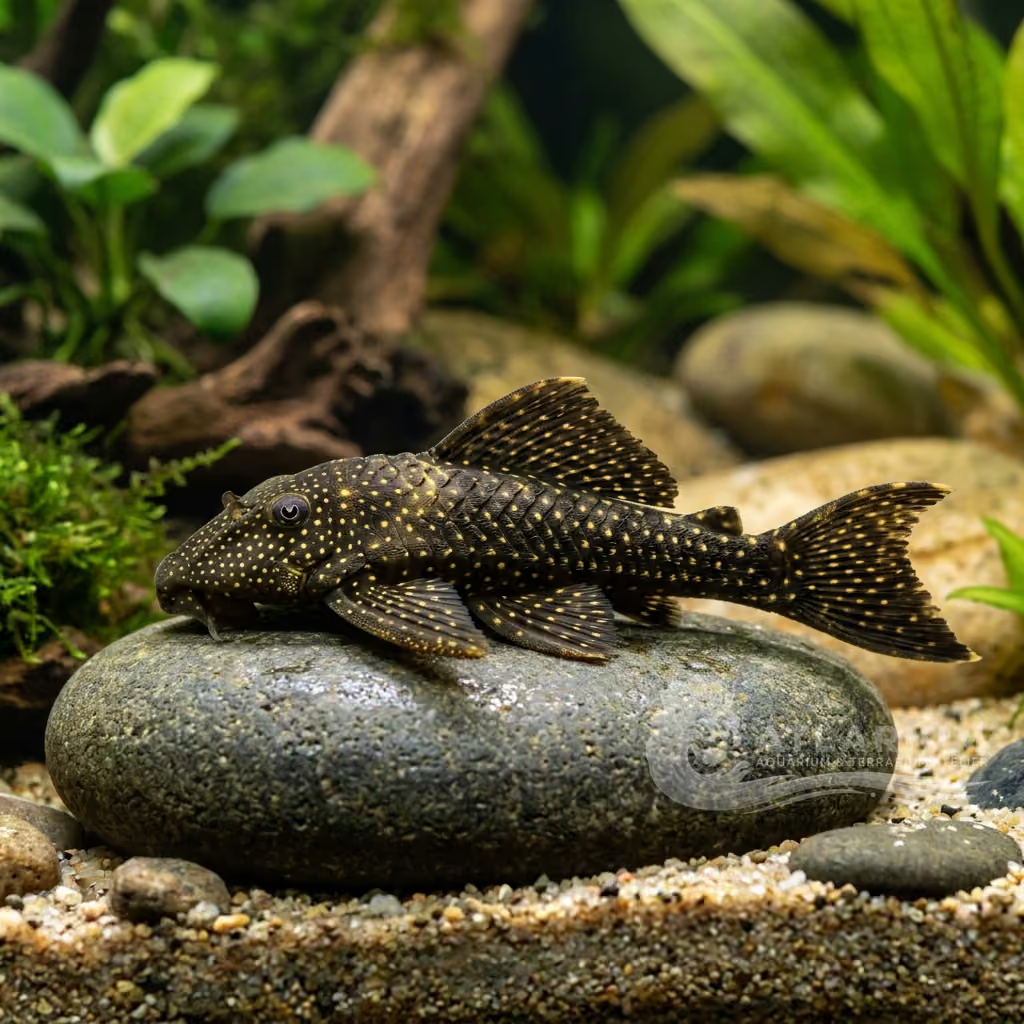
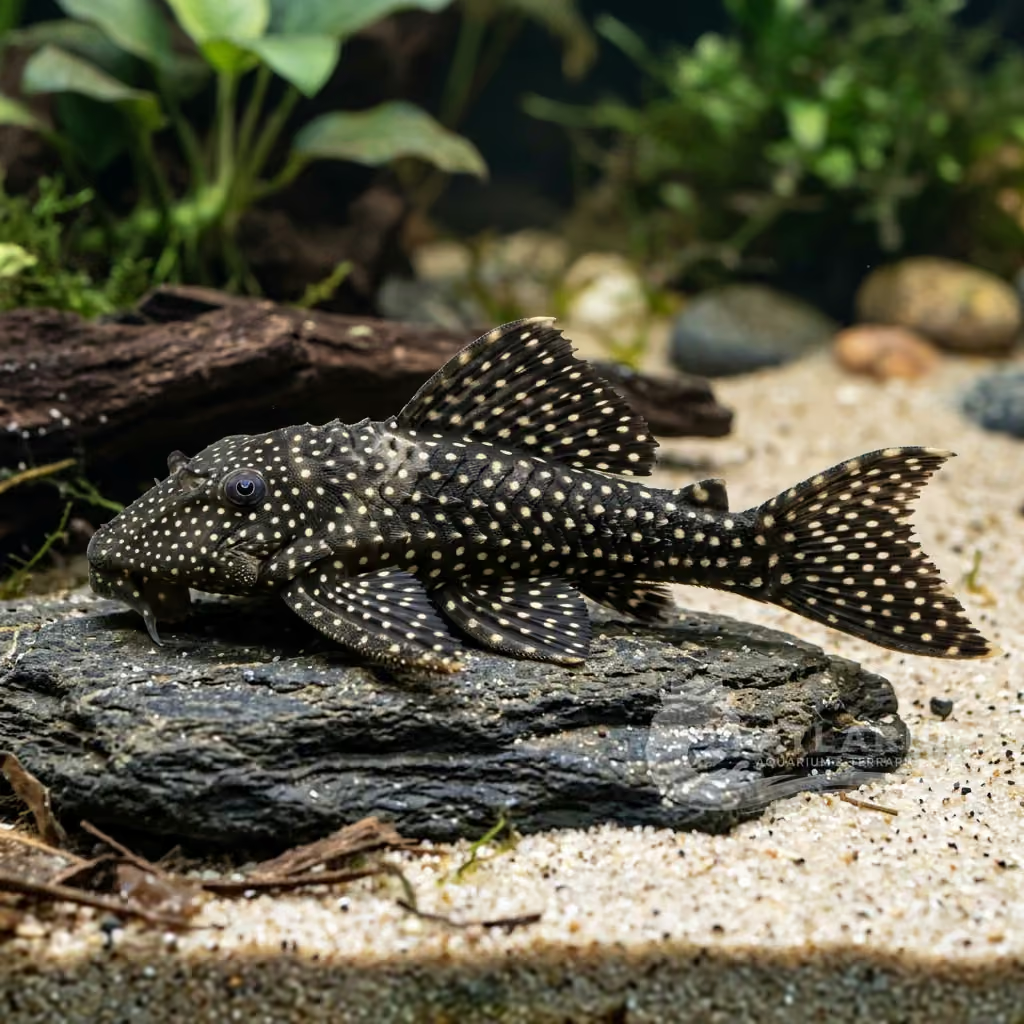
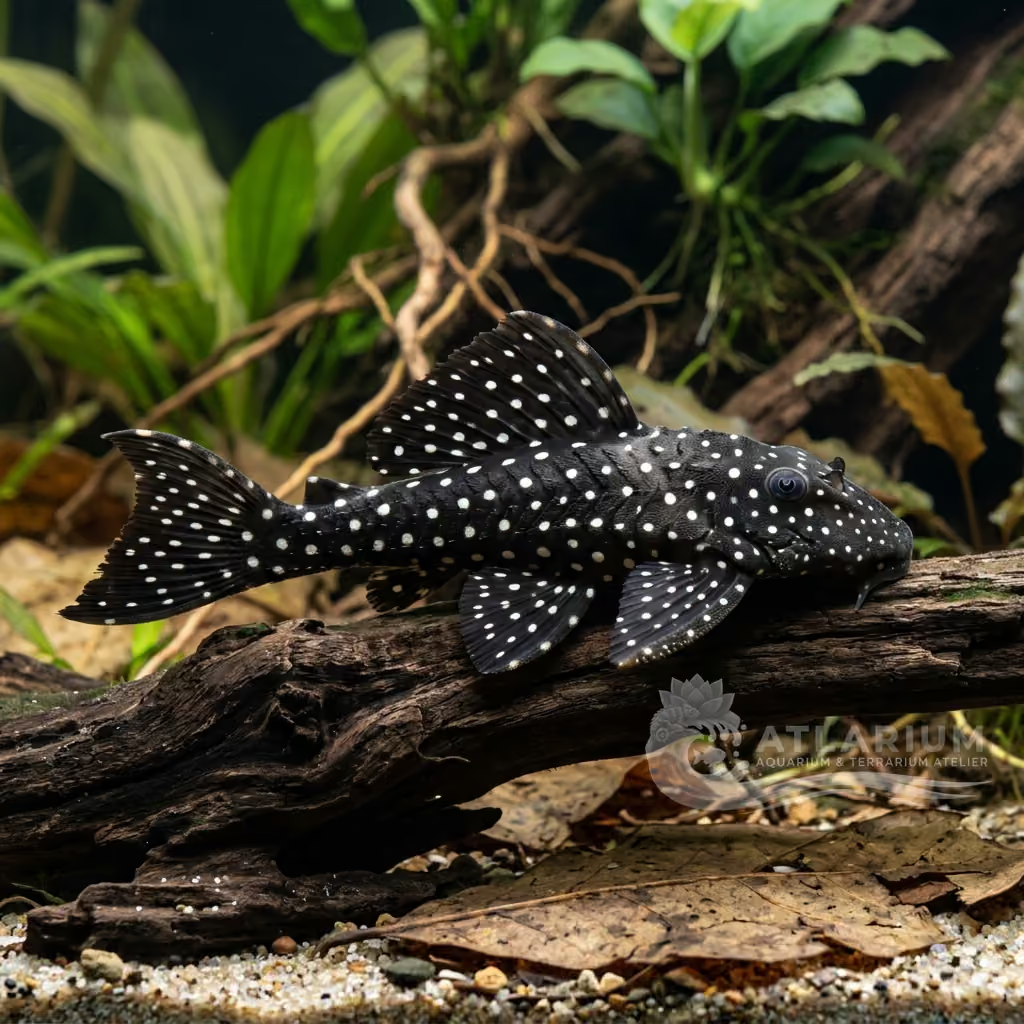
The 'Orinoco Zebra Pleco' (12 cm). One of the most extraordinary and mysterious representatives of the Hypancistrus genus from the Orinoco basin, often confused or associated with the zebra fish network (L046, L173, L316). It features horizontal bands of sharp black contrast on white/cream on the snout, which transform into a thick tangle or more irregular and inclined bands on the rear flanks. Strictly nocturnal animal, inexorably carnivorous, requires boiling, impetuous waters and tubular ceramic hiding places. Extremely rare jewel for dedicated South American aquariums.
Température de l’eau
27 - 31 °C
Valeur du pH
5.5 - 7
Type d'eau
Eau douce
Niveau dans le bac
Fond
Taille adulte
12 cm
Volume minimal du bac
>= 100 L
Groupe minimal
>= 1
GH
1 - 12 dGH
KH
1 - 6 dKH
TDS
25 - 240 ppm
Conductivité
39 - 375 uS/cm
Description de l'espèce

Geographical Origin and Habitat: The Castaway of the Puerto Ayacucho Rapids. Comes from the turbulent river basins of the Orinoco (Venezuela), specifically from areas close to Puerto Ayacucho, characterized by immense rounded black granitic massifs, crystal clear water swept by violent currents and temperatures frequently approaching 30°C (86°F).
Taxonomy and Morphology: The Striped Enigma. Physiologically, it presents the typical anatomy of meat eaters: large eyes placed on top of the robust skull, flat belly, lips lacking the arsenal of rasping teeth necessary for wood, in favor of a few more solid teeth. Its phenotype is still debated: many suspect that this "L-number" intercepts natural transitional populations between L316 and other banded hypancistrus of the Orinoco. Medium size (around 11-12 cm / 4.5 inches).
Social Behavior: The Silent Hermit of the Currents. Total pacifism towards the tank, associated with a strong shyness in over-illuminated environments. Spends the day barricaded under flat crevices or deaf tubes, moving towards food deposit points only in deep penumbra. Males moderately quarrelsome solely to defend the space of the chosen reproductive site.
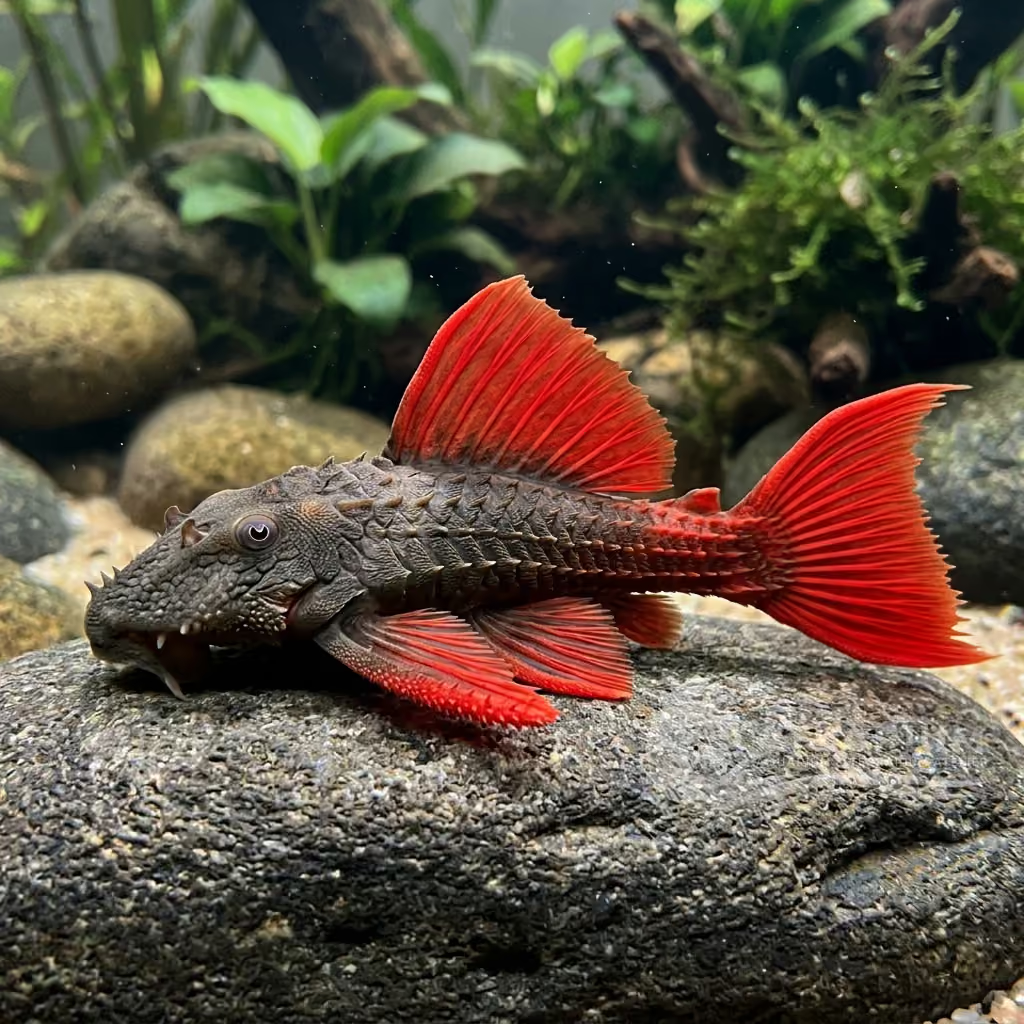
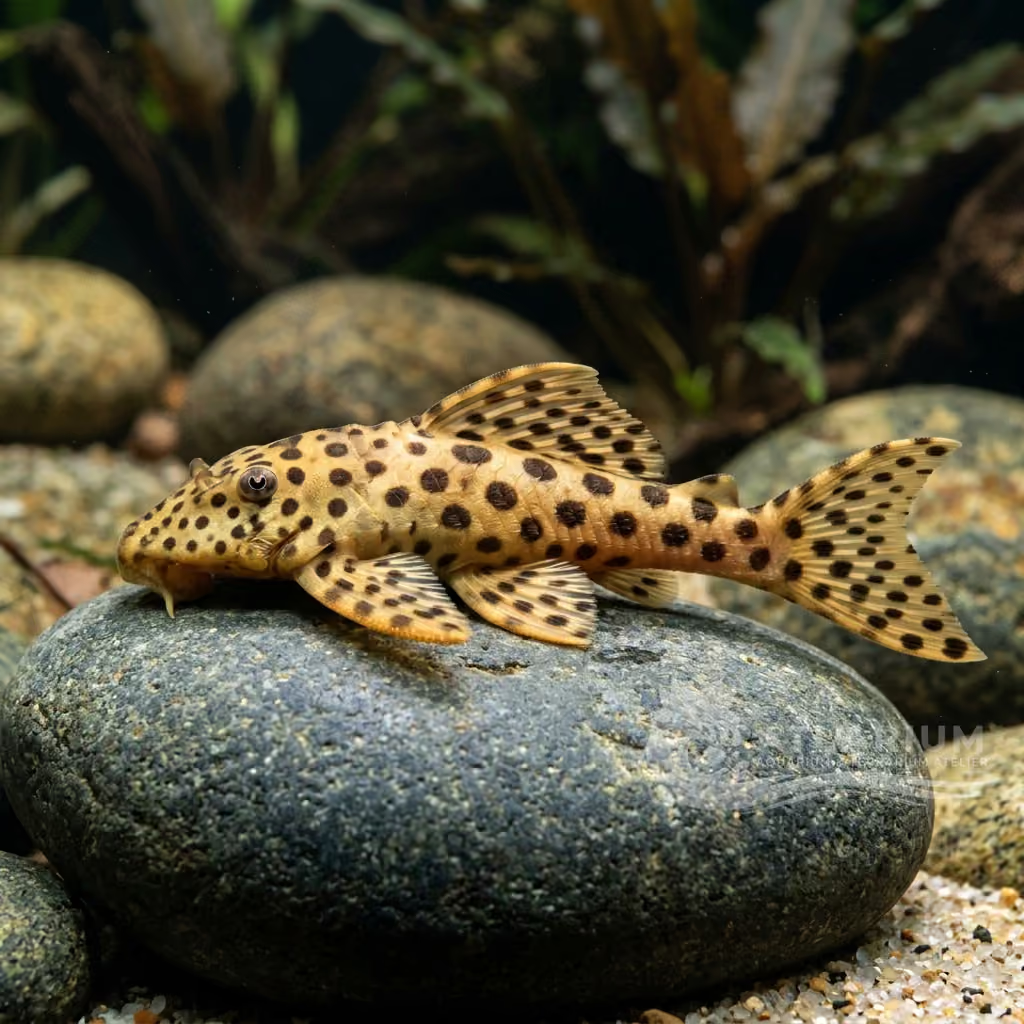
Coloration and Sexual Dimorphism: The Horizontal Optical Illusion. Dark brown or matte black body adorned with thick cream/pearl white stripes. The snout possesses lines mostly parallel to the body axis (longitudinal), but reaching the dorsal fin the lines become vertical or form rings and chaotic labyrinths on the caudal peduncle. Male visibly more robust, with a widened wedge-head, and covered laterally by bristly and hooked protective bristles (odontodes) that the female never possesses to an equal extent.
Soins, reproduction et cohabitation
Aquarium Setup: Demands "Cascading Black Caves" (Tank min. 80 cm / 30 in). The bottom must be gravelly or sandy, dominated by gigantic dark stones or solidly stacked slate slabs, creating underground crevices parallel to the water flow. Use ceramic dens closed on one side. Indispensable a vigorous water circulation ensured by powerful movement pumps (Wavemakers) to reproduce the fury of the river of origin.
Diet and Feeding: Blind Benthic Hunter. COMPLETELY INADEQUATE AS AN ALGAE EATER. Offer exclusive food of animal origin during the night: heavy carnivorous protein wafers, and a large selection of previously thawed frozen foods made to arrive intact on the bottom (red bloodworms, mysis, whole brine shrimp, rarely mussel meat or minced white fish).
Water Quality: Dynamic Blackwater Necessity. Requires a very stable but above all roasting and hyper-oxygenated chemical environment. Maintain temperatures of 27-31°C (81-88°F; 29°C/84°F is the perfect biological peak). The waters of its habitat are very poor in calcareous salts (soft, low GH) and slightly acidic or moderately neutral (pH 5.5 - 7.0). Extremely sensitive to ammonia and in case of oxygen drop.
Compatibility and Cohabitation: Rapid River Community. Demands tankmates compatible with flow and heat: stable schools of Corydoras (like *C. sterbai*), rheophilic Characins (which love the current), and non-aggressive algae-eating loricariids (Ancistrus). TO AVOID: Hyperactive Botia and Loaches, large and fast nocturnal cleaners that would inexorably snatch the meal from the slow and shy L450, or bellicose Central American Cichlids.
Aquarium Breeding: Serial Igloo Spawner. The ritual is the classic brutal but harmless trapping of the female in the tube pre-chosen by the dominant male, which lasts hours or days. After laying (up to 30 enormous yellow-orange spheres) the female is exiled. The male spends up to 3 weeks as an obstinate fan, fanning the brood protected in the dark of the den, only to disperse miniature identical larvae of the adult.
Risks and Diseases: Lethality from Unaware Energy Deficiencies. The L450 does not show striking slimming symptoms from above as it is equipped with heavy exoskeletal armored plates. The belly will curve inwards towards the spine until death (lethal starvation) if forced to feed on spirulina and zucchini mistakenly sold for "the tiger glass-cleaner". Very vulnerable to coloring medicines and anti-snail treatments containing metals (Copper).
Origine et répartition géographiques
The Castaway of the Puerto Ayacucho Rapids. Comes from the turbulent river basins of the Orinoco (Venezuela), specifically from areas close to Puerto Ayacucho, characterized by immense rounded black granitic massifs, crystal clear water swept by violent currents and temperatures frequently approaching 30°C (86°F).
Origine
Amazonie, Orénoque et Guyanes
Profil de poisson
- Tempérament
- Semi-aggressive
- They exhibit a distinctly peaceful, shy, and reclusive temperament, strongly preferring the safety of their caves. While generally docile, males will aggressively defend their preferred spawning caves from other males of the same species. Ensuring there are significantly more caves available than there are plecos easily solves any territorial issues.
- Régime alimentaire
- Omnivore
- Their diet should be almost exclusively carnivorous, consisting of high-quality, sinking protein-rich foods. They will readily devour frozen bloodworms, mysis shrimp, and specially formulated carnivore sinking wafers. They lack the specialized dentition to efficiently scrape algae, so vegetable matter should only be an occasional treat.
- Espérance de vie
- 10-15 years
- Taille adulte
- 12 cm
- Ratio des sexes
- Specific M:F ratio
- Mature males are easily distinguished by the prominent, elongated odontodes on their pectoral fin spines and cheeks. Males also tend to have a broader, more robust head profile compared to the rounder bellies of mature females. Maintaining a ratio with a higher number of females to males generally yields the best breeding results.
- Fréquence d'alimentation
- Twice daily
- They should be fed once a day, with the best time being just after the aquarium lights are turned off. As nocturnal foragers, they are much bolder and more active when searching for food in the dark. Care must be taken to ensure they are getting enough food if kept with fast, aggressive eaters.
- Charge biologique
- Low to Medium
- This intricately marked pleco produces a moderate bioload consistent with its size and carnivorous diet. Because they require protein-rich foods, their biological waste demands a well-cycled and robust filtration system. Performing regular weekly water changes is highly recommended to keep the environment perfectly pristine.
- Courant
- Stagnant
- They prefer environments with highly oxygenated water and a moderate to moderately strong flow rate. Utilizing powerheads to create a directional current will mimic the river environments they naturally inhabit. Adequate surface agitation is crucial to maintain the high dissolved oxygen levels these fish require.
- Risque de saut
- No
- Reproduction
- Oviparous
- They are typical cave spawners, with the male taking on all the brooding and guarding responsibilities. The male selects a tight cave, traps the female to initiate spawning, and then expels her to guard the eggs alone. The male will constantly fan the eggs to ensure oxygenation and protect the newly hatched fry.
- Compatibilité et compagnons
- Peaceful
- They are peaceful and somewhat shy community fish that pose absolutely no threat to mid-water or top-dwelling species. They do extremely well alongside calm, similarly sized Amazonian fish like tetras, pencilfish, and Corydoras. Hiding spots must be abundant to prevent them from being bullied by larger, more aggressive bottom feeders.
- Niveau dans le bac
- Bottom
- They are obligate bottom dwellers that require an aquarium floor featuring complex hardscape elements. Providing numerous ceramic spawning caves, intricate driftwood tangles, and stacked rock crevices is absolutely essential. They will spend nearly the entire day wedged securely into their chosen hiding spots.