Itanyi Cichlid
Krobia itanyi
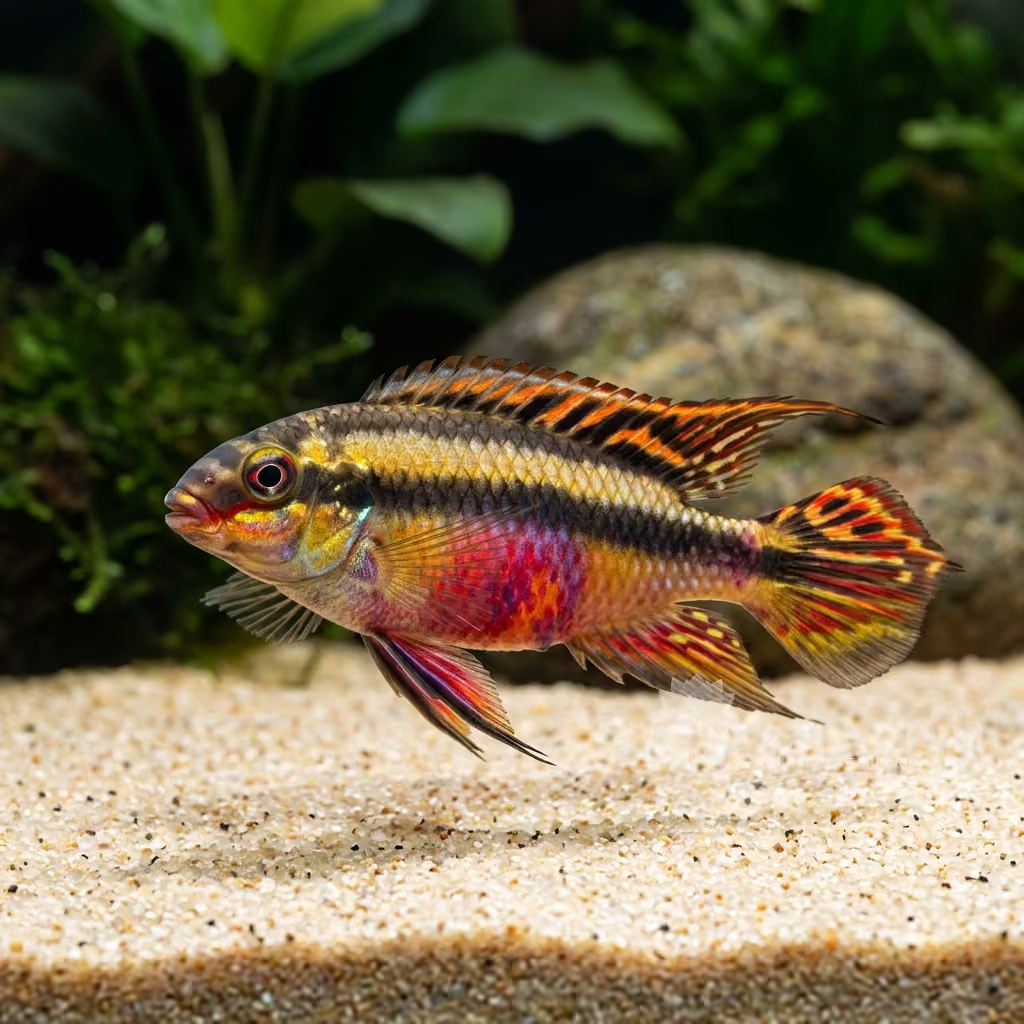
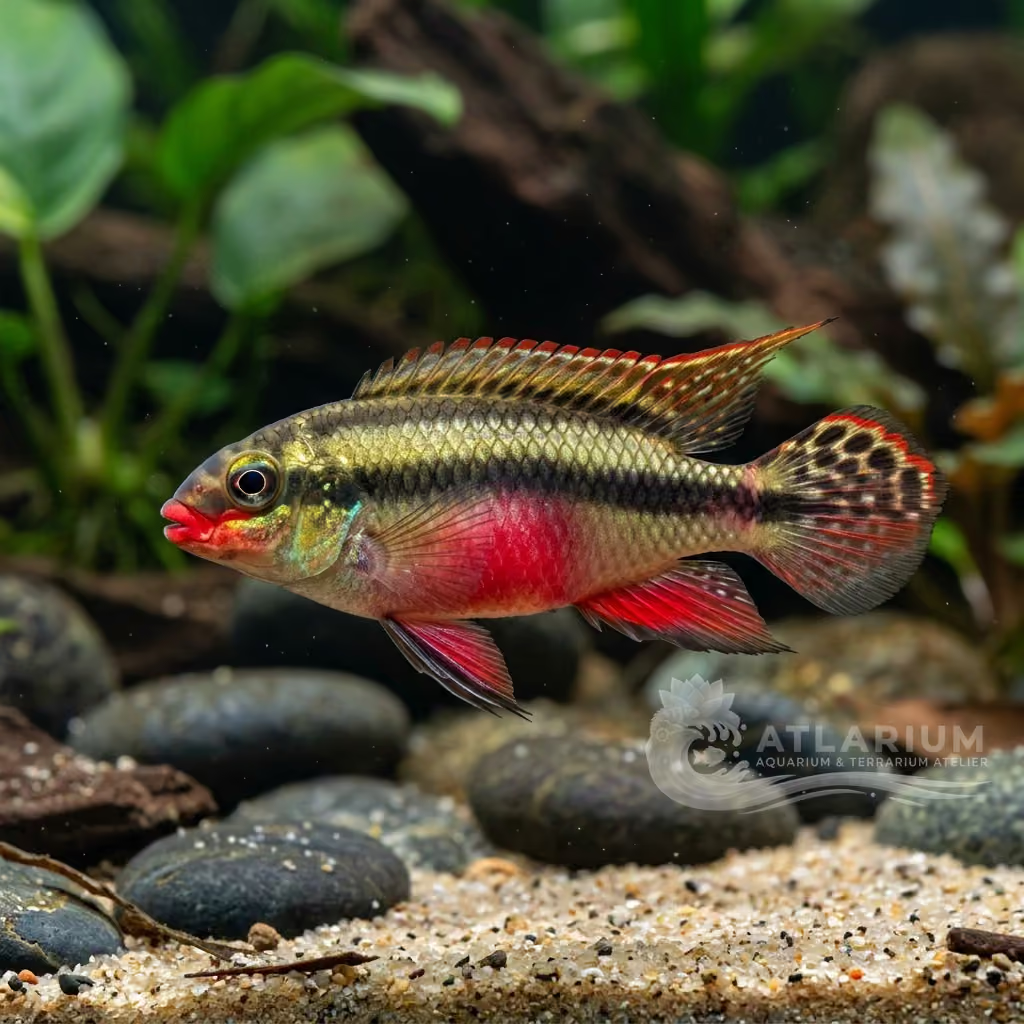
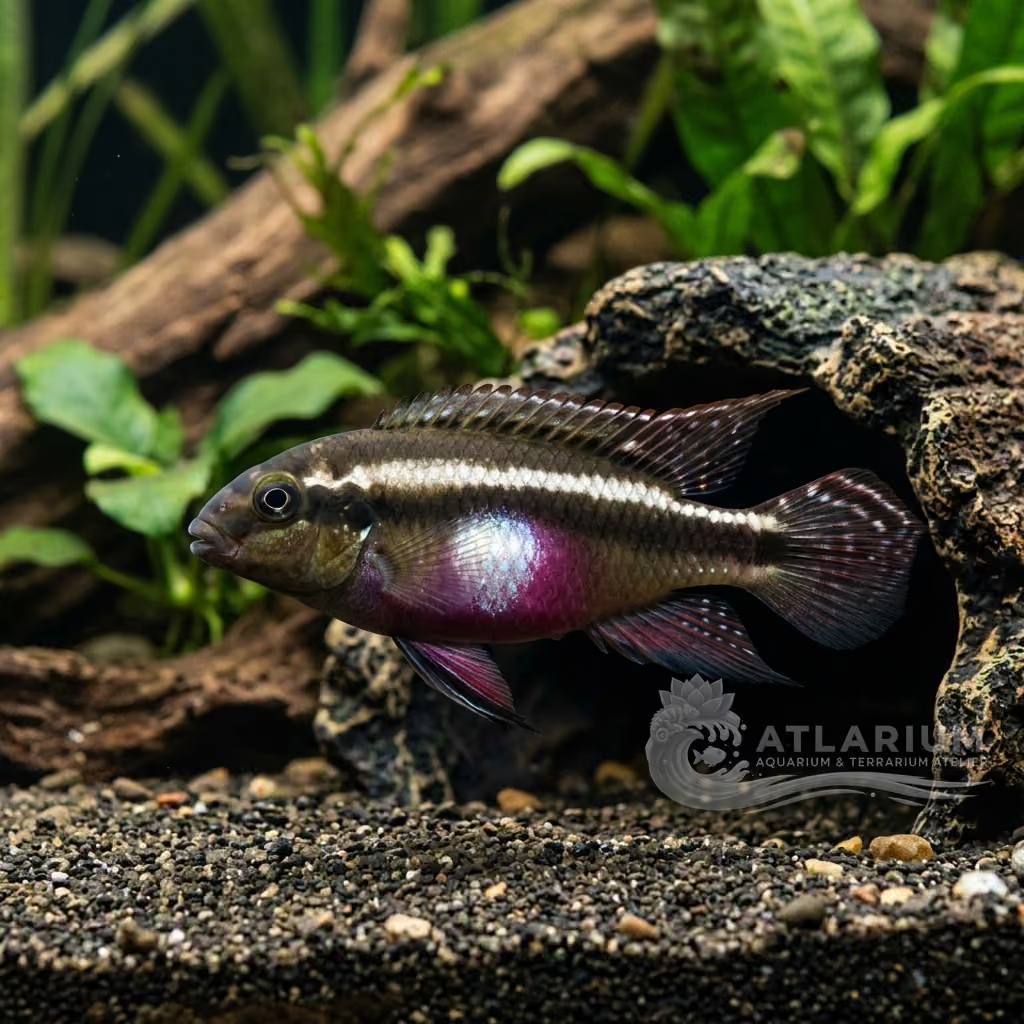
The reserved and colorful 'Dolphin Cichlid of the Itany' (12-14 cm). Similar to K. guianensis, the Krobia itanyi is appreciated for a greater chromatic vivacity, exhibiting splendid pinkish strokes and warm orange. It shares the incredible docility of the genus: it is a "living room cichlid" that avoids clashes, ignores plants and goes unnoticed until it shows its spectacular colors in the dark meanders of a Blackwater style aquarium.
Température de l’eau
22 - 28 °C
Valeur du pH
5.5 - 7
Type d'eau
Eau douce
Niveau dans le bac
Fond et milieu
Taille adulte
14 cm
Volume minimal du bac
>= 180 L
Groupe minimal
>= 1
GH
1 - 10 dGH
KH
1 - 5 dKH
TDS
25 - 200 ppm
Conductivité
39 - 313 uS/cm

Description de l'espèce
Geographical Origin and Habitat: Maroni River and tributaries (between Suriname and French Guiana). Inhabits very calm or stagnant streams covered by dense aquatic vegetation and banks shaded by trees.
Taxonomy and Morphology: Dolphin Cichlid / Itanyi Cichlid (Krobia itanyi). Closely related to the guianensis, it is slightly more massive (14 cm / 5.5 inches). Equally rounded snout profile, similar to the snout of marine mammals (Dolphin).
Social Behavior: Zen cichlid. It is known for its exceptionally calm temperament; it ignores most small fish (as long as they don't fit in its mouth) and tends to station lazily in mid-water. Less shy than its guianensis cousin.
Coloration and Sexual Dimorphism: The livery is a uniform pastel green/gold, spotted on the sides, but the unique feature is the absence or weakness of the dark lateral line compared to the guianensis, compensated by a more "creamy" and orange base coloration on the belly (especially in the adult male). More powerful males with pointed fins.

Soins, reproduction et cohabitation
Aquarium Setup: South American tank of 120 cm (48 inches). Sandy bottom mixed with small smooth pebbles. Large polished roots forming shady ravines. It is important to shield the light with floating epiphytic plants to give it security.
Diet and Feeding: Insectivore/Omnivore. Seeks food on the bottom or in mid-water, likes small snails or pieces of shrimp. Can be quickly accustomed to dry food as long as it sinks (it does not willingly rise to the surface to eat).
Water Quality: Typical "Blackwater" species: dissolved tannins (released by leaves and woods) are necessary to keep the mucosa strong. A weakly acidic ph (6.0 - 6.5) and absence of strong currents will prevent illness.
Compatibility and Cohabitation: Excellent. Ideal cichlid for pairings with massive Characins (Bleeding Heart Tetra, Emperor Tetra), Mesonauta festivus, Angelfish or large Loricariids. Never pair them with "fin-nipper" or very frenetic fish that will keep them perpetually holed up.
Aquarium Breeding: Simple if the water is pristine. They become very territorial when brooding, cleaning a flat surface in semi-darkness (Biparental Substrate Spawners). They move the young to sandy pits after hatching and defend them fiercely but for a very restricted radius.
Risks and Diseases: Sensitivity to Nitrates. The stocky build hides a vulnerability to HITH (Hole in the Head disease); persistent water pollution will quickly deteriorate the cephalic cartilage and appetite.

Origine et répartition géographiques
Maroni River and tributaries (between Suriname and French Guiana). Inhabits very calm or stagnant streams covered by dense aquatic vegetation and banks shaded by trees.
Origine
Amazonie, Orénoque et Guyanes

Profil de poisson
- Tempérament
- Semi-aggressive
- Often called the 'Dolphin Cichlid,' they are gentle, intelligent, and relatively shy. They are non-aggressive unless they are actively protecting a batch of fry. They are an excellent introductory cichlid for community aquariums.
- Régime alimentaire
- Omnivore
- They are omnivorous and require a diverse diet to thrive. High-quality cichlid pellets should be supplemented with frozen bloodworms, brine shrimp, and daphnia. Adding spirulina or blanched vegetables occasionally helps balance their digestion.
- Espérance de vie
- 5-8 years
- Taille adulte
- 14 cm
- Ratio des sexes
- Pair
- Pairs are the ideal way to keep adult Krobia itanyi. You can start with a small group of 5-6 juveniles and let them pair off naturally. Male-heavy groups may experience some mild bickering, but severe injuries are rare.
- Fréquence d'alimentation
- Twice daily
- Offer them food one to two times daily in moderate portions. They are eager eaters but should only be given what they consume in a few minutes. Avoid heavy feeding to maintain water quality and prevent obesity.
- Charge biologique
- Medium to High
- This species has a moderate bioload typical of mid-sized South American cichlids. A strong canister filter and weekly water changes are highly recommended. Excellent water parameters are required to showcase their stunning colors.
- Courant
- Stagnant
- They originate from slow-moving rivers and prefer gentle to moderate flow. Strong, turbulent water will cause them stress and should be avoided. A well-placed spray bar is ideal to distribute the filter return gently.
- Risque de saut
- Yes
- Jumping is uncommon, though it can occur if they are startled during maintenance. A properly fitted lid will safely prevent any unexpected exits. A dimly lit, heavily planted tank makes them feel secure and reduces flight responses.
- Reproduction
- Oviparous
- They are biparental substrate spawners, laying eggs on smooth stones or pieces of wood. The pair will actively defend their brood from other tank inhabitants. Breeding is relatively easy when fed a high-protein diet in soft, acidic water.
- Compatibilité et compagnons
- Semi-aggressive
- They are famously peaceful and make great centerpieces for a community tank. They do very well with schooling tetras, hatchetfish, and small catfish. Keep them away from boisterous or overly aggressive tankmates that could stress them.
- Niveau dans le bac
- Middle/Bottom
- They spend most of their time cruising the lower to middle sections of the water column. They will forage among driftwood tangles and rest near the substrate. Providing broad-leaved plants like Echinodorus is highly appreciated.

Modèles et paramètres scientifiques
FishBase
Fenêtre sur les données scientifiques officielles de l’espèce
FishBase v25.04Données synchronisées le : 15/06/2026
- Niveau trophique
- 3,4 ± 0,46 se
- Résilience
- Élevée (moins de 15 mois)
- Singularité phylogénétique (PD50)
- 0.5625
- Relation bayésienne longueur-poids
- a = 0.02754, b = 3.06
- VulnérabilitéVulnérabilité faible (10 / 100)

Espèces associées
Recommandations regroupées par proches parents, compagnons et soins similaires.