Red-eye Krobia
Krobia xinguensis
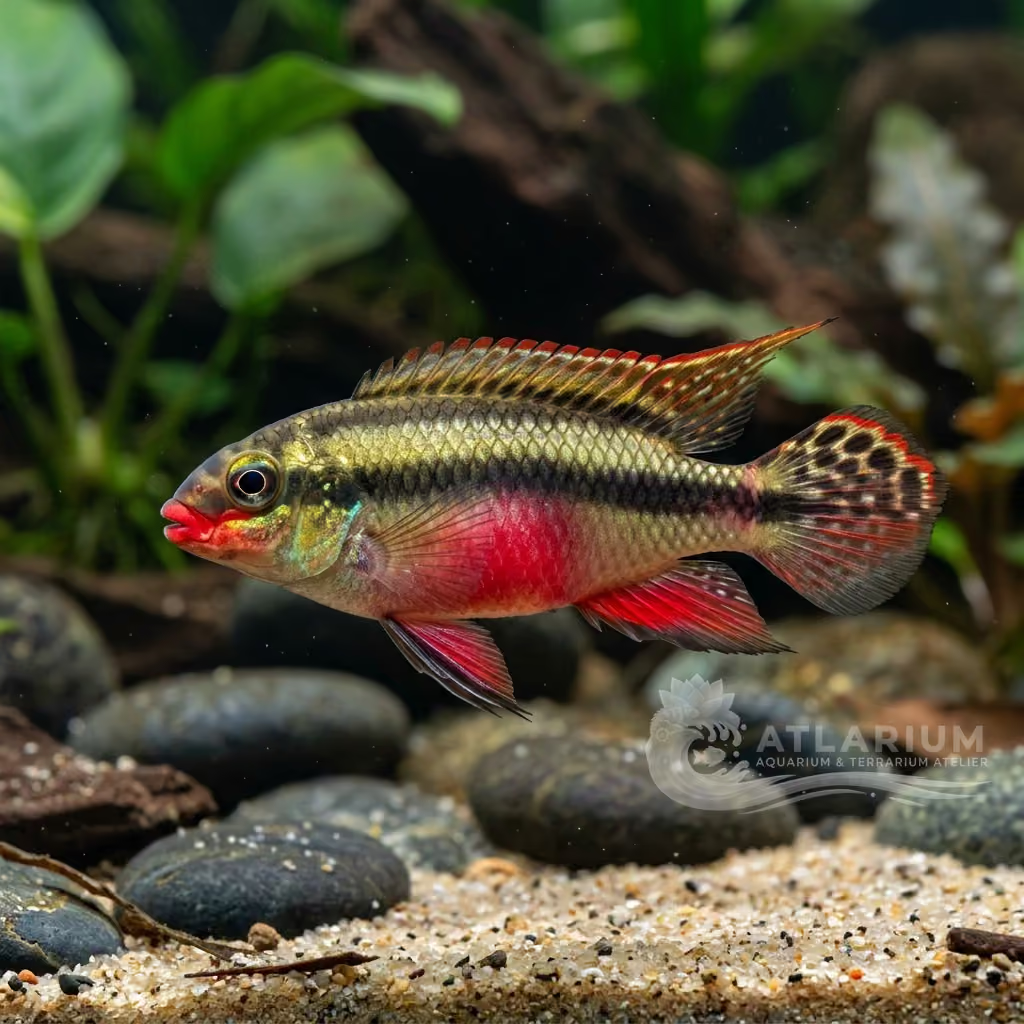
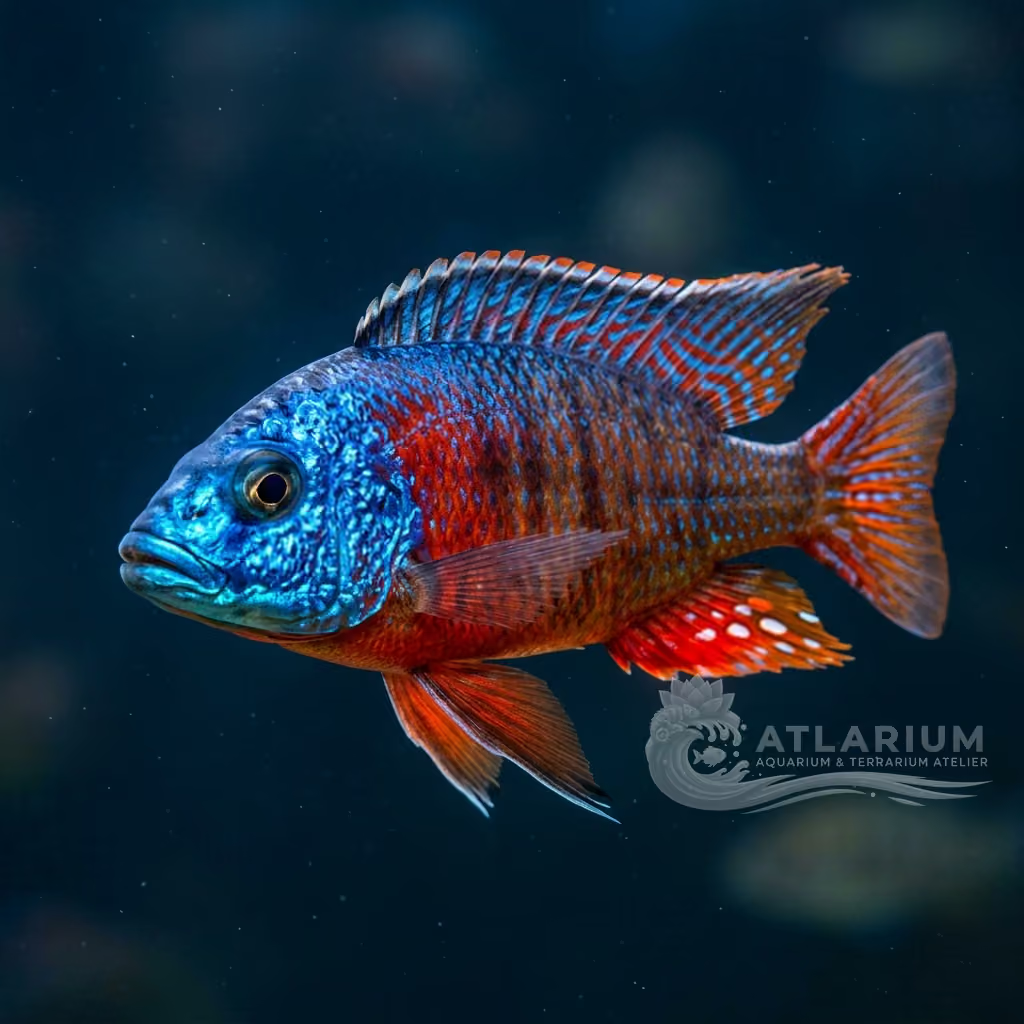
Placid South American cichlid (12 cm), famous for its incredibly peaceful nature and flaming iris. Excellent in community tanks, does not uproot plants and swims gracefully.
Température de l’eau
25 - 29 °C
Valeur du pH
6 - 7.5
Type d'eau
Eau douce
Niveau dans le bac
Fond et milieu
Taille adulte
13 cm
Volume minimal du bac
>= 180 L
Groupe minimal
>= 1
GH
1 - 12 dGH
KH
1 - 6 dKH
TDS
25 - 240 ppm
Conductivité
39 - 375 uS/cm

Description de l'espèce
Geographical Origin and Habitat: Rio Xingu basin (Brazil). Frequents lagoons or weak-current branches with clear waters (Clearwater) but rich in organic debris, submerged wood and patches of coastal vegetation.
Taxonomy and Morphology: Xingu Dolphin Cichlid / Red-Cheek Krobia (Krobia xinguensis). Species formally described only in 2012 (previously known as Krobia sp. "Xingu"). Typical Krobia genus body, but with a much more vivid coloration than its congeners.
Social Behavior: Peaceful and gregarious outside the breeding season. Like other Krobias, it is a very tolerant cichlid, does not dig destructively and rarely preys on fish longer than 2 cm (0.8 inches).
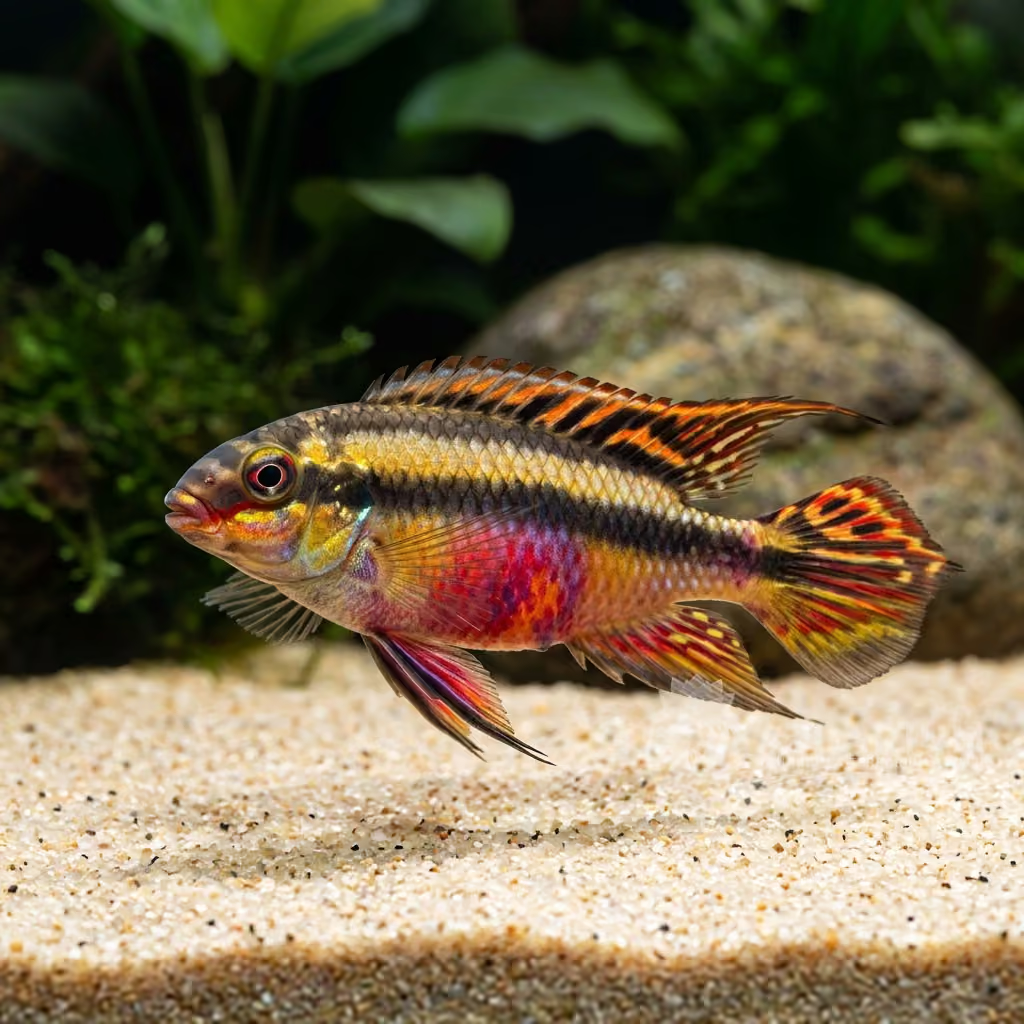
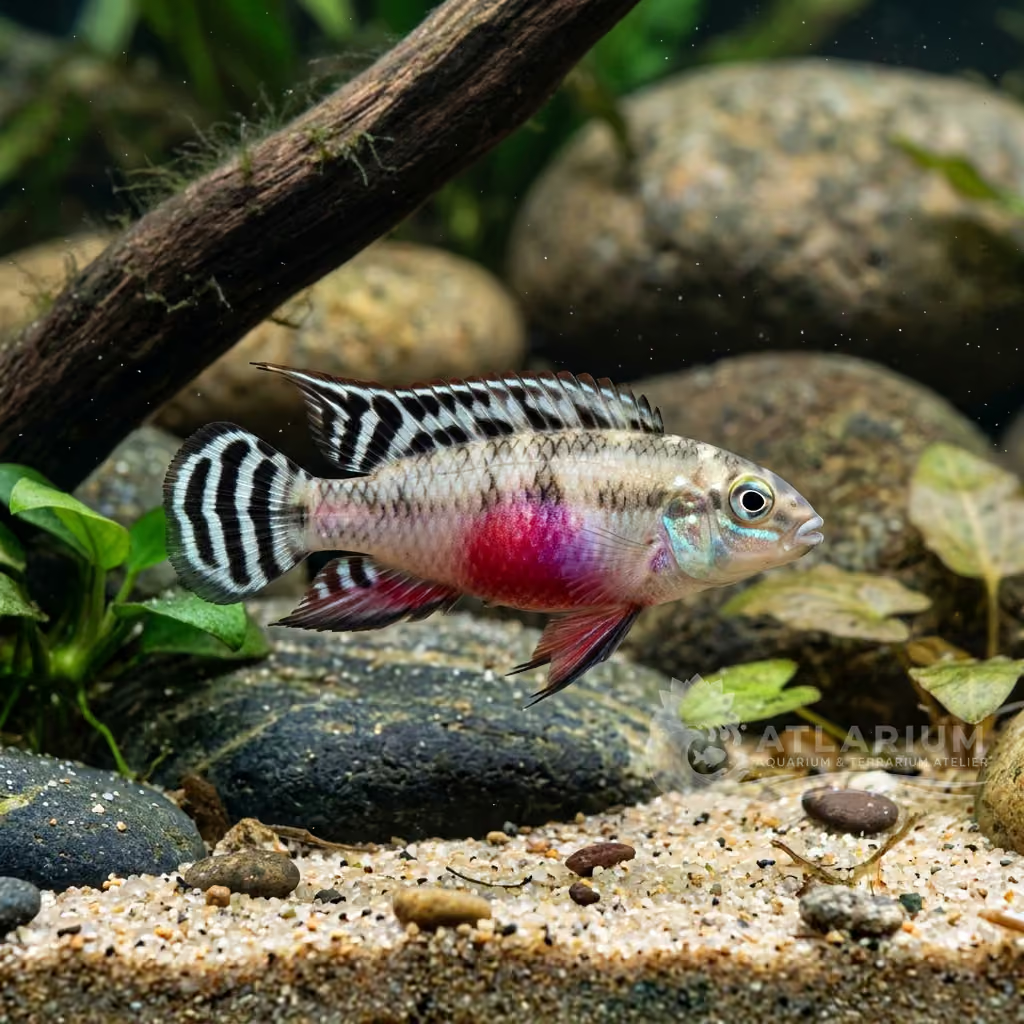
Coloration and Sexual Dimorphism: Spectacular. The metallic green/gold body is crossed by seven weak vertical bands and a fragmented lateral line. The distinguishing feature are the "cheeks" (opercula) and the base of the lower fins which are tinged with bright red/orange, especially in dominant males. Larger male.

Soins, reproduction et cohabitation
Aquarium Setup: Tank of at least 100 cm (40 inches). Ideal a bottom of sand mixed with fine gravel, polished rocks and intricate woods. Lighting must not be blinding; robust plants (Echinodorus) are much appreciated to provide visual barriers.
Diet and Feeding: Very adaptable omnivore. Hunts benthic invertebrates in nature. In the aquarium it accepts basic granular dry feeds, but the colors (especially reds) will only explode by regularly administering bloodworms, krill and brine shrimp.
Water Quality: Being a species from the Rio Xingu (warmer and clearer waters than Guyana), it appreciates medium-high temperatures (26-28°C / 79-82°F) and crystal clear, clean and well-oxygenated water, with pH close to neutrality.
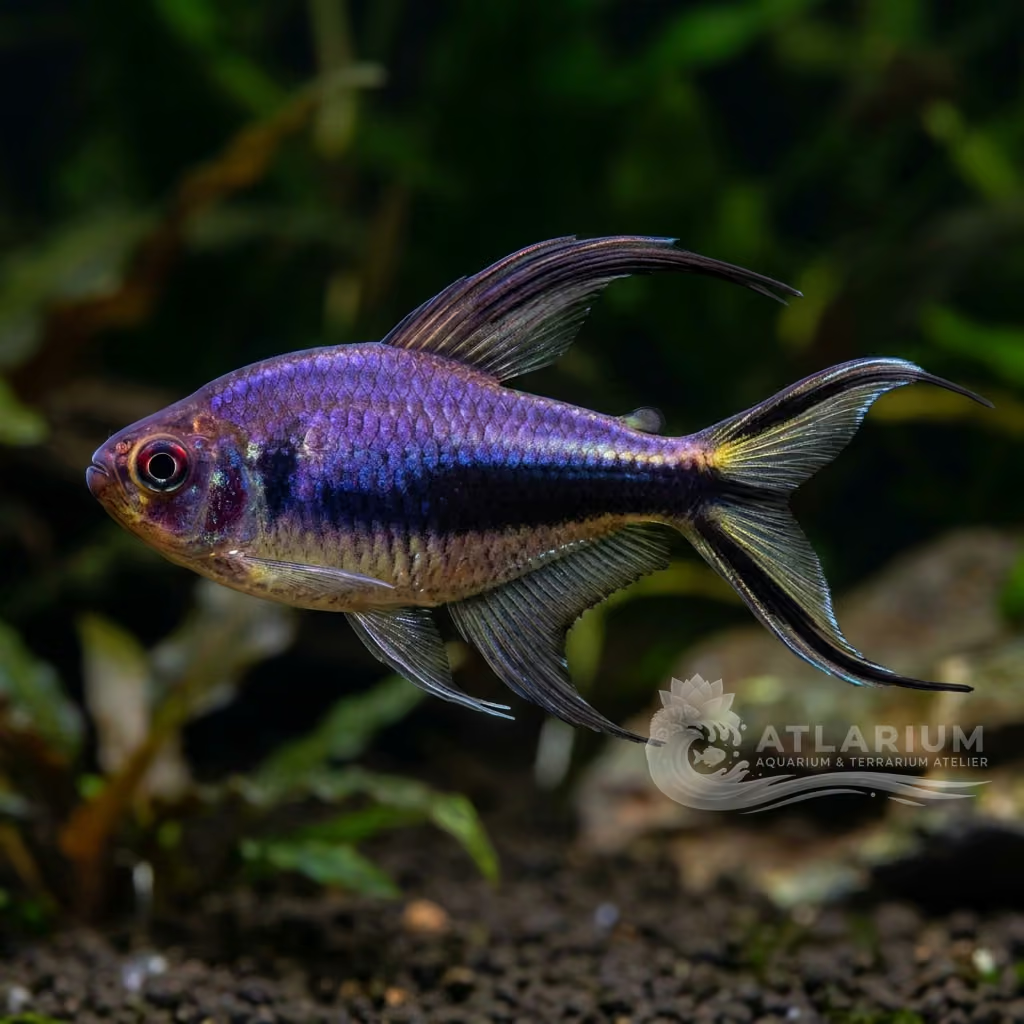
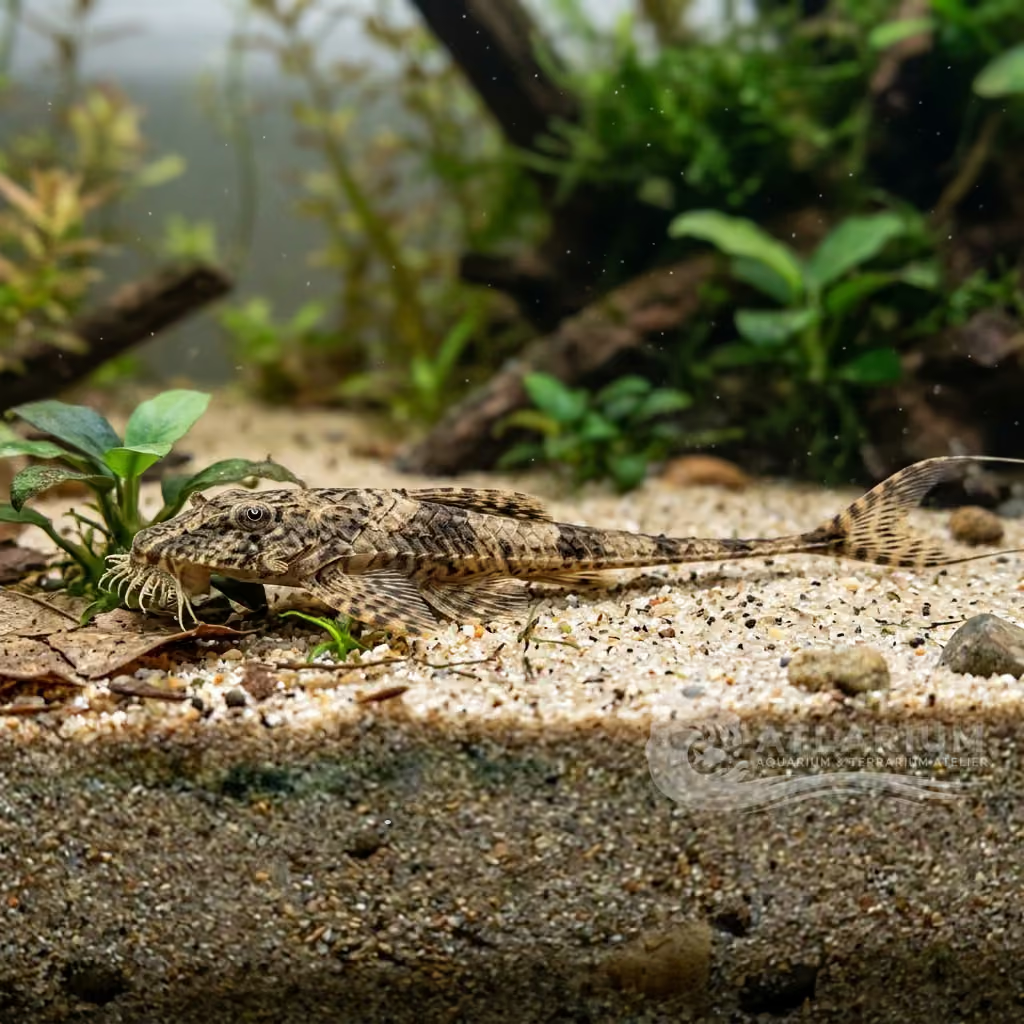
Compatibility and Cohabitation: One of the best cichlids for South American community aquariums. Perfect with Tetras of the genus Hemigrammus or Hyphessobrycon (as long as they are not tiny), Corydoras, and Loricariids of the Rio Xingu (e.g. Ancistrus, Baryancistrus).
Aquarium Breeding: Substrate spawners. Very prolific. They choose a pre-cleaned smooth surface (rock or wood). Parental care is biparental and can last for weeks; in this phase aggression increases but locally to the den.
Risks and Diseases: Lack of coloration due to poor diet. If fed only on generic flakes, Krobia xinguensis will never develop the iconic red cheeks and will appear as "dull Aequidens".

Origine et répartition géographiques
Rio Xingu basin (Brazil). Frequents lagoons or weak-current branches with clear waters (Clearwater) but rich in organic debris, submerged wood and patches of coastal vegetation.
Origine
Océans tropicaux et récifsAmérique du Sud hors Amazonie

Profil de poisson
- Tempérament
- Semi-aggressive
- They have a very placid temperament, making them one of the most peaceful cichlids available. They only show aggression when actively guarding eggs or fry. They are an excellent choice for a large, peaceful community aquarium.
- Régime alimentaire
- Omnivore
- They are unfussy omnivores that readily accept most prepared foods. A diet consisting of high-quality cichlid pellets, frozen bloodworms, and krill is ideal. Supplementing with vegetable matter ensures healthy digestion and color enhancement.
- Espérance de vie
- 8-10 years
- Taille adulte
- 13 cm
- Ratio des sexes
- Pair
- Keeping them in male-female pairs is generally the best approach. A group of juveniles can be purchased to allow natural pairs to form over time. Keeping multiple males may require a large footprint to prevent mild territorial squabbles.
- Fréquence d'alimentation
- Twice daily
- Adults should be fed one to two times daily with appropriately sized portions. Be careful not to overfeed, as they have hearty appetites and will eat until gorged. Removing any leftover food will prevent water degradation.
- Charge biologique
- Medium
- This robust cichlid produces a moderate bioload. They require excellent filtration to maintain low nitrate levels. Regular, sizable water changes are crucial to their long-term health and vibrant coloration.
- Courant
- Stagnant
- They prefer moderate water flow that provides adequate oxygenation without excessive turbulence. The environment should mimic the slightly flowing rivers of the Xingu basin. Gentle surface agitation is highly beneficial.
- Risque de saut
- Yes
- While generally calm, they may jump if startled or chased by another fish. A secure tank lid or canopy is highly recommended to prevent accidental jumps. A well-scaped tank with hiding spots provides necessary security.
- Reproduction
- Oviparous
- They are biparental open-substrate spawners that usually lay eggs on flat rocks. The parents are excellent caregivers and will fiercely protect their fry from intruders. Providing flat stones and stable water parameters will encourage breeding.
- Compatibilité et compagnons
- Semi-aggressive
- They are a peaceful species that does remarkably well in a South American community tank. They mix well with Geophagus, large tetras, and peaceful catfish. Aggressive or hyperactive tankmates should be avoided to prevent them from becoming withdrawn.
- Niveau dans le bac
- Middle/Bottom
- They generally inhabit the lower to middle levels of the aquarium. They enjoy sifting the substrate occasionally and hanging around driftwood structures. They are active swimmers but stay close to cover.

Modèles et paramètres scientifiques
FishBase
Fenêtre sur les données scientifiques officielles de l’espèce
FishBase v25.04Données synchronisées le : 15/06/2026
- Niveau trophique
- 3,3 ± 0,4 se
- Singularité phylogénétique (PD50)
- 0.5625
- Relation bayésienne longueur-poids
- a = 0.02692, b = 3.02
- VulnérabilitéVulnérabilité faible (10 / 100)

Espèces associées
Recommandations regroupées par proches parents, compagnons et soins similaires.