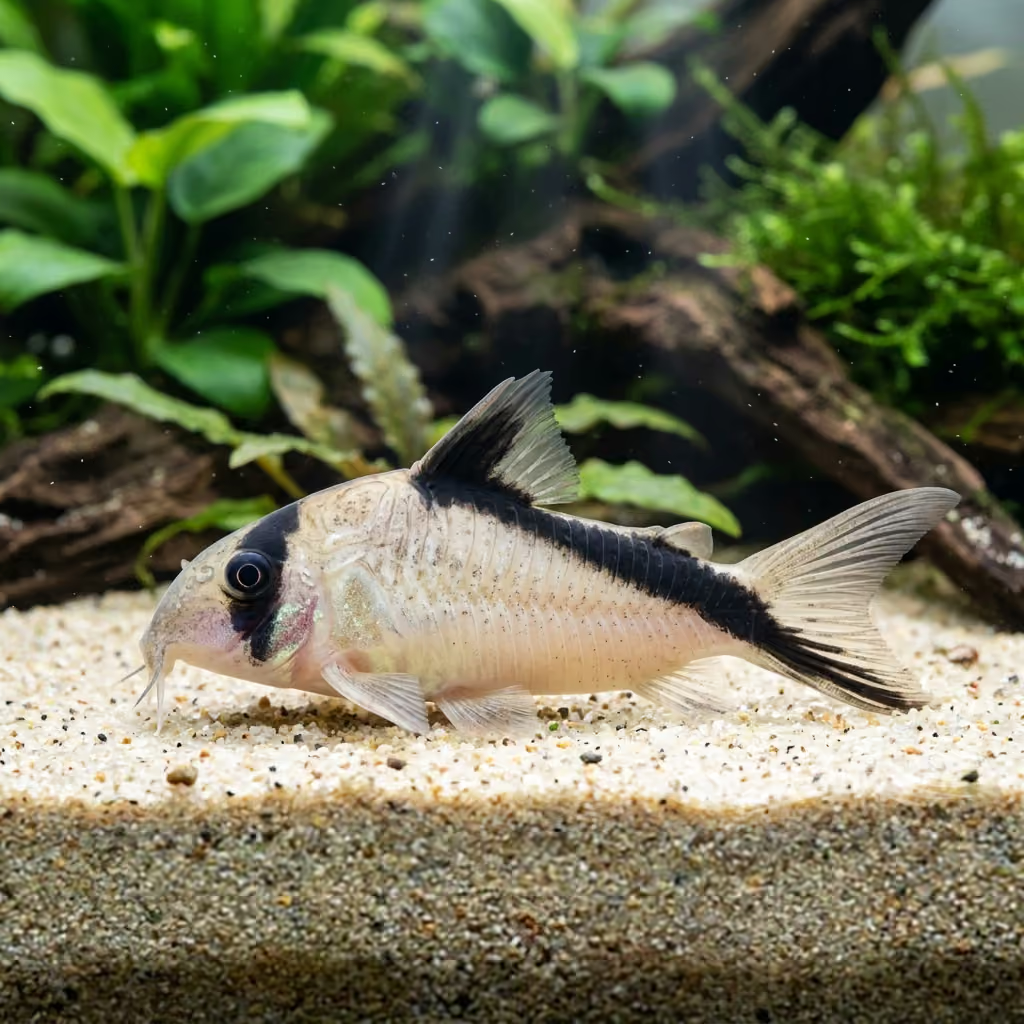
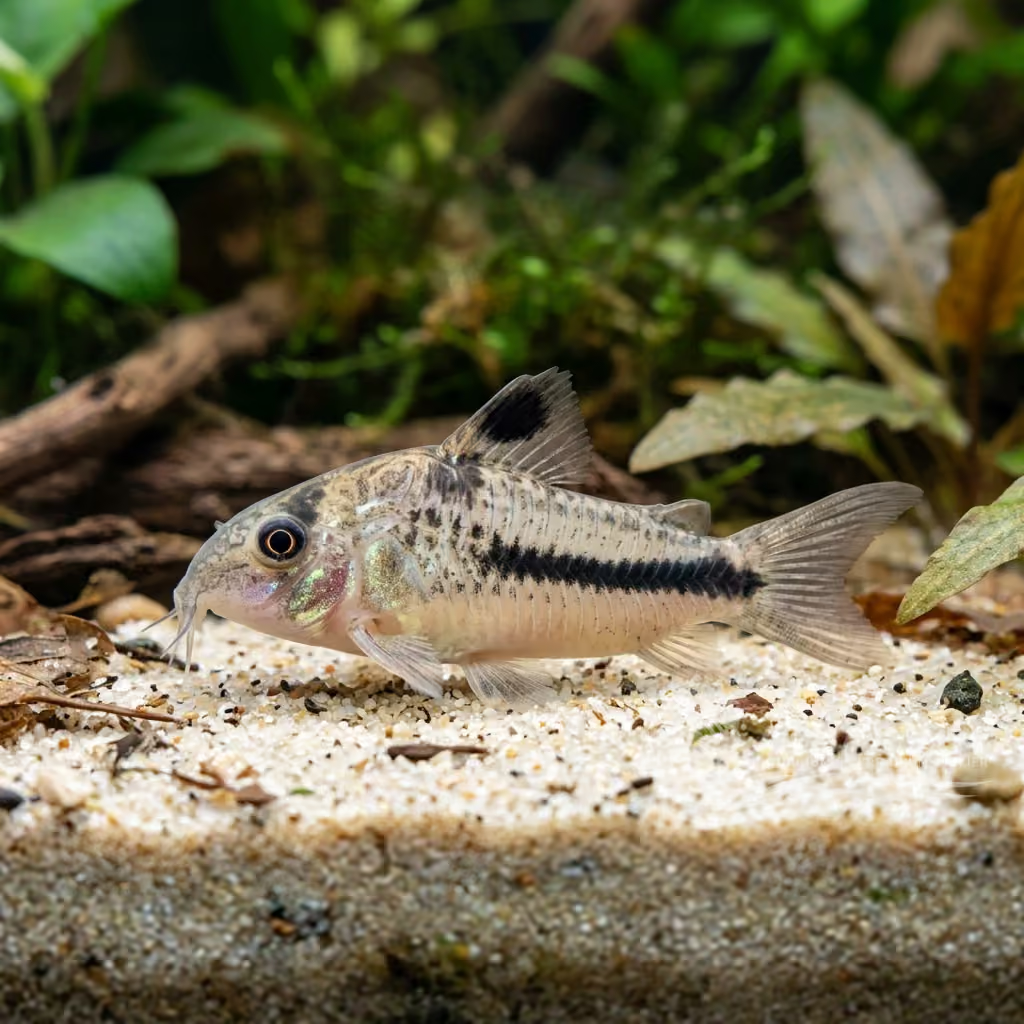
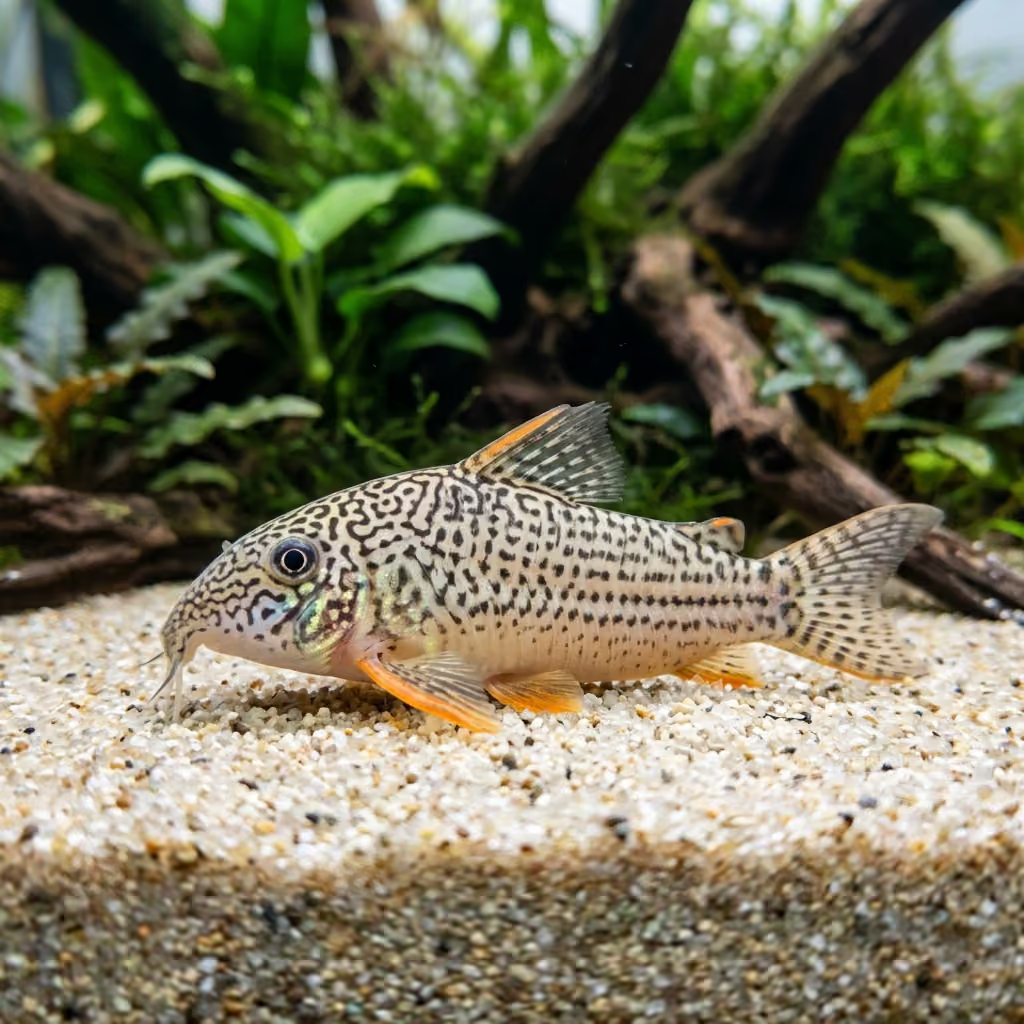
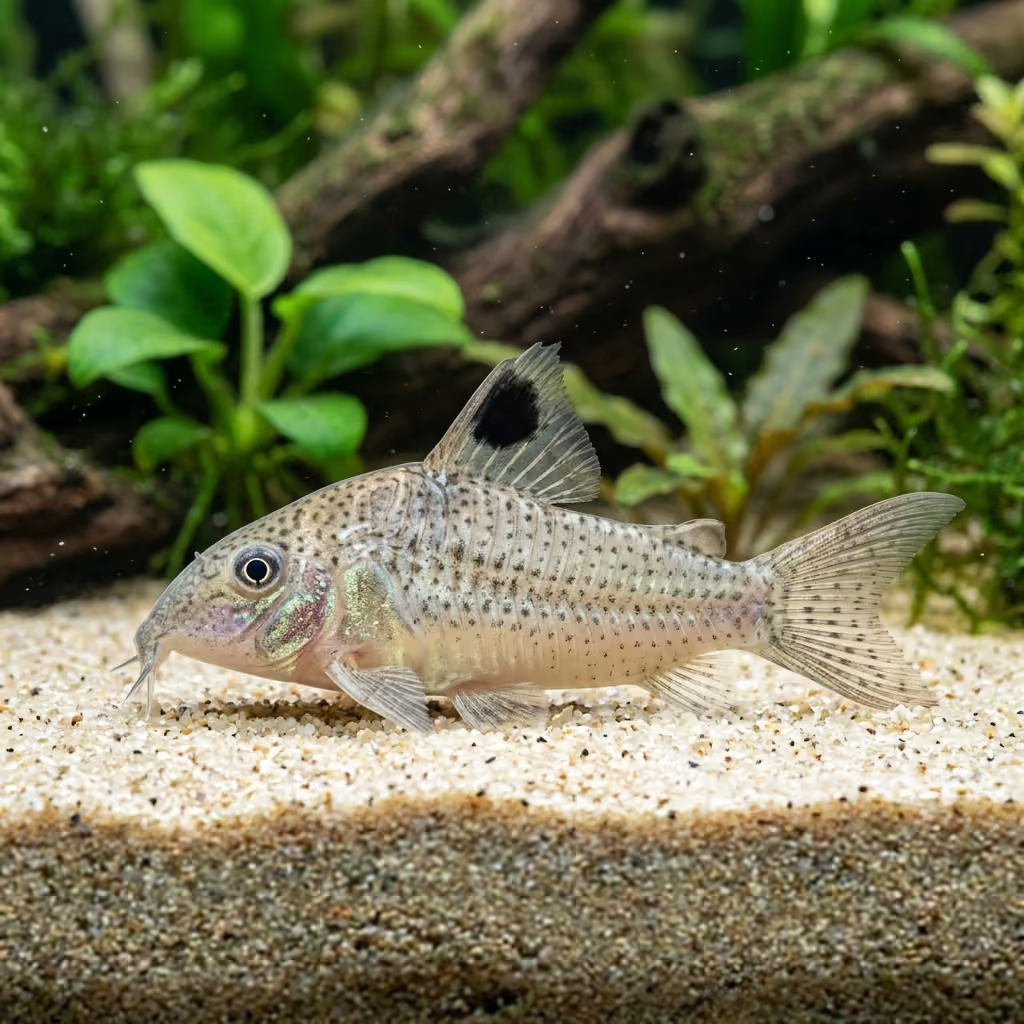
Hoplo Catfish
Megalechis thoracata
The iconic Hoplo with a tapered body with imbricated black/brown armor and very long prehensile whiskers, known for its extroverted friendliness and tireless activity.
Température de l’eau
20 - 28 °C
Valeur du pH
5.5 - 7.5
Type d'eau
Eau douce
Niveau dans le bac
Fond
Taille adulte
15 cm
Volume minimal du bac
>= 150 L
Groupe minimal
>= 6
GH
2 - 20 dGH
KH
2 - 10 dKH
TDS
50 - 400 ppm
Conductivité
78 - 625 uS/cm

Description de l'espèce
Geographical Origin and Habitat: Ubiquitous in South America (Amazon, Orinoco and Paraguay basins). Lives in almost every imaginable habitat, from stagnant swamps suffocated by vegetation to large clear rivers. Excels in survival in drying and hypoxic pools.
Taxonomy and Morphology: Formerly Hoplosternum thoracatum, renamed Megalechis. "Spotted Hoplo". Size of 15 cm (6 inches). Stocky body massively armored by overlapping bony shields, adapted for accessory aerial respiration through modified intestinal walls.
Social Behavior: Extremely sociable and fearless. Tireless explorer (mainly crepuscular), constantly rummages the bottom with unparalleled enthusiasm. Ignores conspecifics if the tank is large, preferring to rest piled up on trunks and rocks during the day.
Coloration and Sexual Dimorphism: "Spotted" camouflage pattern: dark brown to grayish background heavily and irregularly dotted with black. The male in reproductive phase unleashes a purplish belly and a monstrous front pectoral spine (ossified) colored copper to defend the nest.

Soins, reproduction et cohabitation
Aquarium Setup: Watertight tank to prevent escapes. Prefers a bed of soft sand or mud (never sharp gravel that mutilates its barbels), abundant intertwined roots and an uncovered water surface for the periodic breath of vital air.
Diet and Feeding: Highly voracious opportunistic omnivore. Cleans the tank of any leftovers. Feed abundantly with industrial catfish pellets, huge earthworms, insects and spirulina tablets. Munches on small excess snails.
Water Quality: Stunning chemical tolerance. Effortlessly resists thermal shocks (20-28°C / 68-82°F), acidic or basic pH (5.5 - 7.5) and high hardness (GH up to 20). However, the high organic load it produces requires massive siphonings so as not to intoxicate it.
Compatibility and Cohabitation: Mild colossus for large South American tanks. Ideal with Oscars, Acaras, Geophagus and large Tetras. Eats anything that enters its mouth, forbidden insertion with small Tetras, Rasboras or tiny Corydoras which will inevitably be swallowed at night.
Aquarium Breeding: Anomalous breeder: the male builds a powerful nest of bubbles and leaves on the surface (under large water lilies). After spawning, the male becomes a rabid and lethal guardian: attacking any intruder, forces the breeder to remove the female.
Risks and Diseases: Almost indestructible armored fish, but at risk of fatal injuries to the barbels if housed on volcanic or sharp bottoms. Enormous vulnerability, like many "scaleless" fish, to pharmacological treatments based on Malachite Green.

Origine et répartition géographiques
Ubiquitous in South America (Amazon, Orinoco and Paraguay basins). Lives in almost every imaginable habitat, from stagnant swamps suffocated by vegetation to large clear rivers. Excels in survival in drying and hypoxic pools.
Origine
Amazonie, Orénoque et Guyanes

Profil de poisson
- Tempérament
- Semi-aggressive
- They have a wonderfully peaceful, comical, and somewhat bumbling personality. They are completely unbothered by the activities of other fish and go about their scavenging oblivious to their surroundings. They are quite bold and will actively forage in plain view even under bright lighting. Their armored bodies give them the confidence to coexist with slightly more boisterous fish.
- Régime alimentaire
- Omnivore
- They are omnivorous scavengers that will enthusiastically eat almost anything that sinks to the bottom. Their core diet should consist of high-quality sinking pellets, algae wafers, and meaty tablets. They highly appreciate frozen foods like bloodworms, brine shrimp, and daphnia. They do a fantastic job of cleaning up leftover food but should still be fed purposefully.
- Espérance de vie
- 5-10 years
- Taille adulte
- 15 cm
- Ratio des sexes
- Group
- They are highly social catfish and should be kept in groups of at least three to five individuals. The sex ratio is not critical, as they rarely show any significant aggression towards one another. Males may occasionally display harmless posturing during spawning, but true injuries are exceedingly rare. Keeping them in a group encourages them to be more active and visible during the day.
- Fréquence d'alimentation
- Twice daily
- Feeding them once or twice a day is perfectly sufficient for their needs. Since they are largely nocturnal or crepuscular, dropping food in right before the lights go out is highly recommended. Ensure that fast-swimming mid-water fish do not steal all the food before it reaches the bottom. They have healthy appetites and will forage continuously between meals.
- Charge biologique
- Medium
- The Hoplo Catfish produces a moderate bioload that is easily handled by standard aquarium filtration. They are hardy and resilient scavengers, but they still require good water quality to thrive. Regular gravel vacuuming and partial water changes are important to remove the detritus they stir up. A well-maintained tank ensures they do not suffer from barbel erosion or infections.
- Courant
- Stagnant
- They are completely undemanding when it comes to water flow and adapt well to most setups. A gentle to moderate current allows them to navigate comfortably without expending excess energy. They enjoy having quiet, low-flow areas beneath driftwood or inside caves where they can rest undisturbed. Strong turbulent flow is unnecessary and generally avoided by them.
- Risque de saut
- Yes
- While generally staying near the bottom, they will occasionally dart to the surface to gulp atmospheric air. During these rapid ascents, they can accidentally launch themselves out of the tank. A tight-fitting lid is therefore recommended to prevent any tragic accidents. Ensure there are no large gaps around the filter tubes or wiring.
- Reproduction
- Oviparous
- Unlike many catfish, they are bubble nesters, a unique trait for their family. The male builds a large nest of bubbles mixed with plant debris at the water surface, often under a broad leaf. The female lays adhesive eggs into the nest, which the male then ferociously guards against all intruders. The fry are relatively large upon hatching and can be fed micro-worms or baby brine shrimp immediately.
- Compatibilité et compagnons
- Semi-aggressive
- They are extremely peaceful and make excellent tank mates for almost any community aquarium. They do perfectly well with small tetras, rasboras, cichlids, and other peaceful bottom-dwellers. They lack teeth and are far too slow to pose a threat to even the smallest fish. However, extremely tiny shrimp or fry might be accidentally ingested if they cross their path.
- Niveau dans le bac
- Bottom
- They are bottom-dwellers that spend the vast majority of their time foraging in the substrate. They require a soft, sandy substrate or fine, smooth gravel to prevent damage to their sensitive barbels. They frequently rest on top of broad leaves or flat pieces of driftwood. You will regularly see them rapidly swimming to the surface for a gulp of air before quickly returning to the bottom.

Modèles et paramètres scientifiques
FishBase
Fenêtre sur les données scientifiques officielles de l’espèce
FishBase v25.04Données synchronisées le : 15/06/2026
- Niveau trophique
- 2,9 ± 0,3 se
- Résilience
- Élevée (moins de 15 mois)
- Singularité phylogénétique (PD50)
- 0.75
- Relation bayésienne longueur-poids
- a = 0.01047, b = 3.19
- VulnérabilitéVulnérabilité faible (10 / 100)

Espèces associées
Recommandations regroupées par proches parents, compagnons et soins similaires.