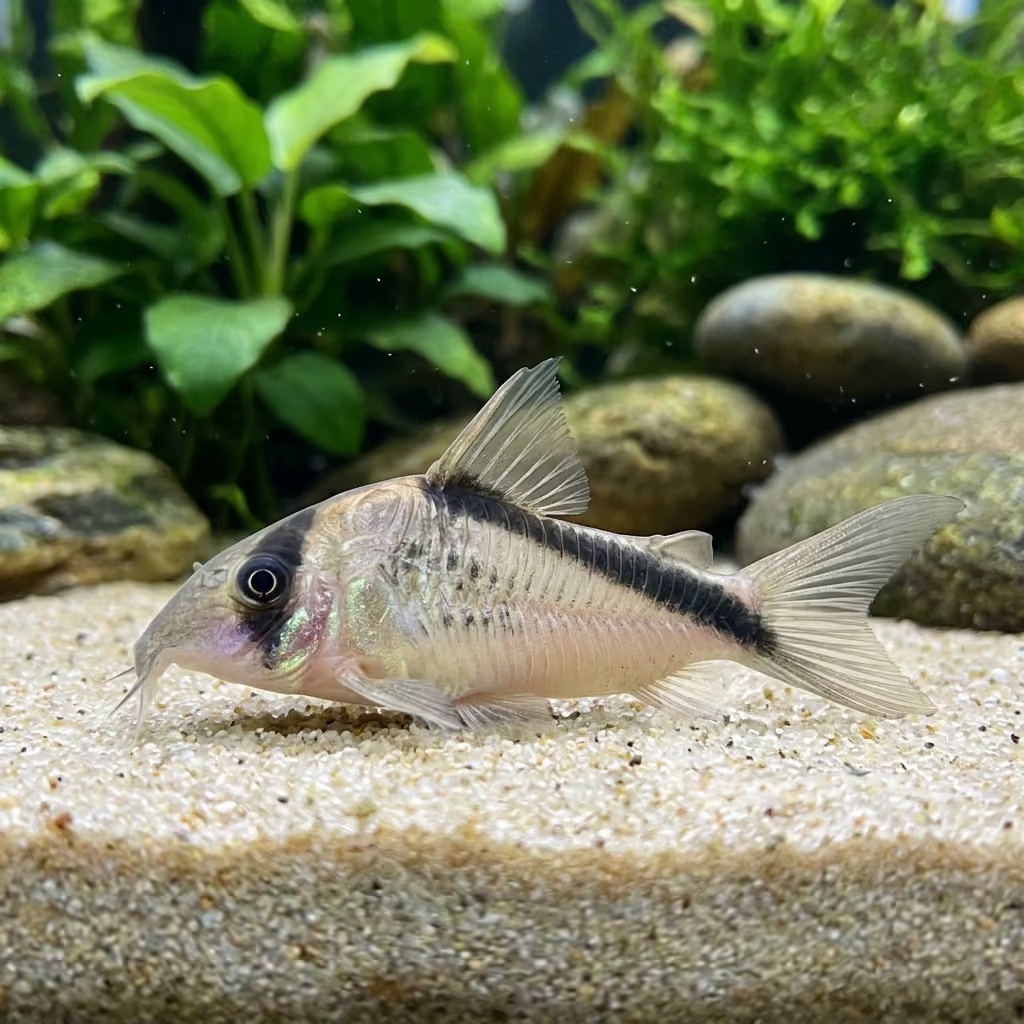
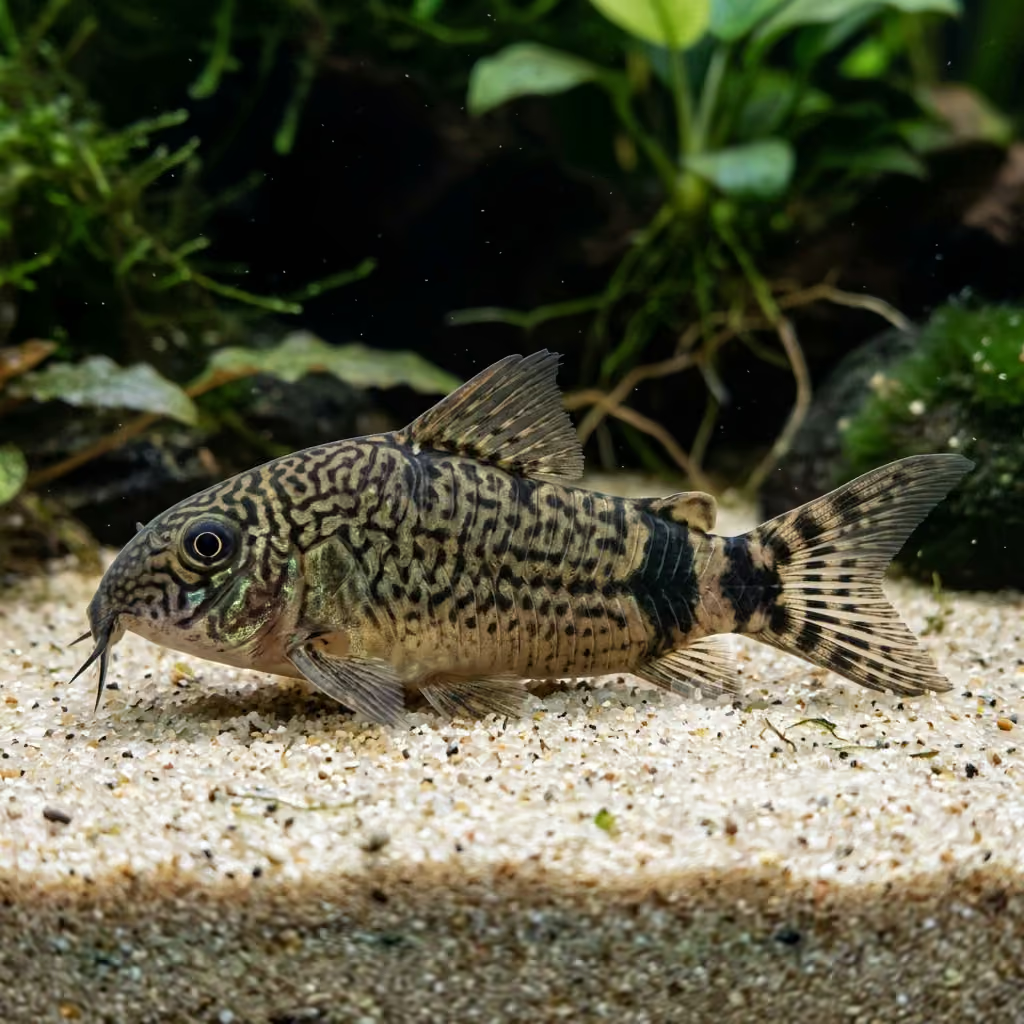
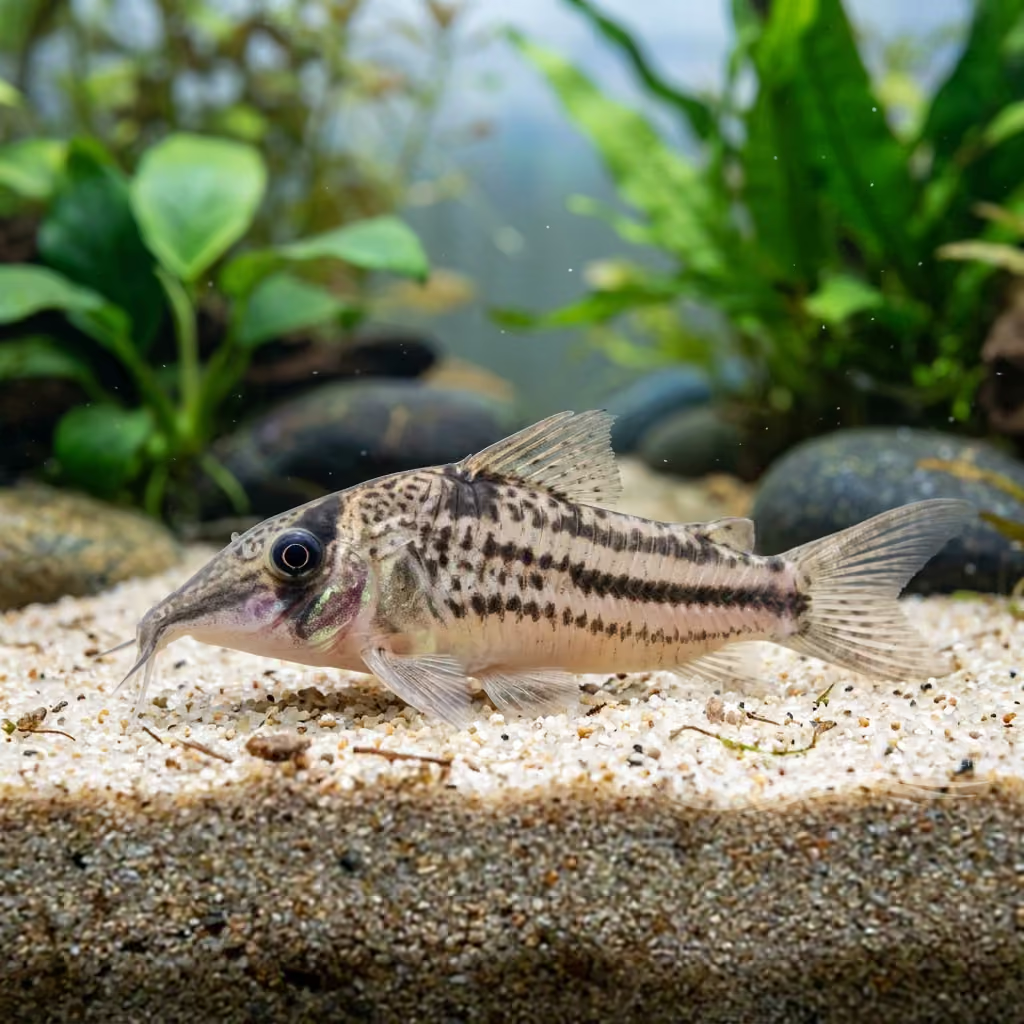
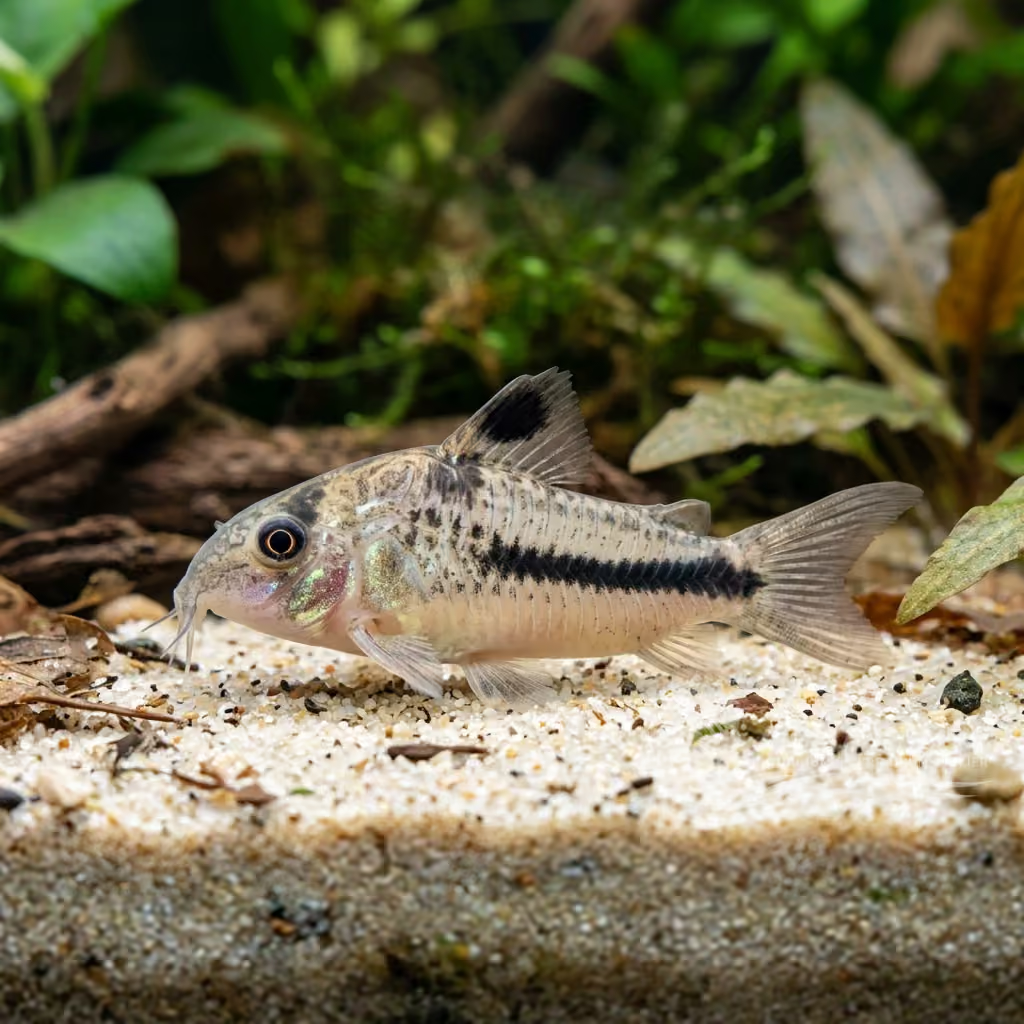
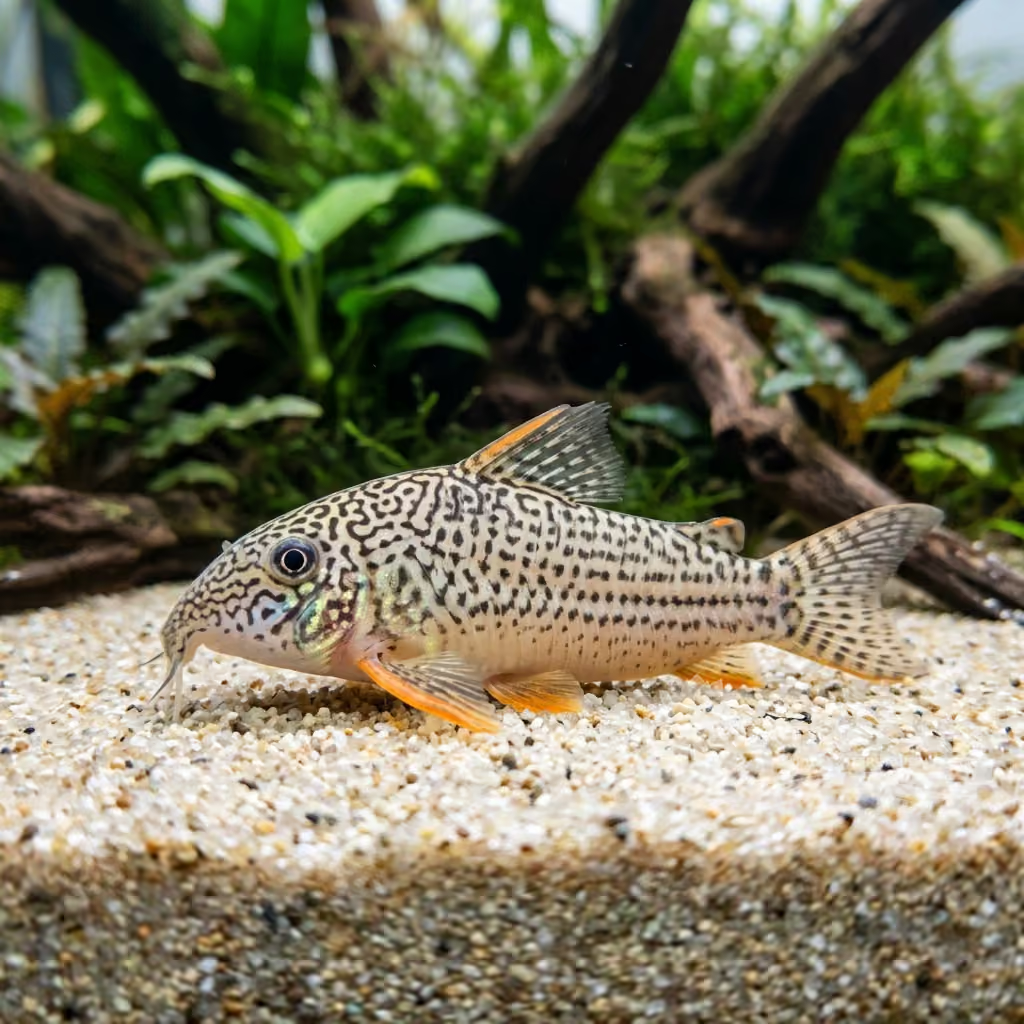
Amapa Cory
Corydoras amapaensis
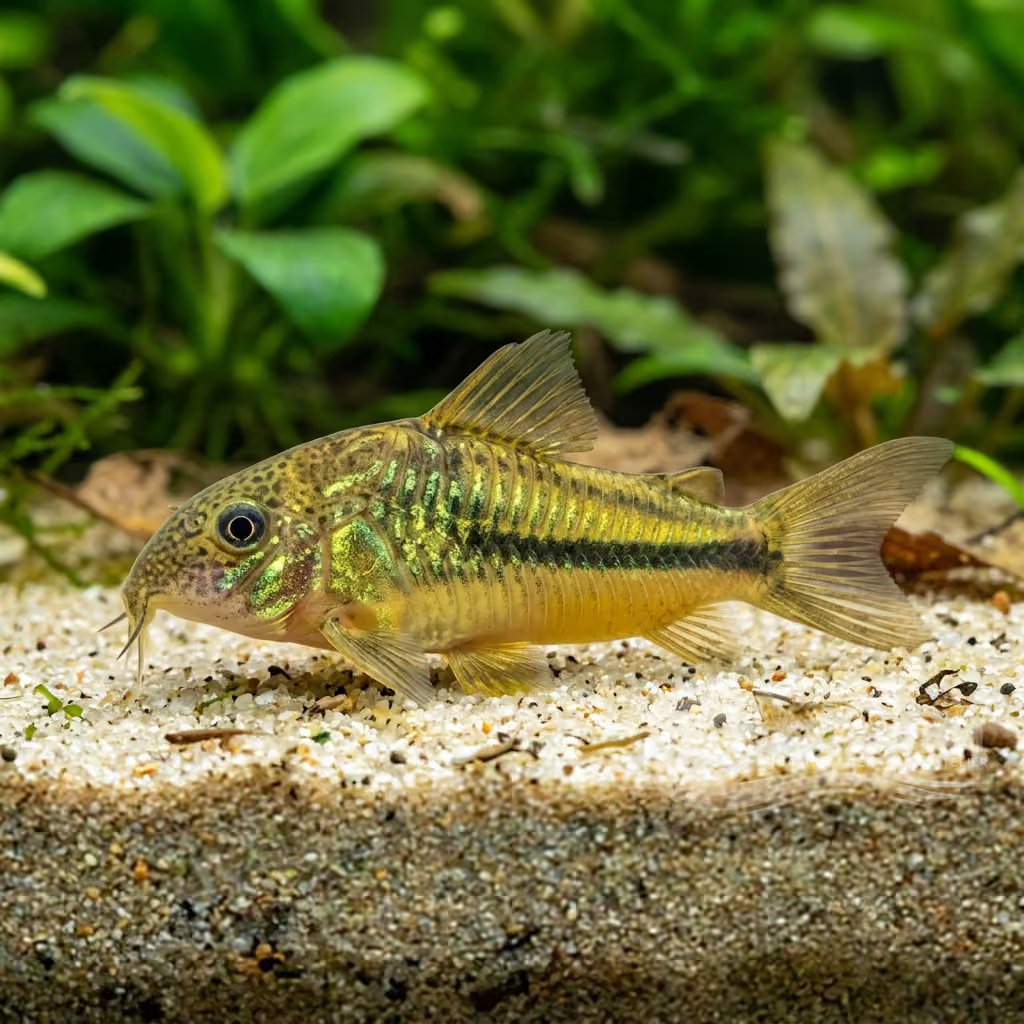
A rare, long-snouted Corydoras from Brazil boasting an elegant silver body with a bold black lateral stripe. It requires fine sand to sift for food and excellent water quality.
Température de l’eau
23 - 27 °C
Valeur du pH
6 - 7.2
Type d'eau
Eau douce
Niveau dans le bac
Fond
Taille adulte
6,5 cm
Volume minimal du bac
>= 100 L
Groupe minimal
>= 6
GH
2 - 12 dGH
KH
2 - 10 dKH
TDS
50 - 280 ppm
Conductivité
78 - 438 uS/cm

Description de l'espèce
Geographical Origin and Habitat: Endemic to the state of Amapá in Brazil, northern Amazon basin (e.g. Amapari River basin). Inhabits clear or slightly amber forest streams flowing over bottoms of very fine sand, clay, and tangles of submerged roots.
Taxonomy and Morphology: Member of the Callichthyidae family. Distinguished by an elongated, saddle-like snout (long-snouted), highly profiled compared to classic round-snouted corydoras. It is a medium-large species that can exceed 6-6.5 cm (2.5 inches) in length.
Social Behavior: "Long-snouted" Corydoras tend to be slightly less hyper-active during the day compared to short-snouted ones, but remain strictly schooling fish (minimum 6 specimens). They dig very deep into the sand to extract food thanks to their specialized morphology.
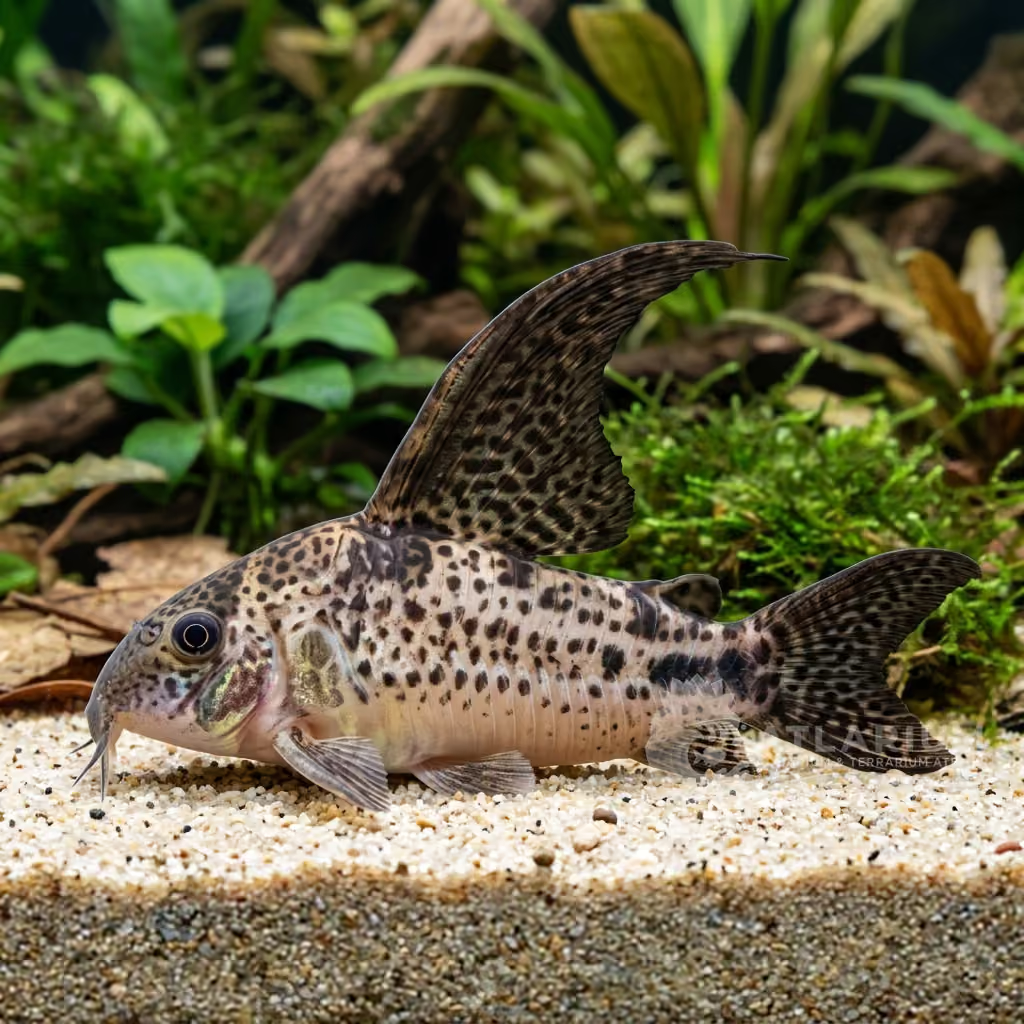
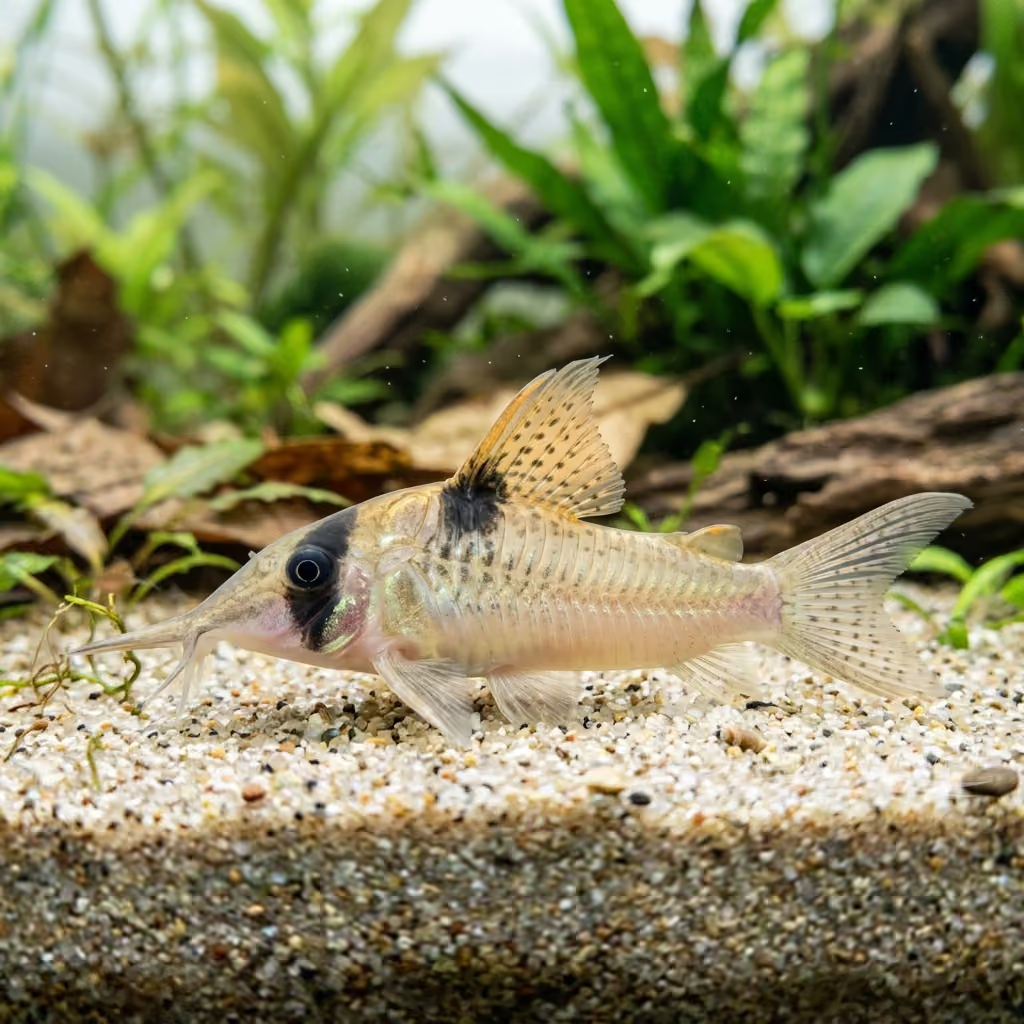
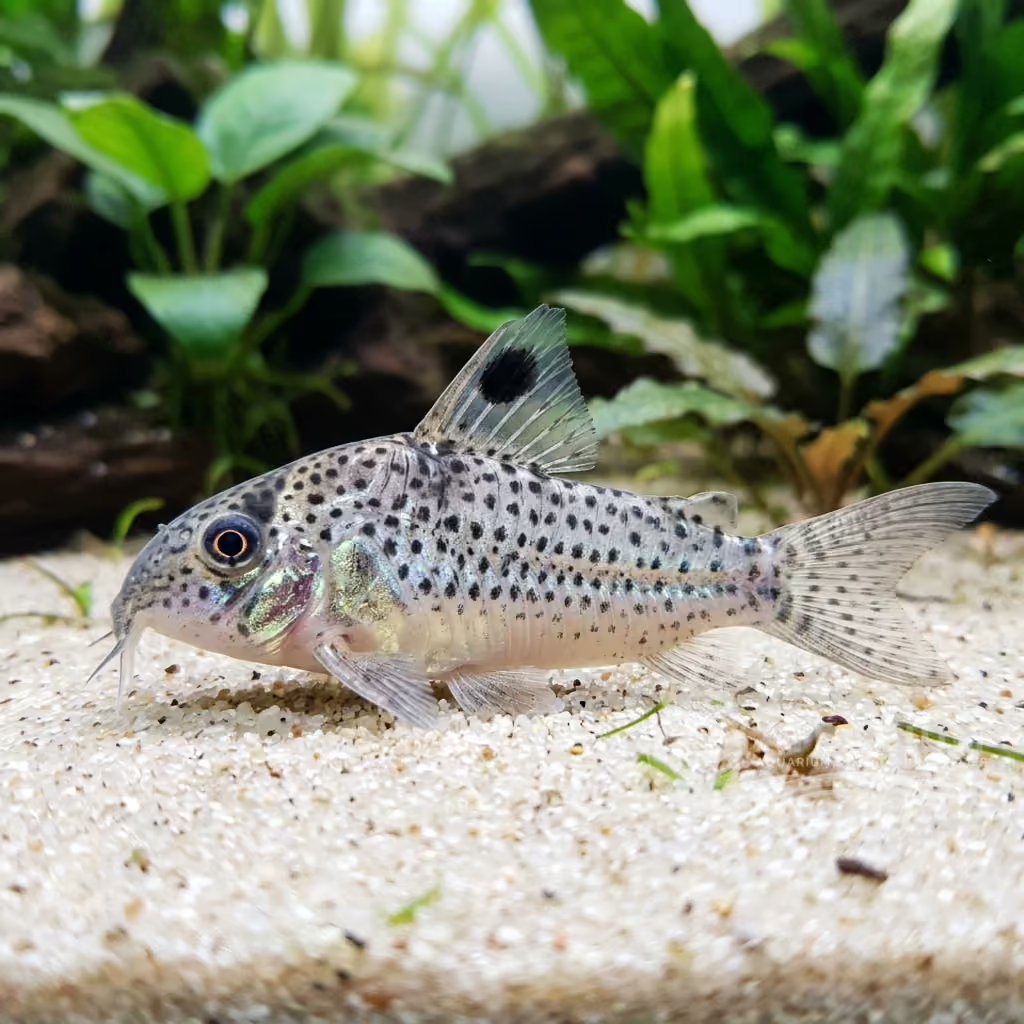
Coloration and Sexual Dimorphism: Very elegant and subtle livery: silvery-gray body crossed by a thick mid-dorsal black line that descends from the back along the flanks parallel to the lateral line. The snout has slight punctate spotting. Females are visibly wider and taller in the ventral profile.

Soins, reproduction et cohabitation
Aquarium Setup: Due to the elongated snout specialized for plunging into the substrate, an extremely fine river sand substrate is MANDATORY. Insert many intricate branches (driftwood) and plants like Echinodorus to create large sheltered areas. Water with gentle movement.
Diet and Feeding: Benthic carnivore. The conformation of the snout suggests a diet based on extracting worms from deep within the substrate. Regularly offer live or frozen Tubifex, bloodworms, white worms, and high-quality protein sinking pellets.
Water Quality: Requires pristine water: long-snouted species are often less tolerant to organic pollutants (nitrates) than commercial species like aeneus. Optimal temperature: 23-27°C (73-81°F), weakly acidic pH 6.0-7.2. Regular and copious water changes are essential.
Compatibility and Cohabitation: Calm and harmless. Excellent companion for very high-quality Amazonian community tanks. Shares the tank in harmony with schools of small Tetras, peaceful Loricariids, Apistogramma (which live in the same basins), and Dicrossus.
Aquarium Breeding: Difficult, rarely achieved without targeted effort. Requires a hyper-protein diet followed by strong thermal drops (changes with cold RO water) and increased oxygenation. They lay very large eggs (but few in number) among fine-leaved dense vegetation or mops.
Risks and Diseases: If kept on unsuitable or sharp substrates, the long snout and barbels wear out quickly, leading to fatal bacterial septicemia. Very sensitive, like other siluriformes, to copper-based medications and malachite green.

Origine et répartition géographiques
Endemic to the state of Amapá in Brazil, northern Amazon basin (e.g. Amapari River basin). Inhabits clear or slightly amber forest streams flowing over bottoms of very fine sand, clay, and tangles of submerged roots.
Origine
Amazonie, Orénoque et Guyanes

Profil de poisson
- Tempérament
- Semi-aggressive
- Corydoras amapaensis are peaceful, social schooling fish that thrive when kept in groups. Keeping them in numbers of at least six individuals greatly reduces their stress and promotes natural behaviors. They are completely harmless to plants and other tank inhabitants.
- Régime alimentaire
- Omnivore
- These are omnivorous bottom feeders that require a varied diet to thrive. Their meals should include high-quality sinking pellets, wafers, and live or frozen foods like bloodworms. A balanced diet ensures proper growth and vibrant coloration for Corydoras amapaensis.
- Espérance de vie
- 5-10 years
- Taille adulte
- 6.5 cm
- Ratio des sexes
- Specific M:F ratio
- Maintaining a ratio of two or three males for every female is ideal for breeding purposes. This ratio encourages natural spawning behaviors and increases the chances of successful fertilization. In non-breeding community tanks, the exact ratio for Corydoras amapaensis is less critical.
- Fréquence d'alimentation
- Twice daily
- They should be fed small amounts once or twice a day. It is important to provide only what Corydoras amapaensis can consume within a few minutes to prevent water fouling. Occasional fasting days can also be beneficial for their digestive health.
- Charge biologique
- Low to Medium
- The Corydoras amapaensis has a relatively low bioload compared to many other species of similar size. They are efficient scavengers that help keep the substrate clean, which slightly offsets their waste production. However, adequate biological and mechanical filtration is still necessary to maintain optimal water quality in the aquarium.
- Courant
- Stagnant
- They prefer moderate water movement that simulates their natural riverine habitats. A gentle current provides necessary oxygenation without exhausting the fish. Avoid overly strong flow that could sweep Corydoras amapaensis away or cause stress.
- Risque de saut
- No
- Reproduction
- Oviparous
- Breeding Corydoras amapaensis in captivity is possible but requires specific water conditions and conditioning. They are egg layers that typically deposit their adhesive eggs on broad leaves or the aquarium glass. Parents may eat the eggs, so it is often best to raise the fry in a separate tank.
- Compatibilité et compagnons
- Peaceful
- They are incredibly peaceful and make excellent additions to community aquariums. Corydoras amapaensis gets along well with most other peaceful, similarly sized fish. Aggressive or large tank mates should be avoided as they may intimidate or harm them.
- Niveau dans le bac
- Bottom
- They are obligate bottom dwellers that spend the majority of their time on the substrate. Corydoras amapaensis constantly rummage through sand or smooth gravel in search of food. Very rarely will they be seen swimming in the middle or upper levels of the water column.

Modèles et paramètres scientifiques
FishBase
Fenêtre sur les données scientifiques officielles de l’espèce
FishBase v25.04Données synchronisées le : 15/06/2026
- Niveau trophique
- 3 ± 0,3 se
- Résilience
- Élevée (moins de 15 mois)
- Singularité phylogénétique (PD50)
- 0.5
- Relation bayésienne longueur-poids
- a = 0.01778, b = 3.02
- VulnérabilitéVulnérabilité faible (10 / 100)

Espèces associées
Recommandations regroupées par proches parents, compagnons et soins similaires.