Loreto Cory
Hoplisoma loretoense
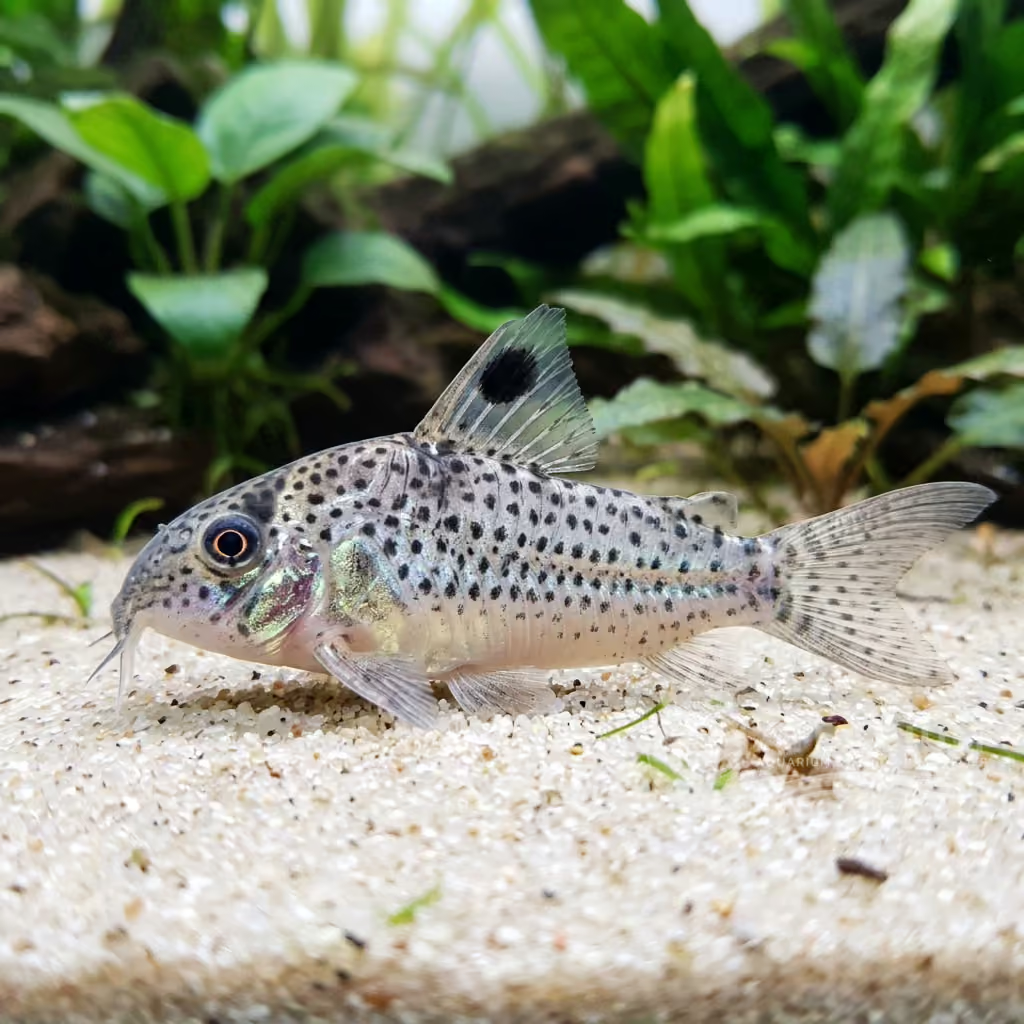
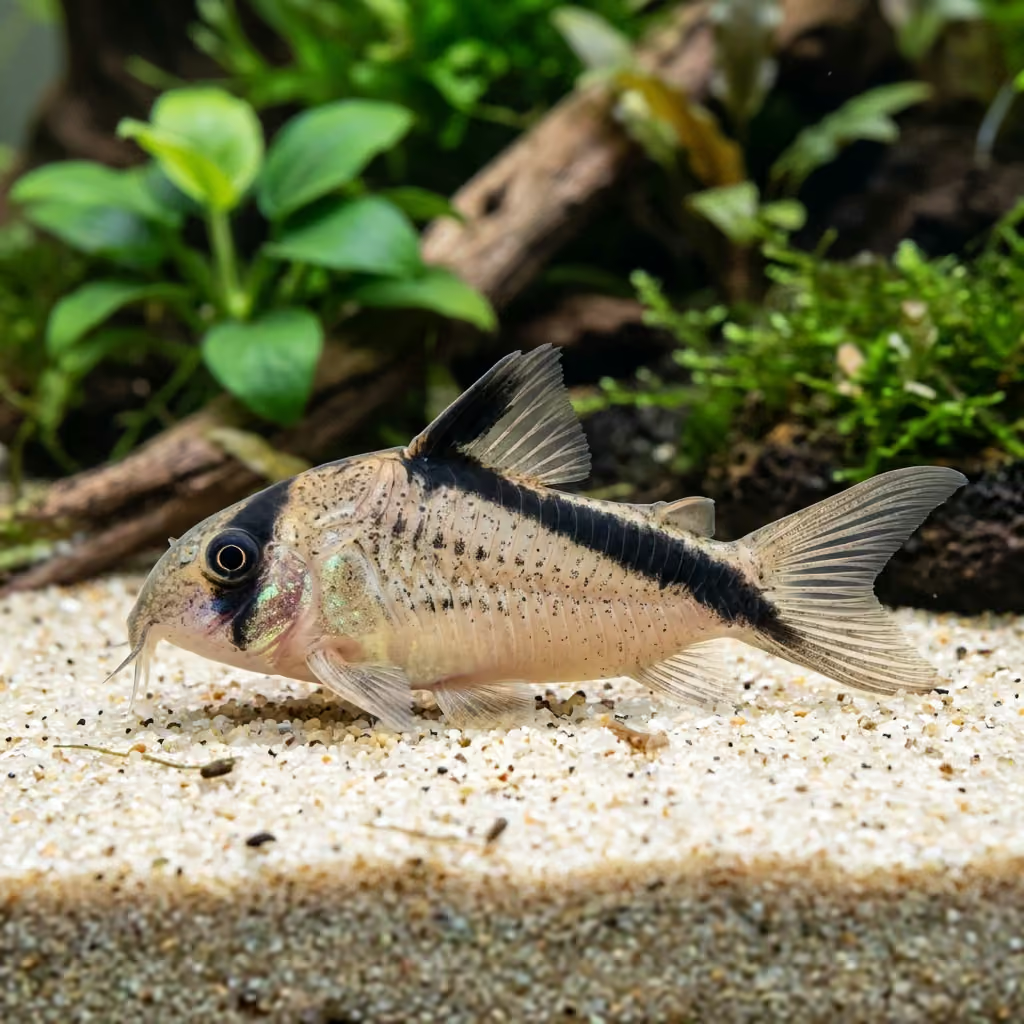
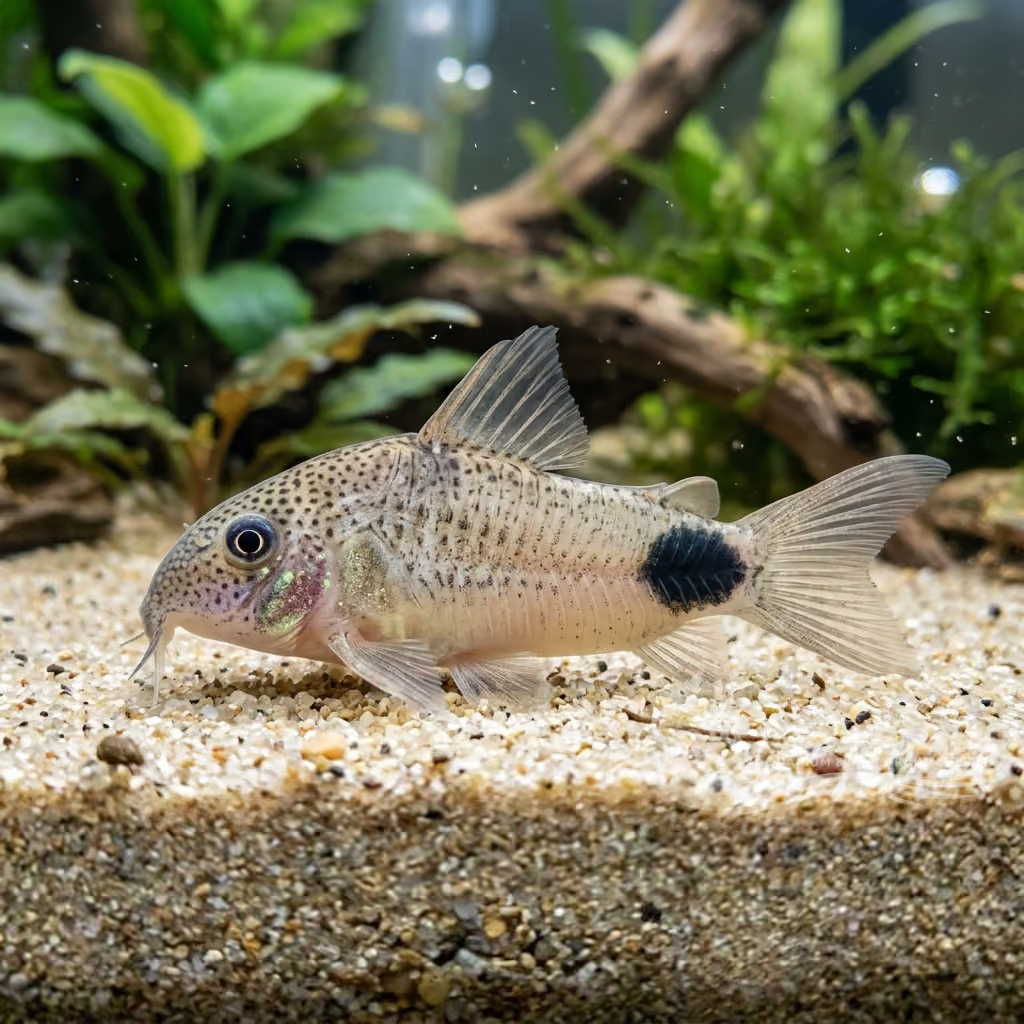
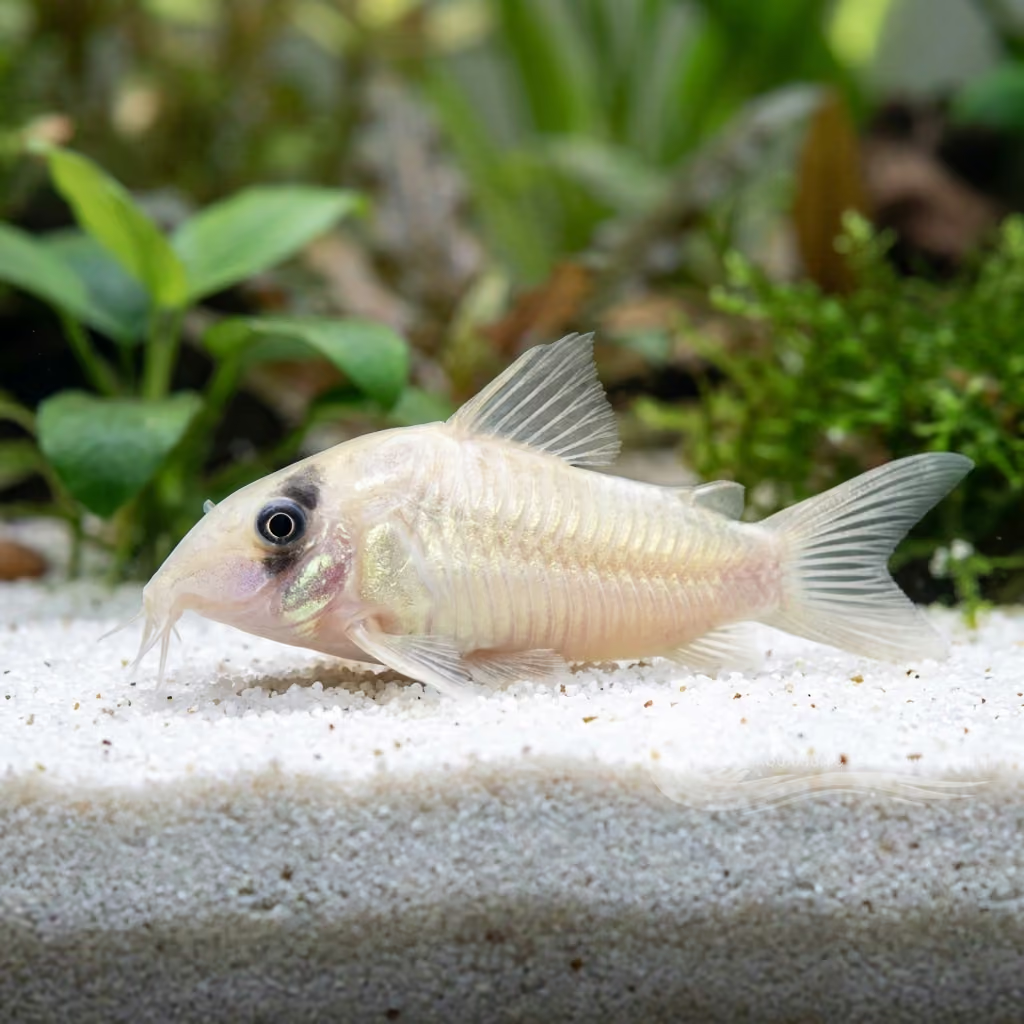
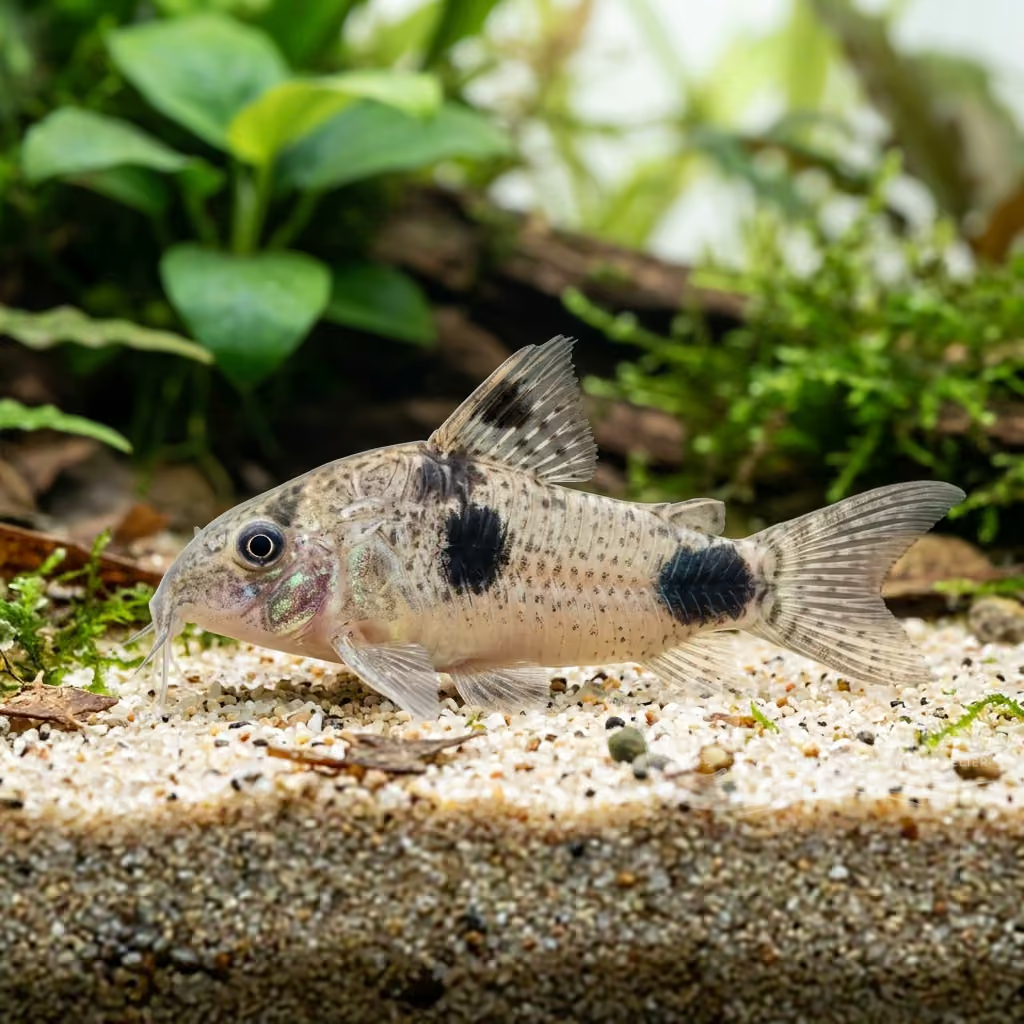
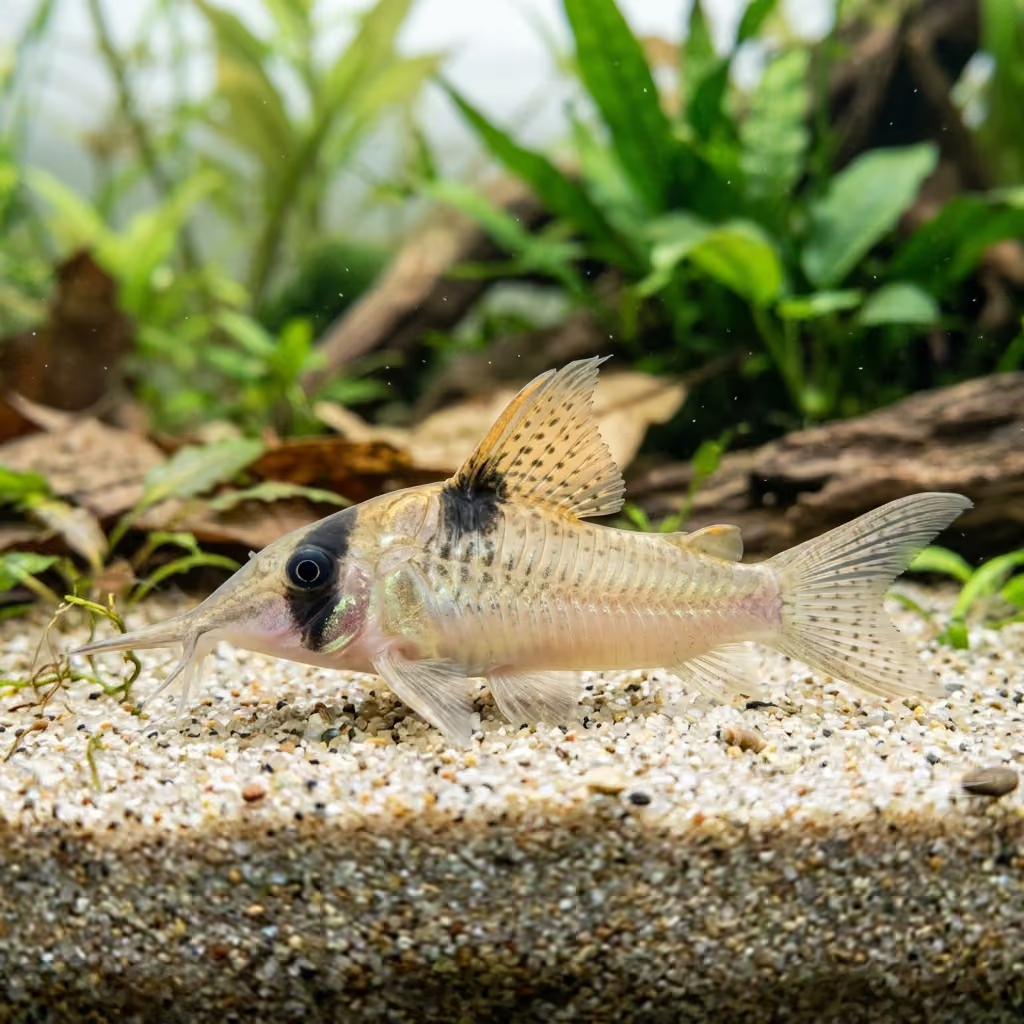
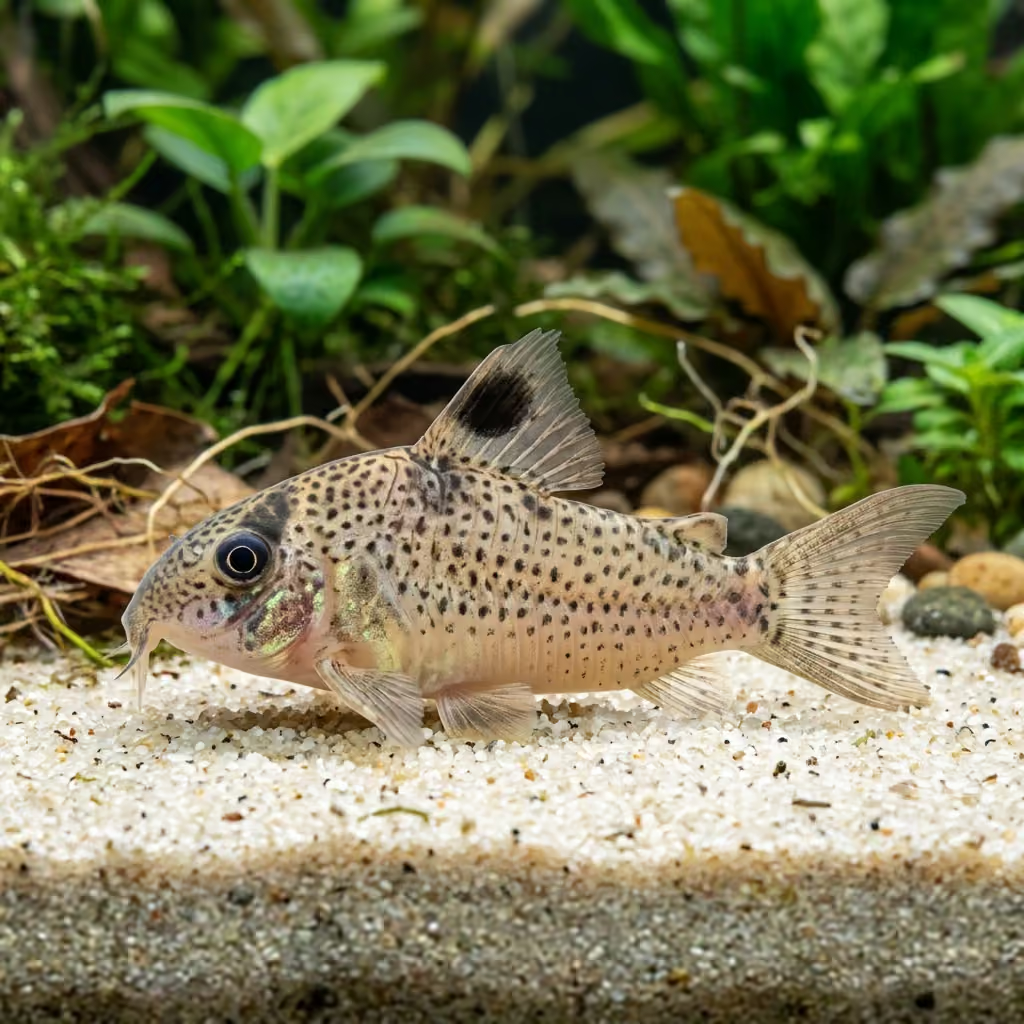
An elegant Peruvian Corydoras bearing a white-silvery coat heavily speckled with black and an impressively tall dorsal fin in males. It is hyper-delicate and needs impalpable sand.
Température de l’eau
22 - 26 °C
Valeur du pH
6 - 7.2
Type d'eau
Eau douce
Niveau dans le bac
Fond
Taille adulte
4,5 cm
Volume minimal du bac
>= 80 L
Groupe minimal
>= 6
GH
2 - 12 dGH
KH
2 - 10 dKH
TDS
50 - 280 ppm
Conductivité
78 - 438 uS/cm

Description de l'espèce
Geographical Origin and Habitat: Named after the Loreto province, in the Amazon basin of northeastern Peru, endemic to the Nanay River basin. Populates slow forest streams with distinct blackwater characteristics: sandy/silty bottoms covered with branches, amber water, and lots of shade.
Taxonomy and Morphology: Belonging to the Callichthyidae family. Small-sized Corydoras, does not go beyond 4.5 cm (1.8 inches). It is part of the "short-snouted" corydoras group but presents an exceptionally steep and humped frontal profile and a towering dorsal fin, peculiarities that make it unique.
Social Behavior: The peculiar shape does not exempt it from the classic obligatory gregariousness. Tiny, shy, and harmless. It must be strictly housed in bottom swarms (minimum 6, ideally 10 or more specimens). Subjected to a small number it falls into irreversible asthenia.
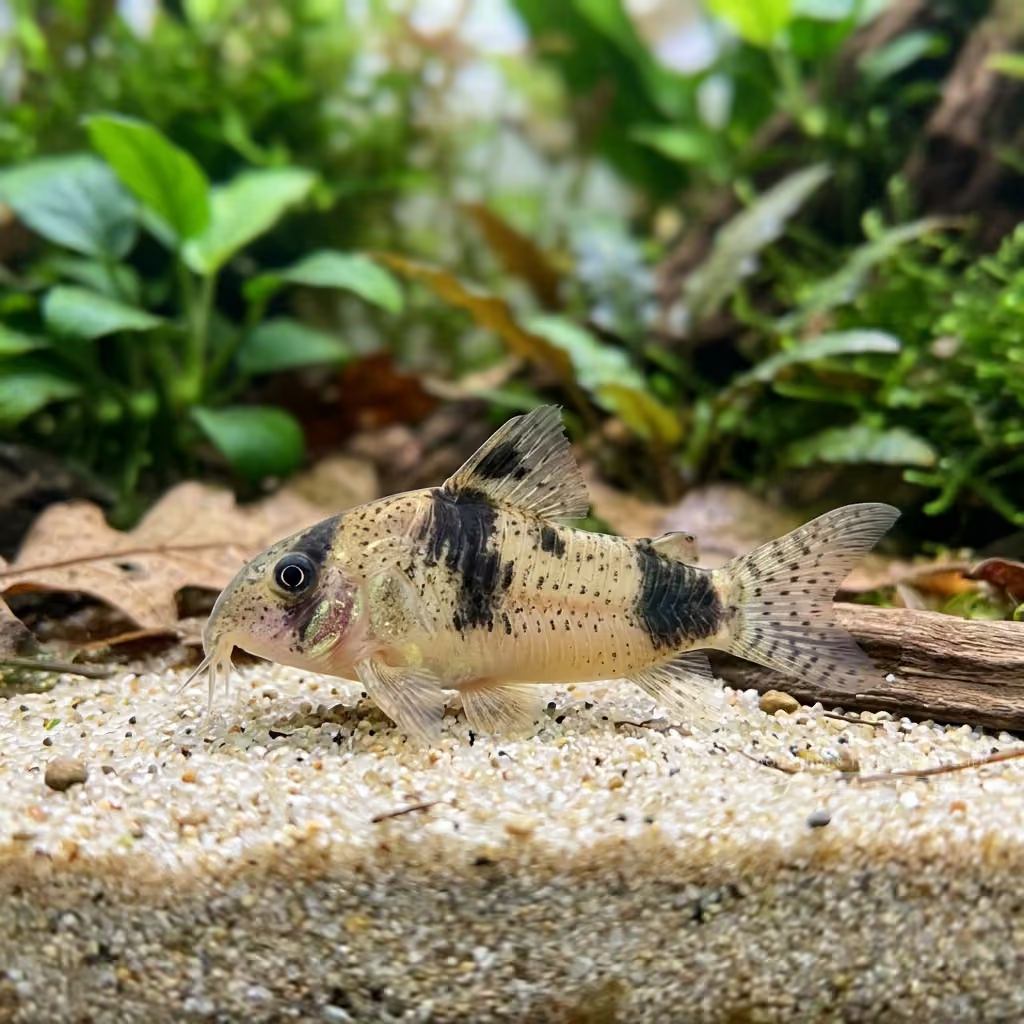
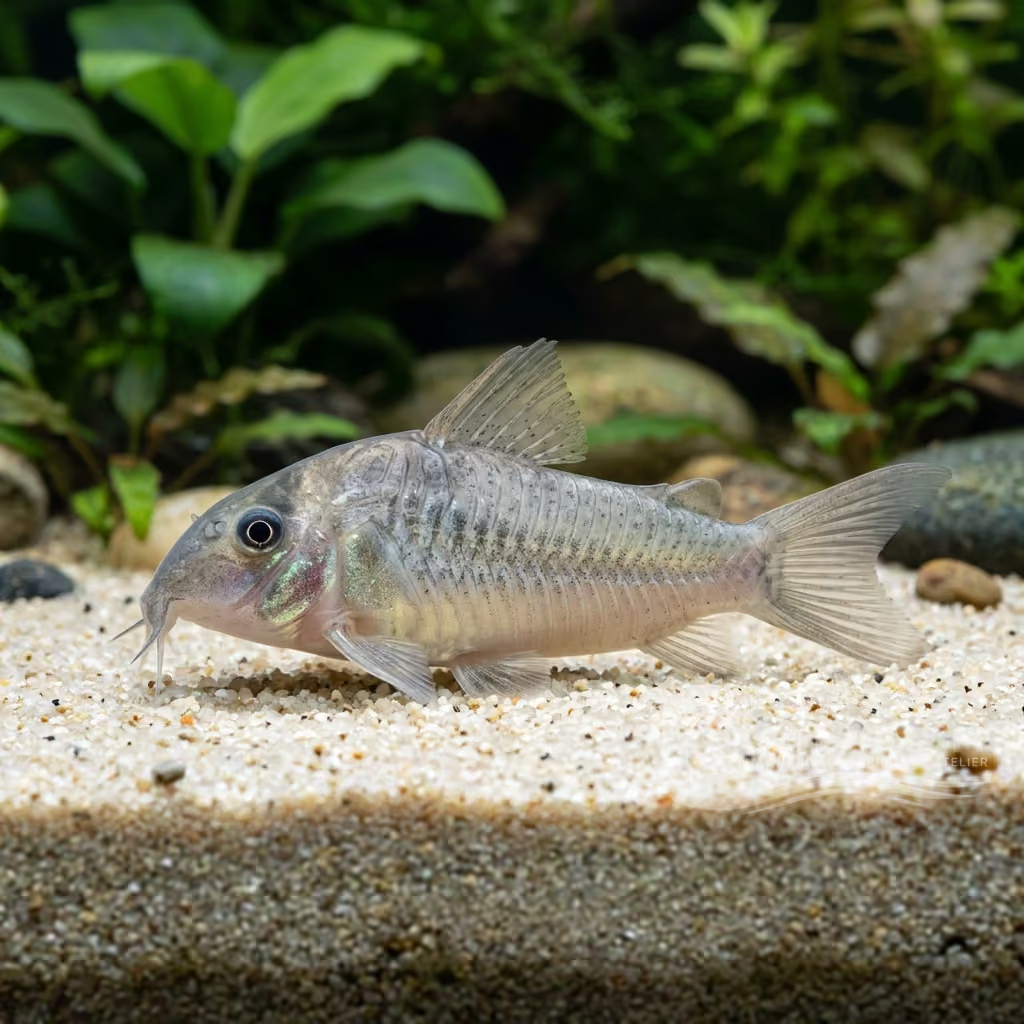
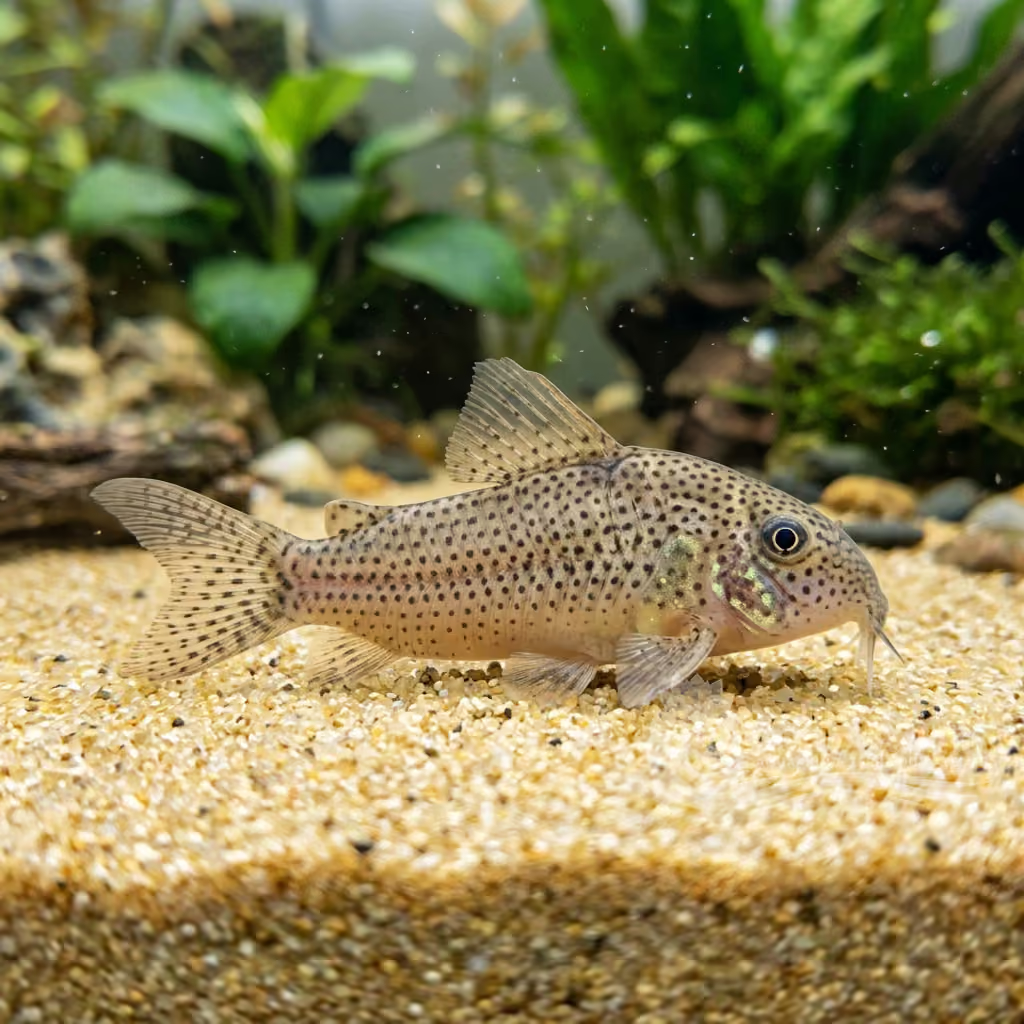
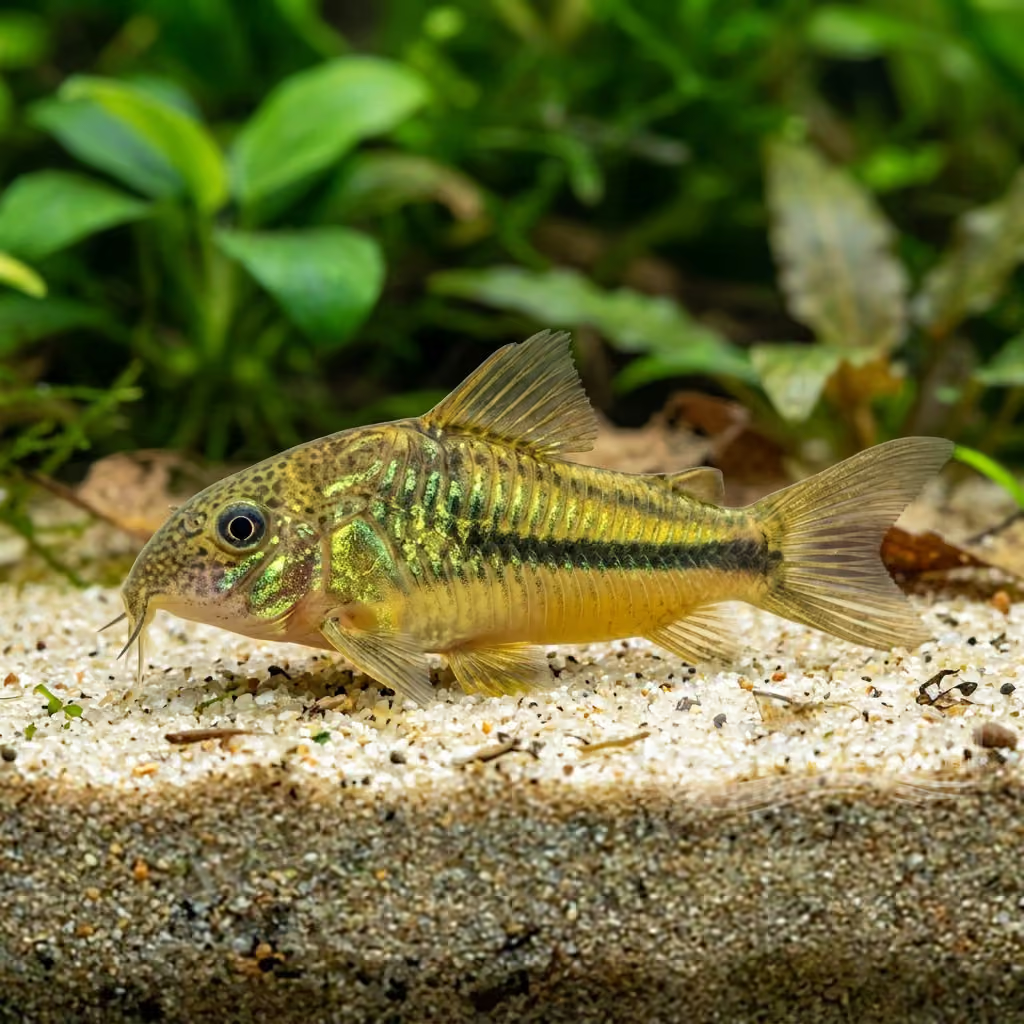
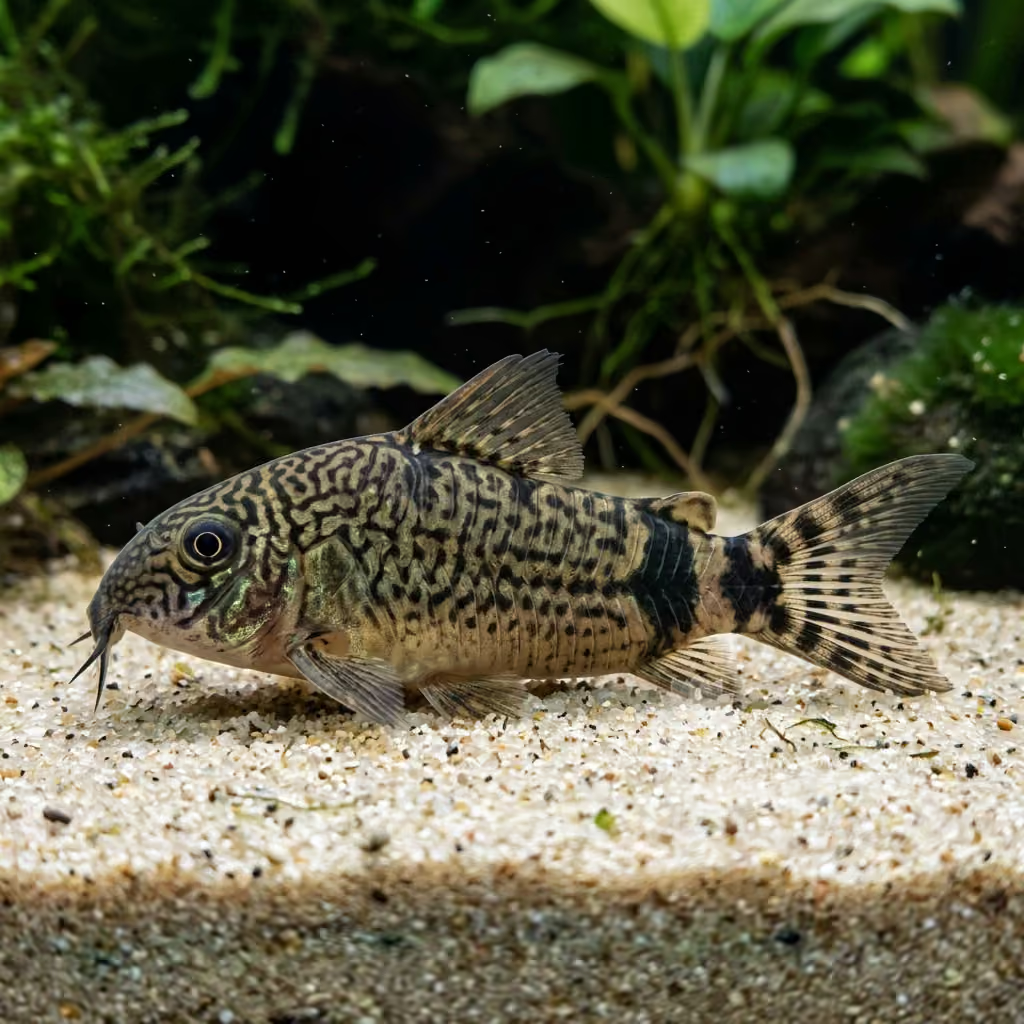
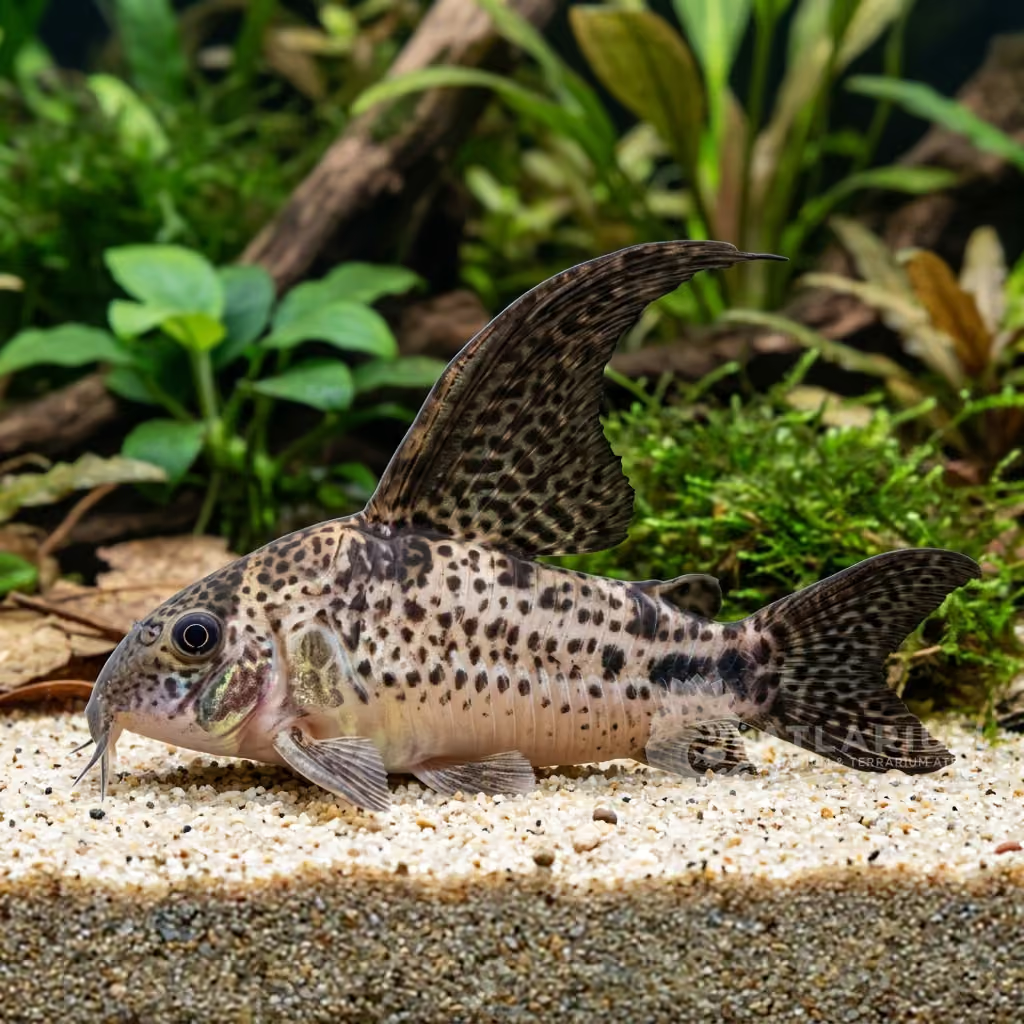
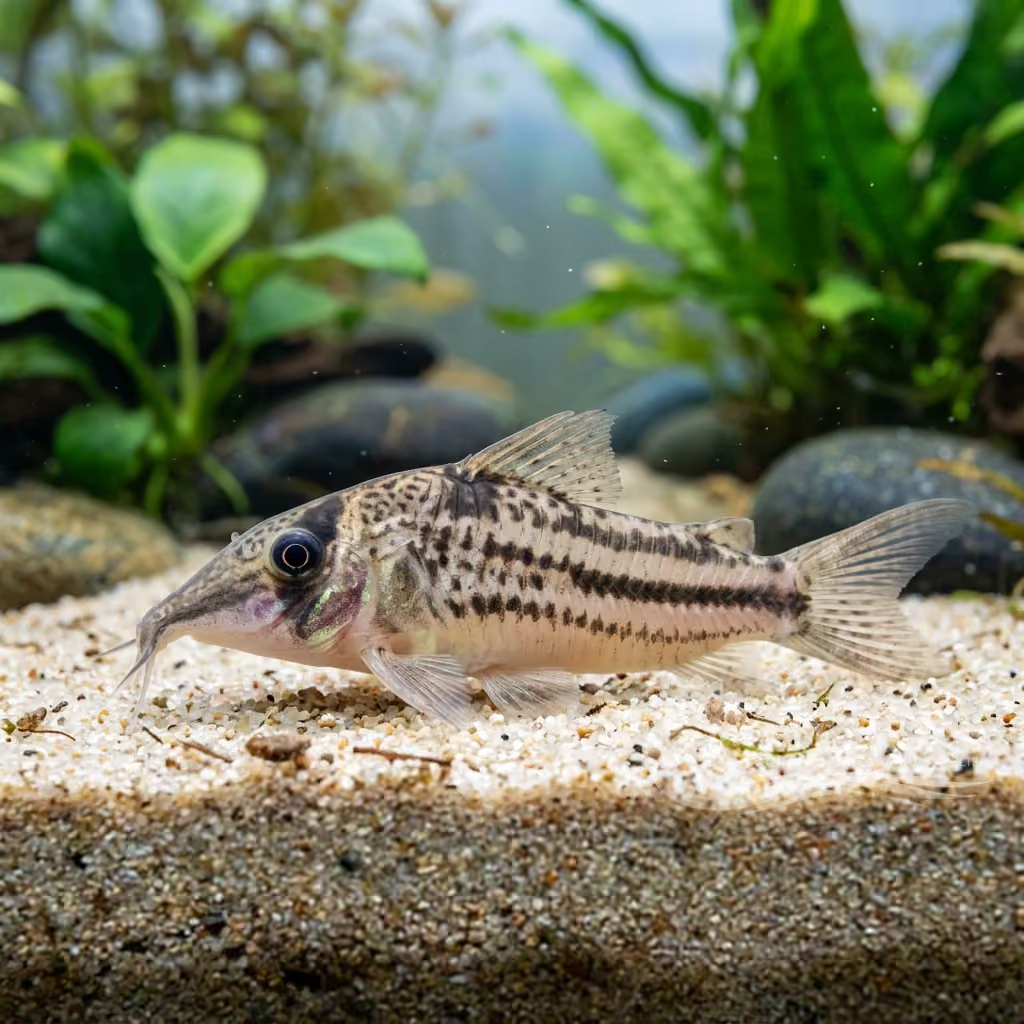
Coloration and Sexual Dimorphism: Gray/whitish background densely scattered with fine dark spots, irregular but homogeneous. On the nape, it often has golden/pinkish nuances depending on its health. In addition to the more massive female size, the mature male often sports an extraordinarily high, "sail-like" dorsal fin.

Soins, reproduction et cohabitation
Aquarium Setup: Hyper-delicate with its whiskers: it does not compromise from bottoms of impalpable and very fine sand. It enormously appreciates the "shade zones" generated by Echinodorus, ferns, and woody complexes on the bottom. It does not tolerate strong currents.
Diet and Feeding: Benthic omnivorous species. Considering the small size of the mouth, the diet must be studied: administer microgranules with a high rate of meat proteins, breaking the classic wafers. Inevitable live or frozen supply of Brine shrimp and microworms.
Water Quality: Weakly acidic waters, typical of the Rio Nanay: pH 6.0-7.2. Hardness GH 2-12. Tolerates the classic thermal interval 22-26°C (72-79°F). Highly susceptible to organic degradation, especially to nitrates accumulated under the sandy surface.
Compatibility and Cohabitation: Wonderful, minute cleaner for small to medium-sized South American tanks. The ideal companions are mild-mannered Apistogramma or Nannacara, dwarf Tetras, Hatchetfish, and Otocinclus. Never mix with goldfish or wide-mouthed predators.
Aquarium Breeding: Triggered in the aquarium by monsoon reproductions in T-position. Extremely difficult. Females distribute and attach transparent and tenacious eggs amidst tangles of Java Moss. Strong parental propensity towards cannibalism.
Risks and Diseases: Sharp gravels cause immediate fungal erosion of the short barbels making the fish anorexic and dying. Highly sensitive to Copper. Reacts disastrously to the preventive insertion of salt in the layout.

Origine et répartition géographiques
Named after the Loreto province, in the Amazon basin of northeastern Peru, endemic to the Nanay River basin. Populates slow forest streams with distinct blackwater characteristics: sandy/silty bottoms covered with branches, amber water, and lots of shade.
Origine
Amazonie, Orénoque et Guyanes

Profil de poisson
- Tempérament
- Semi-aggressive
- Exhibiting an inherently peaceful and gregarious temperament, *Hoplisoma loretoense* is completely non-aggressive toward its tank mates. They are highly social creatures that find security in numbers, making them playful and active when kept in a sufficient shoal. A lone individual will often become stressed, reclusive, and susceptible to disease. Their amiable disposition makes them one of the most endearing and universally beloved additions to any freshwater community setup.
- Régime alimentaire
- Omnivore
- In the wild, they are omnivorous bottom feeders that forage for small insects, worms, crustaceans, and plant matter. In the home aquarium, they readily accept a wide variety of high-quality sinking pellets, wafers, and granules. It is highly recommended to supplement their diet with regular offerings of live or frozen foods such as bloodworms, daphnia, and brine shrimp to ensure optimal health and condition. Care should be taken to ensure that food reaches the bottom before being consumed by mid-water swimming fish.
- Espérance de vie
- 3-5 years
- Taille adulte
- 4.5 cm
- Ratio des sexes
- Group
- For general display purposes, the sex ratio is relatively unimportant as long as they are kept in a suitably sized group of at least six individuals. However, for those aiming to breed them, a ratio of two to three males for every single female often yields the best results. The increased number of males encourages competitive courtship and ensures higher fertilization rates during spawning. Identifying the sexes becomes easier as they mature, with females typically appearing significantly broader and rounder than the sleeker males.
- Fréquence d'alimentation
- Twice daily
- To maintain their energy levels and overall health, *Hoplisoma loretoense* should be fed small amounts one to two times per day. It is important to only offer what they can completely consume within about three to five minutes to prevent water fouling. Overfeeding can lead to poor water quality and subsequent health issues, especially considering their bottom-dwelling nature. Observing their feeding behavior during meals can help adjust the portions to meet their specific metabolic needs.
- Charge biologique
- Low
- As a small benthic catfish, *Hoplisoma loretoense* contributes a relatively low bioload to the aquarium ecosystem. They are efficient scavengers that help break down uneaten food, which slightly mitigates their own waste production. However, because they must be kept in groups of at least six, the cumulative bioload of the shoal should be factored into your filtration capacity. Regular water changes and good mechanical filtration are still necessary to maintain optimal water quality and prevent the accumulation of nitrates on the substrate.
- Courant
- Stagnant
- They naturally inhabit sluggish tributaries, floodplains, and pools with relatively gentle water movement. In the aquarium, they appreciate a moderate flow that provides good oxygenation without creating overwhelming currents. Harsh, direct water flow should be avoided as it can cause exhaustion and stress for these small fish. Providing areas of calmer water behind hardscape or plants allows them comfortable resting spots.
- Risque de saut
- Yes
- While not generally known as prolific jumpers, they do possess the ability to leap out of the water if startled or if water conditions deteriorate. Like all Corydoras, they occasionally dart to the surface to gulp atmospheric air, and during this rapid ascent, they might accidentally breach the surface too forcefully. A well-fitting aquarium lid is highly recommended to prevent any tragic accidents. Ensuring optimal water parameters will also minimize any erratic surfacing behavior.
- Reproduction
- Oviparous
- Breeding *Hoplisoma loretoense* involves simulating the rainy season through large, cooler water changes and feeding highly nutritious live foods. The female will gather eggs in a pouch formed by her pelvic fins while the male fertilizes them. Following fertilization, the female carefully deposits the adhesive eggs onto broad plant leaves, aquarium glass, or flat stones. Because the parents may consume their own eggs, it is best to rear the fry in a separate, dedicated breeding tank with meticulous water quality management.
- Compatibilité et compagnons
- Peaceful
- This species is exceptionally peaceful and makes an excellent addition to a community aquarium. They do not bother other fish and are perfectly safe to keep with small tetras, rasboras, and dwarf cichlids. It is crucial to avoid keeping them with large, aggressive, or predatory species that might view them as food or nip at their delicate barbels. They thrive best when kept alongside other docile species that occupy the middle and upper levels of the water column.
- Niveau dans le bac
- Bottom
- This species is a classic bottom dweller that spends the vast majority of its time resting on or foraging through the substrate. You will frequently observe them sifting through fine sand with their sensitive barbels in search of hidden morsels. Although they mostly remain at the lowest level of the aquarium, they will make periodic, lightning-fast dashes to the water surface to gulp air. Their predominantly benthic nature means they require plenty of uninterrupted swimming space along the tank floor.

Modèles et paramètres scientifiques
FishBase
Fenêtre sur les données scientifiques officielles de l’espèce
FishBase v25.04Données synchronisées le : 15/06/2026
- Niveau trophique
- 3 ± 0,4 se
- Résilience
- Élevée (moins de 15 mois)
- Singularité phylogénétique (PD50)
- 0.5
- Relation bayésienne longueur-poids
- a = 0.01778, b = 3.02
- VulnérabilitéVulnérabilité faible (10 / 100)

Espèces associées
Recommandations regroupées par proches parents, compagnons et soins similaires.