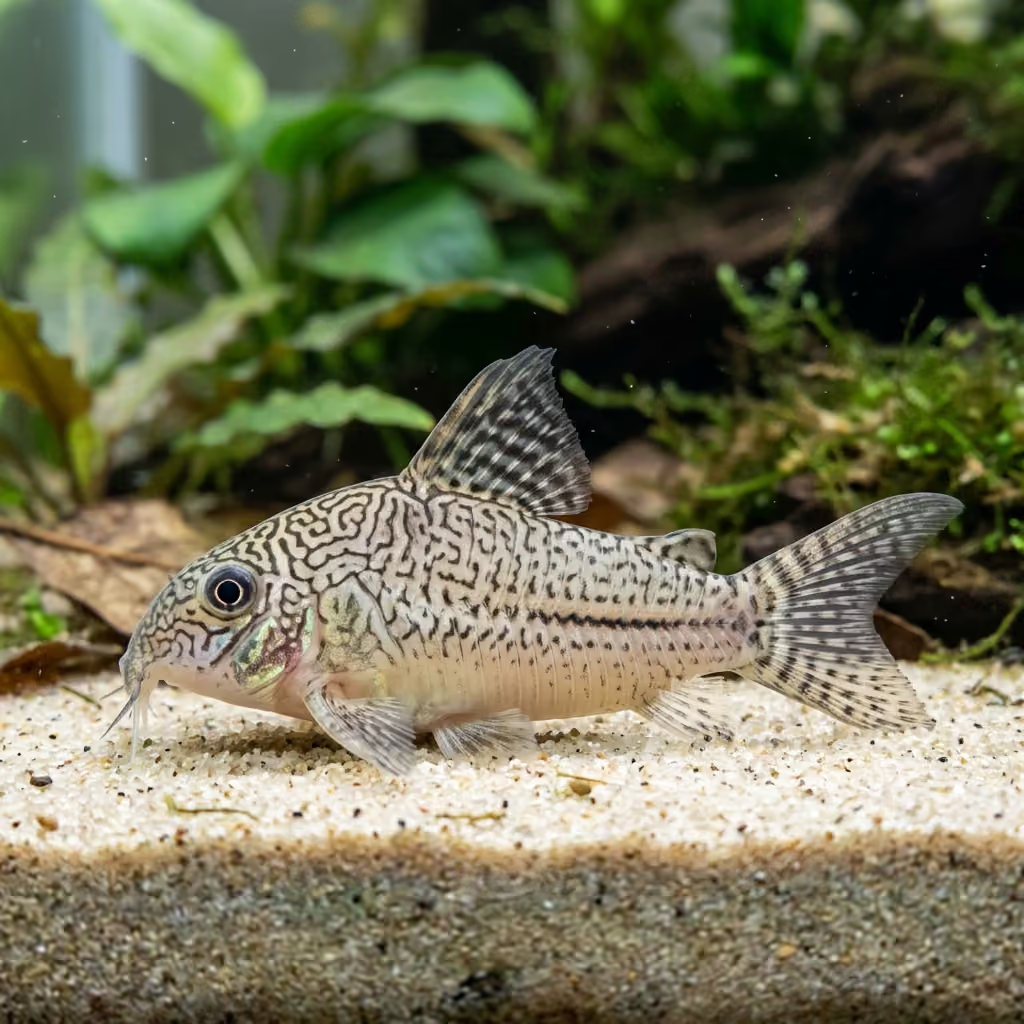
Schwartz's Corydoras
Hoplisoma schwartzi
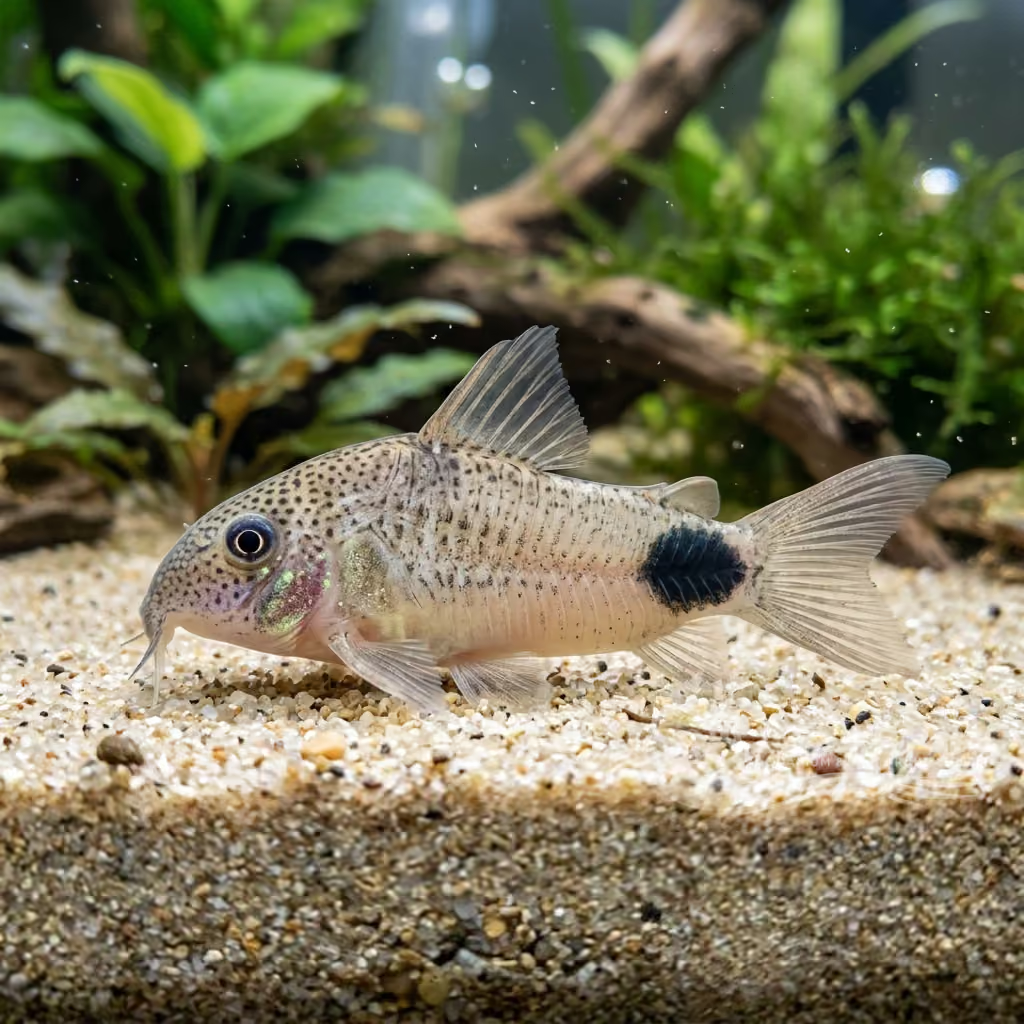
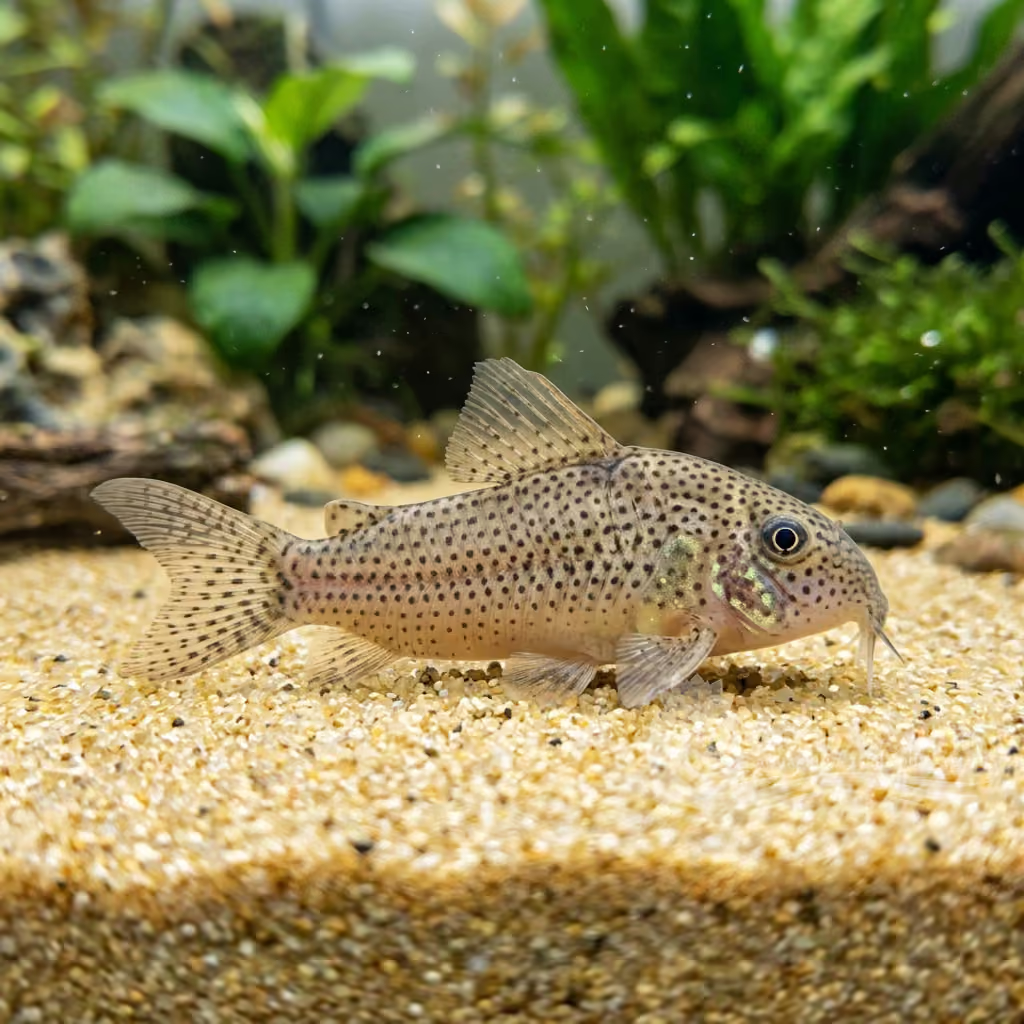
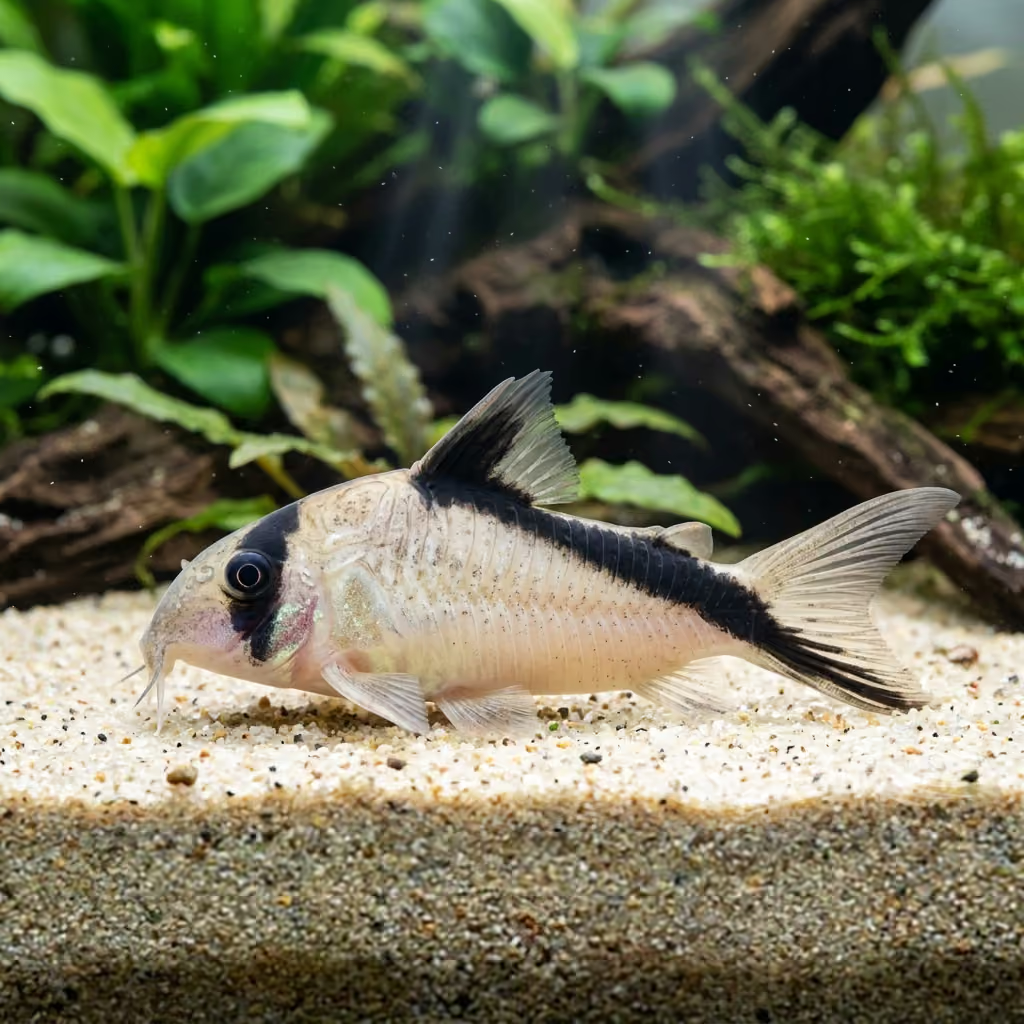
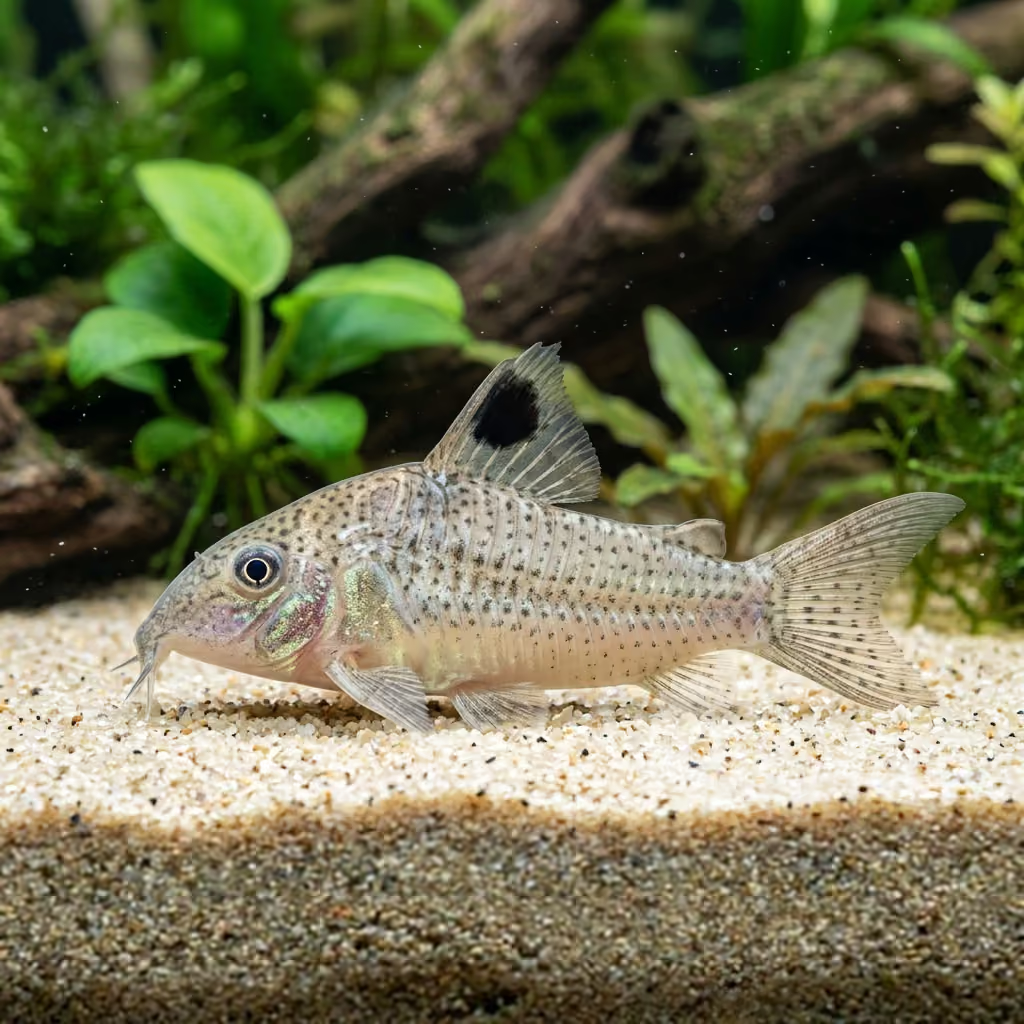
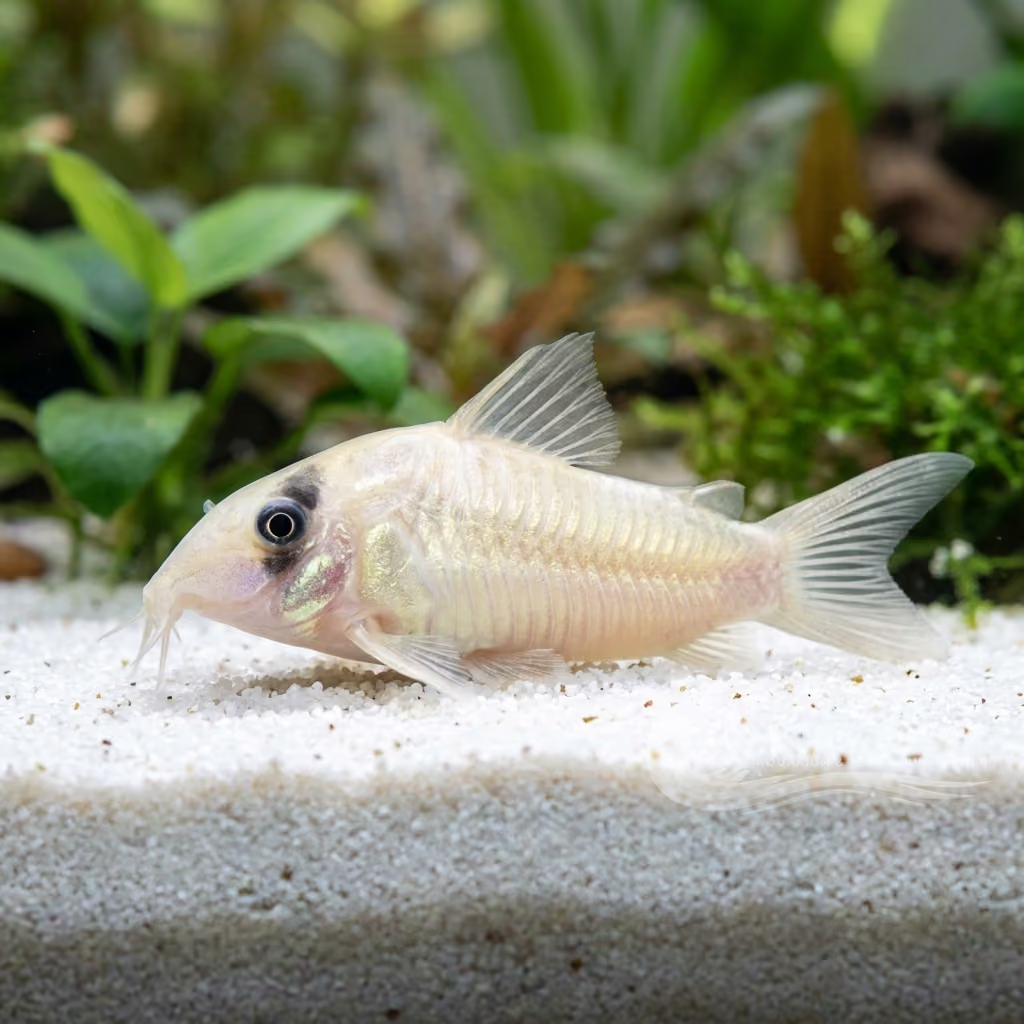
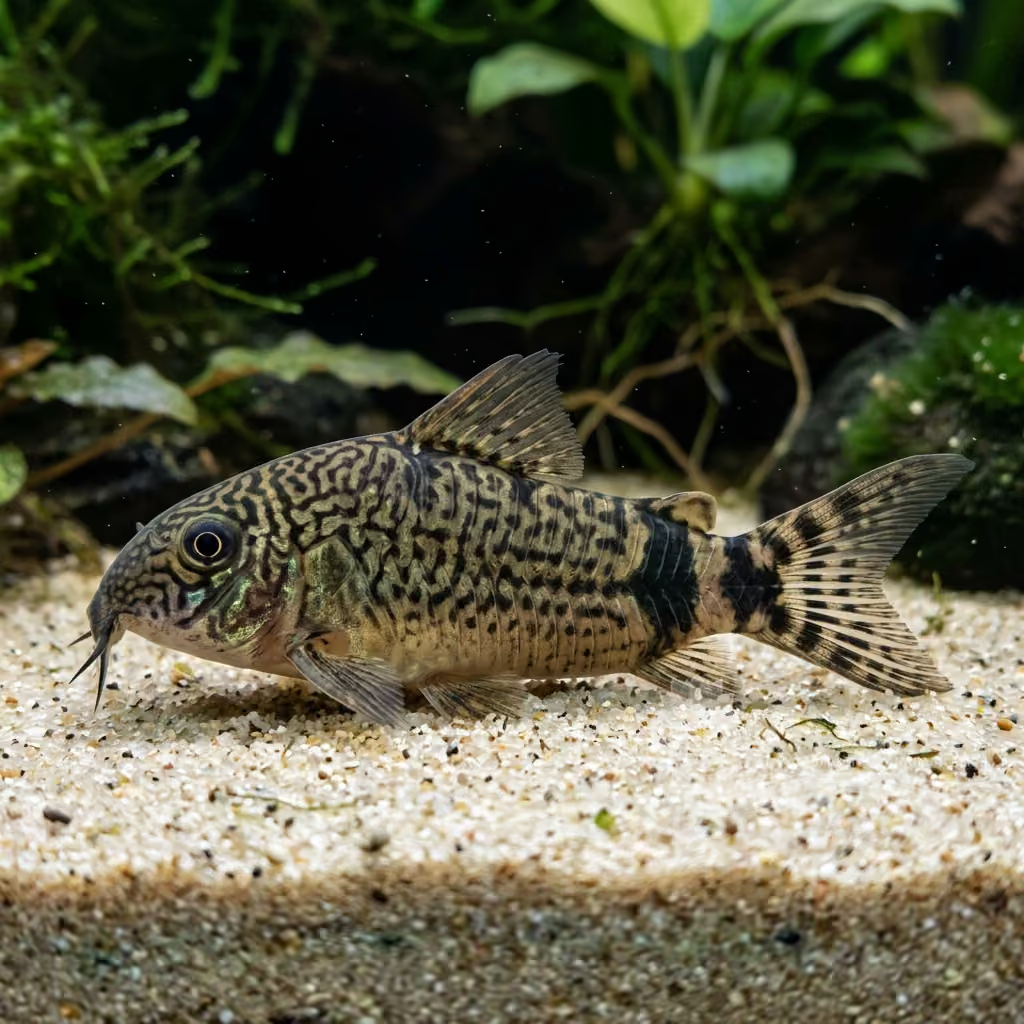
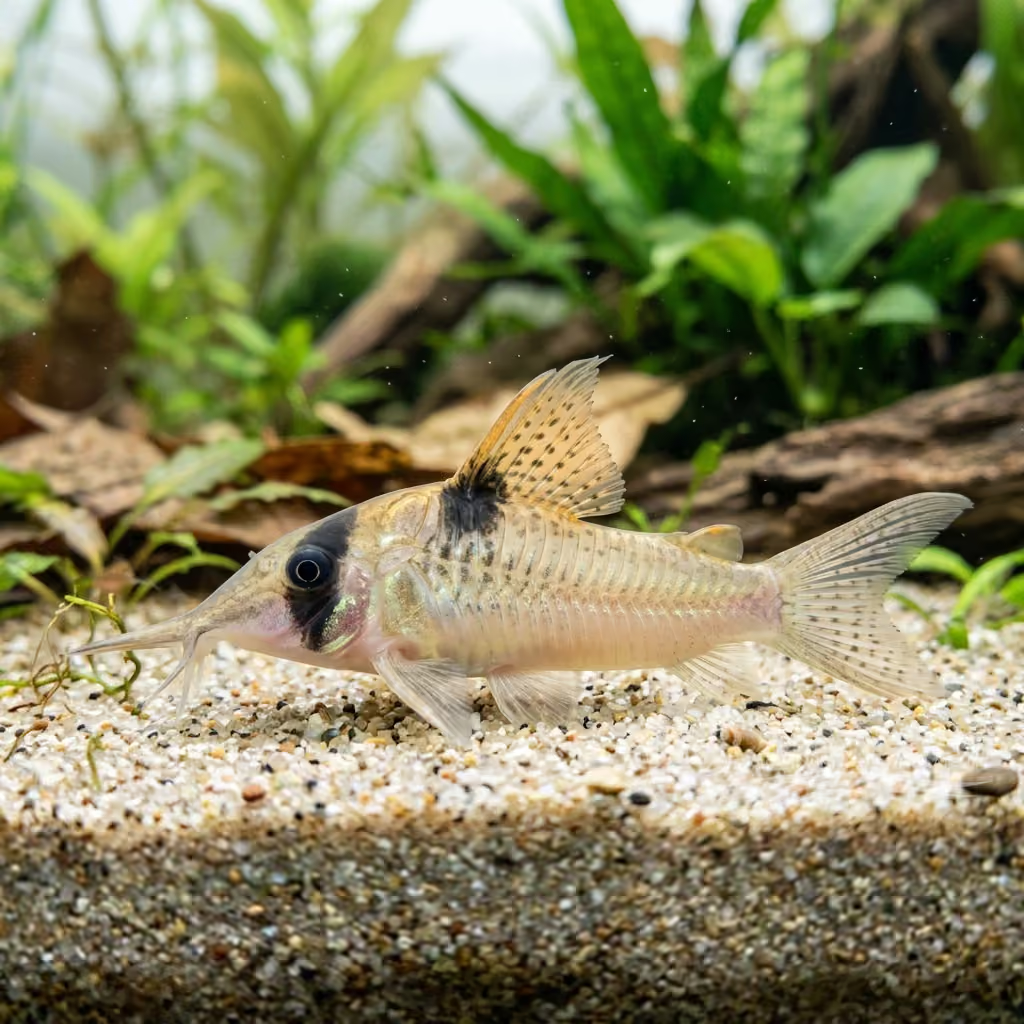
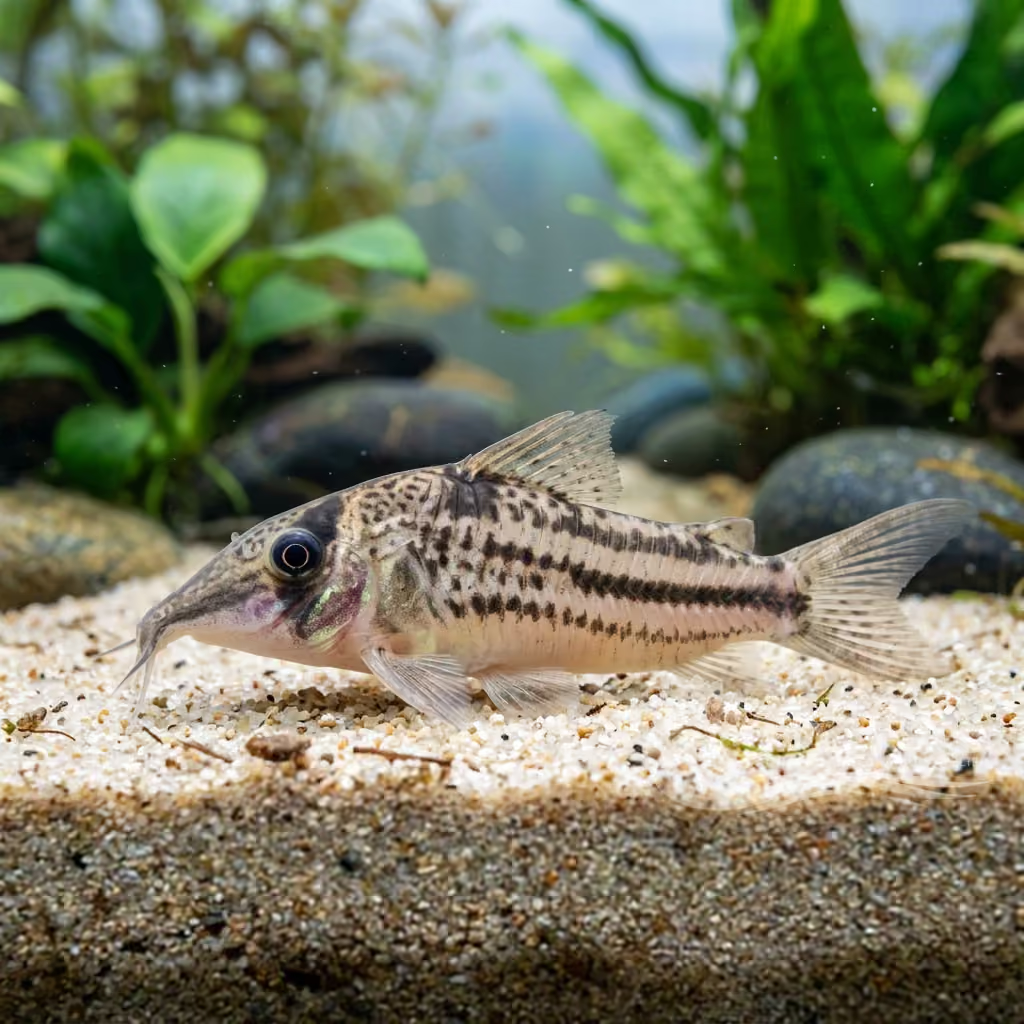
Powerful and majestic. Known for the extraordinary horizontal parallel stripes made of dense black dots and for the extremely long sail-like dorsal fins of the males, equipped with an intimidating black spine.
Température de l’eau
22 - 26 °C
Valeur du pH
6 - 7.5
Type d'eau
Eau douce
Niveau dans le bac
Fond
Taille adulte
6,5 cm
Volume minimal du bac
>= 60 L
Groupe minimal
>= 6
GH
2 - 15 dGH
KH
1 - 7 dKH
TDS
40 - 295 ppm
Conductivité
63 - 461 uS/cm

Description de l'espèce
Geographical Origin and Habitat: Purus River basin (Brazil). This large tributary of the Amazon offers clear but sediment-laden waters and large areas of flooded forest with soft bottoms.
Taxonomy and Morphology: Schwartz's Corydoras (Hoplisoma schwartzi). Robust species, often mistaken for C. trilineatus, but schwartzi has a white dorsal spine and a very distinct broken horizontal line pattern.
Social Behavior: Very gregarious, active and exploratory. Must live in schools of at least 6-8 individuals. If isolated or kept in too low a number, it will spend its entire life hiding, fearing predators.
Coloration and Sexual Dimorphism: Bright silvery body. In addition to the classic black mask passing through the eye, the flanks are marked by parallel horizontal lines composed of black dots. The white, pointed dorsal spine is a trademark. Males much more tapered.

Soins, reproduction et cohabitation
Aquarium Setup: Minimum 80 cm (32 inches) aquarium. Fine sand mandatory, as for all congeners. To alleviate its natural initial shyness, place almond leaves, Mangrove wood and densely planted areas (Echinodorus).
Diet and Feeding: Bottom micro-predator. Administer specific tablet food (e.g. with spirulina or fishmeal), but never lack live or frozen food (tubifex and brine shrimp).
Water Quality: Not particularly demanding regarding water chemistry, but absolutely does not tolerate negligence in cleaning. Nitrates and organic pollutants on the bottom cause irreversible necrosis.
Compatibility and Cohabitation: Calm and harmless. Perfect with Tetras (Neons, Cardinals, Hemigrammus), Rasboras, Loricariids, Guppies and small Cichlids. Not to be associated with aggressive Botias or large predators.
Aquarium Breeding: Swollen females release huge quantities of sticky eggs. The reproductive "trigger" is a 30-50% cold water change, simulating the Amazonian rains.
Risks and Diseases: The greatest threat to C. schwartzi (and to the aquarist) is the transport bag: this species, if panicked, secretes toxins from the axillary mucus which are lethal in unfiltered water.

Origine et répartition géographiques
Purus River basin (Brazil). This large tributary of the Amazon offers clear but sediment-laden waters and large areas of flooded forest with soft bottoms.
Origine
Amazonie, Orénoque et Guyanes

Profil de poisson
- Tempérament
- Semi-aggressive
- The temperament of Hoplisoma schwartzi is exceptionally peaceful and highly social in nature. They must be kept in groups of at least six individuals to thrive. In proper schools, they are confident and constantly active across the bottom.
- Régime alimentaire
- Omnivore
- The diet of Hoplisoma schwartzi primarily features benthic organisms and small detritus. In captivity, they eagerly eat sinking pellets and high-quality bottom-feeder wafers. Live foods like bloodworms and daphnia should be offered for optimal health.
- Espérance de vie
- 5-8 years
- Taille adulte
- 6.5 cm
- Ratio des sexes
- Specific M:F ratio
- A specific sex ratio is unnecessary for the general community keeping of Hoplisoma schwartzi. For dedicated breeding, a ratio of two males per female is optimal. Females are visibly rounder and broader, while males are slender.
- Fréquence d'alimentation
- Twice daily
- It is recommended to feed Hoplisoma schwartzi one or two times daily in moderate portions. Ensure the food reaches the substrate before mid-water fish consume it all. Feeding just before lights out helps them forage peacefully without stress.
- Charge biologique
- Low
- The bioload of Hoplisoma schwartzi is relatively low compared to larger tank mates. Since they are schooling fish, their combined waste can accumulate over time. Consistent filtration and weekly water changes are necessary for maintaining clean water.
- Courant
- Stagnant
- Hoplisoma schwartzi prefers a moderate water flow that replicates gentle Amazonian streams. This circulation thoroughly oxygenates the water and prevents detritus accumulation. Calm resting zones should also be provided for relaxation.
- Risque de saut
- Yes
- The jump risk for Hoplisoma schwartzi is very low compared to surface-dwelling fish. However, their unique respiratory system causes occasional rapid surface darting. A secure aquarium lid is highly recommended to prevent accidental escapes.
- Reproduction
- Oviparous
- Breeding Hoplisoma schwartzi in an aquarium is highly achievable with proper conditioning. Spawning is typically triggered by a large, slightly cooler water change. The female then deposits adhesive eggs on aquarium glass or broad plant leaves.
- Compatibilité et compagnons
- Peaceful
- In terms of compatibility, Hoplisoma schwartzi is extremely peaceful and ideal for community setups. They coexist perfectly with small tetras, rasboras, and dwarf cichlids. Large, aggressive bottom-dwellers must be avoided to prevent undue competition.
- Niveau dans le bac
- Bottom
- As obligate bottom-dwellers, Hoplisoma schwartzi spends the vast majority of its time on the substrate. They constantly search for food by sifting fine sand with their sensitive barbels. They occasionally dart to the surface to gulp atmospheric air.

Modèles et paramètres scientifiques
FishBase
Fenêtre sur les données scientifiques officielles de l’espèce
FishBase v25.04Données synchronisées le : 15/06/2026
- Niveau trophique
- 3 ± 0,4 se
- Résilience
- Élevée (moins de 15 mois)
- Singularité phylogénétique (PD50)
- 0.5
- Relation bayésienne longueur-poids
- a = 0.02455, b = 3
- VulnérabilitéVulnérabilité faible (10 / 100)

Espèces associées
Recommandations regroupées par proches parents, compagnons et soins similaires.