Blackmask Corydoras
Hoplisoma atropersonatum
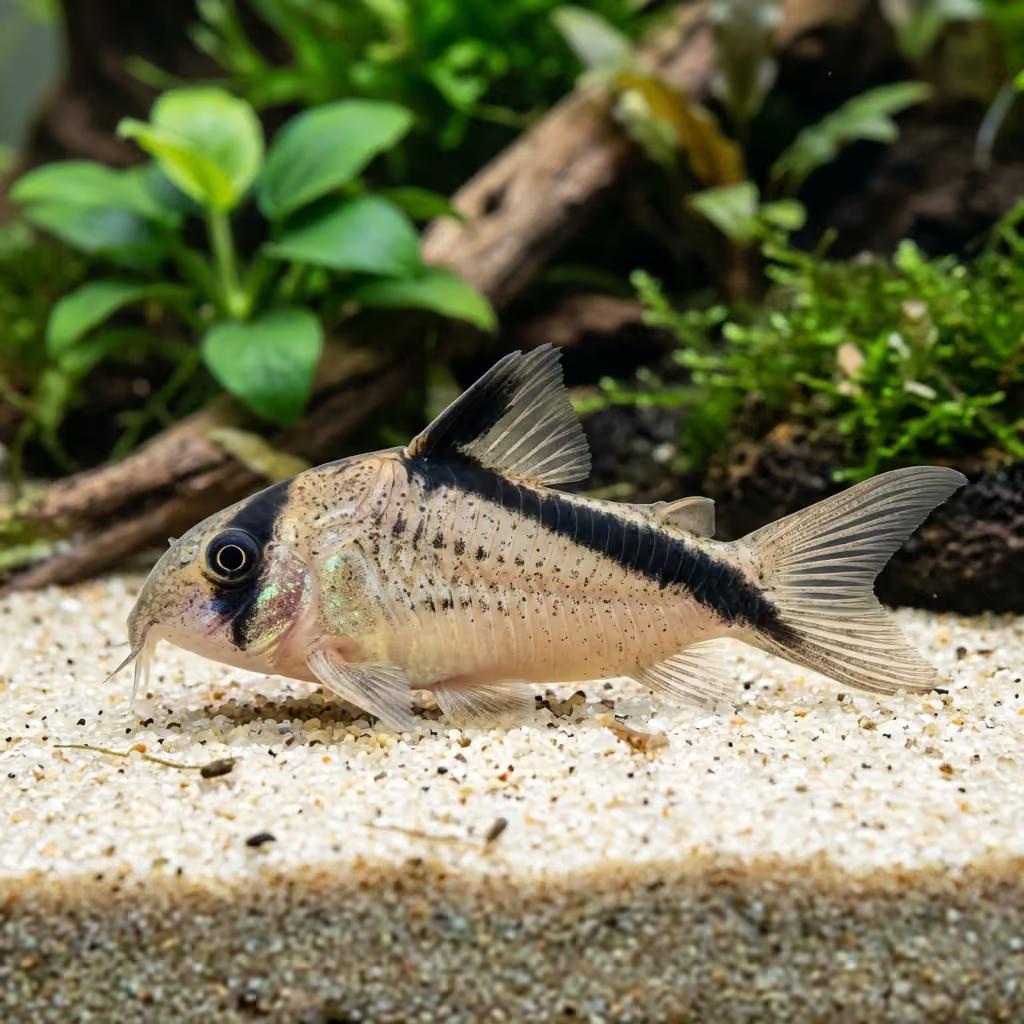
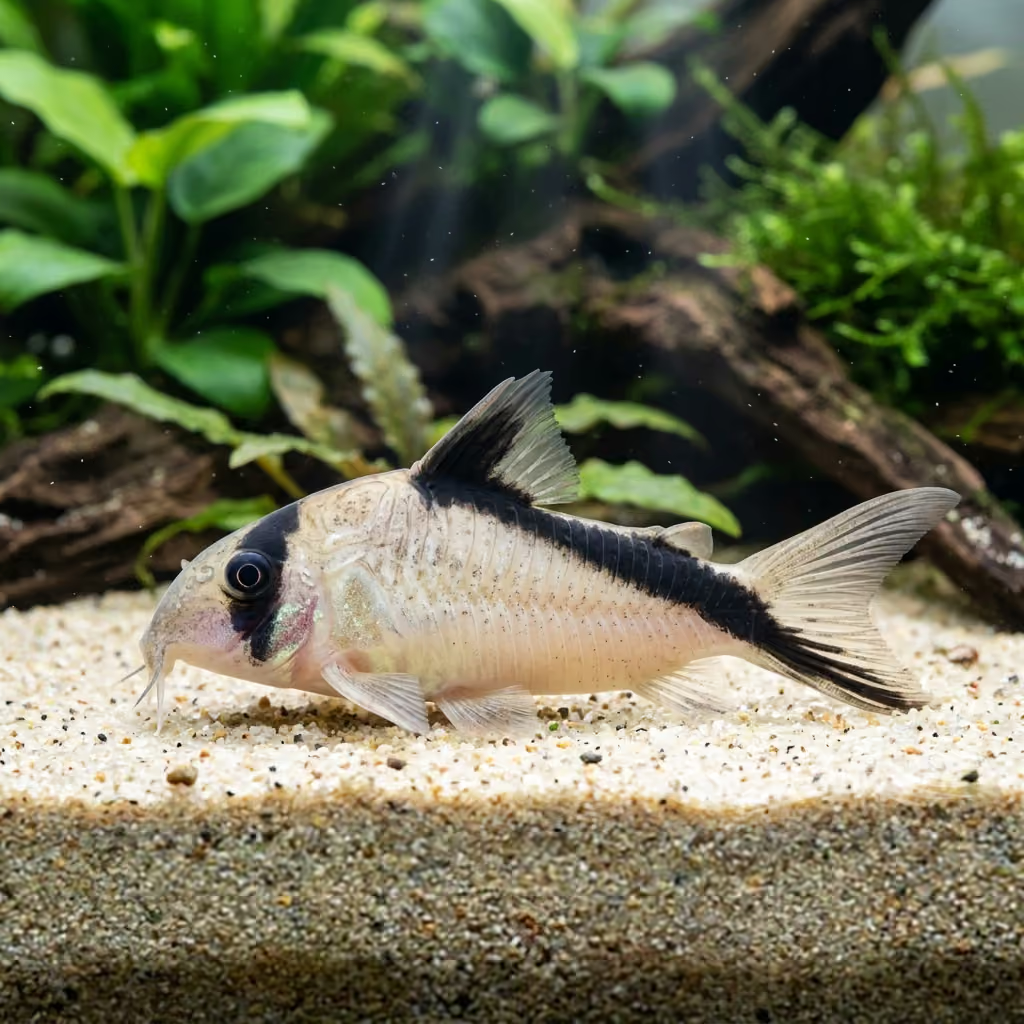
An adorable and peaceful bottom-dwelling catfish characterized by a speckled silvery-white body and a prominent vertical black band over the eyes. Perfect for established community tanks with sandy bottoms.
Température de l’eau
21 - 27 °C
Valeur du pH
6 - 7.5
Type d'eau
Eau douce
Niveau dans le bac
Fond
Taille adulte
4,5 cm
Volume minimal du bac
>= 60 L
Groupe minimal
>= 6
GH
2 - 15 dGH
KH
1 - 7 dKH
TDS
40 - 295 ppm
Conductivité
63 - 461 uS/cm

Description de l'espèce
Geographical Origin and Habitat: This species is native to the upper Amazon River basin, primarily found in river systems of Peru and Ecuador, including the Rio Pastaza and Rio Tigre. It inhabits small tributaries, forest creeks, and clear, cool waters with moderate flow, where the substrate consists of fine sand and organic detritus covered by fallen leaves.
Taxonomy and Morphology: Belonging to the family Callichthyidae. It features the classic stocky body structure protected by two rows of overlapping bony plates (scutes). The mouth is equipped with highly developed sensory barbels to locate food in the substrate. It reaches a compact adult size of 4.5 - 5 cm, making it a smaller-to-medium member of the genus.
Social Behavior: Peaceful, active, and highly gregarious bottom dweller. It must be kept in groups of at least 6-10 individuals of the same species. Social grouping reduces their natural shyness, promoting active swimming and coordinated foraging along the bottom during the day.
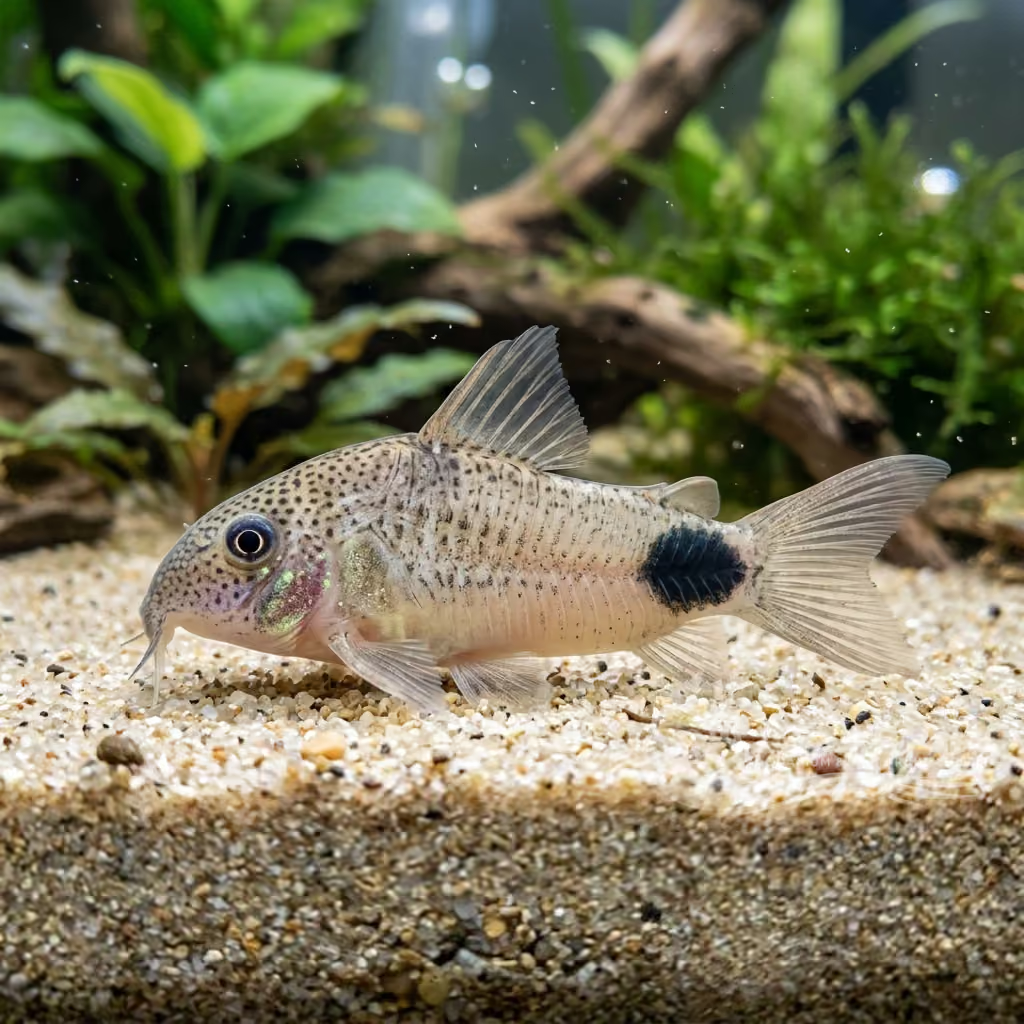
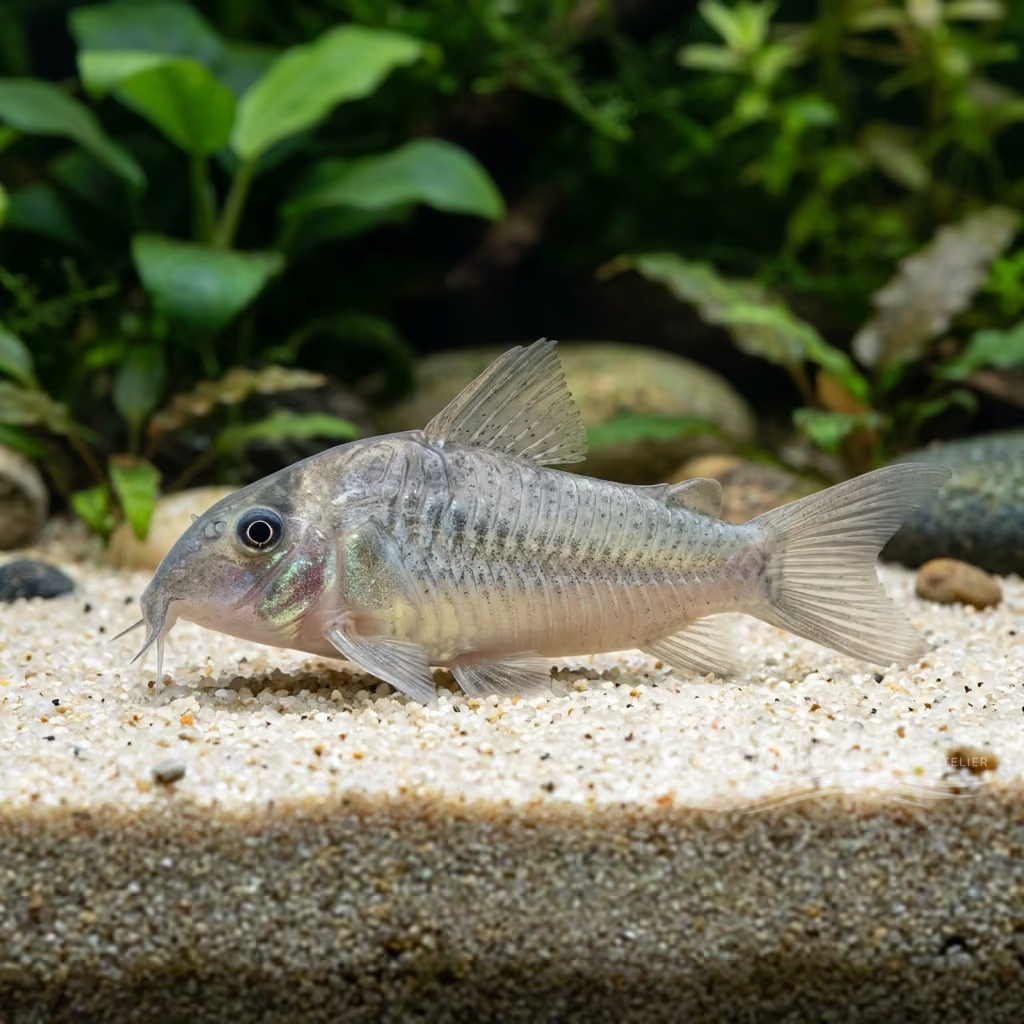
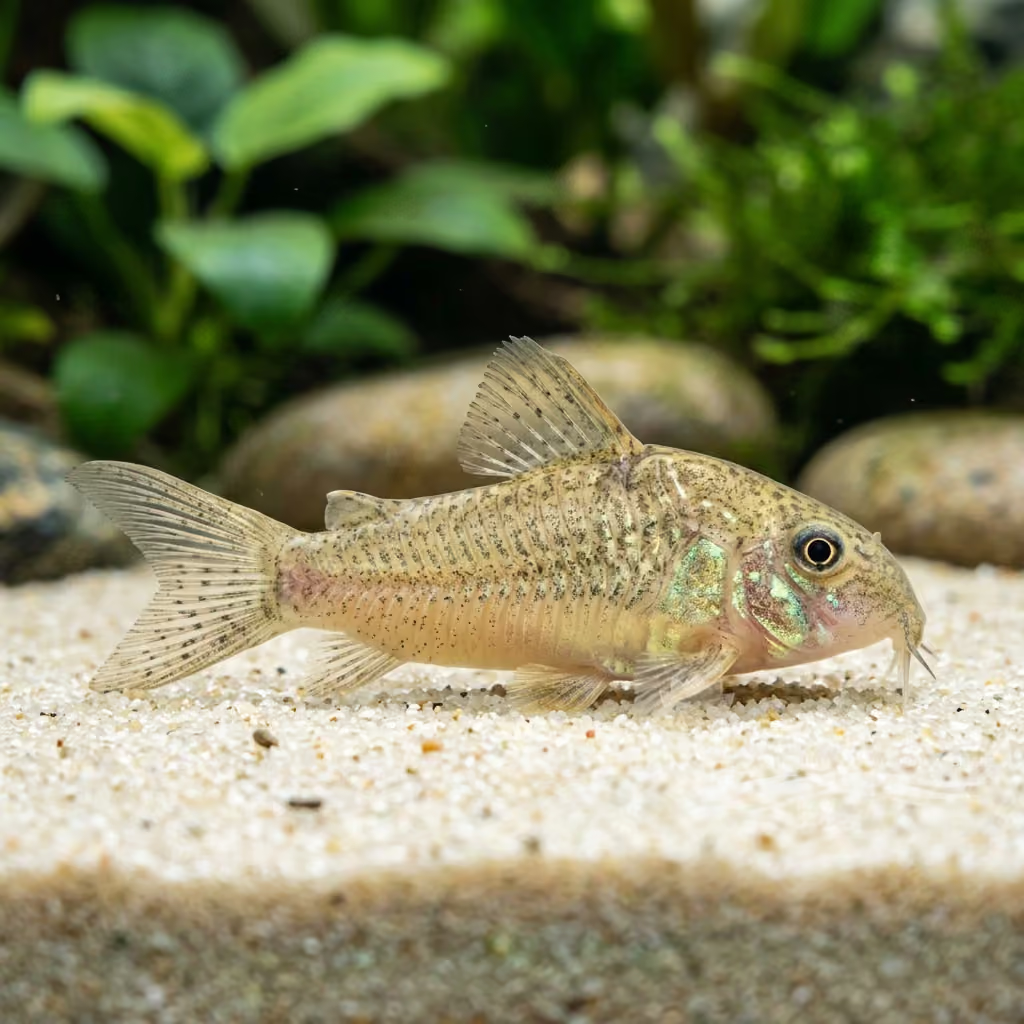
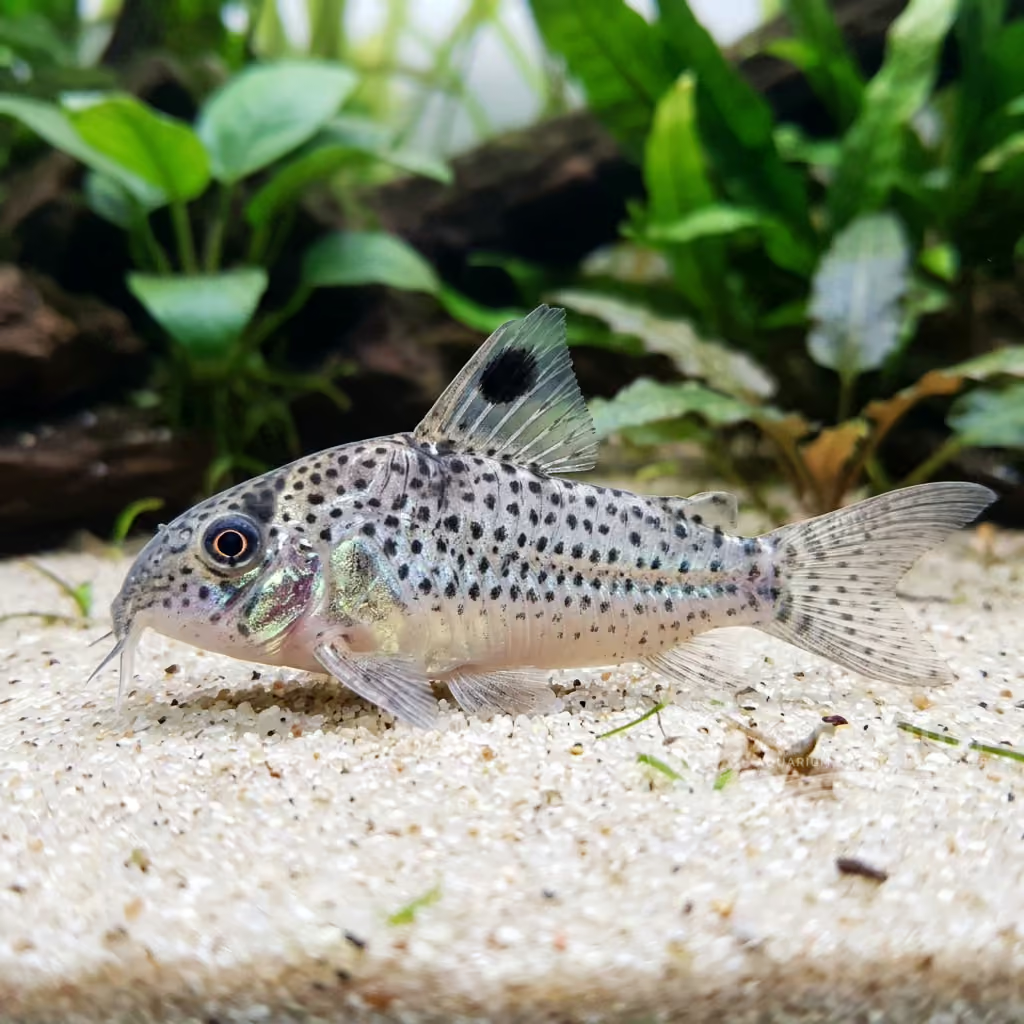
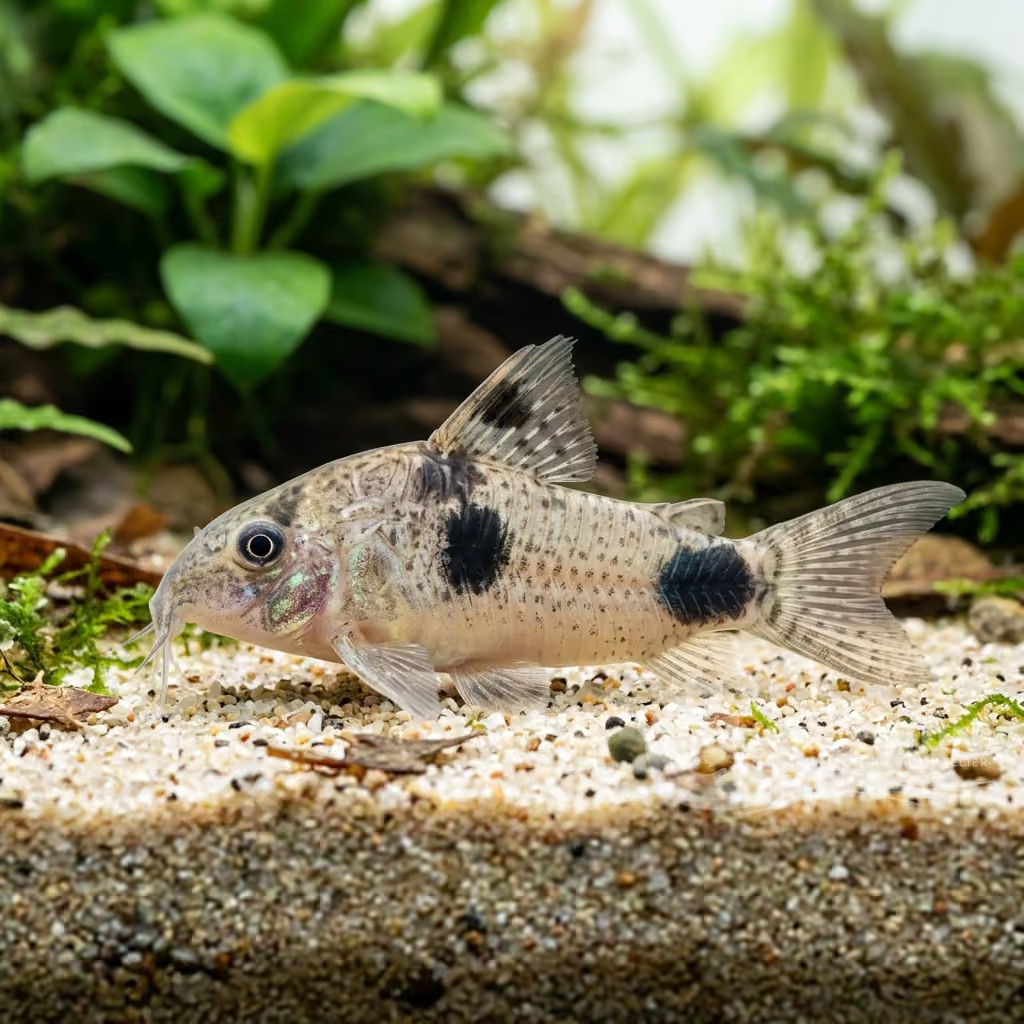
Coloration and Sexual Dimorphism: The color pattern is exceptionally elegant: the body features a brilliant silvery-white base color speckled with small, uniform black dots. The defining feature is a bold black band (mask) that runs vertically through the eye. The fins are translucent. Adult females are visibly larger, wider, and rounder than the slimmer males.

Soins, reproduction et cohabitation
Aquarium Setup: Requires an aquarium of at least 60-80 liters (approx. 15-20 gallons) with a wide sandy footprint. A fine, rounded sand substrate is vital to prevent barbel erosion and subsequent infections. Decorate with roots, bogwood, and dense plantings of broad-leafed species to provide shaded resting areas.
Diet and Feeding: Sifting benthic omnivores. They must be fed high-quality sinking pellets or wafers designed for bottom dwellers, supplemented with frozen or live foods like bloodworms, brine shrimp, and tubifex to stimulate breeding behavior. They should not be kept merely as clean-up scavengers.
Water Quality: Require well-filtered, clean, and highly oxygenated water. Optimal parameters: temperature between 21°C and 25°C (69.8-77°F) (avoid constant high heat), pH 6.0 to 7.2, and water hardness (GH) 2 to 10 °dGH. Ammonia and nitrites must be zero. Regular water changes are critical.
Compatibility and Cohabitation: Perfect for peaceful community aquariums. Coexists harmoniously with small tetras, peaceful dwarf cichlids, rasboras, and other non-aggressive community fish. Avoid housing them with aggressive, territorial species or large predatory fish that could bully or harm them.
Aquarium Breeding: Breeding occurs in the typical "T-position." It is stimulated by large water changes using cooler water (a temp drop of 2-3°C) and feeding high-protein live foods. The female deposits adhesive eggs on leaves or glass. Relocate the eggs to a rearing tank to prevent predation.
Risks and Diseases: Highly sensitive to nitrogenous waste (ammonia/nitrite) and salt treatments. Bacterial infection of the barbels occurs if the substrate is sharp or gathers organic waste. They can contract skin parasites like Ich (white spot) if subjected to thermal shock during water changes.

Origine et répartition géographiques
This species is native to the upper Amazon River basin, primarily found in river systems of Peru and Ecuador, including the Rio Pastaza and Rio Tigre. It inhabits small tributaries, forest creeks, and clear, cool waters with moderate flow, where the substrate consists of fine sand and organic detritus covered by fallen leaves.
Origine
Océans tropicaux et récifsAmazonie, Orénoque et Guyanes

Profil de poisson
- Tempérament
- Semi-aggressive
- Hoplisoma atropersonatum are peaceful, social schooling fish that thrive when kept in groups. Keeping them in numbers of at least six individuals greatly reduces their stress and promotes natural behaviors. They are completely harmless to plants and other tank inhabitants.
- Régime alimentaire
- Omnivore
- These are omnivorous bottom feeders that require a varied diet to thrive. Their meals should include high-quality sinking pellets, wafers, and live or frozen foods like bloodworms. A balanced diet ensures proper growth and vibrant coloration for Hoplisoma atropersonatum.
- Espérance de vie
- 5-8 years
- Taille adulte
- 4.5 cm
- Ratio des sexes
- Specific M:F ratio
- Maintaining a ratio of two or three males for every female is ideal for breeding purposes. This ratio encourages natural spawning behaviors and increases the chances of successful fertilization. In non-breeding community tanks, the exact ratio for Hoplisoma atropersonatum is less critical.
- Fréquence d'alimentation
- Twice daily
- They should be fed small amounts once or twice a day. It is important to provide only what Hoplisoma atropersonatum can consume within a few minutes to prevent water fouling. Occasional fasting days can also be beneficial for their digestive health.
- Charge biologique
- Low
- The Hoplisoma atropersonatum has a relatively low bioload compared to many other species of similar size. They are efficient scavengers that help keep the substrate clean, which slightly offsets their waste production. However, adequate biological and mechanical filtration is still necessary to maintain optimal water quality in the aquarium.
- Courant
- Stagnant
- They prefer moderate water movement that simulates their natural riverine habitats. A gentle current provides necessary oxygenation without exhausting the fish. Avoid overly strong flow that could sweep Hoplisoma atropersonatum away or cause stress.
- Risque de saut
- No
- Reproduction
- Oviparous
- Breeding Hoplisoma atropersonatum in captivity is possible but requires specific water conditions and conditioning. They are egg layers that typically deposit their adhesive eggs on broad leaves or the aquarium glass. Parents may eat the eggs, so it is often best to raise the fry in a separate tank.
- Compatibilité et compagnons
- Peaceful
- They are incredibly peaceful and make excellent additions to community aquariums. Hoplisoma atropersonatum gets along well with most other peaceful, similarly sized fish. Aggressive or large tank mates should be avoided as they may intimidate or harm them.
- Niveau dans le bac
- Bottom
- They are obligate bottom dwellers that spend the majority of their time on the substrate. Hoplisoma atropersonatum constantly rummage through sand or smooth gravel in search of food. Very rarely will they be seen swimming in the middle or upper levels of the water column.

Modèles et paramètres scientifiques
FishBase
Fenêtre sur les données scientifiques officielles de l’espèce
FishBase v25.04Données synchronisées le : 15/06/2026
- Niveau trophique
- 3 ± 0,4 se
- Résilience
- Élevée (moins de 15 mois)
- Singularité phylogénétique (PD50)
- 0.5
- Relation bayésienne longueur-poids
- a = 0.00741, b = 3.14
- VulnérabilitéVulnérabilité faible (10 / 100)

Espèces associées
Recommandations regroupées par proches parents, compagnons et soins similaires.