Orphnopterus Cory
Brochis orphnopterus
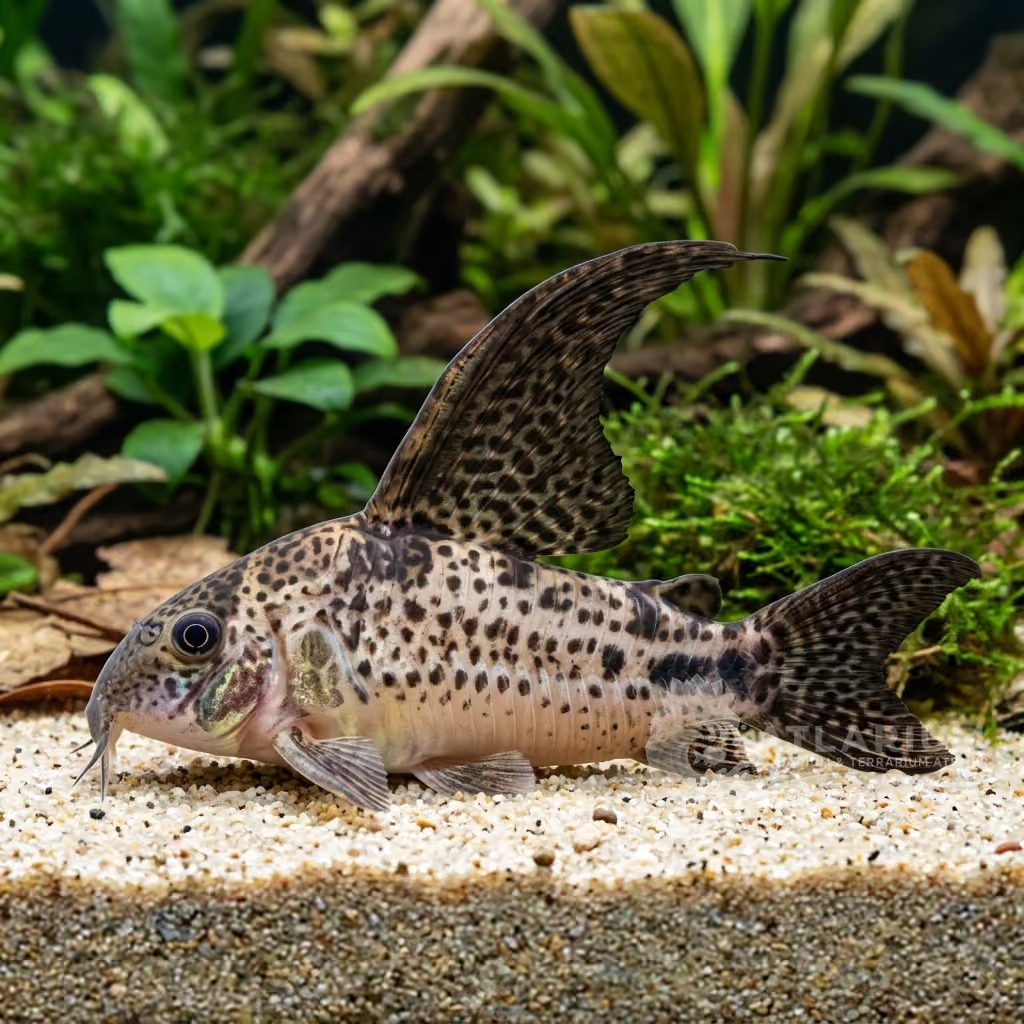
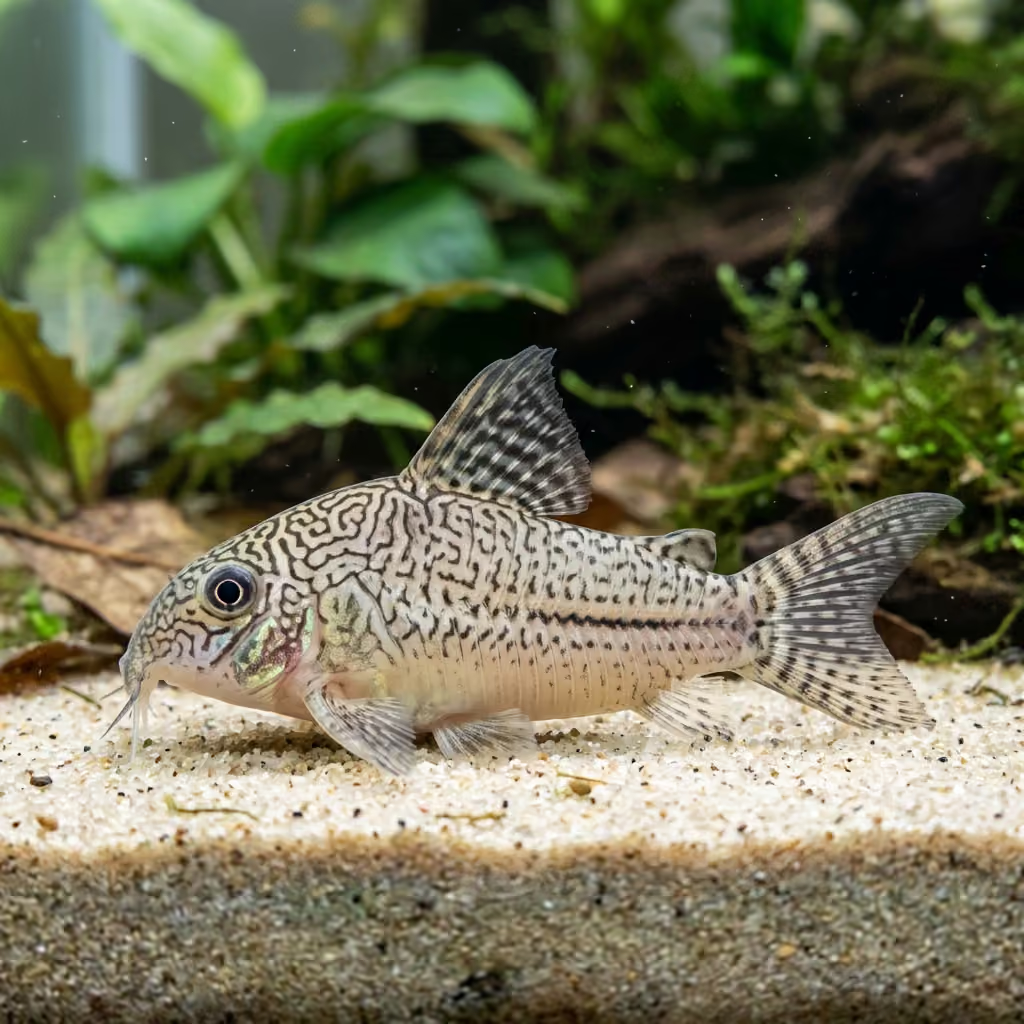
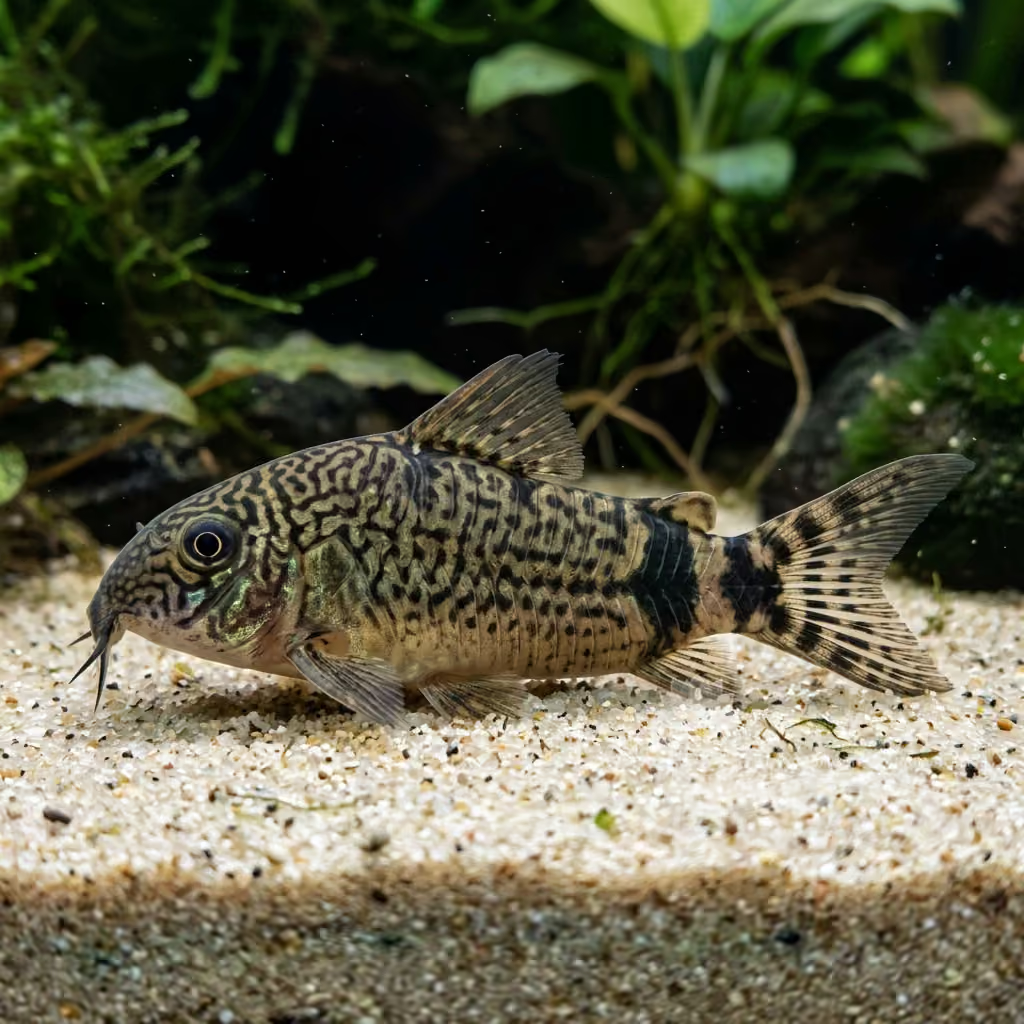
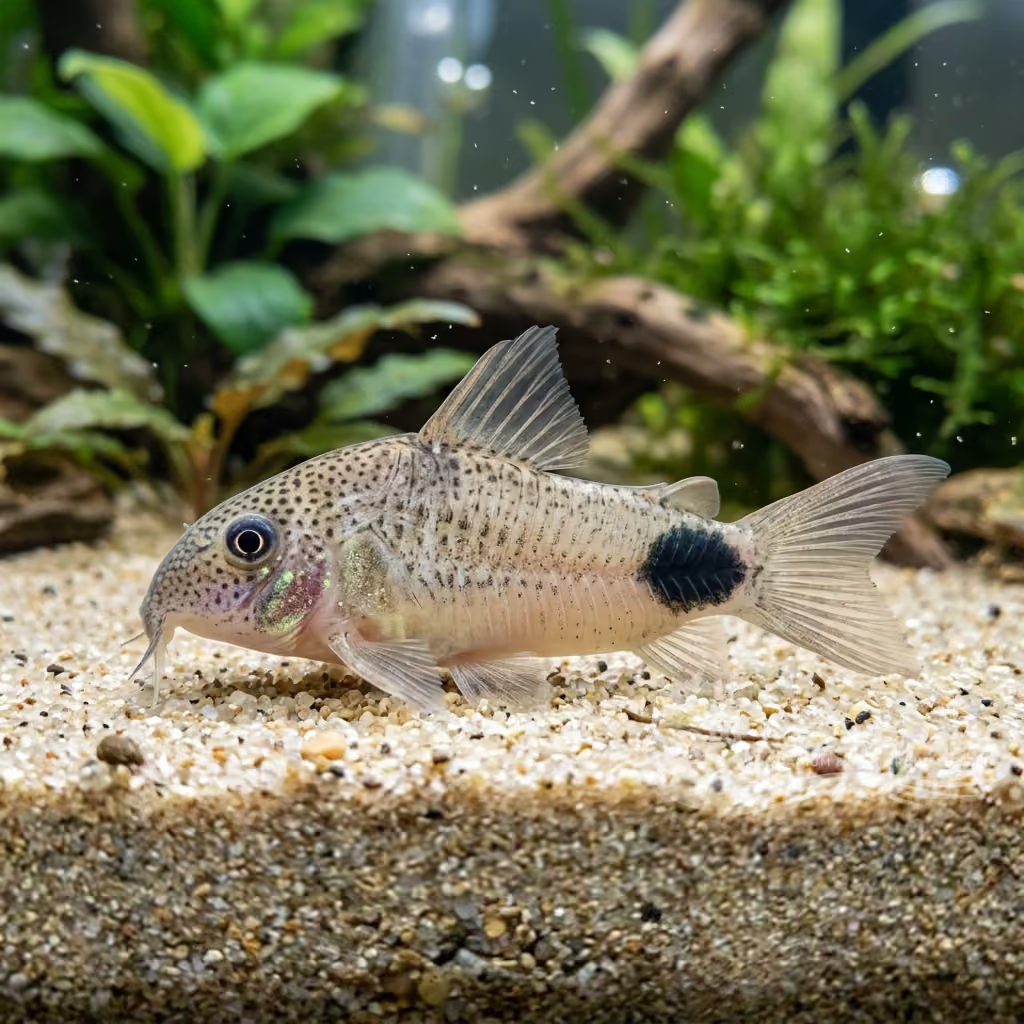
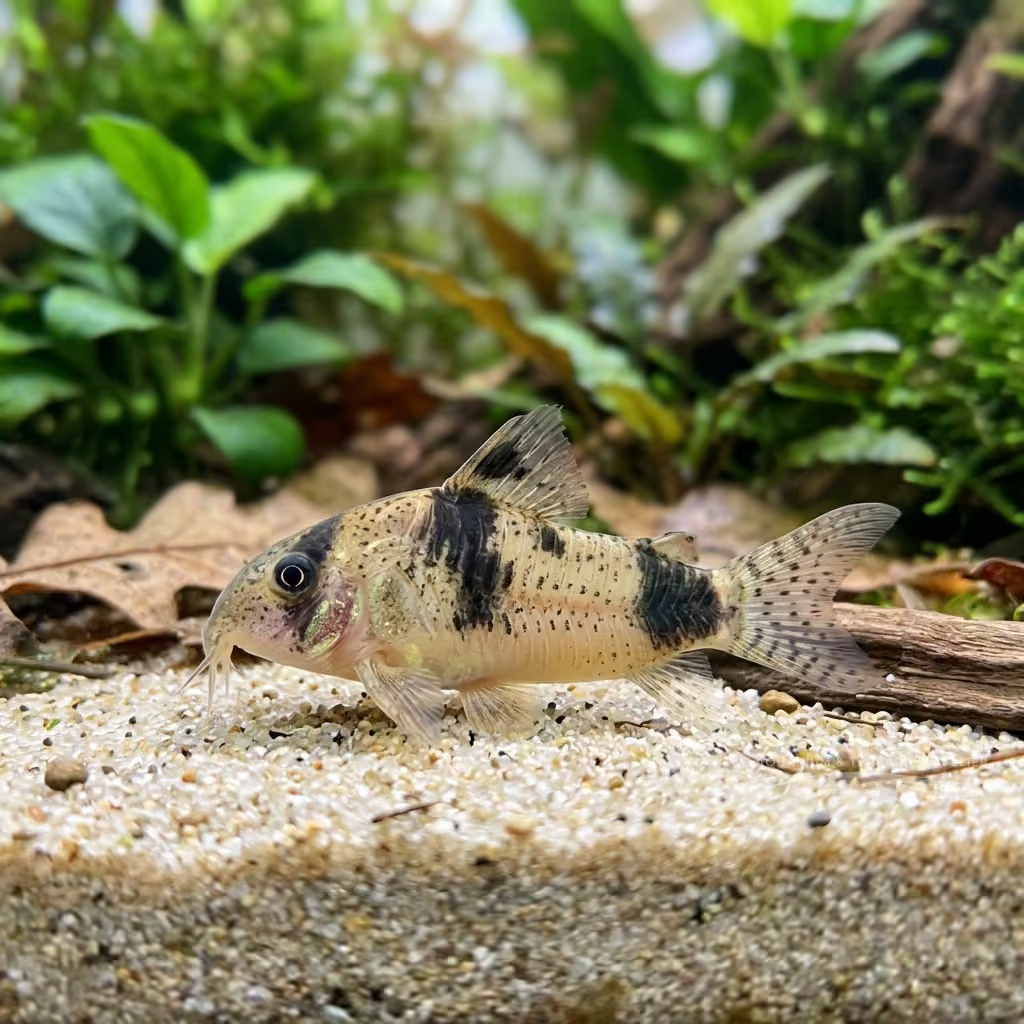
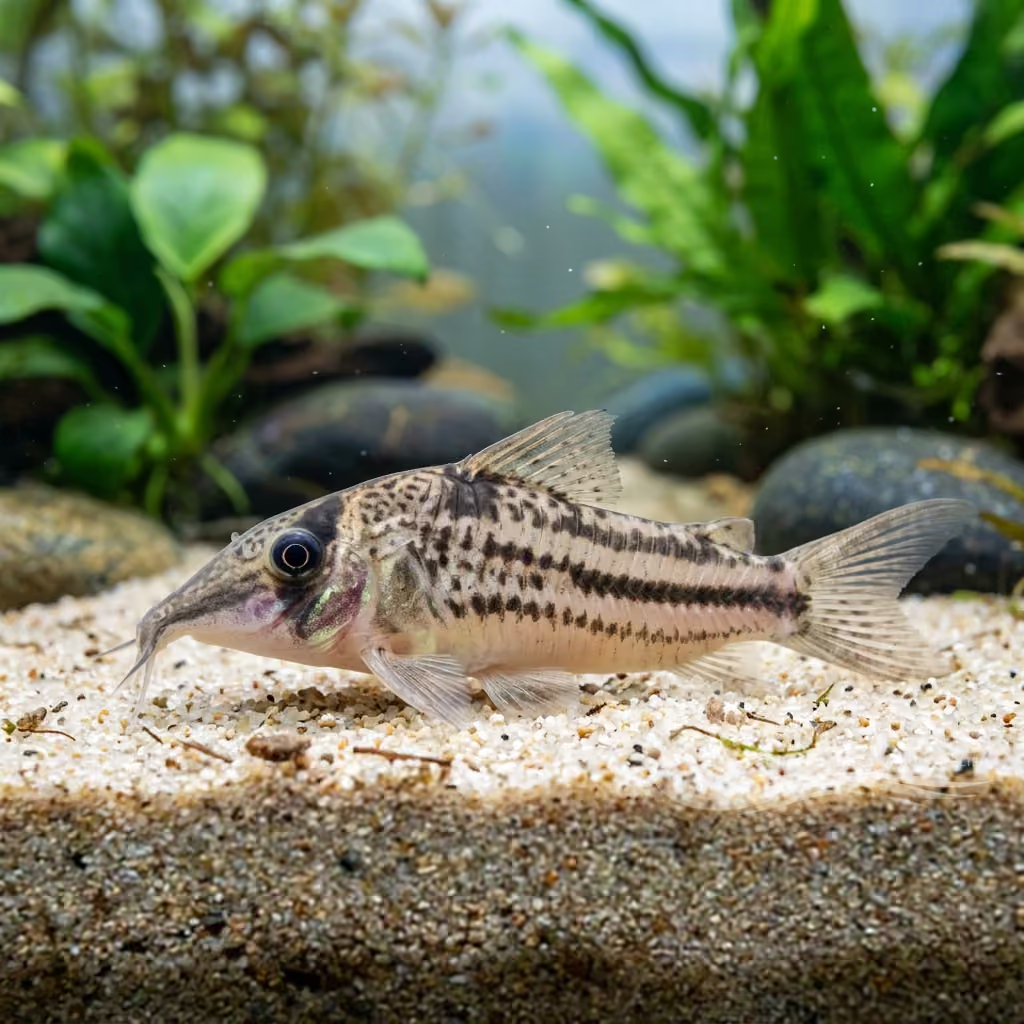
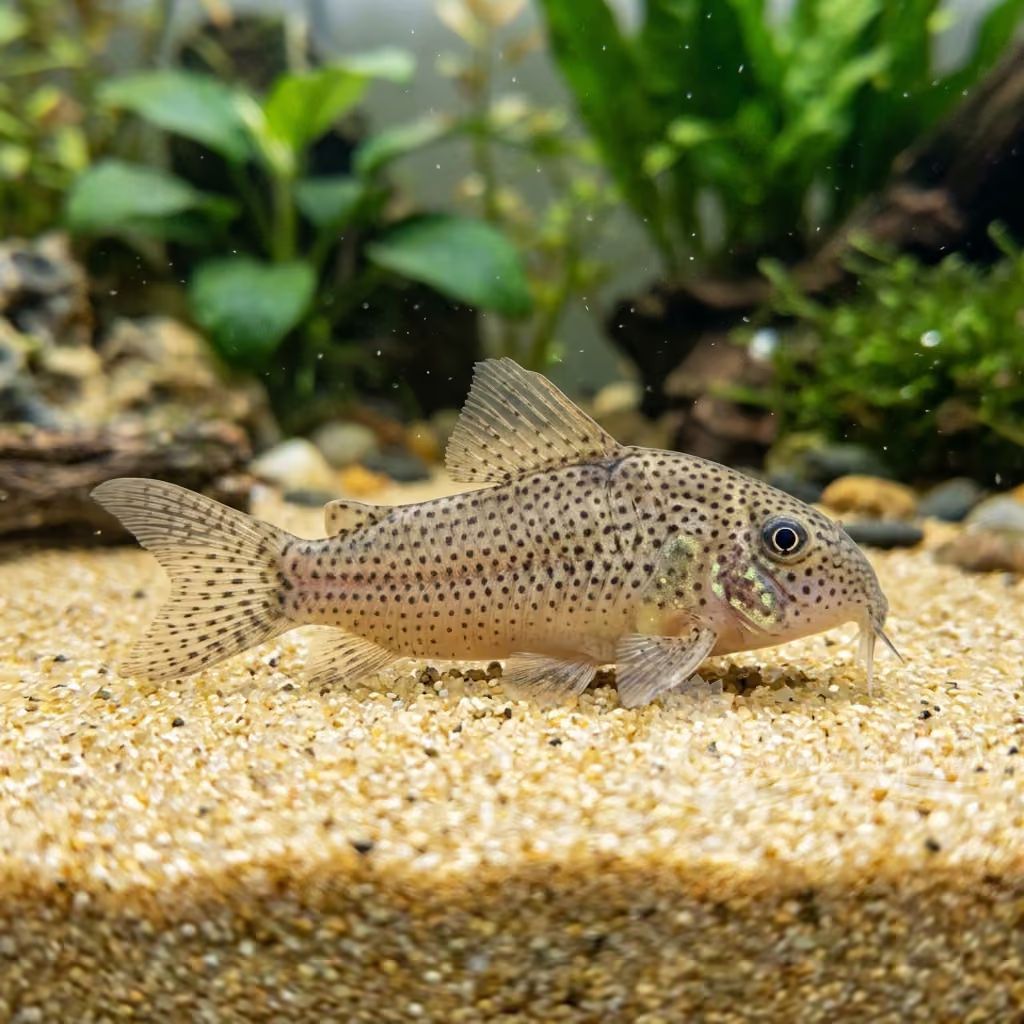
This powerful Ecuadorian long-snouted species showcases a densely reticulated pattern of tiny spots. It requires deep, fine sand to accommodate its energetic substrate plunging habits.
Température de l’eau
22 - 26 °C
Valeur du pH
6 - 7.2
Type d'eau
Eau douce
Niveau dans le bac
Fond
Taille adulte
6 cm
Volume minimal du bac
>= 100 L
Groupe minimal
>= 6
GH
2 - 12 dGH
KH
2 - 10 dKH
TDS
50 - 280 ppm
Conductivité
78 - 438 uS/cm

Description de l'espèce
Geographical Origin and Habitat: Native to Ecuador, Rio Pastaza basin (upper Amazon basin). This species inhabits Andean forest streams with clear, gently flowing waters, well provided with areas with thick shade provided by the lush forest canopy.
Taxonomy and Morphology: Corydoras belonging to the "long-snouted" group. Has significant dimensions (average 6 cm / 2.4 inches). The aerodynamic and prolonged structure of the head indicates that the animal pushes its head deep into the mud to track down earthworms in nature.
Social Behavior: Innate tranquility typical of the genus. Categorically requires foraging and exploration in schools of at least 6-8 members: alone or in pairs they develop strong phobias and completely stop feeding during the day.
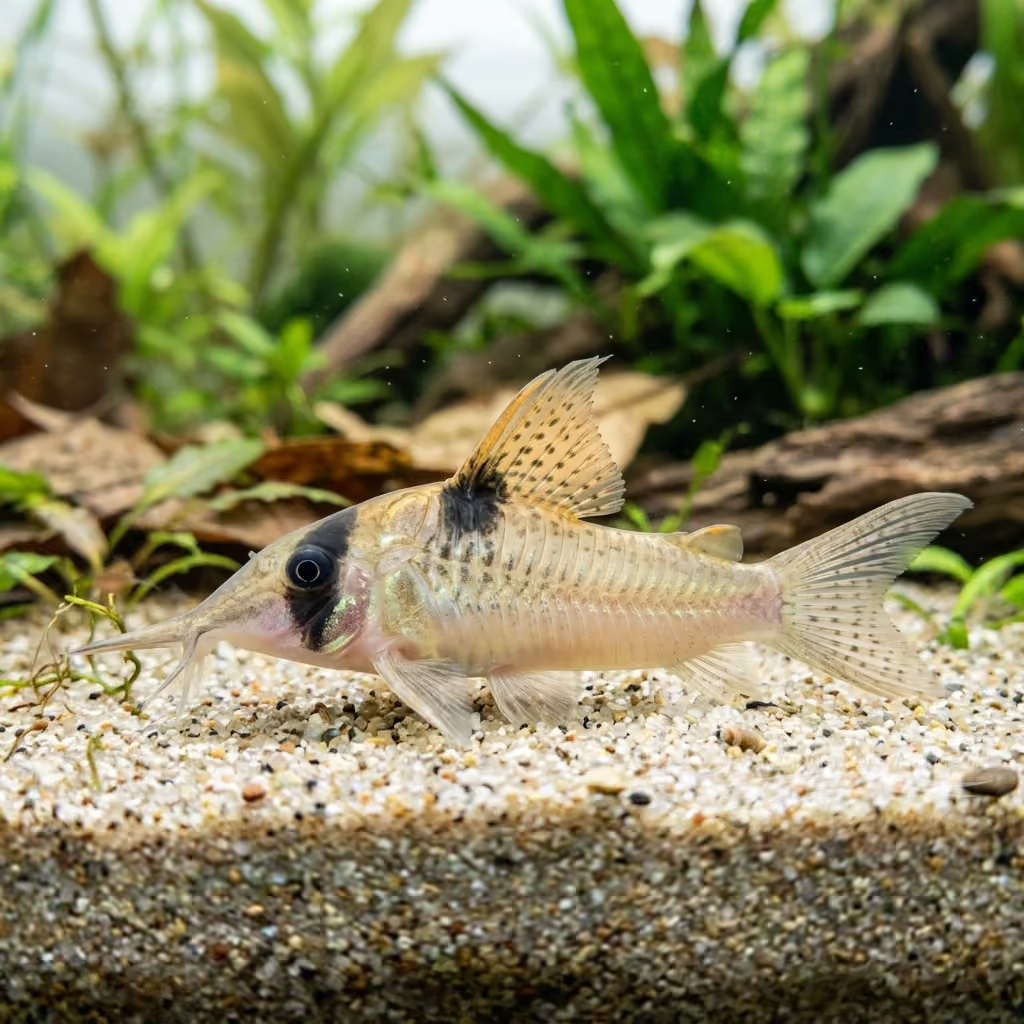
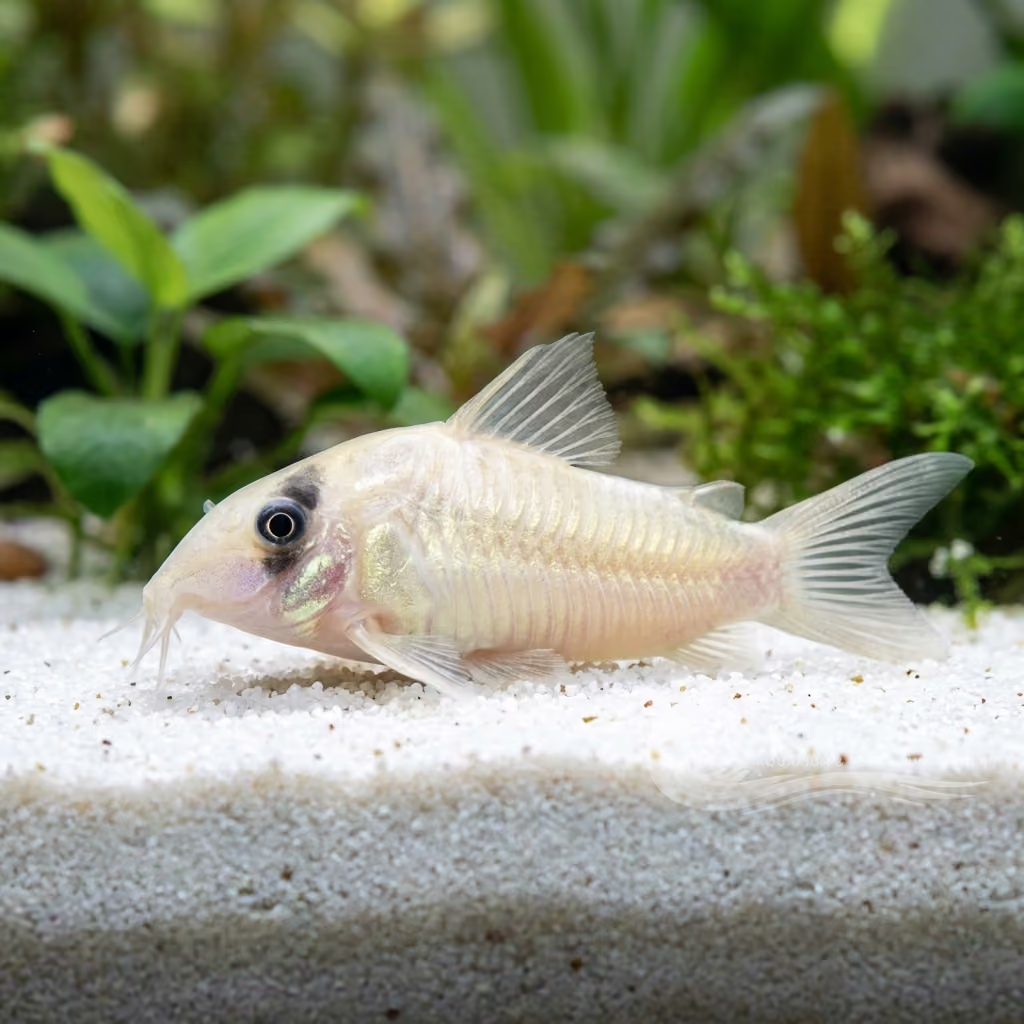
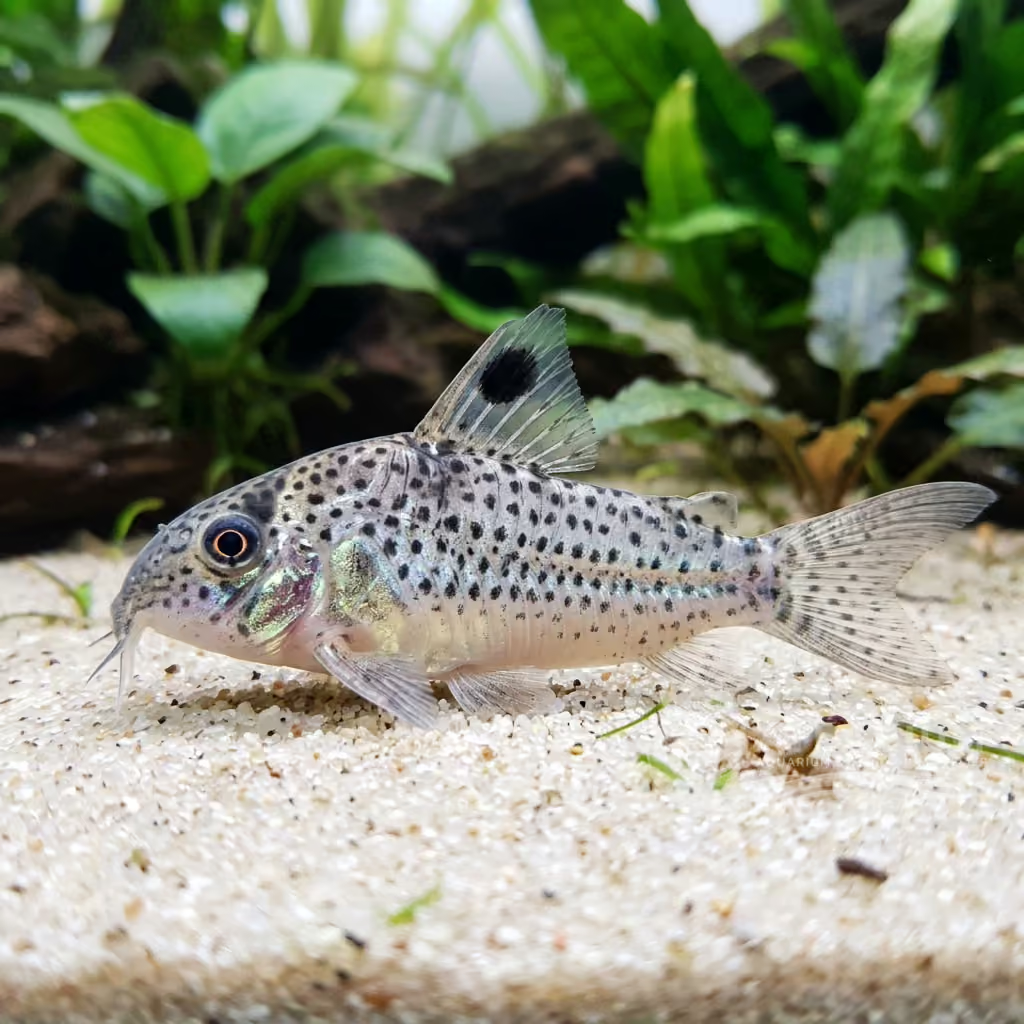
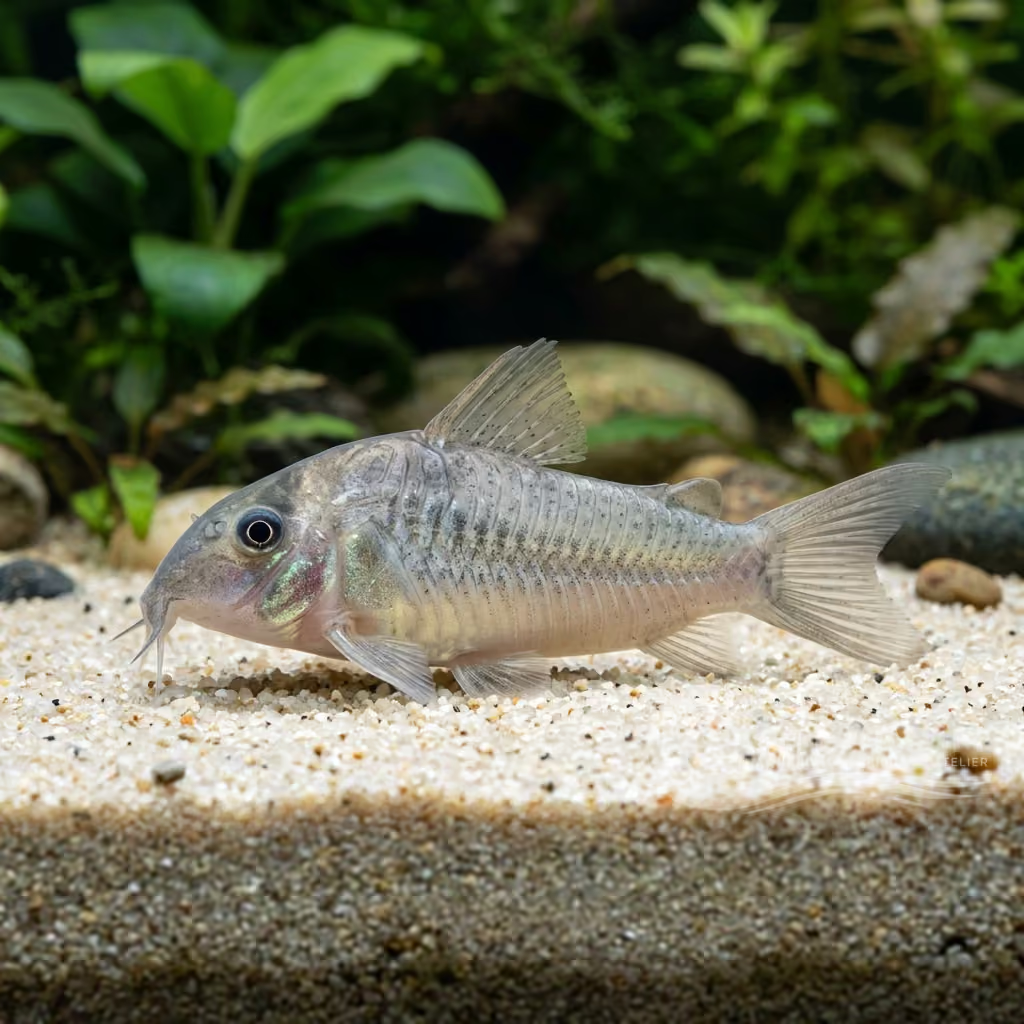
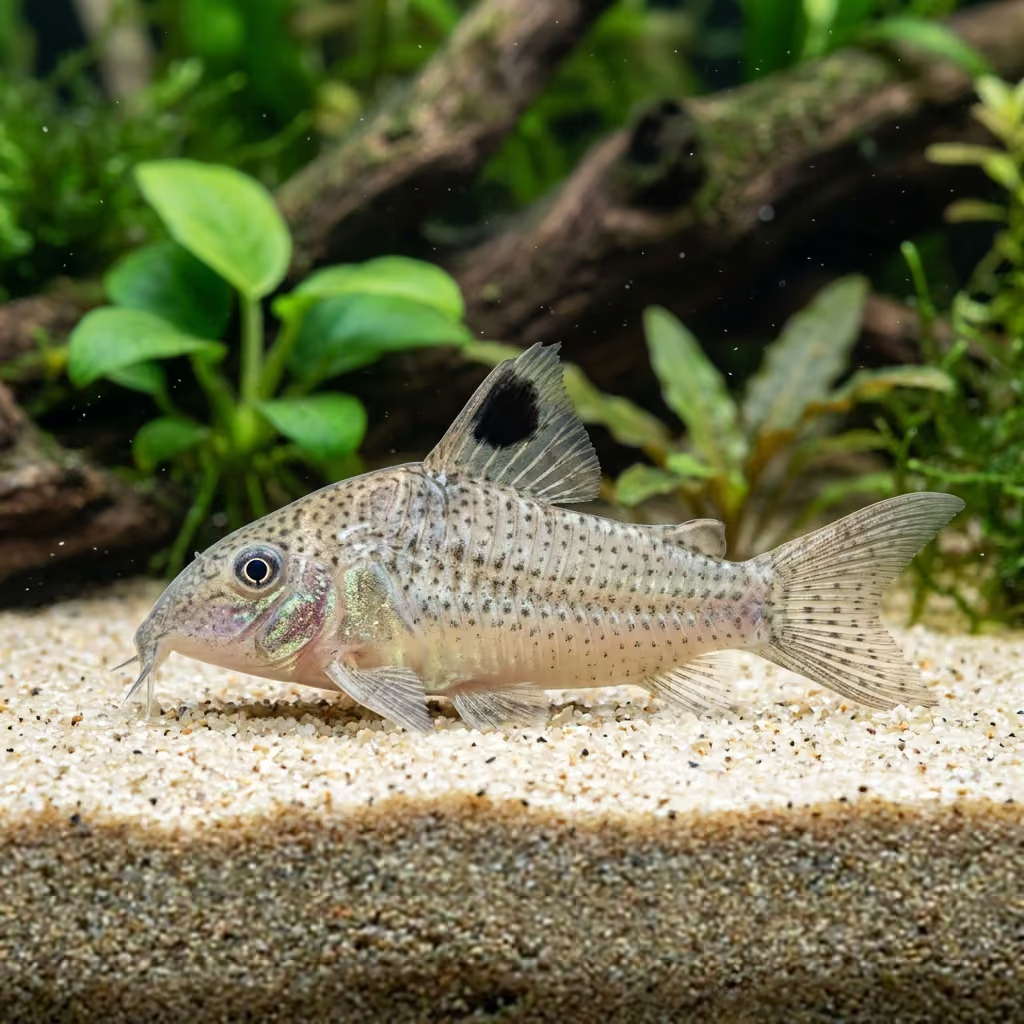
Coloration and Sexual Dimorphism: "Orphnopterus" (dark-finned) livery: silver/cream base coloration with a spectacular network of black dots. Typical dark saddle extending along the back that almost entirely invests the powerful dorsal fin. Very large females, true "barrels" when seen from above.

Soins, reproduction et cohabitation
Aquarium Setup: Only very fine river sand/spherical quartz is permitted, given the deep digging of its snout. Dim light setups (vallisneria, floating broad-leaved plants) are mandatory to shield the animal and let it dominate the space.
Diet and Feeding: Greedy worm hunter. Specific sinking feeds must be supplemented by conspicuous doses of high-altitude live or frozen food: giant bloodworms, white worms, and daphnia. It feeds by actively "blowing" the sand from its gills.
Water Quality: Accustomed to standard tropical ranges (22-26°C / 72-79°F), it demands Amazonian chemistry: weakly acidic/neutral pH (6.0 - 7.2) and very low hardness (GH 2-12). Suffers terribly from high nitrite loads and organic pollution which lead to fin clamping.
Compatibility and Cohabitation: Ideal pairing in biotopes of moderate pelagic tetras, or Apistogramma that do not fiercely contend for the scarce resources of the bottom. Highly not recommended to expose it to dominant Loaches and voracious giant-sized loricariids.
Aquarium Breeding: Event that rewards only those who know how to create the exact monsoon simulation (violent cold osmotic-based changes and live food storms). T-reproductive position; they hatch large single adhesive eggs. Very high parental cannibalism.
Risks and Diseases: In the case of a sharp granular substrate, the elongated snout is the victim of frightening necrosis, causing total eating inability. Lethal reactions confirmed to heavy dosages of Copper (Cu) based preparations.

Origine et répartition géographiques
Native to Ecuador, Rio Pastaza basin (upper Amazon basin). This species inhabits Andean forest streams with clear, gently flowing waters, well provided with areas with thick shade provided by the lush forest canopy.
Origine
Amazonie, Orénoque et Guyanes

Profil de poisson
- Tempérament
- Semi-aggressive
- These catfish are incredibly docile, peaceful, and non-aggressive, making Brochis orphnopterus perfect community tank residents. They are somewhat shy by nature and heavily rely on the presence of a school to feel secure and display their natural behaviors. Providing plenty of hiding spots such as caves, driftwood, and dense vegetation will make them feel more comfortable. They never bother other fish and often completely ignore species occupying the middle and upper levels of the tank.
- Régime alimentaire
- Omnivore
- Brochis orphnopterus is an omnivorous bottom feeder that constantly scavenges for food in the substrate. Their diet should be primarily composed of high-quality sinking pellets or wafers specifically formulated for bottom dwellers. To ensure optimal health and coloration, supplement their dry food with live or frozen foods such as bloodworms, daphnia, and brine shrimp. They will also eat uneaten food that falls from the surface, though they should not be treated merely as a clean-up crew.
- Espérance de vie
- 3-5 years
- Taille adulte
- 6 cm
- Ratio des sexes
- School
- While sexing them can be challenging, a ratio of two or three males per female is generally recommended for breeding Brochis orphnopterus. Females are noticeably rounder and broader, especially when viewed from above, and tend to grow slightly larger. Males appear more slender and streamlined in comparison. Keeping them in a mixed-sex school naturally accommodates these ratios without requiring precise selection by the aquarist.
- Fréquence d'alimentation
- Twice daily
- These active scavengers should be fed one to two times daily to ensure they receive adequate nutrition. It is important to offer Brochis orphnopterus only as much food as they can consume within a few minutes to prevent water quality issues. Since they are somewhat nocturnal by nature, feeding them once right before the aquarium lights turn off can be very beneficial. Monitoring their feeding is essential, especially in community tanks where faster mid-water fish might outcompete them for food.
- Charge biologique
- Low to Medium
- Brochis orphnopterus has a relatively small bioload compared to larger aquarium fish. Due to their compact size, they produce a manageable amount of waste that standard filtration can easily process. However, because they must be kept in groups of at least six, the cumulative bioload should be considered when stocking. Regular water changes and good mechanical filtration are still necessary to keep the substrate clean where they dwell.
- Courant
- Stagnant
- In the wild, Brochis orphnopterus typically inhabits slow to moderately flowing streams and tributaries. They appreciate some gentle water movement in the aquarium, which helps keep the water well-oxygenated. However, excessive current or strong powerheads should be avoided as it can exhaust them over time. A standard sponge filter or a hang-on-back filter with baffled flow usually provides the ideal water dynamics for this species.
- Risque de saut
- Yes
- The jump risk for Brochis orphnopterus is generally considered to be quite low. They are obligate bottom dwellers that spend the vast majority of their time sifting through the substrate. Occasionally, they will make quick darts to the surface to gulp atmospheric air, which is a completely normal behavior for this genus. Despite the low risk, it is still recommended to keep a well-fitting lid on the aquarium to prevent any accidental escapes during these upward dashes.
- Reproduction
- Oviparous
- Breeding Brochis orphnopterus in captivity is achievable but requires specific conditions to trigger spawning. A common trigger involves performing a large, slightly cooler water change to simulate the onset of the rainy season in their natural habitat. Females will lay adhesive eggs on broad-leaved plants, aquarium glass, or other flat surfaces. Once spawning is complete, the adult fish should be removed or the eggs transferred, as they may exhibit egg-eating behavior.
- Compatibilité et compagnons
- Peaceful
- This species is highly peaceful and makes an excellent addition to community aquariums. Brochis orphnopterus gets along perfectly with small tetras, rasboras, dwarf cichlids, and peaceful livebearers. It is crucial to avoid housing them with large, aggressive, or predatory fish that could bully them or attempt to eat them. As a schooling fish, they find safety and comfort in numbers of their own kind or similar Corydoras species.
- Niveau dans le bac
- Bottom
- As classic bottom dwellers, Brochis orphnopterus occupies the lowest levels of the aquarium. They spend their days tirelessly exploring the substrate in search of morsels of food using their sensitive barbels. It is absolutely essential to provide a soft, sandy substrate to prevent damage to their delicate sensory barbels. Although they mostly remain at the bottom, they will occasionally dart to the water surface to swallow a bubble of air for intestinal respiration.

Modèles et paramètres scientifiques
FishBase
Fenêtre sur les données scientifiques officielles de l’espèce
FishBase v25.04Données synchronisées le : 15/06/2026
- Niveau trophique
- 2,9 ± 0,3 se
- Résilience
- Élevée (moins de 15 mois)
- Singularité phylogénétique (PD50)
- 0.5
- Relation bayésienne longueur-poids
- a = 0.02455, b = 3
- VulnérabilitéVulnérabilité faible (10 / 100)

Espèces associées
Recommandations regroupées par proches parents, compagnons et soins similaires.