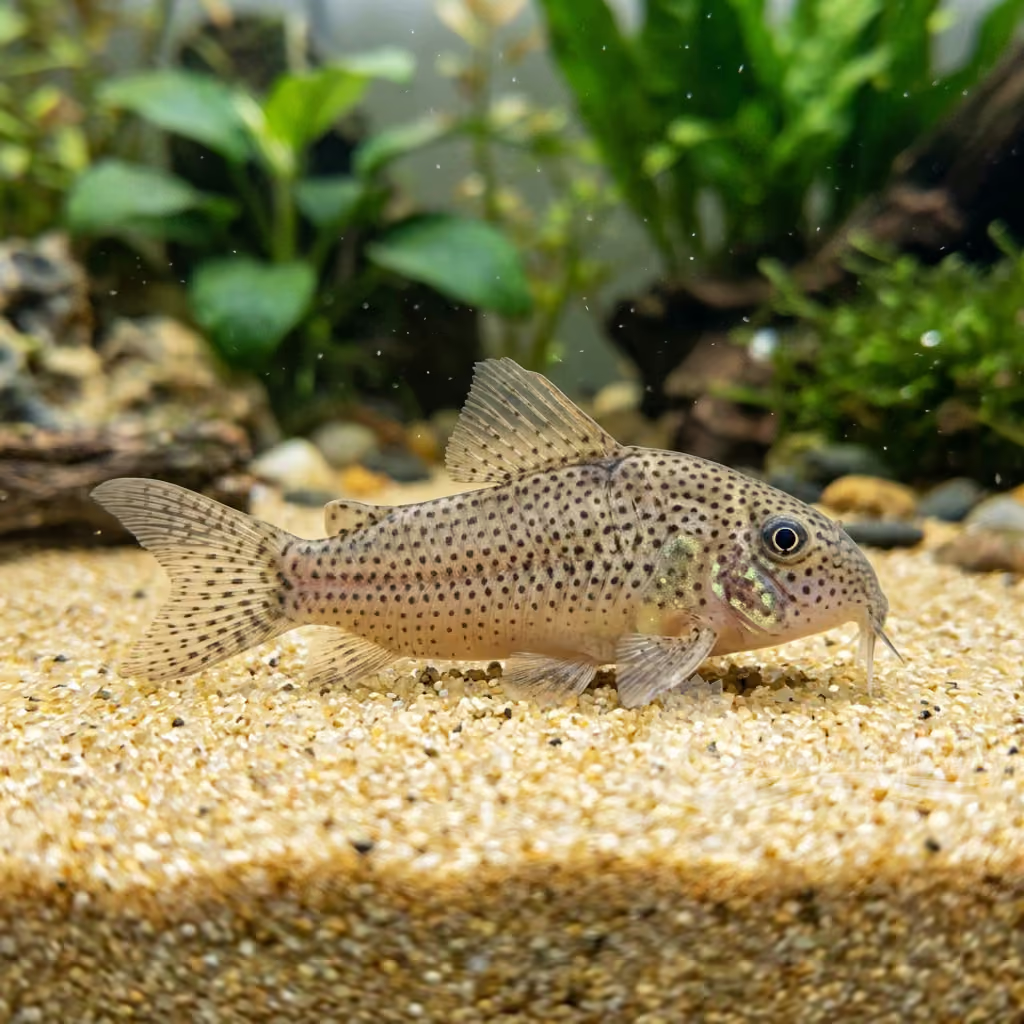
Serratus Cory
Corydoras serratus
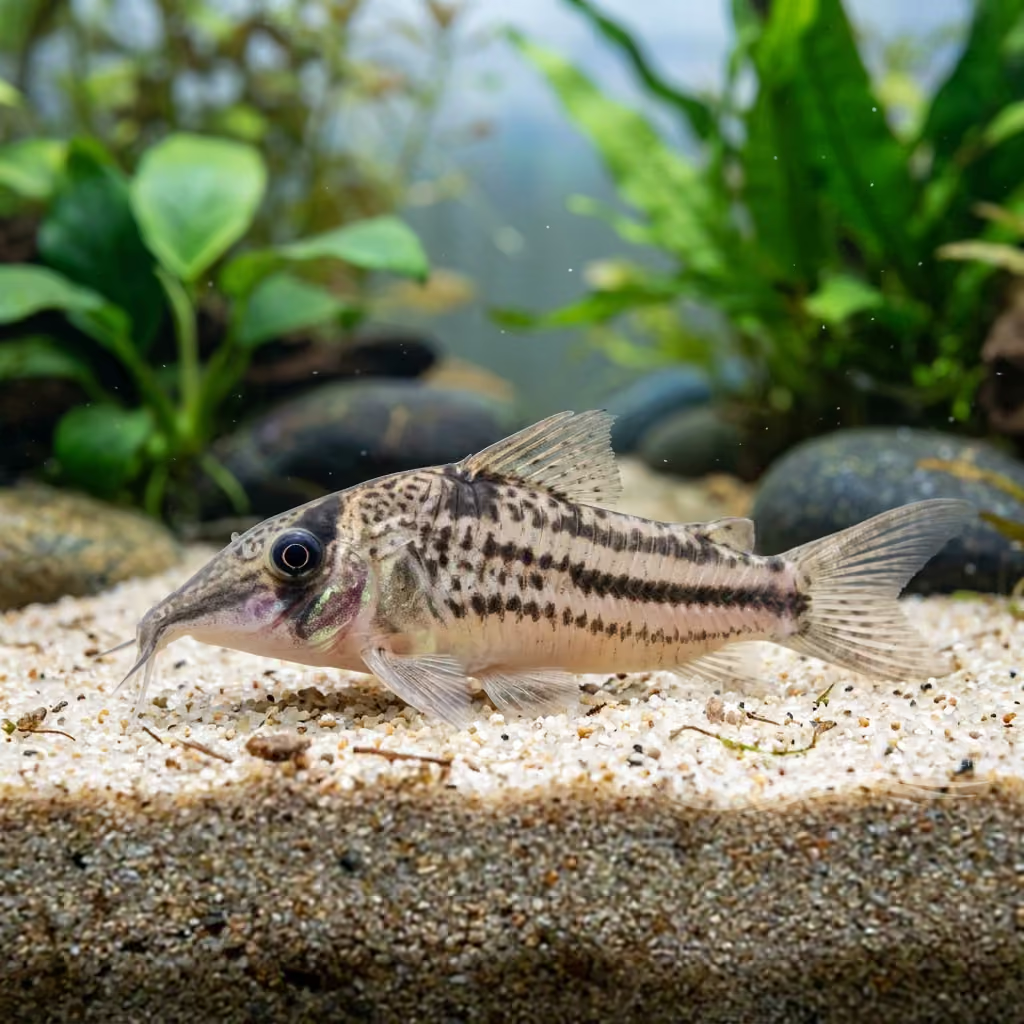
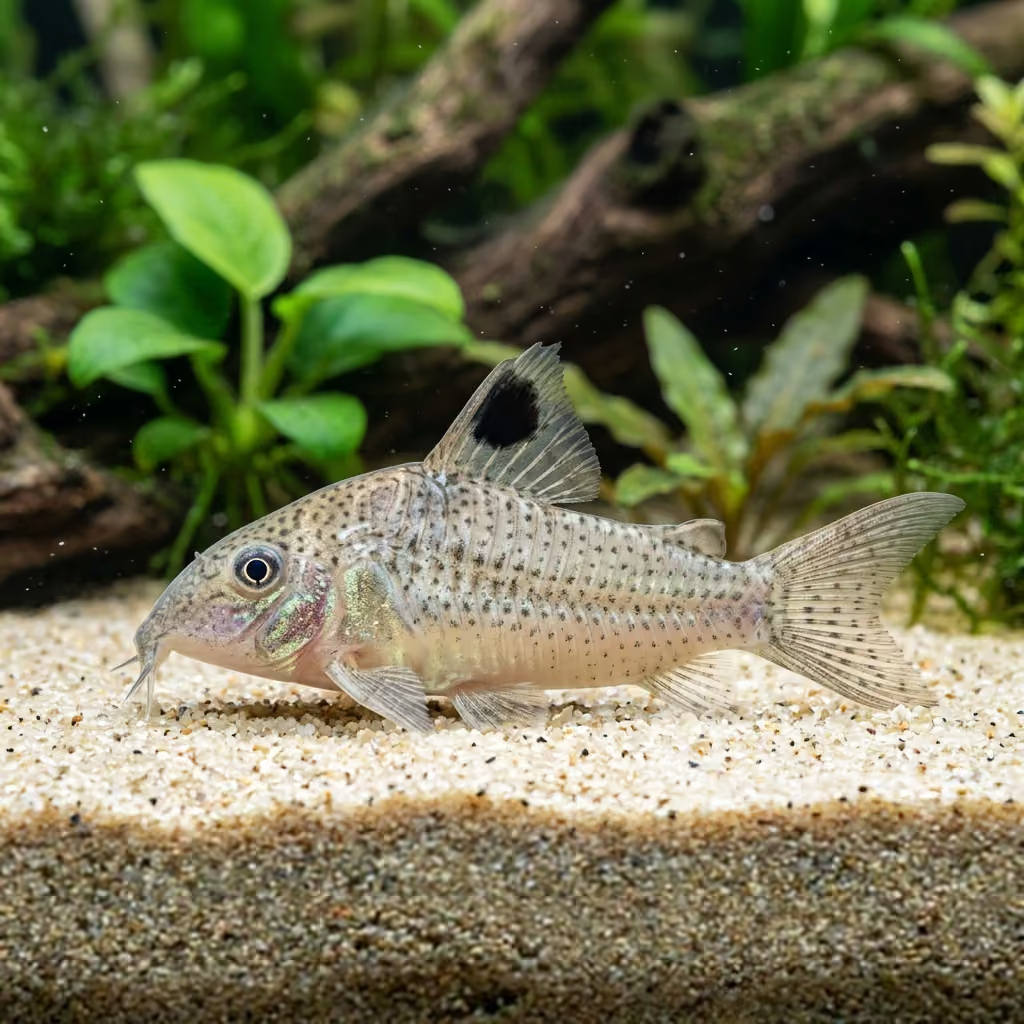
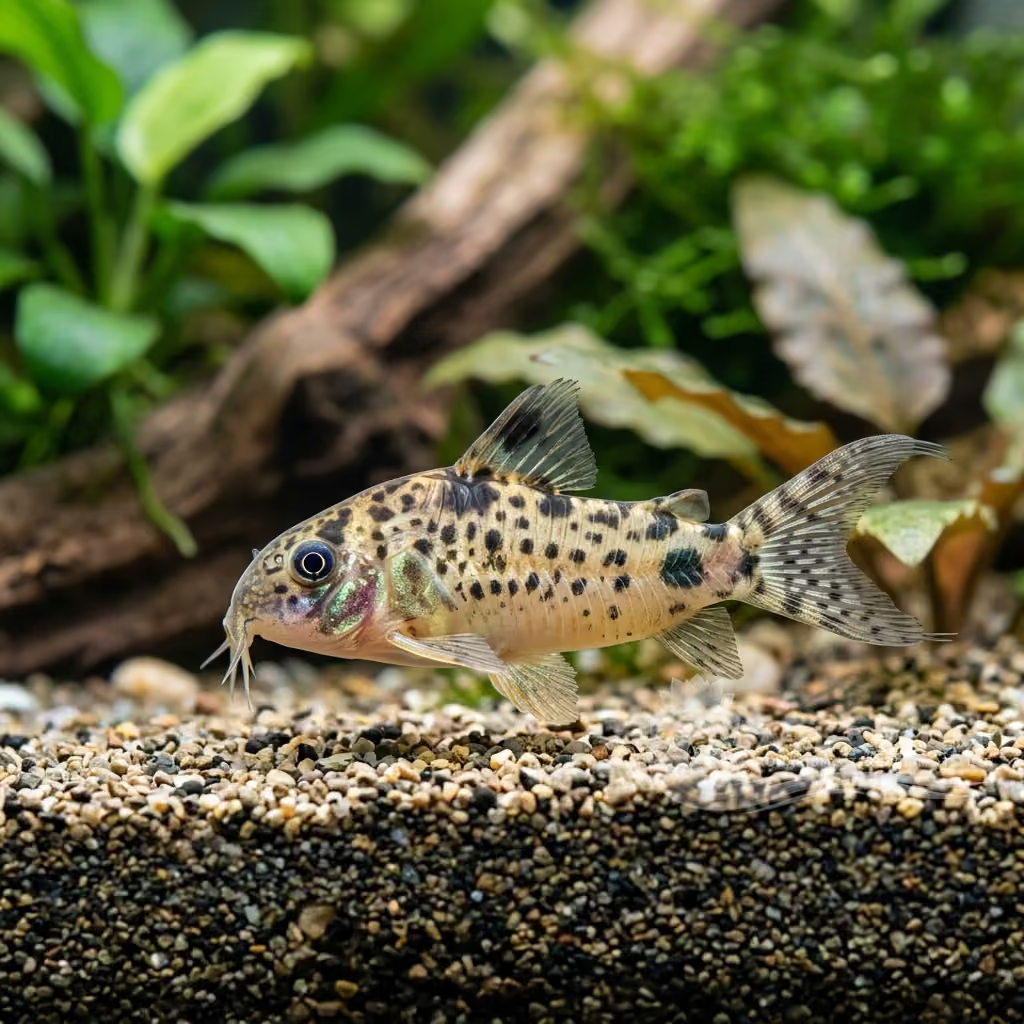
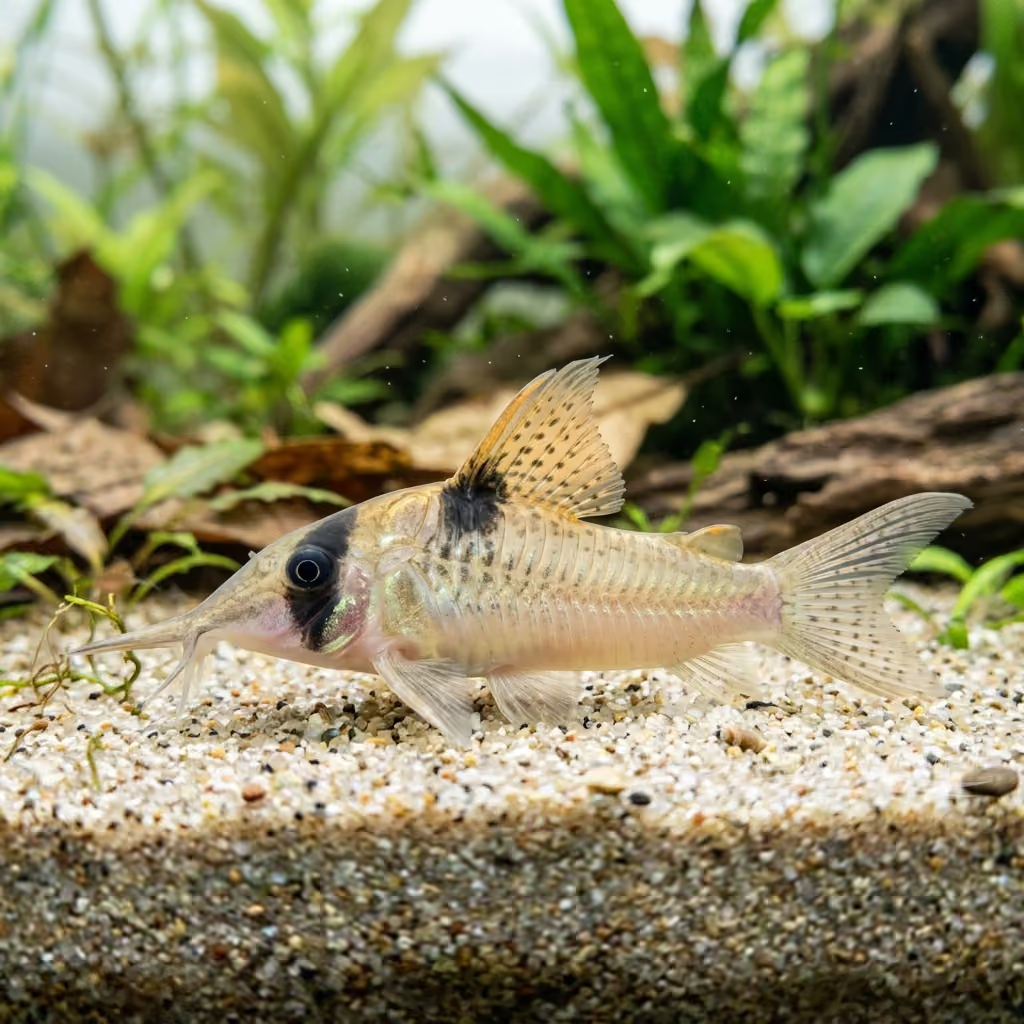
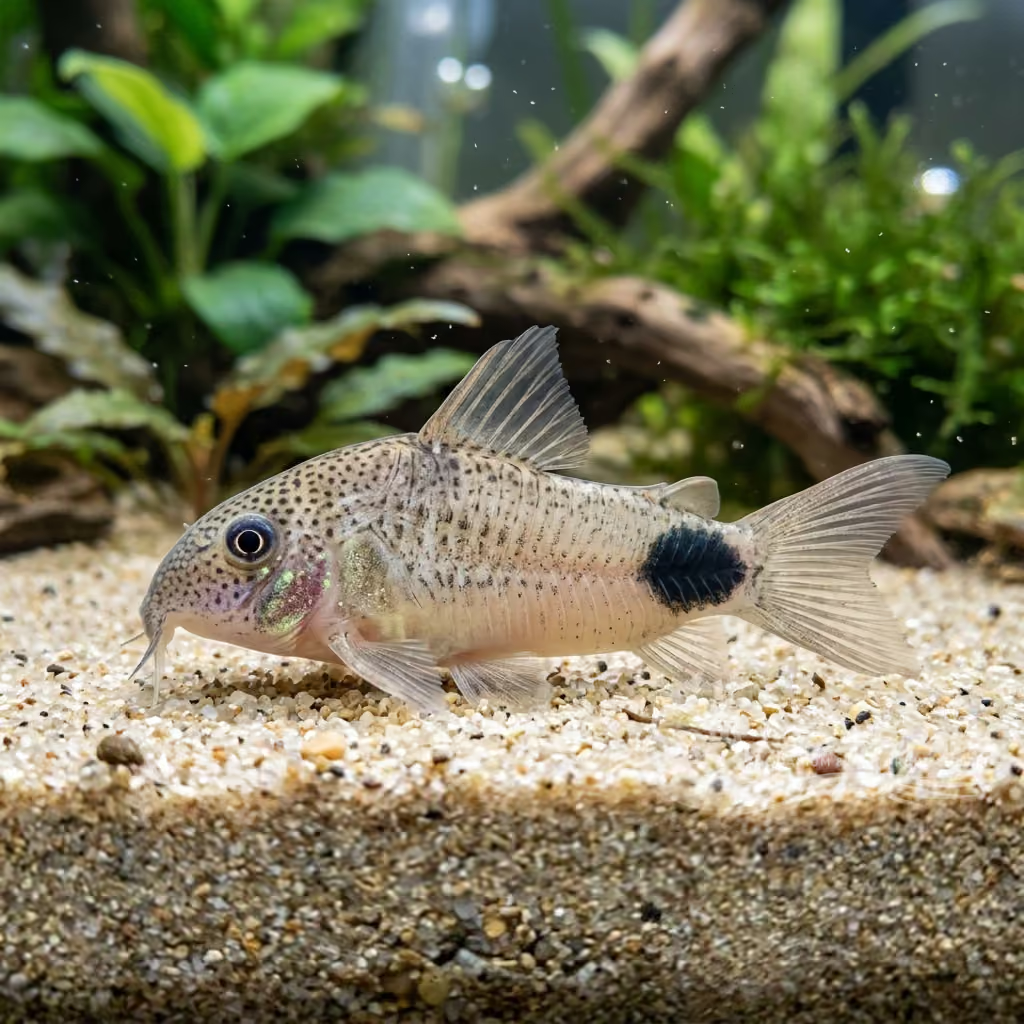
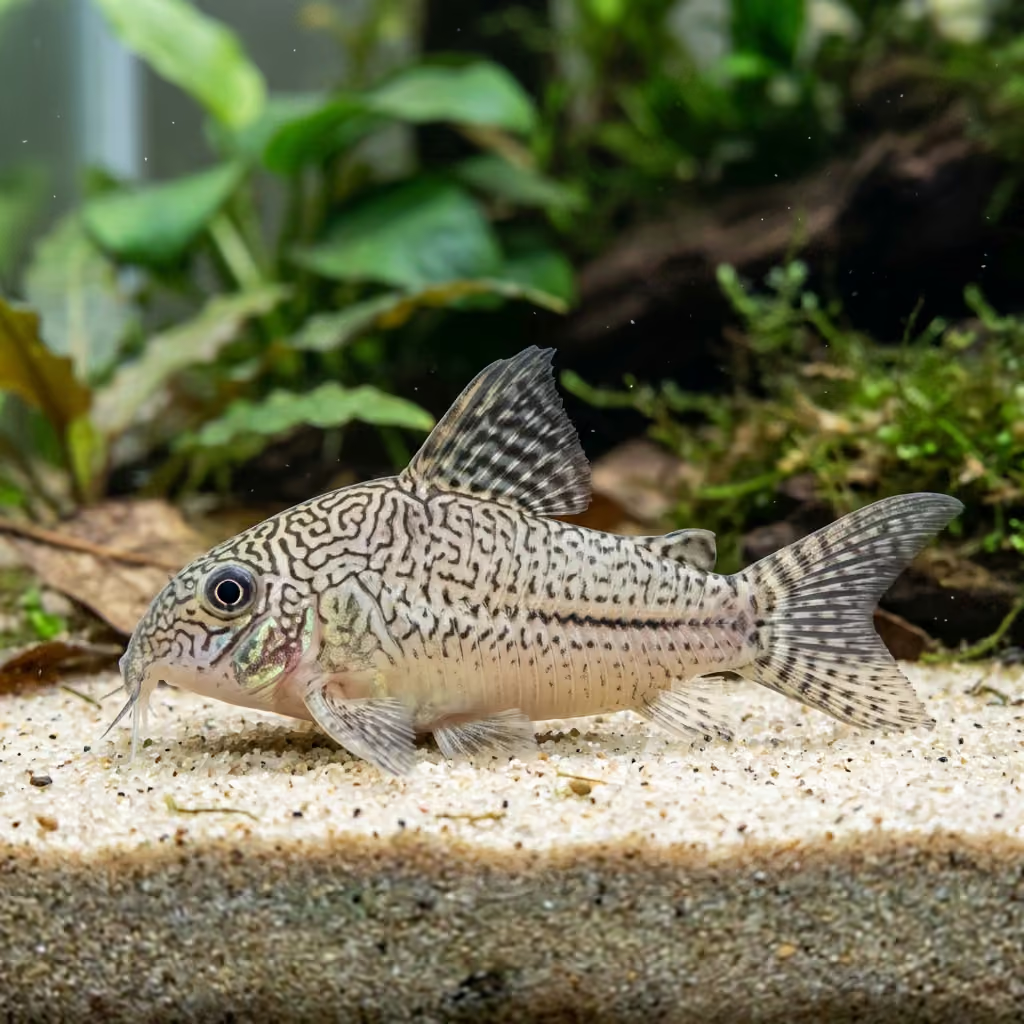
Imposing long-snout from northern Brazil/Peru. Greatly resembles C. leopardus because of the spotted reticulation and the dark patch on the soaring dorsal fin.
Température de l’eau
22 - 26 °C
Valeur du pH
5.5 - 7
Type d'eau
Eau douce
Niveau dans le bac
Fond
Taille adulte
5,5 cm
Volume minimal du bac
>= 100 L
Groupe minimal
>= 6
GH
1 - 10 dGH
KH
2 - 10 dKH
TDS
35 - 250 ppm
Conductivité
55 - 391 uS/cm

Description de l'espèce
Geographical Origin and Habitat: From the upper course of the Rio Negro in Brazil. Strictly inhabits small forest tributaries with pristine, acidic and very soft dark waters (Blackwater), surrounded by dense Amazonian jungle.
Taxonomy and Morphology: Serrated Corydoras (Corydoras serratus). Iconic species of the "long-snouted" group. Shares almost the same pattern as Corydoras adolfoi or burgessi, but is immediately distinguished by its elongated and pointed skull.
Social Behavior: Highly gregarious, requires groups of at least 6-8 individuals. Compared to short-snouted counterparts, C. serratus spends much more time resting on its pectoral fins or hiding, becoming active at dusk to forage.
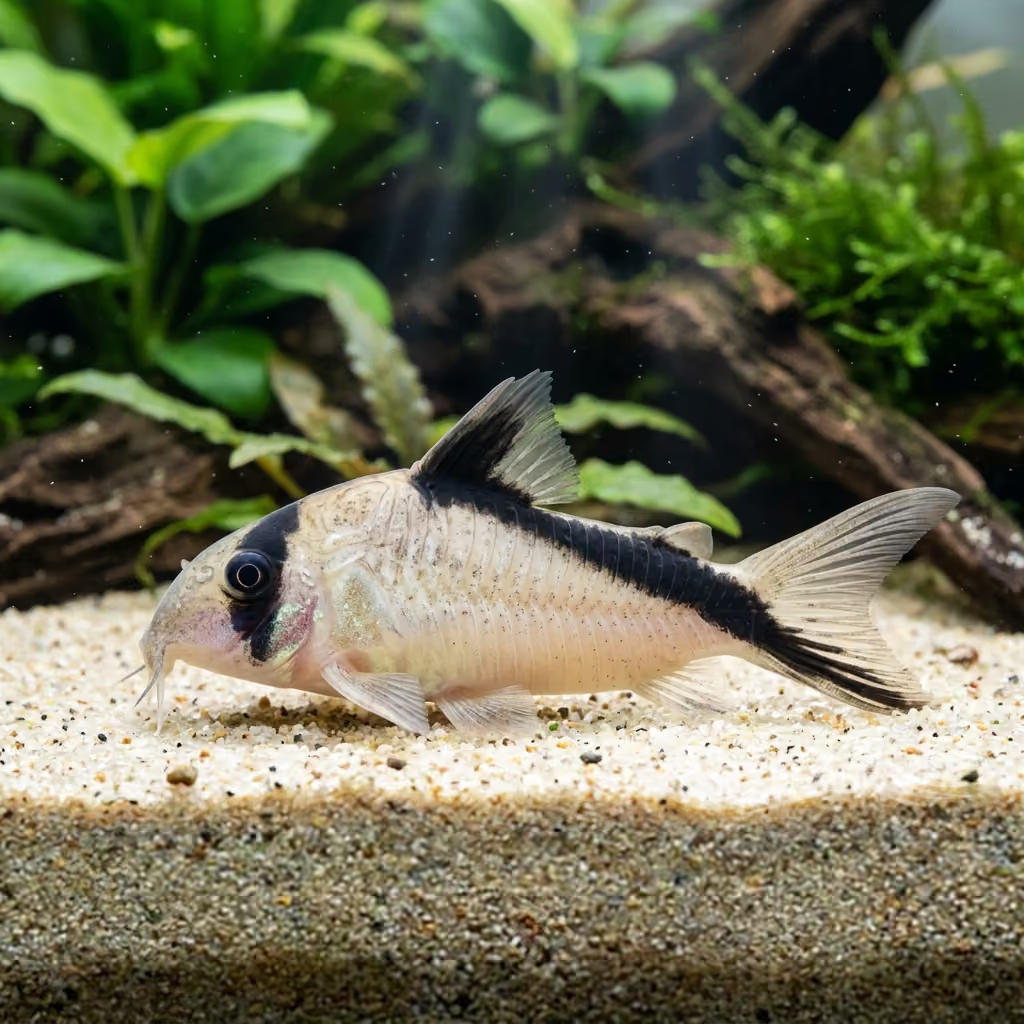
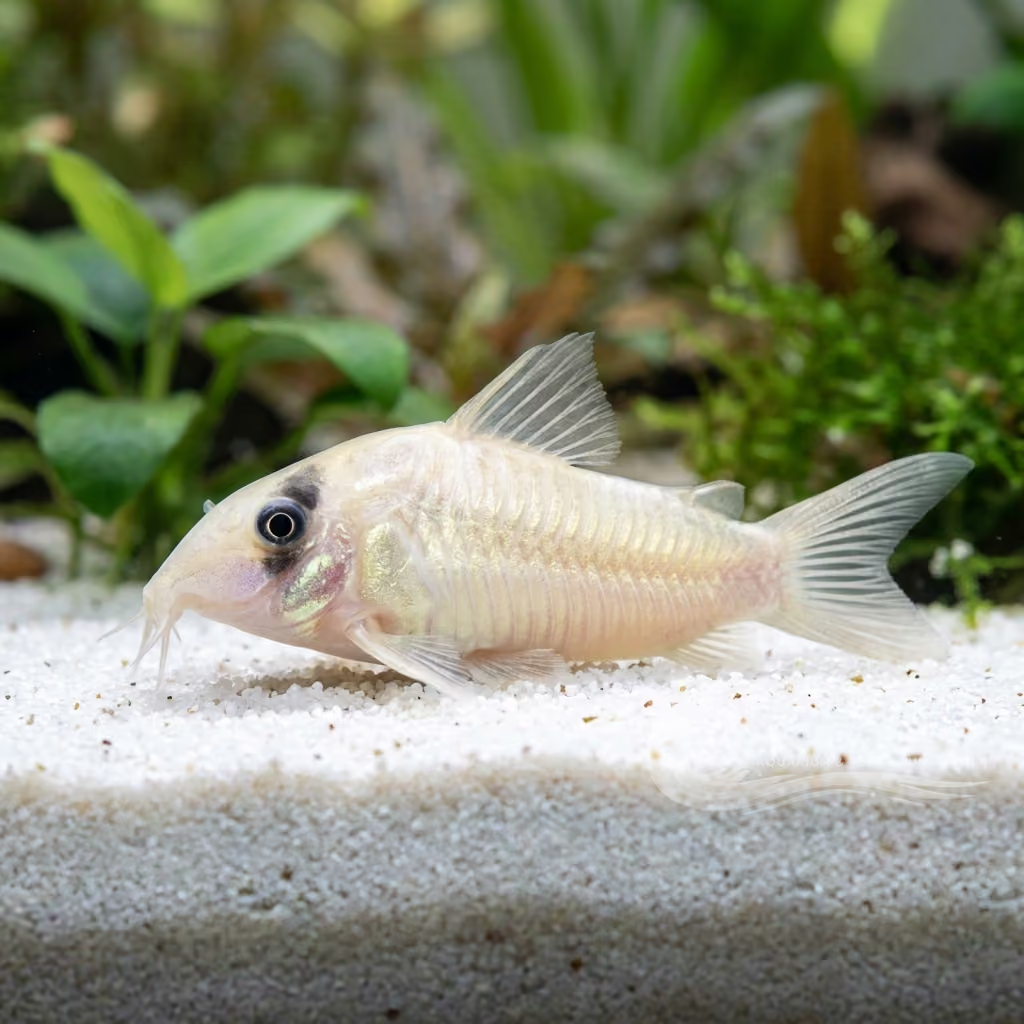
Coloration and Sexual Dimorphism: Extraordinary coloration: cream body with a large neon orange spot on the back just before the dorsal fin, a black band across the eye (blindfold), and a thick black line along the back. Females wider than males.

Soins, reproduction et cohabitation
Aquarium Setup: Requires very spacious aquariums (minimum 100 cm / 40 inches). Fine sand mandatory. The ideal setup includes a dense layer of decaying leaves (Catappa), intricate thin branches, and absent or very shielded lighting.
Diet and Feeding: Micro-predator. The long snout is used to probe the sand and extract worms. It is vital to offer small live or frozen food (bloodworms, brine shrimp, daphnia) and highly nutritious and protein-rich bottom supplements.
Water Quality: Like many Rio Negro fish, it demands very soft (GH 1-5) and acidic waters (pH 5.5-6.5). It does not tolerate nitrates and pollutants, making water changes with RO and tank maturation critical steps.
Compatibility and Cohabitation: Magnificent in Blackwater thematic tanks with small peaceful pelagic fish such as Nannostomus, Hemigrammus or Paracheirodon innesi. Must not be kept with fast, turbulent fish or aggressive Cichlids.
Aquarium Breeding: Rare in captivity. Triggered by simulating the rainy season with cool water changes and RO, lowering the temperature. They lay large adhesive eggs among fine-leaved vegetation. Parents may devour the eggs.
Risks and Diseases: Highly susceptible to systemic or fungal infections if kept in overly hard or alkaline waters. Loss of barbels on inadequate bottoms quickly leads to death by starvation.

Origine et répartition géographiques
From the upper course of the Rio Negro in Brazil. Strictly inhabits small forest tributaries with pristine, acidic and very soft dark waters (Blackwater), surrounded by dense Amazonian jungle.
Origine
Amazonie, Orénoque et Guyanes

Profil de poisson
- Tempérament
- Semi-aggressive
- The temperament of Corydoras serratus is exceptionally peaceful and highly social in nature. They must be kept in groups of at least six individuals to thrive. In proper schools, they are confident and constantly active across the bottom.
- Régime alimentaire
- Omnivore
- The diet of Corydoras serratus primarily features benthic organisms and small detritus. In captivity, they eagerly eat sinking pellets and high-quality bottom-feeder wafers. Live foods like bloodworms and daphnia should be offered for optimal health.
- Espérance de vie
- 5-10 years
- Taille adulte
- 5.5 cm
- Ratio des sexes
- Specific M:F ratio
- A specific sex ratio is unnecessary for the general community keeping of Corydoras serratus. For dedicated breeding, a ratio of two males per female is optimal. Females are visibly rounder and broader, while males are slender.
- Fréquence d'alimentation
- Twice daily
- It is recommended to feed Corydoras serratus one or two times daily in moderate portions. Ensure the food reaches the substrate before mid-water fish consume it all. Feeding just before lights out helps them forage peacefully without stress.
- Charge biologique
- Low to Medium
- The bioload of Corydoras serratus is relatively low compared to larger tank mates. Since they are schooling fish, their combined waste can accumulate over time. Consistent filtration and weekly water changes are necessary for maintaining clean water.
- Courant
- Stagnant
- Corydoras serratus prefers a moderate water flow that replicates gentle Amazonian streams. This circulation thoroughly oxygenates the water and prevents detritus accumulation. Calm resting zones should also be provided for relaxation.
- Risque de saut
- Yes
- The jump risk for Corydoras serratus is very low compared to surface-dwelling fish. However, their unique respiratory system causes occasional rapid surface darting. A secure aquarium lid is highly recommended to prevent accidental escapes.
- Reproduction
- Oviparous
- Breeding Corydoras serratus in an aquarium is highly achievable with proper conditioning. Spawning is typically triggered by a large, slightly cooler water change. The female then deposits adhesive eggs on aquarium glass or broad plant leaves.
- Compatibilité et compagnons
- Peaceful
- In terms of compatibility, Corydoras serratus is extremely peaceful and ideal for community setups. They coexist perfectly with small tetras, rasboras, and dwarf cichlids. Large, aggressive bottom-dwellers must be avoided to prevent undue competition.
- Niveau dans le bac
- Bottom
- As obligate bottom-dwellers, Corydoras serratus spends the vast majority of its time on the substrate. They constantly search for food by sifting fine sand with their sensitive barbels. They occasionally dart to the surface to gulp atmospheric air.

Modèles et paramètres scientifiques
FishBase
Fenêtre sur les données scientifiques officielles de l’espèce
FishBase v25.04Données synchronisées le : 15/06/2026
- Niveau trophique
- 3 ± 0,3 se
- Résilience
- Élevée (moins de 15 mois)
- Singularité phylogénétique (PD50)
- 0.5
- Relation bayésienne longueur-poids
- a = 0.02455, b = 3
- VulnérabilitéVulnérabilité faible (10 / 100)

Espèces associées
Recommandations regroupées par proches parents, compagnons et soins similaires.