Yellow Lab
Labidochromis caeruleus
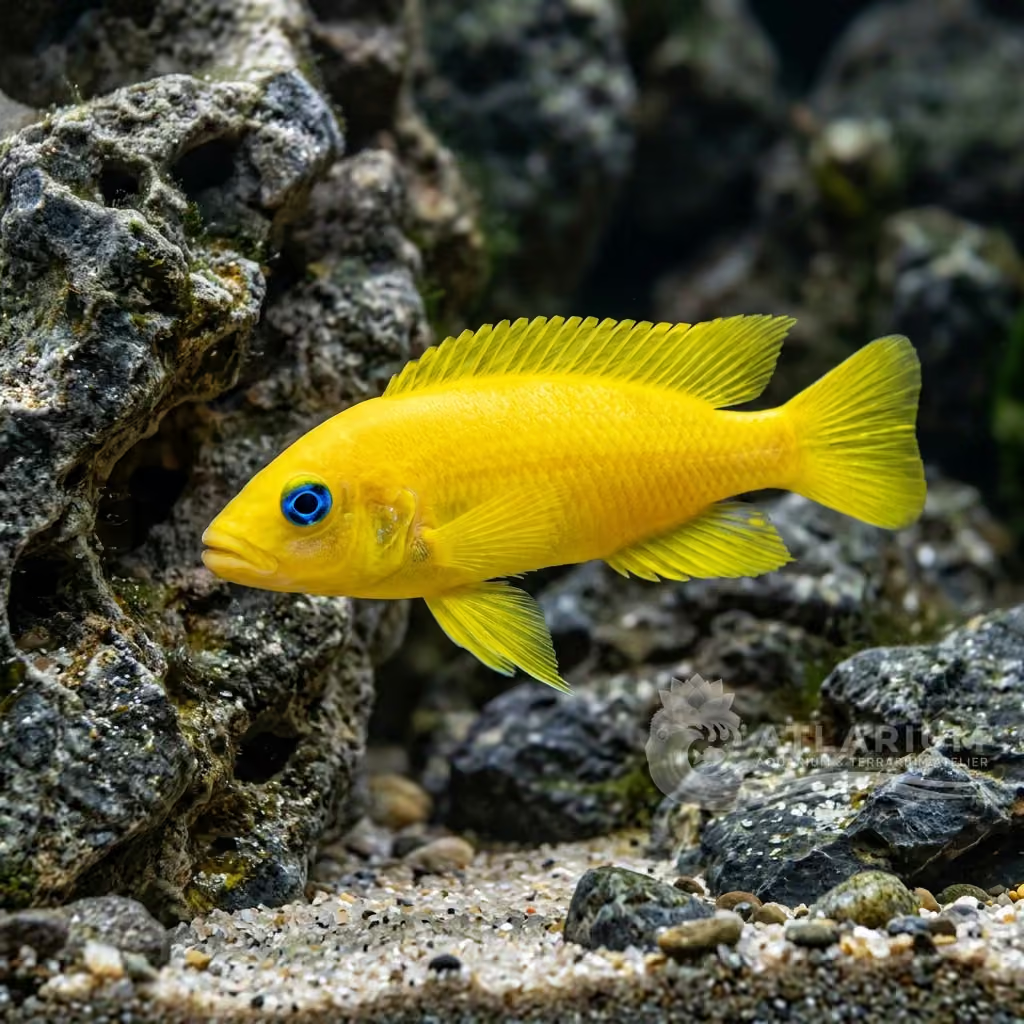
Yellow Lab (Labidochromis caeruleus) is a freshwater species with an adult-size reference of about 11 cm. It needs at least 200 litres and 4 individuals, with its social and territorial profile taken into account.
Température de l’eau
23 - 28 °C
Valeur du pH
7.5 - 8.5
Type d'eau
Eau douce
Niveau dans le bac
Fond et milieu
Taille adulte
11 cm
Volume minimal du bac
>= 200 L
Groupe minimal
>= 4
GH
10 - 25 dGH
KH
5 - 12 dKH
TDS
200 - 495 ppm
Conductivité
313 - 773 uS/cm

Description de l'espèce
Geographical Origin and Habitat: A freshwater species; the enclosure should provide stability, oxygenation, space and shelter consistent with its behaviour without turning one habitat description into a mandatory recipe.
Taxonomy and Morphology: The accepted scientific name is Labidochromis caeruleus; the verified classification records genus Labidochromis, family Cichlidae, subfamily Pseudocrenilabrinae, order Cichliformes. Historical names remain searchable as synonyms rather than separate species.
Social Behavior: Yellow Lab requires a stable harem with no excess of males. The minimum reference is 4 individuals; sex, maturity and available space can require a more conservative composition. Observe access to food, resting behaviour, chasing and use of shelter. Isolation, persistent competition or aggression means the number, composition or environment needs to be corrected.
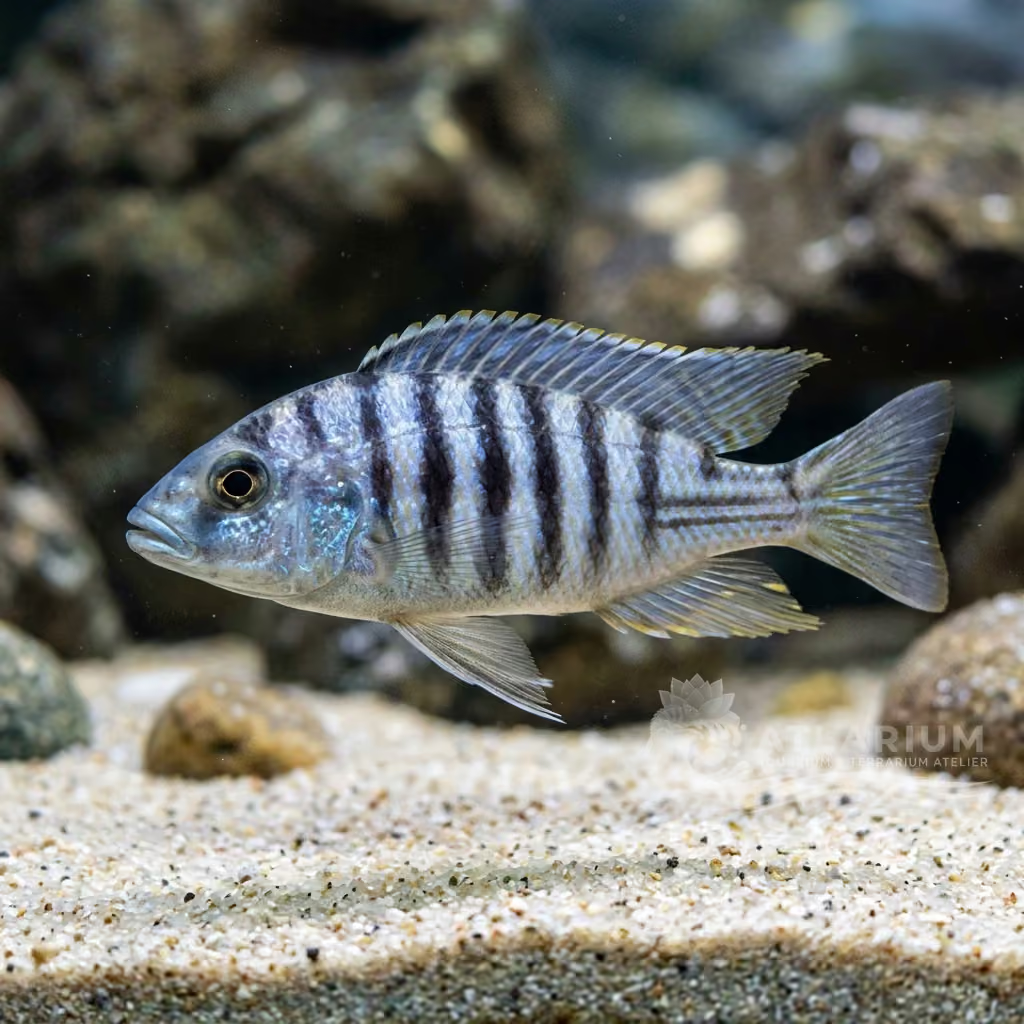
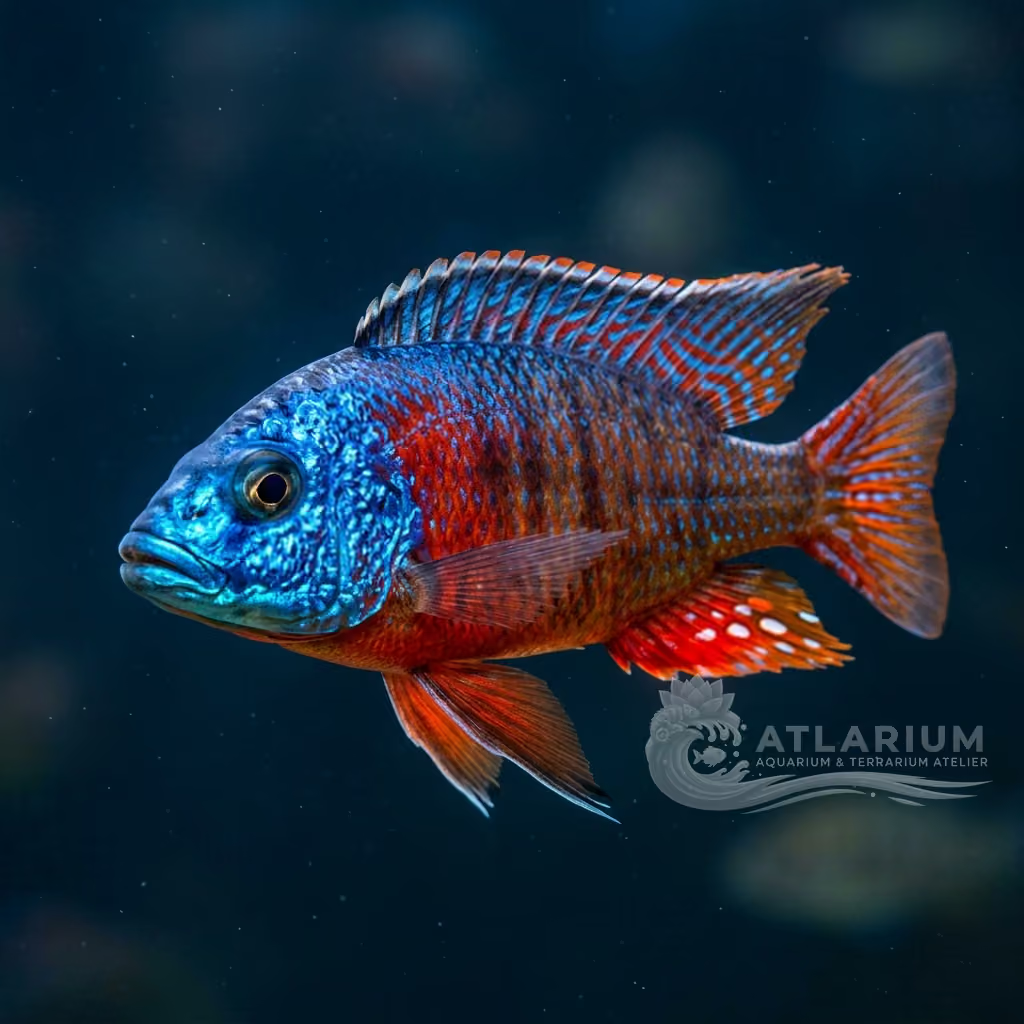
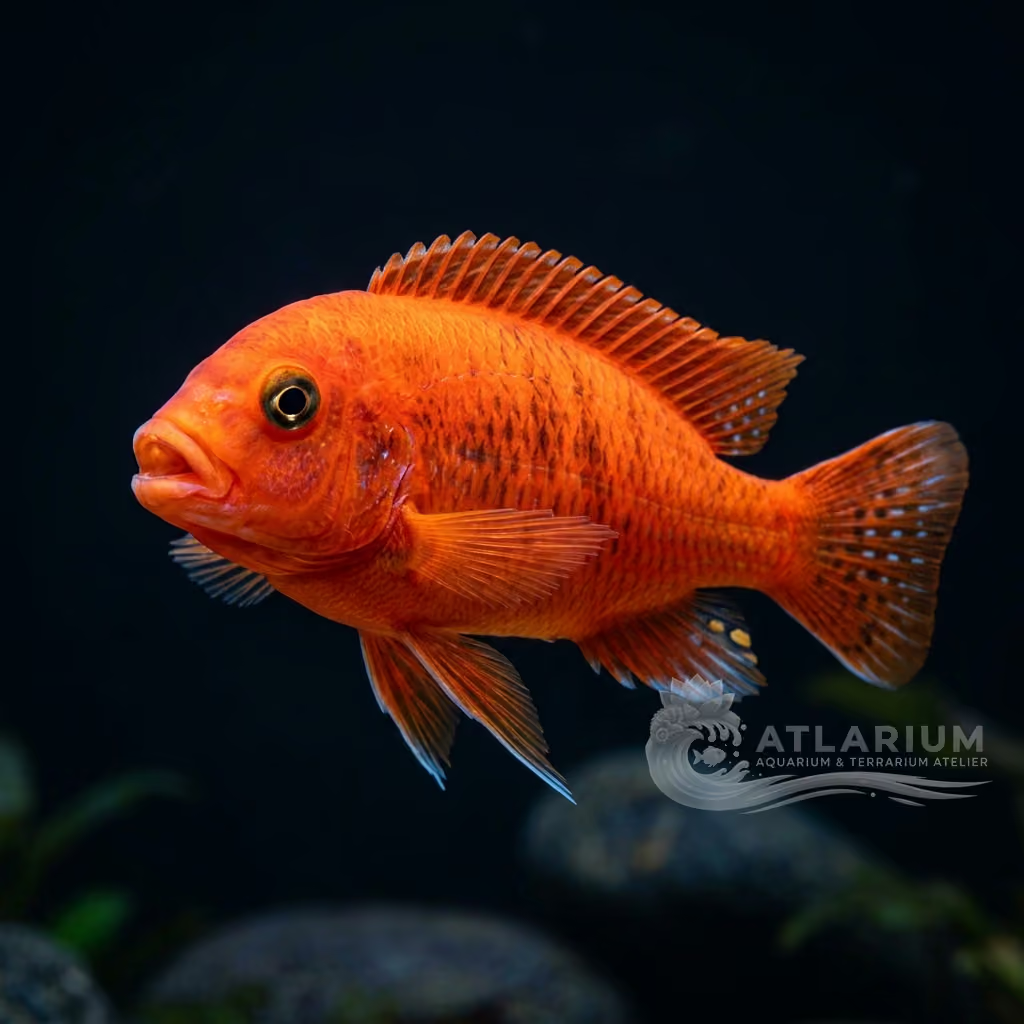
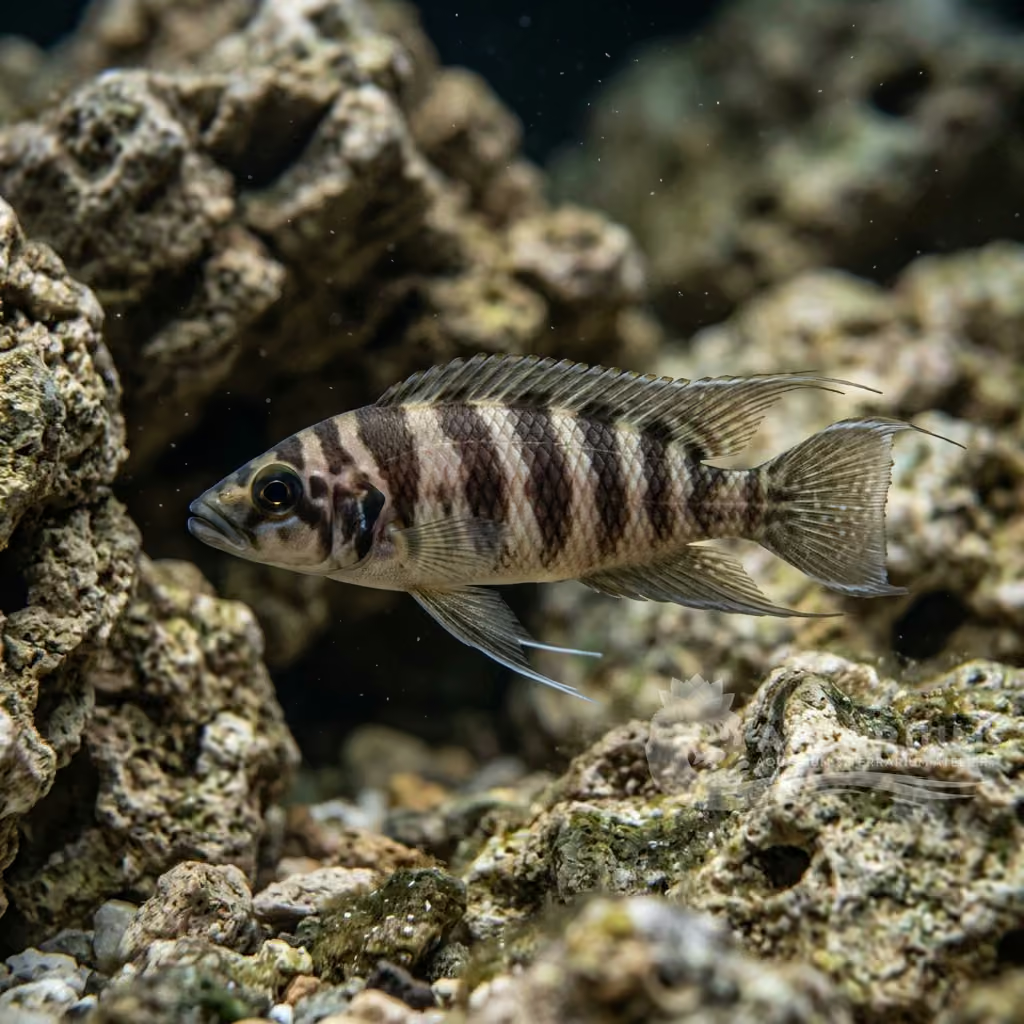
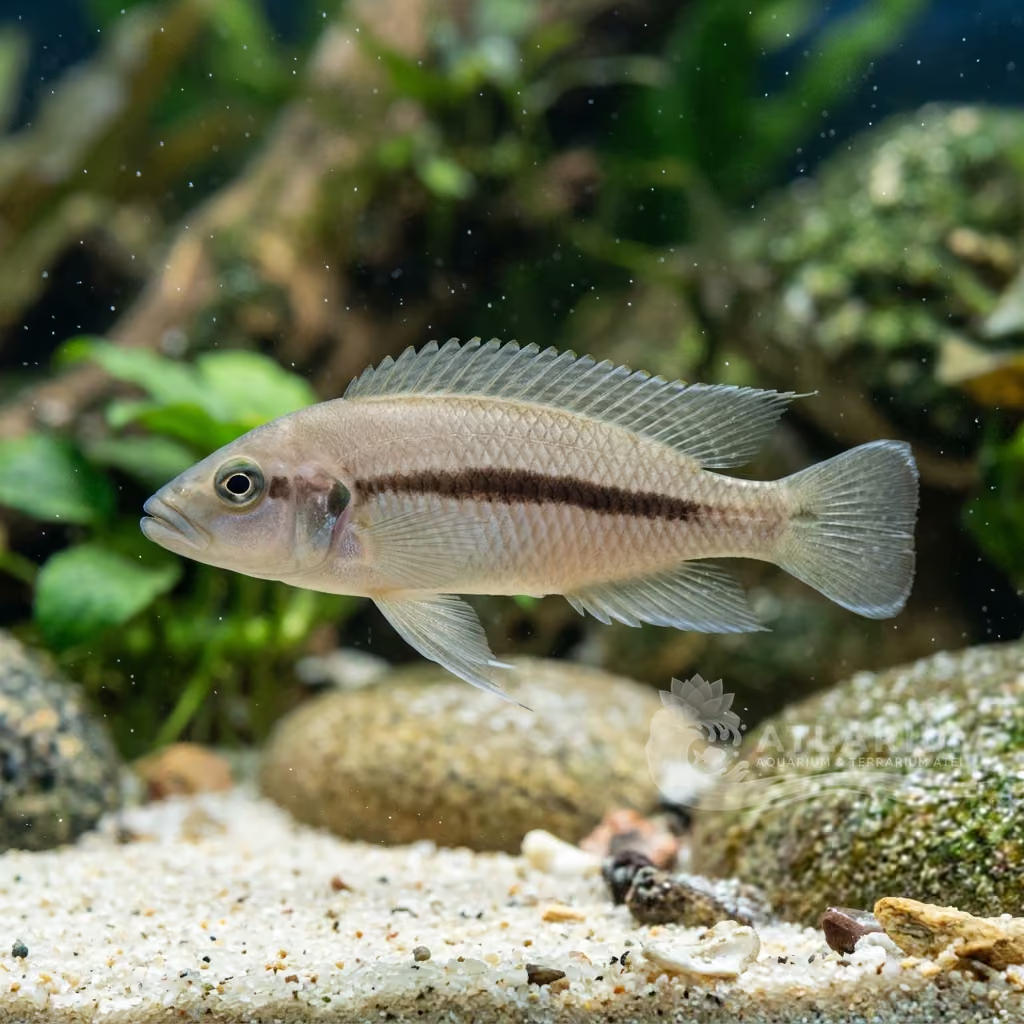
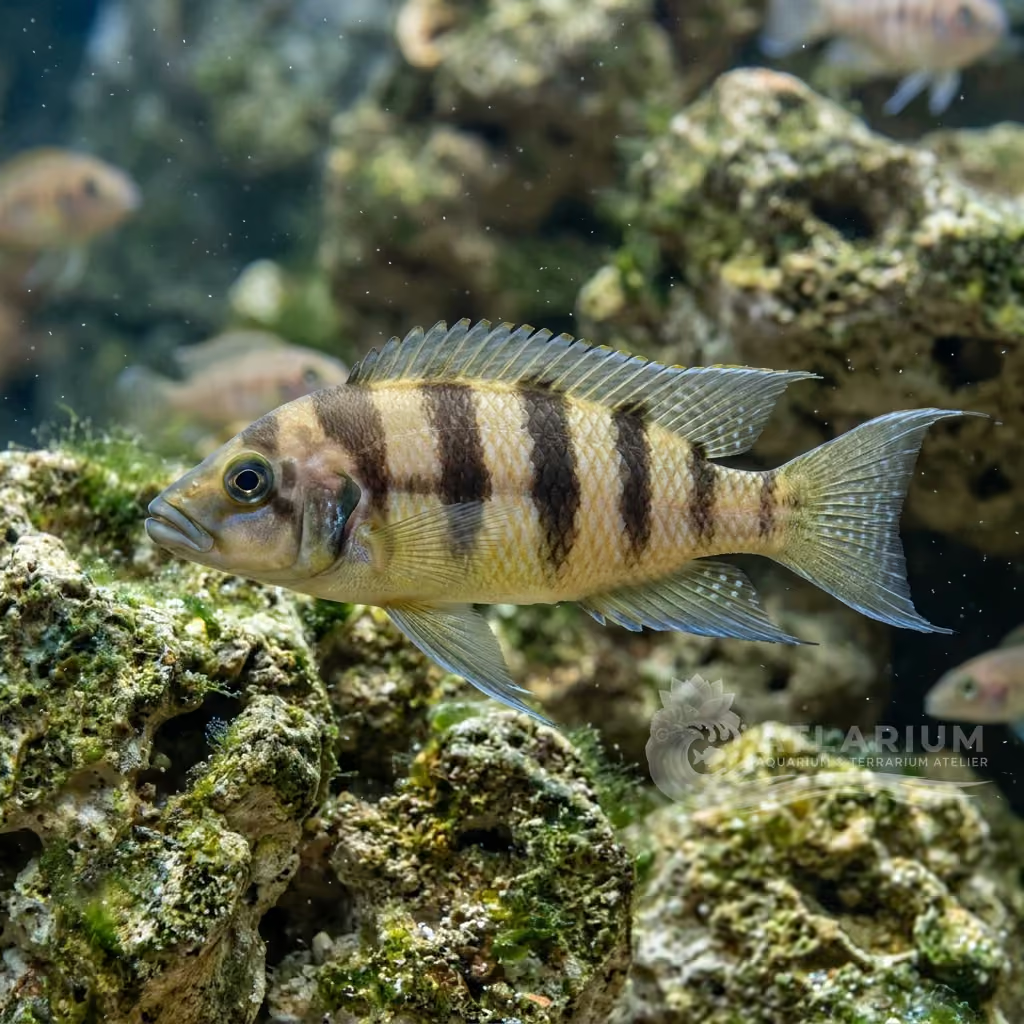
Coloration and Sexual Dimorphism: Colour and shape can vary with age, sex, physiological state and environmental conditions. Identification and sexing require recognized species-level characters; one appearance or photograph is not enough.

Soins, reproduction et cohabitation
Aquarium Setup: Yellow Lab needs an aquarium of at least 200 litres, sized for adult body size and a minimum group of 4 individuals. Filtration, shelter and swimming room must match the species and the actual number kept. Volume alone does not make an enclosure suitable: tank shape and length, usable area, oxygenation and the ability to separate territories must reflect adult behaviour.
Diet and Feeding: The recorded diet is omnivorous. Offer appropriately sized foods varied within that category, and adjust quantity and frequency from actual intake, body condition and leftovers. One food or a fixed schedule is not suitable for every age and situation.
Water Quality: Maintain stable, well-oxygenated water appropriate to a freshwater species; the card's reference values are 23–28 °C, pH 7.5–8.5. Verify conditions with reliable tests and size maintenance and filtration to the actual load. Ranges are not automatic thresholds for treatment or rapid chemical correction.
Compatibility and Cohabitation: The cohabitation profile is best kept in a species-focused setup, with a generally semi-aggressive temperament. Keep at least 4 individuals; tankmates, stocking density and decor must allow escape, rest and feeding without excessive competition. Watch interactions especially during feeding, maturity and breeding. Persistent chasing, injury or exclusion from food requires a change in stocking or layout, or separation of the animals.
Aquarium Breeding: The recorded reproductive profile is “oviparity”. Breeding should be attempted only with healthy adults, separation capacity and a plan for eggs or young. Do not treat unverified triggers, sex ratios or hatch times as universal for this species.
Risks and Diseases: Use a secure cover and close escape gaps. Prevent problems through quarantine of new arrivals, stable water, appropriate feeding and daily observation. Similar signs can have different causes, so check parameters, history and diagnosis before medication. Follow the product label and qualified aquatic-veterinary advice; there is no universal reduced dose for a species or family.

Origine et répartition géographiques
A freshwater species; the enclosure should provide stability, oxygenation, space and shelter consistent with its behaviour without turning one habitat description into a mandatory recipe.
Origine
Afrique et Madagascar

Profil de poisson
- Tempérament
- Semi-aggressive
- Yellow Lab has a generally semi-aggressive temperament. Insufficient space, an unsuitable social ratio or incompatible tankmates can substantially change observed behaviour.
- Régime alimentaire
- Omnivore
- Unlike most Mbuna, they are omnivores with a preference for insects in the wild. Feed them a balanced diet of high-quality cichlid pellets, spirulina, and occasional frozen brine shrimp. Do not feed them mammalian meat, as it can cause digestive issues.
- Espérance de vie
- 6-10 years
- Taille adulte
- 11 cm
- Ratio des sexes
- Harem
- Yellow Lab requires a stable harem with no excess of males. The reference minimum is 4 individuals and must not be read as permission to overcrowd the aquarium.
- Fréquence d'alimentation
- Twice daily
- Feed them small portions two times a day. They are enthusiastic eaters that will beg for food, so resist the urge to overfeed. Removing uneaten food quickly helps maintain excellent water quality.
- Charge biologique
- Low to Medium
- Electric Yellow Cichlids produce a moderate to high bioload. They are very active and require strong canister filtration to process their waste. Routine weekly water changes are necessary to keep nitrates at a safe level.
- Courant
- Stagnant
- They enjoy moderate water flow and well-oxygenated water. A good powerhead or strong filter return will provide the current they appreciate. Ensure the surface is agitated to maximize gas exchange.
- Risque de saut
- Yes
- They have a moderate risk of jumping when startled or during territorial squabbles. A secure, tight-fitting lid is essential to prevent losses. Providing ample rocky hiding places reduces their instinct to flee upwards.
- Reproduction
- Oviparous
- They are prolific maternal mouthbrooders and will breed readily in the home aquarium. The female holds the eggs in her mouth for about three weeks until they hatch. To raise the fry, the holding female is often moved to a separate nursery tank.
- Compatibilité et compagnons
- Species only
- The cohabitation profile is best kept in a species-focused setup, with a generally semi-aggressive temperament. Keep at least 4 individuals; tankmates, stocking density and decor must allow escape, rest and feeding without excessive competition. Watch interactions especially during feeding, maturity and breeding. Persistent chasing, injury or exclusion from food requires a change in stocking or layout, or separation of the animals.
- Niveau dans le bac
- Middle/Bottom
- They spend most of their time in the middle and lower levels of the aquarium. They actively explore rocky caves and crevices looking for food. They are vibrant, active swimmers that make full use of the provided hardscape.

Modèles et paramètres scientifiques
FishBase
Fenêtre sur les données scientifiques officielles de l’espèce
FishBase v25.04Données synchronisées le : 15/06/2026
- Niveau trophique
- 2,6 ± 0,2 se
- Résilience
- Élevée (moins de 15 mois)
- Singularité phylogénétique (PD50)
- 0.5
- Relation bayésienne longueur-poids
- a = 0.01445, b = 2.99
- VulnérabilitéVulnérabilité faible (10 / 100)

Galerie d'images
Images sous licence liées à l'espèce ou, lorsqu'elles sont indiquées, au taxon représentatif le plus proche.

Espèces associées
Recommandations regroupées par proches parents, compagnons et soins similaires.