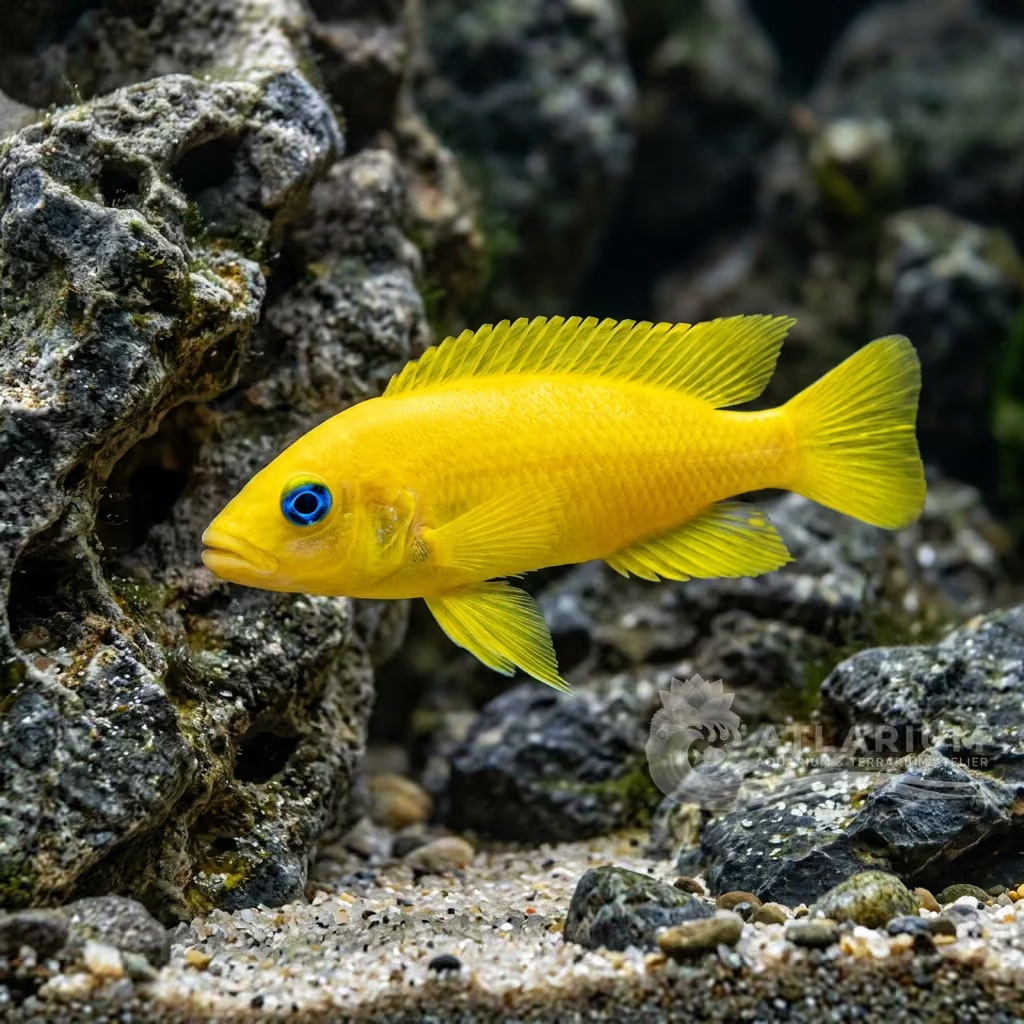
Callipterus Cichlid
Lamprologus callipterus
Peculiar species from Tanganyika with an unprecedented dimensional sexual dimorphism: the male is gigantic (up to 15 cm) while the females are tiny (4-5 cm) and shell-dwellers.
Température de l’eau
24 - 28 °C
Valeur du pH
8 - 9
Type d'eau
Eau douce
Niveau dans le bac
Fond
Taille adulte
15 cm
Volume minimal du bac
>= 200 L
Groupe minimal
>= 1
GH
10 - 25 dGH
KH
10 - 20 dKH
TDS
250 - 575 ppm
Conductivité
391 - 898 uS/cm

Description de l'espèce
Geographical Origin and Habitat: Lake Tanganyika. Endemic benthic species, widespread in sandy bays (e.g. Ndole Bay) where immense beds of empty snail shells (Neothauma) accumulate.
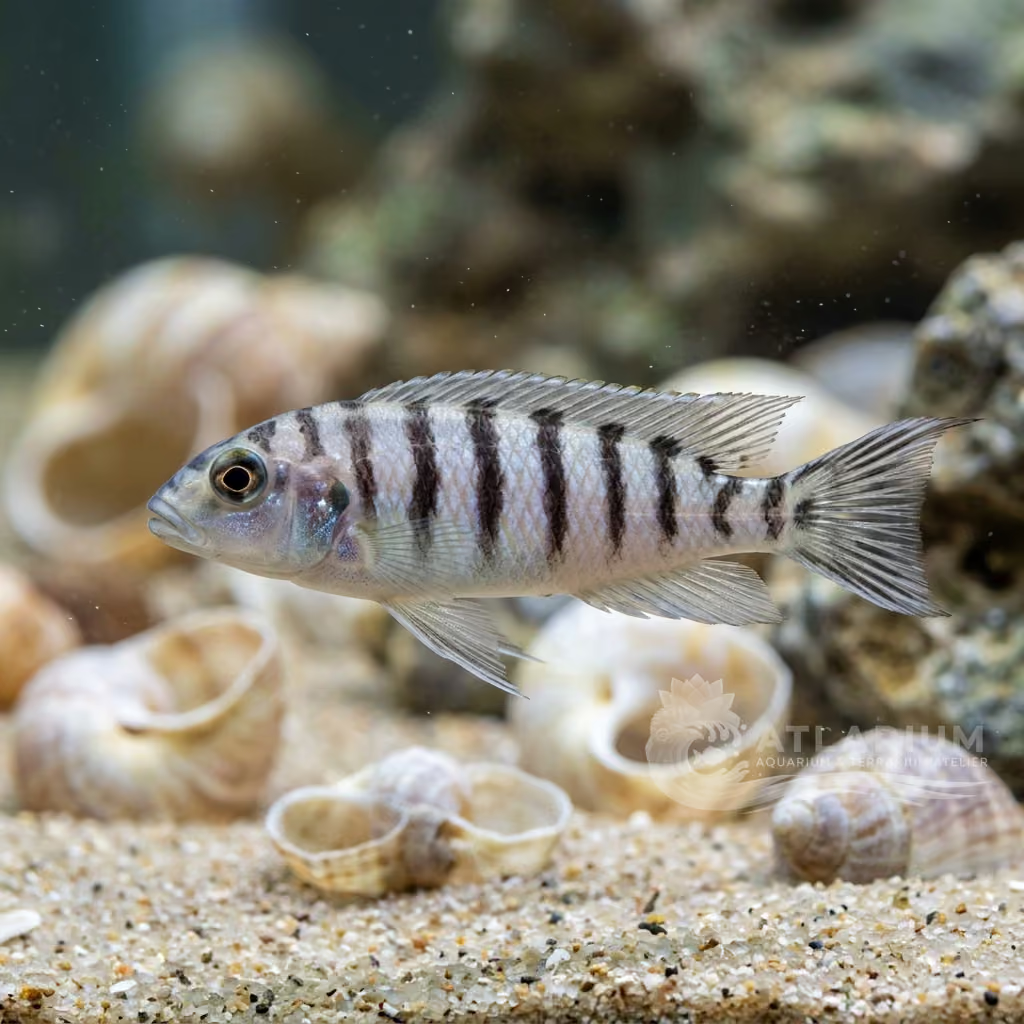
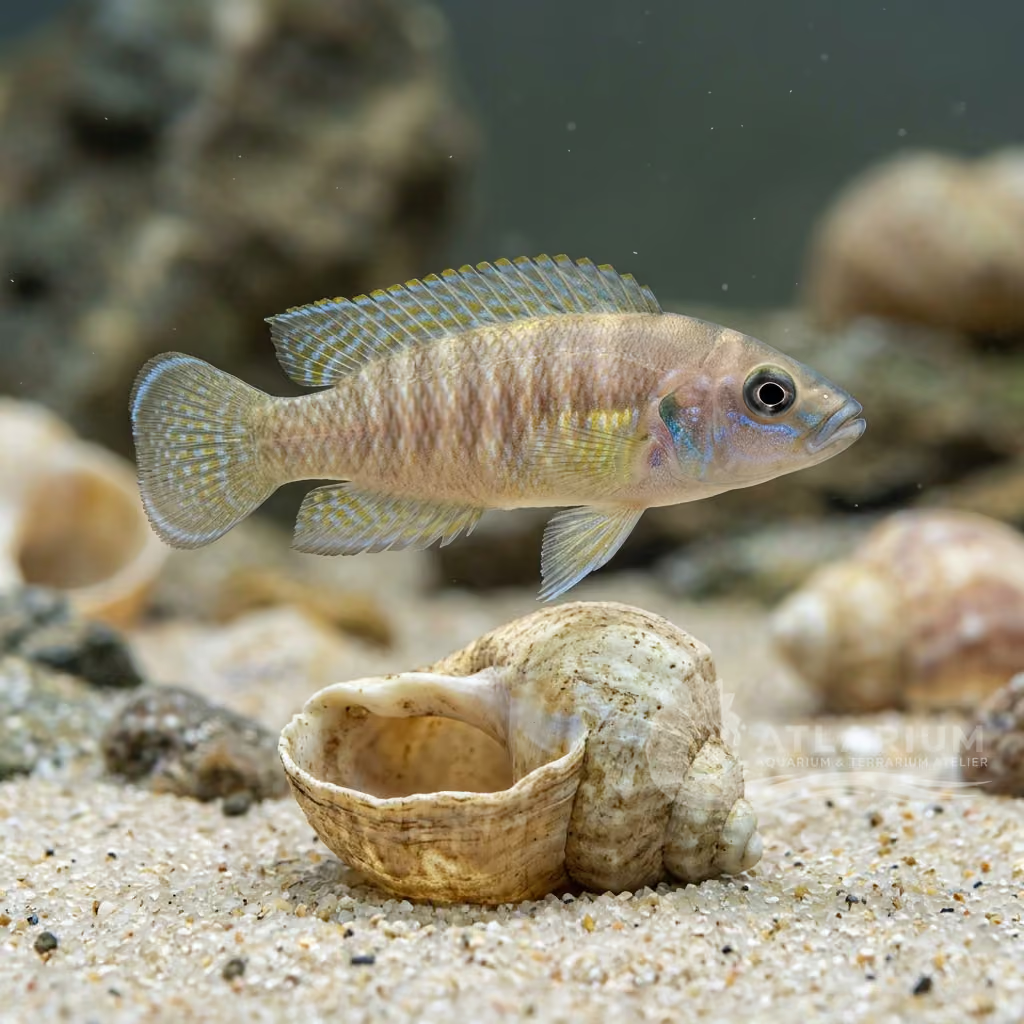
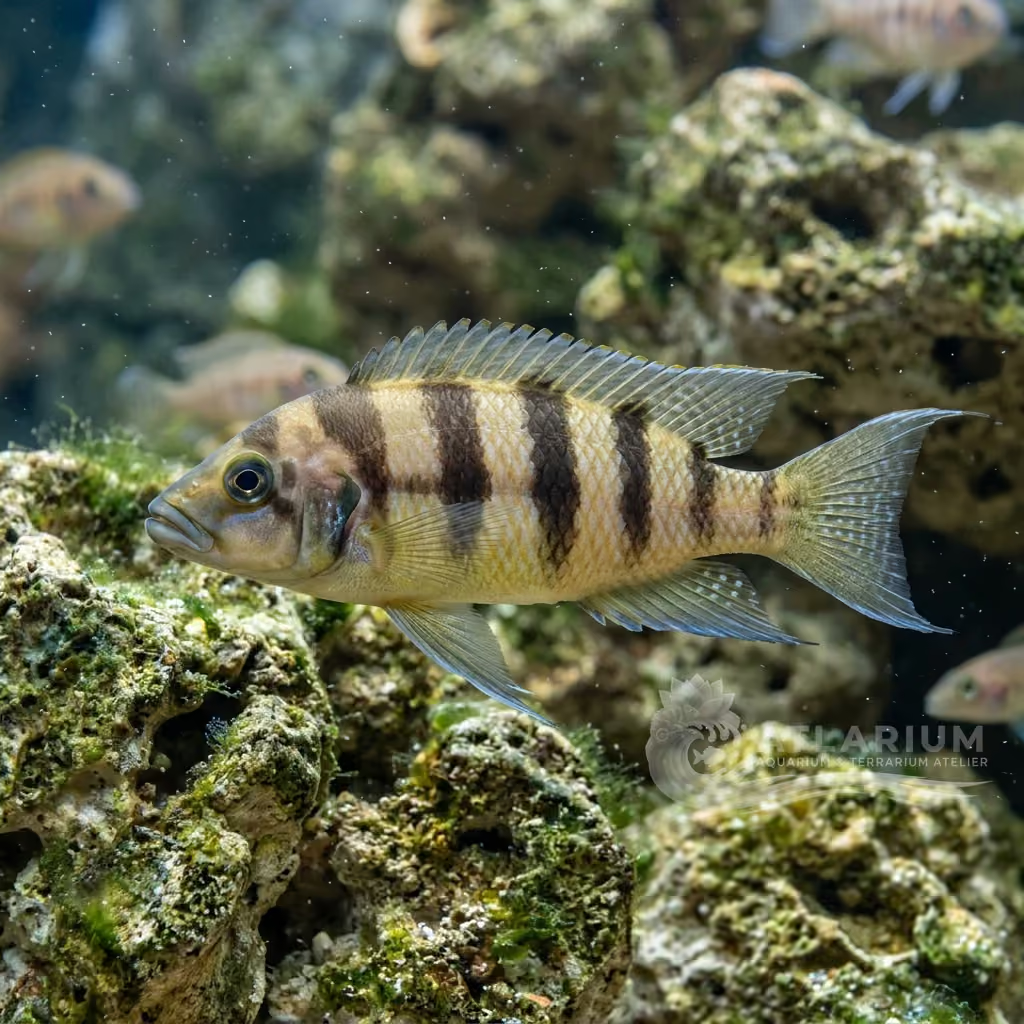
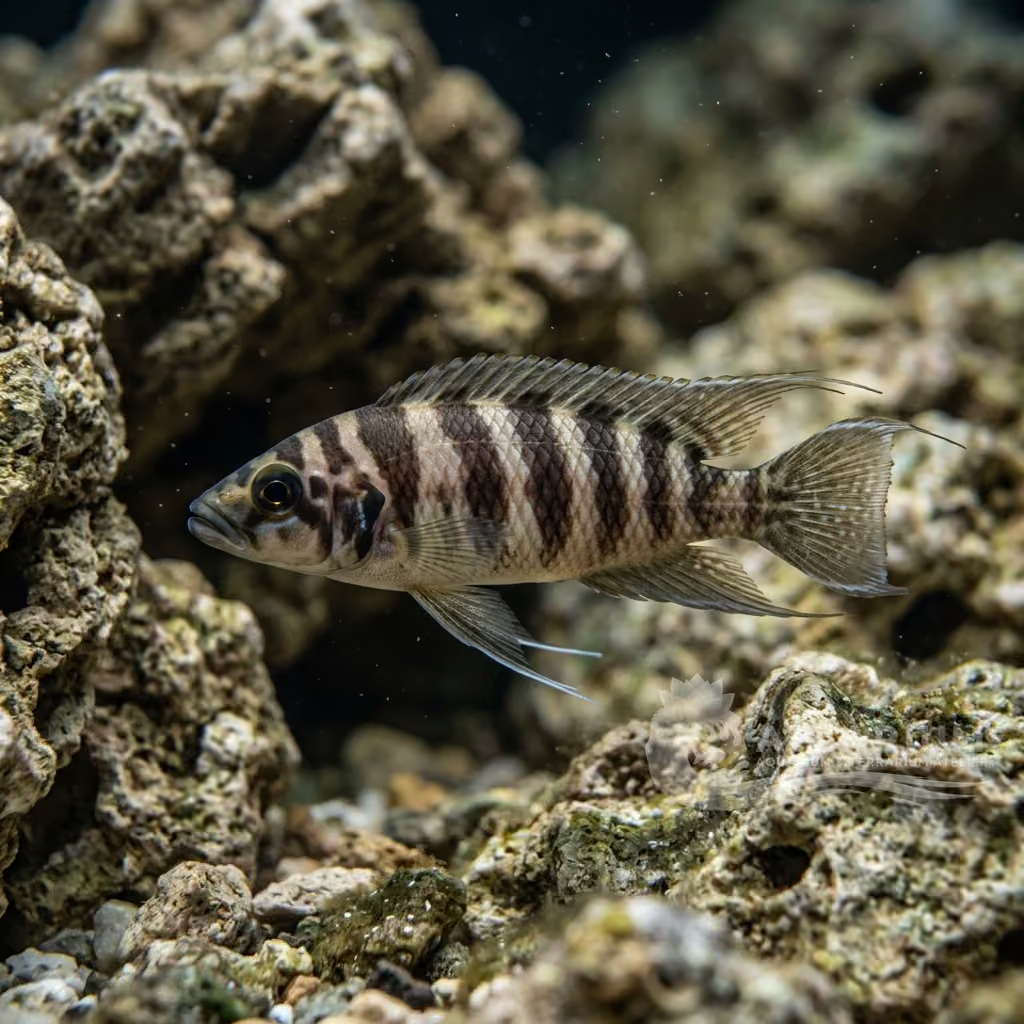
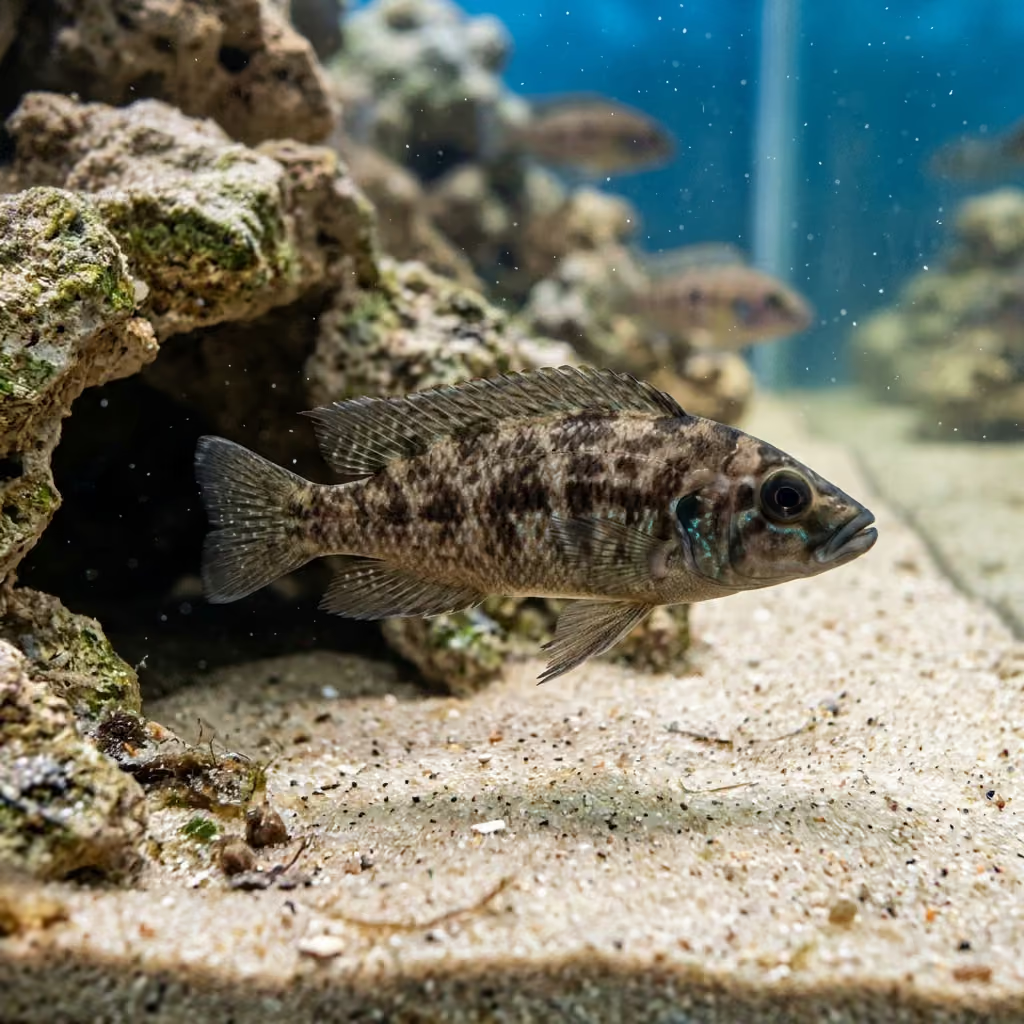
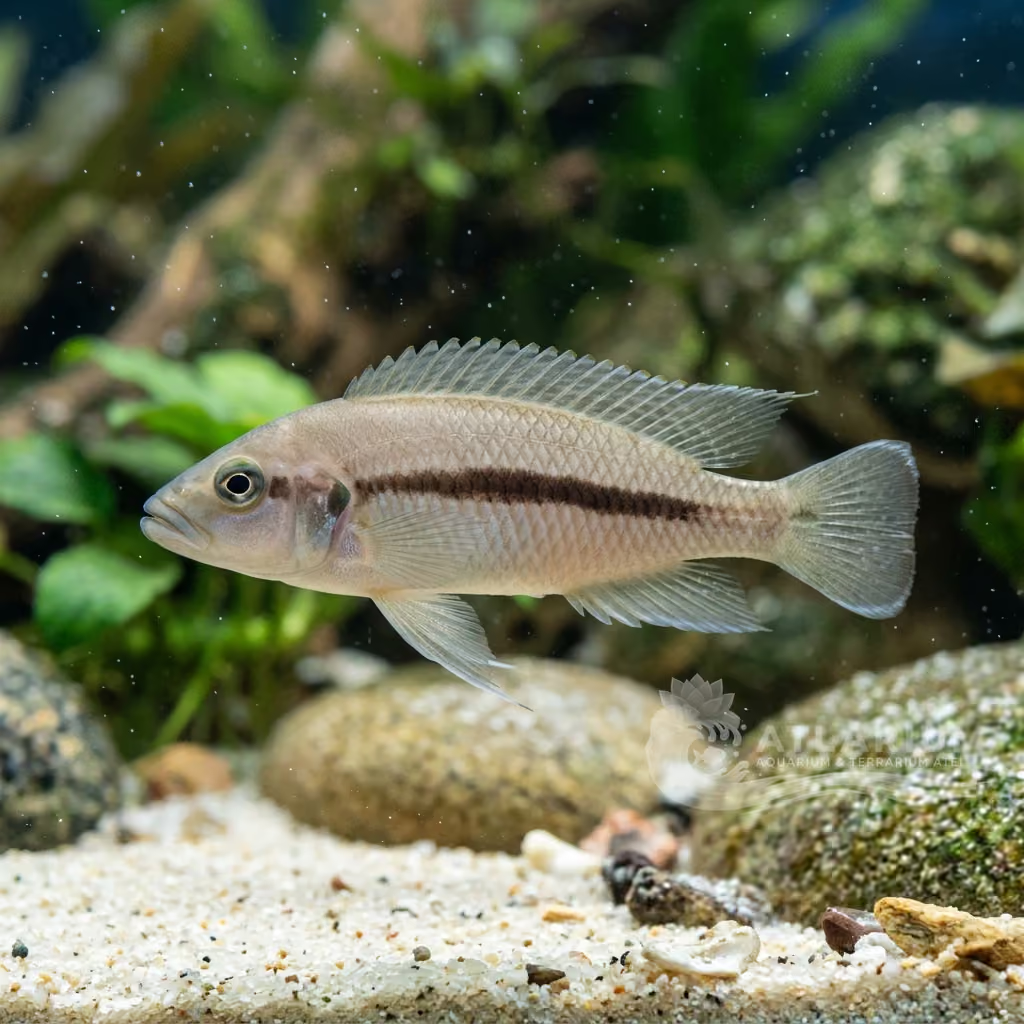
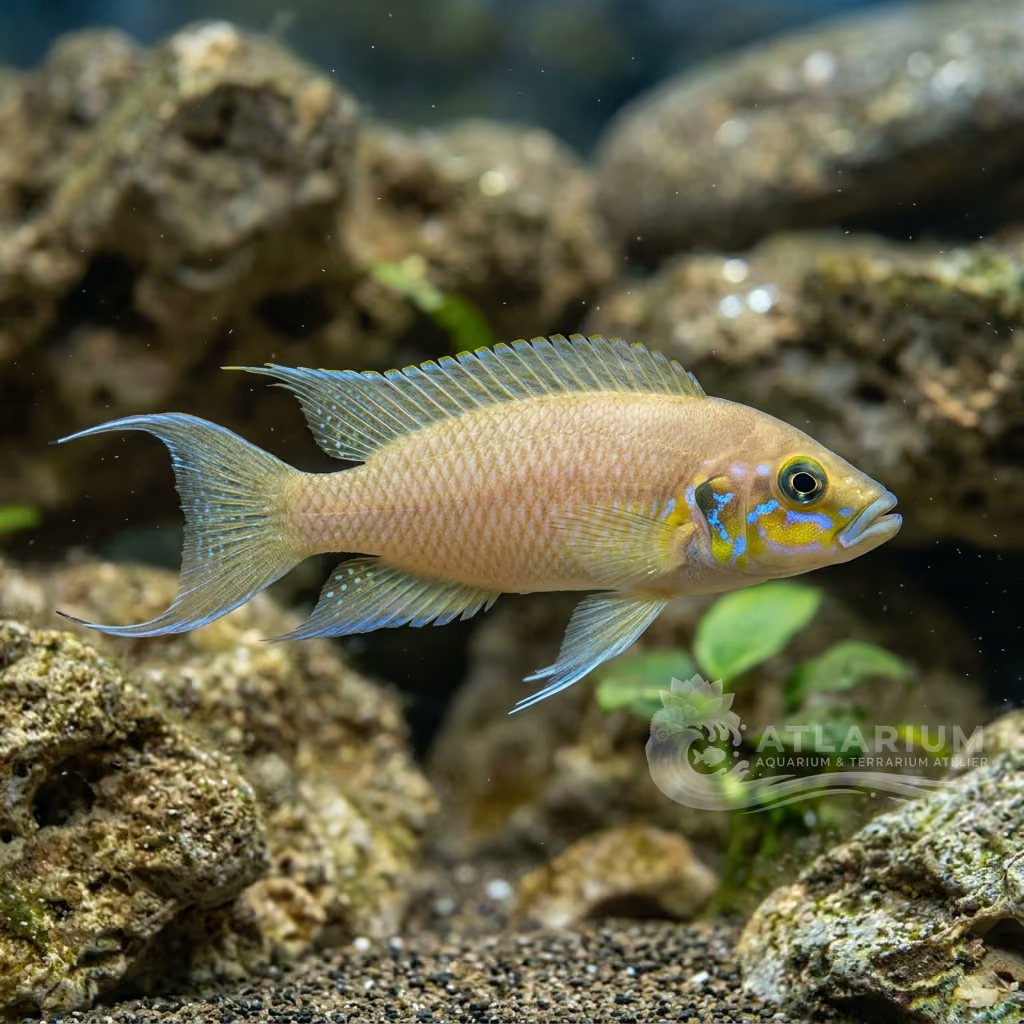
Taxonomy and Morphology: Callipterus Cichlid (Lamprologus callipterus). Unique in its genus due to the extreme size dimorphism. The male is a muscular giant (up to 15 cm / 6 inches), while the female is a dwarf (max 5 cm / 2 inches) designed to live in shells.
Social Behavior: Predator and Bower-builder. The male does not live in shells, but wanders stealing them from rivals and carrying them to form huge "nests" of shells (dozens of accumulated shells) where he invites dozens of dwarf females.
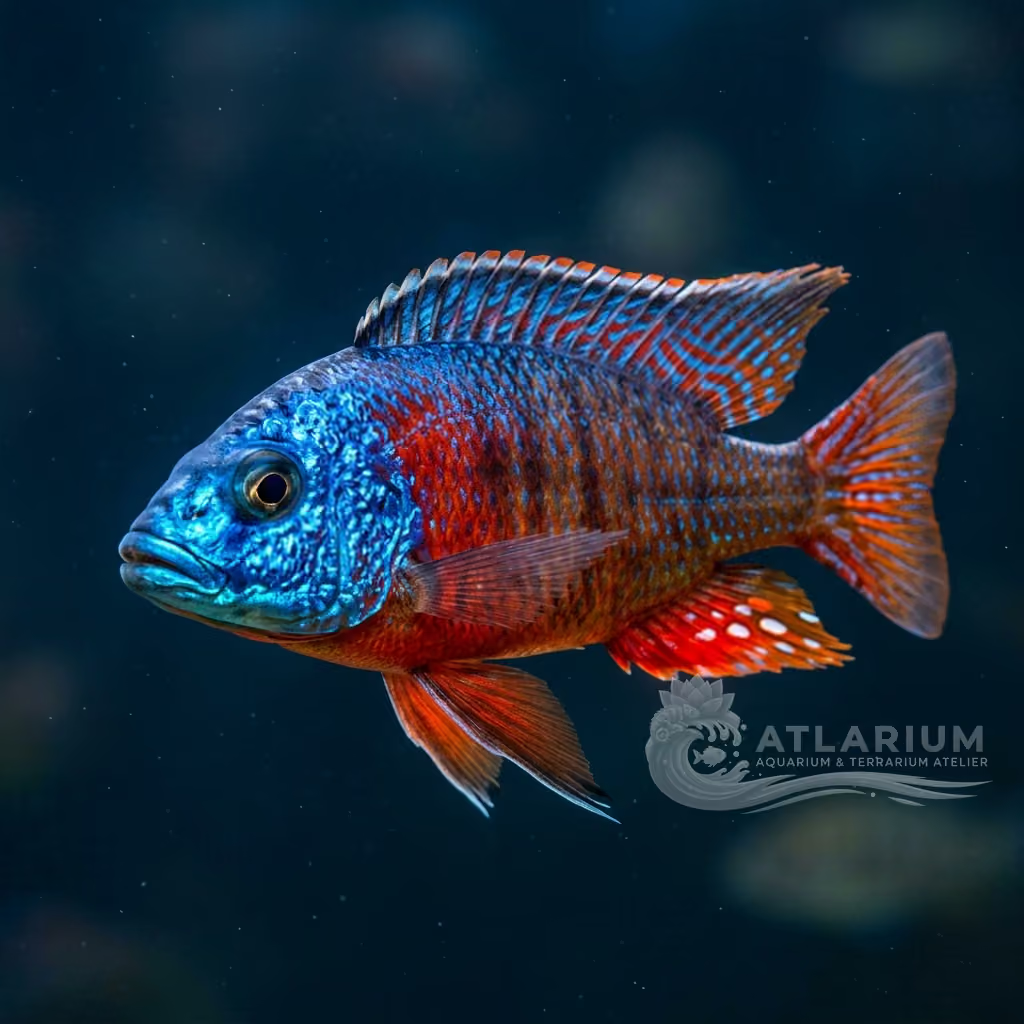
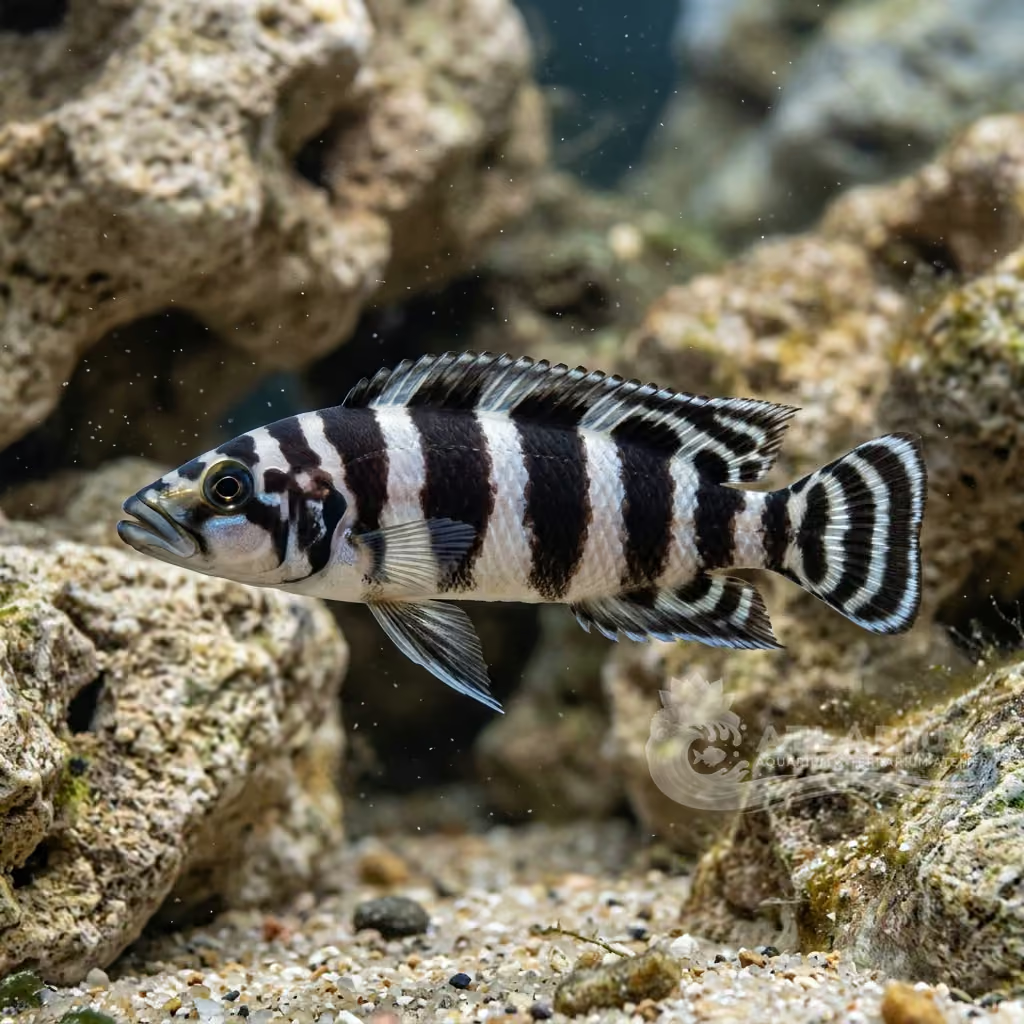
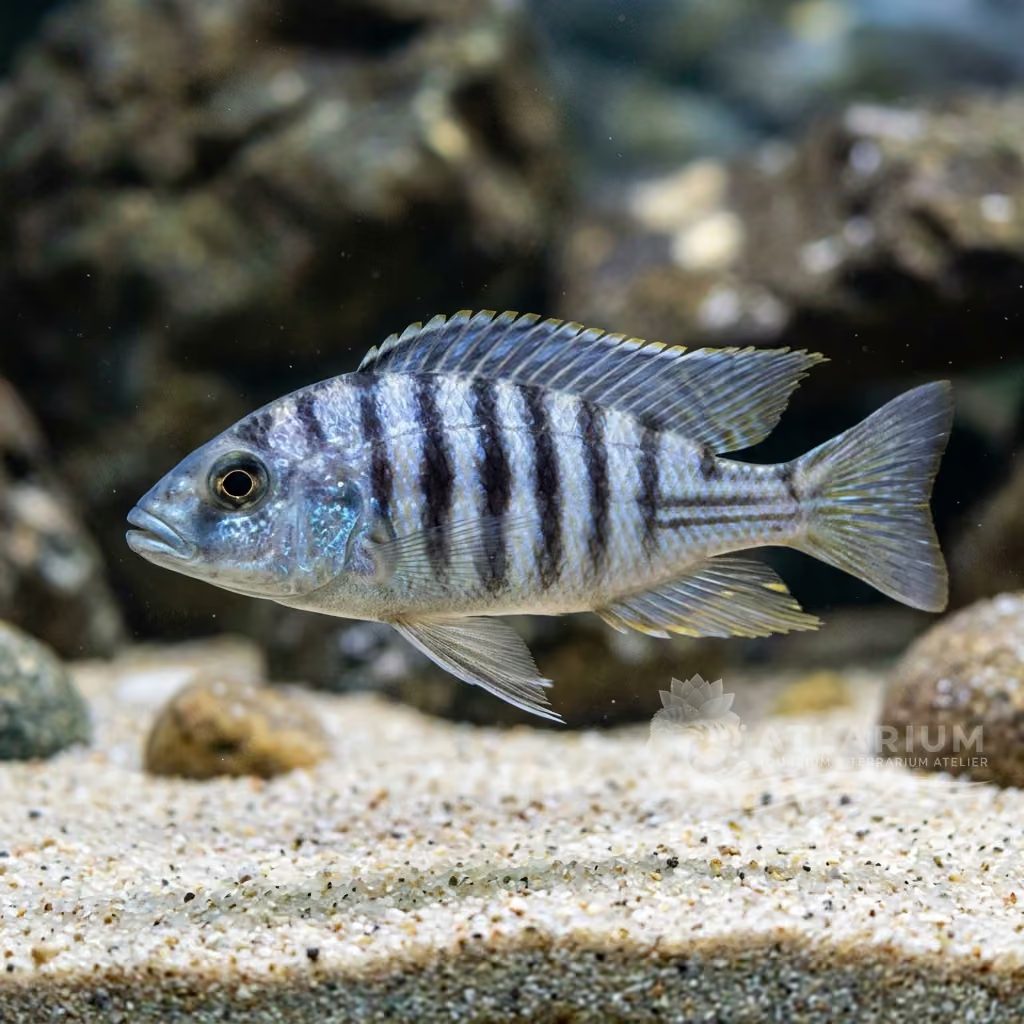
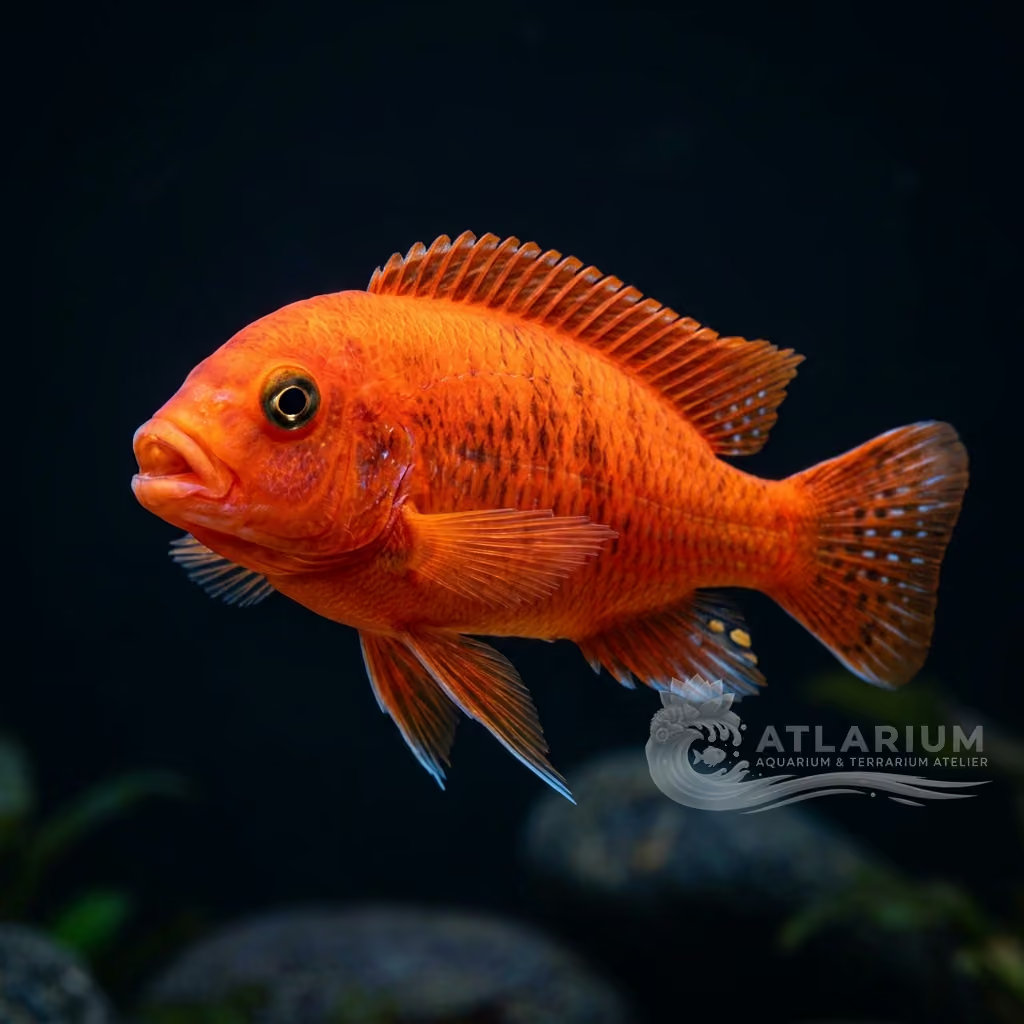
Coloration and Sexual Dimorphism: Yellow-brown base with weak transverse bars. The male has fins edged with bright yellow and a massive head; his sole purpose is to grow big enough to carry shells. Females are brownish and miniaturized.

Soins, reproduction et cohabitation
Aquarium Setup: Requires huge aquariums (150+ cm / 60+ inches) and a layer of very fine sand. Provide a disproportionate amount of large shells (escargot shells). The male will dig craters to stack them: no unstable decor or it will be demolished.
Diet and Feeding: Opportunistic carnivore. In nature the male hunts other fish and invertebrates, the females glean zooplankton. Feed with sinking protein pellets, krill, frozen shrimp and bloodworms.
Water Quality: Tanganyika parameters: crystal clear, very hard (GH 15+) and strongly alkaline water. Maintain pristine water through frequent and substantial water changes to handle the massive organic load of the male.
Compatibility and Cohabitation: Extremely aggressive. The male will attack and kill any other bottom dweller (including true shell-dwellers like N. multifasciatus). Compatible only with large "mid-water" Tanganyika cichlids (e.g. Cyphotilapia).
Aquarium Breeding: Shell nest polygamist. The male accumulates shells and fertilizes the females (one per shell). "Sneaker" males (as small as females) often appear, sneaking into the shells to fertilize the eggs unbeknownst to the giant.
Risks and Diseases: Housing difficulties. The size disproportion and immense male aggressiveness make it impossible to keep two males (they will kill each other); females without enough shells will be stressed to death.

Origine et répartition géographiques
Lake Tanganyika. Endemic benthic species, widespread in sandy bays (e.g. Ndole Bay) where immense beds of empty snail shells (Neothauma) accumulate.
Origine
Sélection et cultivarsAmérique du NordAfrique et Madagascar

Profil de poisson
- Tempérament
- Semi-aggressive
- Males are highly aggressive, intensely territorial, and fiercely possessive of their shell collections. They will aggressively bite and ram any fish that ventures too close to their breeding grounds. Females are generally peaceful among themselves but will defend their specific shell from intruders.
- Régime alimentaire
- Carnivore
- They are specialized carnivores that predominantly prey on small invertebrates and crustaceans in the wild. In the aquarium, they eagerly accept high-quality pellets, frozen mysis shrimp, and chopped krill. Live foods can be offered occasionally to encourage natural hunting behaviors and breeding conditioning.
- Espérance de vie
- 6-8 years
- Taille adulte
- 15 cm
- Ratio des sexes
- Harem
- They must be maintained in a strict harem configuration due to their unique biology. One male should be provided with at least four to six females and an abundance of escargot shells. Housing multiple adult males in the same tank usually results in lethal combat over shells and territory.
- Fréquence d'alimentation
- Twice daily
- Adults thrive when fed one to two reasonably sized meals per day. Overfeeding protein-rich foods can lead to digestive bloat, which is highly lethal in Tanganyikan cichlids. A schedule that includes a fasting day helps maintain a healthy digestive system.
- Charge biologique
- Low to Medium
- This Lake Tanganyika cichlid generates a moderate bioload that can spike due to its highly carnivorous diet. Males grow significantly larger than females and produce correspondingly more waste. Robust mechanical and biological filtration is necessary to maintain the pristine, hard water they require.
- Courant
- Stagnant
- They prefer a moderate water flow that mimics the rocky shorelines of Lake Tanganyika. A good current ensures high dissolved oxygen levels, which are critical for their well-being. Excessive turbulence should be avoided, especially around the sandy areas where females inhabit shells.
- Risque de saut
- Yes
- They have a moderate risk of jumping, particularly during aggressive territorial disputes between rival males. Startling them with sudden light changes can also cause a panic response. A tight-fitting lid is essential to secure the aquarium and prevent unnecessary losses.
- Reproduction
- Oviparous
- Their breeding strategy is highly unique; giant males steal and collect snail shells for the tiny females to inhabit. The male guards a territory containing multiple shells, and multiple females will spawn within his collection. After hatching, the fry remain within the protective shells until they are large enough to forage safely.
- Compatibilité et compagnons
- With caution
- They exhibit extreme extreme sexual dimorphism and unique behaviors that dictate their tank mates. They can be kept with robust mid-water swimming Tanganyikan cichlids like Cyprichromis. Avoid housing them with very small bottom-dwellers, as the large males may view them as a threat or food.
- Niveau dans le bac
- Bottom
- They are strongly associated with the substrate, constantly interacting with sand and shells. Males will patrol the lower middle water column just above their shell collection. The tiny females almost never leave the immediate vicinity of the sandy bottom and their chosen shells.

Modèles et paramètres scientifiques
FishBase
Fenêtre sur les données scientifiques officielles de l’espèce
FishBase v25.04Données synchronisées le : 15/06/2026
- Niveau trophique
- 3,5 ± 0,5 se
- Résilience
- Élevée (moins de 15 mois)
- Singularité phylogénétique (PD50)
- 0.5
- Relation bayésienne longueur-poids
- a = 0.00389, b = 3.12
- VulnérabilitéVulnérabilité faible (10 / 100)

Espèces associées
Recommandations regroupées par proches parents, compagnons et soins similaires.