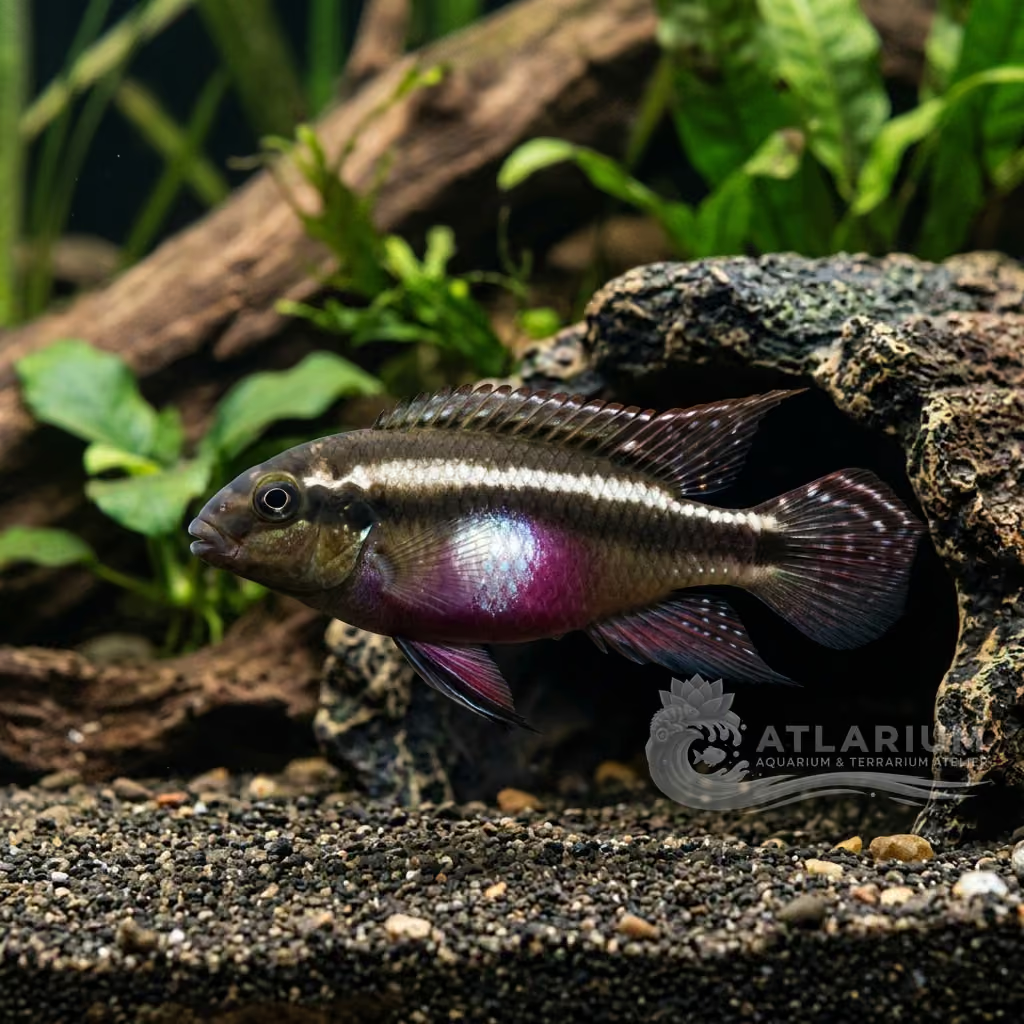
Striped Shell-dweller
Lamprologus laparogramma
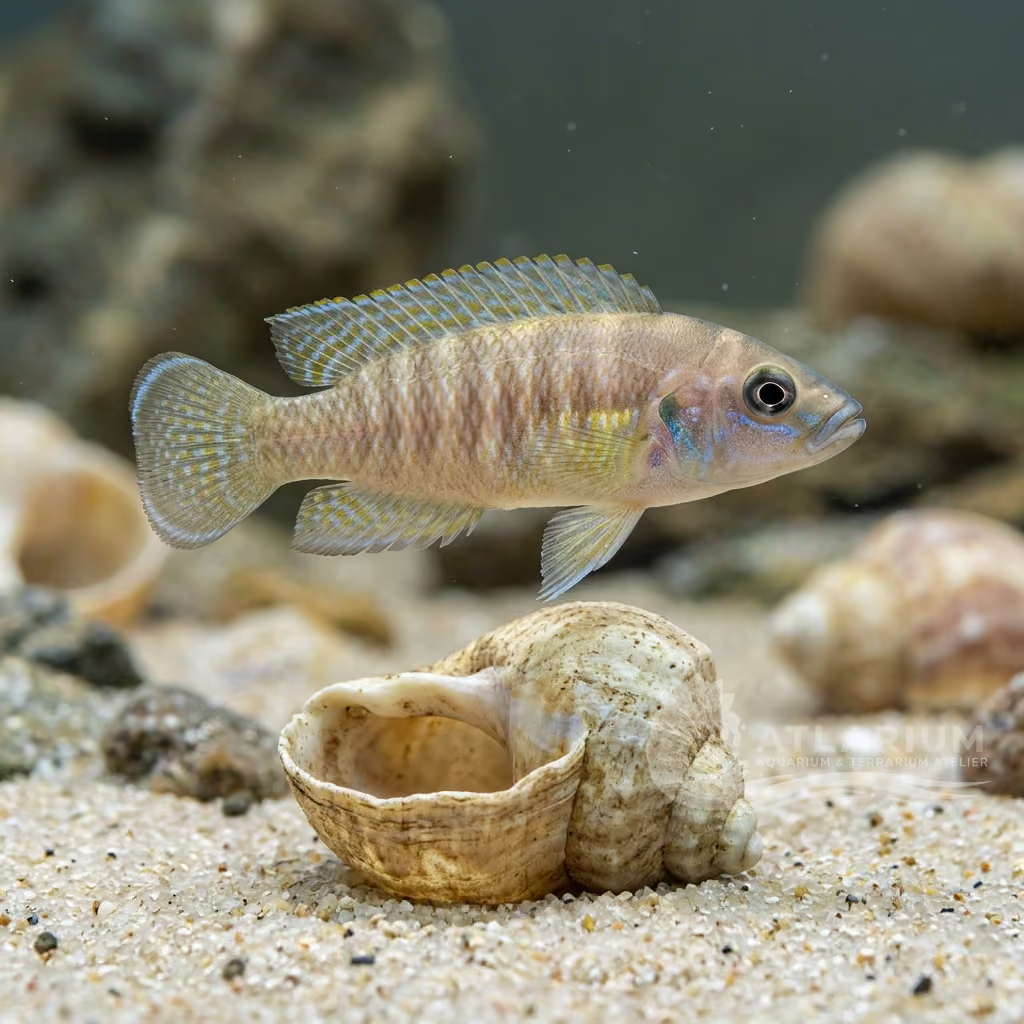
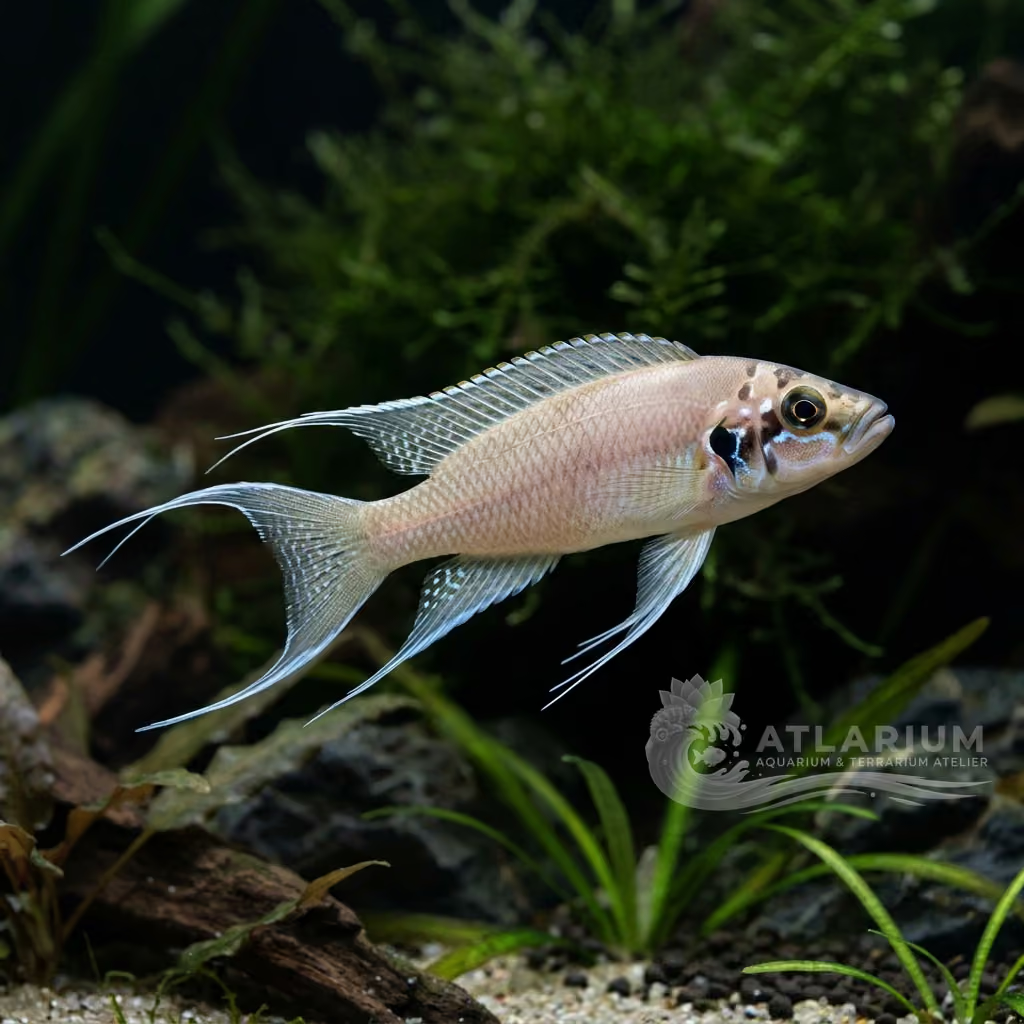
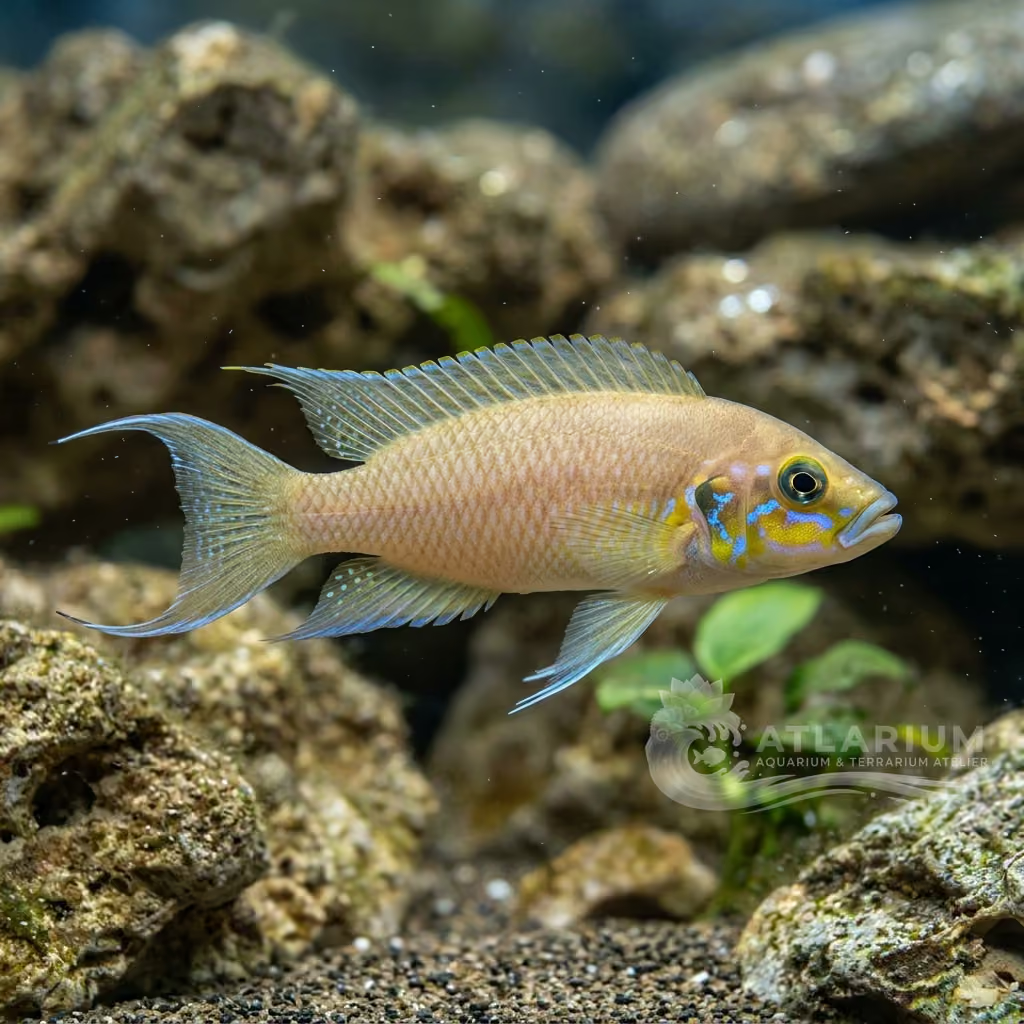
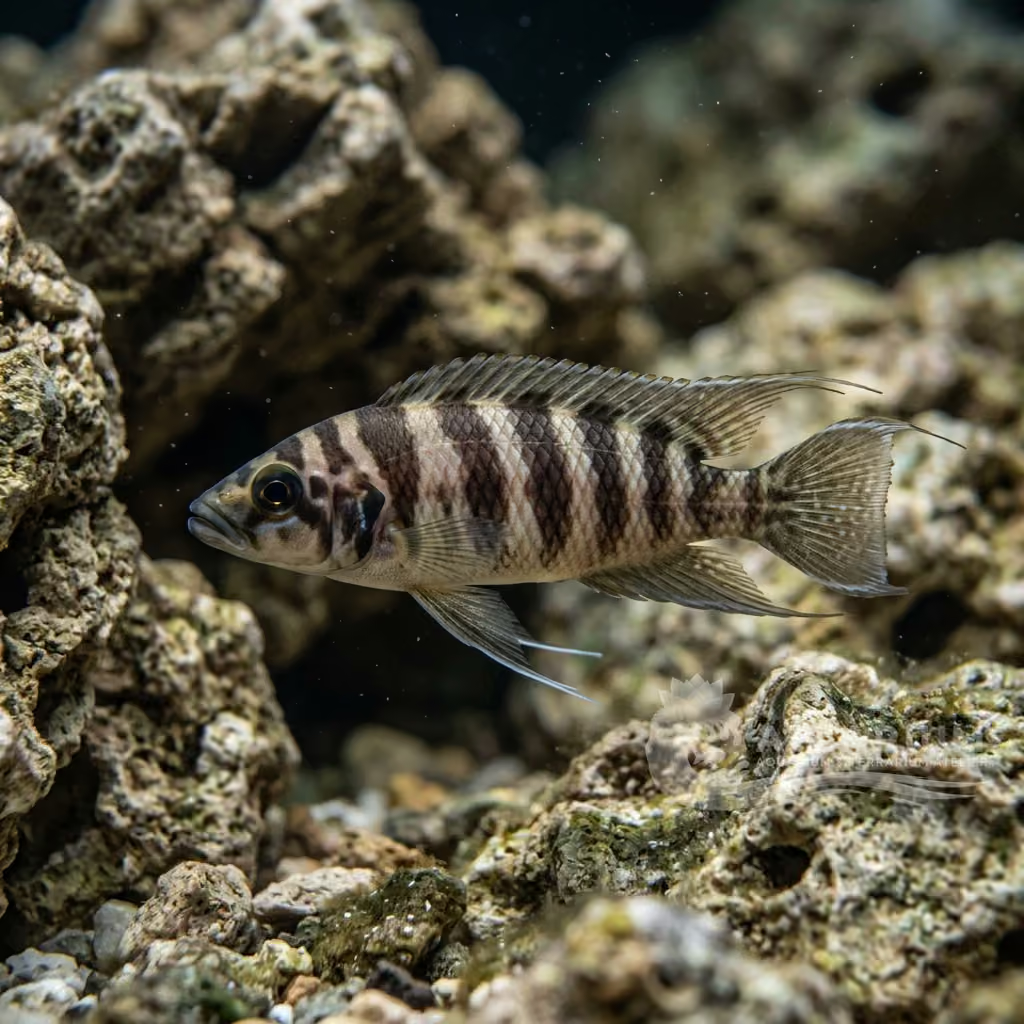
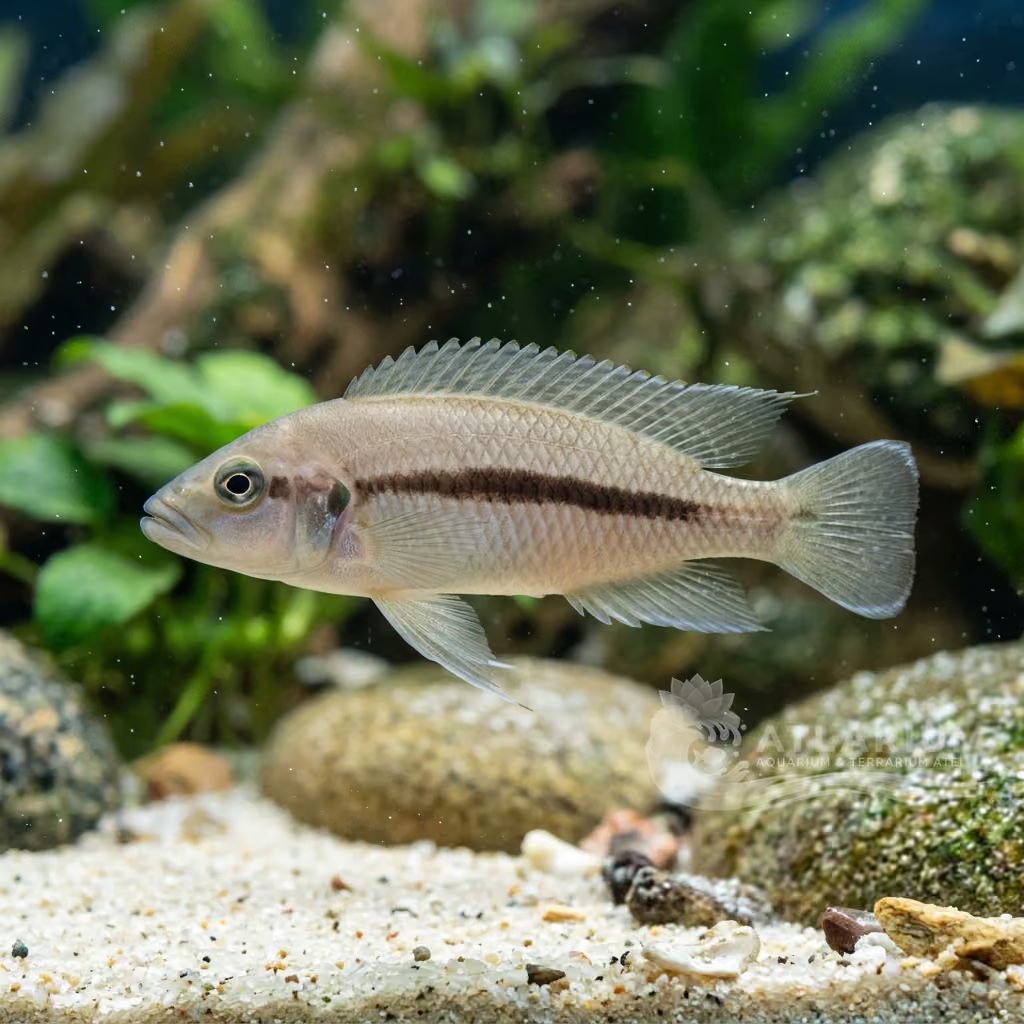
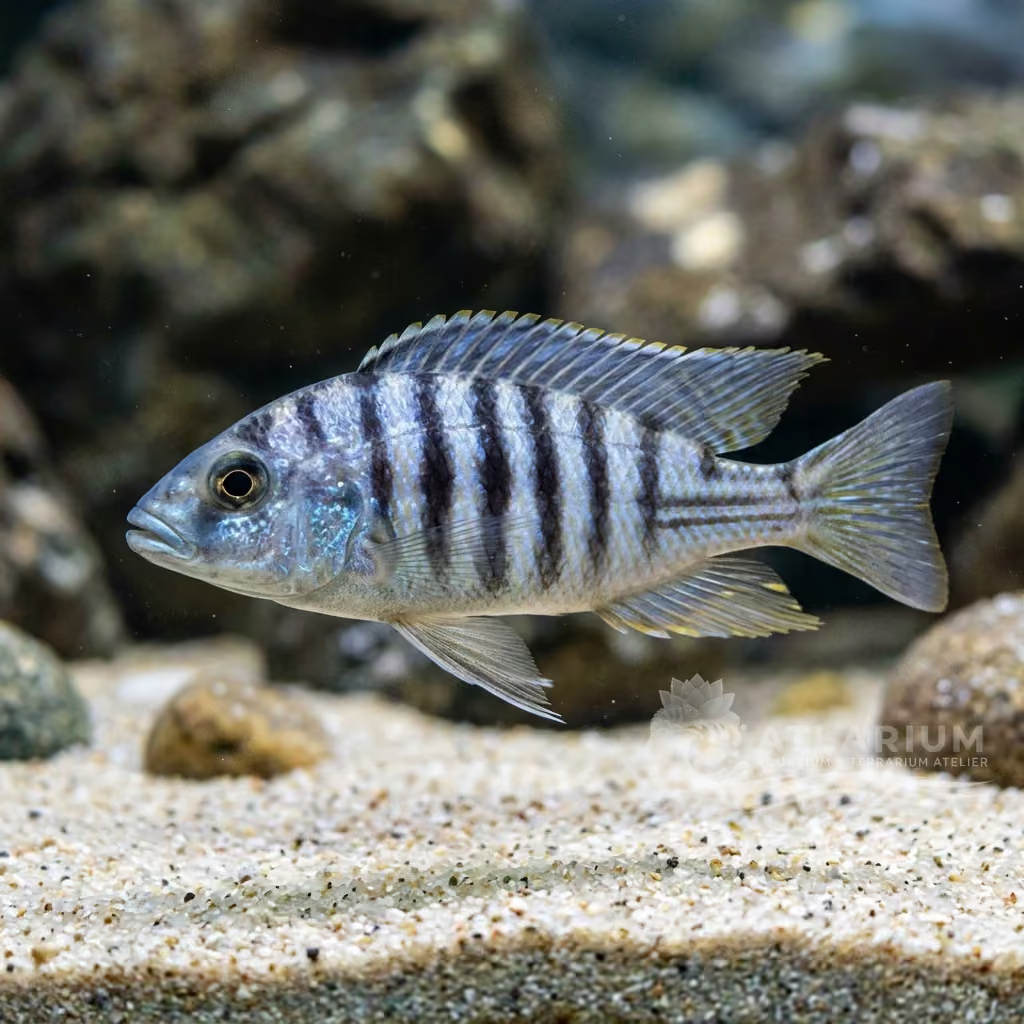
A very rare shell-dweller. Its livery is crossed by a distinctive design with three or four horizontal dashed lines ('laparogramma') instead of the usual vertical bars of other Neolamprologus.
Température de l’eau
24 - 27 °C
Valeur du pH
8 - 9
Type d'eau
Eau douce
Niveau dans le bac
Fond
Taille adulte
4,5 cm
Volume minimal du bac
>= 80 L
Groupe minimal
>= 1
GH
10 - 25 dGH
KH
10 - 20 dKH
TDS
250 - 575 ppm
Conductivité
391 - 898 uS/cm

Description de l'espèce
Geographical Origin and Habitat: Lake Tanganyika (Endemic). Exclusively inhabits the vast muddy/sandy bottoms dotted with beds of Neothauma tanganyicense shells. Areas where rocks are absent.
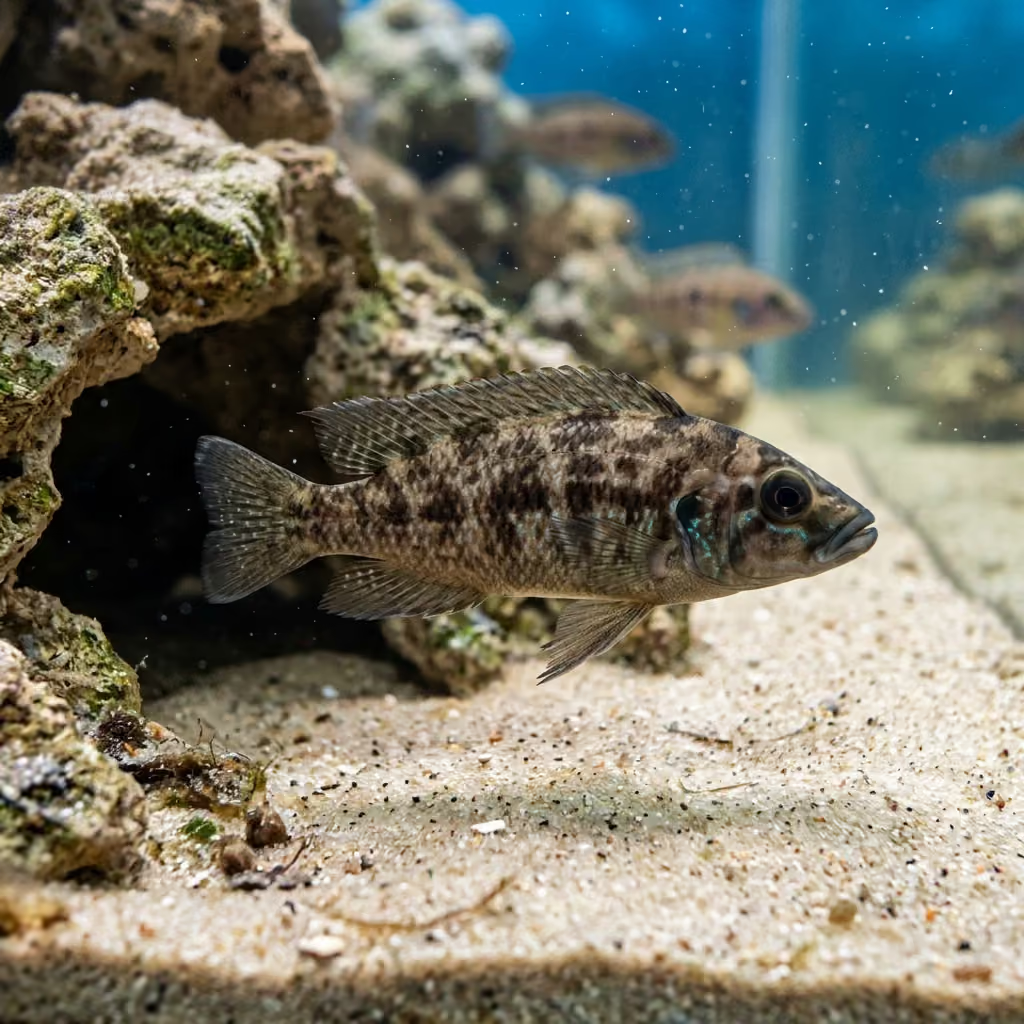
Taxonomy and Morphology: Signatus-type Shell Dweller (Lamprologus laparogramma). Discovered in more recent times. Physically closely resembles L. signatus: tubular, elongated body, mouth slightly turned upwards to catch plankton from the mouth of the shell.
Social Behavior: Mud Dweller Shell Dweller. Instead of burying the snail shell in the sand (like the multifasciatus), this fish digs a real tubular well in the compact mud, leaving the shell at the bottom of the hole as a secret hiding place.
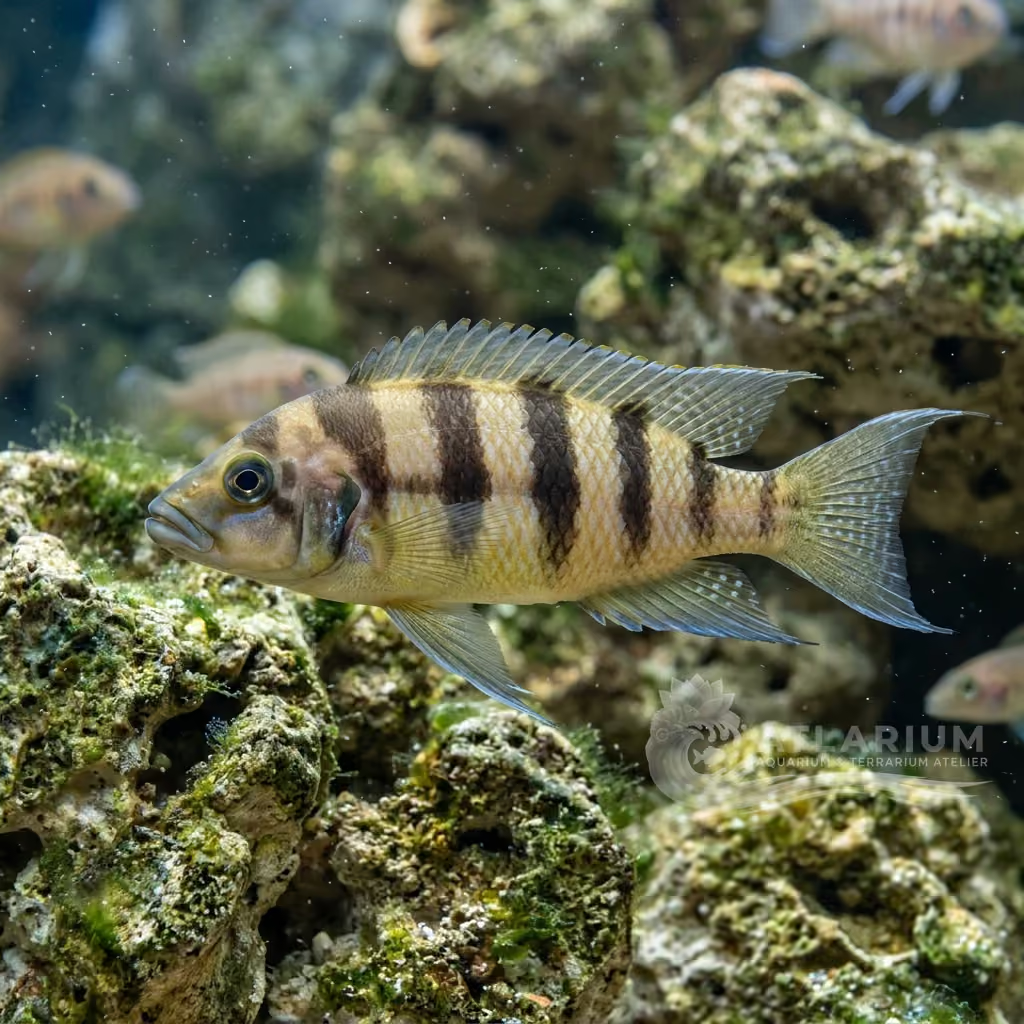
Coloration and Sexual Dimorphism: The female has a belly that is tinged with a conspicuous intense metallic red/purple during spawning, while the male has thin vertical golden-brown bars or spots. The male (4.5 cm / 1.8 inches) is larger than the female (3.5 cm / 1.4 inches).

Soins, reproduction et cohabitation
Aquarium Setup: Shell-dweller tank (min. 60 cm / 24 inches). A deep bed of very fine, powdery sand is essential (to allow them to "drill" goby-style tunnels). Insert dozens of escargot shells to disperse aggression. No stones.
Diet and Feeding: Planktivore/Micro-carnivore. Stations a few centimeters from the bottom hunting zooplankton and small benthic organisms. Accepts live/frozen brine shrimp, cyclops and nauplii. Requires powder/small dry-carnivorous flakes.
Water Quality: Requires the peculiar Tanganyika chemistry. The water must be highly alkaline (pH 8-9) and calcareous. Any pH swings lead to rapid clouding of the corneas and clamping of the fins.
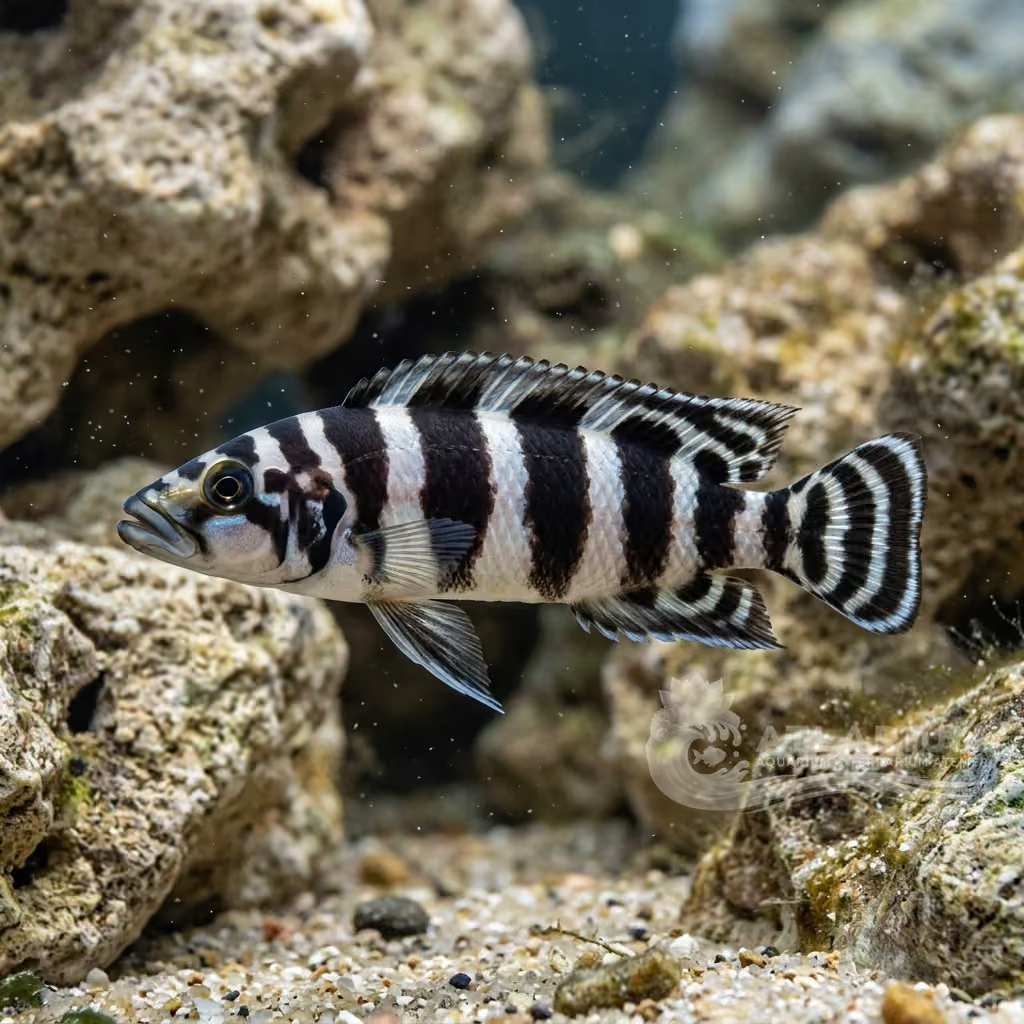
Compatibility and Cohabitation: Species to be kept preferably in a dedicated tank (Species-tank). Can coexist in larger tanks (100+ cm / 40+ inches) with Cyprichromis, which station in the upper levels. Clashes fatally with other shell-dwellers competing for sand (e.g. N. similis).
Aquarium Breeding: Shell breeders forming stable pairs. The female lays eggs (few) inside the shell; the male patrols the perimeter of the hole dug around the nest. The young are tolerated until they reach maturity.
Risks and Diseases: Lethal intra-specific aggression. If the living space (the distance between one shell and another) is not at least 15-20 cm (6-8 inches) in the tank, the weakest male will inevitably be persecuted to death.

Origine et répartition géographiques
Lake Tanganyika (Endemic). Exclusively inhabits the vast muddy/sandy bottoms dotted with beds of Neothauma tanganyicense shells. Areas where rocks are absent.
Origine
Afrique et Madagascar

Profil de poisson
- Tempérament
- Semi-aggressive
- Despite their tiny size, they are incredibly bold and highly territorial regarding their chosen shells. They will flare at and attempt to bite fish many times their size that encroach on their space. Aside from territorial defense, they are peaceful and very entertaining to observe.
- Régime alimentaire
- Carnivore
- In the wild, they are micro-predators that sift through sand for tiny crustaceans and zooplankton. In the aquarium, they readily accept crushed high-quality flakes, micro-pellets, and frozen cyclops. Live baby brine shrimp are an excellent conditioning food that greatly enhances their vitality and coloration.
- Espérance de vie
- 5-8 years
- Taille adulte
- 4.5 cm
- Ratio des sexes
- Harem
- They form loose harems in the wild and should be kept in a similar structure in captivity. One male should be provided with two or three females and an abundance of empty snail shells. If multiple males are present, the aquarium must be large enough to establish distinct, separate territories.
- Fréquence d'alimentation
- Twice daily
- Due to their active nature and small stomach capacity, they should be fed multiple small portions daily. Two or three very small meals a day are much better than one large one. Ensure the food sinks quickly so they can catch it near their shells.
- Charge biologique
- Low
- This diminutive shell-dwelling cichlid produces a remarkably low bioload. A small colony can easily be maintained in a moderately sized aquarium without overwhelming the nitrogen cycle. Standard filtration and routine partial water changes are entirely adequate to keep water parameters stable.
- Courant
- Stagnant
- They prefer a gentle to moderate water flow that mimics the deeper, calmer areas of Lake Tanganyika. While they appreciate well-oxygenated water, turbulent currents will make it difficult for them to hover near their shells. Ensure the filtration return does not constantly blast their sandy territory.
- Risque de saut
- No
- Reproduction
- Oviparous
- They are obligate shell spawners; the female lays her eggs deep within an empty Neothauma snail shell. The female remains in the shell to tend the eggs while the male fiercely guards the perimeter. The fry will eventually emerge but remain close to the shell until they are large enough to be independent.
- Compatibilité et compagnons
- With caution
- They are feisty but generally do well in a Tanganyikan community setup. They can be housed safely with small rock-dwellers like Julidochromis and open-water species like Cyprichromis. Avoid large, predatory cichlids that will easily swallow these tiny fish whole.
- Niveau dans le bac
- Bottom
- They are exclusively bottom-dwellers and rarely rise more than a few inches above the substrate. Their entire lives revolve around the sandy bottom and the snail shells they inhabit. Providing a deep bed of fine sand is absolutely critical for their natural behavior.

Modèles et paramètres scientifiques
FishBase
Fenêtre sur les données scientifiques officielles de l’espèce
FishBase v25.04Données synchronisées le : 15/06/2026
- Niveau trophique
- 3,5 ± 0,5 se
- Résilience
- Élevée (moins de 15 mois)
- Singularité phylogénétique (PD50)
- 0.5
- Relation bayésienne longueur-poids
- a = 0.00389, b = 3.12
- VulnérabilitéVulnérabilité faible (10 / 100)

Espèces associées
Recommandations regroupées par proches parents, compagnons et soins similaires.