Lemon Cichlid
Neolamprologus leleupi
A brilliant lemon-yellow rock-dwelling cichlid from Lake Tanganyika. Highly aggressive toward conspecifics, it requires dark rocky caves and fine sand to showcase its radiant color.
Température de l’eau
23 - 27 °C
Valeur du pH
7.8 - 9
Type d'eau
Eau douce
Niveau dans le bac
Fond et milieu
Taille adulte
10 cm
Volume minimal du bac
>= 100 L
Groupe minimal
>= 1
GH
12 - 20 dGH
KH
6 - 10 dKH
TDS
240 - 400 ppm
Conductivité
375 - 625 uS/cm

Description de l'espèce
Geographical Origin and Habitat: Lake Tanganyika. Frequents crevices, deep sheer walls and dark rocky caves between 15 and 40 meters deep (dimly lit).
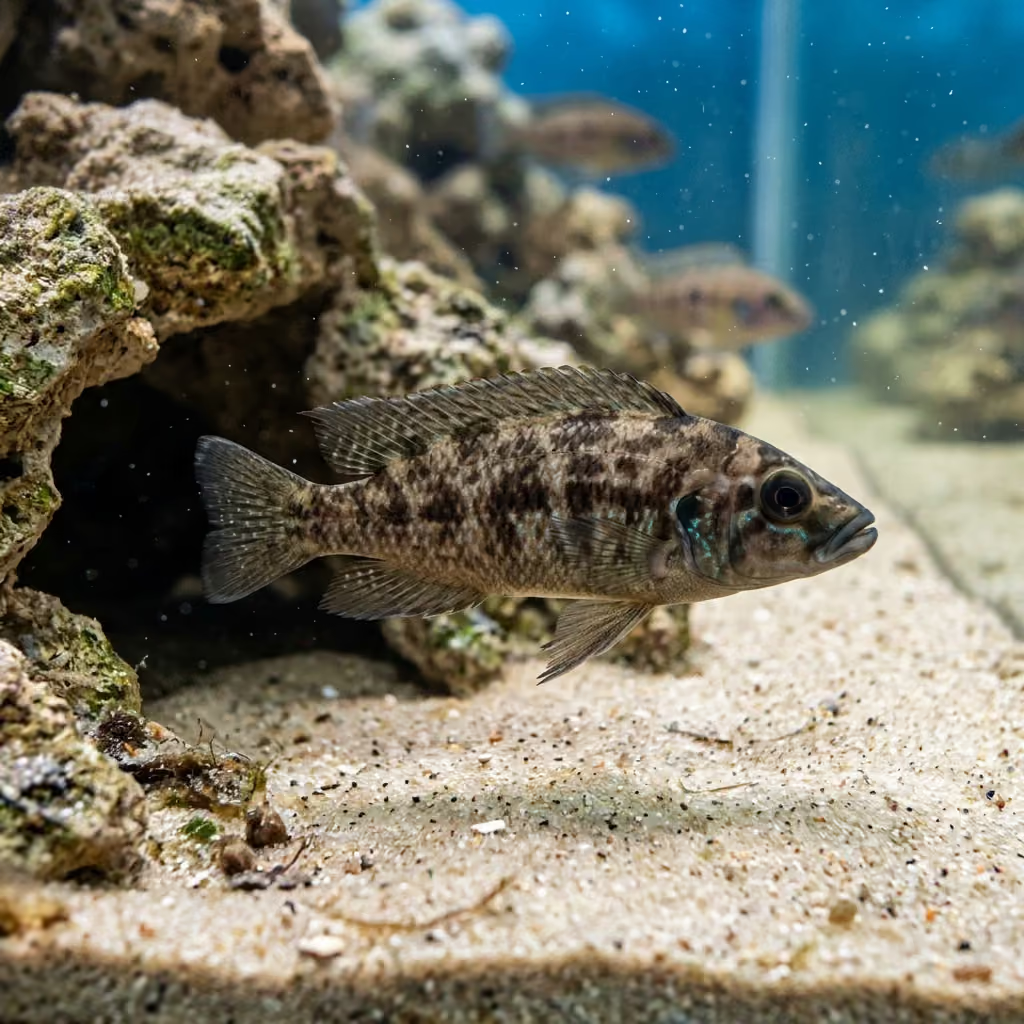
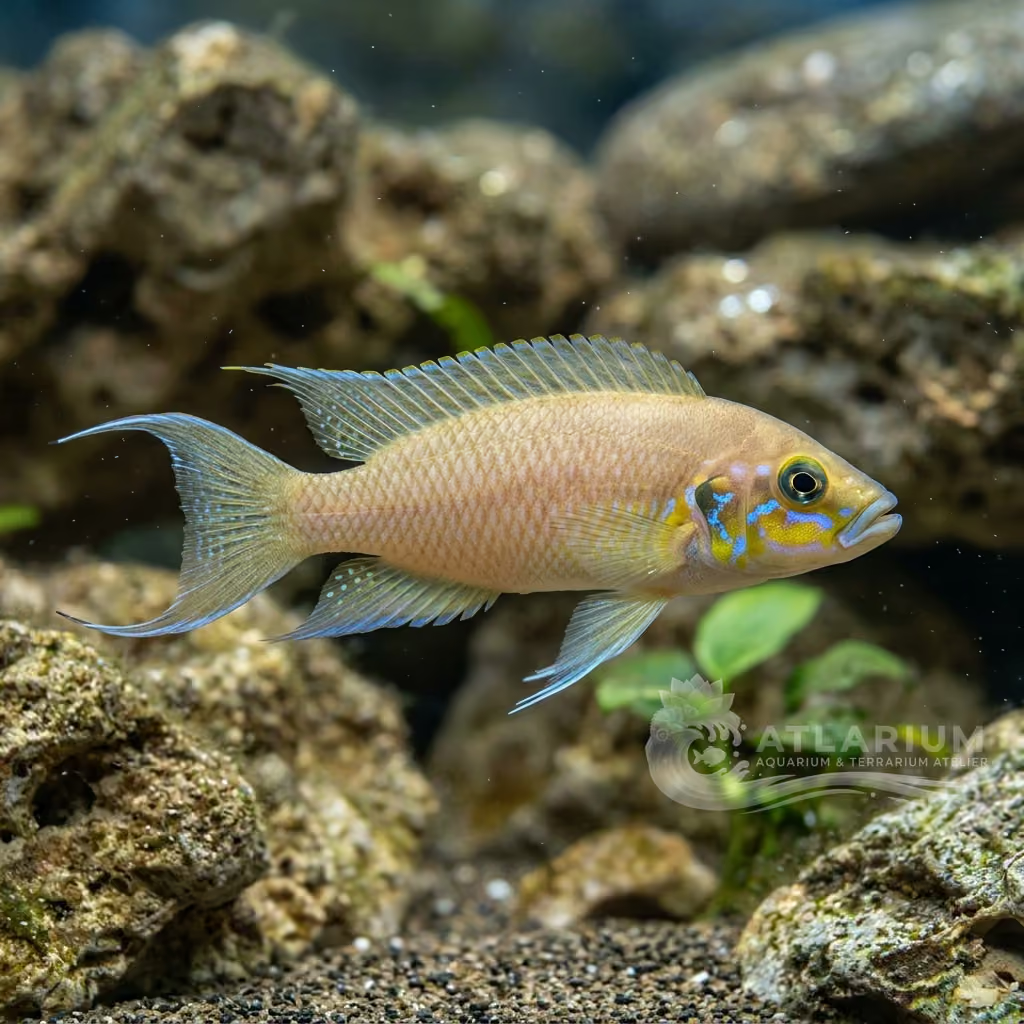
Taxonomy and Morphology: Lemon Cichlid (Neolamprologus leleupi). Elongated rupicolous cichlid, mouth oriented upwards (like a predator) and large and very mobile eyes to hunt in the dark.
Social Behavior: Malignant and intolerant. It is a solitary stalker: it identifies the weak point of other fish and attacks them, especially conspecifics. It sees yellow conspecifics as death threats and flushes them out of their dens to mutilate them.
Coloration and Sexual Dimorphism: Living light bulb. Presents a blinding solid lemon yellow (or orange yellow) coloration, useful for camouflage (in nature at 30m depth yellow appears invisible gray-green). The lips often have an ice blue outline.

Soins, reproduction et cohabitation
Aquarium Setup: Dark rocks. To enhance the radioactive yellow color, use dark backgrounds, black lava rocks and very fine amber/white sand. Narrow dens are mandatory.
Diet and Feeding: Pure carnivore. Eater of snails, invertebrates and others' eggs. Likes bloodworms and brine shrimp. Administer foods rich in carotene and astaxanthin (or krill) to prevent the yellow from fading.
Water Quality: Sensitive to organic accumulation. Hard, hyper-basic and above all clean water. High nitrates will cause widespread black spots (stress) on its yellow coat, ruining it aesthetically.
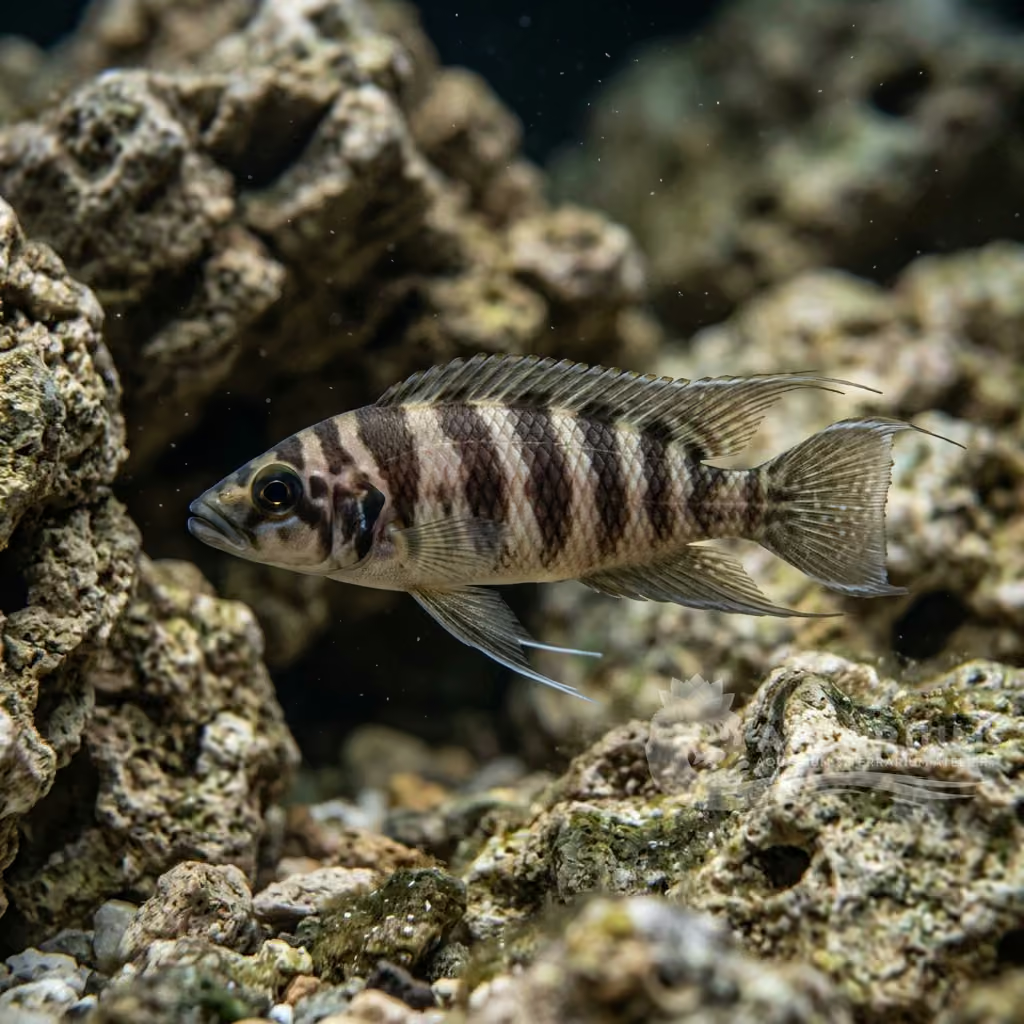
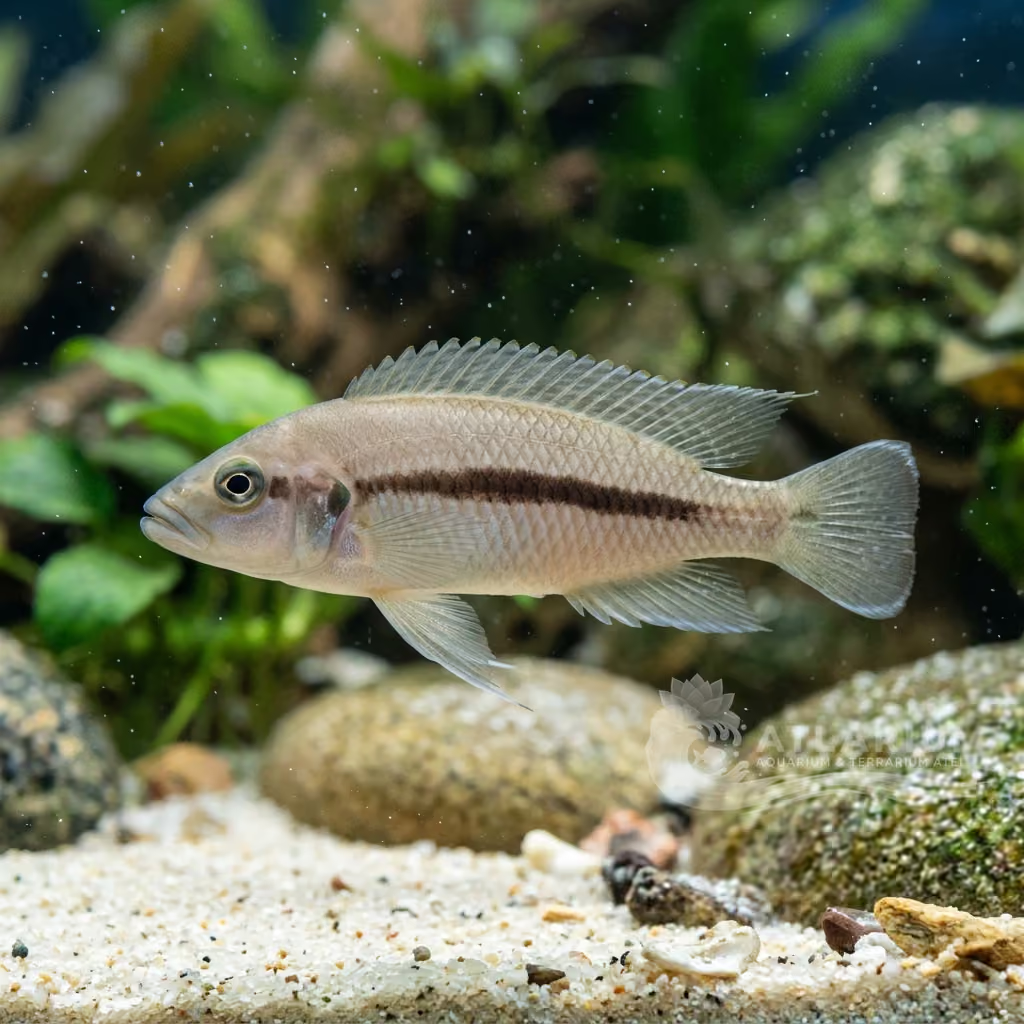
Compatibility and Cohabitation: Very bad with its own kind. In 100 cm (40 inches) you can keep ONLY one (or a tested pair, which could still break up). Excellent for color contrast with Frontosa, Altolamprologus or Julidochromis (since they have different patterns and colors).
Aquarium Breeding: Constrictive. If you want to form a pair, insert 6 very young ones and let them kill/select each other as they grow, until the alpha pair remains (which will lay 150 eggs in a cave).
Risks and Diseases: Food/light fading. The Leleupi easily loses its bright yellow, becoming a "dirty mustard" color if kept on a white bottom with dazzling lights (mimetic factor) or if fed with foods poor in crustaceans.

Origine et répartition géographiques
Lake Tanganyika. Frequents crevices, deep sheer walls and dark rocky caves between 15 and 40 meters deep (dimly lit).
Origine
Afrique et Madagascar

Profil de poisson
- Tempérament
- Semi-aggressive
- They are solitary, aggressive, and incredibly active fish that constantly patrol their established territory. They have little tolerance for other fish invading their space and will aggressively defend their chosen caves. Despite their belligerent nature, their stunning color and active behavior make them a striking addition to a dedicated setup.
- Régime alimentaire
- Omnivore
- They are active micro-predators that forage incessantly among rocks for small invertebrates and crustaceans. In the aquarium, they thrive on high-quality cichlid pellets, krill, and frozen mysis shrimp. Including foods rich in astaxanthin will help enhance and maintain their brilliant yellow coloration.
- Espérance de vie
- 8-10 years
- Taille adulte
- 10 cm
- Ratio des sexes
- Solitary
- They do not form strong, permanent pair bonds and are highly aggressive towards conspecifics. It is best to keep them as a single specimen or allow a pair to form naturally from a group of juveniles. Once a pair is established, all other conspecifics must be removed to avoid fatal conflicts.
- Fréquence d'alimentation
- Twice daily
- Feed them small portions once or twice a day to maintain their high activity levels. They will actively scour the rocks for any uneaten food long after feeding time is over. Avoid overfeeding, as excess food will foul the water and quickly lead to health issues.
- Charge biologique
- Low to Medium
- This slender cichlid produces a moderate bioload that can be easily handled by adequate filtration. Because they require pristine water conditions to maintain their vibrant yellow coloration and health, heavy biological filtration is necessary. Routine water changes are strictly required to keep nitrate levels low.
- Courant
- Stagnant
- They prefer a moderate water current that keeps the aquarium well-oxygenated. Good flow mimics the natural water movement found along the rocky shores of Lake Tanganyika. The flow should not be overly turbulent, allowing them to swim gracefully around their territories.
- Risque de saut
- Yes
- While they typically stay near the bottom among the rocks, they can dart upwards quickly if startled or chased by a more dominant fish. This sudden burst of speed can occasionally result in them jumping out of the tank. A secure lid is strongly advised to prevent such accidents.
- Reproduction
- Oviparous
- They are secretive cave spawners that require tight, narrow crevices to breed successfully. The female lays a small clutch of eggs on the wall or ceiling of the cave, which she then guards fiercely. The male will defend the broader territory around the cave but may eventually turn on the female if the tank is too small.
- Compatibilité et compagnons
- Semi-aggressive
- They are highly aggressive and territorial, typical of solitary rock-dwelling Tanganyikan cichlids. They can be housed with other robust Tanganyikan species if the tank is very large and provides ample rocky hiding places. Never keep them with small, peaceful fish or shell-dwellers, as they will aggressively hunt them.
- Niveau dans le bac
- Middle/Bottom
- They are strongly tied to the bottom and lower levels of the aquarium, rarely venturing far from the rockwork. They spend their days weaving in and out of caves, inspecting every crevice for potential food. A tank with extensive rock formations is absolutely essential for their well-being.

Modèles et paramètres scientifiques
FishBase
Fenêtre sur les données scientifiques officielles de l’espèce
FishBase v25.04Données synchronisées le : 15/06/2026
- Niveau trophique
- 3,6 ± 0,3 se
- Résilience
- Élevée (moins de 15 mois)
- Singularité phylogénétique (PD50)
- 0.5
- Relation bayésienne longueur-poids
- a = 0.01905, b = 3.01
- VulnérabilitéVulnérabilité faible (10 / 100)

Espèces associées
Recommandations regroupées par proches parents, compagnons et soins similaires.