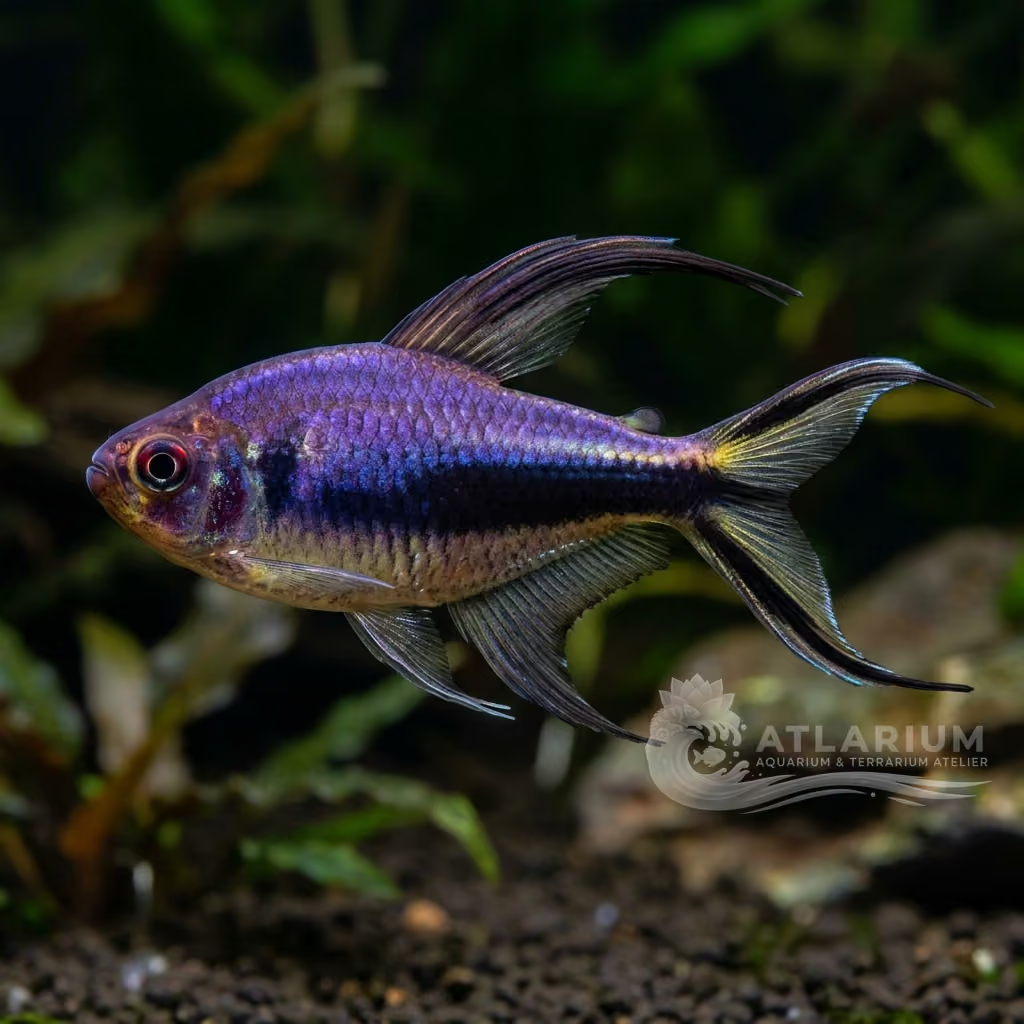
Diptail Pencilfish
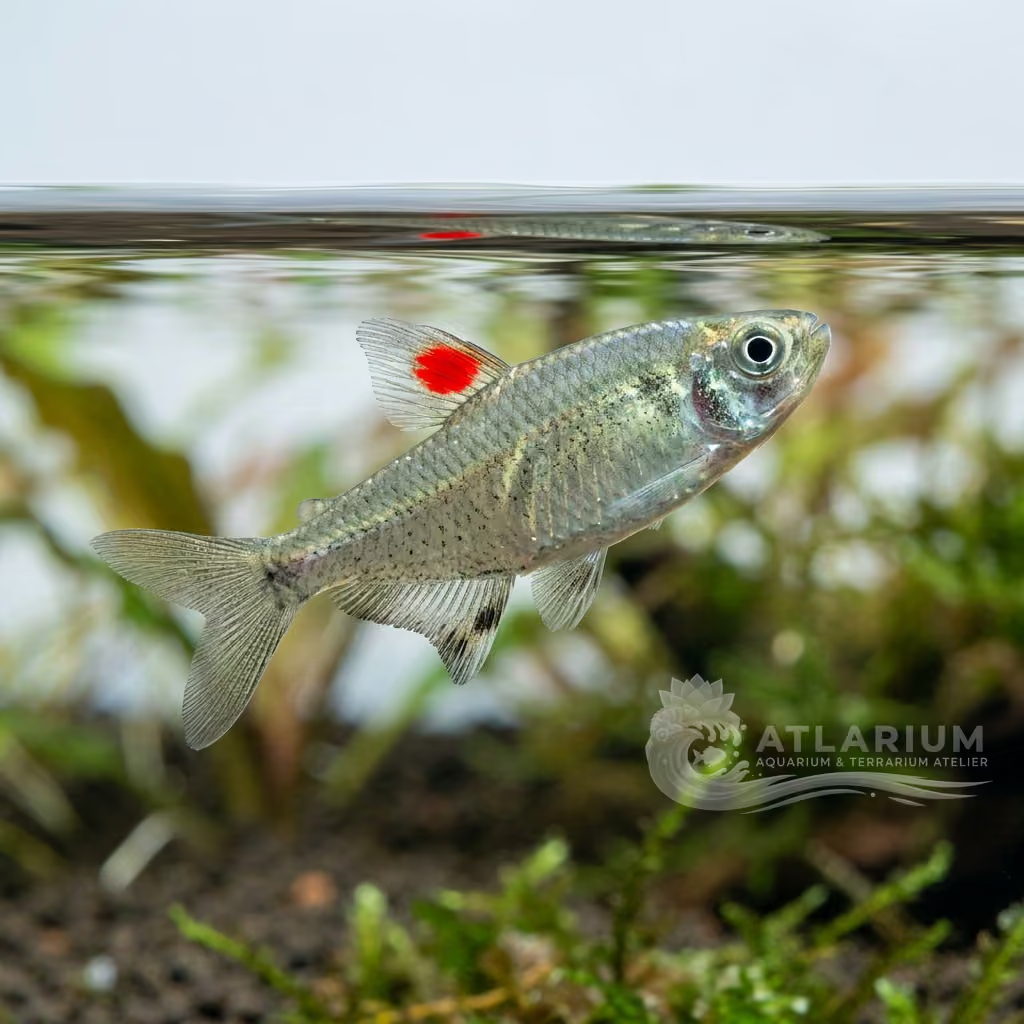
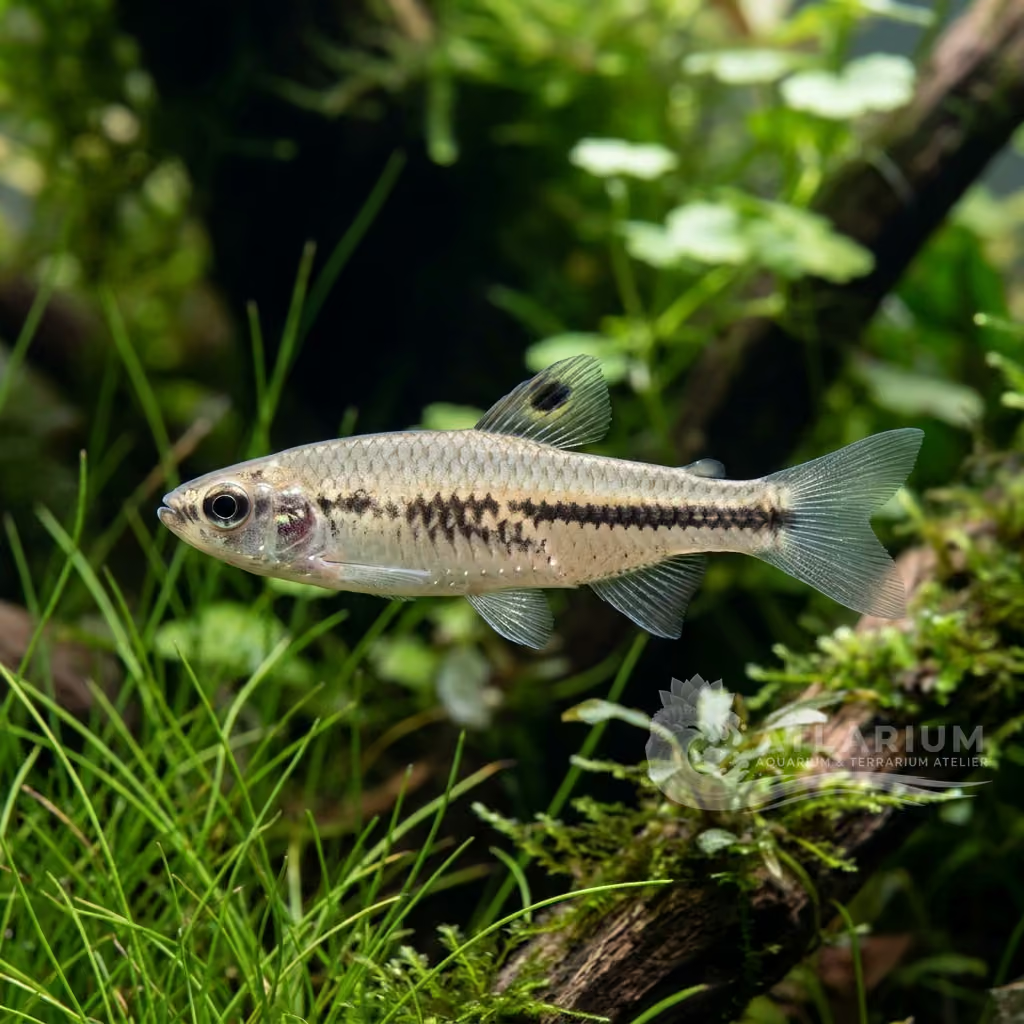
Nannostomus eques
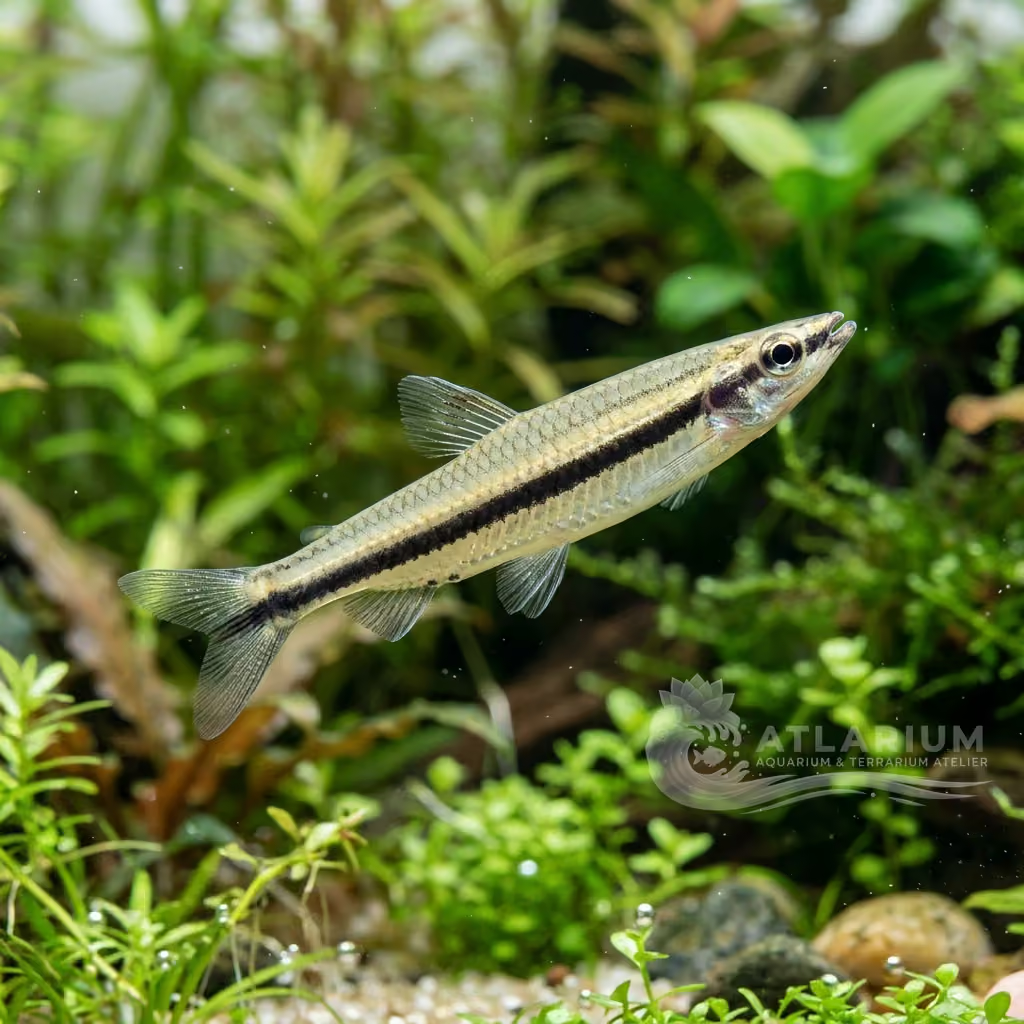
The 'head-up' Pencilfish. Famous for hovering at a 45-degree angle in synchronized schools. An incredibly peaceful, slow-moving fish that will easily starve to death if housed with fast, greedy tankmates.
Température de l’eau
23 - 28 °C
Valeur du pH
5.5 - 7
Type d'eau
Eau douce
Niveau dans le bac
Surface
Taille adulte
5 cm
Volume minimal du bac
>= 60 L
Groupe minimal
>= 6
GH
1 - 10 dGH
KH
1 - 5 dKH
TDS
25 - 200 ppm
Conductivité
39 - 313 uS/cm

Description de l'espèce
Geographical Origin and Habitat: Central Amazon Basin (Brazil, Peru, Colombia). Exclusively populate the surface of swamps ("Igapó") and slow streams (Igarapés), hiding under huge floating carpets (Salvinia, Pistia).
Taxonomy and Morphology: Brown Pencilfish / Diptail (Nannostomus eques). The king of imitation: shape and posture replicate a twig. Superior mouth (to eat from under the surface of the water) and short digestive tract.
Social Behavior: Unmistakable posture: they swim (or rather "hang") inclined at 45 degrees with their snout pointing upwards to the surface. They move in jerks all together (schools of 10+), giving the illusion of debris drifting adrift.
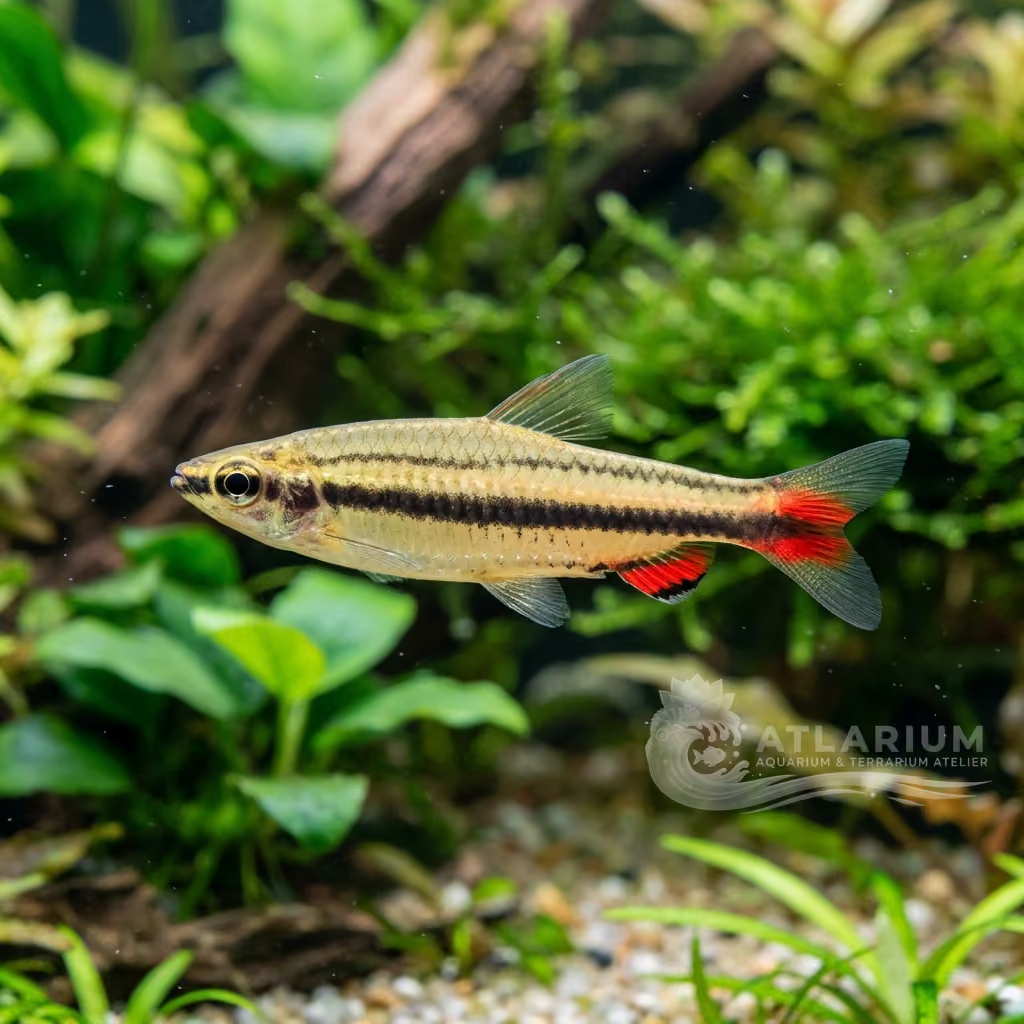
Coloration and Sexual Dimorphism: Woody brownish color on top, with an opaque silvery belly for camouflage against predators from below. At night the dark stripes fade into oblique patches. Males have a much more intense red/brown coloration on the anal fin.

Soins, reproduction et cohabitation
Aquarium Setup: Tank (minimum 80 cm / 32 inches) strictly filled with floating plants and Pistia. If kept under bare light (without floaters) they will perish from stress darting away at the first passage of shadows. No strong surface current or they won't be able to stay in trim (45 degrees).
Diet and Feeding: Specialized surface hunter. They wait motionless for midges or springtails to fall on the water. In the tank they eat Drosophila, pulverized high-end flakes floating, or freeze-dried micro pellets (as long as they don't sink).
Water Quality: Acidic Blackwater. They are extremely prone to parasites if the water is alkaline (Ph > 7.0). The tannins released by the dry leaves on the bottom are indispensable as a natural antibacterial for this wild species.
Compatibility and Cohabitation: Strictly peaceful. They bother no one, but are slow to feed. Excellent with Hatchetfish (Carnegiella), small tetras (Cardinals, Nematobrycon) or Dwarf Cichlids (Apistogramma cacatuoides).
Aquarium Breeding: Curious: they lay sticky eggs UNDER broad floating leaves, turning upside down to attach them (Corydoras style). The larvae will hide among the floating roots of the Pistia requiring rotifers.
Risks and Diseases: Open tank decay. "Diptails" jump instinctively to escape or hunt, but often do so even just if frightened by roommates. Strictly fitting lid with no gaps.

Origine et répartition géographiques
Central Amazon Basin (Brazil, Peru, Colombia). Exclusively populate the surface of swamps ("Igapó") and slow streams (Igarapés), hiding under huge floating carpets (Salvinia, Pistia).
Origine
Amazonie, Orénoque et Guyanes

Profil de poisson
- Tempérament
- Semi-aggressive
- They are timid, peaceful fish that spend their time quietly hovering. They are easily intimidated by boisterous tank mates and require a tranquil environment. In a peaceful species setup, they are incredibly serene and mesmerizing to watch.
- Régime alimentaire
- Omnivore
- They are micro-predators that specialize in feeding on tiny surface-dwelling insects. In the aquarium, they will readily accept floating micro-pellets and crushed flakes. Live foods such as fruit flies and mosquito larvae are highly relished.
- Espérance de vie
- 3-5 years
- Taille adulte
- 5 cm
- Ratio des sexes
- School
- Keeping a balanced group of both sexes encourages natural and fascinating behaviors. Males are slightly slimmer and more colorful, often engaging in harmless displays. A large school provides the best visual impact and social stability.
- Fréquence d'alimentation
- Twice daily
- Feed them small amounts two or three times daily to mimic natural foraging. Because they feed exclusively at the surface, ensure food floats long enough. Careful observation is needed to confirm all individuals are eating.
- Charge biologique
- Low
- The Brown Pencilfish, or Diptail, has a remarkably low bioload impact. Their diminutive size makes them perfect for smaller, densely planted aquariums. Excellent water quality must still be maintained despite their low waste output.
- Courant
- Stagnant
- They require very gentle flow, reflecting their natural still-water swamp habitats. Strong currents will disrupt their unique oblique swimming posture and cause stress. Baffling the filter output is highly recommended to create a calm surface.
- Risque de saut
- Yes
- Given their strict surface-dwelling nature, they pose a very high jump risk. A tight-fitting lid with absolutely no gaps is essential for their safety. Floating plants can help create a natural barrier and reduce jumping tendencies.
- Reproduction
- Oviparous
- Breeding is challenging and requires a dedicated setup with very soft water. They lay their eggs directly on the underside of broad aquatic leaves. Adults must be removed post-spawning as they will quickly consume the eggs.
- Compatibilité et compagnons
- Peaceful
- They are exceptionally peaceful and should only be kept with similarly gentle species. Small tetras, dwarf corydoras, and otocinclus make excellent, harmonious tank mates. Avoid housing them with fast, aggressive feeders that might outcompete them.
- Niveau dans le bac
- Top
- They are obligate surface dwellers that rarely venture deeper into the tank. They are famous for hovering at an oblique, tail-down angle just below the surface. Floating vegetation is crucial to provide them with a sense of security.

Modèles et paramètres scientifiques
FishBase
Fenêtre sur les données scientifiques officielles de l’espèce
FishBase v25.04Données synchronisées le : 15/06/2026
- Niveau trophique
- 3,3 ± 0,4 se
- Résilience
- Moyenne (1,4 - 4,4 ans)
- Singularité phylogénétique (PD50)
- 0.5
- Relation bayésienne longueur-poids
- a = 0.00759, b = 3.13
- VulnérabilitéVulnérabilité faible (10 / 100)

Galerie d'images
Images sous licence liées à l'espèce ou, lorsqu'elles sont indiquées, au taxon représentatif le plus proche.

Espèces associées
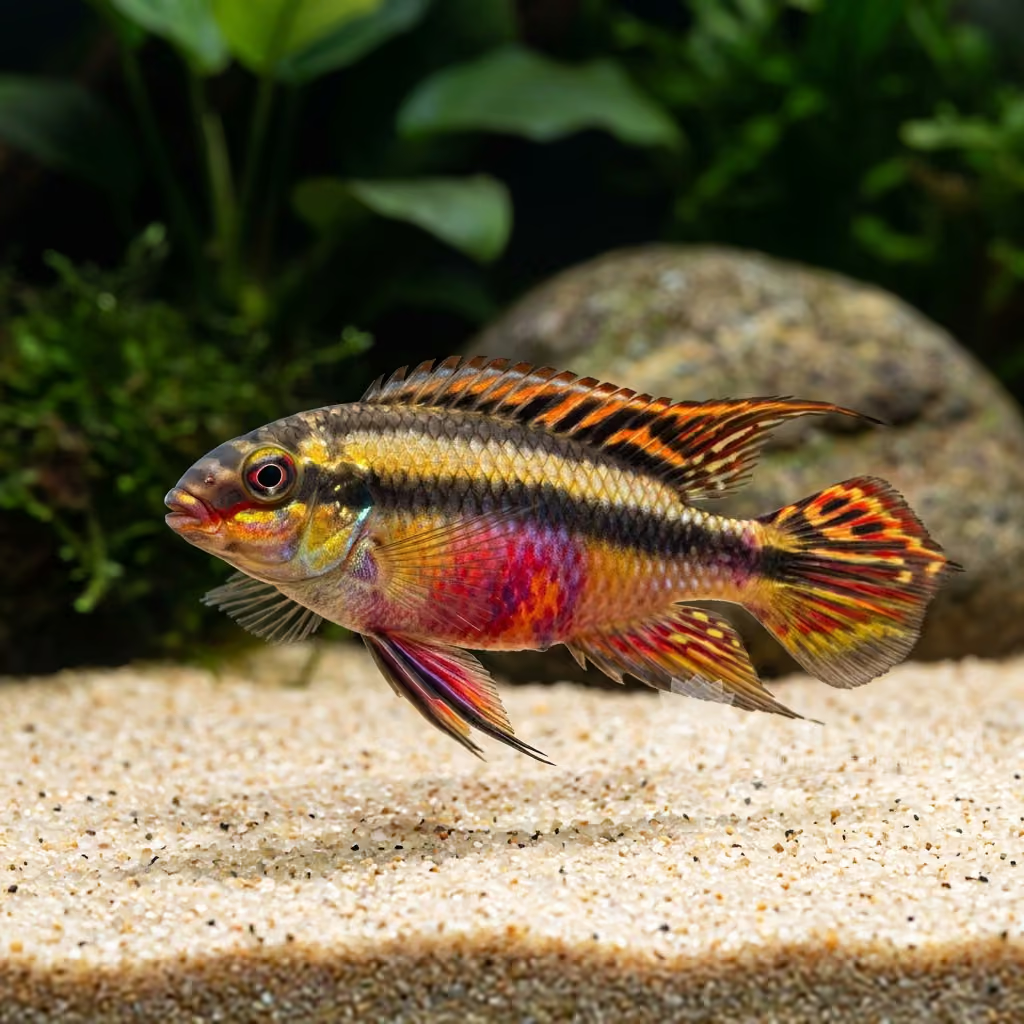
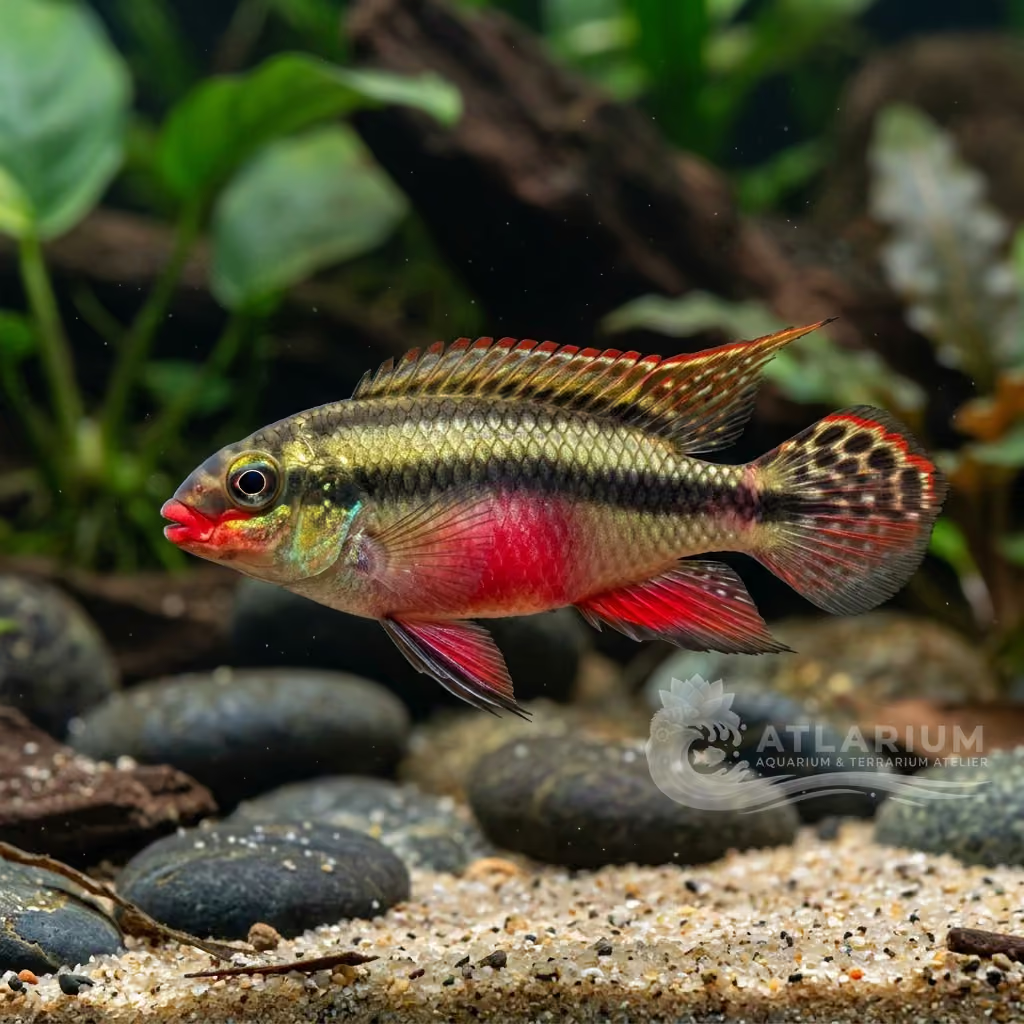
Recommandations regroupées par proches parents, compagnons et soins similaires.