Golden pencilfish
Nannostomus beckfordi
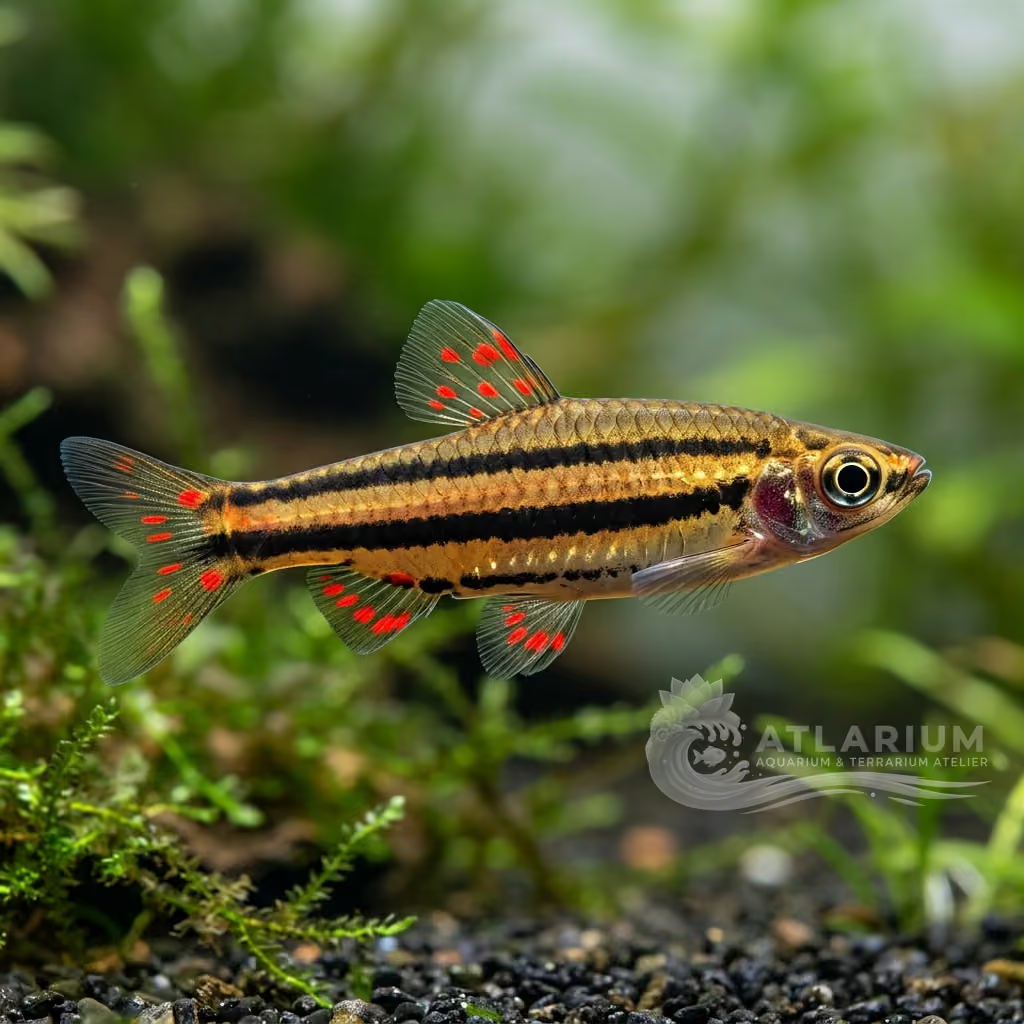
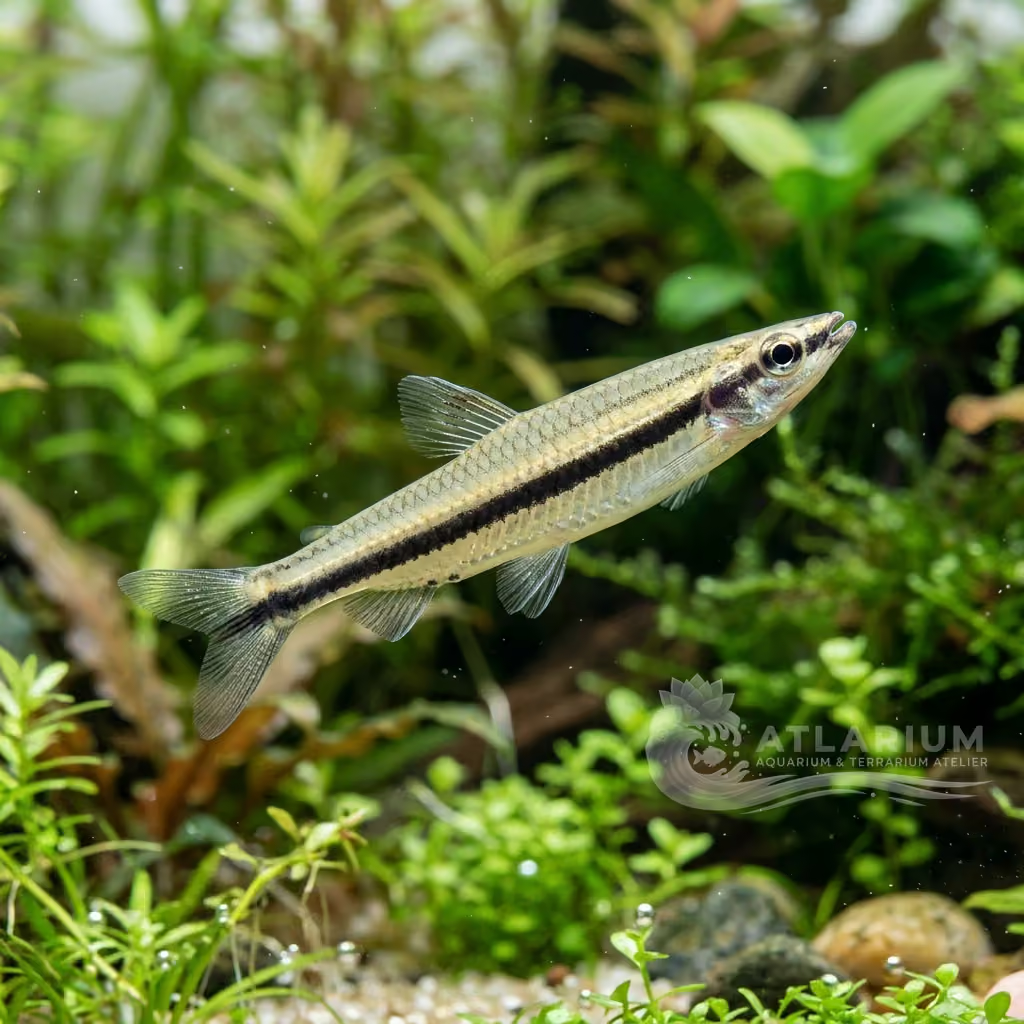
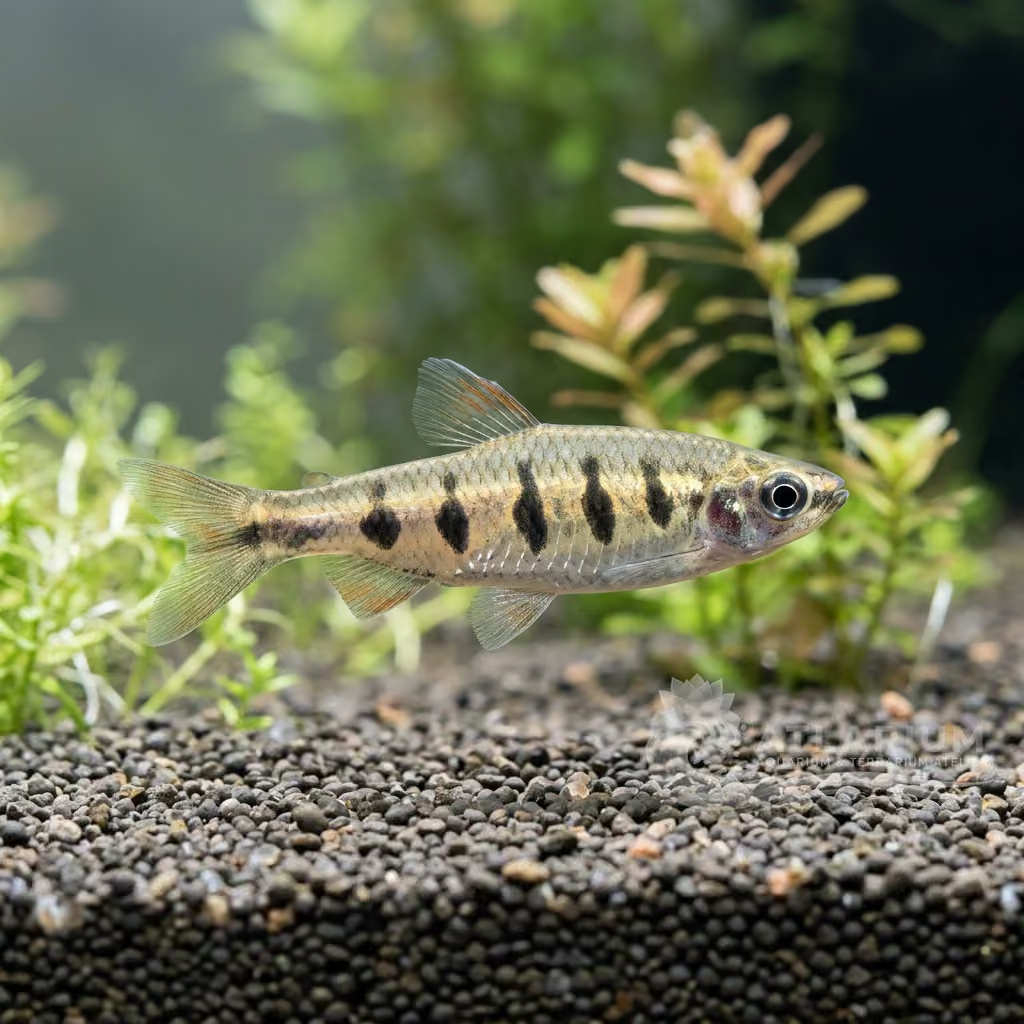
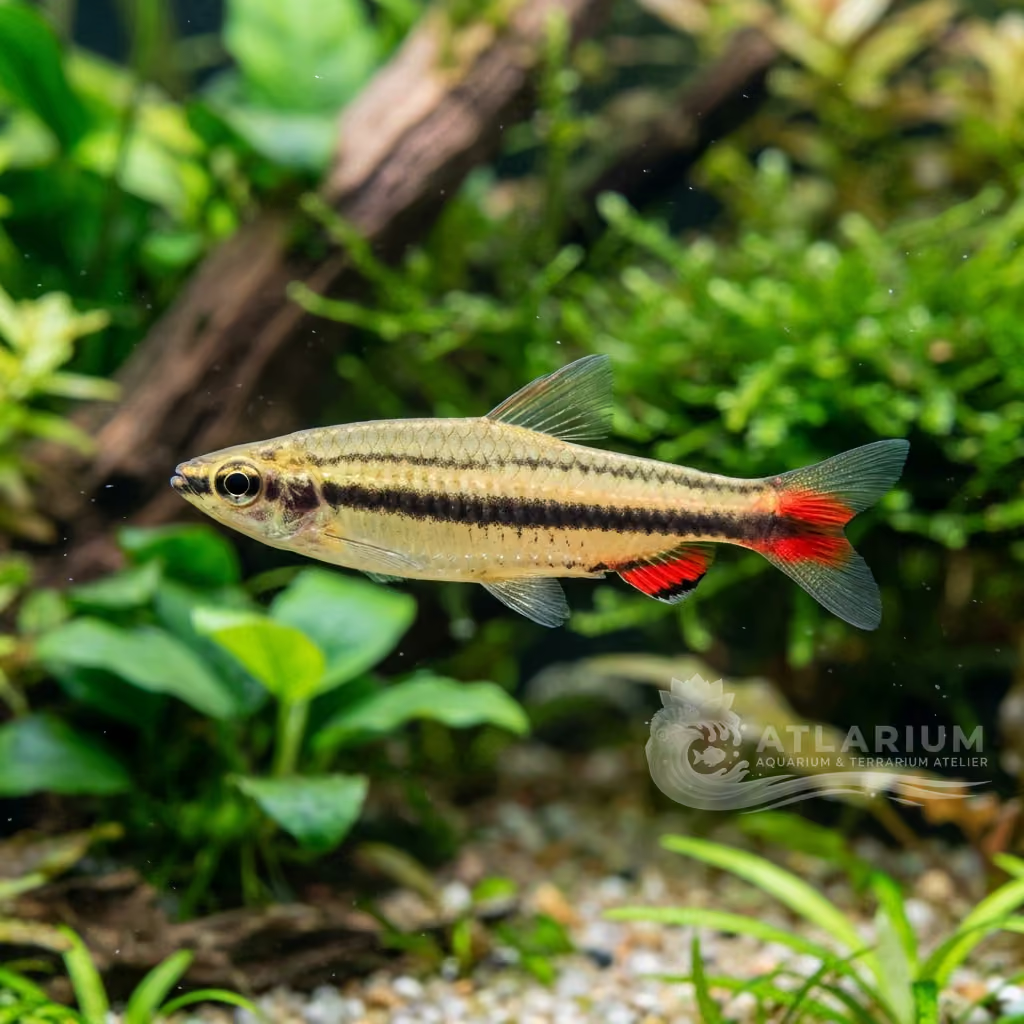
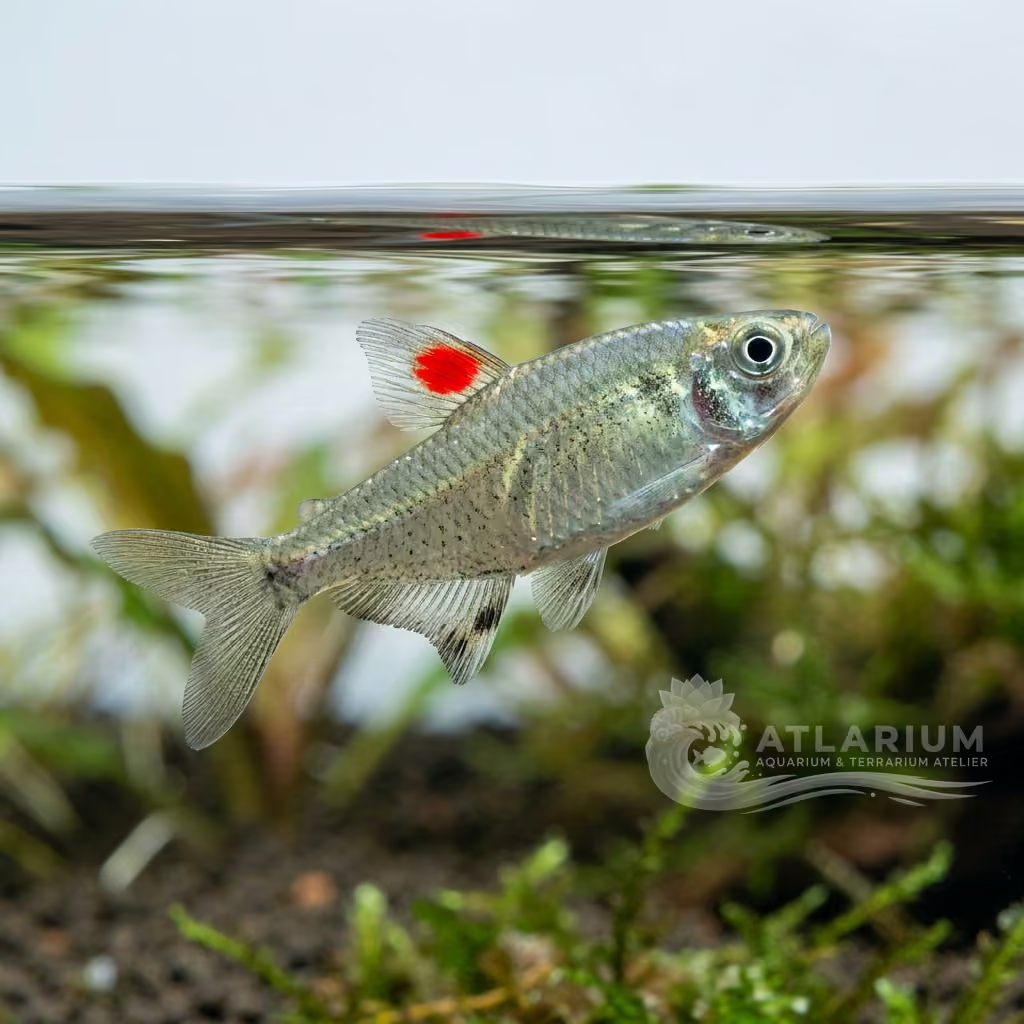
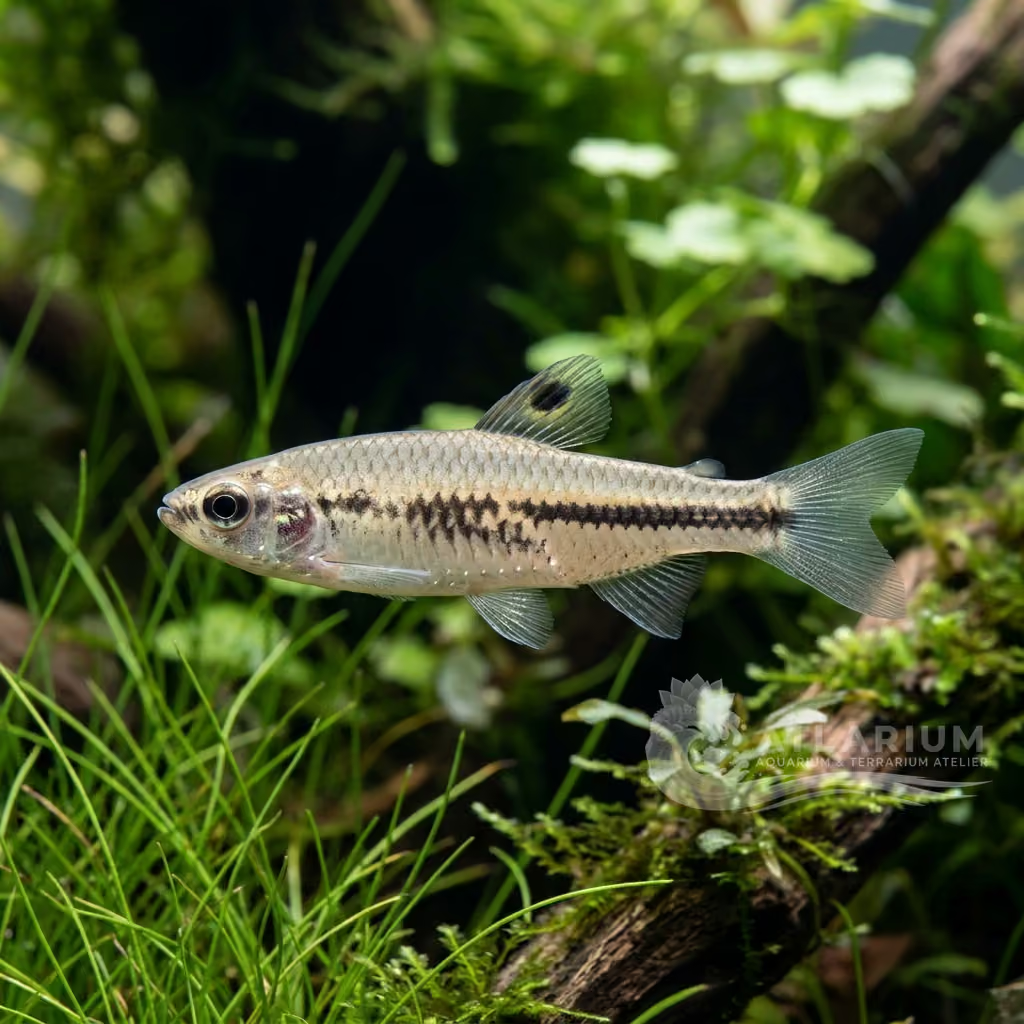
The most widespread and accessible pencilfish: slender, tapered body with a longitudinal black and red band on a golden-amber background — the appearance of a living pencil. Unique Nannostomus trait: the livery changes drastically at night, with dark vertical bars appearing in the dark and disappearing in light. A peaceful, unfussy swimmer that stays in the upper and middle zones with a characteristic oblique swimming posture. In schools of 6–8+ with floating plants and dim lighting, the golden color stands out magnificently. Lid: jumper.
22 - 28 °C
5 - 7.5
Eau douce
Surface et milieu
6 cm
>= 40 L
>= 6
1 - 15 dGH
1 - 7 dKH
25 - 295 ppm
39 - 461 uS/cm

Description de l'espèce

Soins, reproduction et cohabitation

Origine et répartition géographiques
Origine

Profil de poisson
- Tempérament
- Territorial
- They are generally peaceful and active, constantly moving around the aquarium. Male sparring is frequent but usually harmless, consisting mostly of lateral displays. They are confident fish when kept in a proper school.
- Régime alimentaire
- Omnivore
- They are omnivorous micro-predators that accept a wide variety of small foods. High-quality crushed flakes, micro-pellets, and live or frozen daphnia are consumed. Providing a varied diet enhances the vibrant red and gold coloration.
- Espérance de vie
- 3-5 years
- Taille adulte
- 6 cm
- Ratio des sexes
- Specific M:F ratio
- Keeping a ratio of two or three females per male helps disperse aggression. Males will constantly spar and display for dominance in the tank. Having more females ensures that no single fish is overly harassed.
- Fréquence d'alimentation
- Twice daily
- Feeding them one to two times a day with small portions is sufficient. They feed aggressively but have small mouths, requiring appropriately sized food. Ensure they get enough food before faster tank mates consume it.
- Charge biologique
- Low
- The Golden Pencilfish produces a very low bioload ideal for community aquariums. Their small size and efficient digestion mean they contribute minimally to water pollution. A standard, well-maintained filter will easily keep their environment pristine.
- Courant
- Moderate
- They prefer moderate water flow that mimics their natural riverine habitats. Some surface agitation is appreciated, provided there are calm resting areas. Overly turbulent water should be avoided to prevent physical exhaustion.
- Risque de saut
- Yes
- Like many pencilfish, they are prone to jumping when frightened. A secure aquarium lid is highly recommended to prevent accidental losses. Floating plants can also help deter them from breaking the surface.
- Reproduction
- Oviparous
- They are relatively easy to breed, scattering eggs among fine-leaved plants. The parents exhibit no parental care and will actively hunt their own eggs. A dedicated breeding tank with egg-catching mesh is required for survival.
- Compatibilité et compagnons
- Community
- They are peaceful community fish that mix well with tetras and corydoras. They should not be kept with large or aggressive species as tank mates. They do best when kept in schools of at least six individuals.
- Niveau dans le bac
- Top/Middle
- They are active in the upper and middle areas of the tank. They often hover at a slight angle, picking at microscopic food. They rarely feed from the bottom substrate during normal activity.

Modèles et paramètres scientifiques
Fenêtre sur les données scientifiques officielles de l’espèce
- Niveau trophique
- 3,3 ± 0,39 se
- Résilience
- Moyenne (1,4 - 4,4 ans)
- Singularité phylogénétique (PD50)
- 0.5
- Relation bayésienne longueur-poids
- a = 0.00646, b = 3.08
- VulnérabilitéVulnérabilité faible (10 / 100)

Galerie d'images
Images sous licence liées à l'espèce ou, lorsqu'elles sont indiquées, au taxon représentatif le plus proche.

Espèces associées
Recommandations regroupées par proches parents, compagnons et soins similaires.