Short-lined Pyrrhulina
Pyrrhulina brevis
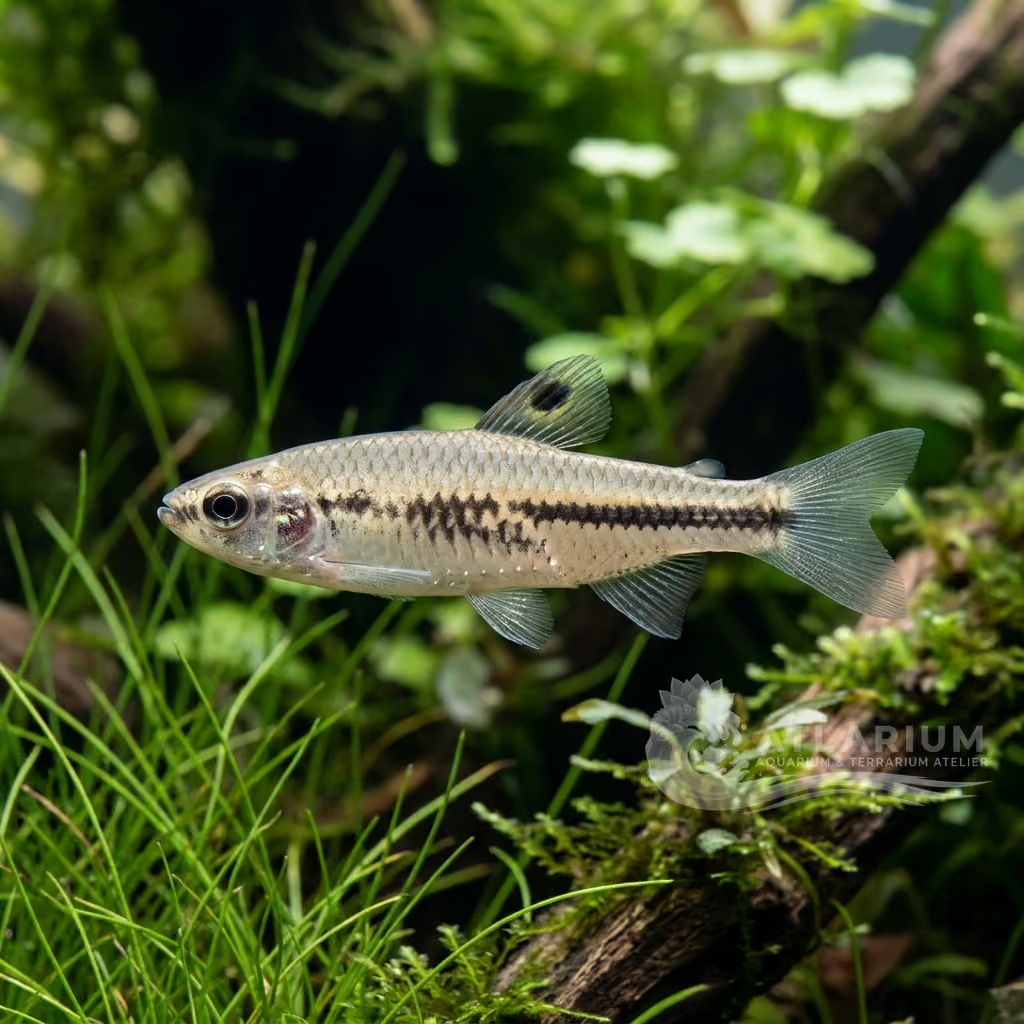
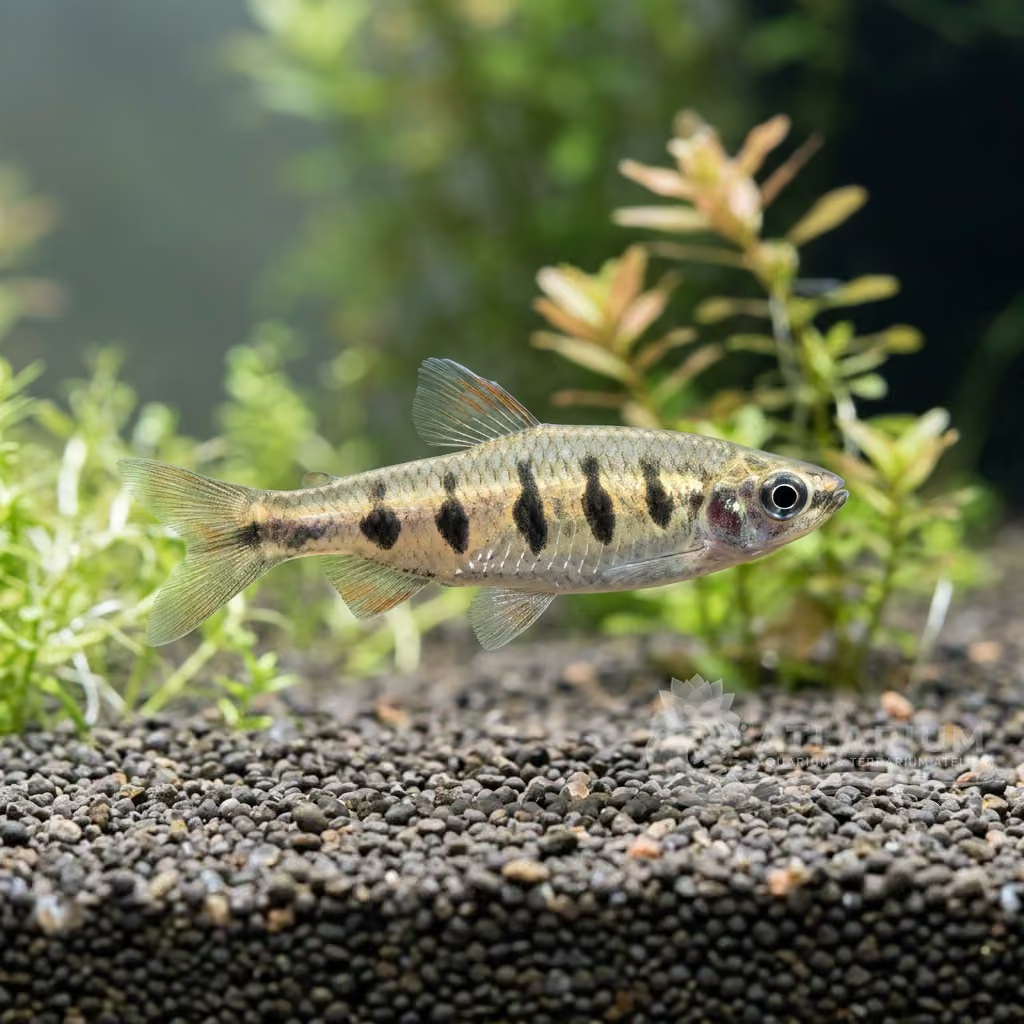
A slender, silvery-golden characin featuring a robust lower jaw adapted for catching surface insects and a distinct faded black lateral stripe.
Température de l’eau
23 - 28 °C
Valeur du pH
5.5 - 7.2
Type d'eau
Eau douce
Niveau dans le bac
Surface
Taille adulte
7 cm
Volume minimal du bac
>= 80 L
Groupe minimal
6 - 8
GH
1 - 12 dGH
KH
2 - 10 dKH
TDS
35 - 280 ppm
Conductivité
55 - 438 uS/cm

Description de l'espèce
Geographical Origin and Habitat: Widely distributed in South America: Amazon, Rio Negro, basins in Colombia and Peru. Prefers black waters, rivers covered by the forest canopy, small tributaries with weak currents and inlets rich in marginal vegetation.
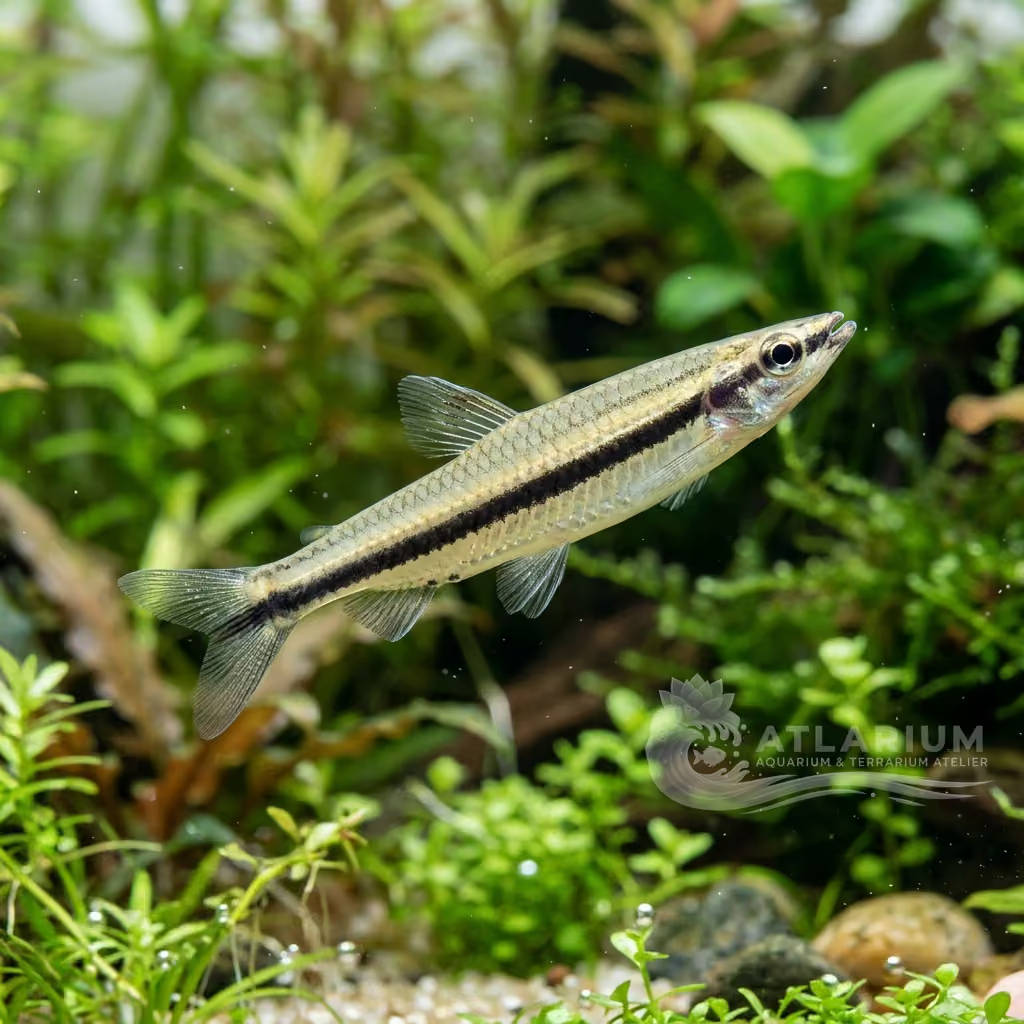
Taxonomy and Morphology: Short-lined Pyrrhulina (Pyrrhulina brevis). Belonging to the Lebiasinidae family. Corpulent but slender; like all Pyrrhulina it is distinguished from its Nannostomus cousins by the absence of an adipose fin and a more elongated and oblique snout.
Social Behavior: Peaceful surface fish but not necessarily gregarious. Males establish small mobile territories under floating leaves, defending them with rapid displays with spread fins. A group of 6-8 specimens disperses intraspecific aggressiveness.
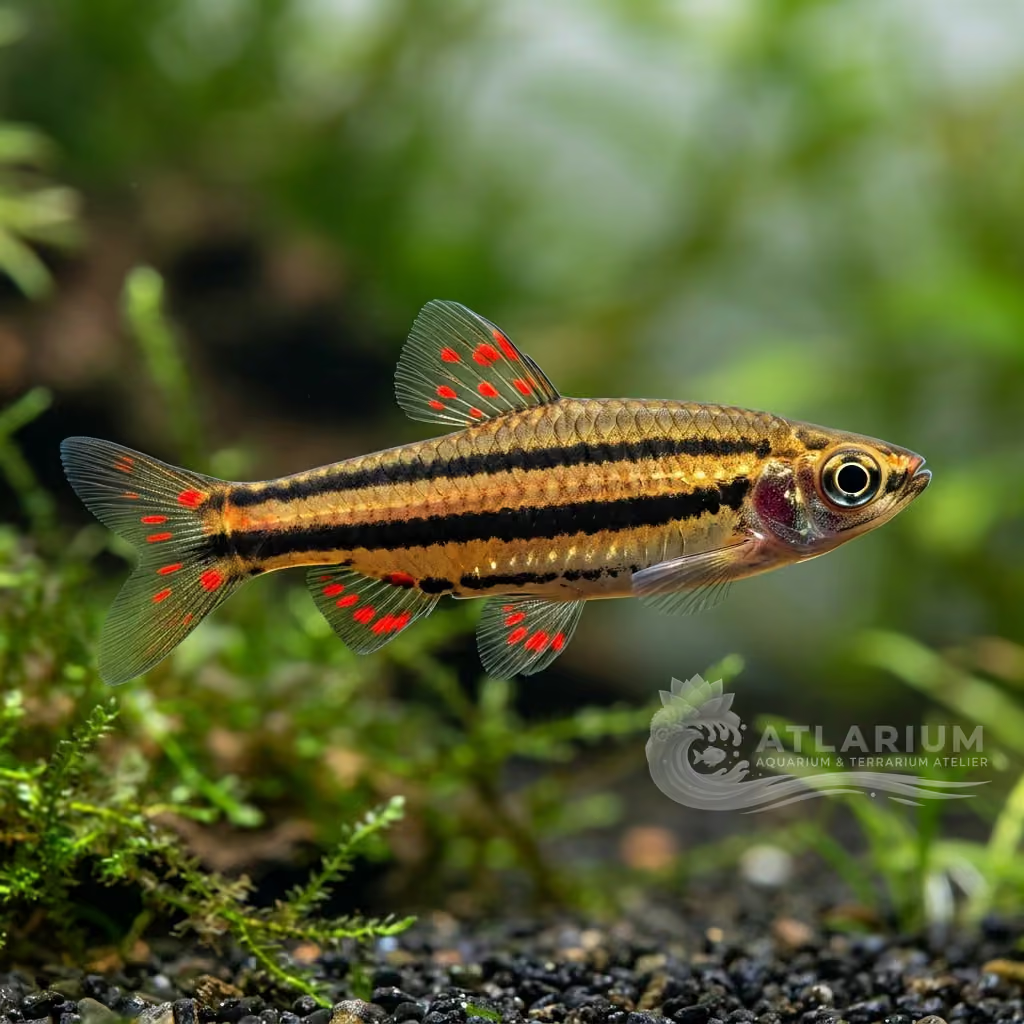
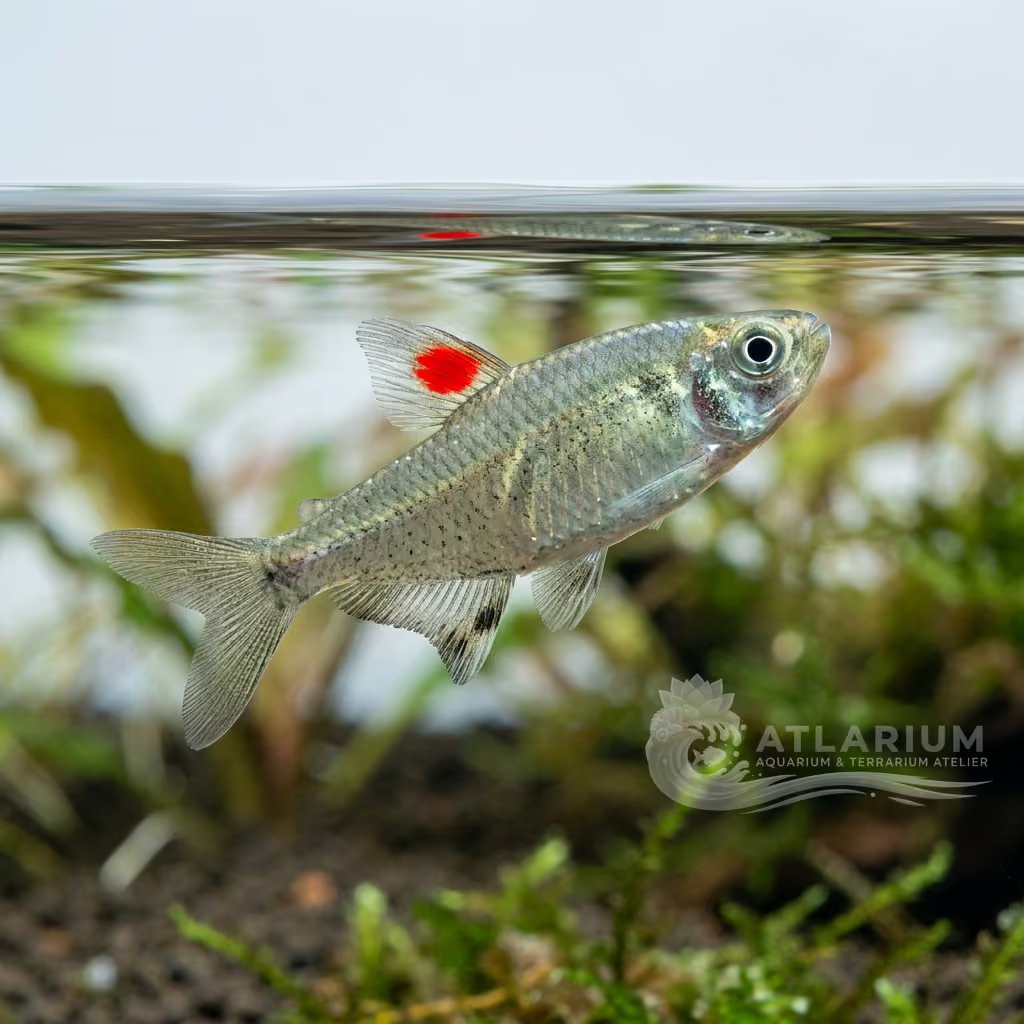
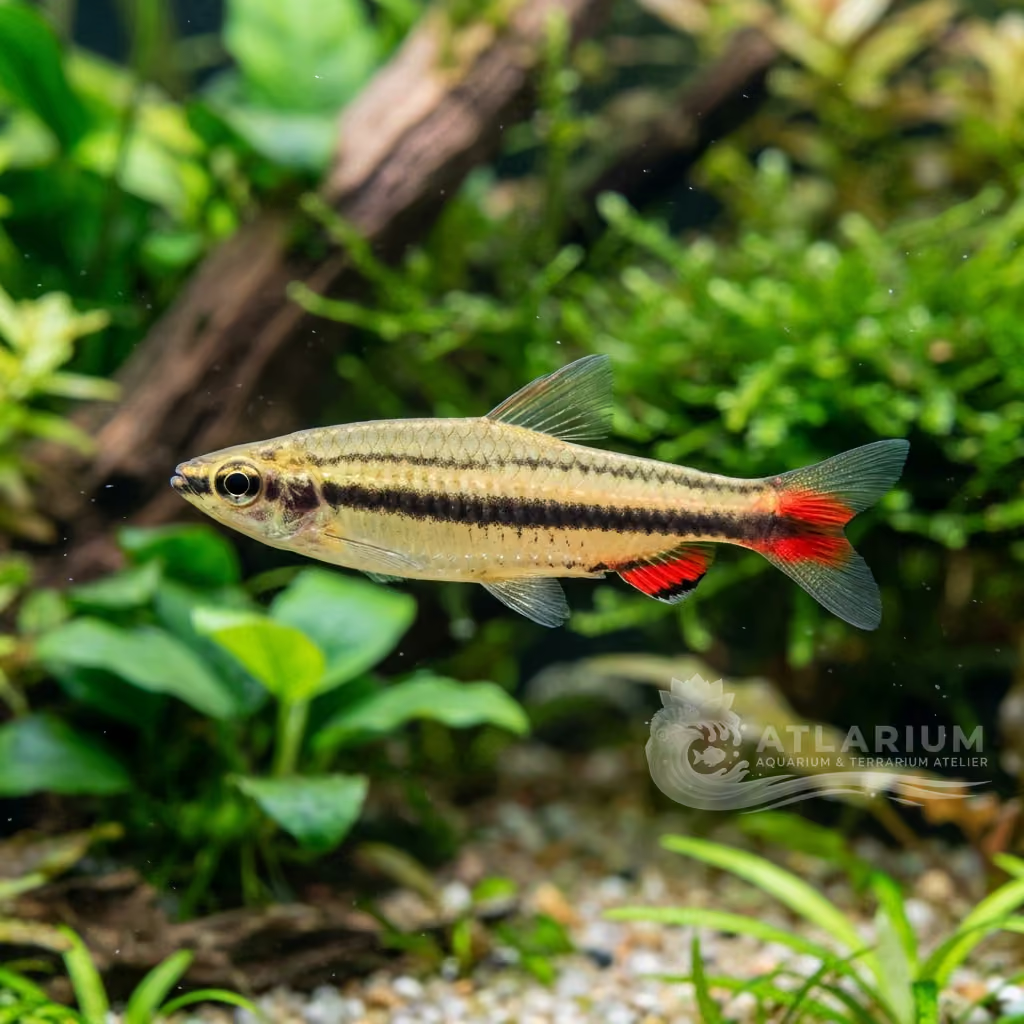
Coloration and Sexual Dimorphism: "Sober" livery: beige/silvery body crossed by a short (brevis) but thick black line (zigzag shaped or fragmented) on the flank. The male boasts a developed dorsal fin, often decorated with a clear dark spot and orange/red nuances on the pelvic ones.

Soins, reproduction et cohabitation
Aquarium Setup: 80 cm (32 inches) forest tank. Mandatory use of a thick layer of floating plants (Limnobium, Pistia) and broad-leaved plants that reach the surface. Extremely calm water flow; dark bottom.
Diet and Feeding: Insectivorous micro-predator. Hunts invertebrates fallen into the water or surfacing larvae. Easily accepts minute dry flakes, but explodes in health and color if fed regularly with Drosophila (fruit flies), bloodworms, daphnia or vinegar eels.
Water Quality: Amber water or "Blackwater" strongly recommended. Acidic pH (5.5-7.2) and low levels of pollutants (nitrates close to zero) to avoid fin clamping and lethal apathy.
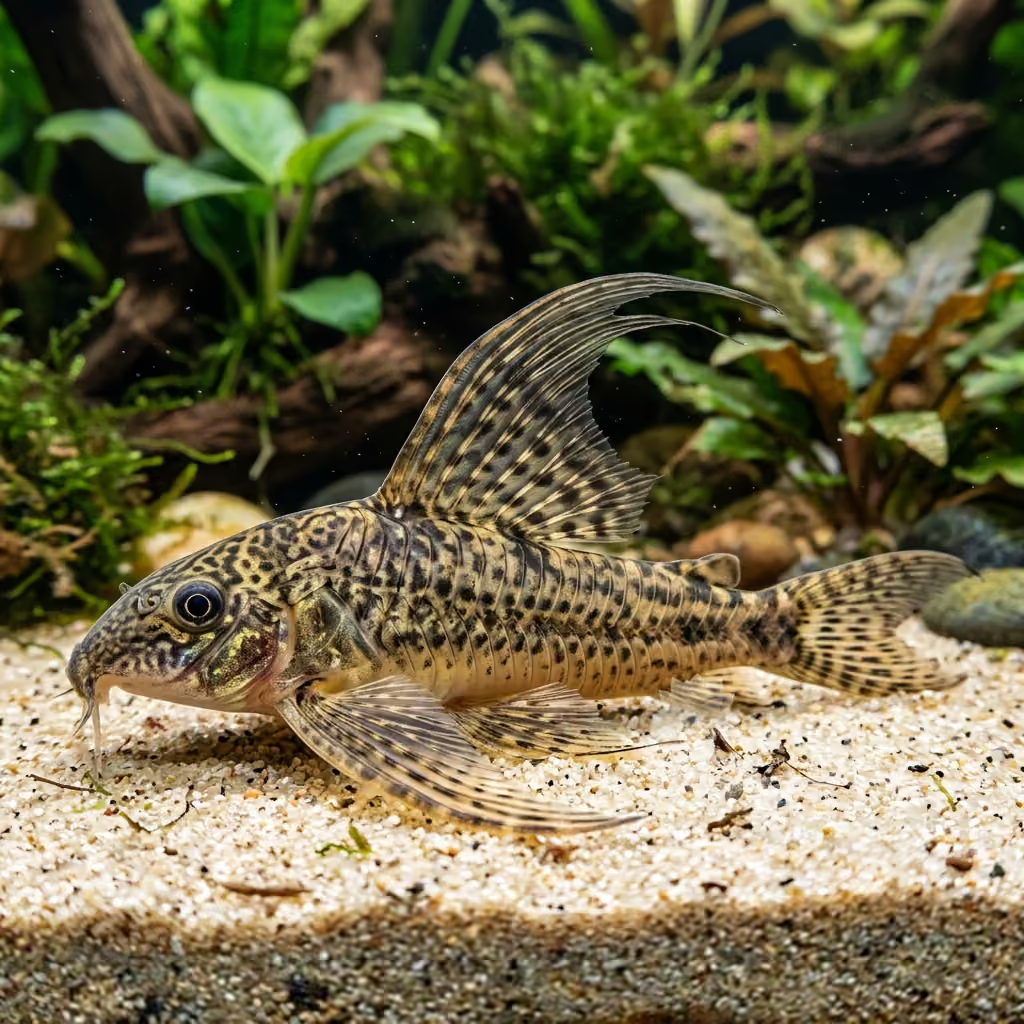
Compatibility and Cohabitation: Ideal companion for "softwater" biotopes: Dwarf Cichlids (Apistogramma), small loricariids, Corydoras and calm tetras swimming in mid-tank (e.g. Paracheirodon, Hemigrammus). They do not compete for bottom food.
Aquarium Breeding: Very interesting: the male vigorously cleans the upper or lower side of a submerged broad leaf (not out of the water like its cousin Copella arnoldi). After fertilization, he chases the female away and tirelessly guards the brood.
Risks and Diseases: Exceptional jumpers (lid or glass cover mandatory). Suffers terribly in bare tanks without floating refuges, wasting away from chronic stress in a few months.

Origine et répartition géographiques
Widely distributed in South America: Amazon, Rio Negro, basins in Colombia and Peru. Prefers black waters, rivers covered by the forest canopy, small tributaries with weak currents and inlets rich in marginal vegetation.
Origine
Cosmopolite ou introduitAmazonie, Orénoque et GuyanesOcéans tropicaux et récifs

Profil de poisson
- Tempérament
- Semi-aggressive
- They have a peaceful but somewhat timid temperament. Once acclimated, they become active and engaging to watch. They are completely harmless to other peaceful species.
- Régime alimentaire
- Carnivore
- In the wild, they are micro-predators feeding on small insects. They easily accept high-quality flake and micro-pellet foods in captivity. Supplementing with live or frozen foods enhances their coloration.
- Espérance de vie
- 3-5 years
- Taille adulte
- 7 cm
- Ratio des sexes
- Flexible
- Keeping one male with two or three females is best. This reduces any potential harassment from the males. Providing plenty of hiding spots also helps maintain harmony.
- Fréquence d'alimentation
- Twice daily
- Feeding small amounts two to three times daily is optimal. This schedule closely mimics their natural foraging behavior. Make sure all food is consumed quickly to avoid spoiling the water.
- Charge biologique
- Low to Medium
- This species produces a minimal bioload compared to larger fish. Their small size means waste accumulation is generally slow. Standard filtration and routine maintenance easily keep the water clean.
- Courant
- Stagnant
- They inhabit sluggish waters and prefer gentle filtration. Strong currents can easily exhaust these small fish. A sponge filter or baffled output provides the perfect environment.
- Risque de saut
- Yes
- These fish are known to jump when startled. A tight-fitting aquarium lid is absolutely essential. Floating plants can also help make them feel more secure.
- Reproduction
- Oviparous
- They breed by laying eggs on broad leaves near the surface. The male actively guards the eggs until they hatch. A separate breeding tank is recommended for fry survival.
- Compatibilité et compagnons
- Peaceful
- They are peaceful and do well in community aquariums. Small tetras and peaceful bottom-dwellers make ideal tank mates. Avoid keeping them with large or aggressive species that might bully them.
- Niveau dans le bac
- Top
- They predominantly swim in the upper and middle levels. Floating vegetation encourages their natural surface-dwelling behaviors. They rarely venture to the bottom substrate.

Modèles et paramètres scientifiques
FishBase
Fenêtre sur les données scientifiques officielles de l’espèce
FishBase v25.04Données synchronisées le : 15/06/2026
- Niveau trophique
- 3,3 ± 0,4 se
- Singularité phylogénétique (PD50)
- 0.5
- Relation bayésienne longueur-poids
- a = 0.00646, b = 3.13
- VulnérabilitéVulnérabilité faible (10 / 100)

Espèces associées
Recommandations regroupées par proches parents, compagnons et soins similaires.