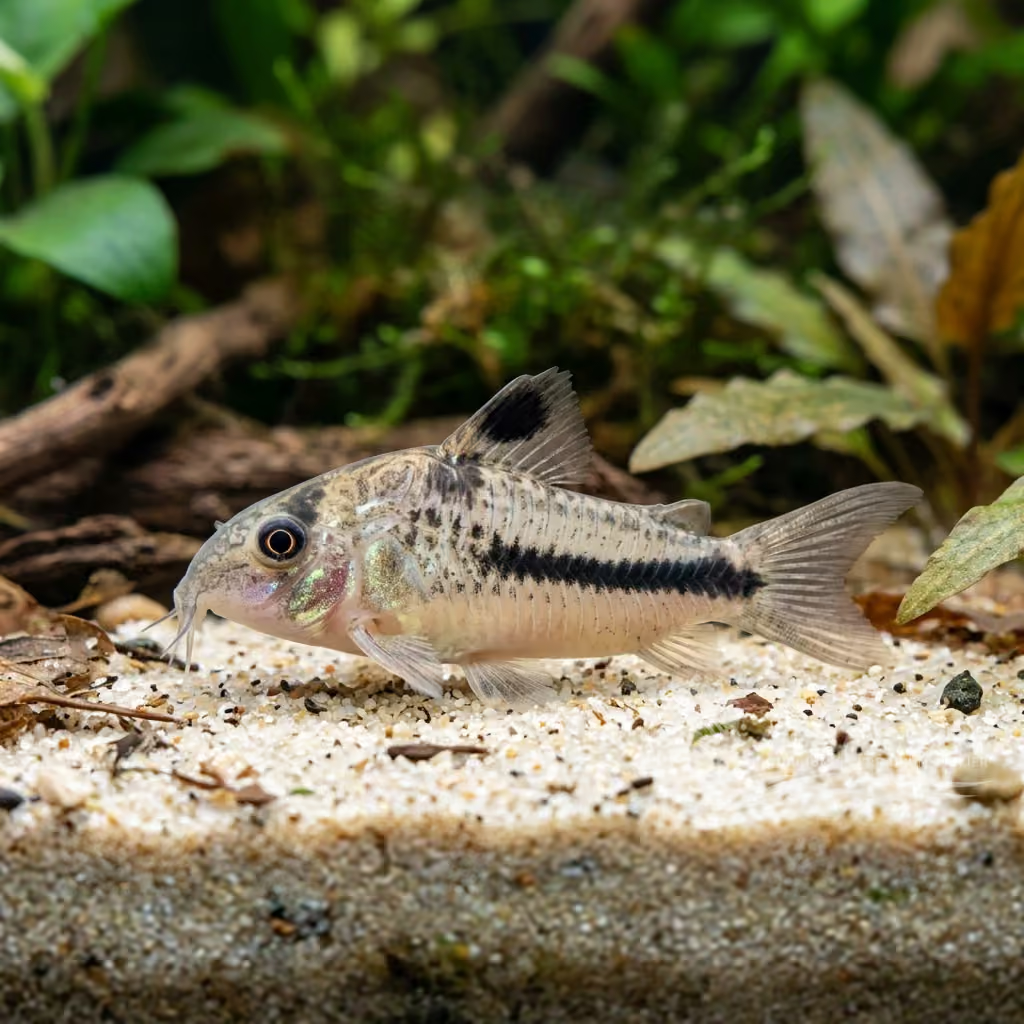
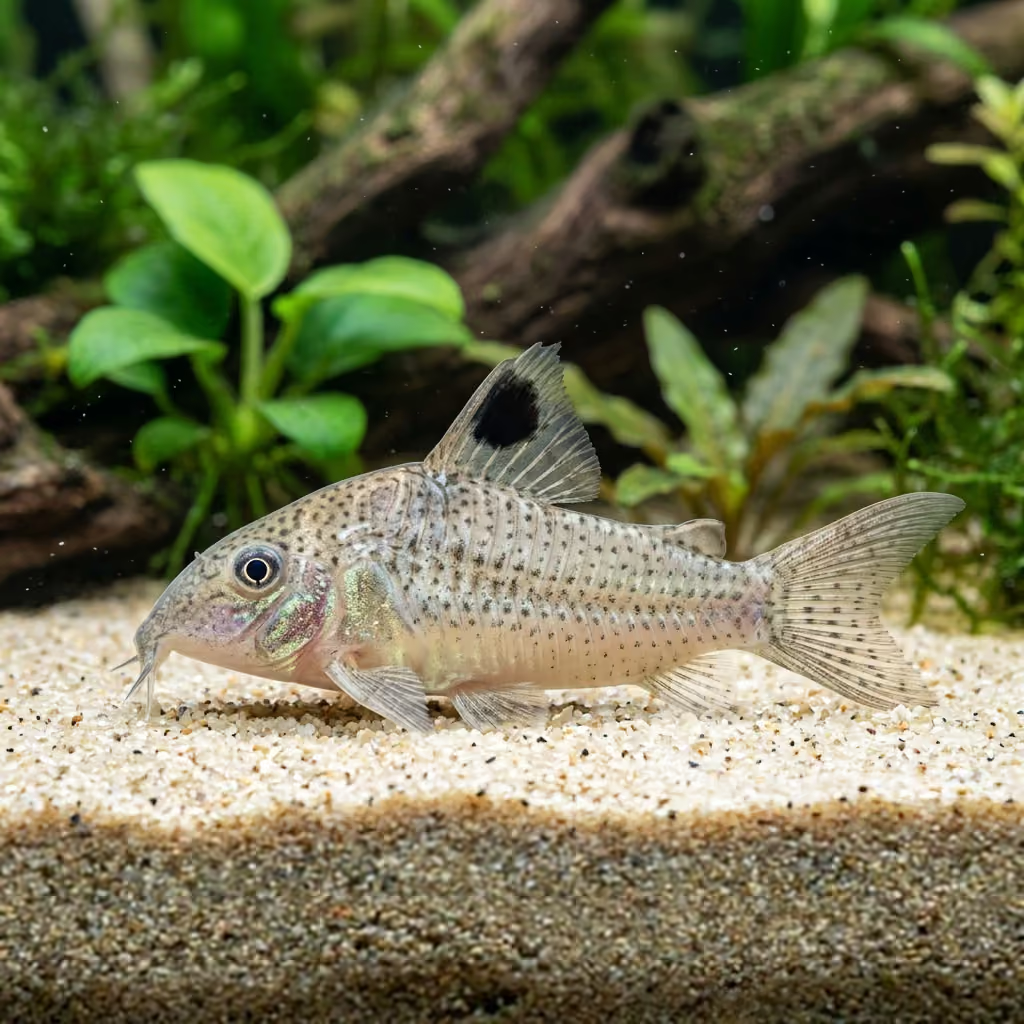
Macropterus Cory
Scleromystax macropterus
Very rare species. Adult males develop disproportionately long and flowing dorsal and pectoral fins (macropterus = large fins), which they exhibit in vigorous bloodless territorial fights.
Température de l’eau
18 - 23 °C
Valeur du pH
6 - 7.2
Type d'eau
Eau douce
Niveau dans le bac
Fond
Taille adulte
8,5 cm
Volume minimal du bac
>= 100 L
Groupe minimal
>= 6
GH
2 - 12 dGH
KH
3 - 10 dKH
TDS
60 - 280 ppm
Conductivité
94 - 438 uS/cm

Description de l'espèce
Geographical Origin and Habitat: Sub-tropical species endemic to the southern Atlantic coastal basins in Brazil. Populates hilly rivers characterized by rapid currents, light pebbly bottoms, and very clear waters lashed by very cold temperate winds in winter.
Taxonomy and Morphology: Majestic siluriform separated from the Corydoras genus due to morphological divergences. "Macropterus" designates the absurd and gigantic "mantle" development of the male dorsal and pectoral fins. Very robust species that touches 8.5 - 9 cm (3.3-3.5 inches).
Social Behavior: Discreet territoriality among dominant males combined with the intrinsic need for a school: set up tanks for schools of 6-8 individuals. Less frantic in continuous rooting compared to Corydoras; prouder, more isolated, and meditated swimming.
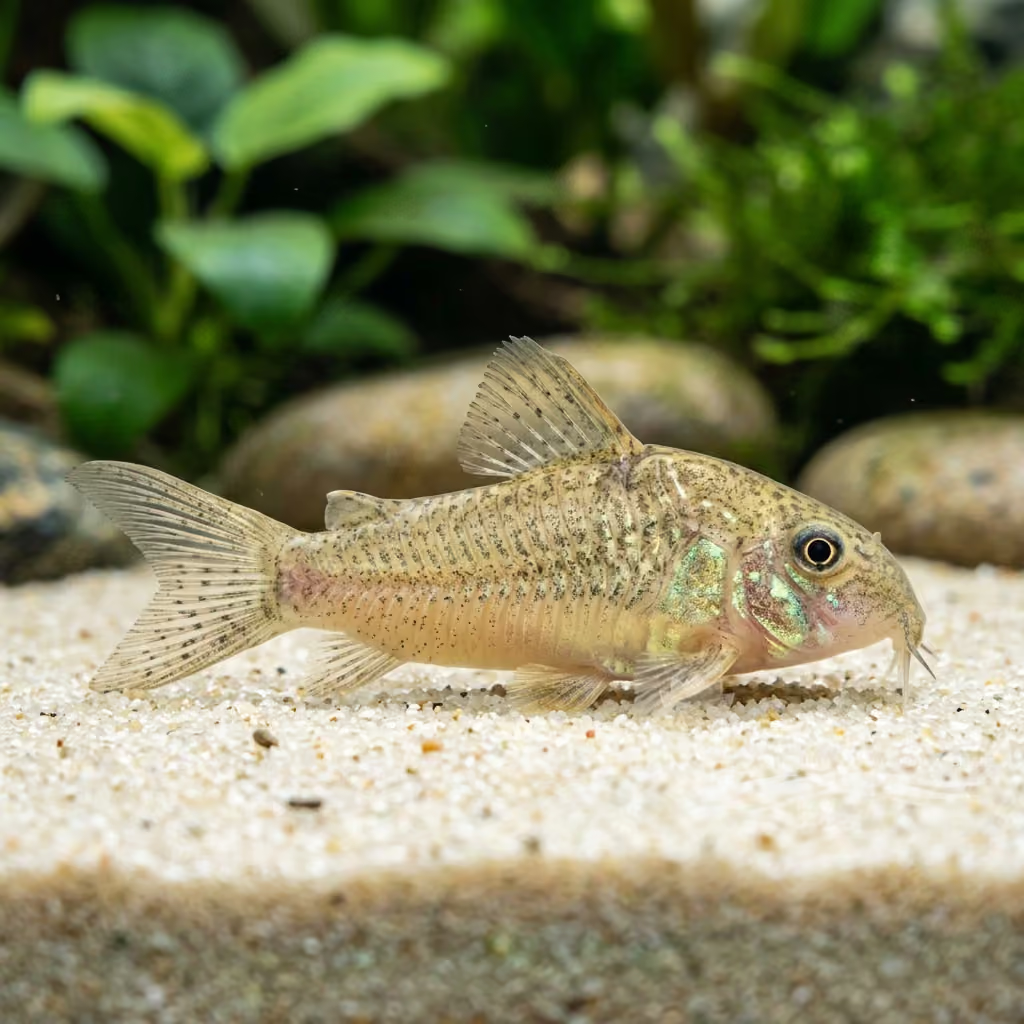
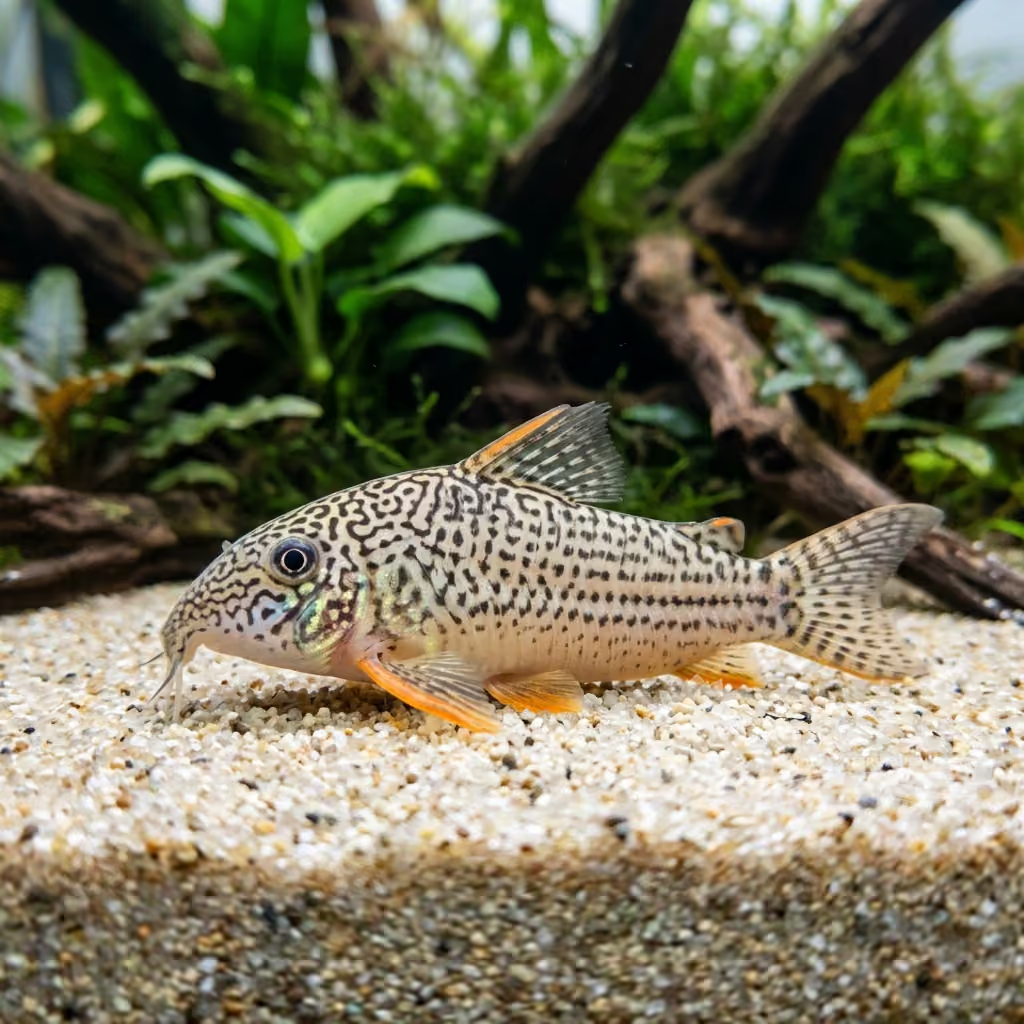
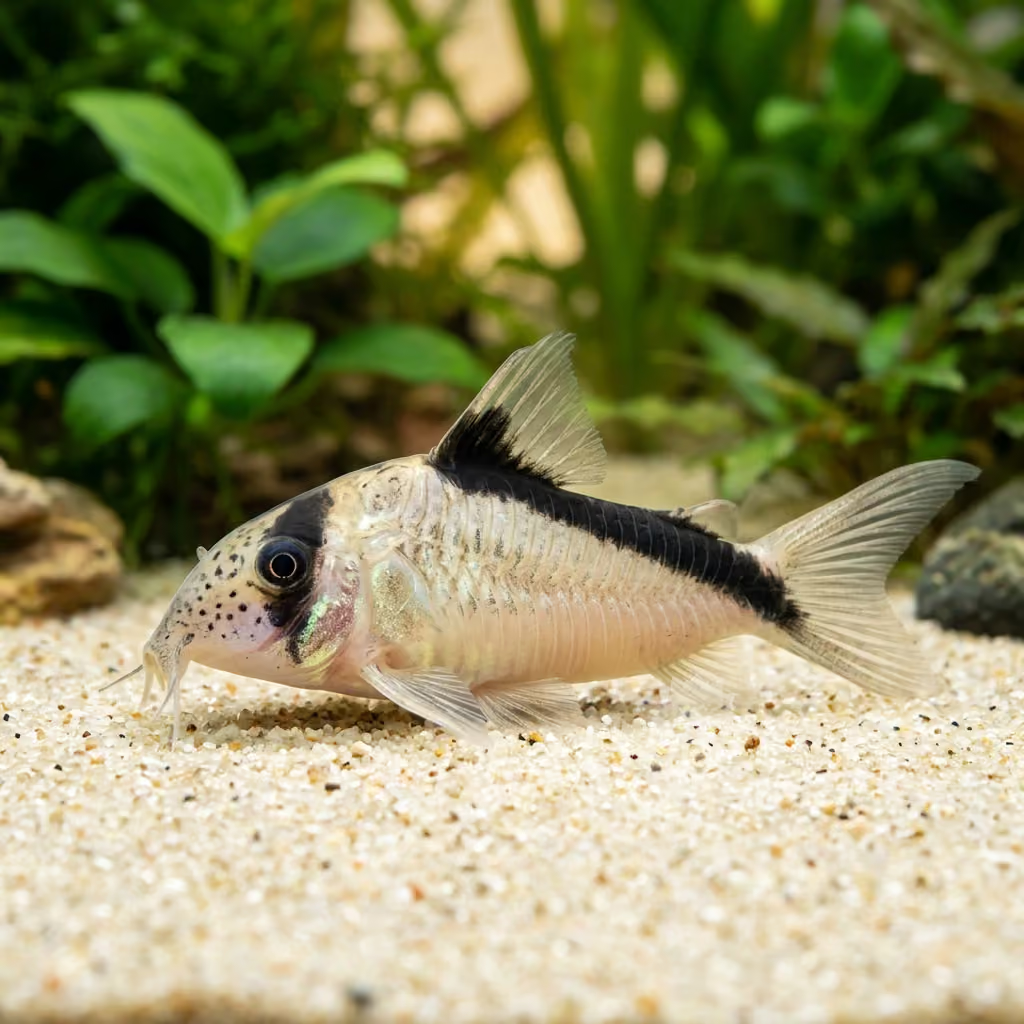
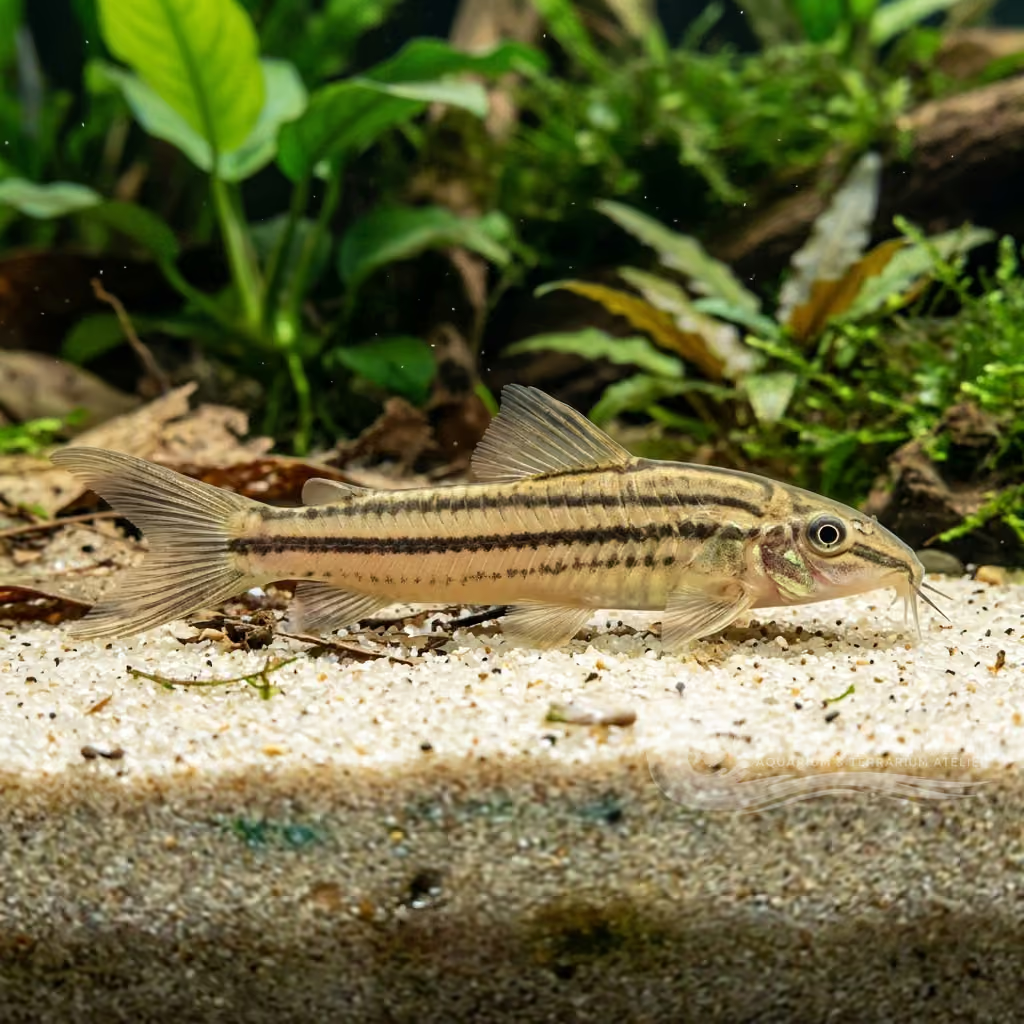
Coloration and Sexual Dimorphism: Stunning sexual dimorphism. Breathtaking male, with a dark brown livery crossed by a bright yellow-gold ribbon, with an immense dorsal fin that touches the caudal and opercular "beard". The female is stocky, modestly spotted, and with very short fins.

Soins, reproduction et cohabitation
Aquarium Setup: Spacious tanks for adult males, set up to simulate the sub-tropical stream: mixed fine sand/rounded river pebbles, massive smooth stones covered by a lively and prolonged current (essential movement pumps to emulate the habitat).
Diet and Feeding: Grain size and volumes must fulfill its great carnivorous-omnivorous needs: robust compressed tablets (bottom wafers) must stably alternate with generous protein injections of giant bloodworms, shelled shrimp, and mysis.
Water Quality: THE FISH DIES IF HOUSED AT CLASSIC TROPICAL TEMPERATURES. The water must NEVER exceed 23-24°C (73-75°F), preferring cold winter bands between 18-22°C (64-72°F). Requires monstrous oxygenation. Slightly acidic or neutral pH (6.0 - 7.2) and mild GH (2-12).
Compatibility and Cohabitation: Excellent for tanks dedicated to Hillstream loaches and subtropical species of moving water, or Danios and White Cloud Mountain Minnows. Lethal and incompatible insertion in warm discus tanks, or with Asian Loaches that would nibble its fabulous nuptial drapes.
Aquarium Breeding: Males exhibit bloody dominance rituals by opening their fleshy lobes (beard). The female attaches a few dozen large leathery eggs in turbulent corners on plastic surfaces or smooth stones. Move the parents or the eggs given the unstoppable gluttony.
Risks and Diseases: If the aquarium travels at a constant 26°C (79°F), the fish is subject to lightning-fast immunological decline and unstoppable bacterial breakouts. The wear on the barbels on sharp bottoms is deadly; hypersensitive to Copper and Malachite green.

Origine et répartition géographiques
Sub-tropical species endemic to the southern Atlantic coastal basins in Brazil. Populates hilly rivers characterized by rapid currents, light pebbly bottoms, and very clear waters lashed by very cold temperate winds in winter.
Origine
Océans tropicaux et récifsAmérique du Sud hors Amazonie

Profil de poisson
- Tempérament
- Semi-aggressive
- They are gregarious, peaceful, and somewhat shy when kept singly. They gain confidence when kept in groups of at least six individuals. Providing dim lighting and plenty of cover helps them feel secure and encourages natural behaviors.
- Régime alimentaire
- Omnivore
- Their diet consists of sinking omnivore preparations and meaty foods. They eagerly consume sinking pellets, algae wafers, and frozen or live bloodworms and daphnia. Providing a varied diet is crucial for conditioning them for breeding.
- Espérance de vie
- 8-10 years
- Taille adulte
- 8.5 cm
- Ratio des sexes
- Group
- A ratio of multiple males per female is often recommended to encourage successful spawning. Males can develop striking elongated fins and may display to one another without causing harm. Keeping them in groups of six or more provides the best social dynamic.
- Fréquence d'alimentation
- Twice daily
- Feeding them one to two times daily is sufficient for their nutritional needs. Ensure that other tank mates do not consume all the food before it reaches the bottom. Uneaten food should be removed promptly to maintain pristine water conditions.
- Charge biologique
- Low to Medium
- The bioload produced by this fish is considered light to moderate. As a smaller bottom-dwelling species, they do not generate excessive waste. Standard biological filtration combined with routine maintenance easily handles their output.
- Courant
- Stagnant
- They enjoy moderate to moderately strong water currents mimicking their native streams. Good water movement ensures adequate oxygenation, which is essential for their well-being. Using a spray bar can help distribute the flow evenly across the tank.
- Risque de saut
- No
- Reproduction
- Oviparous
- Breeding this species requires cooler water temperatures, simulating the rainy season. Females attach sticky eggs to solid surfaces like plants or the aquarium glass. The parents exhibit no parental care and will consume the eggs if left in the breeding tank.
- Compatibilité et compagnons
- Community
- They are exceptionally peaceful and thrive in a peaceful community setup. Ideal tank mates include small tetras, rasboras, and calm dwarf cichlids. They should never be housed with large or aggressive species that may harass or eat them.
- Niveau dans le bac
- Bottom
- They are bottom-level dwellers that interact intimately with the substrate. They constantly sift through sand looking for morsels of food. It is vital to use smooth sand or fine gravel to prevent injury to their sensitive sensory barbels.

Modèles et paramètres scientifiques
FishBase
Fenêtre sur les données scientifiques officielles de l’espèce
FishBase v25.04Données synchronisées le : 15/06/2026
- Niveau trophique
- 2,9 ± 0,3 se
- Résilience
- Élevée (moins de 15 mois)
- Singularité phylogénétique (PD50)
- 0.5078
- Relation bayésienne longueur-poids
- a = 0.00741, b = 3.14
- VulnérabilitéVulnérabilité faible (10 / 100)

Espèces associées
Recommandations regroupées par proches parents, compagnons et soins similaires.