Dwarf pencilfish
Nannostomus marginatus
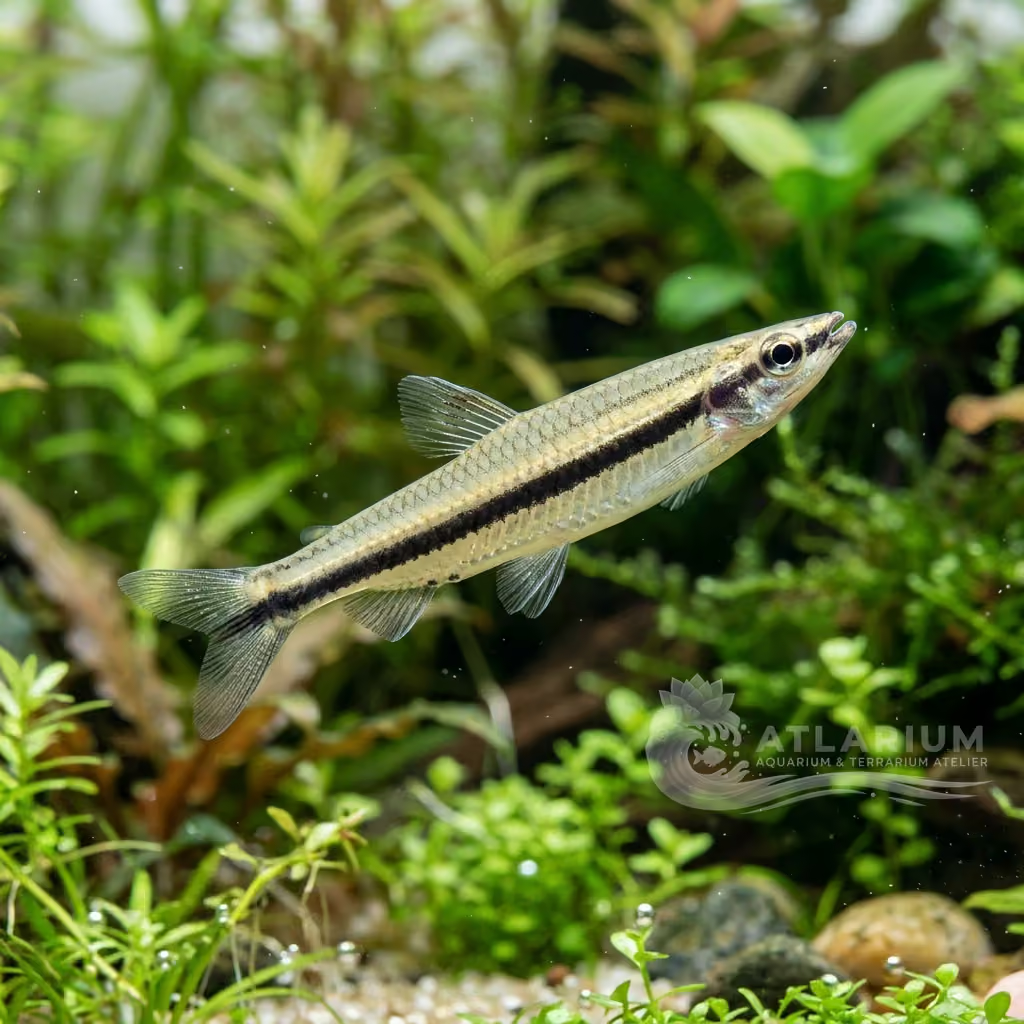
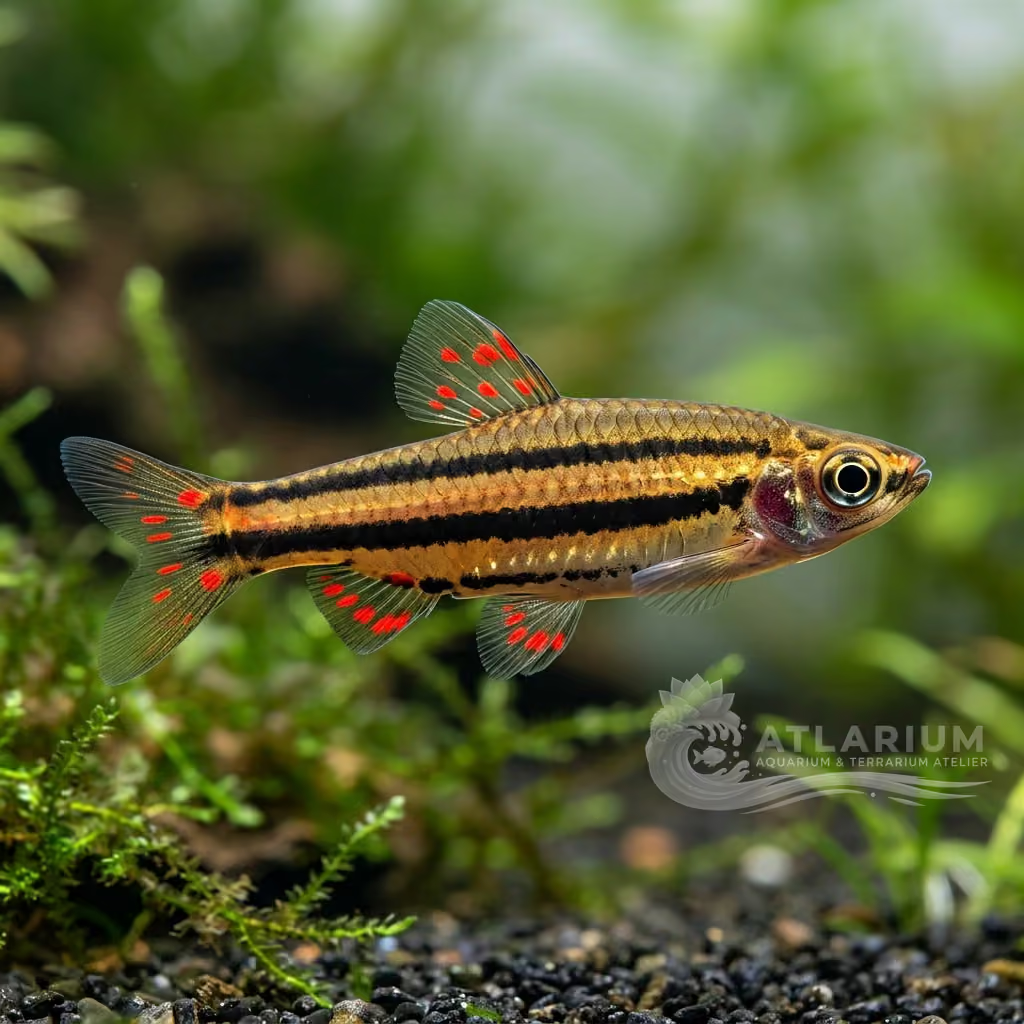
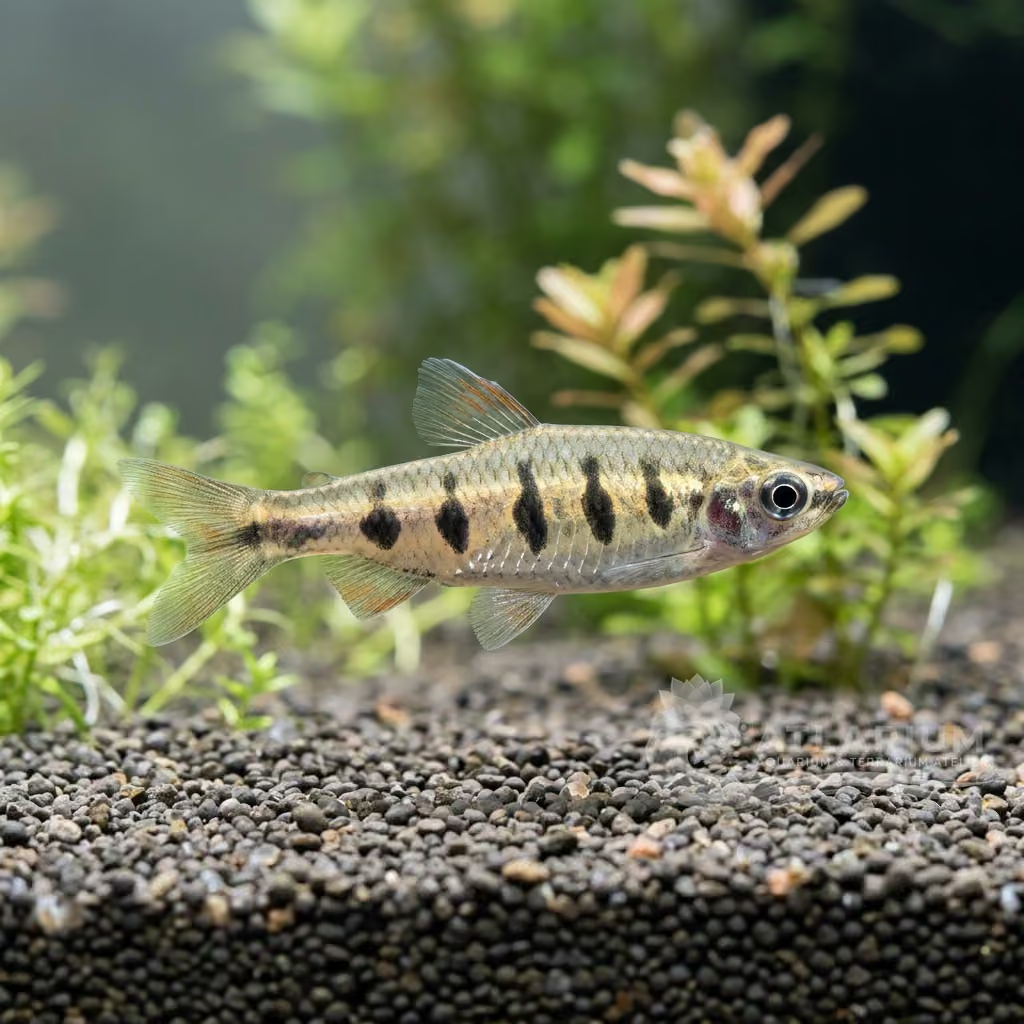
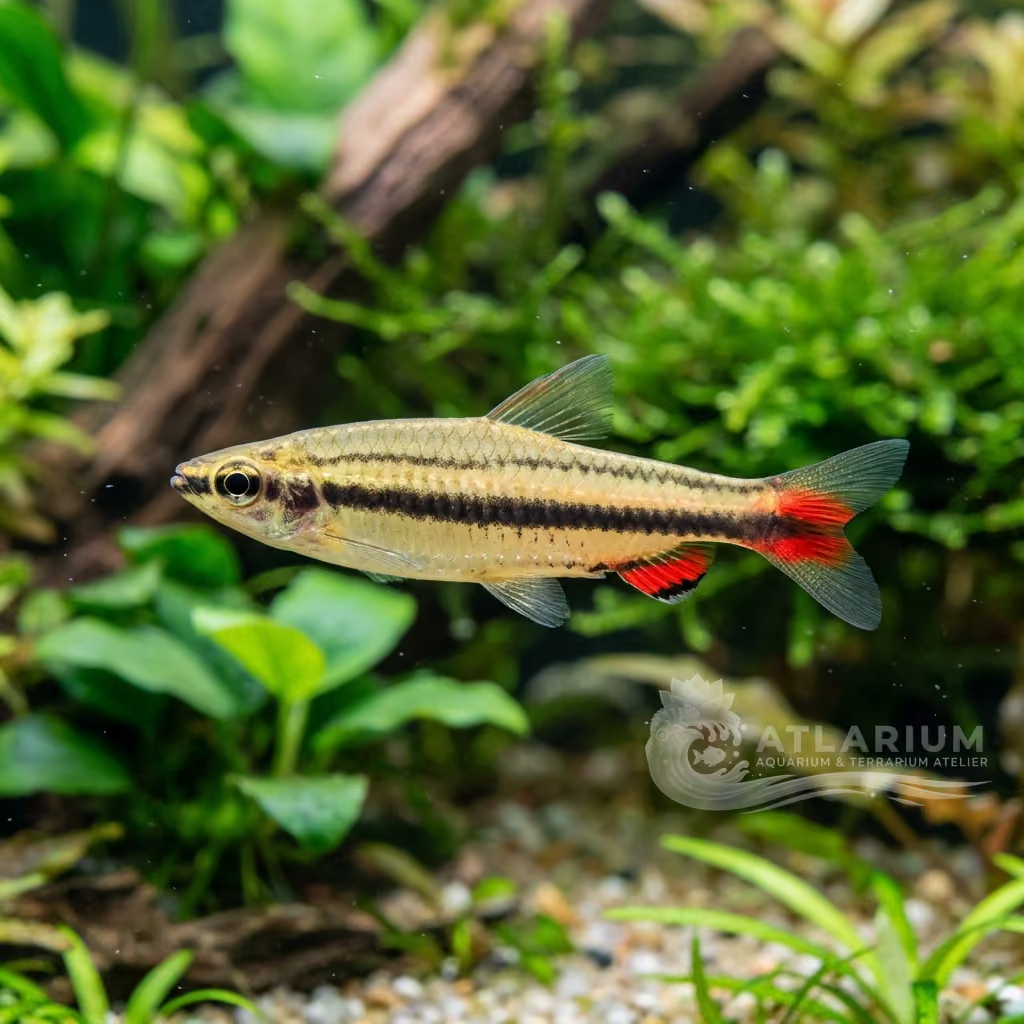
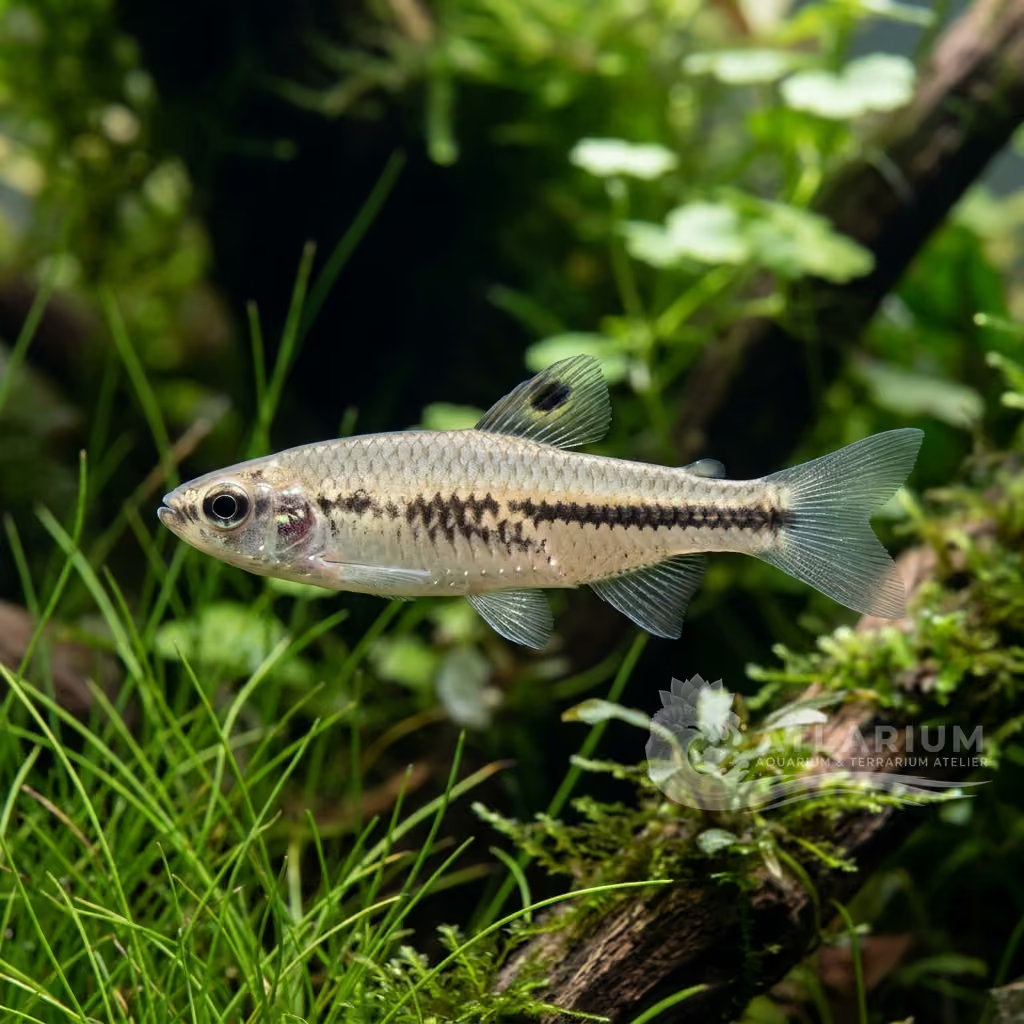
The smallest of the pencilfish: at just 2.5–3 cm, it is a nano-jewel perfect for small planted aquariums. The body is crossed by three horizontal black bands interspersed with golden and red stripes — a refined graphic design in miniature. Like all Nannostomus, it displays the nocturnal livery change: spots and bars appear in the dark and disappear in light. Prefers soft, acidic water (pH down to 4.0 in nature). In schools of 8+ on dark substrate with floating plants, the effect is aquatic terrarium-grade.
24 - 28 °C
5.5 - 7
Eau douce
Surface et milieu
3,5 cm
>= 40 L
>= 6
1 - 10 dGH
1 - 5 dKH
25 - 200 ppm
39 - 313 uS/cm

Description de l'espèce

Soins, reproduction et cohabitation

Origine et répartition géographiques
Origine

Profil de poisson
- Tempérament
- Peaceful
- They are extremely peaceful, somewhat timid, and very charming to observe. In a properly scaped, calm environment, they are confident and constantly active. They are entirely harmless to all other tank inhabitants, including tiny shrimp.
- Régime alimentaire
- Micro-predator
- Their tiny mouths require specialized micro-foods to ensure proper nutrition. They readily consume infusoria, finely crushed premium flakes, and microworms. Supplementing with live baby brine shrimp helps enhance their beautiful stripes.
- Espérance de vie
- 3-5 years
- Taille adulte
- 3.5 cm
- Ratio des sexes
- School
- Keeping a mixed-sex school of at least eight individuals is highly recommended. Males are slightly more slender and exhibit brighter red markings on their fins. They will spar harmlessly, creating a fascinating and dynamic display in the tank.
- Fréquence d'alimentation
- Twice daily
- They should be fed minuscule amounts two to three times daily. Their short digestive tracts process food rapidly, necessitating frequent meals. Offering sinking micro-foods ensures they get to eat in the mid-water regions.
- Charge biologique
- Low
- The Dwarf Pencilfish is a tiny species that produces an exceptionally low bioload. They are perfect for nano tanks where water volume is limited. Even basic filtration easily manages the minuscule amount of waste they produce.
- Courant
- Strong
- They strongly prefer calm, gentle water flow resembling their native stagnant swamps. Overpowering filter outputs will exhaust them and cause them to hide constantly. Sponge filters are the preferred method of filtration for this delicate species.
- Risque de saut
- Yes
- Like other pencilfish, they are easily spooked and may attempt to jump out. A fully secure lid is mandatory to prevent any accidental fatalities. Dense floating plants can also serve as a natural barrier and reduce anxiety.
- Reproduction
- Oviparous
- Breeding them is challenging, requiring extremely soft, acidic water and low lighting. They deposit a small number of adhesive eggs among fine-leaved aquatic plants. The parents are notorious egg-eaters and must be separated from the eggs immediately.
- Compatibilité et compagnons
- Community
- They are completely peaceful but easily intimidated by larger or highly active fish. Excellent companions include dwarf rasboras, small peaceful tetras, and Caridina shrimp. They must be kept with other micro-species to thrive and feed comfortably.
- Niveau dans le bac
- Top/Middle
- They generally hover in the middle levels of the aquarium, rarely visiting the extreme top. They love to navigate through dense thickets of plants in the mid-water column. Providing ample mid-level foliage gives them the security they desperately need.

Modèles et paramètres scientifiques
Fenêtre sur les données scientifiques officielles de l’espèce
- Niveau trophique
- 3,2 ± 0,4 se
- Singularité phylogénétique (PD50)
- 0.5
- Relation bayésienne longueur-poids
- a = 0.01023, b = 3.13
- VulnérabilitéVulnérabilité faible (10 / 100)

Galerie d'images
Images sous licence liées à l'espèce ou, lorsqu'elles sont indiquées, au taxon représentatif le plus proche.

Espèces associées
Recommandations regroupées par proches parents, compagnons et soins similaires.