Glowlight Rasbora
Trigonostigma hengeli
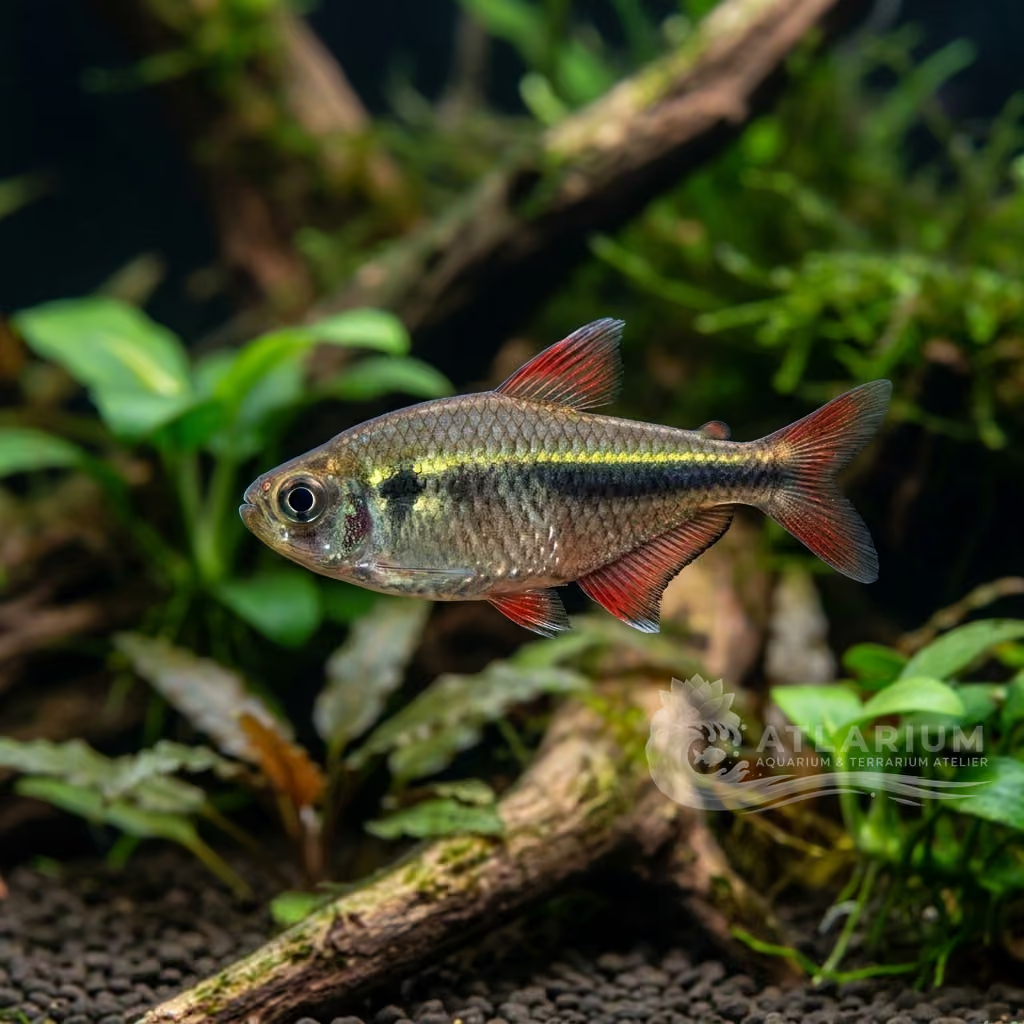
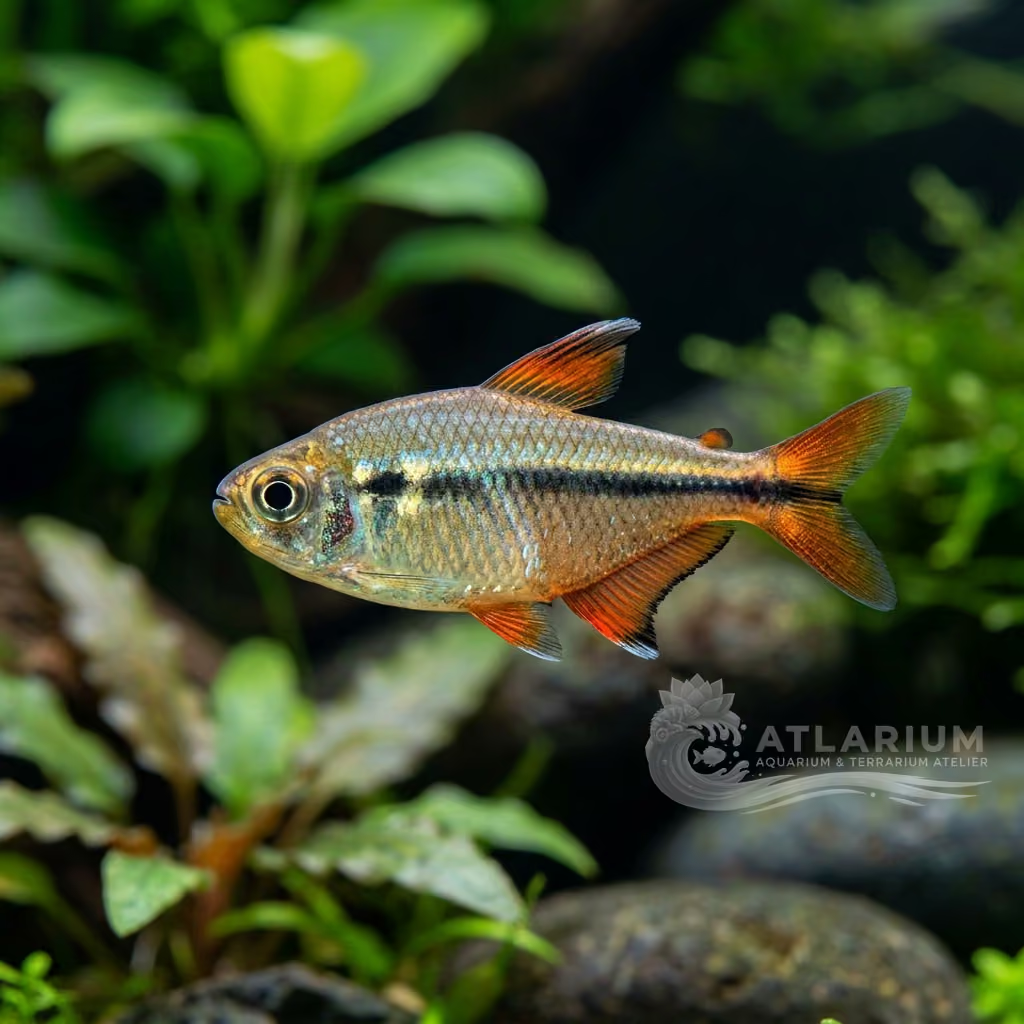
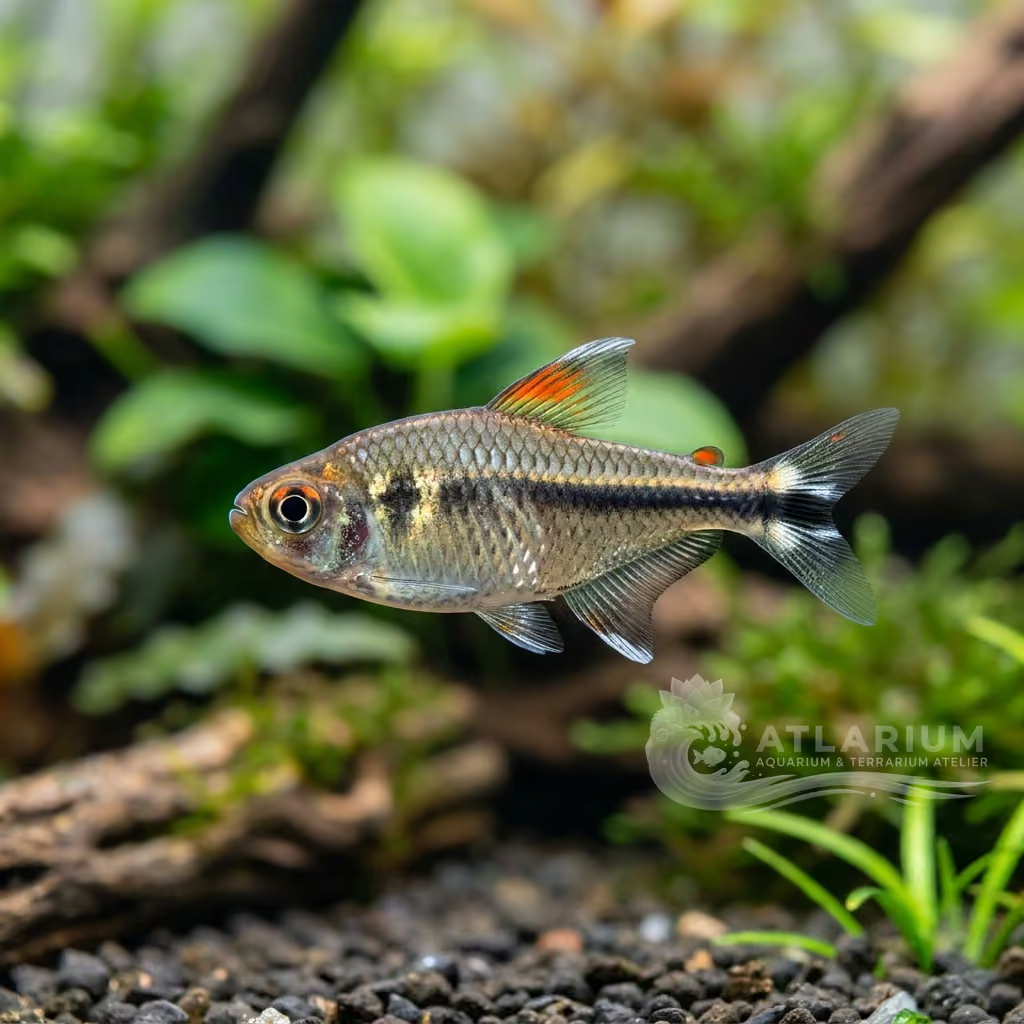
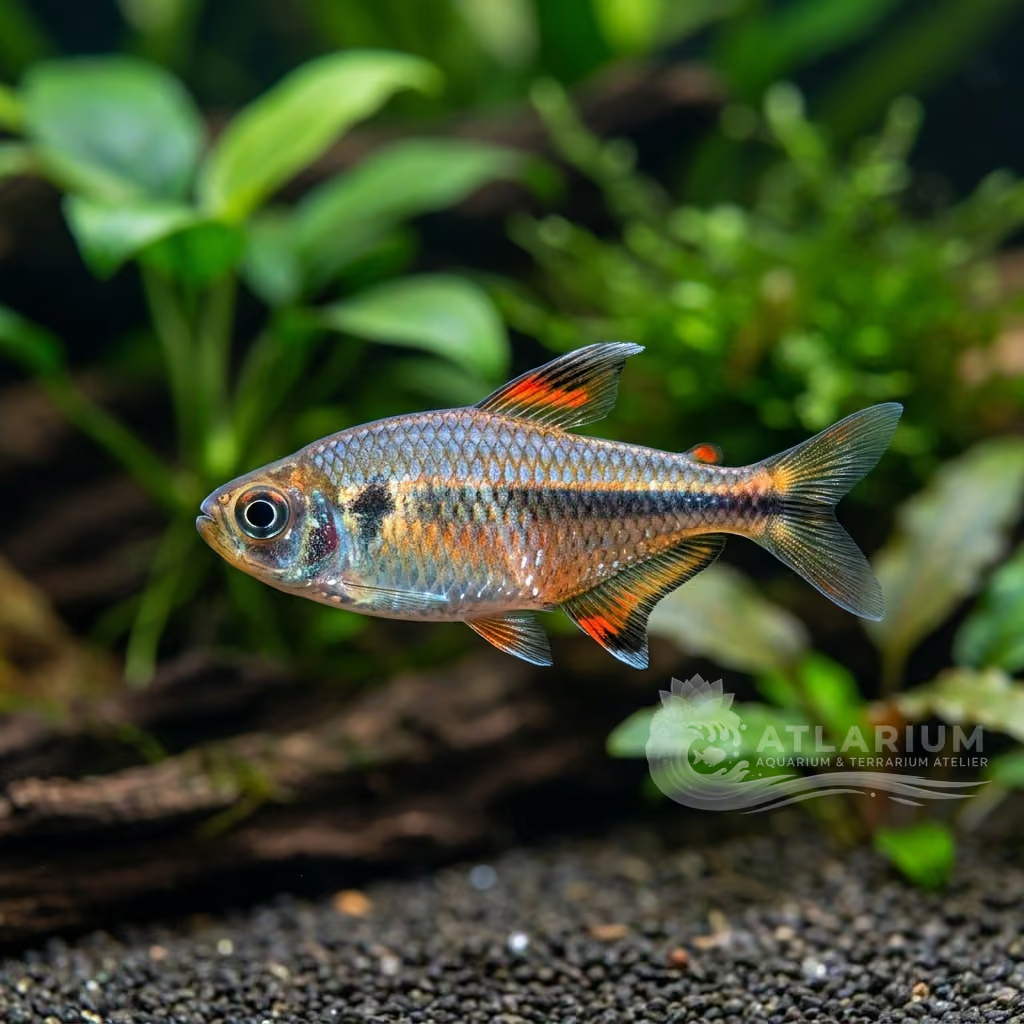
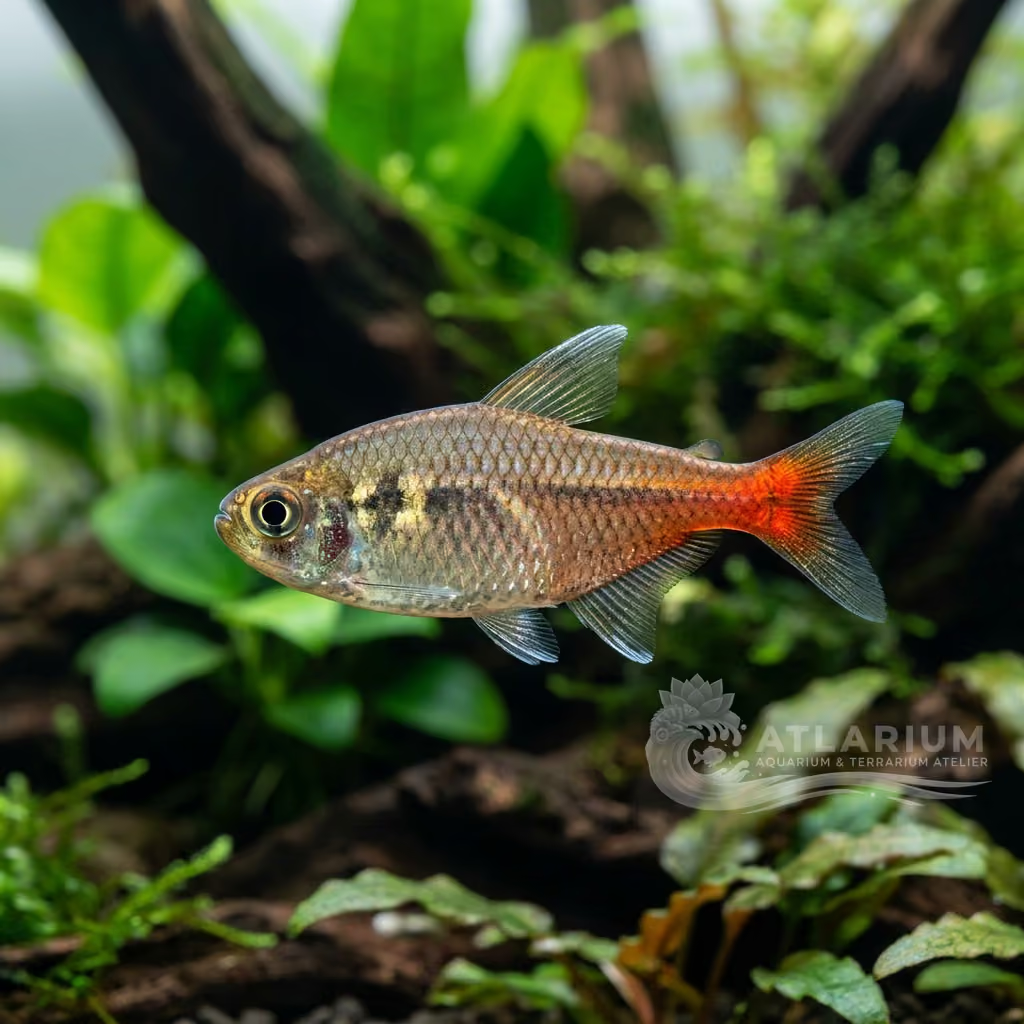
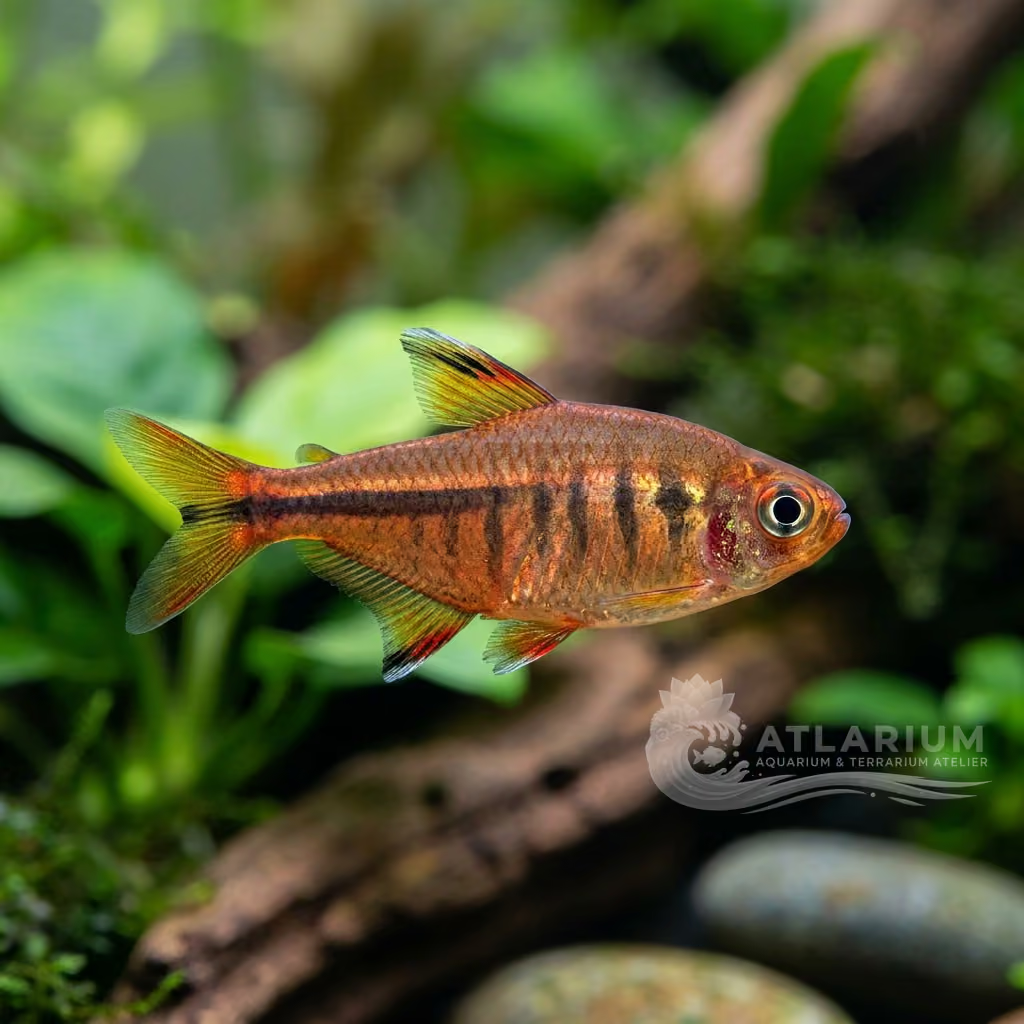
Often confused in shops with the Espei or Harlequin, this tiny Trigonostigma is distinguished by its almost transparent body and a blinding neon-orange scratch painted right above the black spot.
Température de l’eau
23 - 28 °C
Valeur du pH
5 - 7
Type d'eau
Eau douce
Niveau dans le bac
Milieu
Taille adulte
3 cm
Volume minimal du bac
>= 30 L
Groupe minimal
>= 1
GH
1 - 10 dGH
KH
1 - 5 dKH
TDS
25 - 200 ppm
Conductivité
39 - 313 uS/cm

Description de l'espèce
Geographical Origin and Habitat: Endemic to Sumatra and Borneo (Jambi and Kapuas river basins). It is strictly a 'Blackwater' species: inhabiting ancient, dark Asian lowland peat swamps jammed with rotting detritus and branches, where sunlight struggles to pierce the jungle canopy.
Taxonomy and Morphology: Cyprinidae. The smallest and most fragile of the trio (heteromorpha-espei-hengeli), barely reaching 3 cm (1.2 inches). Extremely petite build and fine skeletal structure, with a partially transparent body.
Social Behavior: Extremely gregarious. Hyper-peaceful by nature, they terrify easily. MUST live in large, tight schools (minimum 12-15). They are constantly mid-water scouting, moving with slight nervous darts. Males perform brief, harmless criss-crossing chases.
Coloration and Sexual Dimorphism: Unlike the Espei (which is entirely copper-colored), the Hengeli has a pale, silver-gray, diaphanous body. The black mark is very thin and slender. The hallmark that gives it the name 'Glowlight' is a thin, incandescent stroke of brilliant neon orange painted EXACTLY above and in front of the black spot. Females have very rounded bellies; males are transparent and slender.

Soins, reproduction et cohabitation
Aquarium Setup: Demands respect for its sensitive eyes and delicate nature: a 60 cm (24 inch) tank densely shaded by driftwood (Manila) and dozens of rotting Indian Almond leaves (Catappa) on the bottom to tint the water brown. The substrate MUST be dark. Floating plants are mandatory, and filter currents must be very gentle (sponge filter or spray-bar).
Diet and Feeding: Insectivorous micro-predator. The mouth is minuscule, inept at eating large foods. Accepts powdered pellets, but the dietary base for health must consist of vinegar eels, live newly hatched baby brine shrimp, and tiny daphnia. Standard frozen foods (like regular bloodworms) are often too large for their mouths.
Water Quality: Requires very soft water to manifest the neon color: GH 1-10, pH between 5.0 and 7.0 (they suffer in alkaline pH). Ideal temperature is between 23 and 28°C (73-82°F). They tolerate sharp osmotic-thermal swings or high nitrates very poorly.
Compatibility and Cohabitation: Perfect biotope companions for Boraras (Dwarf Rasboras), Kuhli Loaches, and Licorice or Chocolate Gouramis (Parosphromenus/Sphaerichthys), all of which love the same acidic blackwaters. Totally unsuitable to be housed with chaotic fish (Barbs, Danios) or Cichlids that would chew them up like peanuts. Highly safe for almost all Dwarf Shrimp.
Aquarium Breeding: Difficult, precisely due to the water chemistry required (pH < 6.0 and GH < 3 needed to trigger hatching and prevent fungi). They lay dozens of eggs under submerged broad leaves by flipping upside down, copying the system of all Trigonostigma.
Risks and Diseases: They will waste away from starvation in overcrowded tanks or with violent tankmates. Highly sensitive to cutaneous fungal infections if attempted to be kept in hard, calcareous tap water without dissolved tannins.

Origine et répartition géographiques
Endemic to Sumatra and Borneo (Jambi and Kapuas river basins). It is strictly a 'Blackwater' species: inhabiting ancient, dark Asian lowland peat swamps jammed with rotting detritus and branches, where sunlight struggles to pierce the jungle canopy.
Origine
Sélection et cultivarsAsie du Sud et du Sud-Est

Profil de poisson
- Tempérament
- Semi-aggressive
- They are peaceful and somewhat timid if kept in numbers that are too small. A school of at least eight to ten individuals brings out their best behavior. In a properly sized group, they exhibit fascinating social dynamics and vibrant colors.
- Régime alimentaire
- Omnivore
- They are micropredators that feed on tiny insects in nature. In the aquarium, they readily accept high-quality micro-pellets and crushed flakes. Supplementing their diet with live or frozen daphnia and cyclops ensures optimal health and coloration.
- Espérance de vie
- 3-5 years
- Taille adulte
- 3 cm
- Ratio des sexes
- School
- A mixed group works well, though more females can reduce male competition. Males are generally slimmer and more intensely colored during the breeding season. Having a large enough school ensures any minor aggression is spread out evenly.
- Fréquence d'alimentation
- Twice daily
- It is best to feed them small amounts two or three times daily. Their small stomachs require frequent but tiny meals to prevent bloating. Removing uneaten food after a few minutes helps maintain excellent water quality.
- Charge biologique
- Low
- This species produces very little bioload due to its small size. Weekly water changes and standard filtration are adequate to keep parameters pristine. Still, their schooling nature means the total bioload of the group must be considered.
- Courant
- Stagnant
- They come from slow-moving rivers and shaded forest streams. Gentle to moderate water circulation mimics their natural environment perfectly. Strong flow from oversized pumps can easily exhaust these delicate swimmers.
- Risque de saut
- Yes
- They have a moderate tendency to jump, especially if startled by sudden lighting changes. A tight-fitting lid or cover glass is highly recommended. Floating plants can also help make them feel secure and reduce jumping behavior.
- Reproduction
- Oviparous
- Breeding is a challenging but rewarding endeavor for advanced hobbyists. They are egg-scatterers that lay adhesive eggs on the undersides of broad leaves. The parents provide no care and should be removed after spawning to prevent egg cannibalism.
- Compatibilité et compagnons
- Peaceful
- They are exceptionally peaceful and make great community fish. They should never be kept with large or aggressive tank mates that might eat them. Ideal companions include small tetras, peaceful bottom dwellers, and dwarf shrimp.
- Niveau dans le bac
- Middle
- They predominantly occupy the middle to upper levels of the water column. They enjoy open swimming spaces surrounded by tall aquatic plants. Rarely do they venture to the substrate unless chasing a sinking morsel of food.

Modèles et paramètres scientifiques
FishBase
Fenêtre sur les données scientifiques officielles de l’espèce
FishBase v25.04Données synchronisées le : 15/06/2026
- Niveau trophique
- 3,1 ± 0,4 se
- Résilience
- Élevée (moins de 15 mois)
- Singularité phylogénétique (PD50)
- 0.5312
- Relation bayésienne longueur-poids
- a = 0.00891, b = 3.02
- VulnérabilitéVulnérabilité faible (10 / 100)

Espèces associées
Recommandations regroupées par proches parents, compagnons et soins similaires.