Bleeding Heart Tetra
Megalamphodus erythrostigma
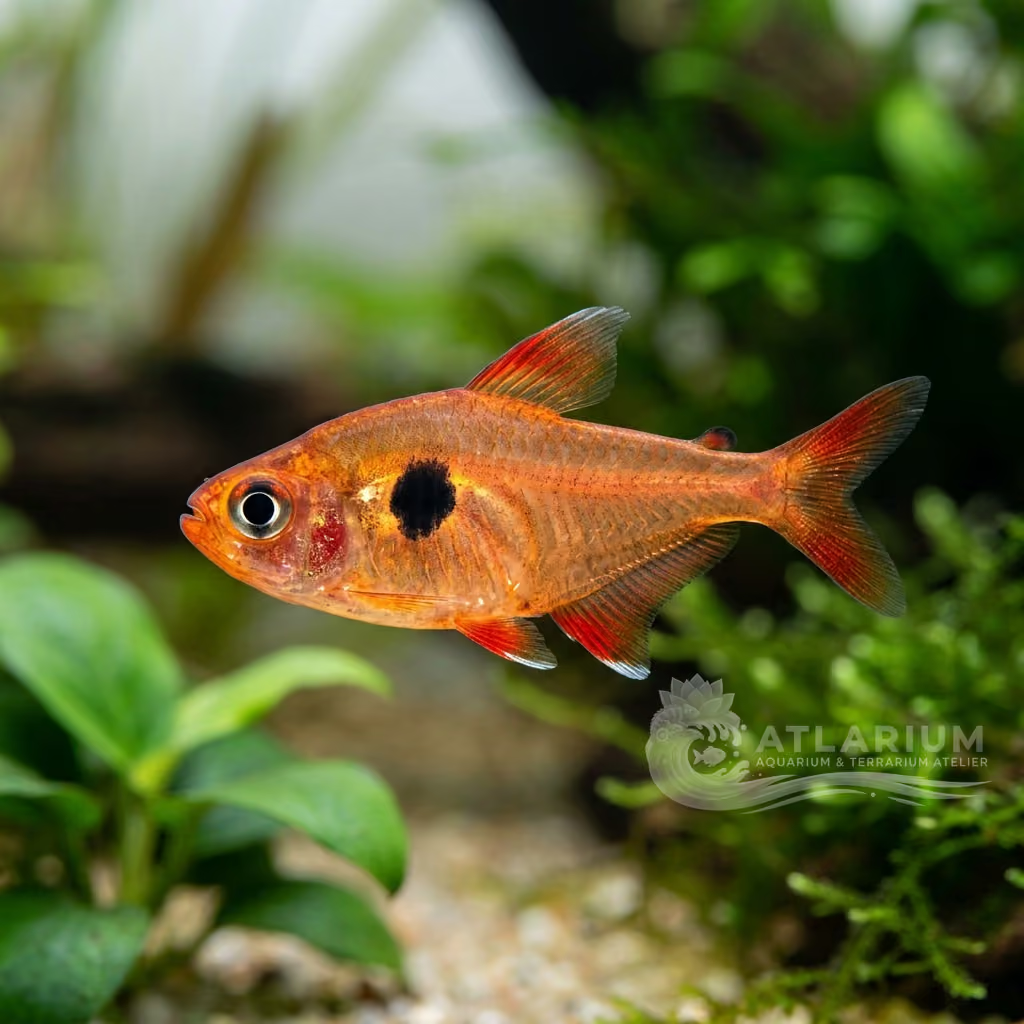
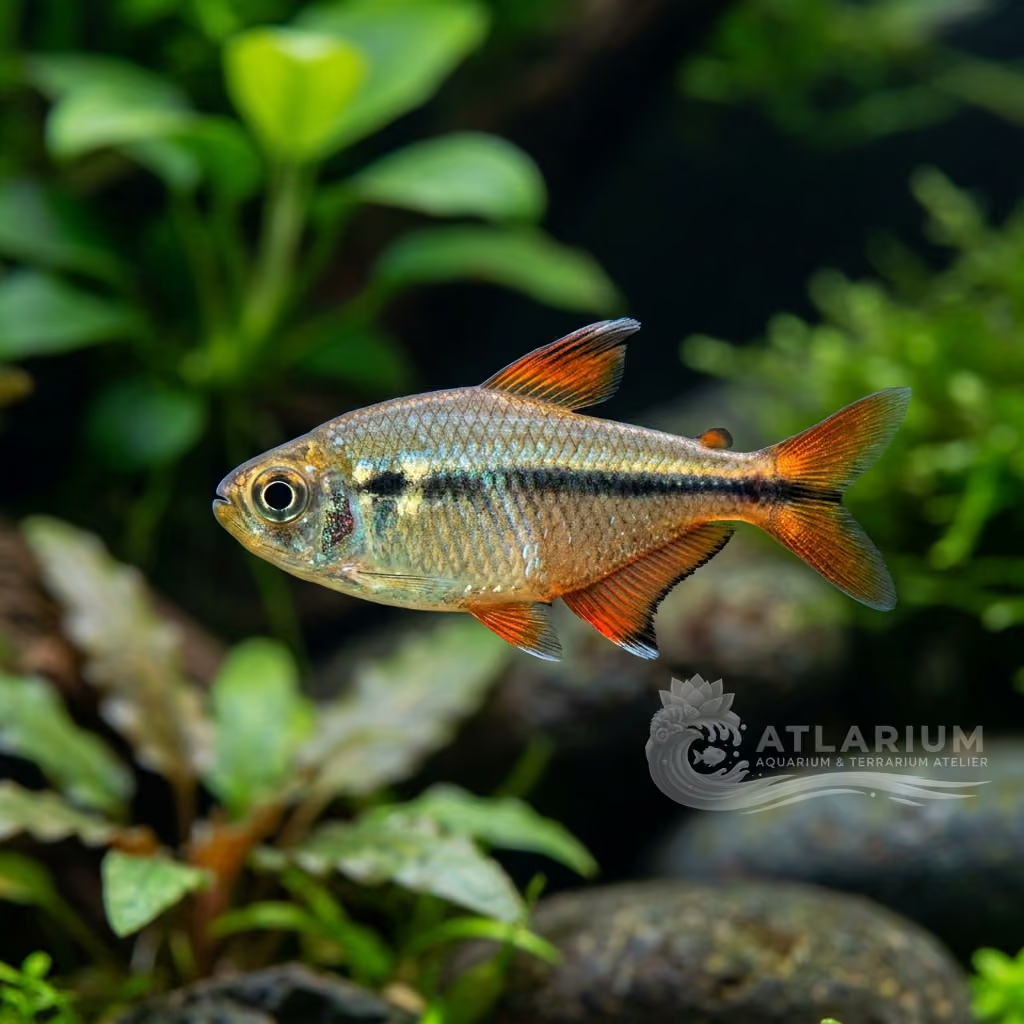
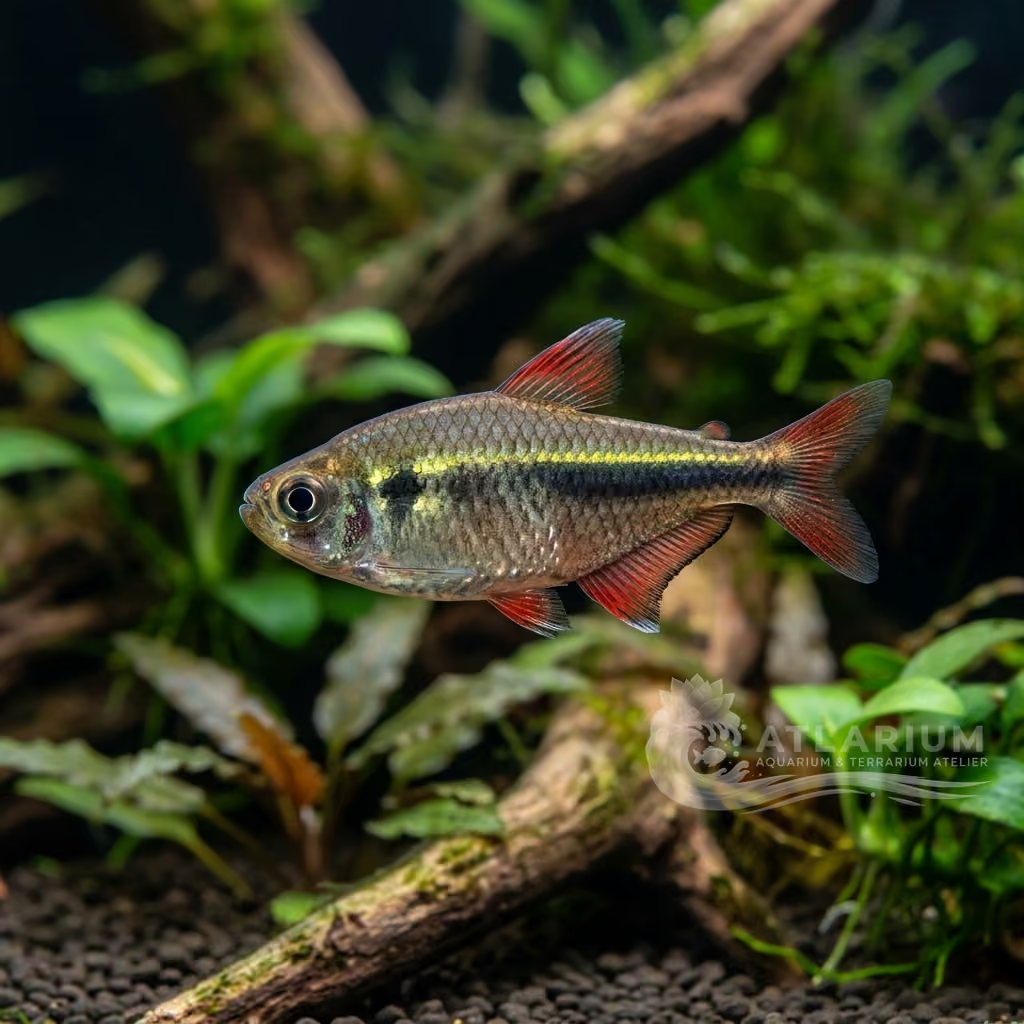
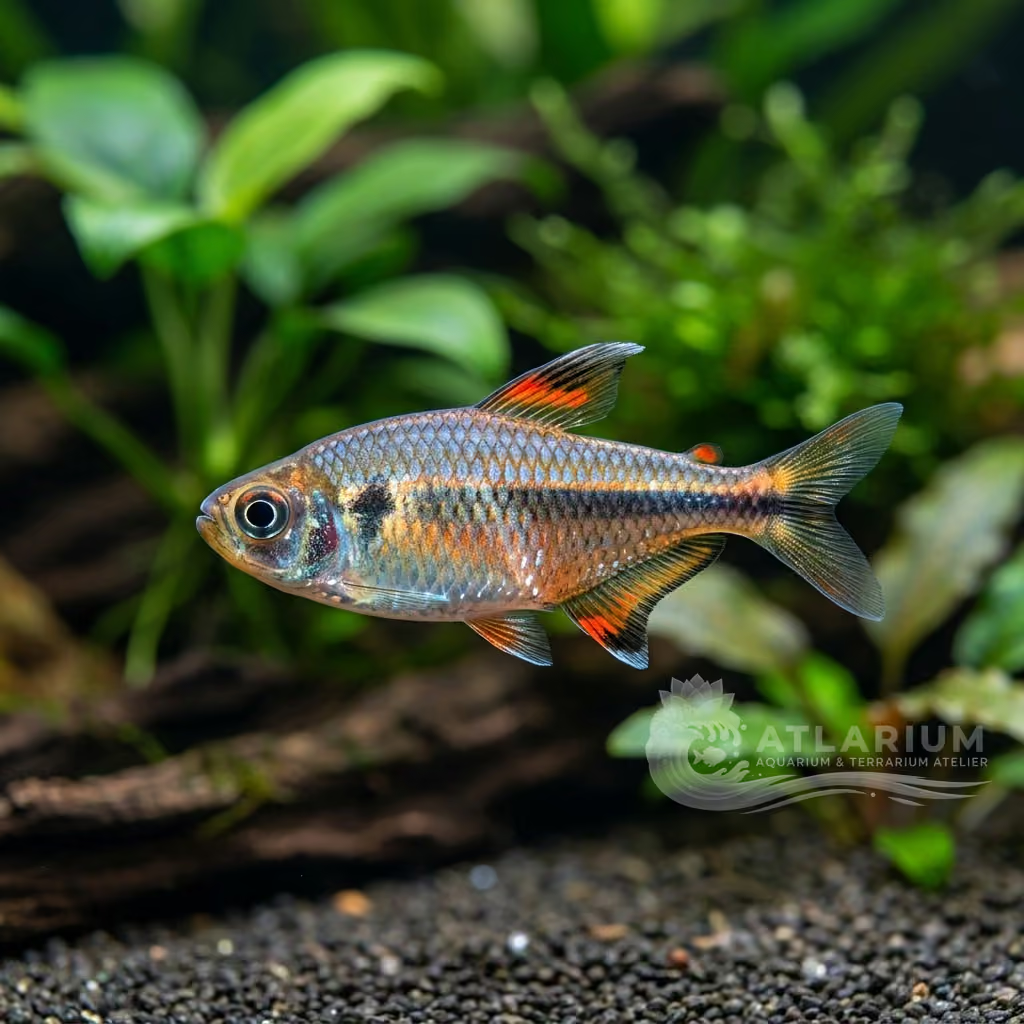
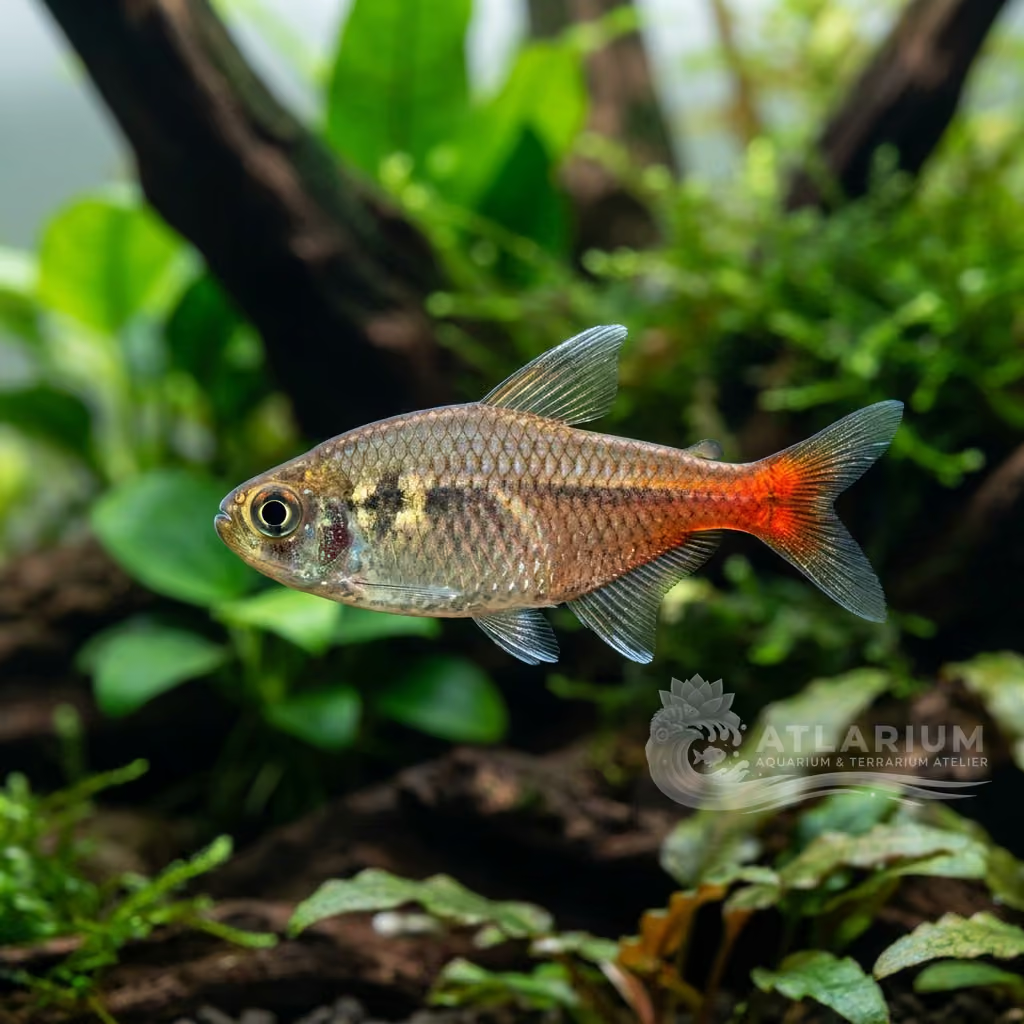
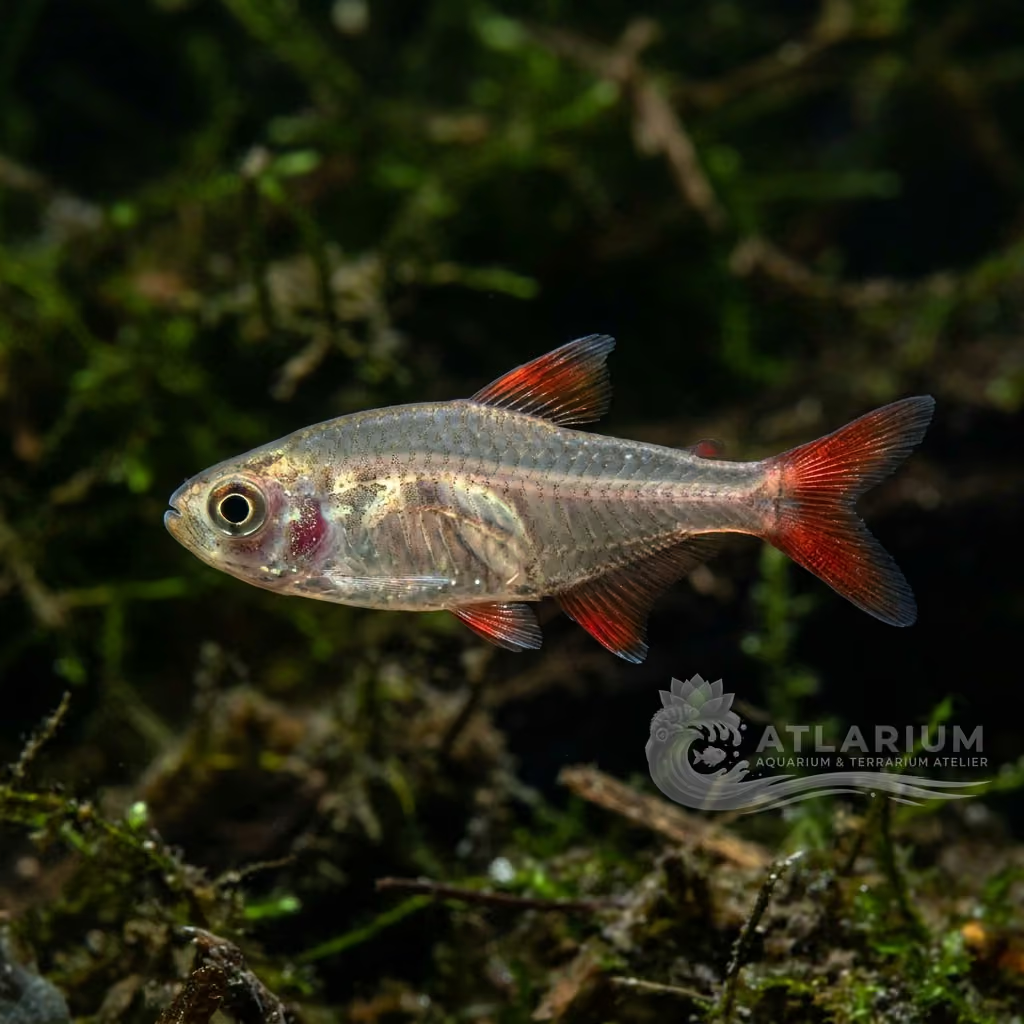
The Majestic Fin-Dancer (2.5-3 inches / 6-7 cm). One of the deepest-bodied, most impressive schooling Tetras available from South America. It is instantly recognized by the brilliant, ruby-red 'blood spot' stamped perfectly in the center of its shimmering flanks. Adult males are spectacular: they grow immensely long, trailing, scythe-like dorsal and anal fins, performing breathtaking, harmless 'mock-battles' to assert dominance. Because of their size and sensitivity to hard tap water, they require large, mature, blackwater tanks.
24 - 28 °C
5.5 - 7
Eau douce
Milieu
7 cm
>= 60 L
>= 6
1 - 10 dGH
1 - 5 dKH
25 - 200 ppm
39 - 313 uS/cm

Description de l'espèce

Soins, reproduction et cohabitation

Origine et répartition géographiques
Origine

Profil de poisson
- Tempérament
- Semi-aggressive
- This is a highly peaceful and somewhat shy species that thrives in a calm environment. They are a schooling fish that relies on the presence of conspecifics to feel safe and exhibit their best behavior. When kept in sufficiently large groups, they are active and inquisitive without ever bothering tank mates.
- Régime alimentaire
- Omnivore
- This species is an opportunistic omnivore that will easily accept a wide variety of aquarium foods. A staple diet of high-quality flakes or pellets should be provided daily. For optimal health and coloration, supplement with frozen or live foods such as bloodworms and brine shrimp.
- Espérance de vie
- 5-8 years
- Taille adulte
- 7 cm
- Ratio des sexes
- School
- Maintaining a proper sex ratio is less critical for this species compared to some others, as they are a schooling fish. Keeping them in groups of at least eight to ten individuals ensures natural behavior and reduces stress. Having a mix of males and females can help diffuse any minor squabbles among displaying males.
- Fréquence d'alimentation
- Twice daily
- These active fish benefit from multiple small feedings throughout the day rather than one large meal. Feeding them two to three times daily with amounts they can consume in under two minutes is ideal. This schedule helps prevent bloating and keeps water parameters stable by reducing uneaten food.
- Charge biologique
- Low to Medium
- As a moderately sized fish, this species produces an average bioload in the aquarium. Proper filtration is necessary to process the waste it generates efficiently. Routine maintenance and regular water changes will ensure a healthy environment.
- Courant
- Stagnant
- This species originates from riverine environments and appreciates a moderate amount of water flow in the aquarium. Good water movement encourages their natural swimming and schooling behaviors. A standard canister or power filter will typically provide the ideal current for them.
- Risque de saut
- Yes
- While not known as prolific jumpers, they can still leap from the water if startled or pursued by tank mates. Sudden changes in lighting or poor water quality can also trigger this jumping behavior. A tight-fitting lid or cover glass is highly recommended to prevent accidental escapes.
- Reproduction
- Oviparous
- They are egg scatterers that do not provide any parental care to their offspring after spawning. To encourage breeding, a separate tank with soft, slightly acidic water and fine-leaved plants is required. Once eggs are laid and fertilized, the adult fish must be removed promptly to prevent them from eating the eggs.
- Compatibilité et compagnons
- Peaceful
- This species is exceptionally peaceful and does well in community tanks with other small, non-aggressive fish. They should never be kept with large or boisterous species that might view them as food. Ideal tank mates include small rasboras, Corydoras catfish, and peaceful dwarf cichlids.
- Niveau dans le bac
- Middle
- This species primarily occupies the middle region of the aquarium water column during normal activities. They are active swimmers that appreciate ample open swimming space in the center of the tank. They will frequently dart in and out of plant thickets or hardscape for cover when resting.

Modèles et paramètres scientifiques
Fenêtre sur les données scientifiques officielles de l’espèce
- Niveau trophique
- 2,8 ± 0,31 se
- Résilience
- Élevée (moins de 15 mois)
- Singularité phylogénétique (PD50)
- 0.5002
- Relation bayésienne longueur-poids
- a = 0.01995, b = 3.01
- VulnérabilitéVulnérabilité faible (10 / 100)

Espèces associées
Recommandations regroupées par proches parents, compagnons et soins similaires.