Blue emperor tetra
Inpaichthys kerri
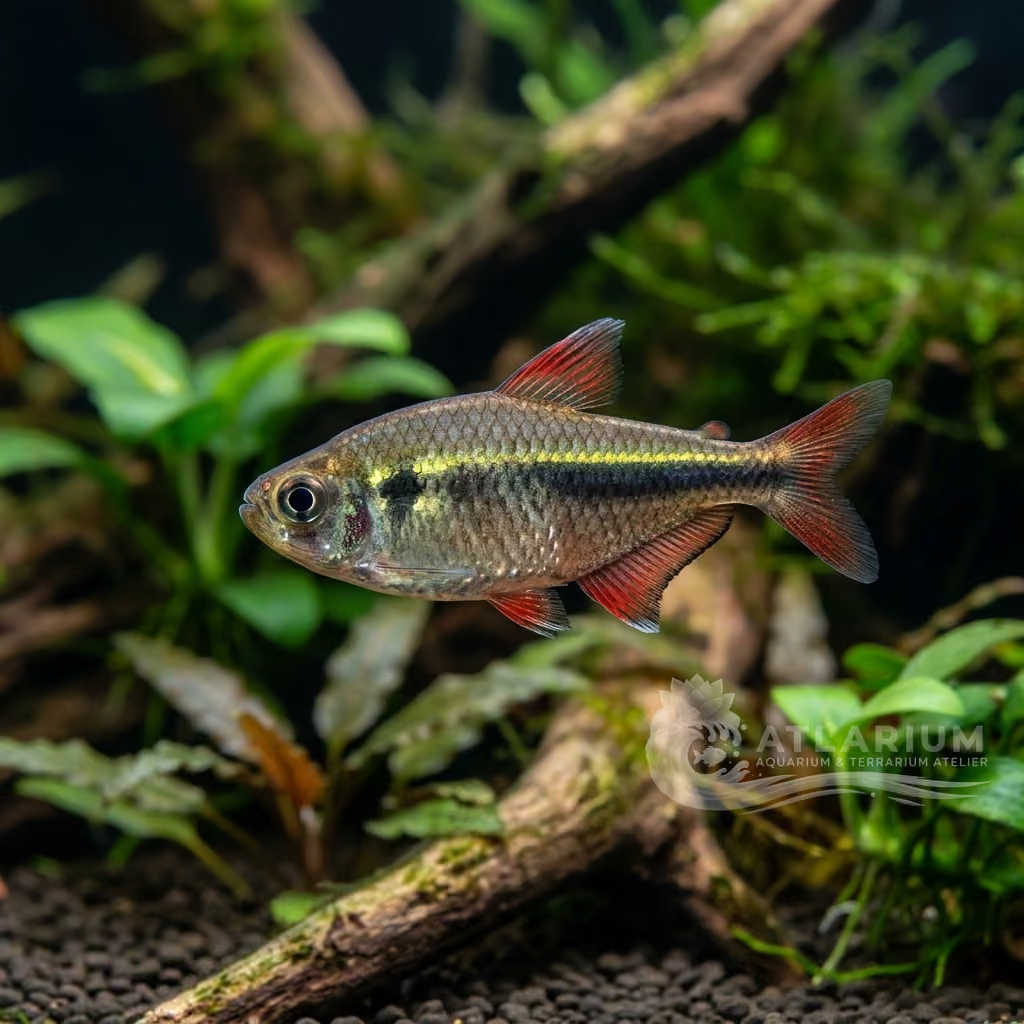
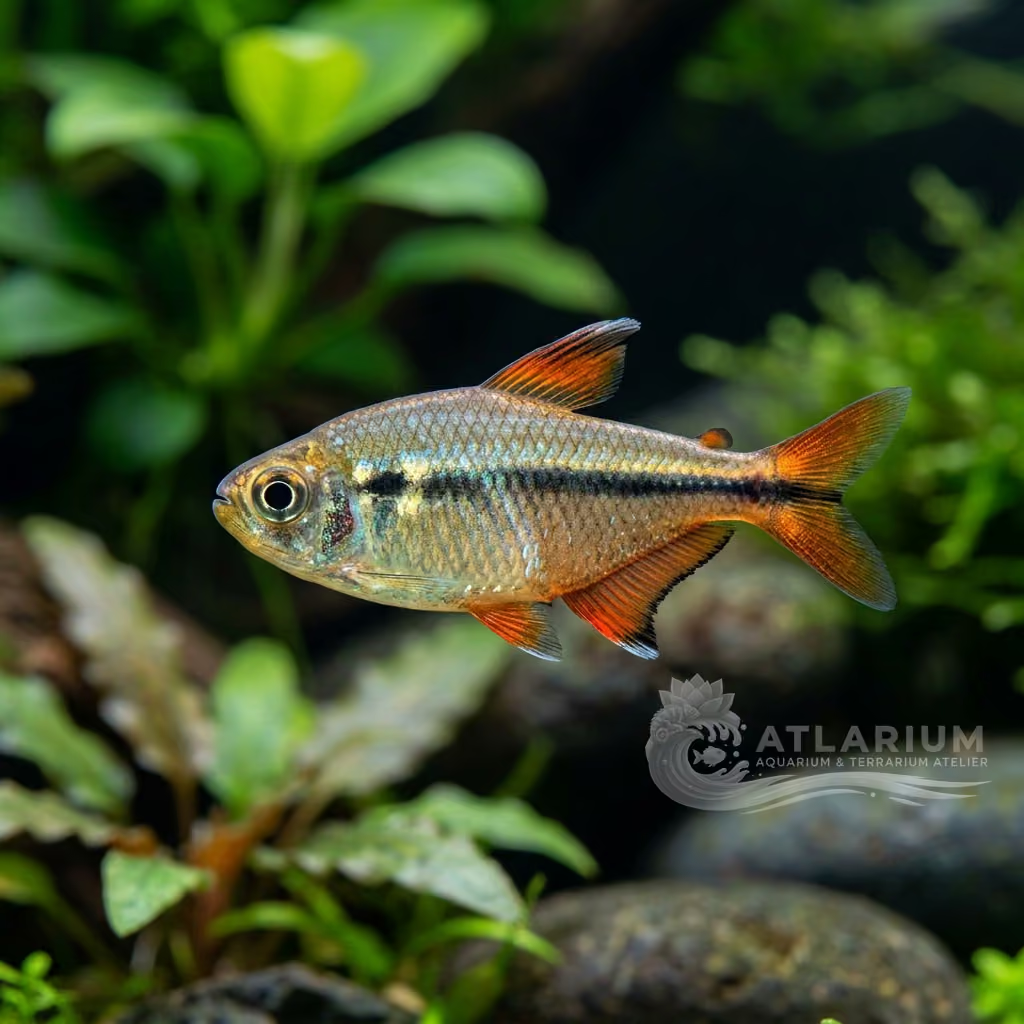
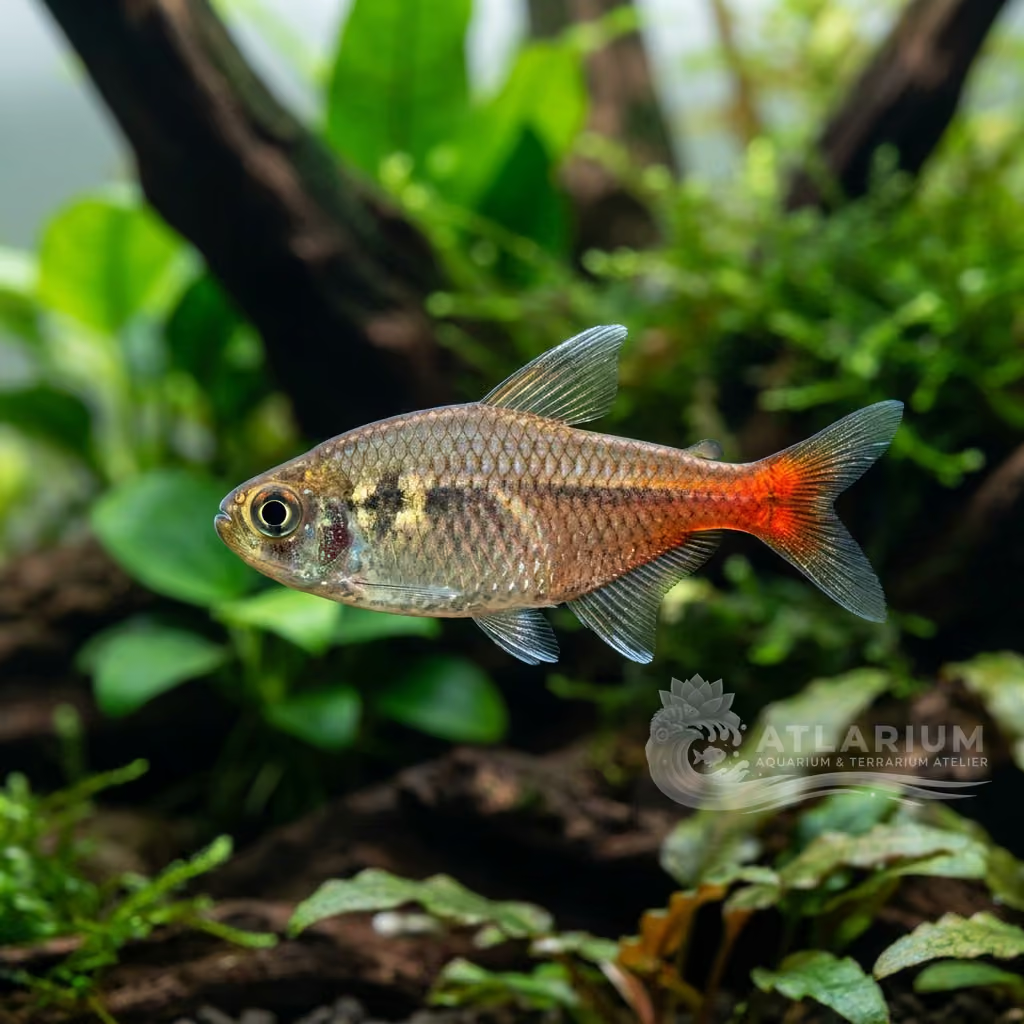
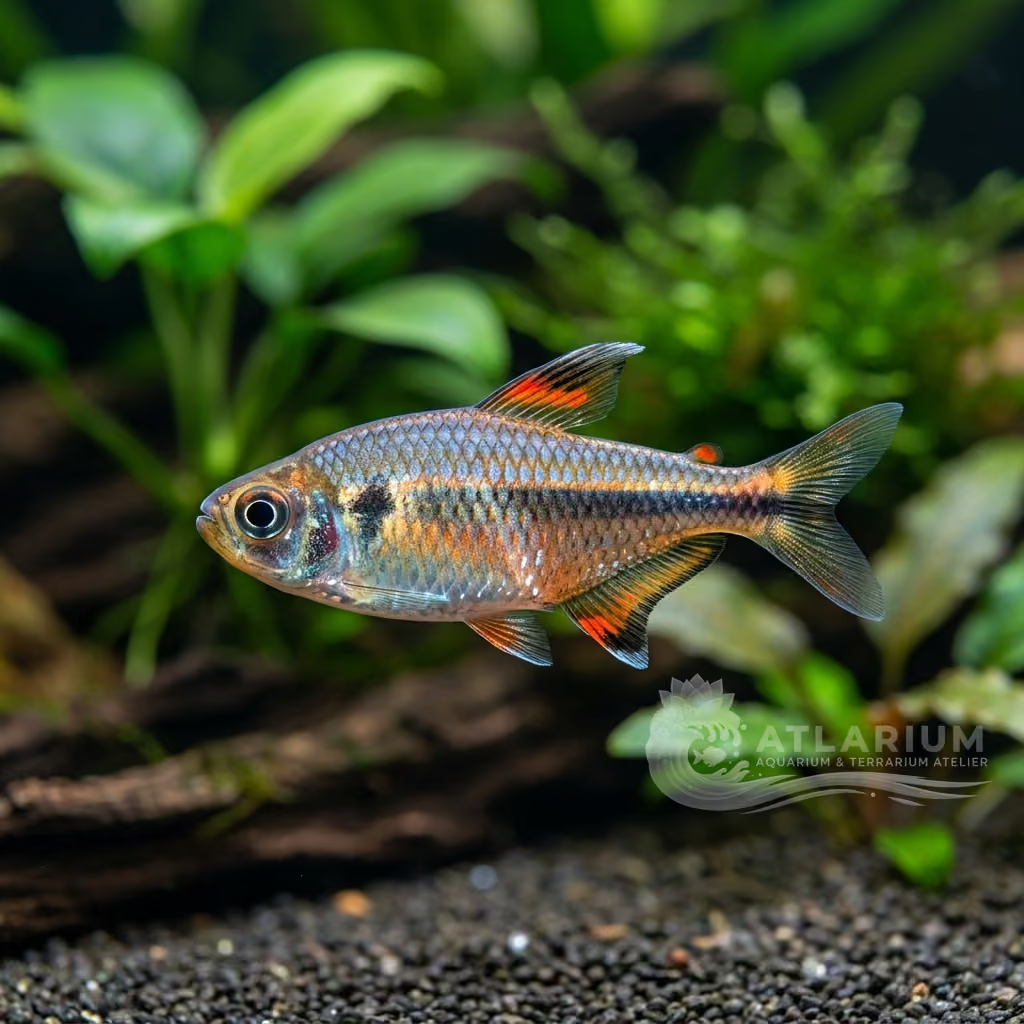
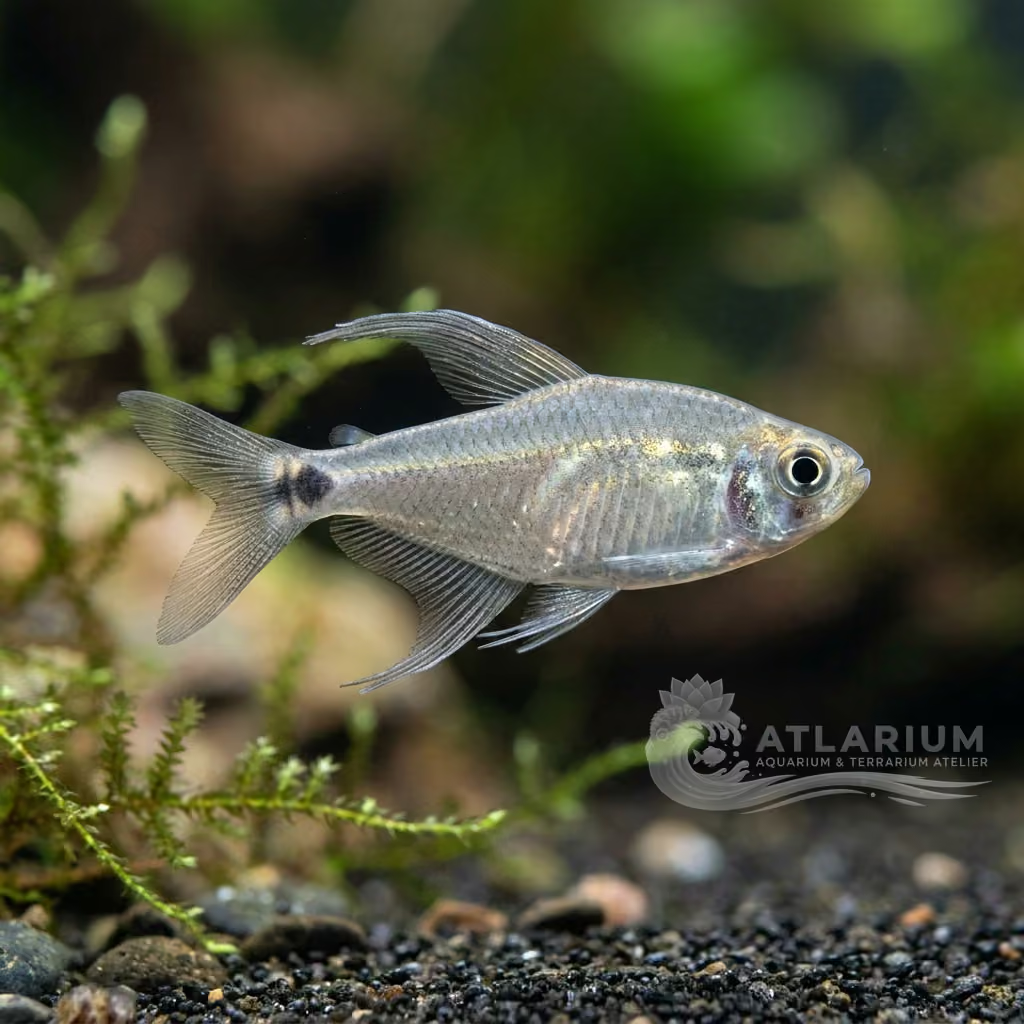
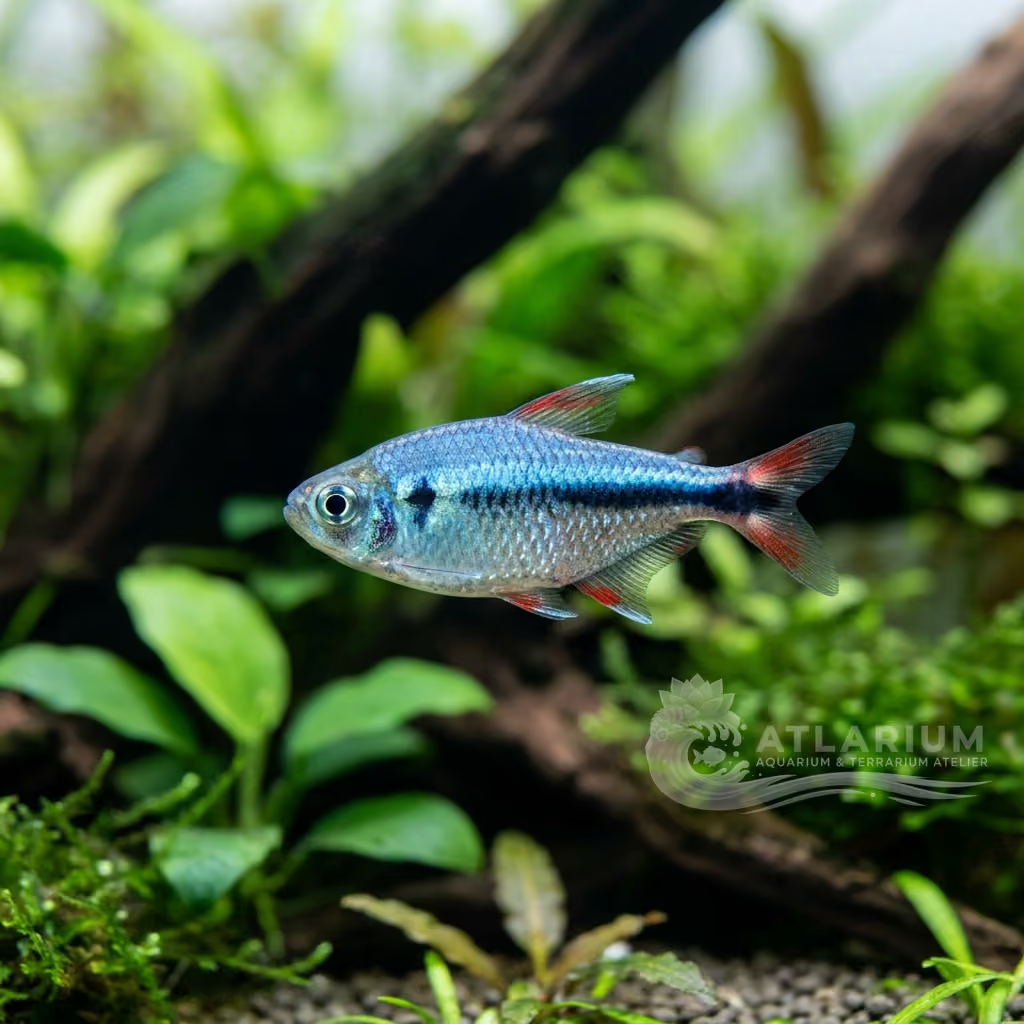
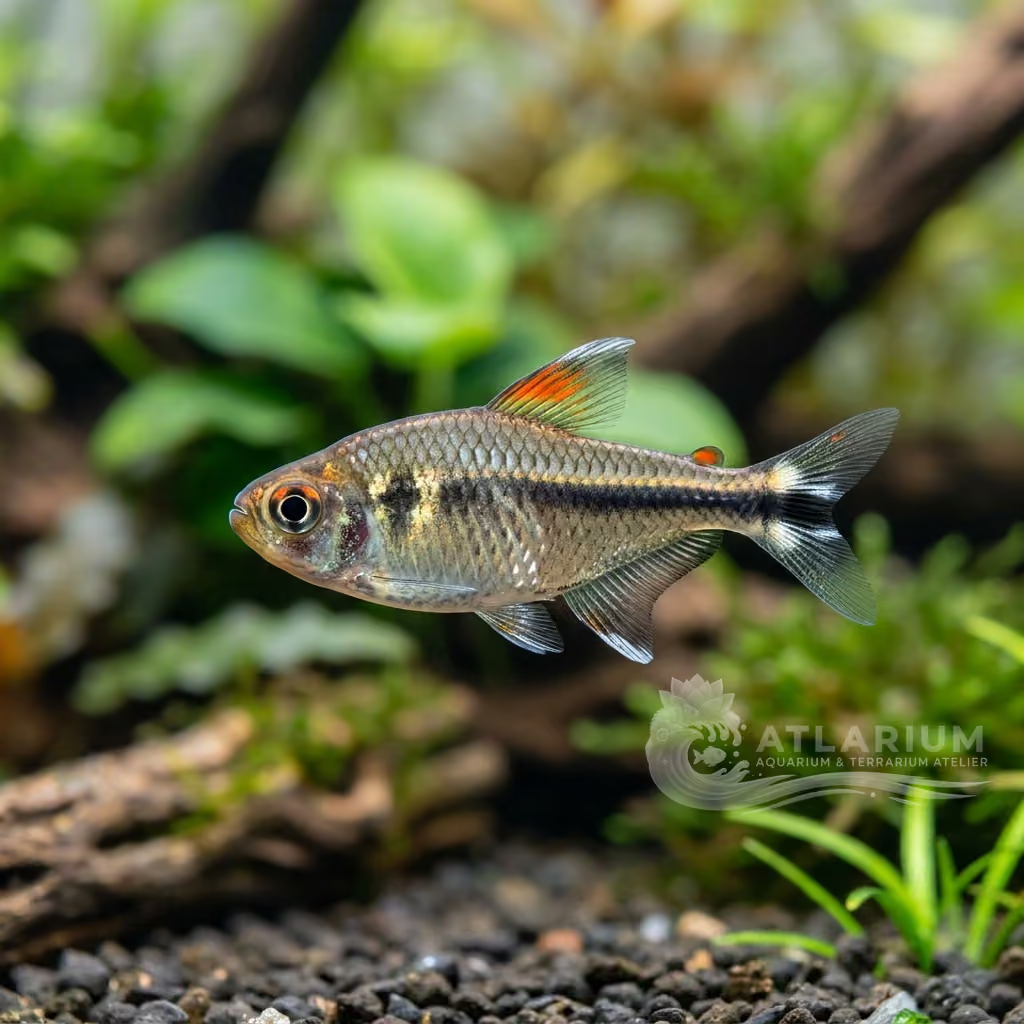
An Amazonian tetra of regal beauty: the male displays an intense metallic blue with a blue adipose fin — a diagnostic detail distinguishing it from the female, who has the same fin in orange-red. Native to tributaries of Brazil's Rio Madeira basin. In schools of 8–10+ on dark substrate with dense plants and dim lighting, the males' blue reaches hypnotic depth. In groups that are too small it may develop fin-nipping tendencies. Breeding of intermediate difficulty.
24 - 27 °C
5.5 - 7
Eau douce
Milieu
3,5 cm
>= 60 L
>= 6
1 - 12 dGH
1 - 6 dKH
25 - 240 ppm
39 - 375 uS/cm

Description de l'espèce

Soins, reproduction et cohabitation

Origine et répartition géographiques
Origine

Profil de poisson
- Tempérament
- Peaceful
- They are a peaceful, energetic schooling fish that must be kept in groups of eight or more. In proper numbers, they will interact actively with one another, establishing a fascinating pecking order. In numbers too small, they may nip fins out of stress.
- Régime alimentaire
- Omnivore
- They are unfussy omnivores that will readily accept a wide variety of foods. Offer a staple of high-quality flakes or micro-pellets. Supplement this regularly with live or frozen foods like daphnia, bloodworms, and brine shrimp.
- Espérance de vie
- 3-6 years
- Taille adulte
- 3.5 cm
- Ratio des sexes
- Group
- Males are noticeably more slender and display a much more intense, solid blue coloration. Females are plumper with a more subdued brownish-blue tint. Keeping them in a mixed group allows males to display their best colors while showing off.
- Fréquence d'alimentation
- Twice daily
- Feed them small pinches once or twice a day, ensuring all food is consumed within a few minutes. They are active feeders that primarily eat from the mid-water column. Avoid overfeeding to prevent compromising water parameters.
- Charge biologique
- Low
- As a small species, the Blue Tetra contributes a very low bioload to the aquarium system. Standard biological and mechanical filtration easily processes their waste. Regular partial water changes keep the water quality optimal for their vibrant colors.
- Courant
- Moderate
- They thrive in a moderate water flow that simulates the gentle currents of their natural forest streams. A well-placed filter outlet or small powerhead will encourage active swimming behaviors. Calm areas should also be available for resting.
- Risque de saut
- No
- Reproduction
- Oviparous
- They are egg scatterers that require a separate breeding tank with soft, acidic water and fine-leaved plants. The parents offer no care and will consume the eggs if given the chance. Remove the adults immediately after spawning is complete.
- Compatibilité et compagnons
- Peaceful
- They are generally peaceful but can sometimes become slightly nippy if not kept in a large enough school. They do well with other similarly sized tetras, rasboras, and corydoras. Avoid keeping them with slow-moving fish possessing long, flowing fins.
- Niveau dans le bac
- Middle
- They are highly active swimmers that predominantly occupy the middle regions of the aquarium. The tank should provide extensive open swimming areas along the front and middle. Dense planting around the back and sides provides necessary cover.

Modèles et paramètres scientifiques
Fenêtre sur les données scientifiques officielles de l’espèce
- Niveau trophique
- 3,1 ± 0,4 se
- Résilience
- Élevée (moins de 15 mois)
- Singularité phylogénétique (PD50)
- 0.5625
- Relation bayésienne longueur-poids
- a = 0.01738, b = 3.05
- VulnérabilitéVulnérabilité faible (10 / 100)

Galerie d'images
Images sous licence liées à l'espèce ou, lorsqu'elles sont indiquées, au taxon représentatif le plus proche.

Espèces associées
Recommandations regroupées par proches parents, compagnons et soins similaires.