Franke's Tetra
Hyphessobrycon frankei
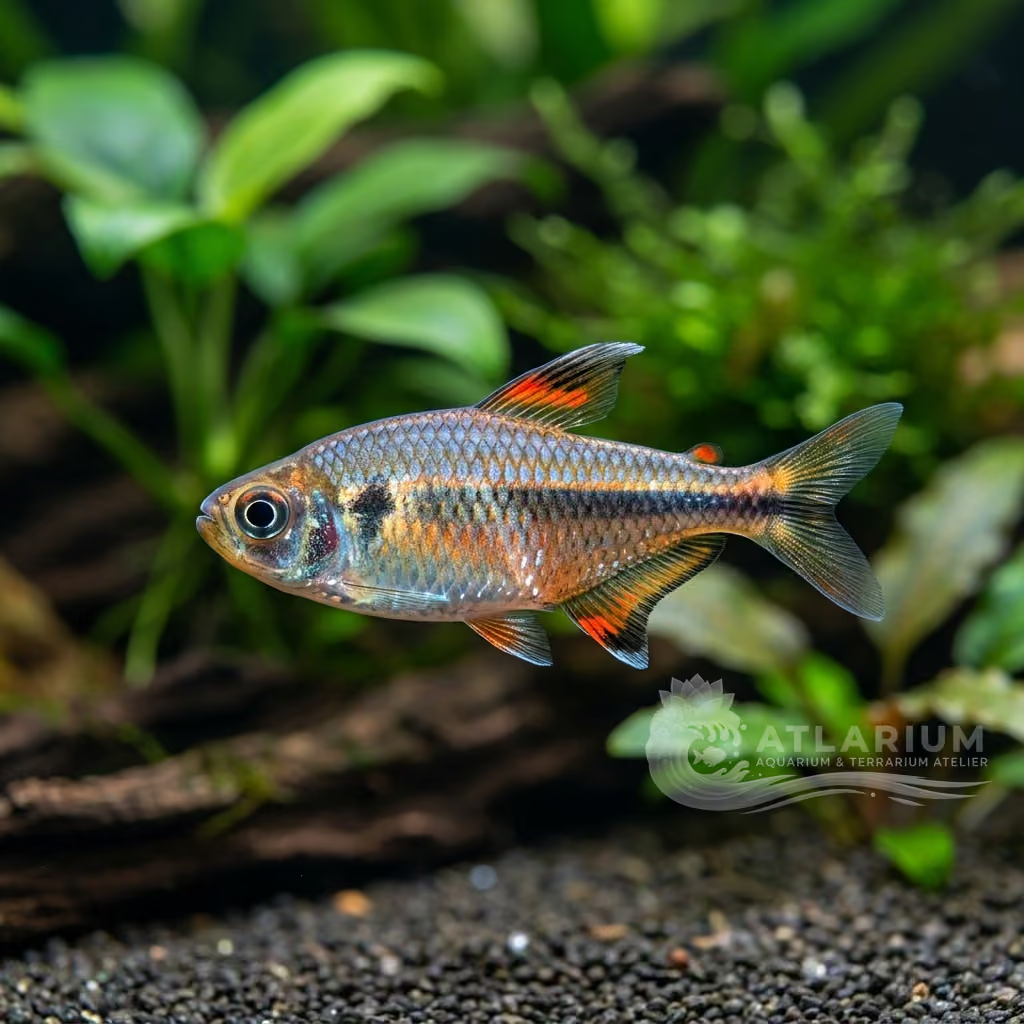
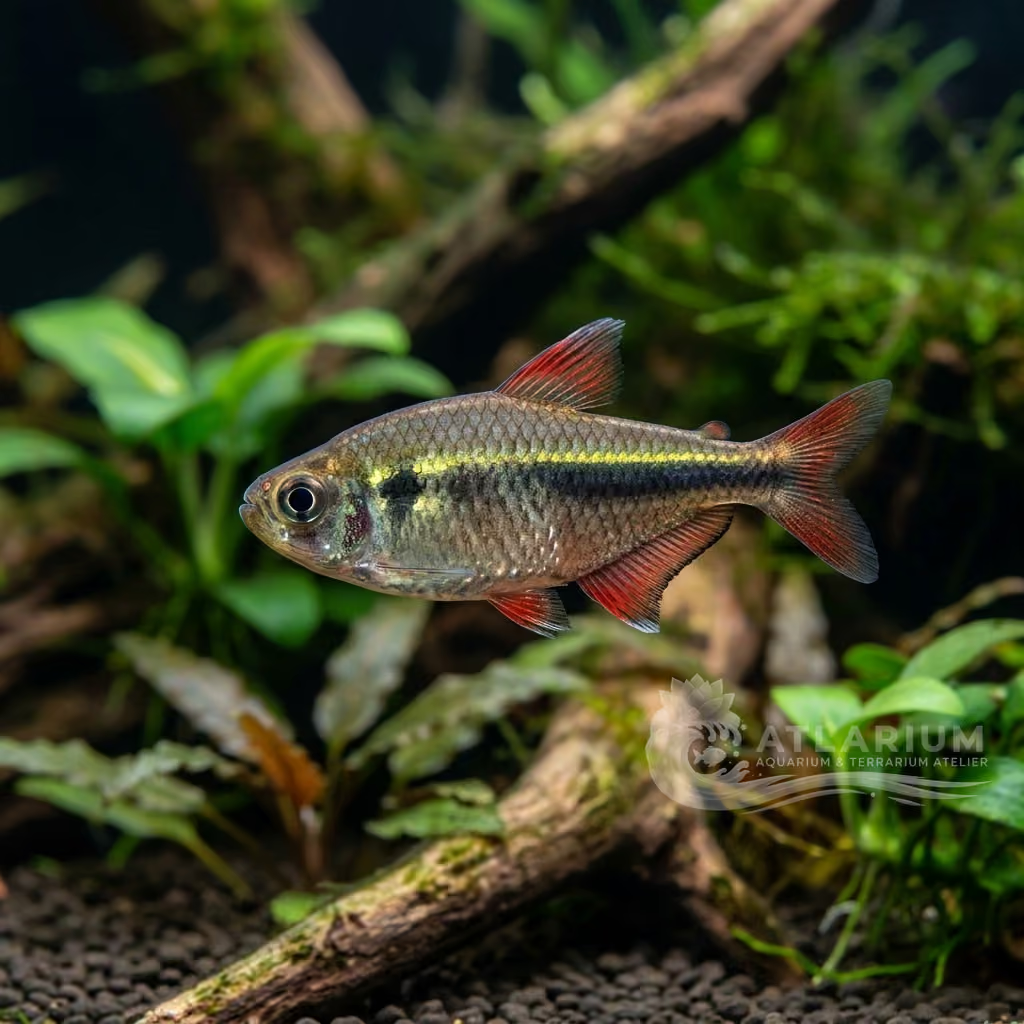
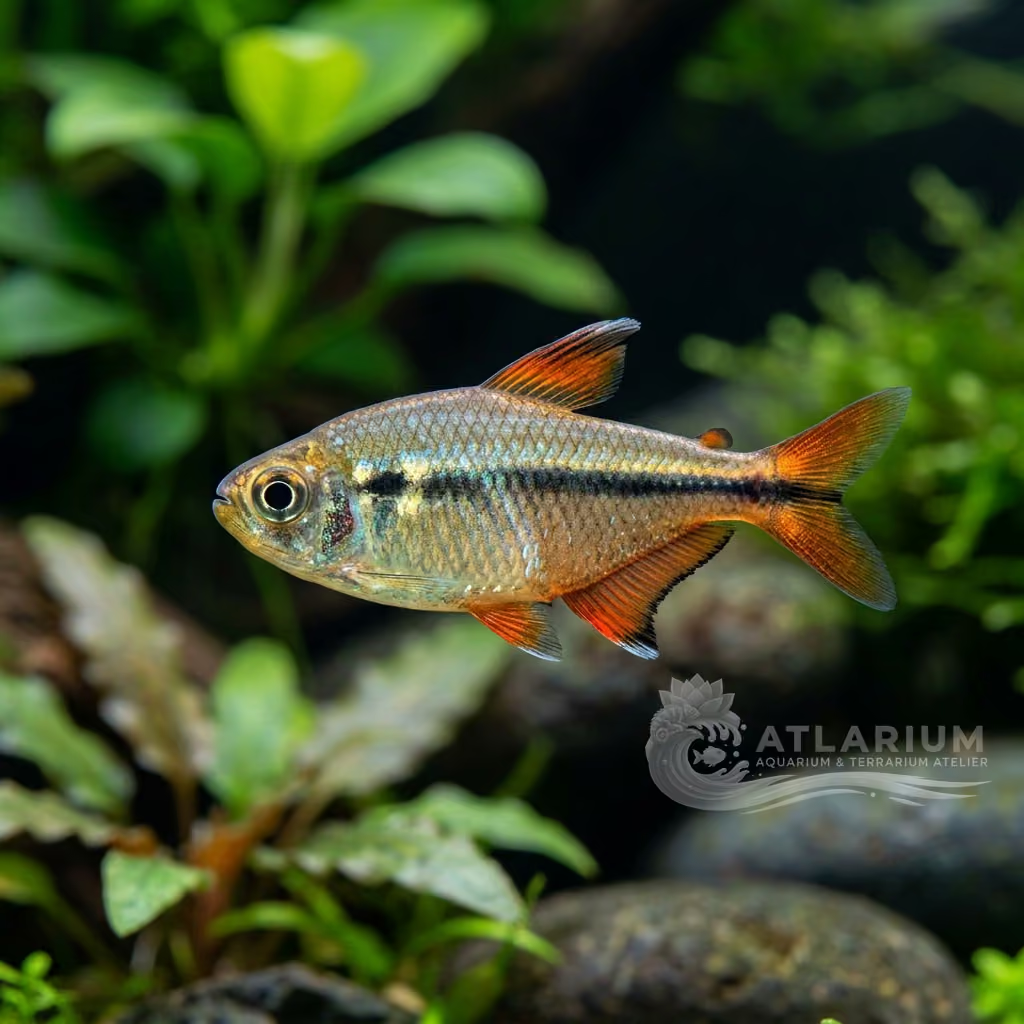
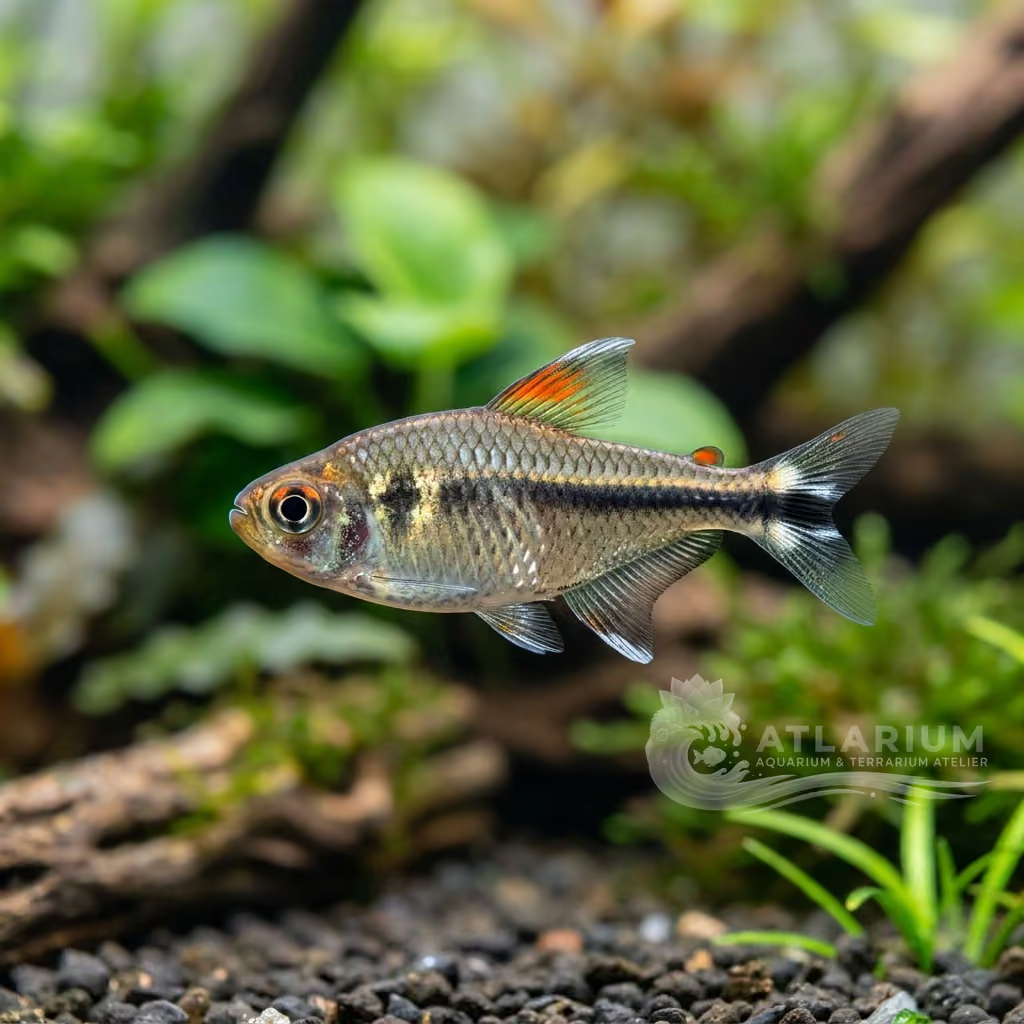
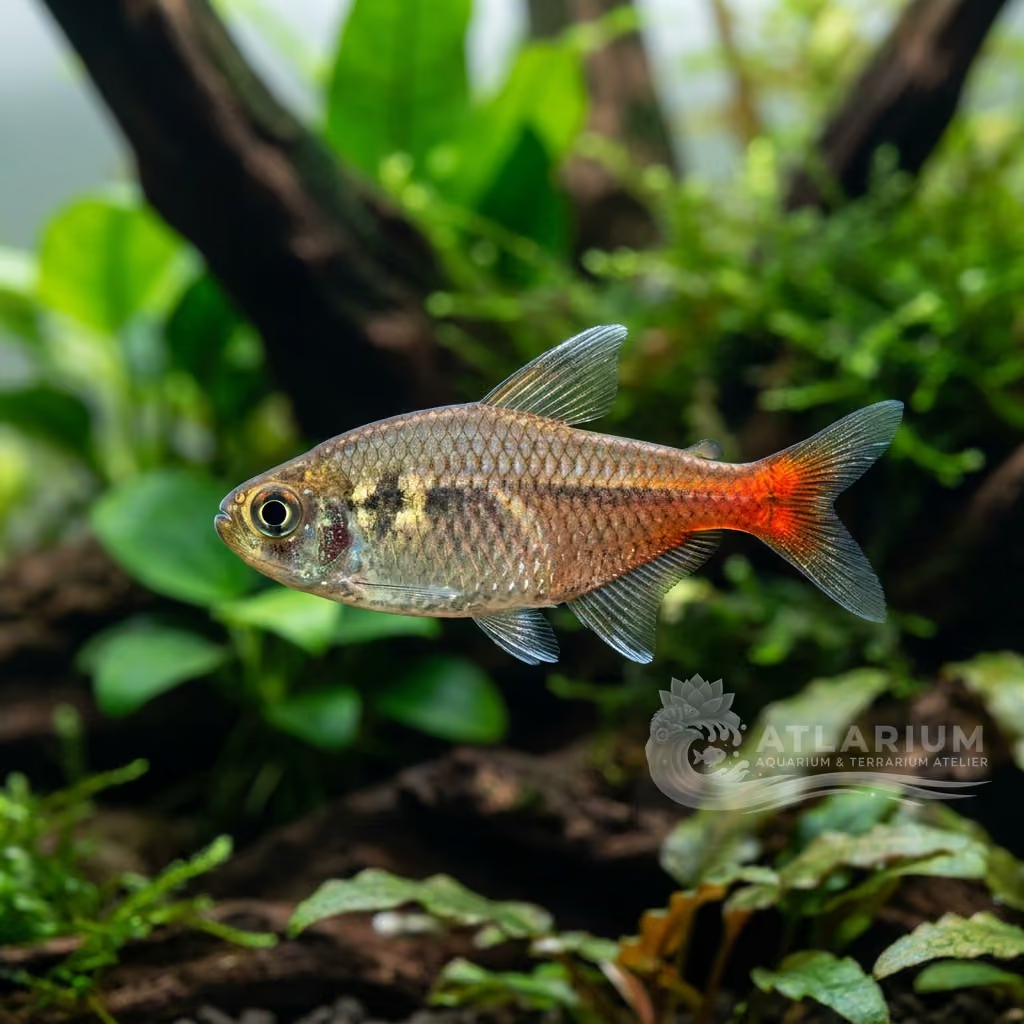
A rare beauty coming from the Ucayali basin in Peru. Stands out for a shining golden lateral band that intersects a thin black edge along its entire length.
Température de l’eau
22 - 26 °C
Valeur du pH
5.5 - 7
Type d'eau
Eau douce
Niveau dans le bac
Milieu
Taille adulte
4,5 cm
Volume minimal du bac
>= 80 L
Groupe minimal
>= 6
GH
1 - 10 dGH
KH
2 - 8 dKH
TDS
35 - 230 ppm
Conductivité
55 - 359 uS/cm

Description de l'espèce
Geographical Origin and Habitat: Originating from the mountain and foothill basins of the Peruvian Amazon (often in the Ucayali River system). Inhabits cool, crystal-clear, and fast-flowing streams with gravelly bottoms and round pebbles.
Taxonomy and Morphology: Hyphessobrycon frankei. Characterized by a very robust and stocky profile. Morphologically belongs to the Peruvian "high altitude tetras", sharing the characteristics of the genus, including a strong mouth and adipose fin.
Social Behavior: Formidable and tireless swimmer, strongly schooling. Must be kept in large schools (10-15 specimens) so that its exuberance does not turn into nervousness. Interacts perpetually within the school.
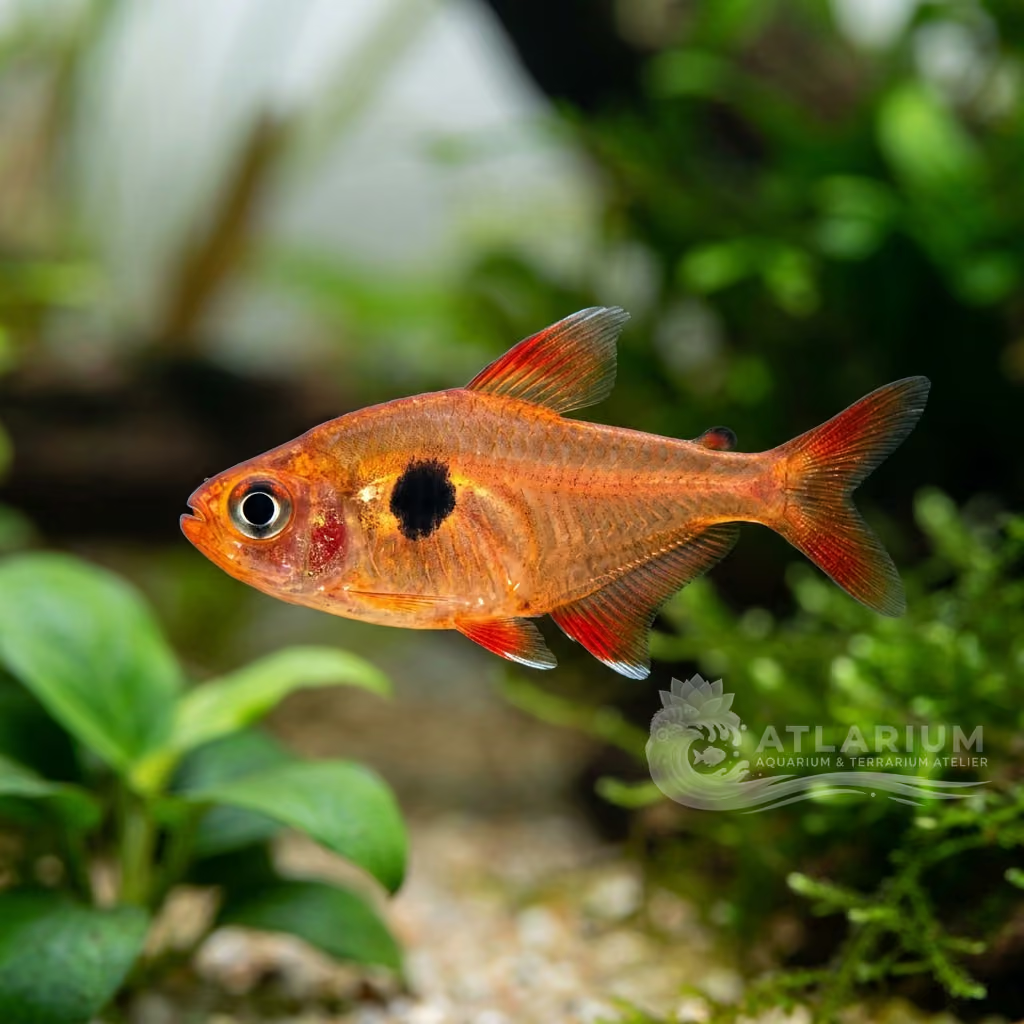
Coloration and Sexual Dimorphism: Simple but attractive: opalescent silvery-gray or greenish base, with two distinct vertical dark bars ("humeral spots") behind the brachial operculum. Reddish fins in males, which are also visibly slenderer.

Soins, reproduction et cohabitation
Aquarium Setup: Long tank (minimum 80-100 cm / 32-40 inches) with a moderate or strong current (use of powerheads). The ideal bottom consists of rounded stones, coarse gravel, and tenacious rheophilic plants like Microsorum and Anubias.
Diet and Feeding: Voracious omnivore. Not being demanding, it accepts flakes and sinking pellets from the first days. However, its liveliness is best supported by regularly providing insects (daphnia) and frozen worms.
Water Quality: A true "cool water tetra". Prefers very moderate temperatures (22-26°C / 72-79°F), never excessively hot. Neutral or weakly acidic water (pH 6.0-7.0) and a very high rate of dissolved oxygen.
Compatibility and Cohabitation: Ideal companion for "hillstream" or brook biotopes. Coexists wonderfully with Chaetostoma (Bulldog Pleco), large cool-water Corydoras (e.g. C. paleatus), and rheophilic Loricariids. Harmless to smaller fish.
Aquarium Breeding: Rarely documented in captivity, but similar to that of congeners. They lay pelagic eggs at dawn, triggered by temperature drops akin to rainfall. No parental care.
Risks and Diseases: The greatest danger is asphyxia or thermal stress if placed in "Discus" aquariums with temperatures constantly over 28°C (82°F). Under such conditions, it rapidly deteriorates.

Origine et répartition géographiques
Originating from the mountain and foothill basins of the Peruvian Amazon (often in the Ucayali River system). Inhabits cool, crystal-clear, and fast-flowing streams with gravelly bottoms and round pebbles.
Origine
Amazonie, Orénoque et Guyanes

Profil de poisson
- Tempérament
- Semi-aggressive
- This is a highly peaceful and somewhat shy species that thrives in a calm environment. They are a schooling fish that relies on the presence of conspecifics to feel safe and exhibit their best behavior. When kept in sufficiently large groups, they are active and inquisitive without ever bothering tank mates.
- Régime alimentaire
- Omnivore
- This species is an opportunistic omnivore that will easily accept a wide variety of aquarium foods. A staple diet of high-quality flakes or pellets should be provided daily. For optimal health and coloration, supplement with frozen or live foods such as bloodworms and brine shrimp.
- Espérance de vie
- 3-5 years
- Taille adulte
- 4.5 cm
- Ratio des sexes
- School
- Maintaining a proper sex ratio is less critical for this species compared to some others, as they are a schooling fish. Keeping them in groups of at least eight to ten individuals ensures natural behavior and reduces stress. Having a mix of males and females can help diffuse any minor squabbles among displaying males.
- Fréquence d'alimentation
- Twice daily
- These active fish benefit from multiple small feedings throughout the day rather than one large meal. Feeding them two to three times daily with amounts they can consume in under two minutes is ideal. This schedule helps prevent bloating and keeps water parameters stable by reducing uneaten food.
- Charge biologique
- Low
- This species produces a very minimal bioload due to its small physical size. It is highly suitable for smaller aquariums or heavily planted setups. However, standard filtration and regular water changes remain essential.
- Courant
- Stagnant
- Originating from slow-moving tributaries and forested pools, they prefer gentle to moderate water currents. High flow environments can quickly exhaust these fish and cause them significant stress. A sponge filter or a baffled hang-on-back filter provides the perfect amount of water movement.
- Risque de saut
- No
- Reproduction
- Oviparous
- They are egg scatterers that do not provide any parental care to their offspring after spawning. To encourage breeding, a separate tank with soft, slightly acidic water and fine-leaved plants is required. Once eggs are laid and fertilized, the adult fish must be removed promptly to prevent them from eating the eggs.
- Compatibilité et compagnons
- Peaceful
- This species is exceptionally peaceful and does well in community tanks with other small, non-aggressive fish. They should never be kept with large or boisterous species that might view them as food. Ideal tank mates include small rasboras, Corydoras catfish, and peaceful dwarf cichlids.
- Niveau dans le bac
- Middle
- This species primarily occupies the middle region of the aquarium water column during normal activities. They are active swimmers that appreciate ample open swimming space in the center of the tank. They will frequently dart in and out of plant thickets or hardscape for cover when resting.

Modèles et paramètres scientifiques
FishBase
Fenêtre sur les données scientifiques officielles de l’espèce
FishBase v25.04Données synchronisées le : 15/06/2026
- Niveau trophique
- 2,9 ± 0,3 se
- Résilience
- Élevée (moins de 15 mois)
- Singularité phylogénétique (PD50)
- 0.5
- Relation bayésienne longueur-poids
- a = 0.00676, b = 3.12
- VulnérabilitéVulnérabilité faible (10 / 100)

Espèces associées
Recommandations regroupées par proches parents, compagnons et soins similaires.