Super White Pleco (L236)
Hypancistrus sp. L236
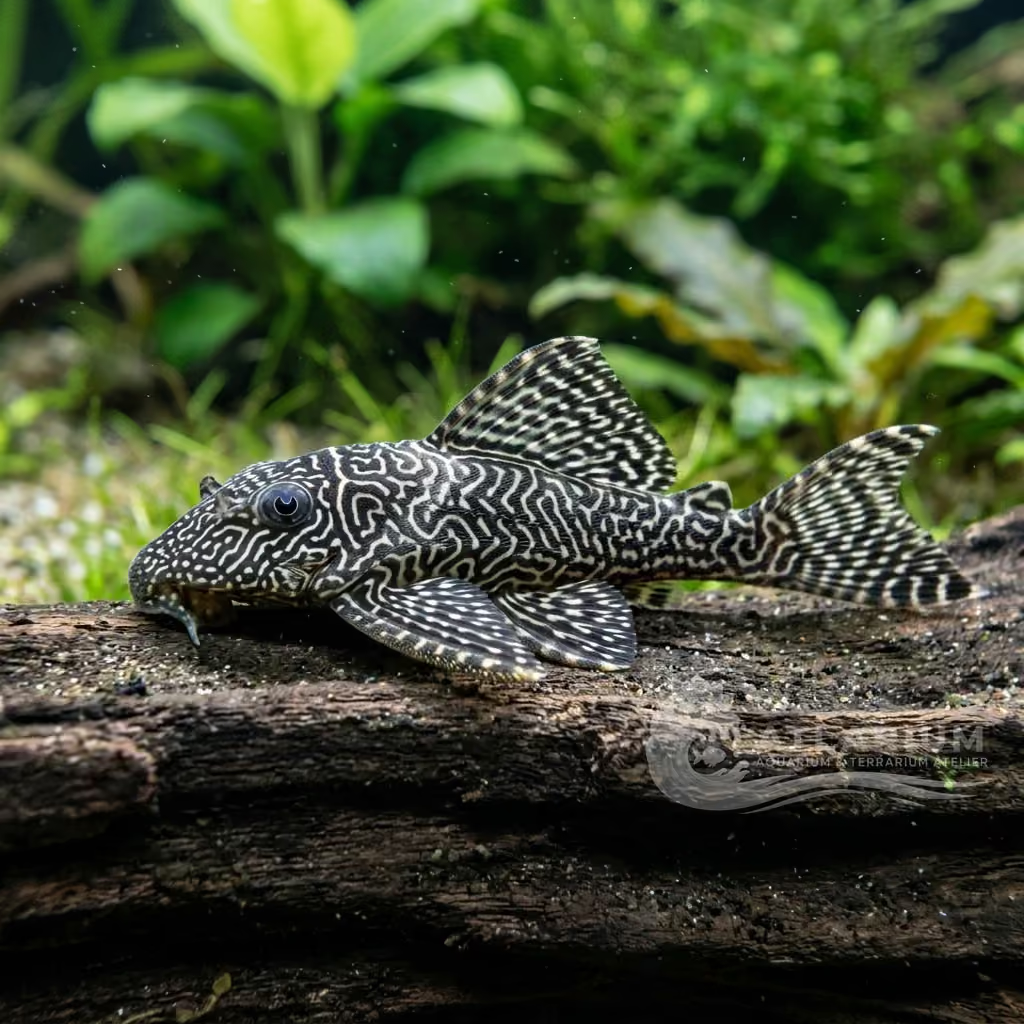
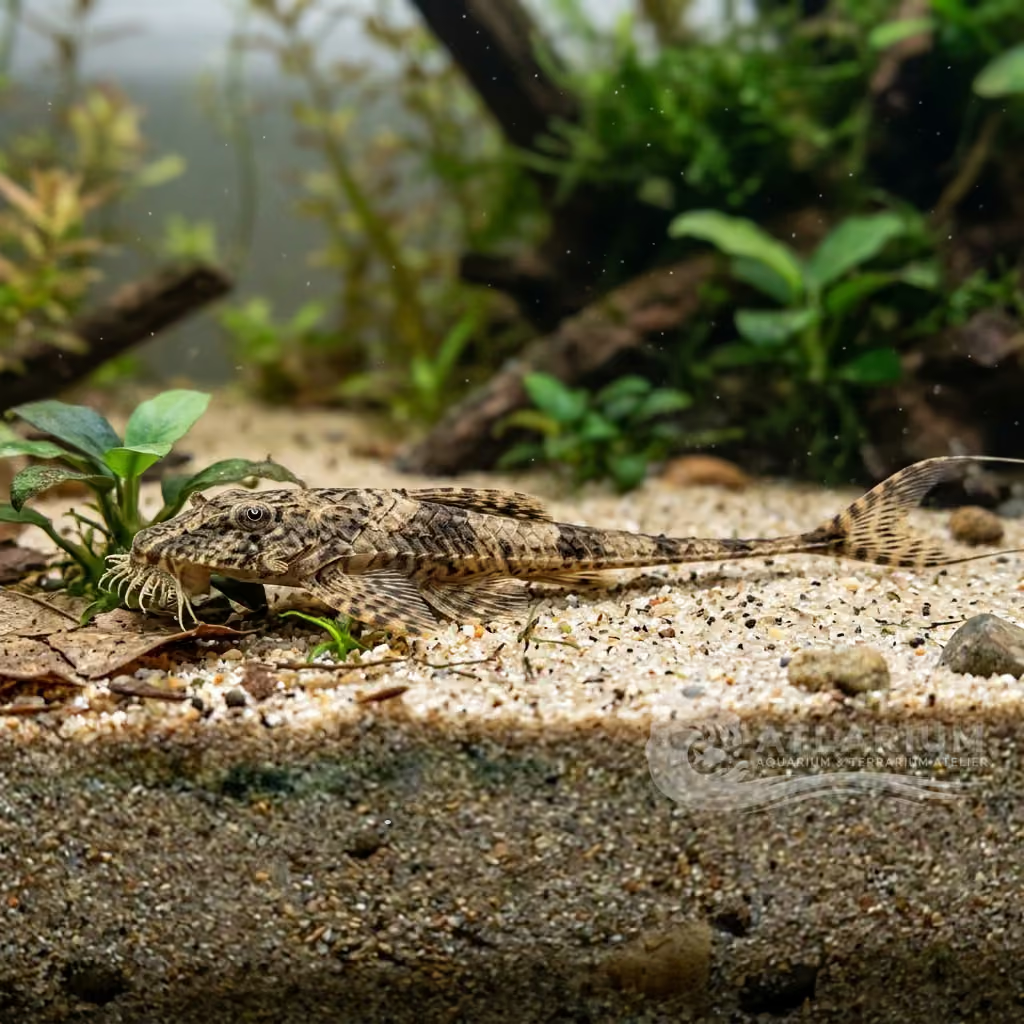
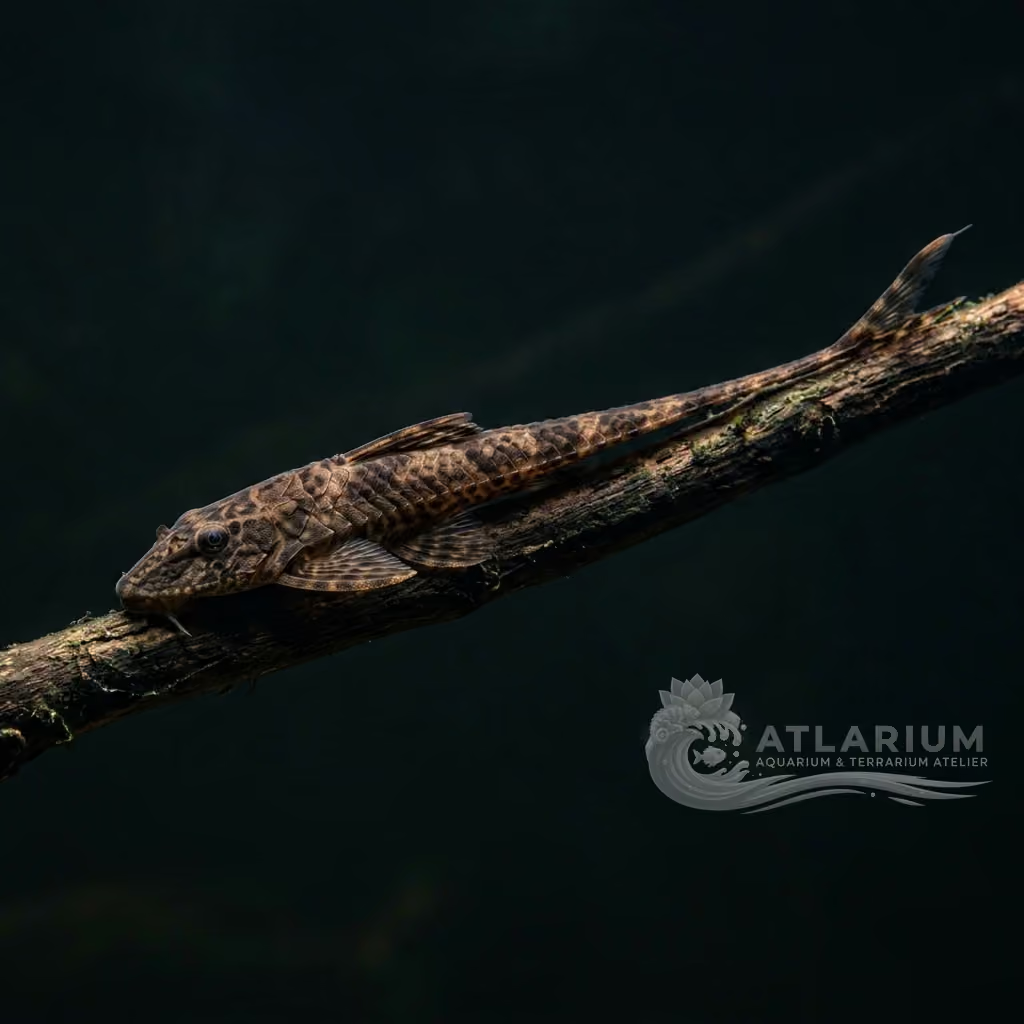
The 'White Jewel of the Rio Iriri' (10-12 cm). Legendary carnivorous loricariid with exceptional black veins on a pure titanium white background (in the highly prized Super White line). Highly sought after by collectors, it is a depth fish accustomed to rocky turbulence. Strict carnivorous diet, custom-made oblong caves and roasting heat are the three commandments to raise this gem.
Température de l’eau
28 - 31 °C
Valeur du pH
5.5 - 7.5
Type d'eau
Eau douce
Niveau dans le bac
Fond
Taille adulte
12 cm
Volume minimal du bac
>= 100 L
Groupe minimal
>= 1
GH
2 - 12 dGH
KH
1 - 6 dKH
TDS
40 - 240 ppm
Conductivité
63 - 375 uS/cm

Description de l'espèce
Geographical Origin and Habitat: The Treasure of the Rio Iriri. Captured for the first time in the rushing rapids of the Rio Iriri (the major tributary of the Xingu) in Brazil. The river, surrounded by the deep Amazon jungle, boasts dark rocky bottoms where the water flows violently at constant temperatures close to 29°C (84°F).
Taxonomy and Morphology: Precision Breeding. Although in nature the species shows variability (Basic line), European selective breeding (Willisch/Glaser line) has isolated the "Super White" variants, purifying the gene that makes the background incredibly white and forcing the black to reduce to isolated labyrinthine filaments. Armored body, dorsally positioned eyes and mouth suited to carnivorous suction and not wood scraping.
Social Behavior: Peaceful Cave Dominator. Exclusively nocturnal. Very discreet. Territoriality is limited to the fierce defense of its own terracotta tube against other conspecific males; the fights are pushes and wedges but never lethal. Absolutely tranquil towards any fish of the middle or upper level.
Coloration and Sexual Dimorphism: Snow and Ink. In the best specimens (Super White) the body is a blinding white, veined by black ink-like lines or irregular striations that almost never touch, creating a "negative" effect compared to normal tiger plecos. Adult males with showy odontodes on the cheeks, thickened first pectoral ray and very pointed cuneiform head compared to the plump round female.

Soins, reproduction et cohabitation
Aquarium Setup: Demands "A Condominium of Dens" (Tank min. 80-100 cm / 30-40 in). Mandatory to insert a surplus of dens (1.5 dens for each loricariid present). The best dens are in dark ceramic or terracotta, closed at the back, as long as the animal's body. Water that must literally swirl to favor the roasting gaseous exchange at the surface.
Diet and Feeding: Exquisite Macro-Carnivore. COMPLETELY IGNORES WOOD AND ALGAE. Indispensable nocturnal administration of sinking salmon/Krill tablets, and frozen blocks of Mysis, red bloodworms and brine shrimp. Appreciates commercial feeds rich in premium fish meal.
Water Quality: Necessity of Purest Heat. Strict breeding temperature: 28-31°C (82-88°F). Extremely sensitive to the decline in water quality. Biological filters must be oversized and the water must be changed abundantly (40% weekly) taking care not to cause thermal stress (insert pre-heated water).
Compatibility and Cohabitation: Premium Community. Such an expensive and magnificent fish requires tankmates that do not inhibit it. Discus, Angelfish (Pterophyllum), large schools of neons or cardinals. AVOID: large scraping Loricariids (Panaque) that pollute the water too much and monopolize the largest caves.
Aquarium Breeding: Cave Spawner. Challenge sought after by breeders. The male appropriates a narrow den and attracts the female with body jerks. After oviposition, the male manages the enormous yellow eggs alone for entire weeks in total fasting, expelling now self-sufficient larvae.
Risks and Diseases: Lethality from Wood/Vegetable Intestinal Blockage. The carnivorous digestive system of the Hypancistrus cannot handle large volumes of woody fibers or thick celluloses. Feeding only vegetables will cause fatal fermentative blockages and wasting (starvation).

Origine et répartition géographiques
The Treasure of the Rio Iriri. Captured for the first time in the rushing rapids of the Rio Iriri (the major tributary of the Xingu) in Brazil. The river, surrounded by the deep Amazon jungle, boasts dark rocky bottoms where the water flows violently at constant temperatures close to 29°C (84°F).
Origine
Sélection et cultivarsAmazonie, Orénoque et GuyanesEurope, Méditerranée et Asie occidentaleAsie de l'EstOcéans tropicaux et récifs

Profil de poisson
- Tempérament
- Semi-aggressive
- They exhibit a peaceful but somewhat shy temperament, preferring the safety of their caves during daylight hours. Males will defend their chosen caves from other bottom dwellers, displaying their fins to intimidate rivals without causing harm. A well-structured tank with plenty of hiding spots ensures they feel secure and minimizes any territorial disputes.
- Régime alimentaire
- Omnivore
- As strict carnivores, their diet must revolve around high-quality, protein-dense foods rather than plant matter. Provide a varied menu of frozen bloodworms, mysis shrimp, specialized sinking carnivore pellets, and chopped seafood. They have virtually no interest in algae or wood, so relying on these as food will lead to starvation.
- Espérance de vie
- 10-15 years
- Taille adulte
- 12 cm
- Ratio des sexes
- Group
- Mature males are visibly distinct, possessing significantly longer and denser odontode growth on their pectoral fins and cheeks. Males also tend to have a broader, more robust head shape, whereas females have a rounder midsection. Establishing a group with a ratio of 1 male to 2 or 3 females often yields the best breeding success.
- Fréquence d'alimentation
- Twice daily
- Feeding should occur once daily, optimally provided after the main aquarium lights have been turned off for the night. They are nocturnal foragers and are far more confident searching for food in the dark. It is crucial to ensure food is dropped near their hiding spots so they can easily find it.
- Charge biologique
- Low to Medium
- This highly sought-after pleco produces a moderate bioload typical of medium-sized Loricariids on a carnivorous diet. Their meaty waste requires excellent biological filtration to process ammonia and nitrites swiftly. Diligent tank maintenance, including weekly water changes and substrate vacuuming, is necessary to keep them thriving.
- Courant
- Stagnant
- Native to the fast-flowing waters of the Rio Iriri, they absolutely require strong water current and superb oxygenation. The use of robust powerheads and aggressive surface agitation is highly recommended for their long-term health. Warm water holds less oxygen, making vigorous aeration critically important for this warm-water species.
- Risque de saut
- No
- Reproduction
- Oviparous
- They are typical cave spawners, and breeding is highly achievable if provided with pristine water and a high-protein diet. Males will claim a tight-fitting ceramic or slate cave, coax a female inside, and subsequently aggressively guard the eggs. The male alone cares for the eggs and fry until they are fully free-swimming.
- Compatibilité et compagnons
- Peaceful
- They are peaceful, community-friendly bottom dwellers that will ignore fish swimming in the mid to upper water column. Excellent tank mates include peaceful tetras, corydoras, and dwarf cichlids that share similar temperature requirements. They should not be housed with aggressive, highly active bottom feeders that will constantly outcompete them for food.
- Niveau dans le bac
- Bottom
- They are entirely bottom-dwelling fish that will lay claim to specific caves or crevices within the hardscape. They require a tank extensively decorated with stacked slate, ceramic spawning caves, and complex driftwood arrangements. They will rarely, if ever, venture into the open middle or upper layers of the water column.

Espèces associées
Recommandations regroupées par proches parents, compagnons et soins similaires.