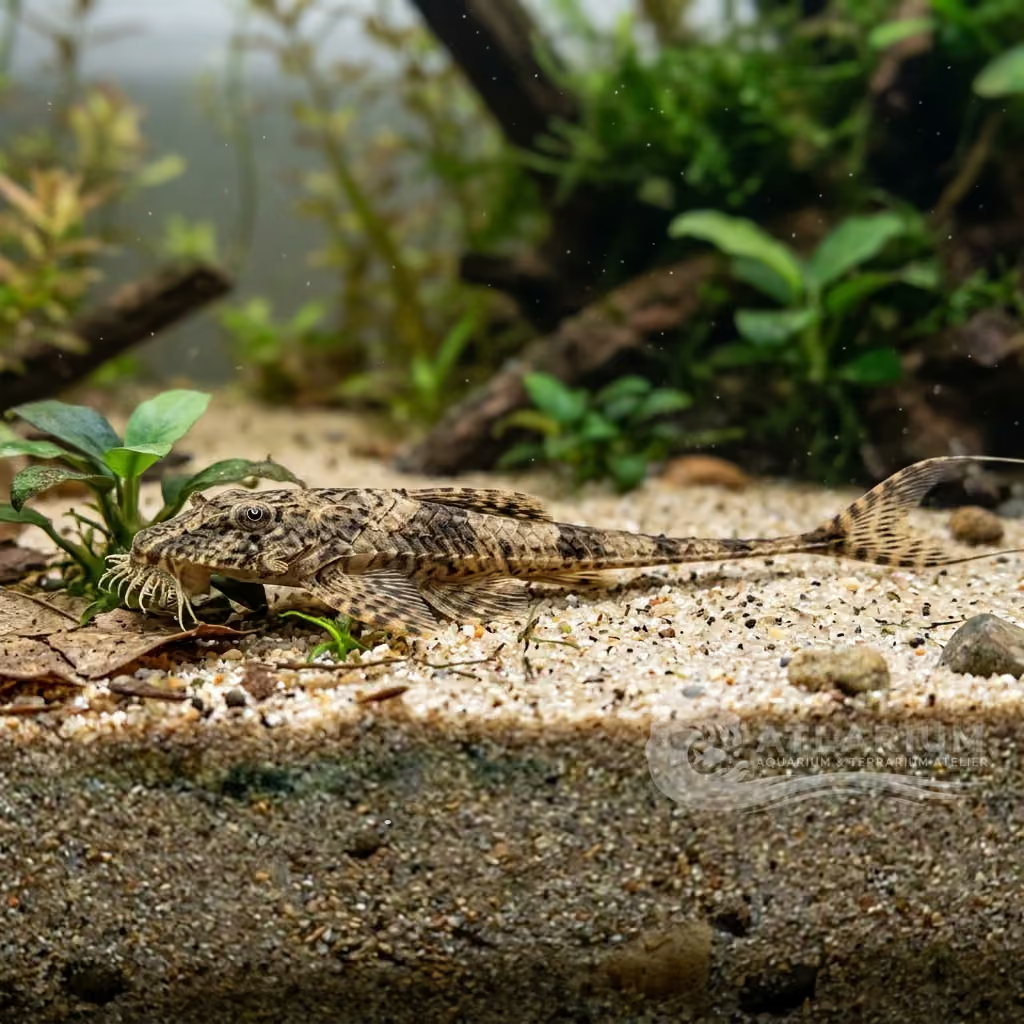
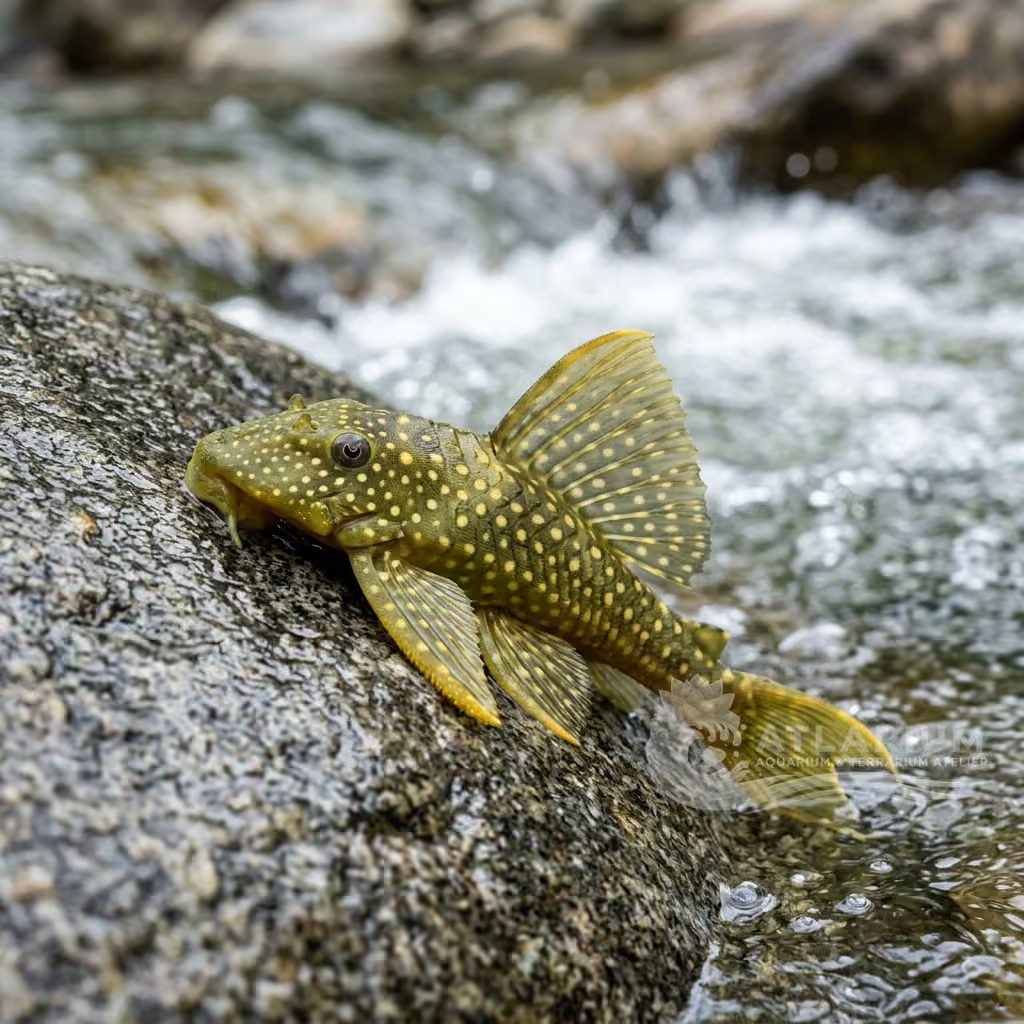
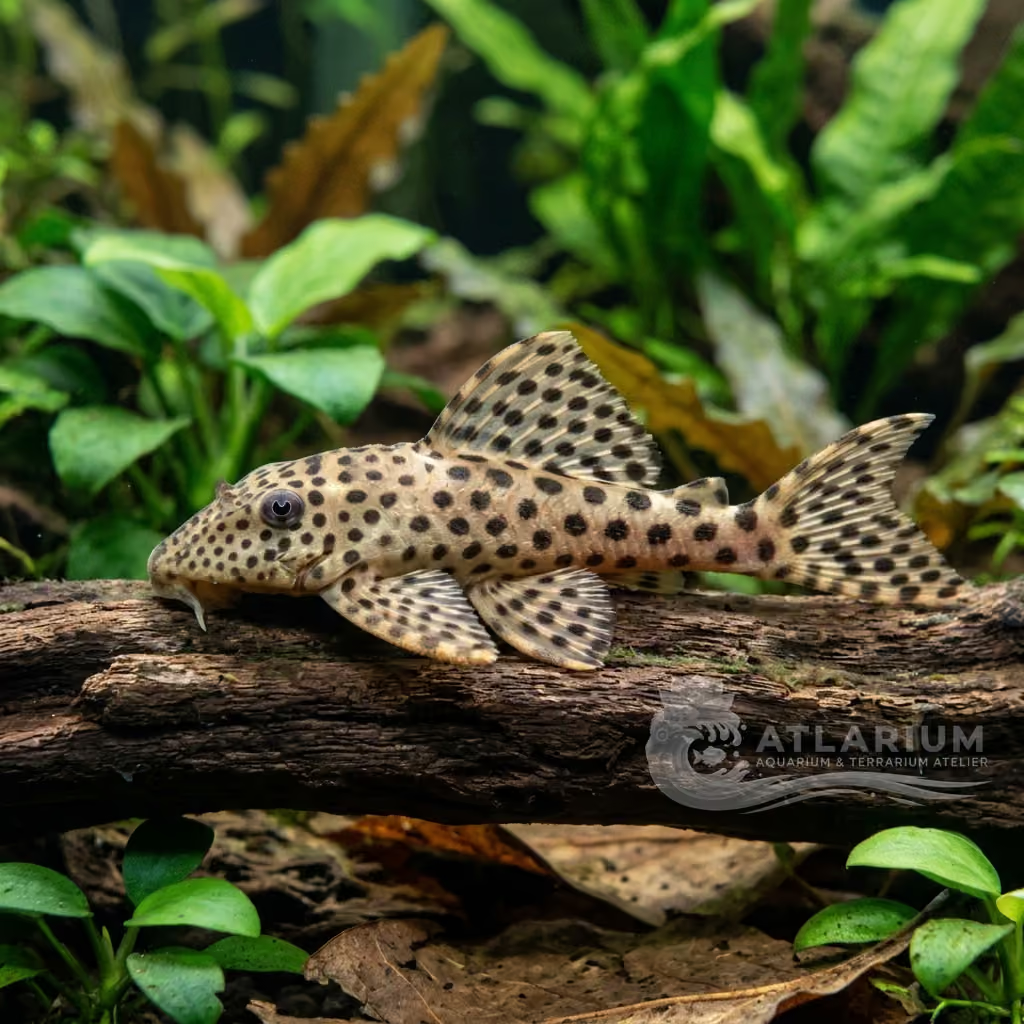
Albino Bristlenose Pleco
Ancistrus cf. cirrhosus var. Albino
The golden version of the most beloved bristlenose pleco: pale yellow-orange body with red eyes, and the characteristic tentacle-like growths on males' snouts. Albinism doesn't compromise hardiness — it remains one of the best algae eaters for home aquariums. Reaches 12–15 cm, far less than the common pleco. Nocturnal but less shy than the brown form, perhaps due to reduced visual perception.
Température de l’eau
22 - 28 °C
Valeur du pH
6 - 7.5
Type d'eau
Eau douce
Niveau dans le bac
Fond
Taille adulte
14 cm
Volume minimal du bac
>= 80 L
Groupe minimal
>= 1
GH
4 - 15 dGH
KH
2 - 7 dKH
TDS
80 - 295 ppm
Conductivité
125 - 461 uS/cm

Description de l'espèce
Geographical Origin and Habitat: Variant created and selected in the aquarium hobby, not present in nature. The original strain of Ancistrus cf. cirrhosus comes from the rivers and streams of the Paranà river basin in South America.
Taxonomy and Morphology: Albino Bristlenose Pleco. Amelanic mutation of the common Ancistrus. Flat teardrop-shaped body, downward-facing sucker mouth. Grows up to 14 cm (5.5 inches). Often crossbred in breeding, so the exact classification (cf.) is uncertain.
Social Behavior: Peaceful, nocturnal and solitary. Tends to completely ignore other fish. Very busy: spends hours scraping wood and glass. Becomes aggressive and territorial only towards other Loricariids if space or food is scarce.
Coloration and Sexual Dimorphism: Devoid of pigment: appears in a uniform pale pink/yellow color, with typically red eyes. Adult males develop an impressive "bush" of highly branched fleshy tentacles on the snout. Females lack them or have very few short ones on the labial margin.

Soins, reproduction et cohabitation
Aquarium Setup: Tank of at least 80 cm (32 inches). WOOD IS MANDATORY: essential for their digestion. Create numerous dark caves using smooth rocks or terracotta amphorae. They do not damage leathery plants, but could uproot delicate ones by digging the sand under the stones.
Diet and Feeding: Herbivore/Algae-eater. They tirelessly clean the tank of green algae (but ignore brush or filamentous algae). Must be fed daily (in the evening) with sinking spirulina tablets, blanched zucchini slices and spinach.
Water Quality: Armored fish and extremely resistant to thermal shocks. Perfect for standard tropical aquariums (22-28°C / 71-82°F, pH 6.0-7.5, GH 4-15). Produces a formidable amount of organic waste: the mechanical filter must be excellent and cleaned regularly.
Compatibility and Cohabitation: The community algae-eater par excellence. Cohabits peacefully with Neons, Guppies, Angelfish, Discus and Corydoras. Avoid pairing with large aggressive cichlids that could attack it, or with other male Ancistrus in small tanks (they would fight for territory).
Aquarium Breeding: Extremely easy. The male takes over a tube cave closed on one side and attracts the female there. They lay clusters of huge orange eggs. The male chases the female away and takes care of the clutch, fanning it tirelessly until hatching (7-10 days).
Risks and Diseases: People often buy them thinking they survive by eating the "dirt" of the aquarium: wasting from starvation is the number one cause of death. Never use fine nylon nets: their pectoral odontodes (spines) will inexorably get stuck, tearing off.

Origine et répartition géographiques
Variant created and selected in the aquarium hobby, not present in nature. The original strain of Ancistrus cf. cirrhosus comes from the rivers and streams of the Paranà river basin in South America.
Origine
Sélection et cultivarsAmérique du Sud hors AmazonieOcéans tropicaux et récifs

Profil de poisson
- Tempérament
- Semi-aggressive
- Ancistrus albino is a peaceful and docile species, making it an excellent addition to most community aquariums. They spend most of the day hiding in caves or under driftwood and become more active during the evening and night. The only notable aggression occurs among mature males, who are highly territorial regarding breeding caves. Aside from territorial disputes with other bottom-dwellers of similar shape, they will ignore other tank inhabitants.
- Régime alimentaire
- Herbivore
- This species is primarily herbivorous but operates as an opportunistic omnivore in the aquarium. Their primary diet should consist of high-quality sinking algae wafers, spirulina pellets, and fresh blanched vegetables like zucchini, cucumber, and spinach. Importantly, they must have access to natural driftwood in the aquarium, as they rasp on it to obtain essential dietary fiber for digestion. Occasional protein treats, such as frozen bloodworms or brine shrimp, can be offered to supplement their diet.
- Espérance de vie
- 5-12 years
- Taille adulte
- 14 cm
- Ratio des sexes
- Harem
- For stocking Ancistrus albino, keeping a single specimen or a harem of one male with two or three females is ideal. Mature males are territorial and will aggressively fight over caves or hiding spots if housed together in small spaces. If keeping multiple males, a very large aquarium with numerous visual barriers is necessary to prevent severe conflict. Females are generally more tolerant of each other but still appreciate their own defined spaces.
- Fréquence d'alimentation
- Twice daily
- Ancistrus albino should be fed once daily, preferably in the evening shortly before the aquarium lights are turned off to align with their nocturnal feeding habits. Vegetables can be left in the tank for up to 24 hours but must be removed promptly afterward to prevent water fouling. If there is abundant natural algae and biofilm in the tank, they can easily graze throughout the day. Monitoring their belly shape helps ensure they are receiving adequate nutrition without overfeeding.
- Charge biologique
- Medium
- Although Ancistrus albino is a relatively small species, it has a medium bioload due to its constant grazing and high waste production. Efficient filtration is essential to process the organic waste they produce and maintain crystal clear water. Regular gravel vacuuming during water changes is highly recommended to remove accumulated feces from the substrate. A well-established nitrogen cycle and routine maintenance will ensure their long-term health.
- Courant
- Strong
- Ancistrus albino thrives in water with moderate flow and high oxygenation levels, replicating the oxygen-rich streams of their native South American habitats. While they are highly adaptable and can tolerate weaker currents, stagnation must be avoided to keep them healthy. Using a spray bar or an additional powerhead can help distribute oxygen throughout the lower levels of the tank where they reside. Good water movement also helps keep the substrate clean by pushing debris toward the filter intake.
- Risque de saut
- No
- Reproduction
- Oviparous
- Breeding Ancistrus albino is relatively straightforward and frequently occurs spontaneously in home aquariums. The male will select a suitable cave, clean it, and court a female to lay a clutch of bright yellow or orange eggs inside. Once the eggs are laid, the male drives the female away and takes sole responsibility for guarding and fanning the eggs. The eggs hatch in about 4 to 7 days, and the fry will consume their yolk sacs before emerging to feed on biofilm and finely crushed algae wafers.
- Compatibilité et compagnons
- Peaceful
- Ancistrus albino is highly compatible with a wide variety of peaceful community fish, including tetras, rasboras, guppies, and peaceful cichlids. They can also be kept alongside dwarf shrimp and snails, as they are not predatory and will ignore them. However, they should not be housed with aggressive, large, or fast-swimming species that might outcompete them for food or nippy fish that target their long fins. Keeping them with other bottom-dwelling territorial species like other plecos should be managed carefully by providing sufficient space and hiding spots.
- Niveau dans le bac
- Bottom
- Ancistrus albino is primarily a bottom-dwelling fish that spends the majority of its time on the substrate, rocks, and driftwood. However, they are active explorers and will frequently climb the aquarium glass and plant leaves in search of biofilm and algae. Providing plenty of ground-level caves, driftwood, and flat stones is crucial to replicate their natural habitat. They rarely swim in the open middle or upper water columns, preferring to stay close to surfaces.

Galerie d'images
Images sous licence liées à l'espèce ou, lorsqu'elles sont indiquées, au taxon représentatif le plus proche.

Espèces associées
Recommandations regroupées par proches parents, compagnons et soins similaires.