Mato Grosso Ancistrus
Ancistrus tombador
Native to the limestone areas of Mato Grosso. A tenacious algae eater equipped with the typical frontal tentacular crest, perfect for the natural control of diatom and green algae infestations.
Température de l’eau
22 - 26 °C
Valeur du pH
6 - 7.5
Type d'eau
Eau douce
Niveau dans le bac
Fond
Taille adulte
9 cm
Volume minimal du bac
>= 100 L
Groupe minimal
>= 1
GH
2 - 12 dGH
KH
3 - 10 dKH
TDS
60 - 280 ppm
Conductivité
94 - 438 uS/cm

Description de l'espèce
Geographical Origin and Habitat: Micro-endemic to the Rio Tombador (Upper Rio Tapajós basin), in the Brazilian Mato Grosso. Inhabits crystalline hilly streams on highly oxygenated gravel/rocky bottoms.
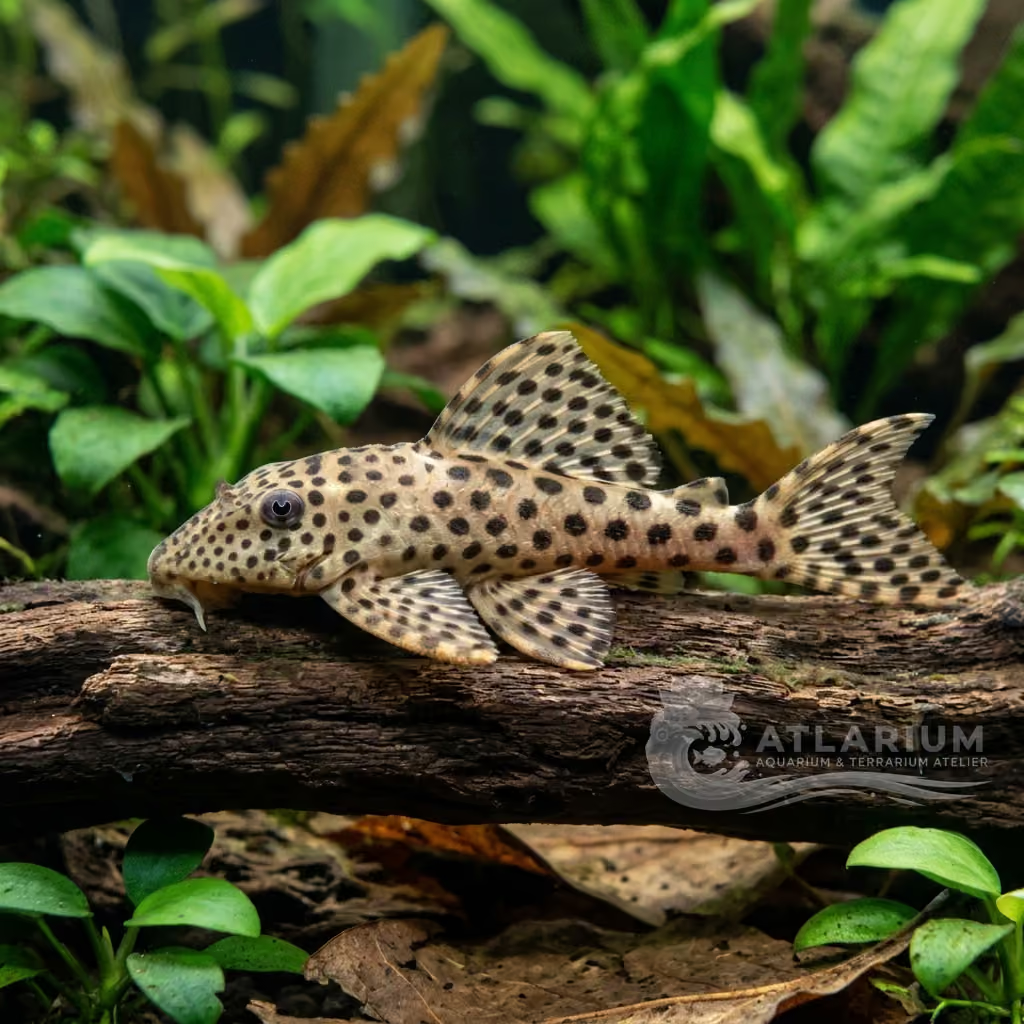
Taxonomy and Morphology: Tombador Bristlenose (Ancistrus tombador / L393). A rare "dwarf" species (barely exceeds 8-9 cm / 3.5 inches). Endowed with a robust build, flattened dorsoventrally with wide fins to rest on stones smoothed by torrential flows.
Social Behavior: Frantic and lively algae eater. Unlike its large cousins, it spends most of its time exploring every stone and ravine in search of algal coatings. Relatively tolerant towards conspecifics if space and rocks abound.
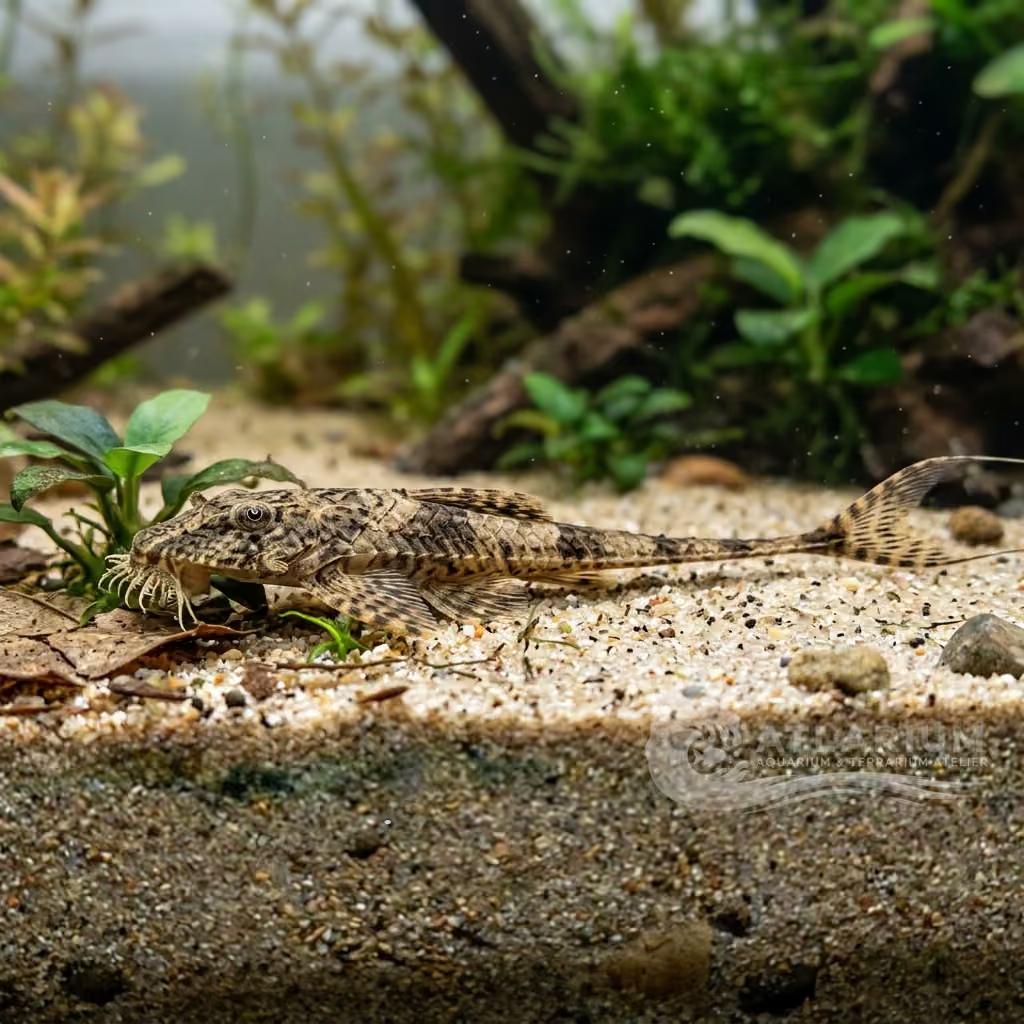
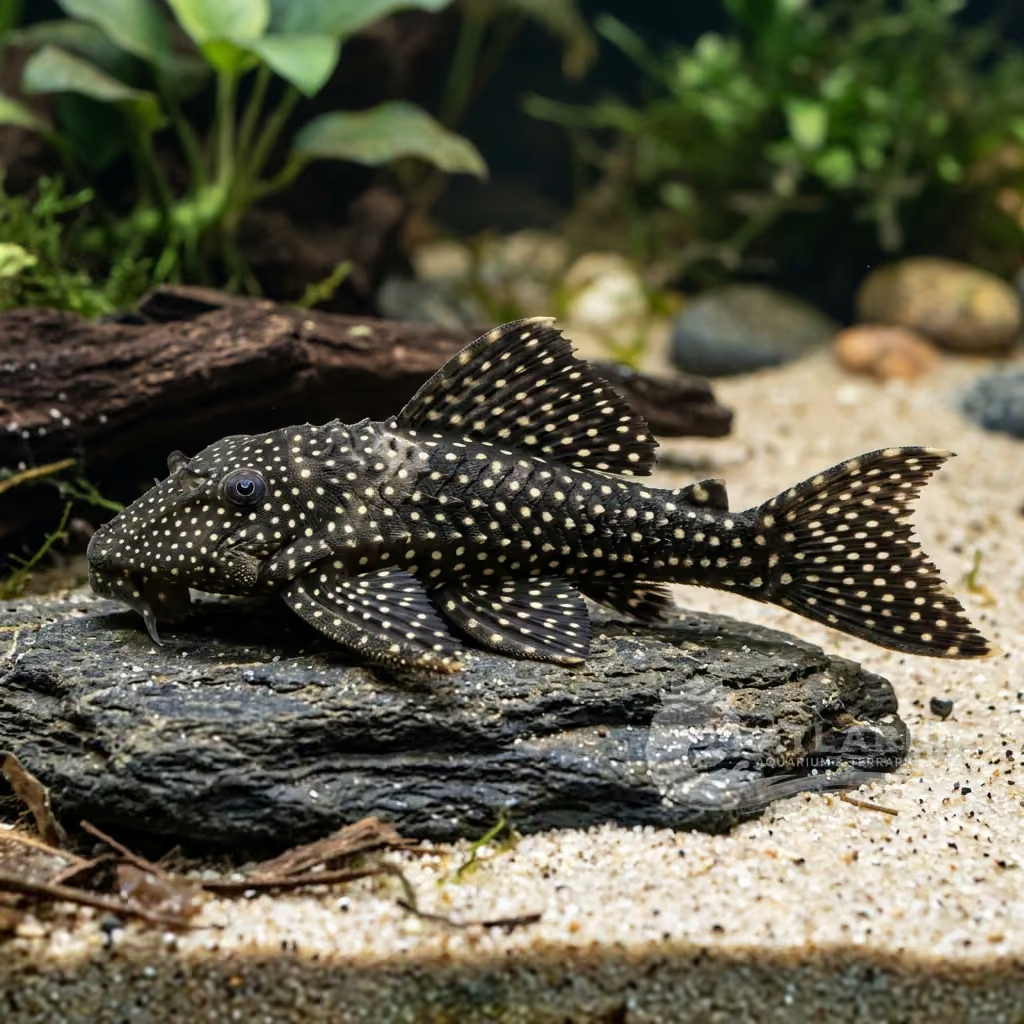
Coloration and Sexual Dimorphism: Olive-bronze background studded with very thick and tiny golden-yellow/white dots. Characteristic bright "hem" on the extreme edges of the caudal and dorsal fin (especially in juveniles). Males with an evident crown of bristles.

Soins, reproduction et cohabitation
Aquarium Setup: Given its size, it adapts to 80 cm (32 inches) tanks. Obligatory "stream" layout: smooth gravel or round stones, intricate twigs ("Manzanita wood" type) and a small but vigorous circulation filter. Create dark corners with robust plants (Anubias or Microsorum).
Diet and Feeding: Incessant vegetarian scraper (Aufwuchs). Keep it fed with a green algae substrate in the tank or, alternatively, spirulina-based wafers and frequent blanched fresh vegetables (zucchini, spinach, green cabbage). Rare protein intrusions.
Water Quality: Like mountain or hilly species, it prefers slightly cooler waters than the Amazonian average (22-26°C / 72-79°F max) and does not tolerate oxygen scarcity or fecal detritus accumulation. The weekly water change is sacred.
Compatibility and Cohabitation: Formidable partner for nano-community aquariums, cohabiting peacefully with Rasboras, Boraras, small Tetras, and shrimp. Completely defenseless against aggressive or territorial fish (large Cichlids), which would bully it fiercely.
Aquarium Breeding: "Standard" reproduction for Ancistrus: dark crevices or terracotta tubes become the nest. The male chooses it and blocks the entrance with his powerful head, ventilating the brood of 20-40 eggs until the fry escape.
Risks and Diseases: Temperatures above 27°C (81°F), combined with excessive administration of carnivorous tablets (Bloat), lead to a rapid silent die-off, hidden by the fish's habit of retreating to die in the most remote corner.

Origine et répartition géographiques
Micro-endemic to the Rio Tombador (Upper Rio Tapajós basin), in the Brazilian Mato Grosso. Inhabits crystalline hilly streams on highly oxygenated gravel/rocky bottoms.
Origine
Amérique du Sud hors Amazonie

Profil de poisson
- Tempérament
- Semi-aggressive
- Ancistrus tombador is a peaceful, shy, and mostly nocturnal species that spends daylight hours resting in dark retreats. However, adult males are highly territorial toward other males of the same species and similar bottom-dwellers, aggressively defending their caves. In a well-structured tank with plenty of cover, this behavior is easily managed. They do not pose any threat to small, peaceful tankmates inhabiting the middle and upper levels of the water.
- Régime alimentaire
- Herbivore
- The diet of Ancistrus tombador should consist primarily of plant-based foods to match its herbivorous nature. Sinking spirulina wafers, algae pellets, and fresh blanched vegetables like zucchini, cucumber, and spinach are ideal options. Crucially, the aquarium must contain natural driftwood, as these fish scrape wood to obtain lignin, which is essential for their digestion. High-protein foods should only be offered as an occasional treat to avoid digestive issues like bloat.
- Espérance de vie
- 5-10 years
- Taille adulte
- 9 cm
- Ratio des sexes
- Harem
- In a standard aquarium, keeping a single specimen or a compatible pair of Ancistrus tombador is highly recommended. If you plan to house a larger group, maintaining a harem ratio of one male to multiple females is ideal. This distribution helps disperse the territorial behavior of the male, preventing excessive harassment of a single individual. It is crucial to provide multiple cave sites so each fish can establish a territory without constant conflict.
- Fréquence d'alimentation
- Twice daily
- It is best to feed Ancistrus tombador once daily, preferably in the evening just after the aquarium lights have been turned off. This schedule aligns with their natural crepuscular and nocturnal foraging activity and reduces competition from faster, diurnal species. Fresh vegetables can be offered two to three times per week as a supplement. Any uneaten fresh food must be removed within 24 hours to prevent fouling the aquarium water.
- Charge biologique
- Low to Medium
- Despite its small standard length of around 6.3 cm, Ancistrus tombador produces a moderate amount of waste due to its constant grazing habits. As a herbivore that consumes high amounts of fibrous plant matter and wood, its organic waste output is significant for its size. A robust mechanical and biological filtration system is therefore necessary to maintain high water quality and stability. Regular water changes of 15-20% weekly are recommended to keep nitrates low and ensure optimal health.
- Courant
- Stagnant
- Native to the clearwater tributaries of the upper Tapajós River, Ancistrus tombador prefers moderate to strong water flow. Excellent water oxygenation is critical for their health, as they are sensitive to stagnant conditions and low oxygen levels. Utilizing powerheads, filter outlets, or air stones will help simulate their native stream environments. Placing rocks and driftwood in the path of the current creates highly preferred resting and grazing areas.
- Risque de saut
- No
- Reproduction
- Oviparous
- In captivity, breeding Ancistrus tombador is rare but follows the typical cave-spawning behavior of the genus. The female deposits a batch of bright yellow or orange eggs inside a tight cave or crevice. Once spawning is complete, the male expels the female and takes sole responsibility for guarding the nest. He fans the clutch with his fins to keep it oxygenated and clean until the eggs hatch and the fry are free-swimming.
- Compatibilité et compagnons
- Community
- This species is highly compatible with a broad range of peaceful community fish that occupy the middle and upper levels of the aquarium. Ideal companions include small tetras, rasboras, hatchetfish, and peaceful dwarf cichlids. However, they should not be kept with large, aggressive bottom-dwellers or multiple male Ancistrus in small setups to prevent territorial fighting. They are completely safe to house alongside large freshwater shrimp and aquatic snails.
- Niveau dans le bac
- Bottom
- As a specialized benthic species, Ancistrus tombador spends almost all of its time on the bottom of the aquarium. It uses its suckermouth to cling to stones, gravel, and driftwood while foraging for food. While they may occasionally climb the aquarium glass or tall decorations to graze on biofilm, their primary zone of activity is the substrate. Providing flat river stones and horizontal caves at the bottom of the tank will cater directly to this behavior.

Modèles et paramètres scientifiques
FishBase
Fenêtre sur les données scientifiques officielles de l’espèce
FishBase v25.04Données synchronisées le : 15/06/2026
- Singularité phylogénétique (PD50)
- 0.5
- Relation bayésienne longueur-poids
- a = 0.01479, b = 2.98
- VulnérabilitéVulnérabilité faible (10 / 100)

Espèces associées
Recommandations regroupées par proches parents, compagnons et soins similaires.