Yucatán Hognose Viper
Porthidium yucatanicum
Porthidium yucatanicum (commonly known as Yucatán Hognose Viper) is native to Yucatán Peninsula in Mexico, where it inhabits dry deciduous forests and arid thorny scrublands.
Environment
Terrestrial
Humidity
40 - 60 %
Day temperature
22 - 33 °C
Ambient temperature
22 - 33 °C
Night temperature
23 - 25 °C
Basking spot
32 °C
Adult size
40 cm
Minimum enclosure
>= 80 L

Species description
Geographical Origin and Habitat: *Porthidium yucatanicum* (Yucatán Hognose Viper) is a venomous snake endemic to the Yucatán Peninsula in southern Mexico. It inhabits tropical dry deciduous forests, semi-arid thorny scrublands, and coastal grasslands. This region is characterized by a tropical climate with a long, pronounced dry season and sandy, limestone-rich soils.
Taxonomy and Genetics: Belonging to the family Viperidae, subfamily Crotalinae. The genus *Porthidium* is characterized by its upturned snout, which is an adaptation for digging or leaf-litter foraging. Genetic analysis shows this species is closely adapted to the isolated and dry ecological niche of the northern Yucatan peninsula.
Behavior and Habits: Terrestrial and primarily crepuscular or nocturnal. It spends the hot daylight hours hidden beneath rocks, fallen logs, or leaf litter to prevent dehydration. It is an ambush predator that relies on camouflage to capture prey. Although generally non-aggressive, it will strike defensively if stepped on.
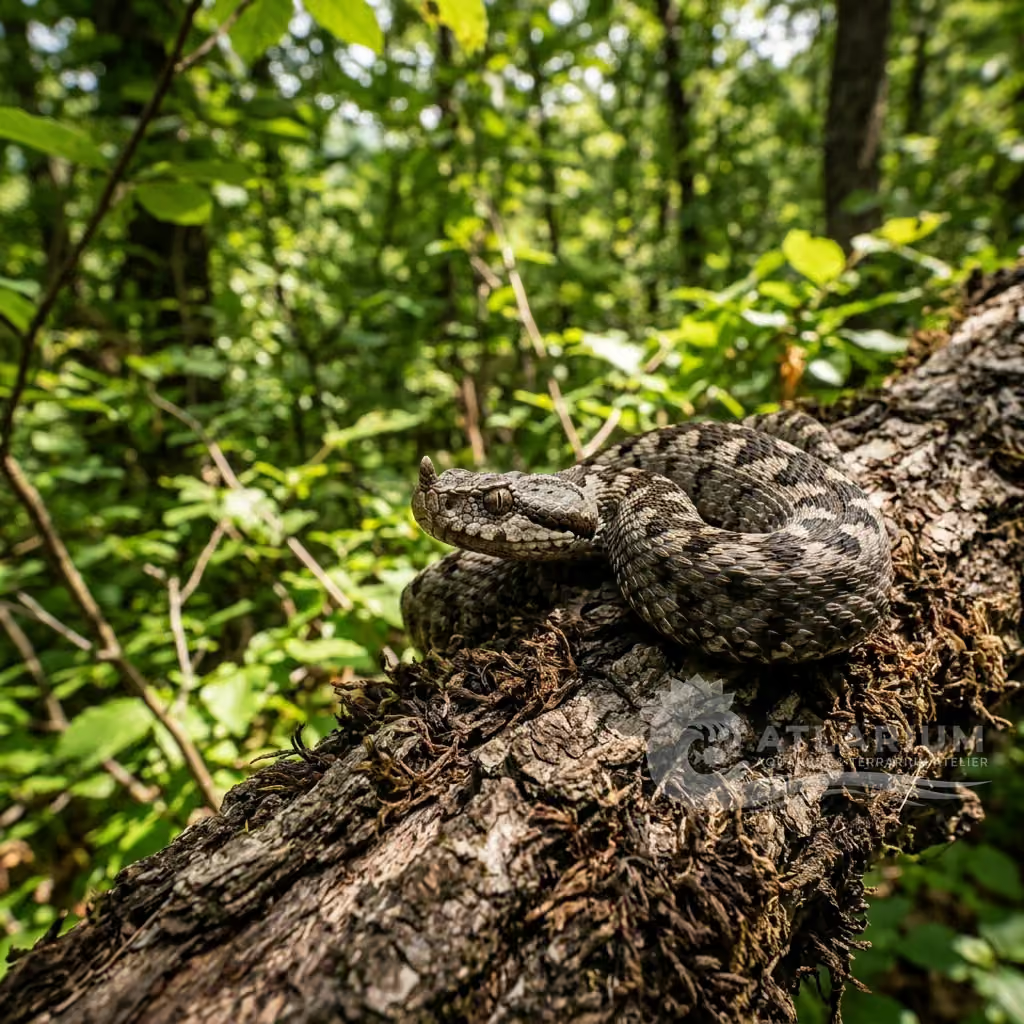
Morphology: A small, stout-bodied pit viper, with adult lengths ranging from 35 to 45 cm. It features a wide, triangular head with a distinct upturned rostral scale. The body coloration is greyish-brown or tan, patterned with a series of dark rectangular blotches along the spine, divided by a thin, light-colored vertebral line.

Care, breeding and tankmates
Terrarium Setup: Requires a horizontal, escape-proof terrarium of at least 80 liters equipped with a secure lock. The substrate should be dry and loose, such as aspen shavings or cypress mulch. Provide several dry hides throughout the enclosure and a dedicated humid hide filled with damp sphagnum moss to aid in molting.
Lighting and Heating: Establish a horizontal thermal gradient. The warm side should have a basking temperature of 30-32 °C using a heating pad or overhead halogen spot, while the cool side should hover around 24-25 °C. Nighttime temperatures can drop to 20-22 °C. A 12-hour light cycle is recommended using low-output UVB lamps.
Humidity and Hydration: Keep ambient humidity low, around 40-50%, mimicking its semi-arid habitat. The humid hide must be misted weekly to keep the moss damp. Provide a small, heavy water dish with fresh water on the cool side of the terrarium, ensuring it cannot be easily tipped over.
Feeding and Supplementation: In the wild, they feed on lizards, frogs, and small rodents. In captivity, they feed on appropriately sized frozen-thawed mice. Always use long feeding tongs to offer food. Avoid feeding live prey to prevent injury. Dust prey with calcium powder once a month.
Compatibility: Strictly solitary. Keep individuals in separate enclosures to prevent cannibalism and stress. As a venomous reptile, it must never be handled directly. Use professional snake hooks and safety shifting boxes during cleaning and maintenance of the enclosure.
Health and Common Diseases: Prone to blister disease and scale rot if kept on damp or soiled substrate. Conversely, lack of a humid hide can lead to stuck shed (dysecdysis), particularly around the eyes (retained spectacles). Good ventilation is critical to prevent respiratory issues.

Geographic origin and distribution
*Porthidium yucatanicum* (Yucatán Hognose Viper) is a venomous snake endemic to the Yucatán Peninsula in southern Mexico. It inhabits tropical dry deciduous forests, semi-arid thorny scrublands, and coastal grasslands. This region is characterized by a tropical climate with a long, pronounced dry season and sandy, limestone-rich soils.
Origin
Central America and Caribbean

Reptile profile
- Diet
- Carnivore
- The Yucatán Hognose Viper feeds predominantly on a variety of small vertebrates native to the Yucatán Peninsula. Its diet is heavily composed of local rodents, frogs, and ground-dwelling lizards. As an ambush predator, it patiently waits in camouflage for a meal to wander within striking range. Its venom rapidly subdues prey, preventing them from escaping far before they succumb.
- Adult size
- 40 cm
- Lifestyle/Microhabitat
- Terrestrial
- A ground-dwelling ambush predator, it is deeply associated with the dry scrublands and limestone-rich tropical forests of its native range, hiding beneath logs and leaf litter.
- Activity cycle
- Crepuscular
- This viper is highly active during twilight hours, using the low light of dusk and dawn to ambush prey while avoiding the intense daytime heat typical of the Yucatán Peninsula.
- Sociality
- Solitary
- This viper is heavily built and well-adapted to life on the forest floor, utilizing leaf litter for concealment. It is mainly active during the twilight hours and at night, avoiding the intense daytime heat of its habitat. It relies strongly on its camouflage to avoid detection by both predators and prey. If threatened, it coils tightly, hisses loudly, and strikes in rapid defense.
- Reproduction
- Viviparous
- Like its close relatives, this species is viviparous, retaining eggs internally until the young are fully formed. The birthing process usually coincides with the rainy season, maximizing the chances of survival for the neonates. Females give birth to small litters of live young, which receive no parental care post-birth. The young are born with functional fangs and venom, ready to hunt immediately.
- Handling tolerance
- Expert only
- Highly venomous and prone to defensive strikes if startled, this snake must be managed as a strictly hands-off, display-only animal requiring specialized tools and training.
- Brumation
- Not required
- There is no need for brumation. The species experiences hot, humid conditions year-round, with only slight shifts in activity during the region's dry season.
- Molting
- Regular
- It sheds reliably when provided with moderate humidity. Offering a temporary humid hide when its eyes become cloudy will ensure proper shedding of the skin and eye caps.

Related species
Recommendations grouped by close relatives, companion choices, and similar care.