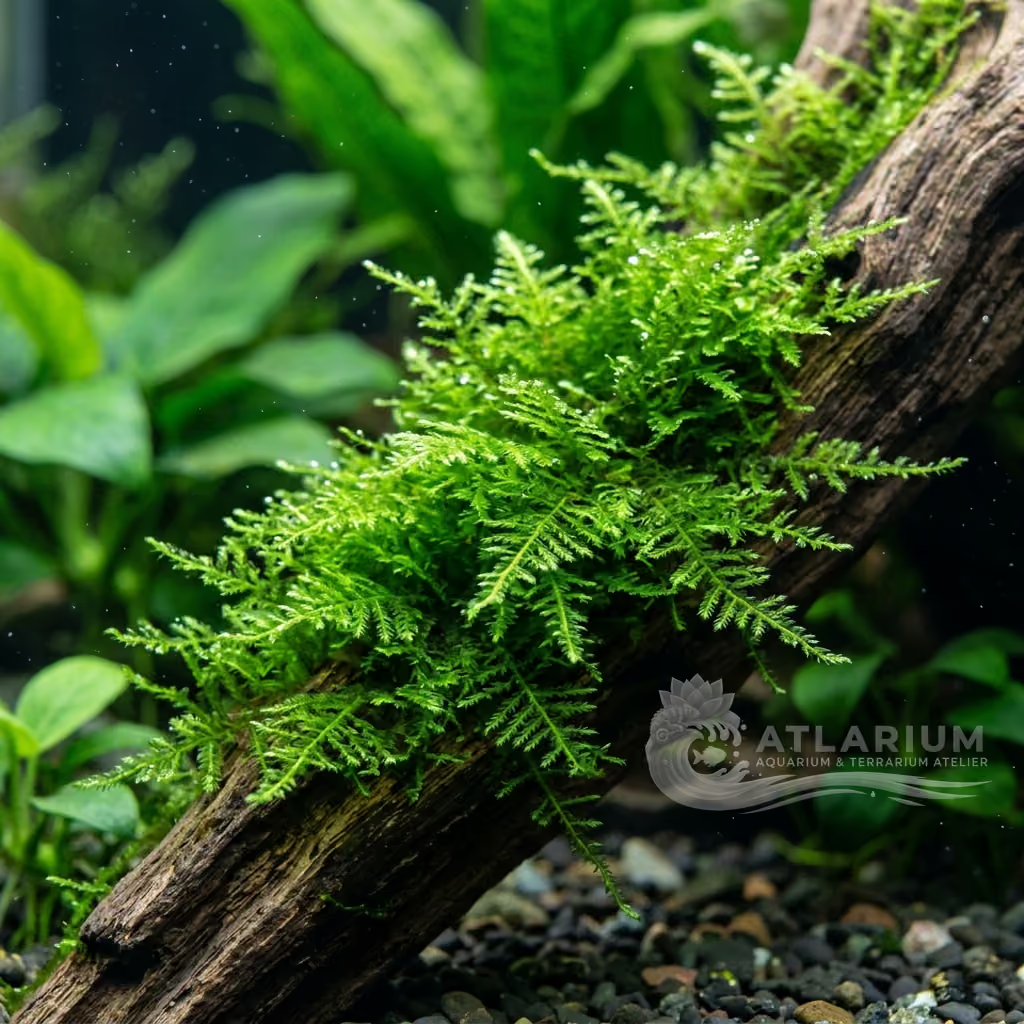
Selaginella willdenowii
Selaginella willdenowii
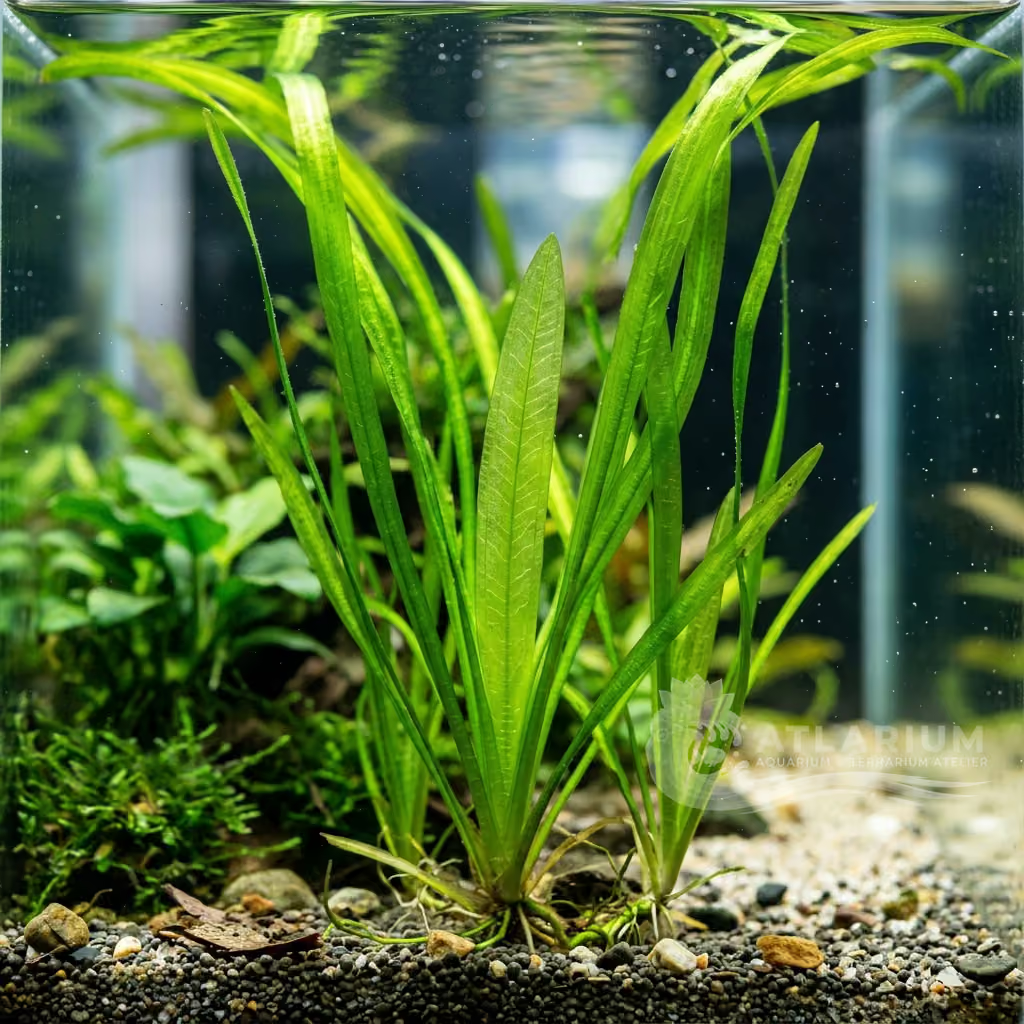
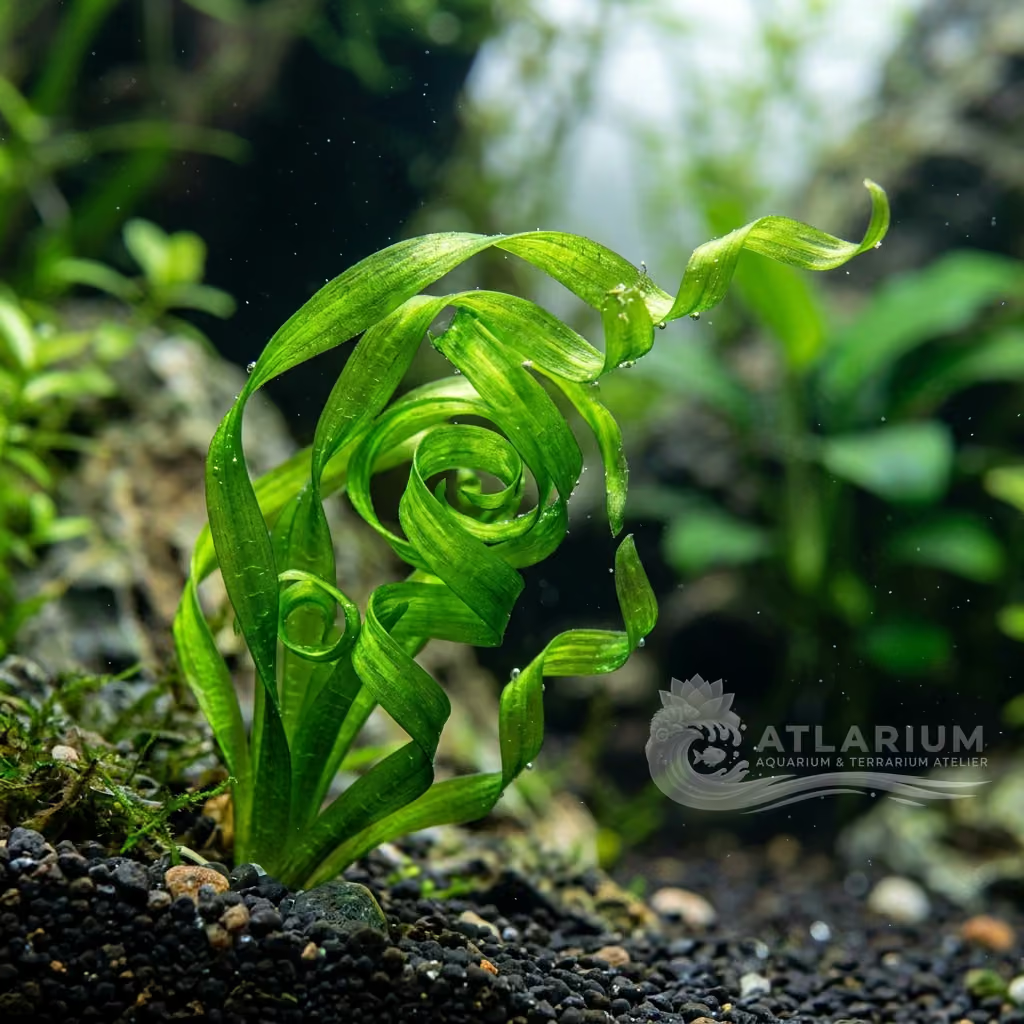
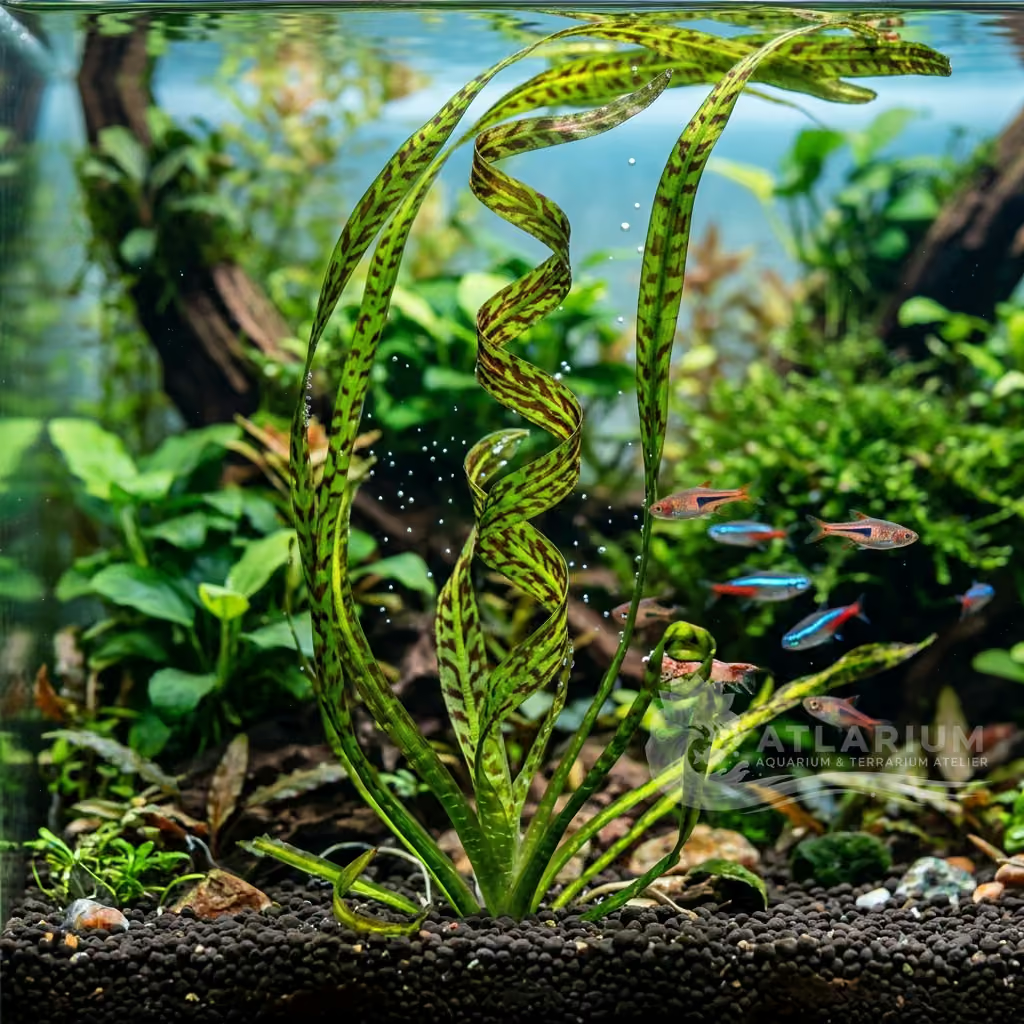
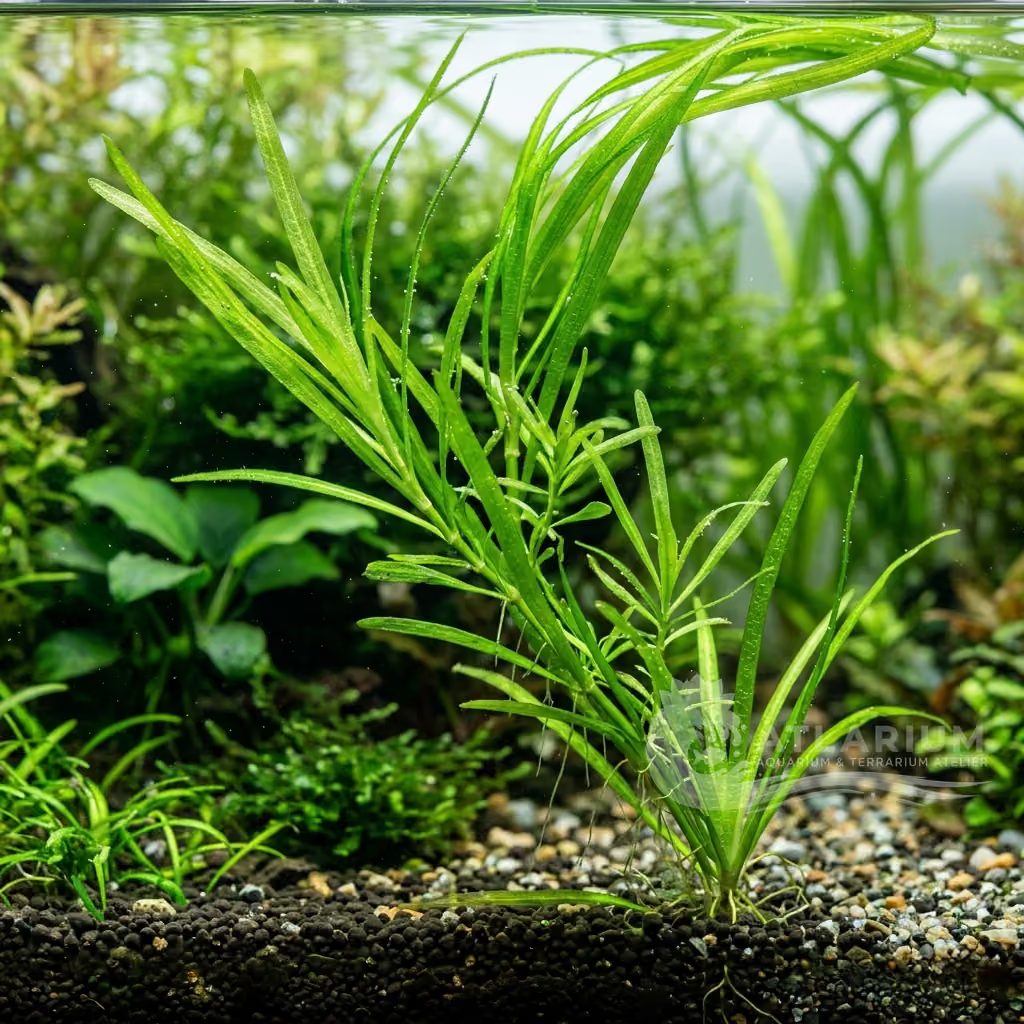
Selaginella willdenowii is a fascinating and unique species, often used as a midground plant in humid paludariums or terrariums, distinguished by its iridescent foliage. With a medium growth rate, it's suitable for setups where its unique coloration can be highlighted, provided specific conditions are met for its prosperity.
Water Temperature
20 - 28 °C
pH Value
6 - 7.5
Water type
Freshwater
Light
Medium - High
CO2
Medium - High
Expected height
20 cm
Expected width
30 cm
KH
2 - 10 dKH

Species description
Geographical Origin and Habitat: Selaginella willdenowii, commonly known as Peacock Spikemoss, originates from the tropical and subtropical regions of Southeast Asia, including countries like Malaysia, Indonesia, and the Philippines. In its natural habitat, it typically thrives in humid, shaded rainforests, often growing as a groundcover or climbing plant over rocks and tree trunks. It prefers environments with high atmospheric humidity and consistent temperatures, where direct sunlight is filtered by the dense tree canopy.
Taxonomy & Genetics: Belonging to the family Selaginellaceae, Selaginella willdenowii is a lycophyte, a group of primitive vascular plants that reproduce via spores rather than seeds. This distinguishes it from ferns and flowering plants, placing it in an ancient evolutionary lineage. The family Selaginellaceae comprises only one genus, Selaginella, which is extremely diverse with hundreds of species exhibiting a wide range of morphologies and adaptations, although all share the characteristic of being heterosporous, producing two types of spores.
Physical Structure: This species features slender, flexible, branching stems that can creep or climb, forming a dense carpet or a cascading display of foliage. The small, scale-like leaves are distinctively arranged along the stems, giving the plant a delicate yet dense appearance. Its roots are fibrous and shallow, primarily used for anchoring and absorbing moisture from the substrate rather than for deep penetration.
Color & Texture: The most distinctive feature of Selaginella willdenowii is its iridescent foliage, which reflects light with shades of blue, blue-green, or even violet depending on the viewing angle. This chromatic effect, often described as "electric" or "metallic," is due to specialized cell layers on the leaf surface that scatter light. The leaf texture is smooth and slightly fleshy, contributing to its visual delicacy and exotic appeal.

Care, breeding and tankmates
Lighting & CO2: Selaginella willdenowii requires medium and, ideally, indirect light to thrive, as direct sunlight can scorch its delicate leaves and fade its iridescence. In an open-top aquarium or paludarium, placing it in an area with diffused light is crucial. Although not a true submerged aquatic plant, if temporarily used in deep
Water Chemistry: medium light will help maintain its color. CO2 injection is not strictly necessary for its emersed survival but can stimulate more vigorous growth and greater color saturation, although its non-aquatic nature limits long-term benefits when submerged.
Nutrition & Substrate: For Selaginella willdenowii, a consistently moist yet well-draining substrate, rich in organic matter and with good water retention capacity, is essential. In a paludarium or terrarium, a mix of peat, coco fiber, and perlite or sand is recommended to improve drainage and root aeration. Fertilization should be moderate; a diluted liquid fertilizer specifically for foliage plants, applied every 2-4 weeks, can support its lush growth and color intensity. Avoid compact substrates that can lead to waterlogging and root rot.
Water Chemistry: This tropical plant thrives in water conditions that mirror its natural habitat: stable temperatures between 20-28°C are ideal for maintaining its active metabolism. It prefers a slightly acidic to neutral pH, with an optimal range of 6.0-7.5. Carbonate hardness (KH) should be kept between 2 and 12, indicating soft to moderately hard water. These conditions promote nutrient uptake and prevent osmotic stress, contributing to the plant's overall health and the brilliance of its iridescent foliage.
Space Management & Placement: Selaginella willdenowii is best suited for use as a midground plant in paludariums, terrariums, or open-top aquariums where it can grow emersed, with its roots in moist substrate and its foliage in the air. Its creeping and branching habit makes it excellent for creating a groundcover effect or for covering rocks and driftwood, adding depth and contrast with its unique color. While it can be temporarily submerged, it is not a true aquatic plant and will not survive long fully underwater, so its ideal placement leverages its terrestrial/semi-aquatic nature.
Pruning: Pruning Selaginella willdenowii is beneficial for controlling its spread and maintaining a desired shape, especially in confined spaces like terrariums. It is advisable to trim overly long or straggly stems to encourage denser, more compact growth. Use sharp, clean scissors to avoid damaging the delicate tissues. Pruning also stimulates the emergence of new shoots, helping to keep the plant vigorous and its color vibrant. Cuts should be made above a node or a stem bifurcation.
Risks & Diseases: Selaginella willdenowii is susceptible to several risks, primarily related to unsuitable environmental conditions. Low atmospheric humidity is its main enemy, quickly leading to drying and necrosis of the leaves. Overwatering or poorly draining substrate can cause root rot and fungal infections. Furthermore, if kept fully submerged in an aquarium for extended periods, it will tend to "melt" and die, as it is not adapted to breathe underwater. It is important to monitor the appearance of the leaves for signs of stress or disease.

Geographic origin and distribution
Selaginella willdenowii, commonly known as Peacock Spikemoss, originates from the tropical and subtropical regions of Southeast Asia, including countries like Malaysia, Indonesia, and the Philippines. In its natural habitat, it typically thrives in humid, shaded rainforests, often growing as a groundcover or climbing plant over rocks and tree trunks. It prefers environments with high atmospheric humidity and consistent temperatures, where direct sunlight is filtered by the dense tree canopy.
Origin
South and Southeast Asia

Plant profile
- Placement
- Midground
- Place Selaginella willdenowii in the midground or background of the aquarium. It needs enough space to avoid shading neighboring species. Proper placement ensures steady light exposure and water flow.
- Botanical form
- Stem
- Selaginella willdenowii features a distinct structural form with well-defined leaves. Its stem and root structures anchor firmly into the substrate. The overall appearance provides excellent visual texture underwater.
- Growth
- Medium
- The growth rate of Selaginella willdenowii is generally moderate under optimal conditions. Adding CO2 injection will significantly accelerate its development. However, it can adapt to slower growth in low-tech setups.
- Substrate
- Medium
- *Selaginella willdenowii*, a striking fern-like plant often used in terrariums or paludariums, benefits from a well-draining, moderately fertile substrate. It relies on a fine, shallow root system that absorbs moisture and nutrients efficiently from light, airy soils like peat or sphagnum-based mixes. The substrate should be kept consistently moist but never completely waterlogged to prevent root suffocation. A depth of 3-5 cm is typically sufficient for its roots to anchor and support its distinctive, iridescent fronds.
- Column fertilization
- Recommended
- Liquid fertilization is very beneficial for Selaginella willdenowii. It absorbs dissolved minerals directly from the water column. Dosing a complete micronutrient fertilizer twice a week is recommended.
- Root fertilization
- None
- A nutrient-rich substrate strongly supports the root system of Selaginella willdenowii. Adding root tabs near its base provides essential macronutrients. This promotes a stronger base and healthier overall growth.
- Trimming
- Occasional
- Regular trimming keeps Selaginella willdenowii looking neat and prevents overgrowth. Cut the stems just above a node to encourage branching. Remove any decaying or yellowing leaves to maintain water quality.
- Propagation
- spores
- Propagation of Selaginella willdenowii is straightforward by taking stem cuttings. Replant the healthy cut portions directly into the substrate. They will develop new roots within a week or two.
- Sensitivity
- Moderate
- Selaginella willdenowii is somewhat sensitive to sudden fluctuations in water parameters. It prefers stable temperatures and consistent CO2 levels. Algae can grow on its leaves if lighting is too intense.
- Layout role
- paludarium, Midground, group
- Selaginella willdenowii plays a crucial role in creating depth in an aquascape. Its unique texture contrasts beautifully with fine-leaved plants. It works well as a focal point or a transition plant.

Related species
Recommendations grouped by close relatives, companion choices, and similar care.