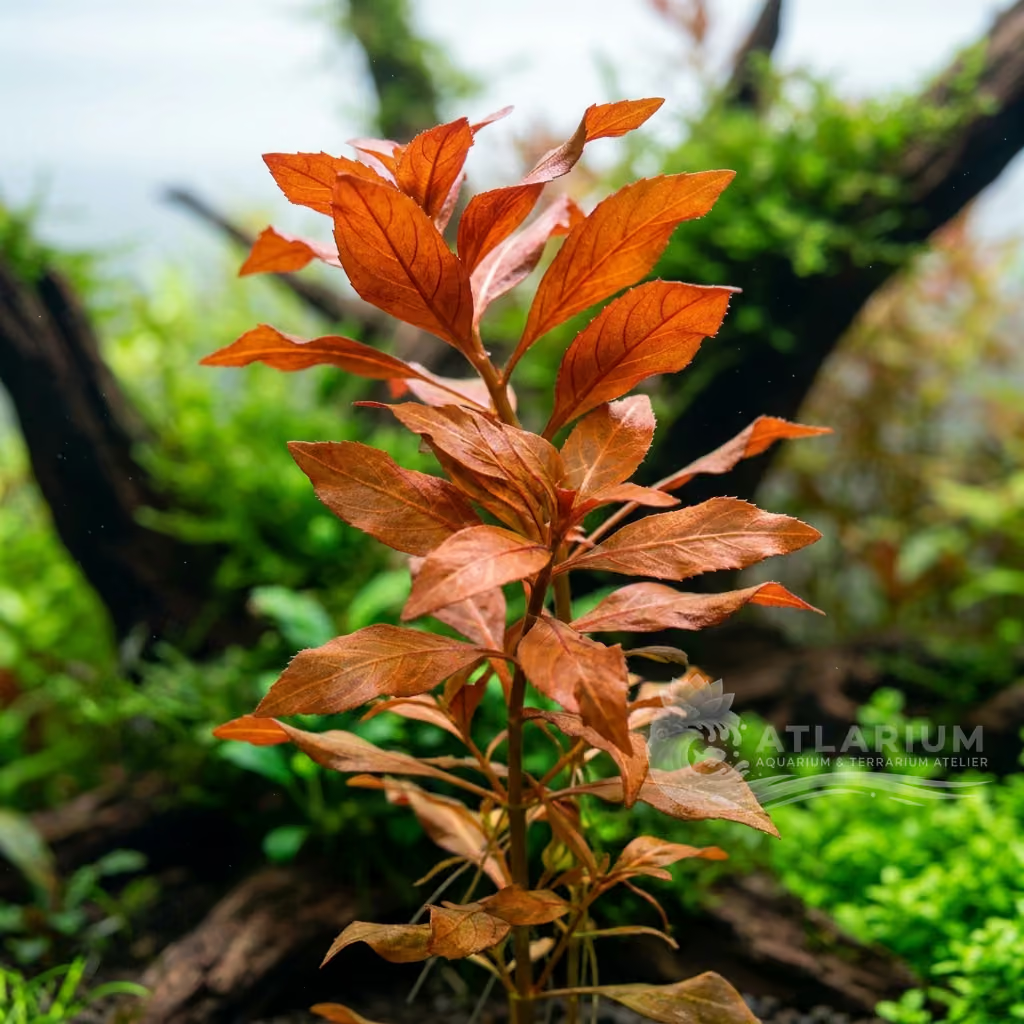
Lilaeopsis attenuata
Lilaeopsis attenuata
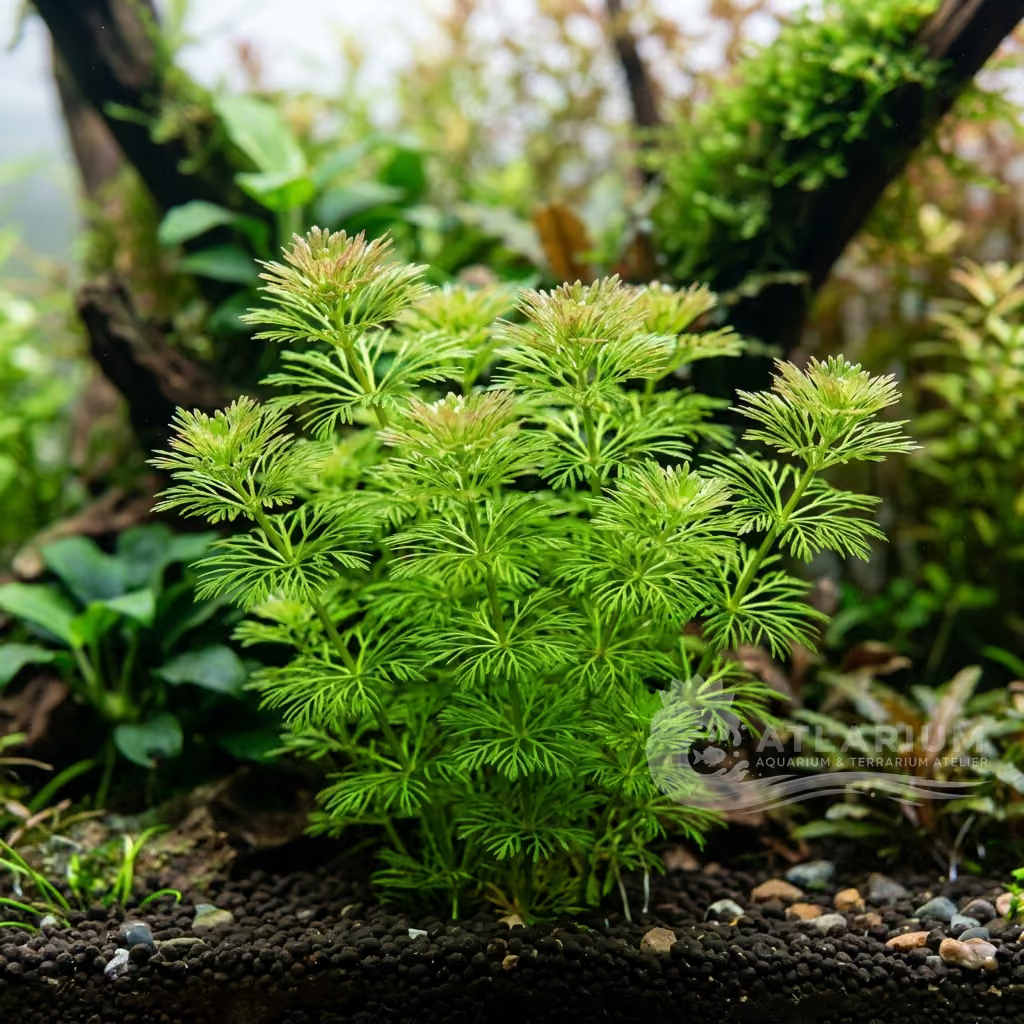
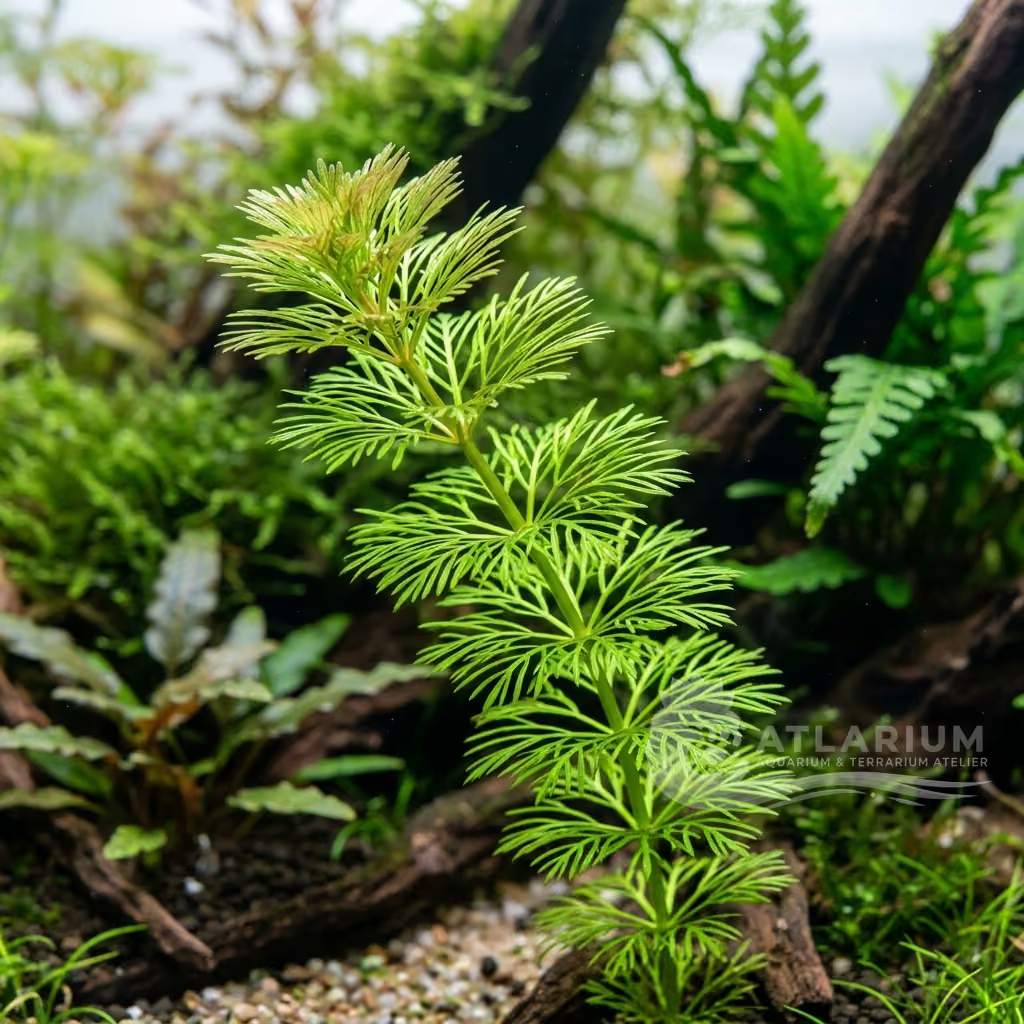
A grass-like marsh plant capable of forming lush foreground carpets. It demands high-intensity lighting and CO2 to produce dense runners and remain low and compact along the substrate.
Water Temperature
15 - 28 °C
pH Value
6 - 7.5
Water type
Freshwater
Light
Medium - High
CO2
Low - High
Expected height
12 cm
Expected width
10 cm
GH
4 - 20 dGH
KH
2 - 14 dKH

Species description
Geographical Origin and Habitat: Lilaeopsis attenuata is native to South America (primarily Brazil, Paraguay, and Argentina). It populates coastal wetlands, sandy banks of rivers and ponds, and marshes. It grows both in submerged and emersed form on wet muddy soils, adapting well to warm and humid subtropical climates.
Taxonomy & Genetics: It belongs to the family Apiaceae, genus Lilaeopsis. Genetically, it features an elongated and hollow tube cell structure that allows respiration in waterlogged soils. It is distinguished by erect leaves that tend to be longer and more tapered than those of Lilaeopsis brasiliensis.
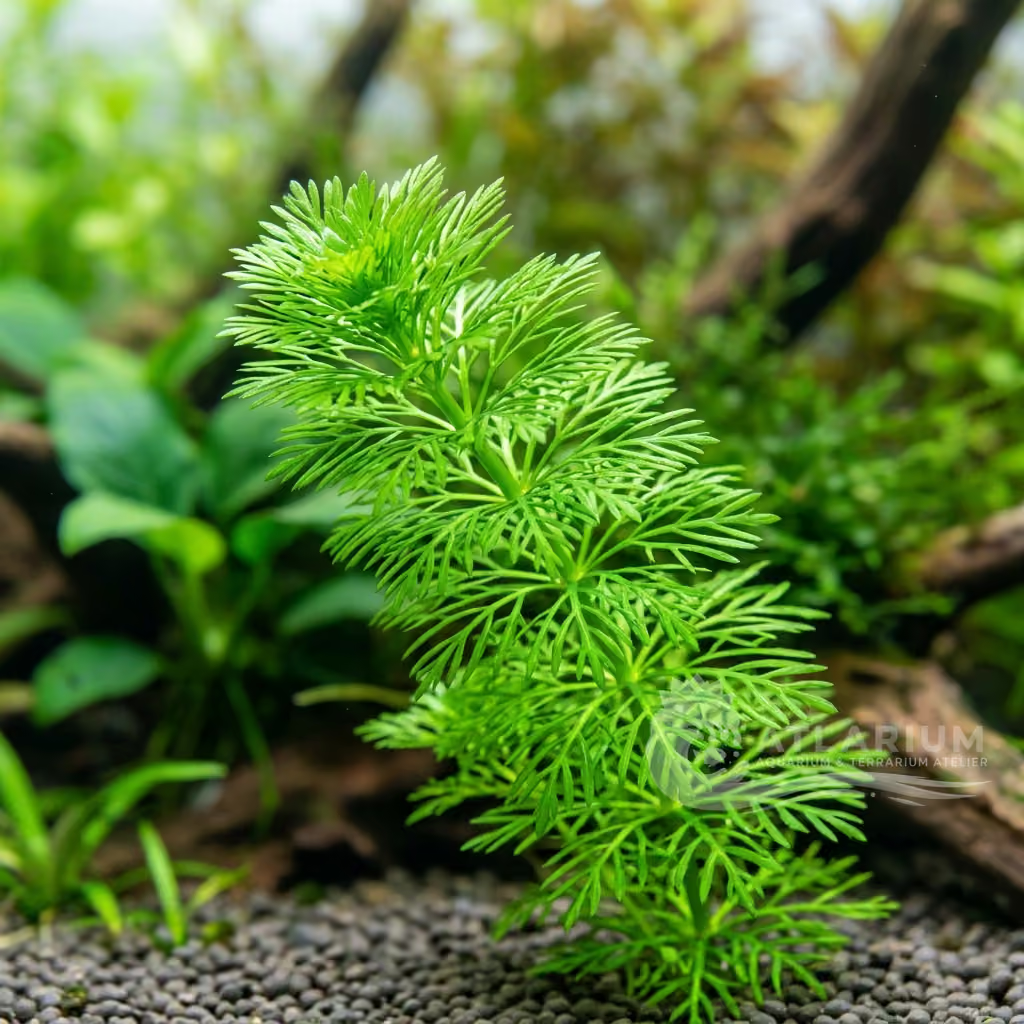
Physical Structure: It develops a branching underground rhizome running horizontally. Clumps of vertical, cylindrical, and hollow leaves, resembling small rushes, develop from each node. The overall height in the aquarium varies from 10 to 15 centimeters, forming a medium-tall grassy barrier.
Color & Texture: The leaves present a uniform and intense bright green coloration. The texture is smooth and elastic. The rigidity of the hollow leaves keeps them erect even under weak currents, giving the plant a fresh and clean appearance.

Care, breeding and tankmates
Lighting & CO2: Requires medium-high lighting. To encourage dense and rapid development, regular CO2 injection is recommended; without carbon dioxide, growth remains very slow and sparse, leaving empty
Space Management & Placement: s in the substrate.
Nutrition & Substrate: Prefers soft, fine-grained substrates such as sand, which do not hinder the horizontal development of rhizomes. It benefits from column fertilization with potassium and liquid microelements to keep the leaf blades healthy.
Water Chemistry: It is recommended to maintain the temperature between 20°C and 28°C, with a neutral or slightly acidic pH (6.0 - 7.5) and a carbon hardness (KH) of 2 to 12 dKH. It is a very tolerant and adaptable plant.
Space Management & Placement: Its optimal placement is in the midground of the aquarium (the JSON profile correctly indicates 'midground'). It is ideal for bordering rocks and driftwood or for creating natural transitions between the foreground and the background.
Pruning: Trim the taller leaves with very sharp scissors. This operation stimulates the underground rhizome to branch and produce new erect stems, thickening the overall grassy mass.
Risks & Diseases: Nutrient deficiencies, especially iron, can cause leaf yellowing. Due to the moderate growth, the leaves can accumulate green spot algae if the water flow is poor or in the presence of excess light.

Geographic origin and distribution
Lilaeopsis attenuata is native to South America (primarily Brazil, Paraguay, and Argentina). It populates coastal wetlands, sandy banks of rivers and ponds, and marshes. It grows both in submerged and emersed form on wet muddy soils, adapting well to warm and humid subtropical climates.
Origin
Extra-Amazon South America

Plant profile
- Placement
- Midground
- This plant is almost exclusively used in the foreground as a carpeting plant. It should be planted directly into the substrate in small, evenly spaced clumps. It can also be used in the midground of nano aquariums.
- Botanical form
- Rhizome
- It features short, blade-like green leaves that resemble miniature grass. The leaves grow upward from a creeping rhizome hidden in the substrate. It maintains a low profile, especially under intense lighting.
- Growth
- Medium
- The growth rate is relatively slow to moderate, depending on lighting and CO2. It takes time to acclimate and begin sending out runners across the substrate. Once established, it steadily forms a thick, grass-like lawn.
- Substrate
- Medium
- Lilaeopsis attenuata is a carpeting plant that relies on a moderately nutrient-rich substrate to form a healthy, dense root network. A fine to medium-grained aquatic soil is ideal, allowing its runners to easily spread and anchor deeply. A substrate depth of at least 4 to 6 centimeters ensures the root system can properly stabilize the plant and access essential nutrients. While it can grow in sand if supplemented with root tabs, a dedicated planted aquarium soil promotes much faster and more vigorous runner production.
- Column fertilization
- Recommended
- While it absorbs some nutrients from the water, column dosing is secondary to root feeding. Liquid fertilizers help ensure micronutrients are available to the leaves. However, relying solely on water column nutrients may lead to sparse growth.
- Root fertilization
- None
- A nutrient-rich substrate or root tabs are crucial for its success. Its extensive root system draws the majority of its food from the soil. Replenishing substrate nutrients periodically will sustain long-term health.
- Trimming
- Occasional
- Trimming involves mowing the carpet horizontally with curved spring scissors. Regular trimming prevents the lower layers from dying off due to lack of light. It also encourages the plant to spread laterally rather than growing too tall.
- Propagation
- Rhizome division
- Propagation occurs naturally through lateral runners that spread across the substrate. You can also propagate it by cutting the rhizome and replanting a healthy portion. Dividing an overgrown carpet is an effective way to multiply the plant.
- Sensitivity
- Moderate
- It is highly susceptible to being uprooted by bottom-dwelling fish before it anchors. It can also be easily choked out by aggressive algae if flow and nutrients are imbalanced. Good water circulation around the carpet is essential.
- Layout role
- Midground
- Its primary role is to create a lush, natural-looking grassy foreground. It visually grounds the aquascape and provides scale to the hardscape. It is a classic choice for Iwagumi layouts and nature aquariums.

Related species
Recommendations grouped by close relatives, companion choices, and similar care.