Scooter blenny
Synchiropus ocellatus
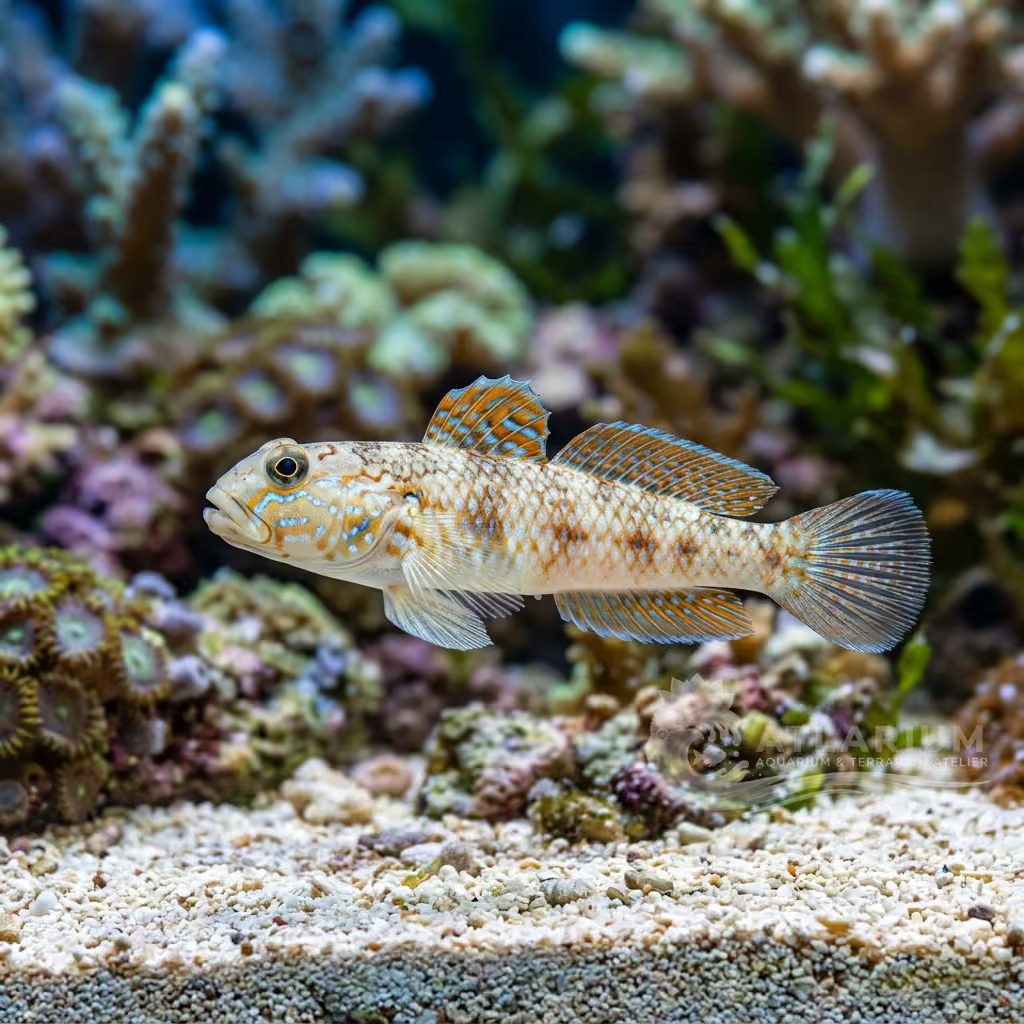
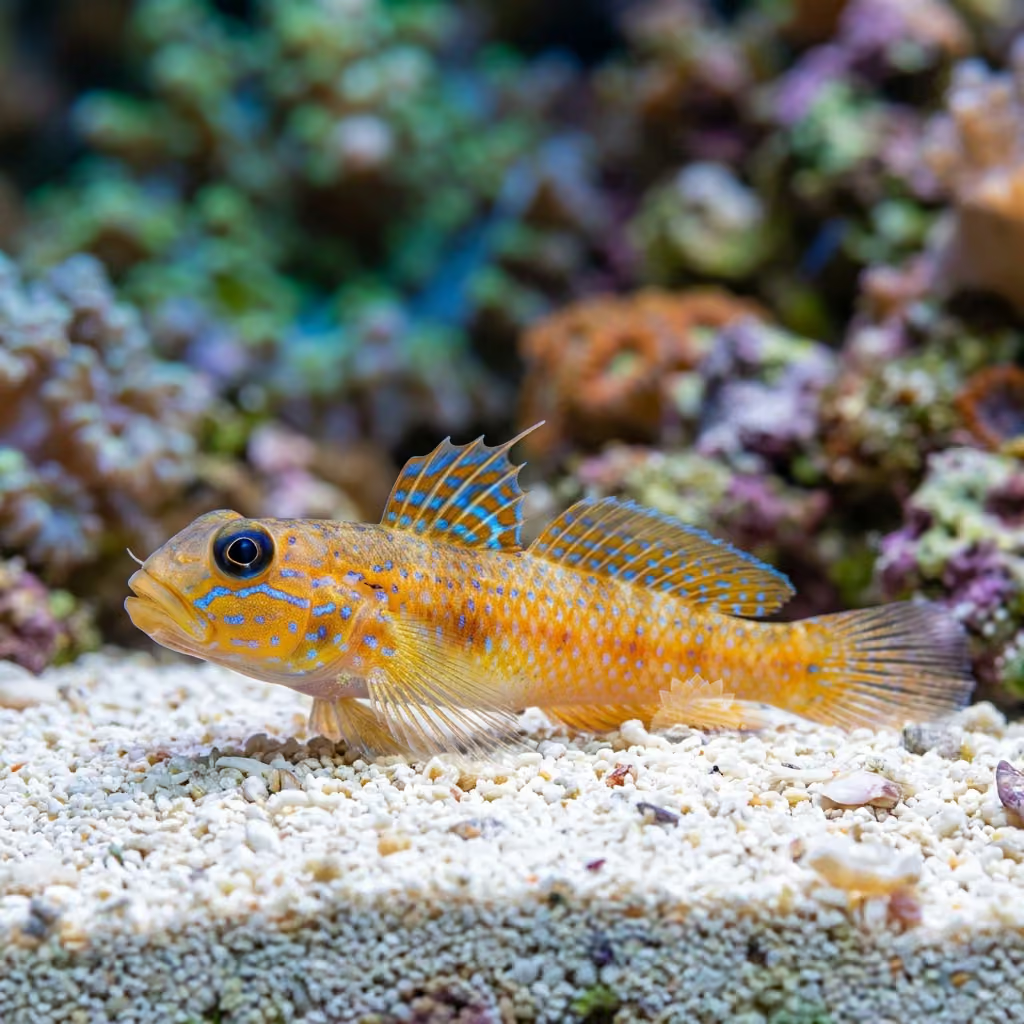
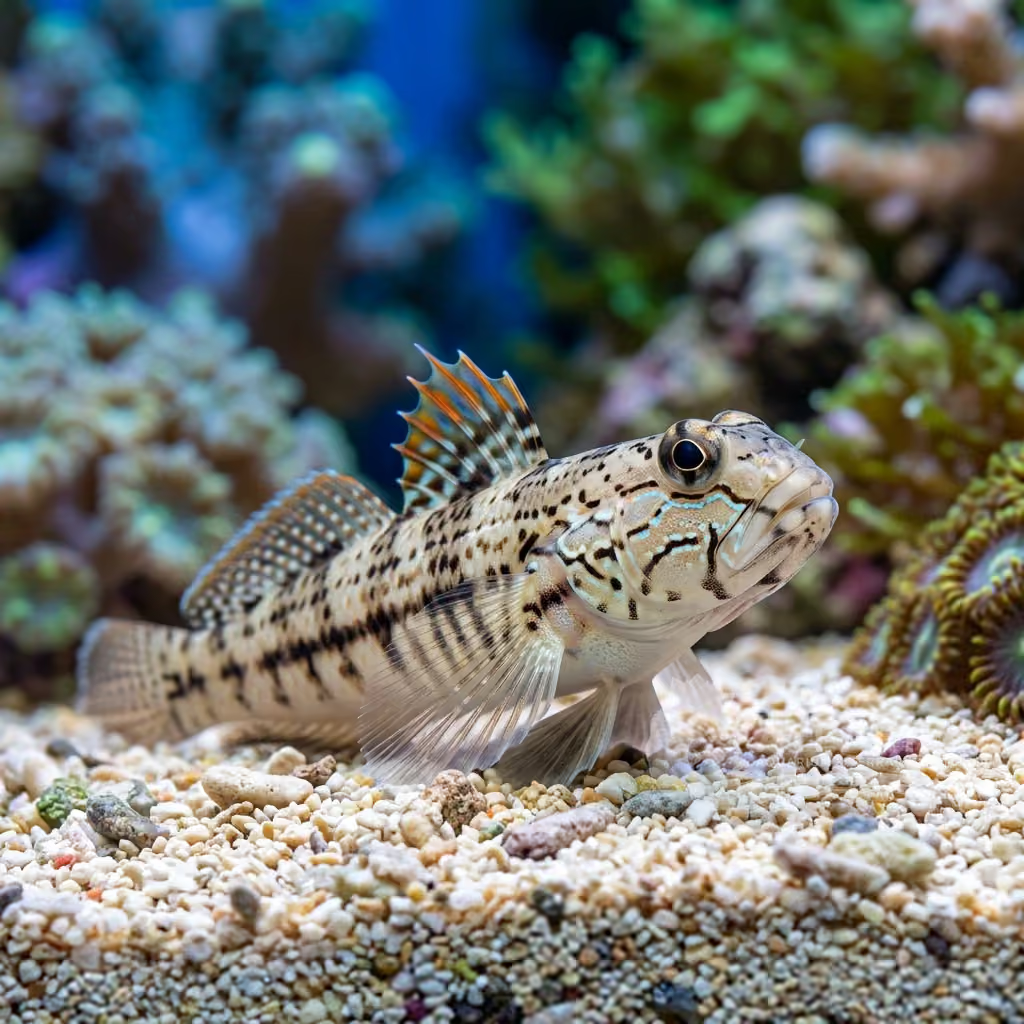
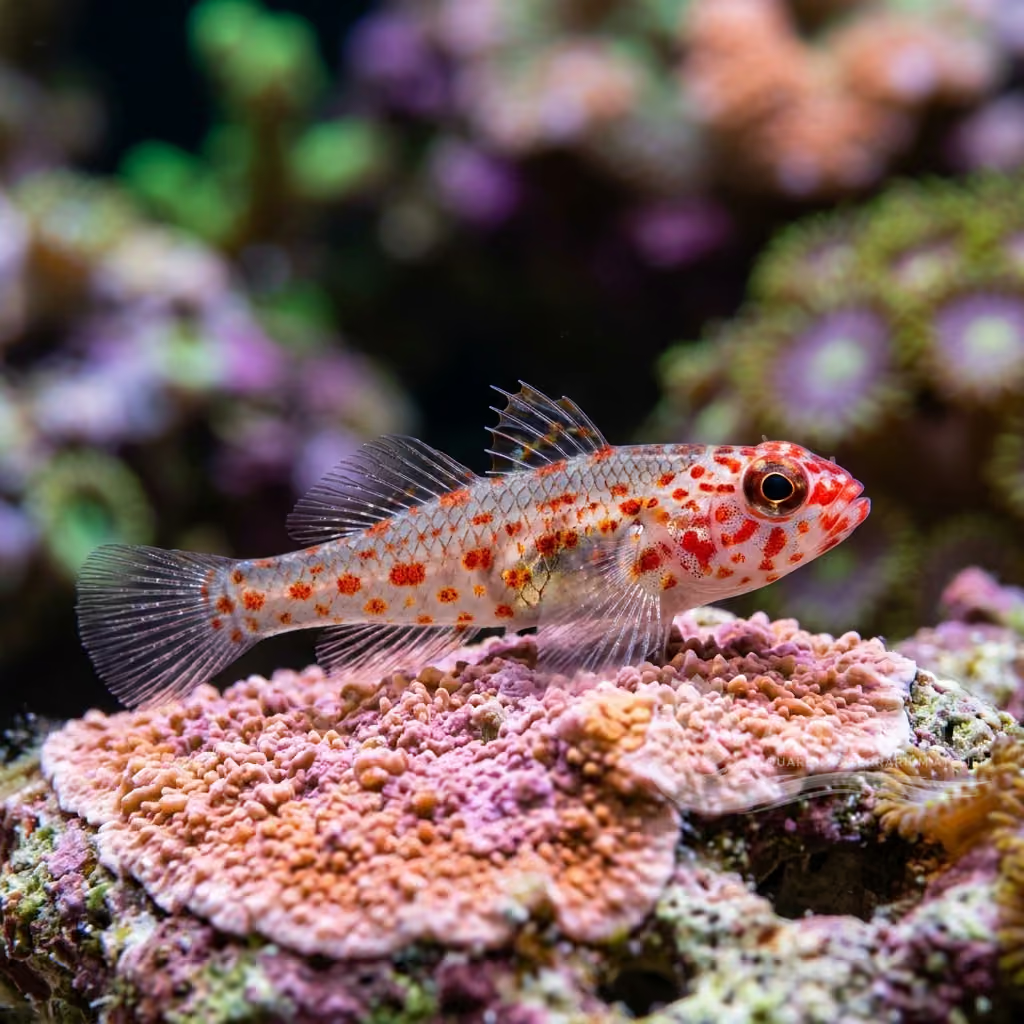
The Ocellated Dragonet is a fascinating, mottled brown marine fish that gracefully hops over sandy substrates. It requires a mature reef tank teeming with live copepods to prevent starvation.
Water Temperature
22 - 26 °C
pH Value
8.1 - 8.4
Water type
Marine
Tank level
Bottom
Adult size
8 cm
Minimum tank volume
>= 120 L
Minimum group
>= 1
KH
8 - 12 dKH

Species description
Geographical Origin and Habitat: Synchiropus ocellatus is widely distributed throughout the Western Pacific, ranging from the coastal waters of Indonesia and the Philippines to the Marquesas Islands and the Great Barrier Reef in Australia. It primarily inhabits sandy and coral rubble substrates, shallow coastal lagoons, and sheltered reef flats at depths of 1 to 30 meters, where it easily blends into the environment.
Taxonomy and Morphology: Belonging to the family Callionymidae (dragonets), this species is often mistakenly called a blenny. It features an elongated, cylindrical, scaleless body, large protruding eyes set high on the head that rotate independently, and broad pelvic fins used to hop along the substrate. It reaches a maximum adult size of approximately 8 cm.
Social Behavior: It is a peaceful and docile bottom-dwelling fish that spends its entire day perching on rocks or gliding over the sand. It is a solitary species that exhibits strong intraspecific aggression; males should never be housed together in the same aquarium as they will fight, flaring their large dorsal fins to intimidate rivals.
Coloration and Sexual Dimorphism: The body displays a highly cryptic marbled pattern of brown, grey, red, and white patches, mimicking sandy detritus. Sexual dimorphism is highly pronounced: males possess a massive, sail-like first dorsal fin decorated with dark ocelli (eyespots) ringed in white or light grey, whereas females have a much smaller, inconspicuous dorsal fin.

Care, breeding and tankmates
Aquarium Setup: Requires a well-established reef aquarium of at least 120 liters, with a large quantity of mature live rock and a soft sand bed. It is not suitable for newly set up or sterile systems. Arrange the rockwork to provide multiple shaded areas. A connected refugium is highly recommended to support a sustainable population of microfauna.
Diet and Feeding: Feeding is the most critical challenge in keeping this species. It is a specialized micro-predator that feeds almost exclusively on live copepods, amphipods, and other tiny benthic organisms. It generally refuses dry foods and must be carefully trained to accept small frozen foods like cyclops, oyster eggs, or baby brine shrimp.
Water Quality: Keep marine parameters stable: temperature 22-26 °C, pH 8.1-8.4, specific gravity 1.020-1.025, and KH 8-12. Because it spends its life in contact with the substrate, clean sand and high water quality are essential. A moderate water flow is preferred to keep detritus from accumulating on the sand.
Compatibility and Cohabitation: Extremely peaceful and 100% reef safe, posing no threat to corals or ornamental invertebrates. However, it should not be kept with active, competitive tankmates (such as certain wrasses or dottybacks) that will rapidly deplete the copepod population, leading the dragonet to starve.
Aquarium Breeding: Breeding in captivity is difficult. Mated pairs perform a vertical spawning rise in the water column at dusk, releasing pelagic eggs. While spawning may occur in mature home aquariums, rearing the microscopic larvae requires specialized live foods (like rotifers and specific copepod nauplii) and separate rearing tanks.
Risks and Diseases: Starvation due to a lack of live food is the primary risk factor. In terms of skin parasites, its thick, bitter, and slightly toxic mucus layer provides natural resistance against common marine ich (Cryptocaryon), but it remains highly sensitive to copper treatments and poor water conditions.

Geographic origin and distribution
Synchiropus ocellatus is widely distributed throughout the Western Pacific, ranging from the coastal waters of Indonesia and the Philippines to the Marquesas Islands and the Great Barrier Reef in Australia. It primarily inhabits sandy and coral rubble substrates, shallow coastal lagoons, and sheltered reef flats at depths of 1 to 30 meters, where it easily blends into the environment.
Origin
Tropical oceans and reefsSouth and Southeast AsiaEast AsiaAustralia, New Guinea, and Oceania

Fish profile
- Temperament
- Semi-aggressive
- They have a uniquely inquisitive, peaceful, and endearing temperament that makes them a favorite among reef keepers. They are entirely oblivious to other species, focusing solely on hunting for their next microscopic meal. However, males will fight fiercely, sometimes to the death, if another male dragonet is present in a small tank.
- Diet
- Carnivore
- Their natural diet consists almost entirely of benthic copepods, amphipods, and tiny invertebrates gleaned from live rock. An established aquarium with a thriving, self-sustaining pod population is an absolute necessity for their long-term survival. While some can be trained to accept frozen mysis or baby brine shrimp, they strongly rely on constant foraging of live prey.
- Life expectancy
- 3-5 years
- Adult size
- 8 cm
- Sex ratio
- Flexible
- Males are highly territorial toward other males of their own species or closely related dragonets. They are best kept singly or as a mated pair consisting of one male and one female. A large male can easily be identified by his drastically elongated and colorful first dorsal fin.
- Feeding frequency
- Continuous
- They are constant grazers, pecking at the live rock and substrate from dawn until dusk. Because their tiny stomachs cannot hold large amounts of food, they must have access to a continuous supply of live copepods. If offering frozen foods, it should be done in small, targeted amounts several times a day.
- Bioload
- Low to Medium
- The Scooter Blenny (Ocellated dragonet) has a very small bioload due to its diminutive size. They produce minimal physical waste, making them highly suitable for reef aquariums of appropriate size. However, the requirement for an established, highly mature tank to sustain their food source naturally dictates a larger, well-filtered system.
- Flow
- Moderate
- They are well-adapted to the moderate to strong currents found in typical reef aquariums. While they are not strong open-water swimmers, they navigate the rockwork securely regardless of the flow. Moderate flow also helps to distribute planktonic life throughout the tank, benefiting the copepod population they rely on.
- Jump risk
- No
- Reproduction
- Oviparous
- Breeding in captivity is rare but occasionally achieved by dedicated hobbyists with very large, mature systems. During courtship, the male displays his beautifully patterned dorsal fin in an intricate dance at dusk. Raising the pelagic fry is exceedingly difficult, requiring specialized microscopic live foods like rotifers.
- Compatibility & tankmates
- Peaceful
- They are extremely peaceful, methodical fish that ignore almost all other tank mates. They are perfectly reef-safe and get along famously with corals, peaceful invertebrates, and other non-aggressive fish. They should never be housed with large or aggressive species, or with fast-swimming substrate feeders that will outcompete them for copepods.
- Tank level
- Bottom
- They are almost entirely bottom dwellers, spending their days hopping methodically across the sand bed and live rock. They use their modified pelvic fins to 'walk' along the bottom rather than swimming in the water column. They will only venture higher up into the rockwork to hunt for pods or during their evening mating displays.

Scientific Parameters & Models
FishBase
Window to the official scientific data of the species
FishBase v25.04Data synced on: 06/15/2026
- Trophic level
- 3.4 ± 0.4 se
- Resilience
- High (less than 15 months)
- Phylogenetic uniqueness (PD50)
- 0.5
- Bayesian Length-Weight
- a = 0.00933, b = 2.96
- VulnerabilityLow vulnerability (10 / 100)

Related species
Recommendations grouped by close relatives, companion choices, and similar care.