Seuss's Cory
Brochis seussi
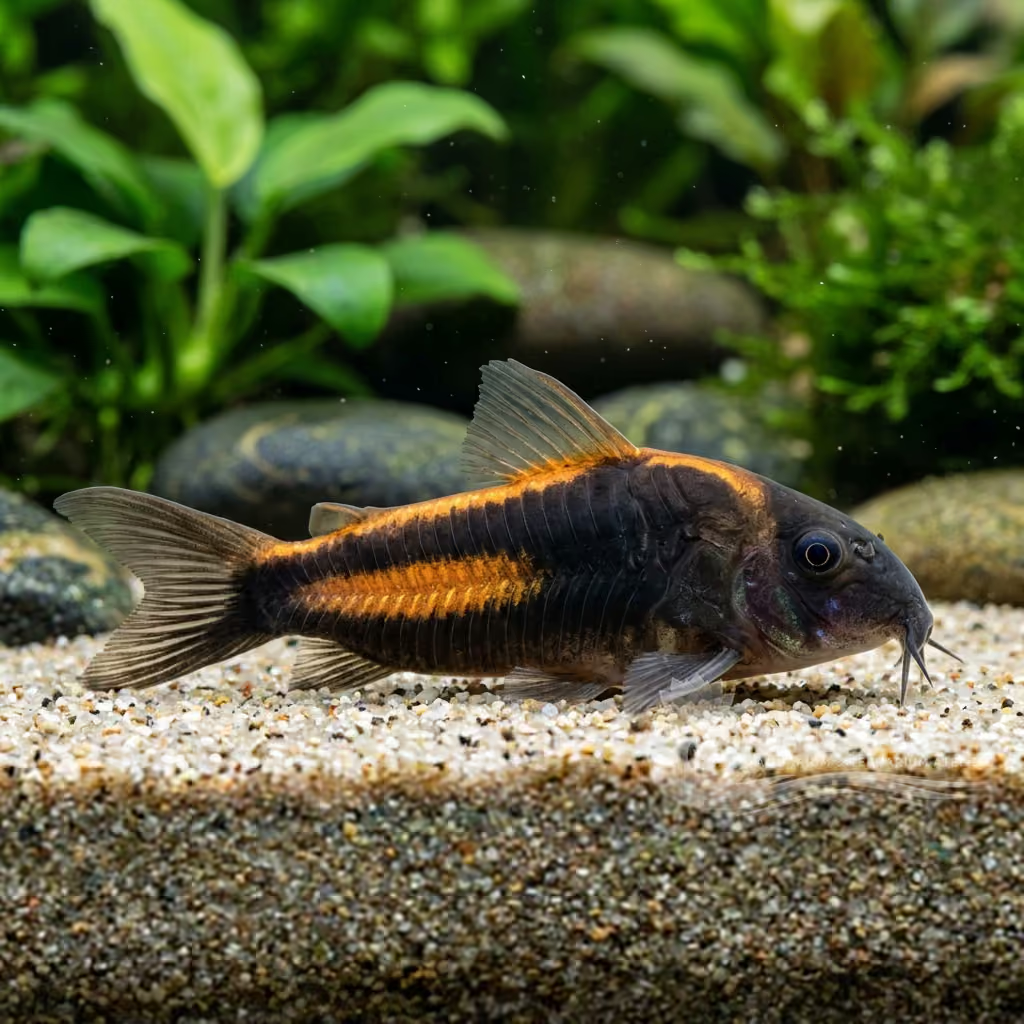
Closely related to C. gossei (has the same spectacular bright tangerine fins), but with a much slimmer body and the elongated snout typical of Lineage 1.
Water Temperature
22 - 26 °C
pH Value
6 - 7.2
Water type
Freshwater
Tank level
Bottom
Adult size
6.5 cm
Minimum tank volume
>= 100 L
Minimum group
>= 6
GH
2 - 12 dGH
KH
2 - 10 dKH
TDS
50 - 280 ppm
Conductivity
78 - 438 uS/cm

Species description
Geographical Origin and Habitat: Belongs to the pristine hydrographic basin of the Rio Mamoré, in Brazil. Demanding Amazonian species that prefers small shady rivers with feeble currents, with deep or clear "blackwater", and where the sandy substrate meets immense deposits of botanical material.
Taxonomy and Morphology: Famous species of the "long-snouted" morphological group. Touches 6.5 centimeters (2.5 inches); the complex aerodynamic cranial structure, designed to cleave thick sand in search of macroinvertebrates, sets it apart from its identical short-snouted counterpart, C. gossei.
Social Behavior: Essentially peaceful and methodical forager. The school does not compromise: it imperatively requires the breeding of at least 6-8 individuals, since group cohesion is its only natural defense against chronic and panic.
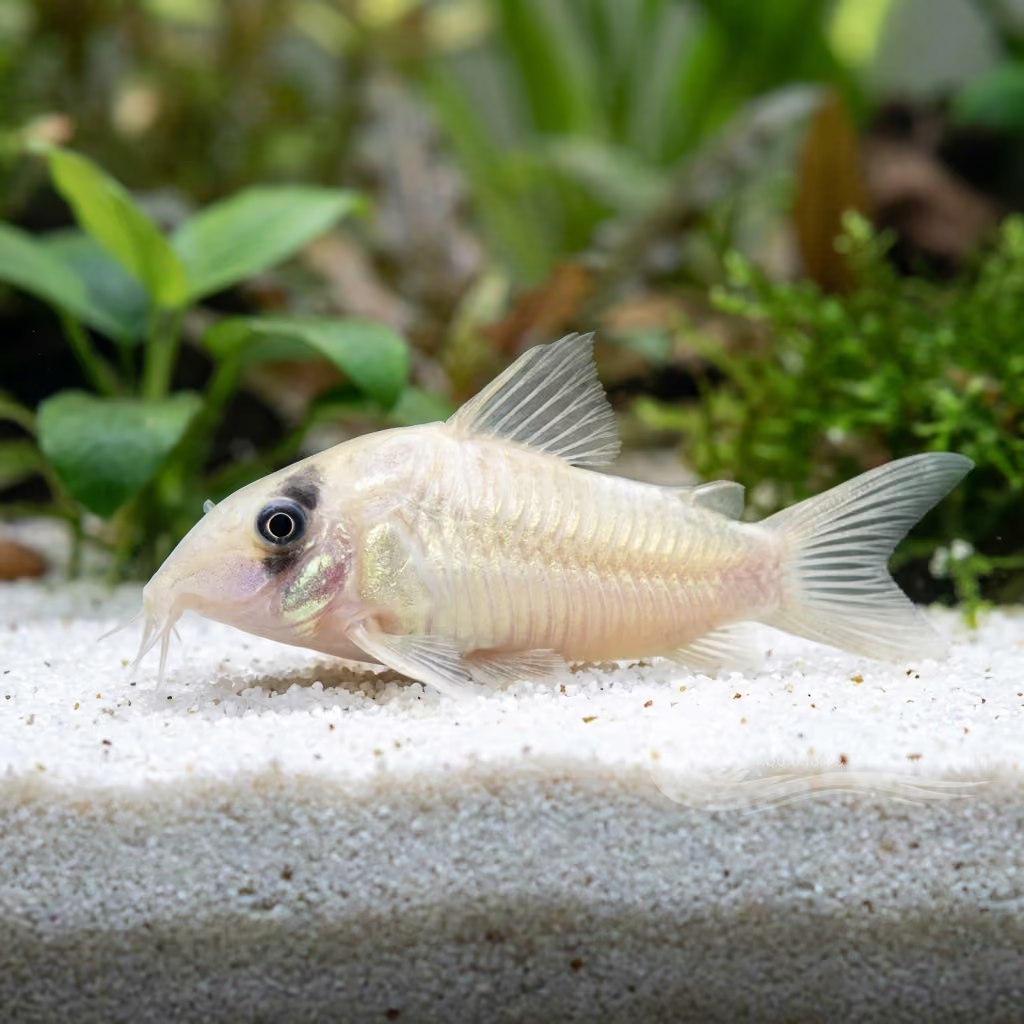
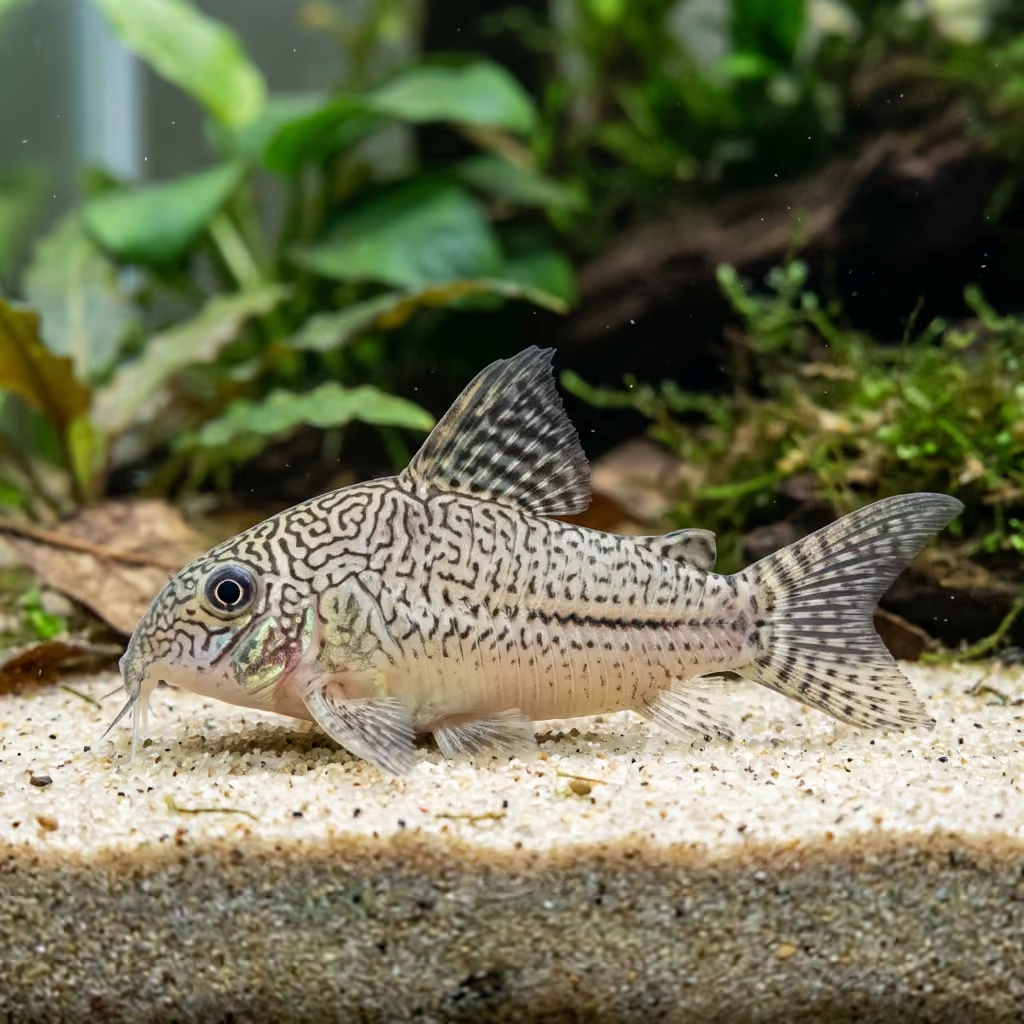
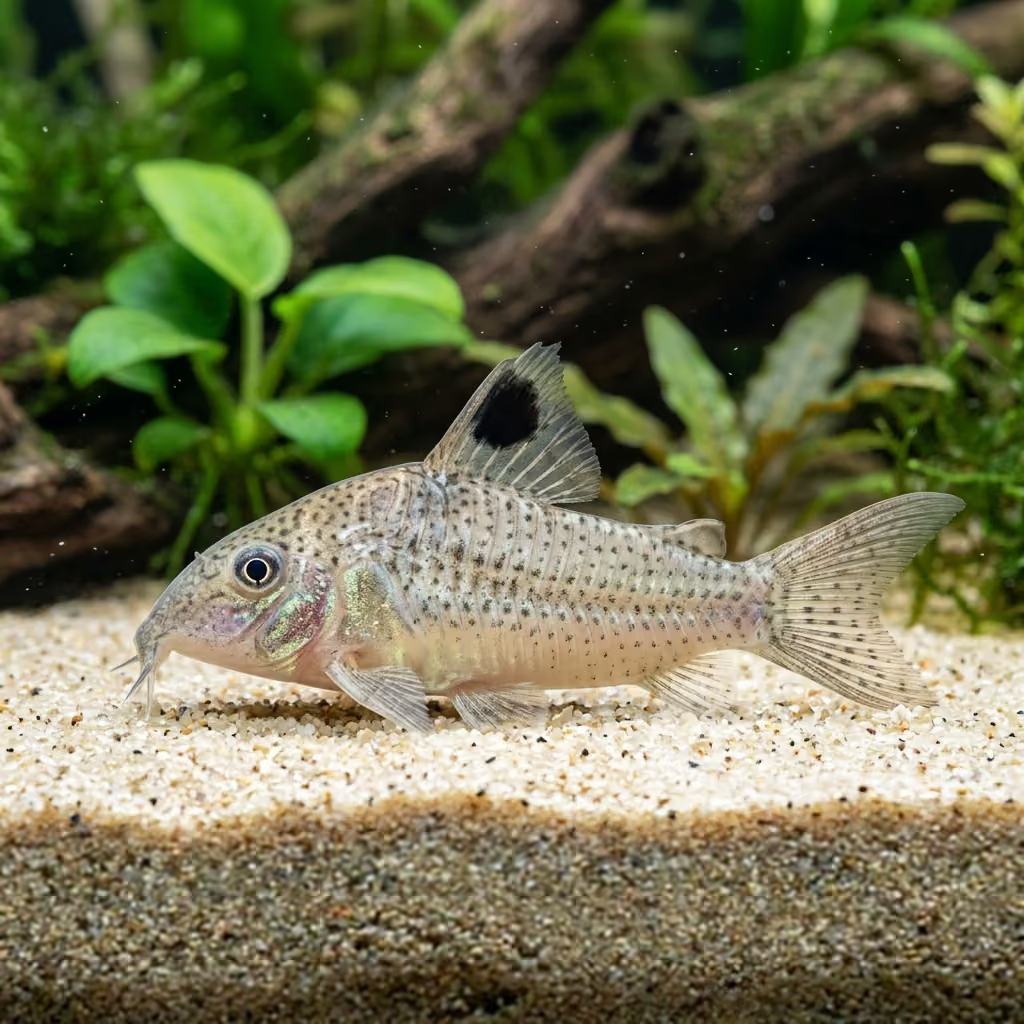
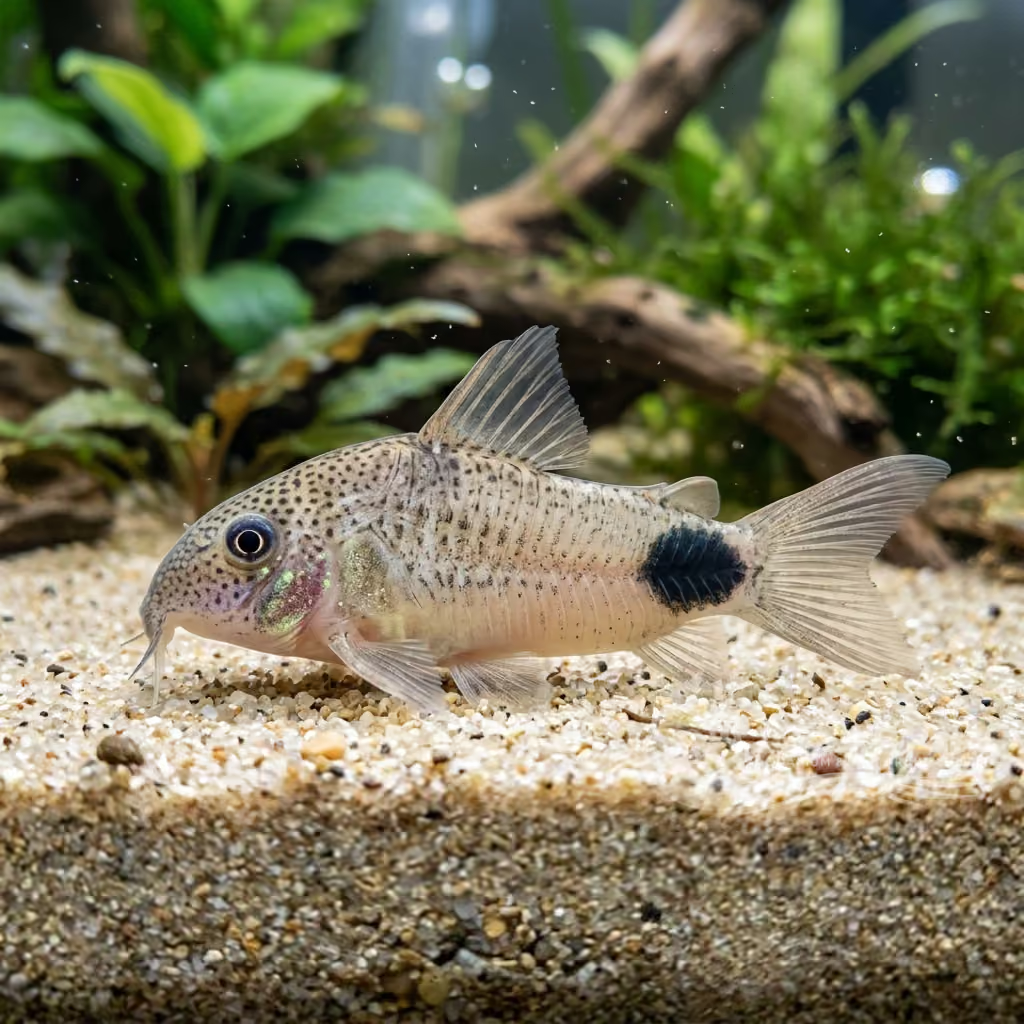
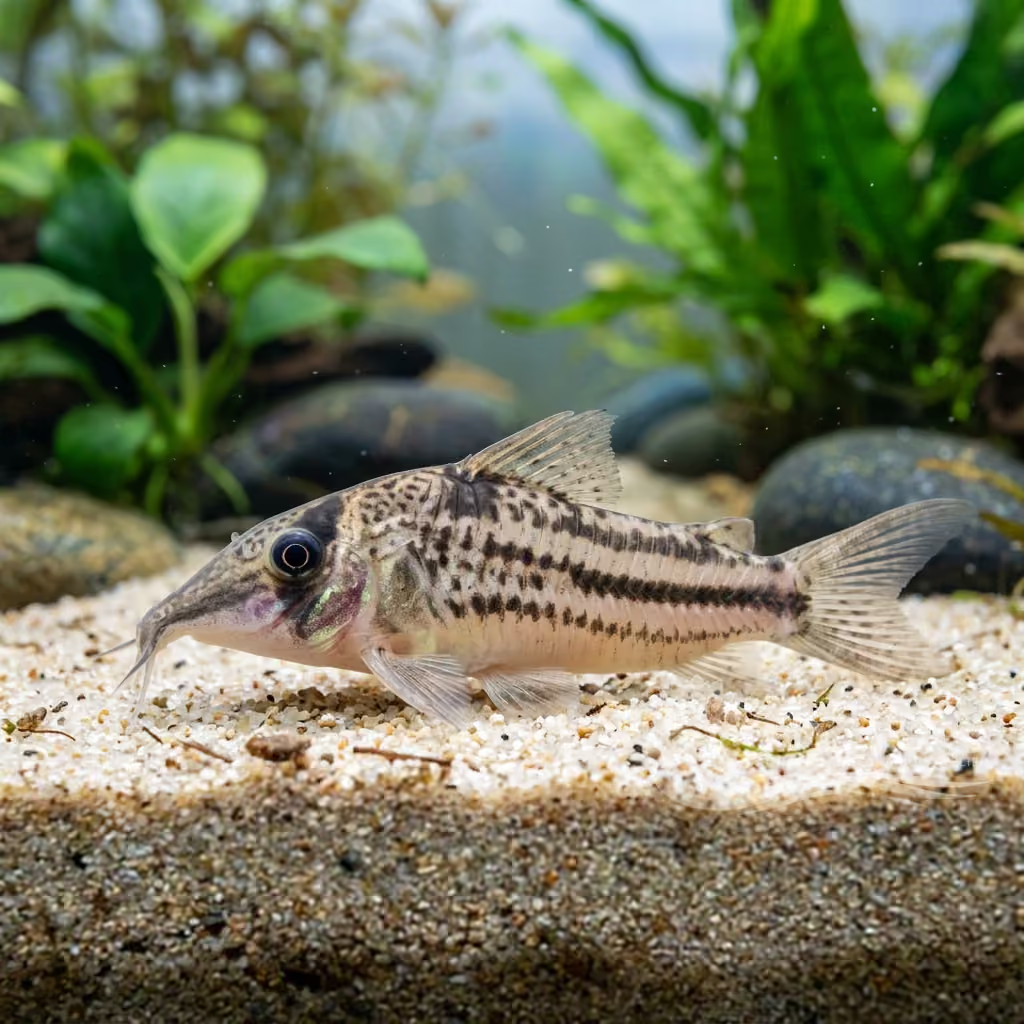
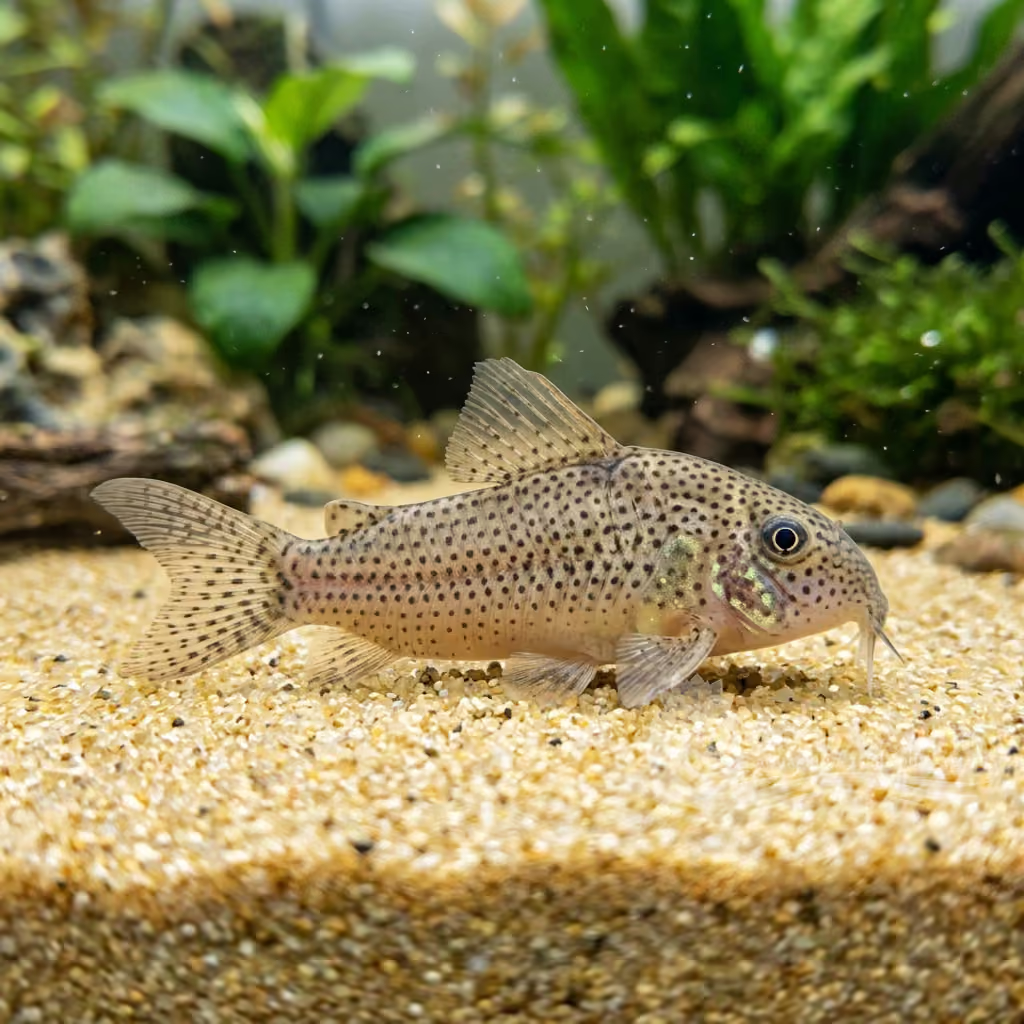
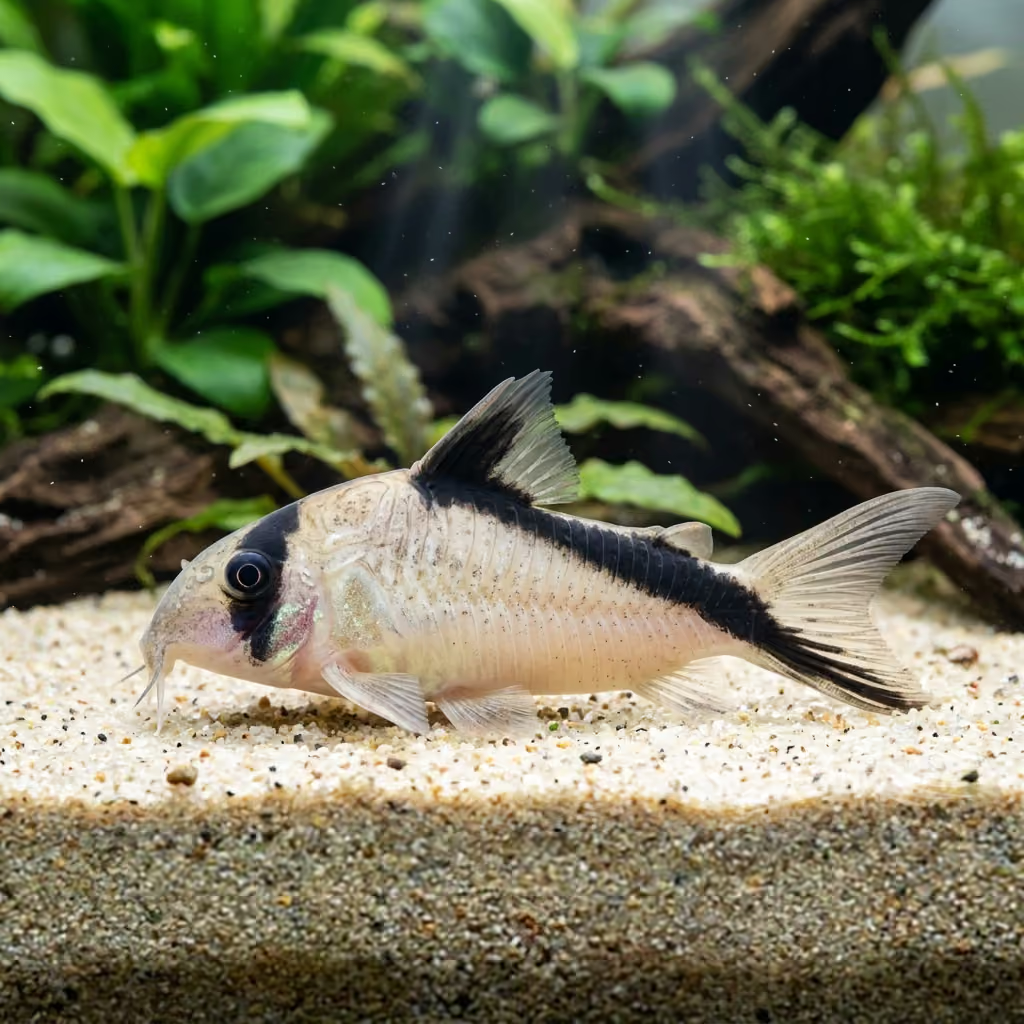
Coloration and Sexual Dimorphism: Extraordinary ornate livery: golden coppery body with snout completely covered by sinuous "maze-like" or reticulated micro-streaks. Absolute protagonists the first pectoral and ventral spines colored with a bright and proud neon orange. Females remarkably round if laden with eggs.

Care, breeding and tankmates
Aquarium Setup: Soft bottom (very fine river sand) is an essential law for the health of its drilling snout. Appreciates a lush vegetation of lateral Echinodorus and complex roofs formed by intricate branches to reassure it with soft light.
Diet and Feeding: Powerful micro-hunter. To guarantee the bright orange color of the spines it requires a lively and energetic diet: crushed protein wafers must strictly alternate with abundant dinners, dropped on the bottom, of large red bloodworms and brine shrimp dropped in the dark.
Water Quality: Sensitive to qualitative decays like any Amazonian: zero tolerance to nitrites. Recommended values: Temperature 22-26°C (72-79°F). The neutral/sub-acidic pH must gravitate around 6.0 - 7.2, with a low or medium hardness (GH 2-12). Constant but careful siphonings.
Compatibility and Cohabitation: Magnificent community fish if accompanied by serene mid-sized Tetras (Cardinals, Rummy nose) or peaceful Cichlids (Apistogramma). It becomes the sacrificial victim (dies of consumption) if flanked by giant Loricariids aggressive on food or impetuous territorial cichlids.
Aquarium Breeding: To induce it, it is vital to cool the water simulating massive precipitations with RO and feed abundantly with fats (live food). The T-position mating produces a few thick eggs on the glass. Immediate isolation of the same under penalty of the parental predatory instinct.
Risks and Diseases: The prolonged barbels will encounter an inexorable fungal ruin on sharp and gravelly bottoms. Very strong susceptibility to lethal ammonia surges and to in-tank treatments containing Malachite green, Salt, or Copper.

Geographic origin and distribution
Belongs to the pristine hydrographic basin of the Rio Mamoré, in Brazil. Demanding Amazonian species that prefers small shady rivers with feeble currents, with deep or clear "blackwater", and where the sandy substrate meets immense deposits of botanical material.
Origin
Tropical oceans and reefsAmazon, Orinoco, and Guianas

Fish profile
- Temperament
- Semi-aggressive
- The temperament of Brochis seussi is exceptionally peaceful and highly social in nature. They must be kept in groups of at least six individuals to thrive. In proper schools, they are confident and constantly active across the bottom.
- Diet
- Omnivore
- The diet of Brochis seussi primarily features benthic organisms and small detritus. In captivity, they eagerly eat sinking pellets and high-quality bottom-feeder wafers. Live foods like bloodworms and daphnia should be offered for optimal health.
- Life expectancy
- 5-8 years
- Adult size
- 6.5 cm
- Sex ratio
- Specific M:F ratio
- A specific sex ratio is unnecessary for the general community keeping of Brochis seussi. For dedicated breeding, a ratio of two males per female is optimal. Females are visibly rounder and broader, while males are slender.
- Feeding frequency
- Twice daily
- It is recommended to feed Brochis seussi one or two times daily in moderate portions. Ensure the food reaches the substrate before mid-water fish consume it all. Feeding just before lights out helps them forage peacefully without stress.
- Bioload
- Low to Medium
- The bioload of Brochis seussi is relatively low compared to larger tank mates. Since they are schooling fish, their combined waste can accumulate over time. Consistent filtration and weekly water changes are necessary for maintaining clean water.
- Flow
- Stagnant
- Brochis seussi prefers a moderate water flow that replicates gentle Amazonian streams. This circulation thoroughly oxygenates the water and prevents detritus accumulation. Calm resting zones should also be provided for relaxation.
- Jump risk
- Yes
- The jump risk for Brochis seussi is very low compared to surface-dwelling fish. However, their unique respiratory system causes occasional rapid surface darting. A secure aquarium lid is highly recommended to prevent accidental escapes.
- Reproduction
- Oviparous
- Breeding Brochis seussi in an aquarium is highly achievable with proper conditioning. Spawning is typically triggered by a large, slightly cooler water change. The female then deposits adhesive eggs on aquarium glass or broad plant leaves.
- Compatibility & tankmates
- Semi-aggressive
- In terms of compatibility, Brochis seussi is extremely peaceful and ideal for community setups. They coexist perfectly with small tetras, rasboras, and dwarf cichlids. Large, aggressive bottom-dwellers must be avoided to prevent undue competition.
- Tank level
- Bottom
- As obligate bottom-dwellers, Brochis seussi spends the vast majority of its time on the substrate. They constantly search for food by sifting fine sand with their sensitive barbels. They occasionally dart to the surface to gulp atmospheric air.

Scientific Parameters & Models
FishBase
Window to the official scientific data of the species
FishBase v25.04Data synced on: 06/15/2026
- Trophic level
- 2.9 ± 0.3 se
- Resilience
- High (less than 15 months)
- Phylogenetic uniqueness (PD50)
- 0.5
- Bayesian Length-Weight
- a = 0.01778, b = 3.02
- VulnerabilityLow vulnerability (10 / 100)

Related species
Recommendations grouped by close relatives, companion choices, and similar care.