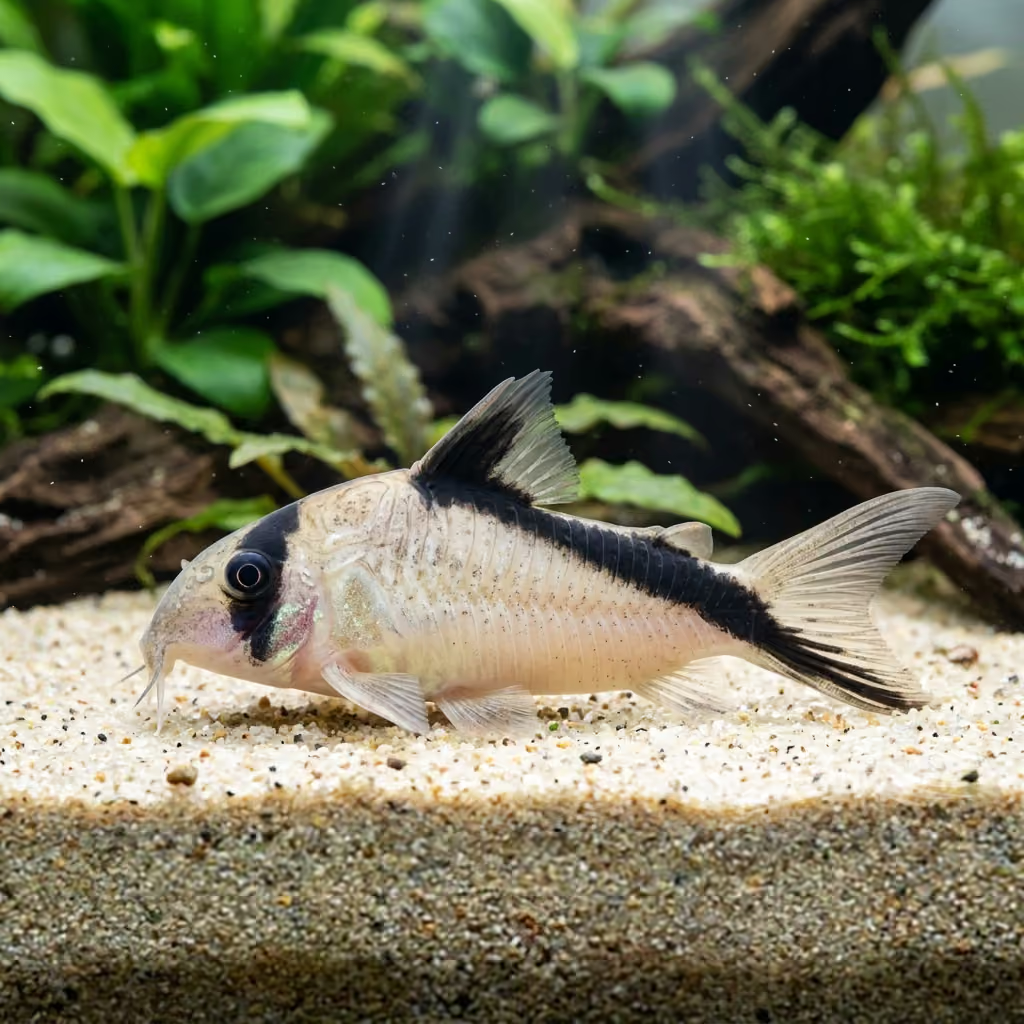
Semiaquilus Cory
Corydoras semiaquilus
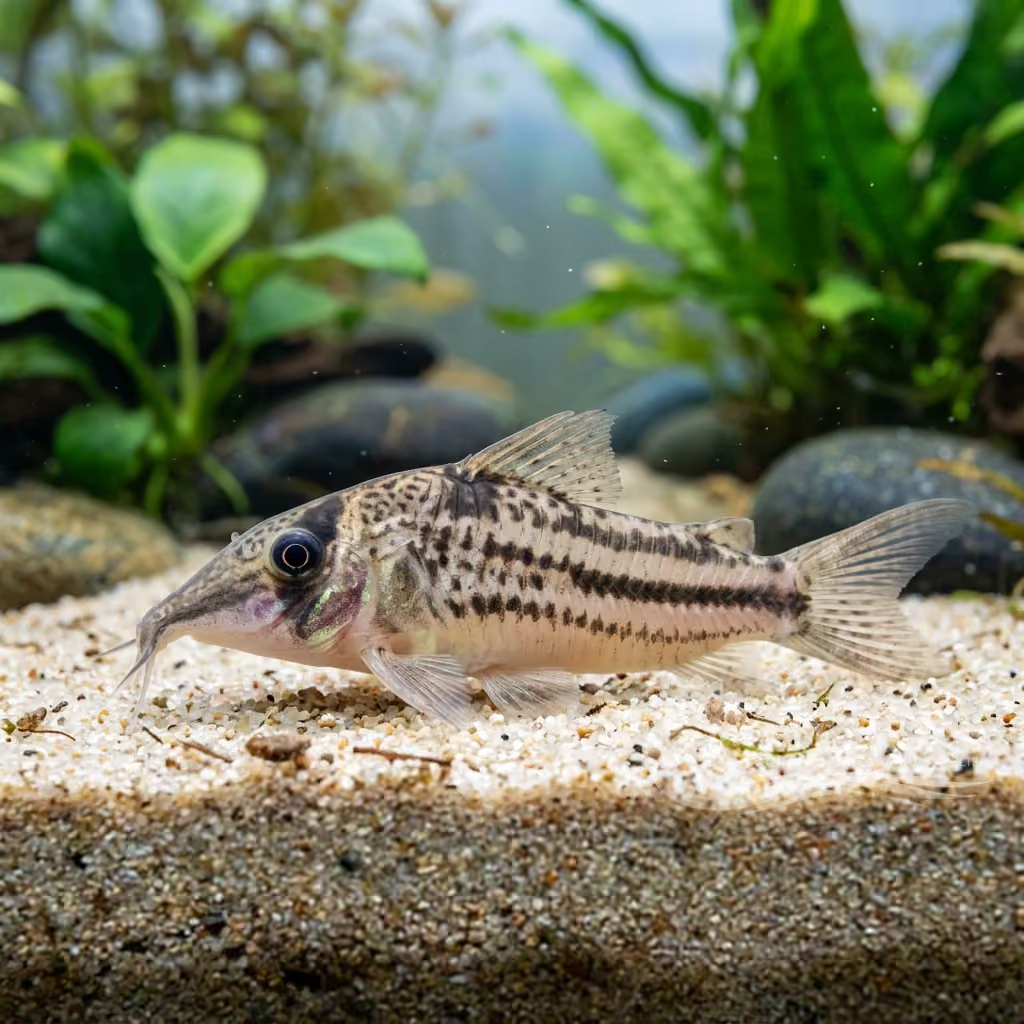
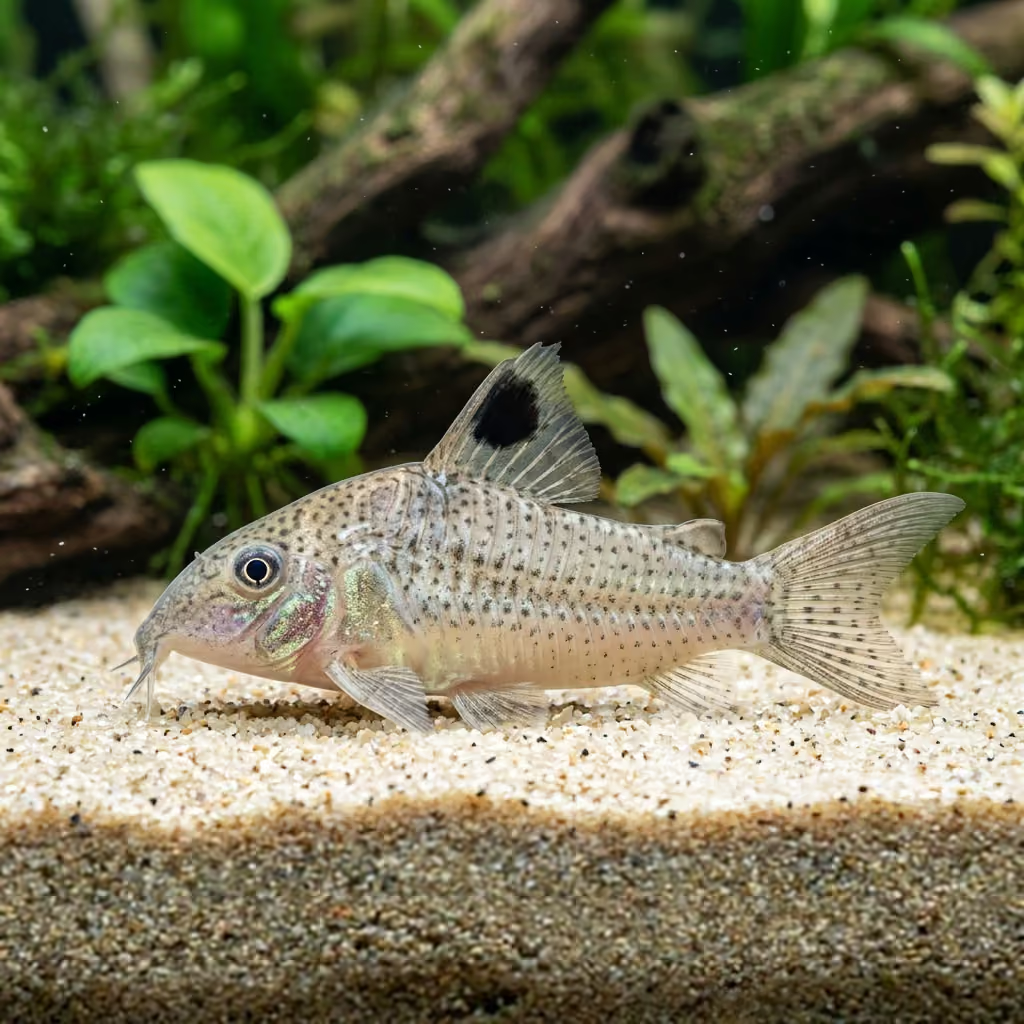
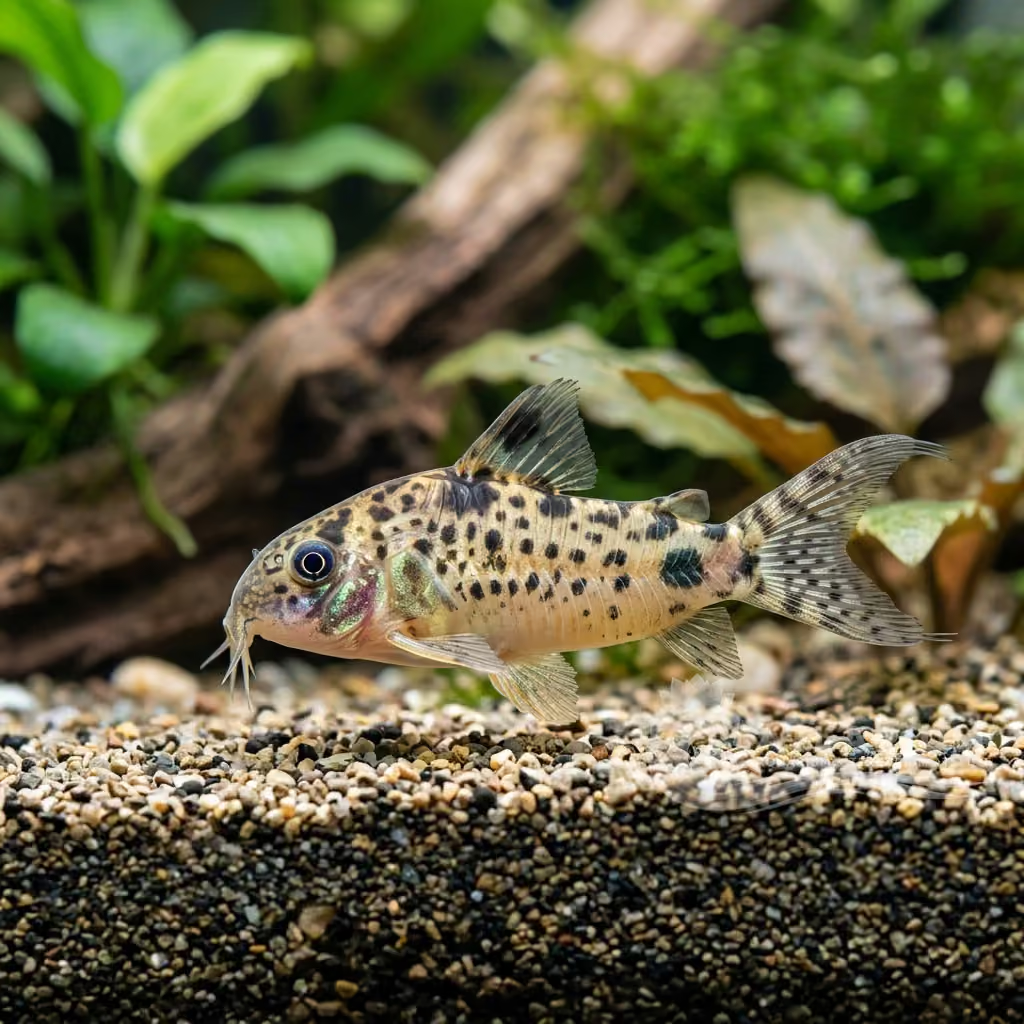
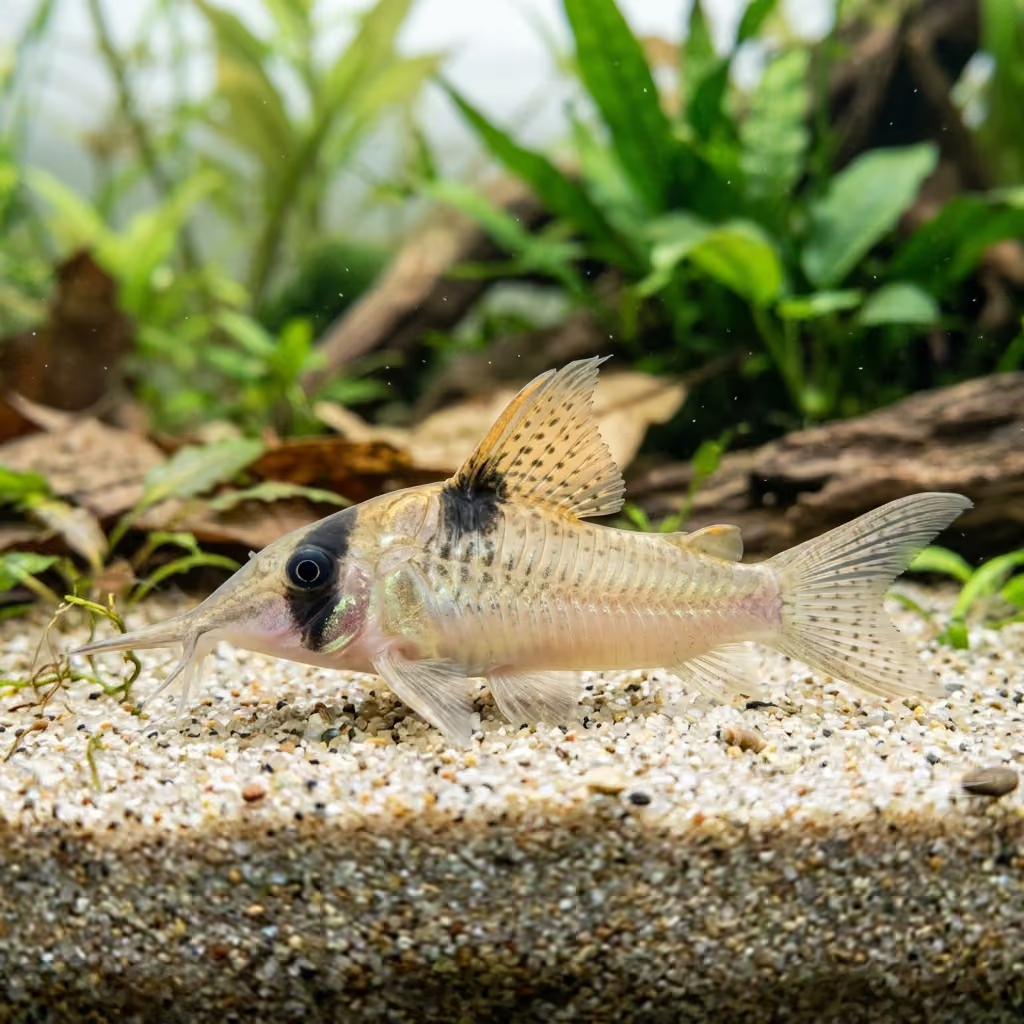
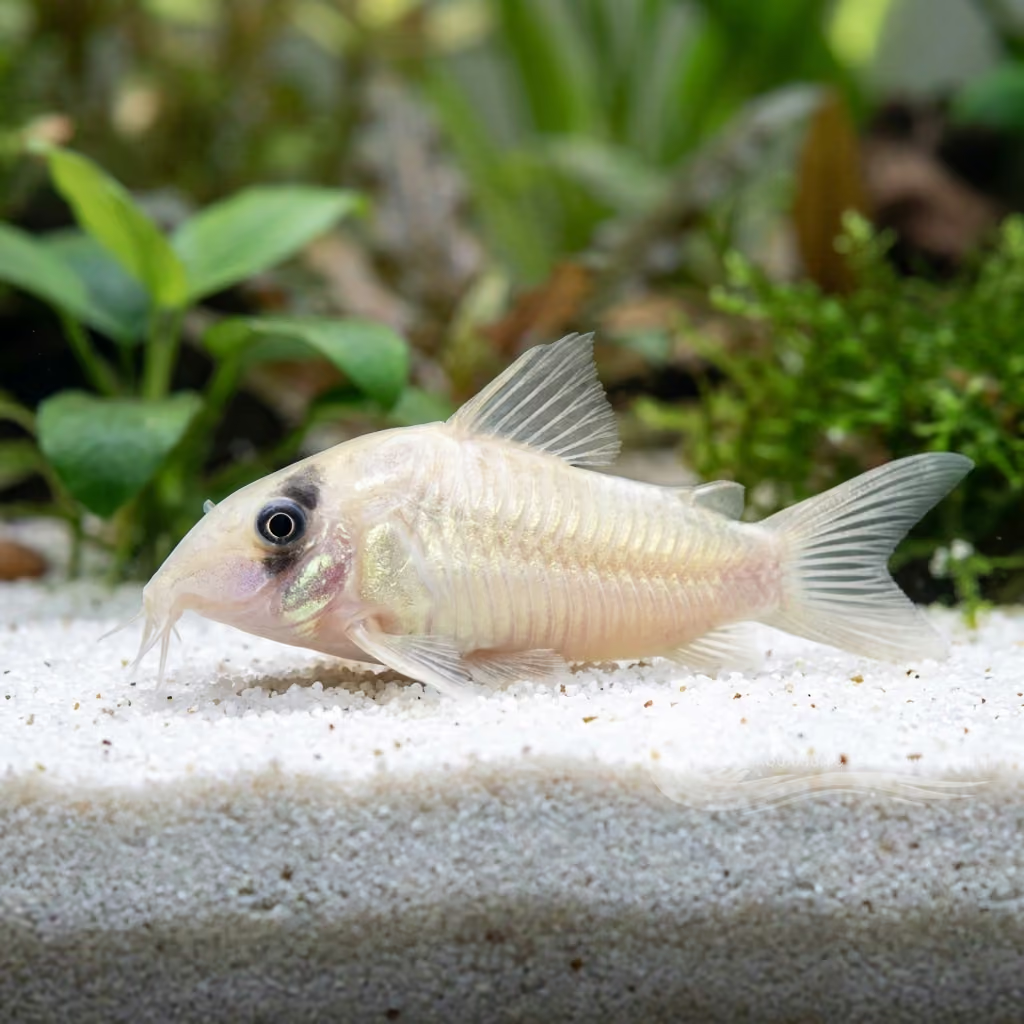
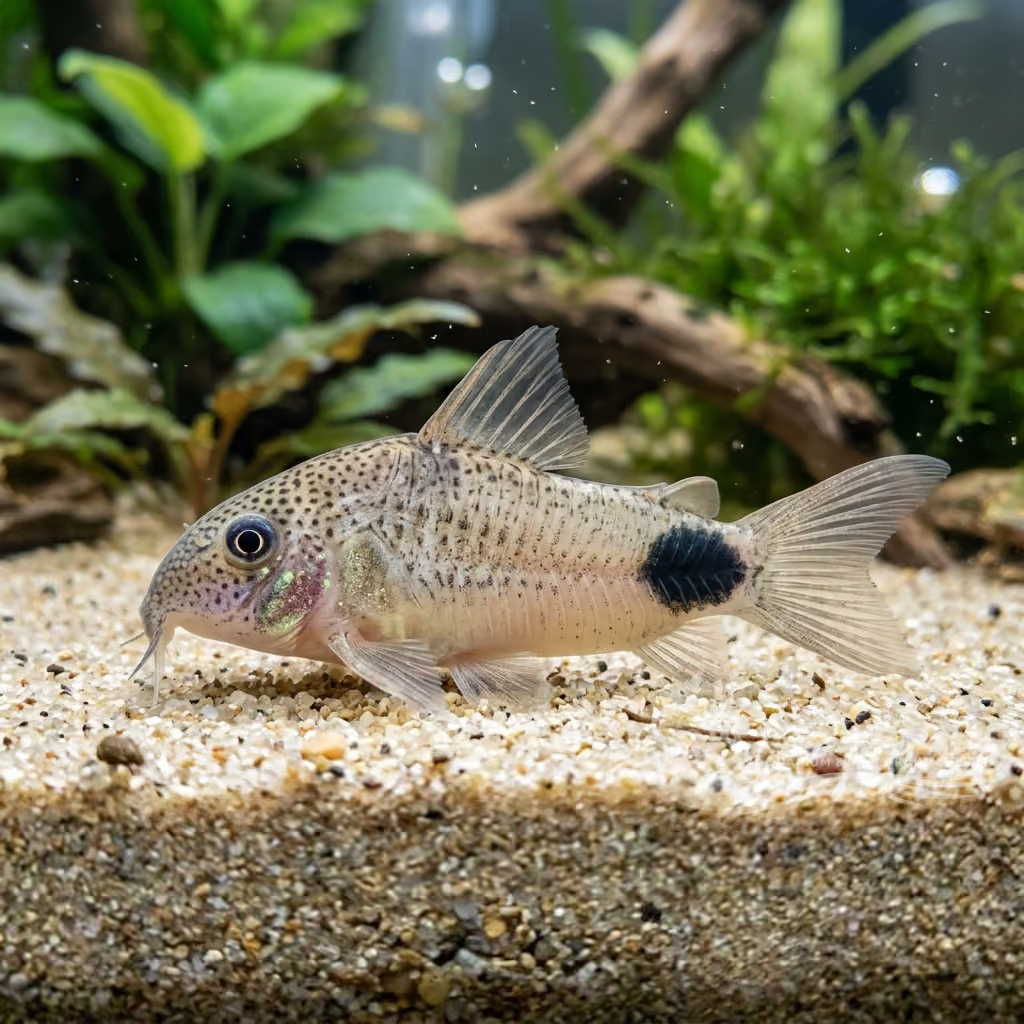
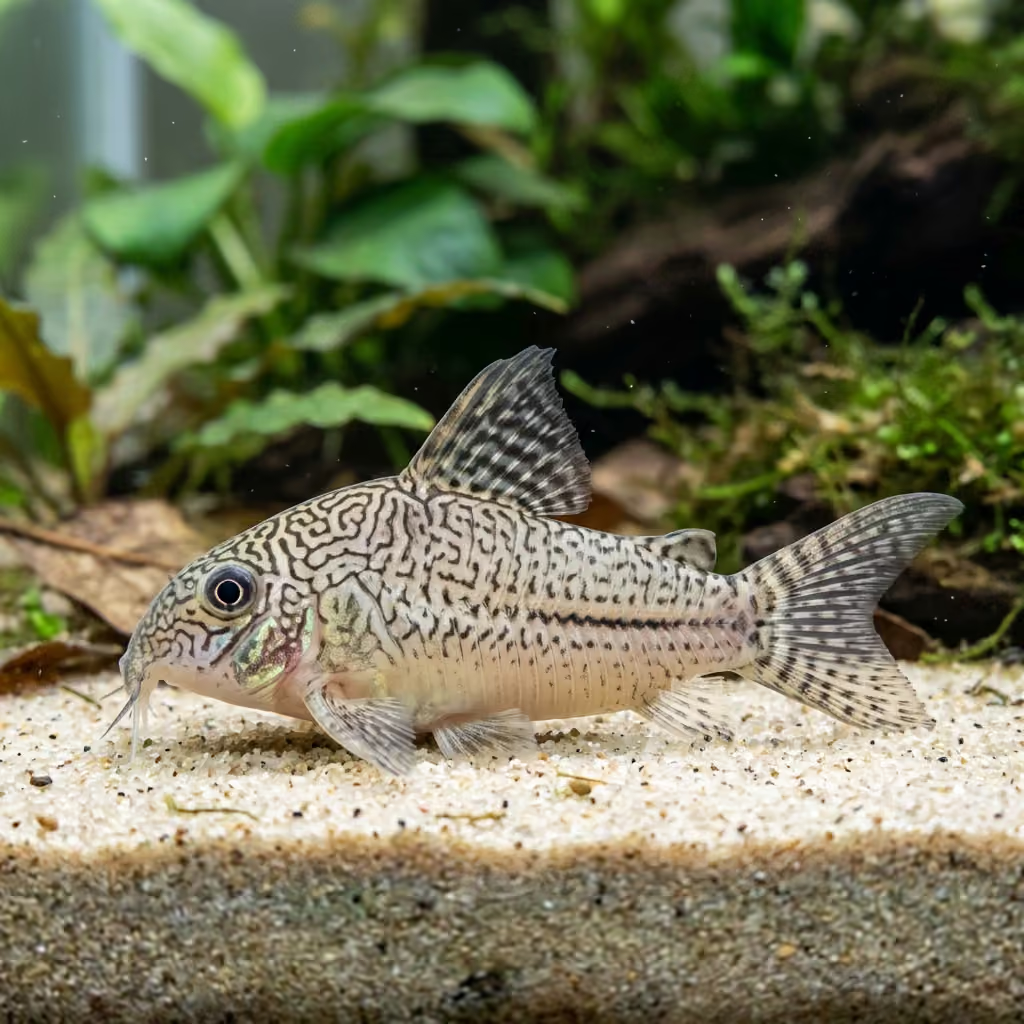
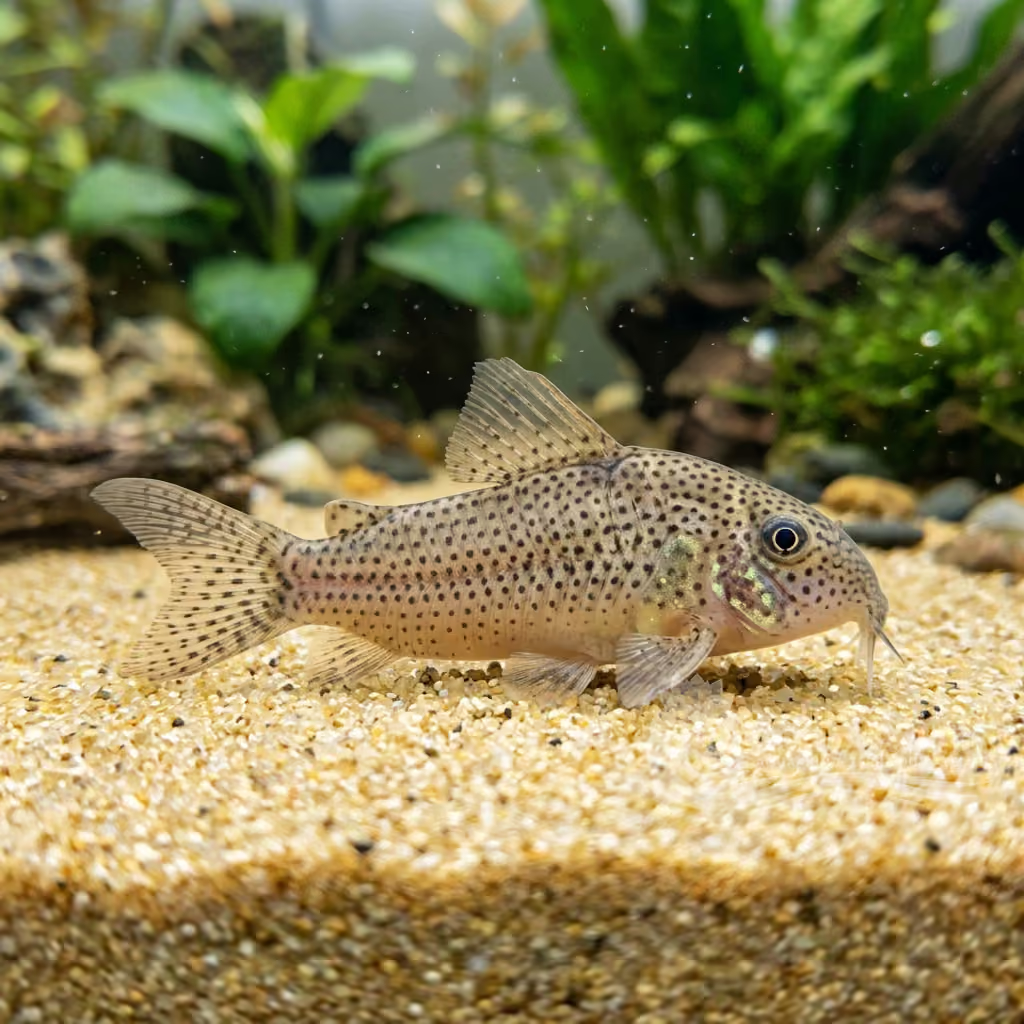
Superb callichthyid with a very dark background color: the brownish-greenish flanks are covered by ink-black reticulations often forming solid bands near the tail.
Water Temperature
22 - 26 °C
pH Value
6 - 7.2
Water type
Freshwater
Tank level
Bottom
Adult size
6.5 cm
Minimum tank volume
>= 100 L
Minimum group
>= 6
GH
2 - 12 dGH
KH
2 - 10 dKH
TDS
50 - 280 ppm
Conductivity
78 - 438 uS/cm

Species description
Geographical Origin and Habitat: Stably inhabits the dark rainforest rivers ("blackwater" and clear waters) in the upper Amazon basin (Peru and western Brazil). Lives scraping the shady benthic mantle full of humus, tannins and gigantic accumulations of decaying leaves.
Taxonomy and Morphology: Splendid and imposing "long-snouted" member of the Callichthyidae family, touches 6.5 cm (2.5 inches). Distinctively characterized by a sloping, prolonged and pointed snout used as a perfect discoverer of worms hidden in the muddy depths.
Social Behavior: Very strong herd instinct. Requires large tanks and numerous schools (at least 6-8 specimens). Social dynamics within the school mitigate the marked shyness of the species: they will patrol shoulder to shoulder the entire aquatic floor plan.
Coloration and Sexual Dimorphism: Extraordinary dark "camouflage" livery. The chocolate-brown body, tending to metallic olive, boasts intricate dark vermiculated networks. Silvery/pinkish belly in sharp contrast. Females are notably stockier, taller and thicker than the wedge-shaped males.

Care, breeding and tankmates
Aquarium Setup: Does not compromise on grain size: the tank demands a dense carpet of only sifted inert sand. It is mandatory to massively darken the water with oak/Catappa leaves, intricate woods that release humic acids and a thick cover of floating plants (Limnobium).
Diet and Feeding: Carnivorous digger not to be fed only commercial tablets. To maintain the 6.5 cm mass, constant and gluttonous sinking night/evening meals must be integrated: giant tubifex in blocks, conspicuous bloodworms (thawed) and sliced earthworms.
Water Quality: Suffers enormously from organic degradation. Temperature 22-26°C (72-79°F). The amber water must settle on moderate values: weakly acidic/neutral pH (6.0 - 7.2), soft GH (2-12). Granite biological filtration and constant massive water changes.
Compatibility and Cohabitation: Lives docilely with the vast majority of placid South American fish. Elite roommate for schools of Tetras (Emperor, Bleeding heart), Nannostomus and quiet dwarf Cichlids (Dicrossus). Woe to placing it alongside fierce loaches or fish of incompatible size.
Aquarium Breeding: Rare. Requires drastic conditioning of the breeders based on live food and massive cold RO water refreshments to simulate the rainy season. The T-position culminates in large tenaciously glued eggs, which will however be ruthlessly eaten by the adults.
Risks and Diseases: Intolerant to any angular gravel that would lead to the inescapable infected amputation of its very delicate tactile rostrum. Shows extreme sensitivity and a high death rate if treated in the tank with full dosages of Malachite green.

Geographic origin and distribution
Stably inhabits the dark rainforest rivers ("blackwater" and clear waters) in the upper Amazon basin (Peru and western Brazil). Lives scraping the shady benthic mantle full of humus, tannins and gigantic accumulations of decaying leaves.
Origin
Amazon, Orinoco, and Guianas

Fish profile
- Temperament
- Semi-aggressive
- The temperament of Corydoras semiaquilus is exceptionally peaceful and highly social in nature. They must be kept in groups of at least six individuals to thrive. In proper schools, they are confident and constantly active across the bottom.
- Diet
- Omnivore
- The diet of Corydoras semiaquilus primarily features benthic organisms and small detritus. In captivity, they eagerly eat sinking pellets and high-quality bottom-feeder wafers. Live foods like bloodworms and daphnia should be offered for optimal health.
- Life expectancy
- 5-8 years
- Adult size
- 6.5 cm
- Sex ratio
- Specific M:F ratio
- A specific sex ratio is unnecessary for the general community keeping of Corydoras semiaquilus. For dedicated breeding, a ratio of two males per female is optimal. Females are visibly rounder and broader, while males are slender.
- Feeding frequency
- Twice daily
- It is recommended to feed Corydoras semiaquilus one or two times daily in moderate portions. Ensure the food reaches the substrate before mid-water fish consume it all. Feeding just before lights out helps them forage peacefully without stress.
- Bioload
- Low to Medium
- The bioload of Corydoras semiaquilus is relatively low compared to larger tank mates. Since they are schooling fish, their combined waste can accumulate over time. Consistent filtration and weekly water changes are necessary for maintaining clean water.
- Flow
- Stagnant
- Corydoras semiaquilus prefers a moderate water flow that replicates gentle Amazonian streams. This circulation thoroughly oxygenates the water and prevents detritus accumulation. Calm resting zones should also be provided for relaxation.
- Jump risk
- Yes
- The jump risk for Corydoras semiaquilus is very low compared to surface-dwelling fish. However, their unique respiratory system causes occasional rapid surface darting. A secure aquarium lid is highly recommended to prevent accidental escapes.
- Reproduction
- Oviparous
- Breeding Corydoras semiaquilus in an aquarium is highly achievable with proper conditioning. Spawning is typically triggered by a large, slightly cooler water change. The female then deposits adhesive eggs on aquarium glass or broad plant leaves.
- Compatibility & tankmates
- Peaceful
- In terms of compatibility, Corydoras semiaquilus is extremely peaceful and ideal for community setups. They coexist perfectly with small tetras, rasboras, and dwarf cichlids. Large, aggressive bottom-dwellers must be avoided to prevent undue competition.
- Tank level
- Bottom
- As obligate bottom-dwellers, Corydoras semiaquilus spends the vast majority of its time on the substrate. They constantly search for food by sifting fine sand with their sensitive barbels. They occasionally dart to the surface to gulp atmospheric air.

Scientific Parameters & Models
FishBase
Window to the official scientific data of the species
FishBase v25.04Data synced on: 06/15/2026
- Trophic level
- 3 ± 0.3 se
- Resilience
- High (less than 15 months)
- Phylogenetic uniqueness (PD50)
- 0.5
- Bayesian Length-Weight
- a = 0.02455, b = 3
- VulnerabilityLow vulnerability (10 / 100)

Related species
Recommendations grouped by close relatives, companion choices, and similar care.