Spotted Corydoras
Hoplisoma punctatum
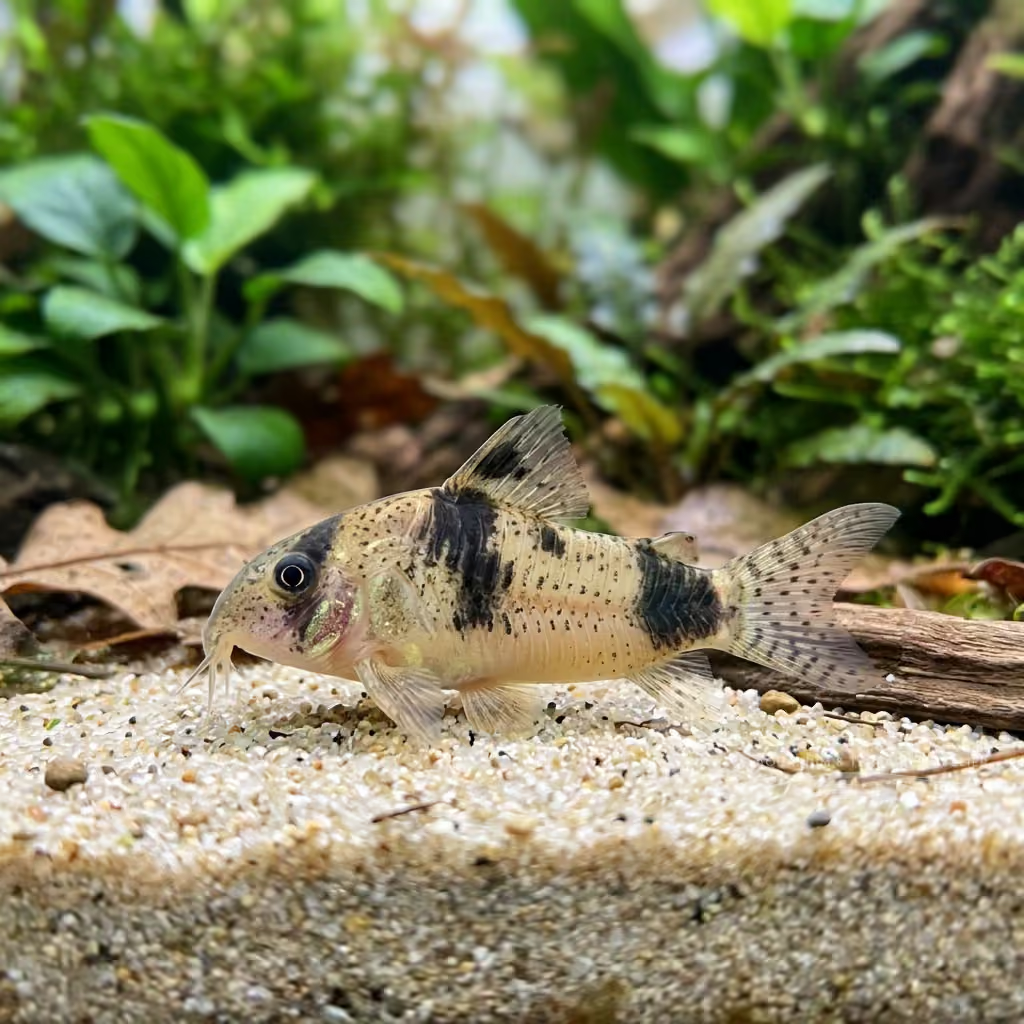
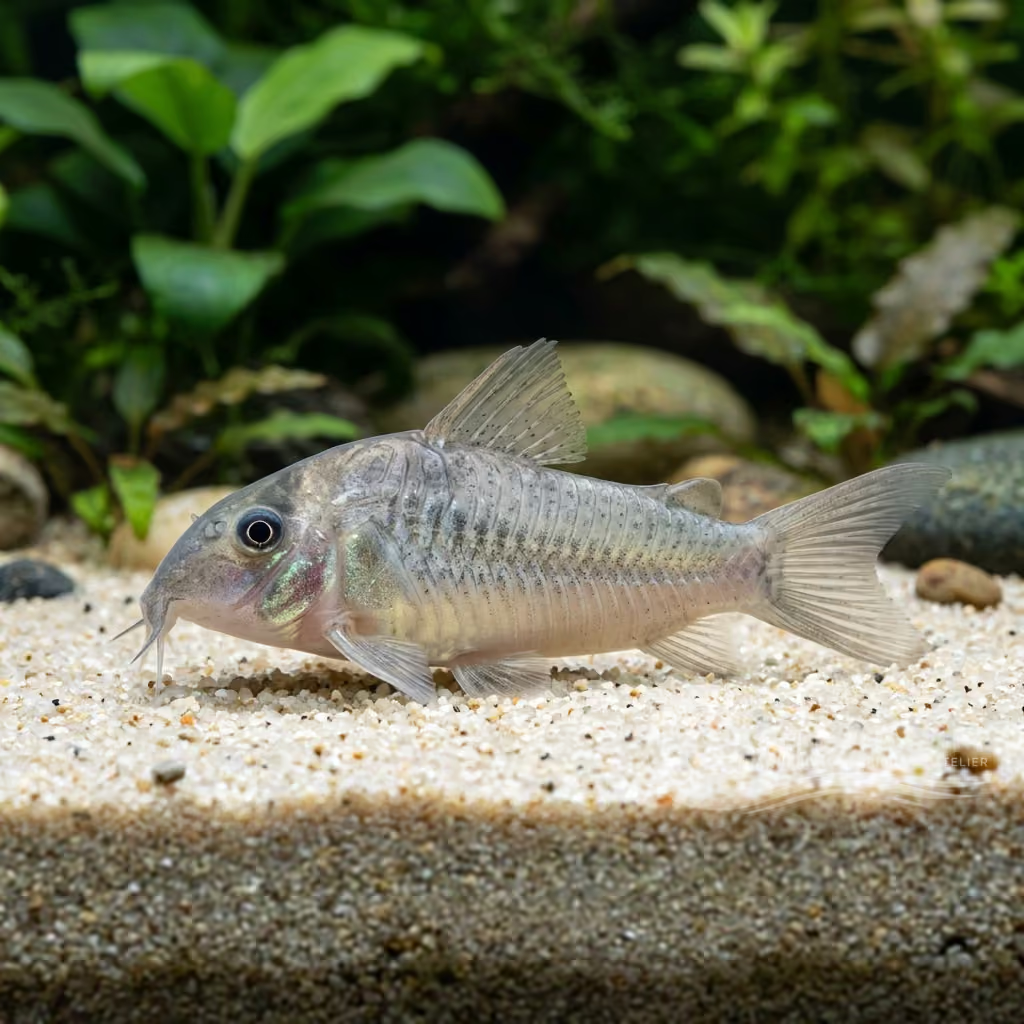
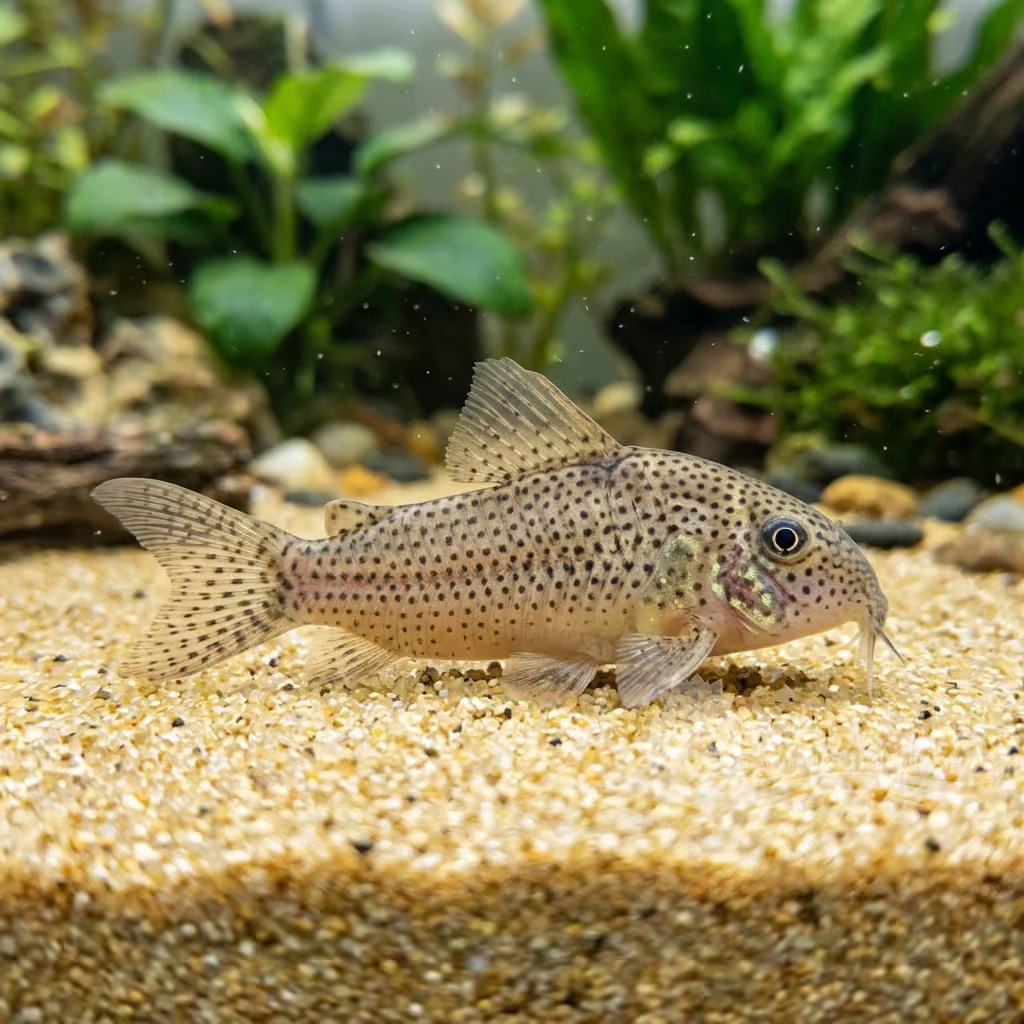
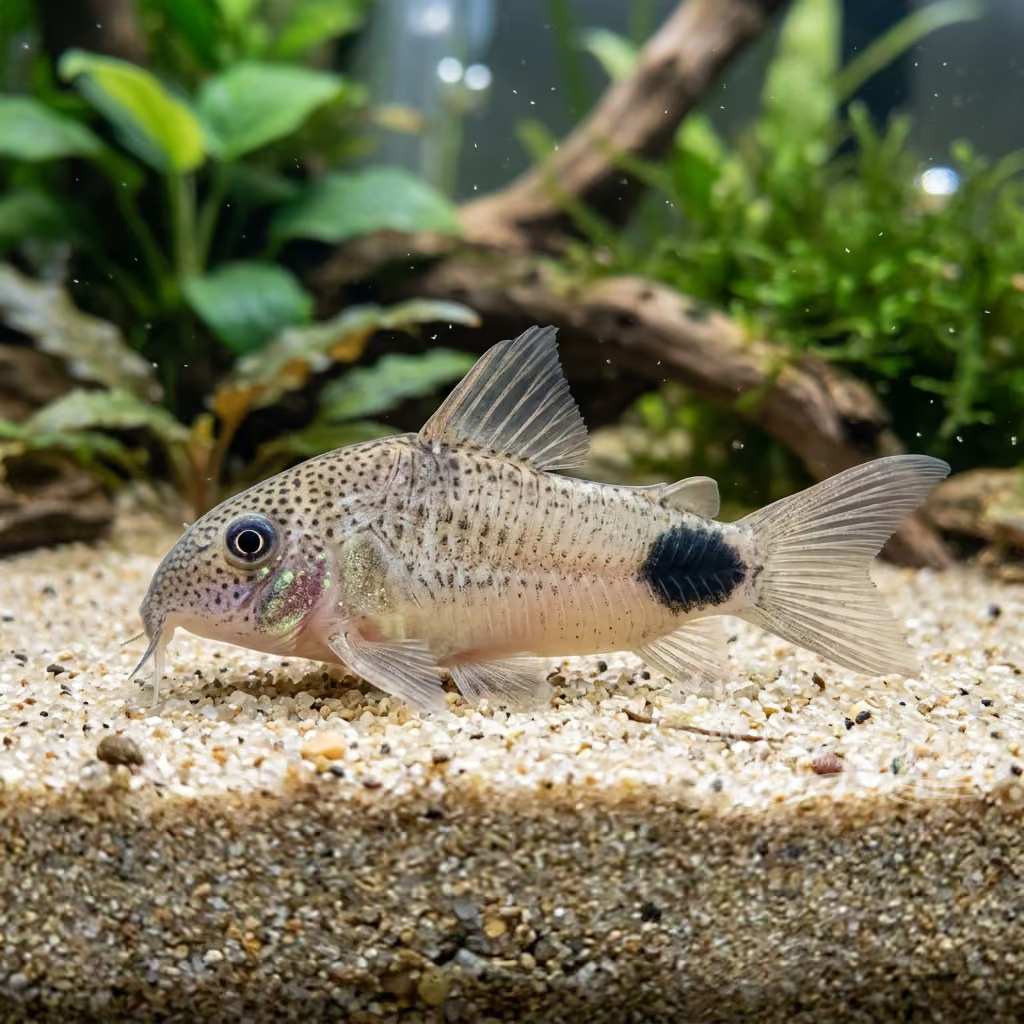
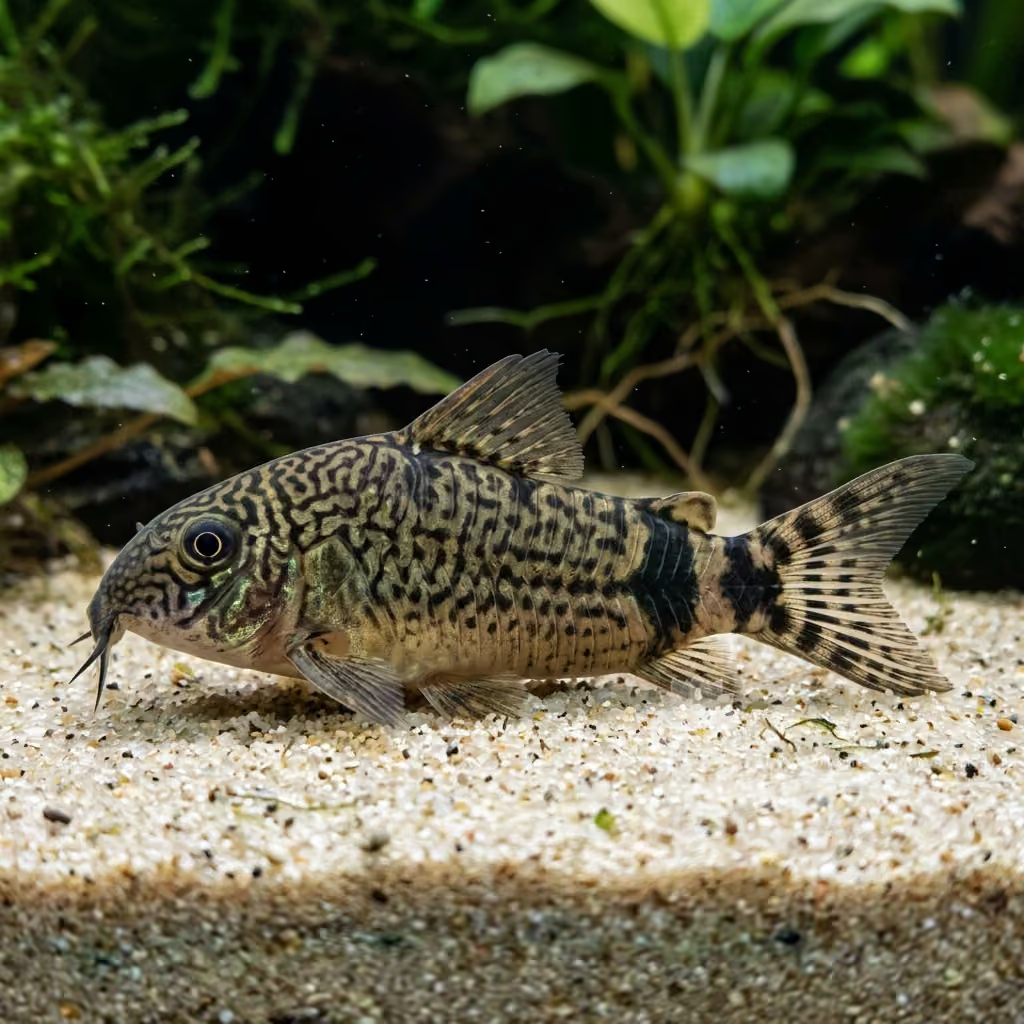
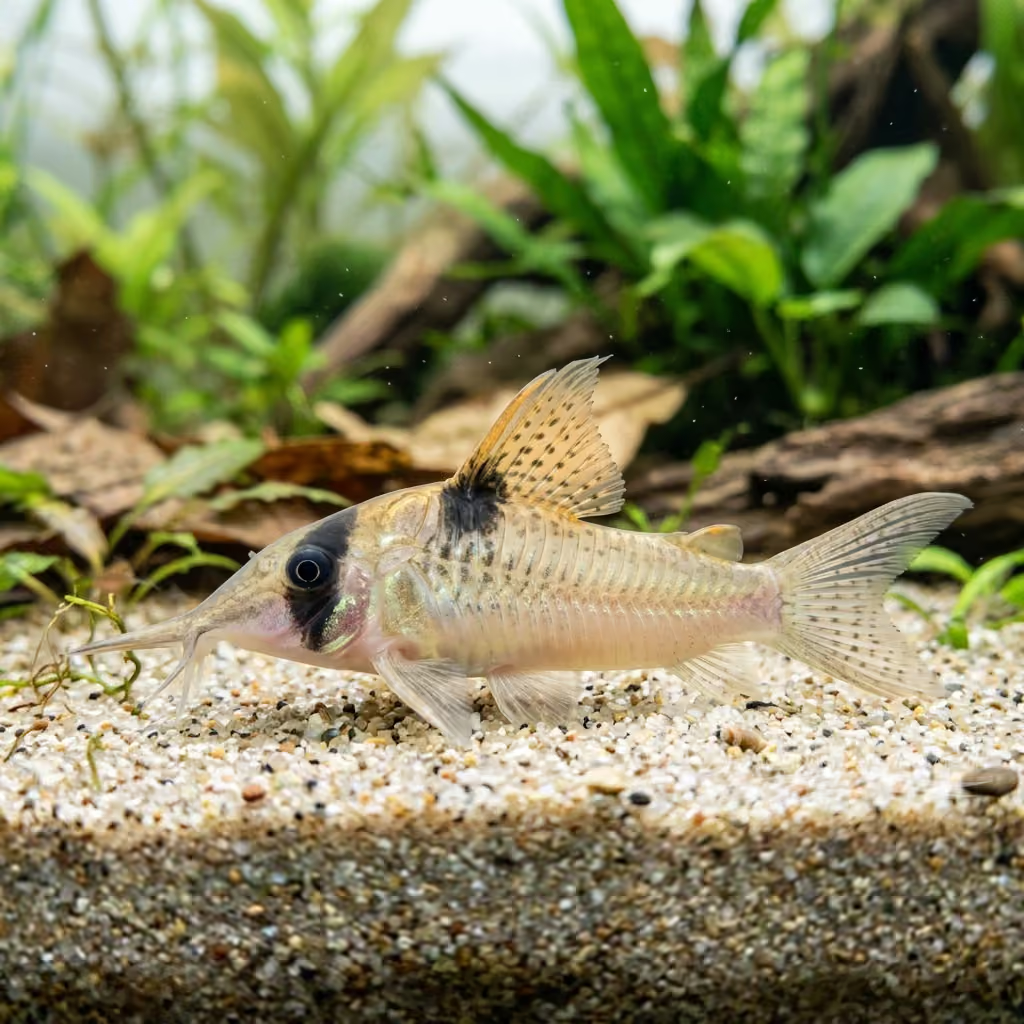
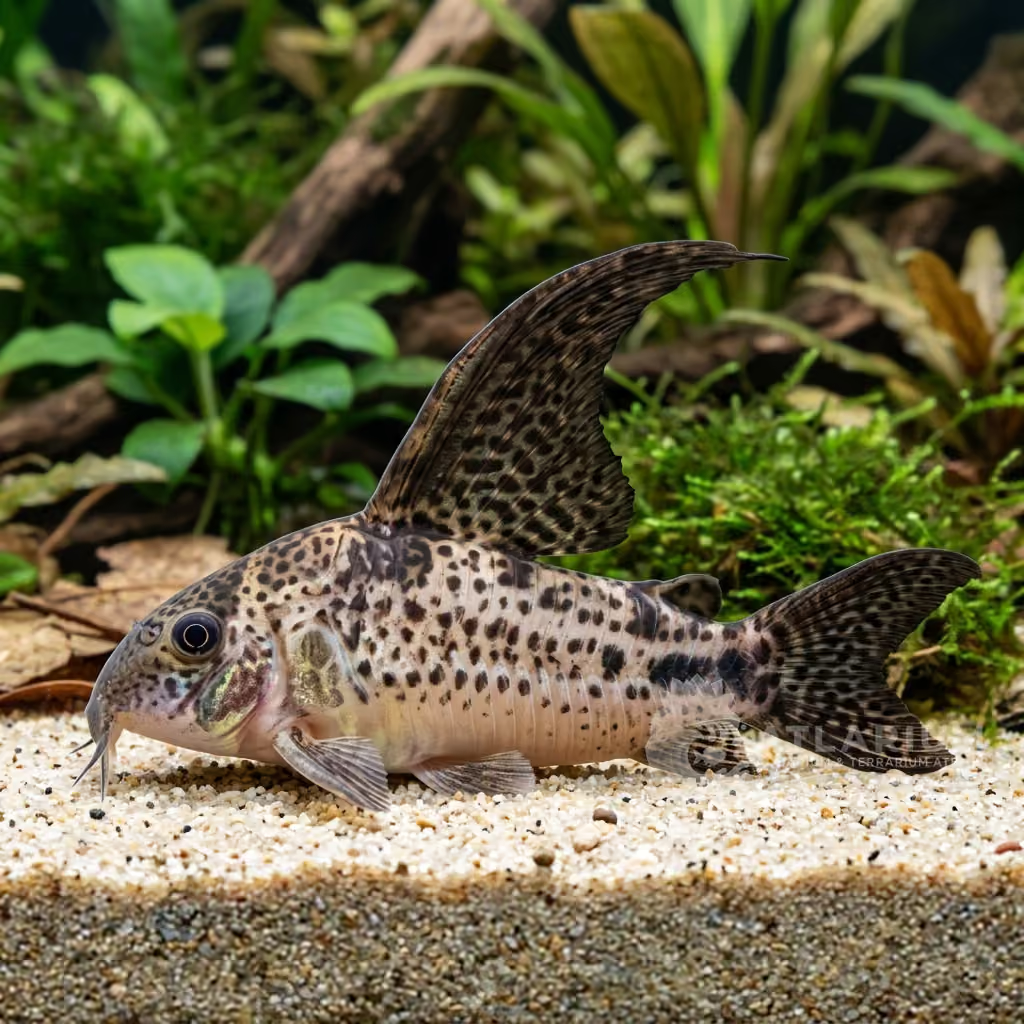
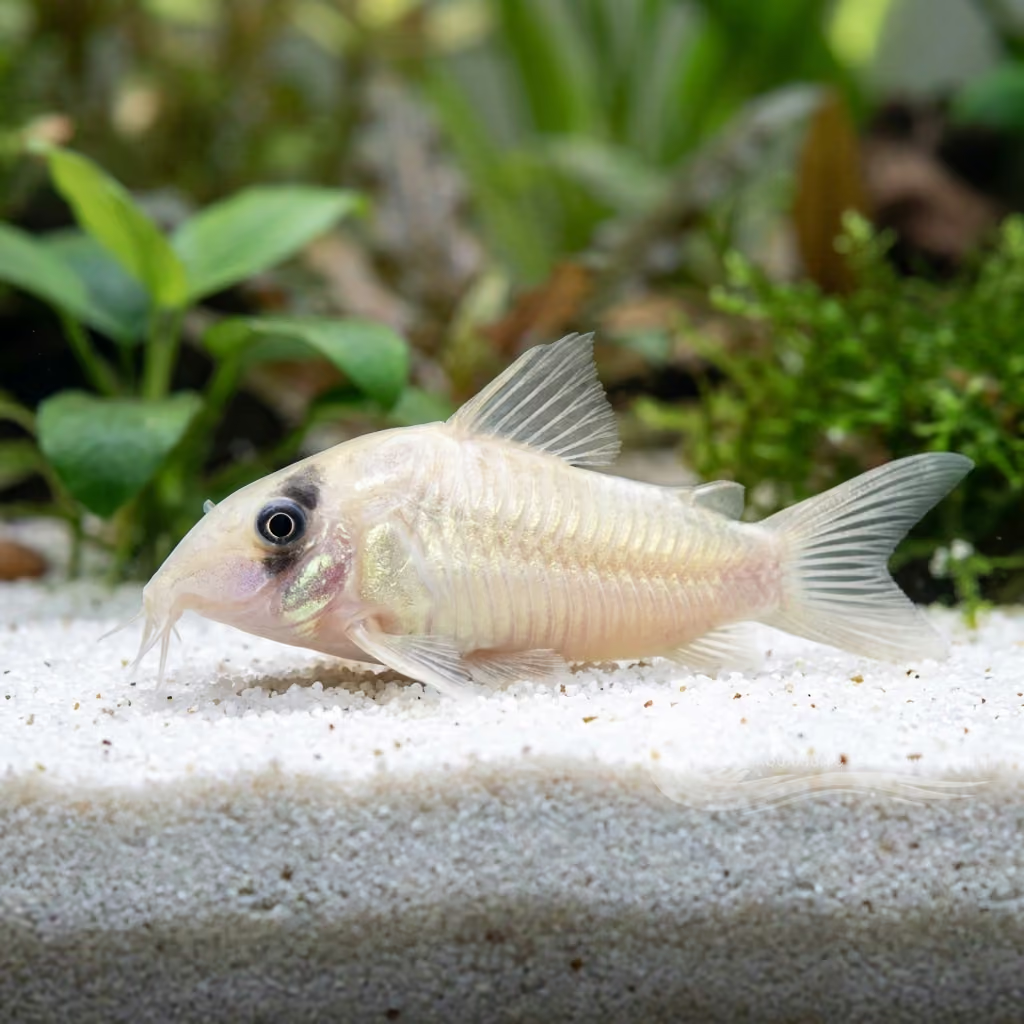
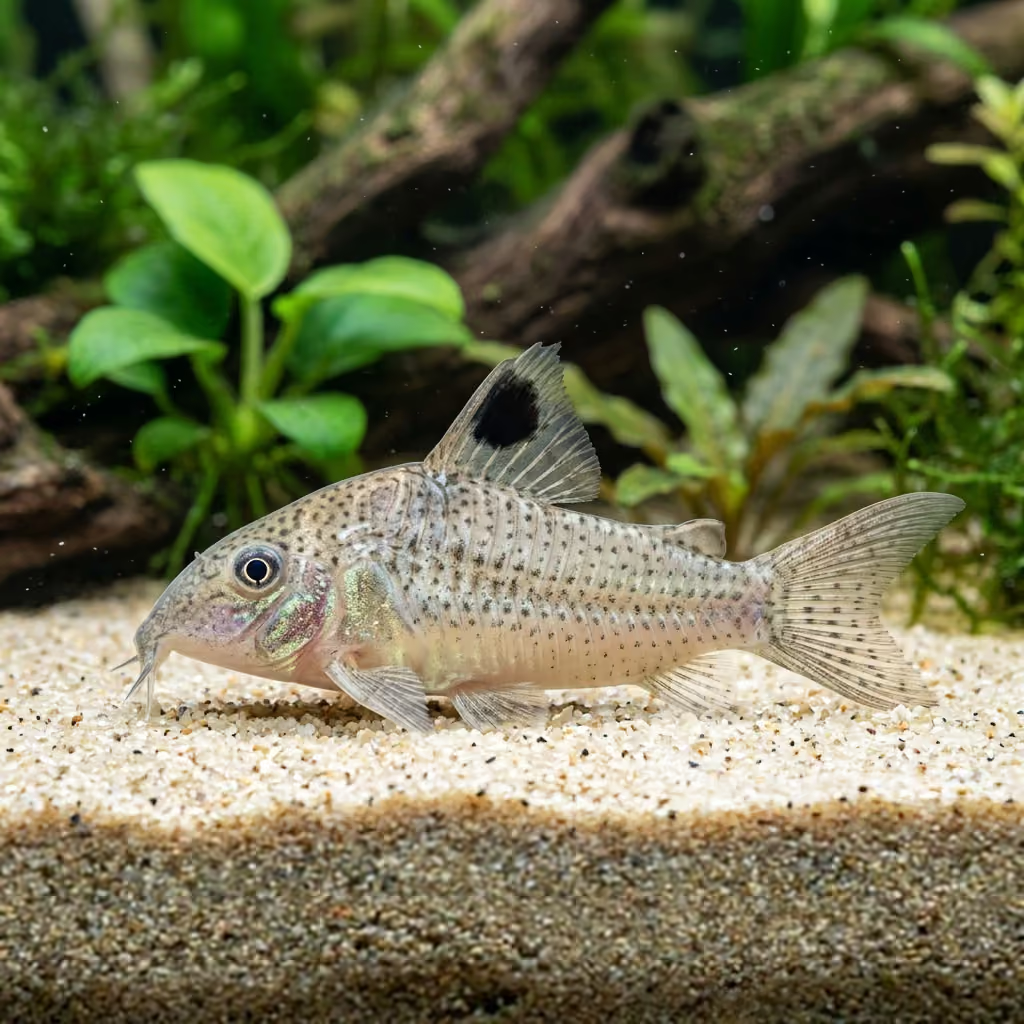
The first Corydoras species ever historically described (1794). It has a silvery body covered with dark spots and a typical black spot on the transparent dorsal fin.
Water Temperature
22 - 26 °C
pH Value
6 - 7.2
Water type
Freshwater
Tank level
Bottom
Adult size
5.5 cm
Minimum tank volume
>= 80 L
Minimum group
>= 6
GH
2 - 12 dGH
KH
2 - 10 dKH
TDS
50 - 280 ppm
Conductivity
78 - 438 uS/cm

Species description
Geographical Origin and Habitat: Originating from the Suriname river basin and adjacent rivers in the Republic of Suriname. Assiduous populator of shaded streams, channels with outflow and submerged forest areas, tirelessly sounding the muddy substrates rich in debris and microfauna.
Taxonomy and Morphology: Corydoras of the Callichthyidae family. The "type species" of the Corydoras genus, described since 1794. Standard size (5.5 cm / 2.2 inches), compact profile, short snout and the typical impenetrable bone armor with overlapping plates along the flanks.
Social Behavior: Joyful, tireless and absolutely gregarious temperament. Ironclad condition for detention is the constitution of groups of no less than 6 units. Solitary perishes from stress; in a group it probes every stone in the tank raising small clouds of sand.
Coloration and Sexual Dimorphism: Beige-cream background finely studded ("punctatus") with black and minute widespread micro-dots. The main feature is the very conspicuous black spot extended over almost the entire upper part of the dorsal fin. Obvious dimorphism in swollen females, against slender males.

Care, breeding and tankmates
Aquarium Setup: Aquarium of at least 60 liters dedicated to the school. The use of fine inert sand like talc is mandatory (any lava/angular rock will destroy it). Provide darkened shelters with large weaves of Red Moor Wood and a bed of decaying dead leaves (Catappa).
Diet and Feeding: Highly voracious carnivorous micro-scavenger. Requires robust diets based on sinking tablets and wafers (not algae), constantly enriched and alternated with gluttonous live or thawed snacks: giant bloodworms, microworms, tubifex and mysis.
Water Quality: Thermal range stabilized between 22 and 26°C (72-79°F). Tolerant, but prefers neutral or slightly acidic neo-tropical water (pH 6.0 - 7.2) and low hardness (GH 2-12). A massive biological filter will avoid oxygen drops and ammonia accumulations fatal for him.
Compatibility and Cohabitation: Harmless inhabitant perfect for gentle multi-specific communities. No restrictions on flanking with Characidae (Neons, Cardinals), Loricariids (Ancistrus) and Apistogramma. Strictly forbidden to insert Clown Loaches or large burrowing cichlids.
Aquarium Breeding: Reachable by mimicking the abundant Amazonian rains through sudden cold osmotic changes. The "T-shaped" fertilization guarantees the scattered deposition of resistant eggs adhering to plants and glass. Categorically move the breeders to suppress their cannibalistic instinct.
Risks and Diseases: Alarming sensitivity to the abrasion of the barbels (with consequent fatal septicemia) if housed on gravel or limestone beds. They present a very high incidence of lethal adverse reactions to prophylaxis in the tank based on Malachite green.

Geographic origin and distribution
Originating from the Suriname river basin and adjacent rivers in the Republic of Suriname. Assiduous populator of shaded streams, channels with outflow and submerged forest areas, tirelessly sounding the muddy substrates rich in debris and microfauna.
Origin
Amazon, Orinoco, and Guianas

Fish profile
- Temperament
- Semi-aggressive
- The temperament of Hoplisoma punctatum is exceedingly peaceful and sociable, making them a favorite among community tank enthusiasts. They show absolutely no aggression towards other fish species and prefer to go about their daily foraging undisturbed. They are highly gregarious and derive comfort from the presence of their own kind, frequently resting and moving together as a unified group. Isolation can cause them immense stress, resulting in hiding and refusing to eat.
- Diet
- Omnivore
- Hoplisoma punctatum are omnivorous bottom feeders that require a varied diet to thrive in captivity. A high-quality sinking pellet or wafer specifically formulated for bottom dwellers should form the staple of their daily meals. They also greatly benefit from regular offerings of live or frozen foods such as bloodworms, daphnia, and brine shrimp. It is important to ensure that food reaches the bottom before being consumed by mid-water fish so they do not go hungry.
- Life expectancy
- 5-10 years
- Adult size
- 5.5 cm
- Sex ratio
- School
- A recommended sex ratio for Hoplisoma punctatum, especially if breeding is desired, is two or three males for every female. This mimics their natural breeding groups and increases the chances of successful fertilization of the eggs. In a standard display tank, exact ratios are less critical as long as they are kept in a sufficiently large shoal of six or more. Having more males ensures that the female is constantly courted during the breeding cycle.
- Feeding frequency
- Twice daily
- Feeding Hoplisoma punctatum one or two times a day is generally sufficient to maintain their health and vitality. Care should be taken to provide only what they can actively consume within three to five minutes to prevent water fouling. If kept in a community setup with aggressive surface feeders, it may be beneficial to feed them after lights out. Observing their belly fullness can help determine if the feeding frequency and amounts are appropriate.
- Bioload
- Low to Medium
- Hoplisoma punctatum produces a moderate bioload, making them excellent candidates for community tanks. Their efficient scavenging habits actually help maintain water quality by consuming uneaten food that would otherwise decay. Despite their modest size, a school of six or more does contribute somewhat to the tank's waste output. Regular water changes and adequate filtration are still necessary to keep the bioload manageable and nitrate levels low.
- Flow
- Stagnant
- This species prefers gentle to moderate water flow that mimics the slow-moving streams and tributaries of various South American river basins. Excessive flow can cause unnecessary stress and fatigue, as they are not built for constant swimming against strong currents. A well-placed sponge filter or a canister filter with a spray bar can provide the ideal balance of filtration and gentle water movement. Oxygenation remains important, so ensuring surface agitation without overpowering the bottom areas is key.
- Jump risk
- Yes
- The jumping risk for Hoplisoma punctatum is exceptionally low, as they are primarily bottom-dwelling fish that spend most of their time foraging in the substrate. However, they do periodically dart to the surface to gulp air due to their modified intestine that acts as an accessory respiratory organ. During these quick ascents, an open tank could present a slight risk if they misjudge the distance. A standard aquarium lid is recommended to ensure they stay safely contained inside the tank.
- Reproduction
- Oviparous
- Breeding Hoplisoma punctatum can be achieved in a dedicated breeding setup with cool water changes used to trigger spawning behavior. The females are typically larger and more robust, scattering adhesive eggs onto broad-leaved plants, aquarium glass, or spawning mops. Once spawning is complete, the adult fish should be removed to prevent them from eating the eggs. The fry hatch after a few days and require very small live foods like microworms or freshly hatched brine shrimp.
- Compatibility & tankmates
- Peaceful
- These peaceful catfish are highly compatible with a wide variety of community fish. They do exceptionally well with small tetras, rasboras, and dwarf cichlids that inhabit the middle and upper levels of the aquarium. Aggressive or large bottom-dwelling species should be avoided as they may bully the Hoplisoma punctatum or outcompete them for food. Keeping them in groups of at least six of their own kind is vital for their sense of security.
- Tank level
- Bottom
- Hoplisoma punctatum are strictly bottom dwellers, spending almost the entirety of their day sifting through the substrate in search of food. They require a soft, sandy substrate to prevent damage to their delicate barbels, which are essential for sensing their environment. While they occasionally dart to the surface to take in a breath of atmospheric air, they immediately return to the bottom. Decor elements like caves, driftwood, and low-lying plants provide them with much-needed resting spots.

Scientific Parameters & Models
FishBase
Window to the official scientific data of the species
FishBase v25.04Data synced on: 06/15/2026
- Trophic level
- 2.9 ± 0.4 se
- Resilience
- High (less than 15 months)
- Phylogenetic uniqueness (PD50)
- 0.5
- Bayesian Length-Weight
- a = 0.02455, b = 3
- VulnerabilityLow vulnerability (10 / 100)

Related species
Recommendations grouped by close relatives, companion choices, and similar care.