Boeseman's Corydoras
Hoplisoma boesemani
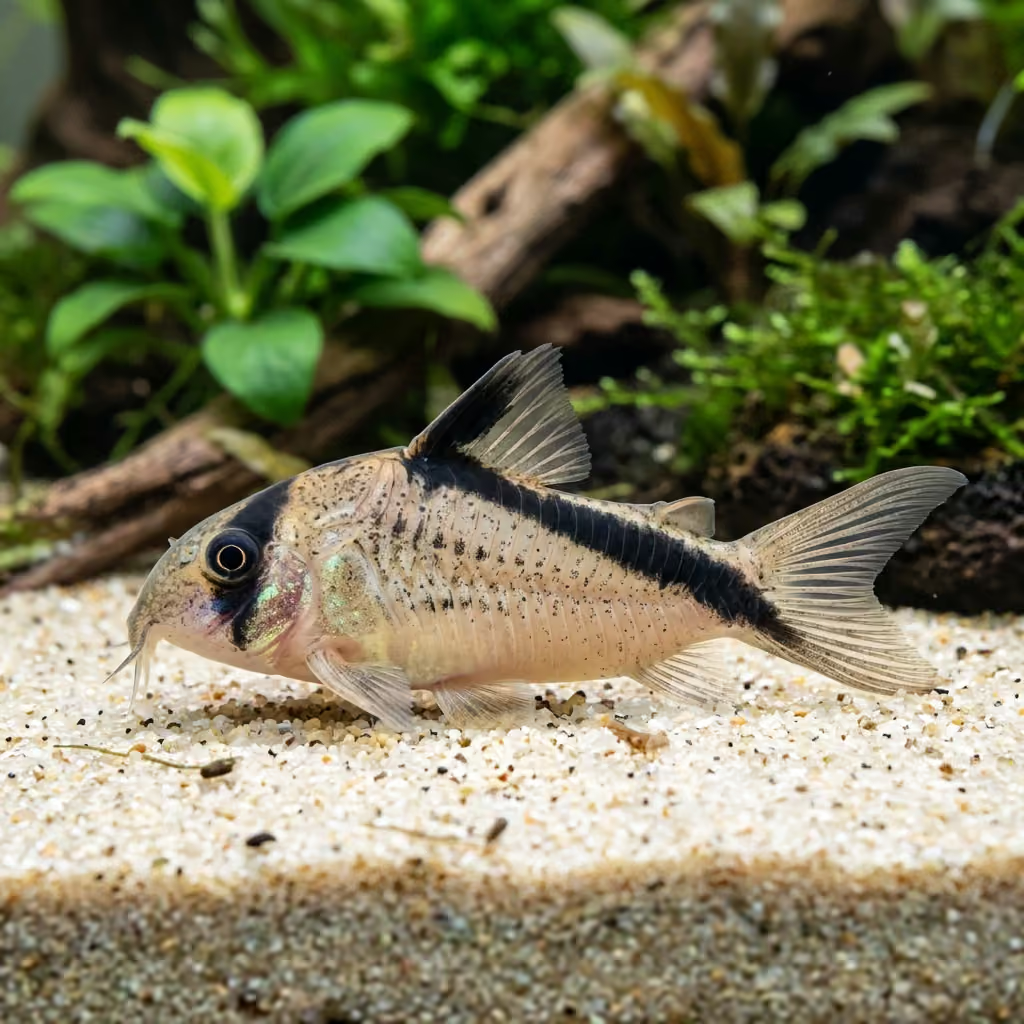
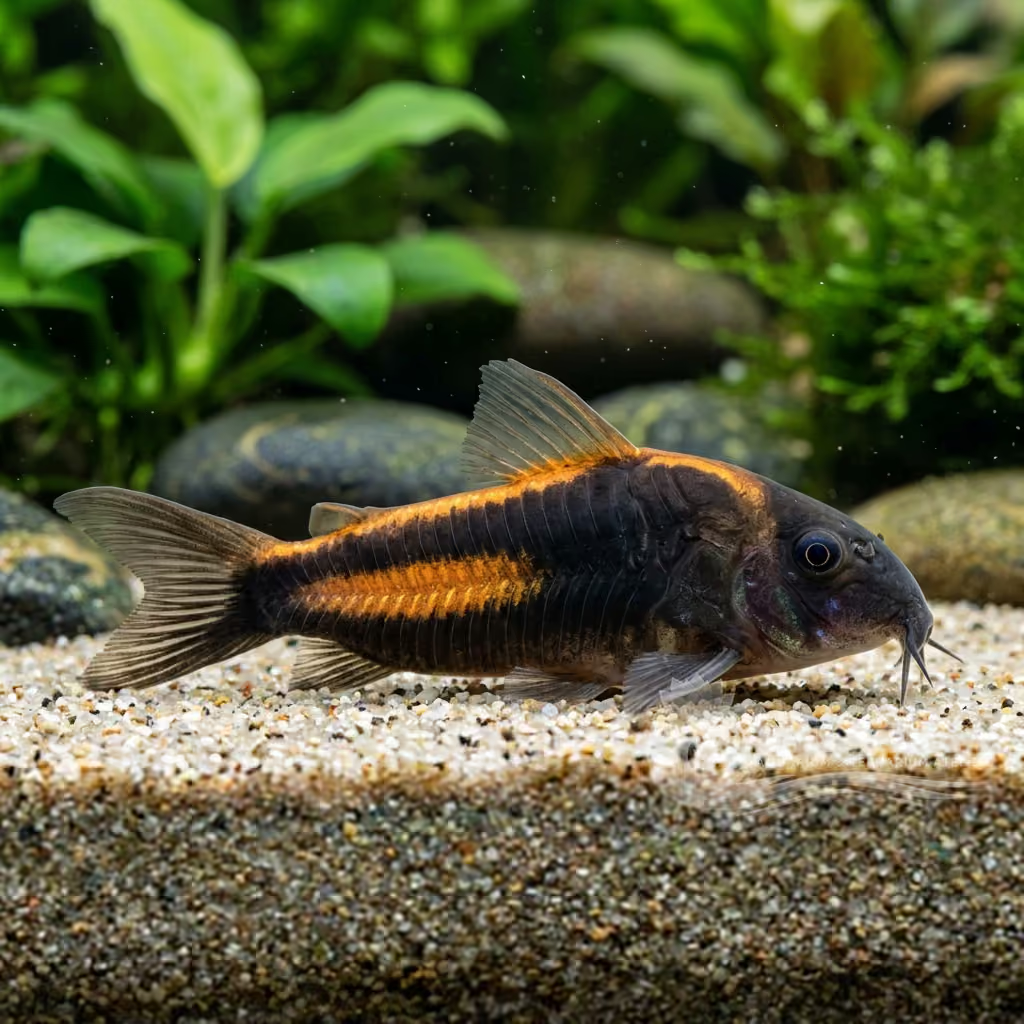
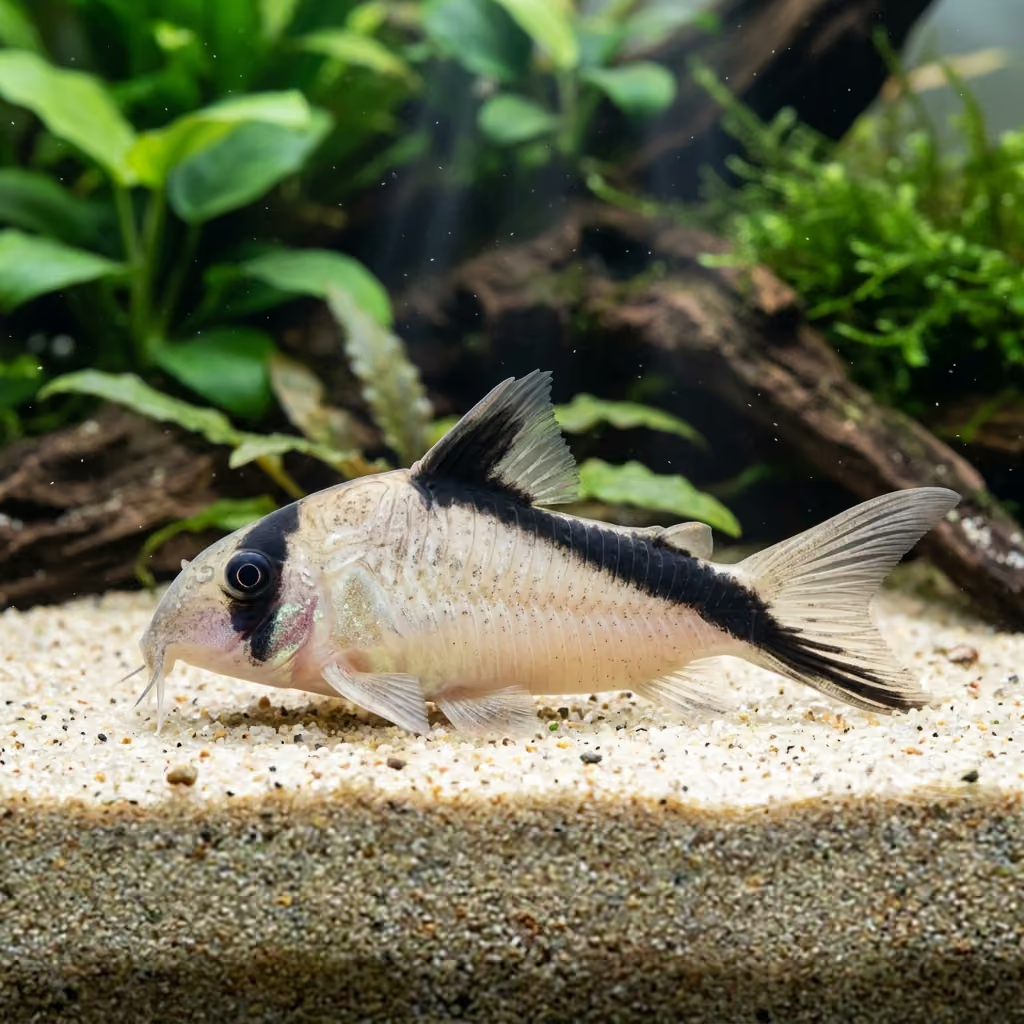
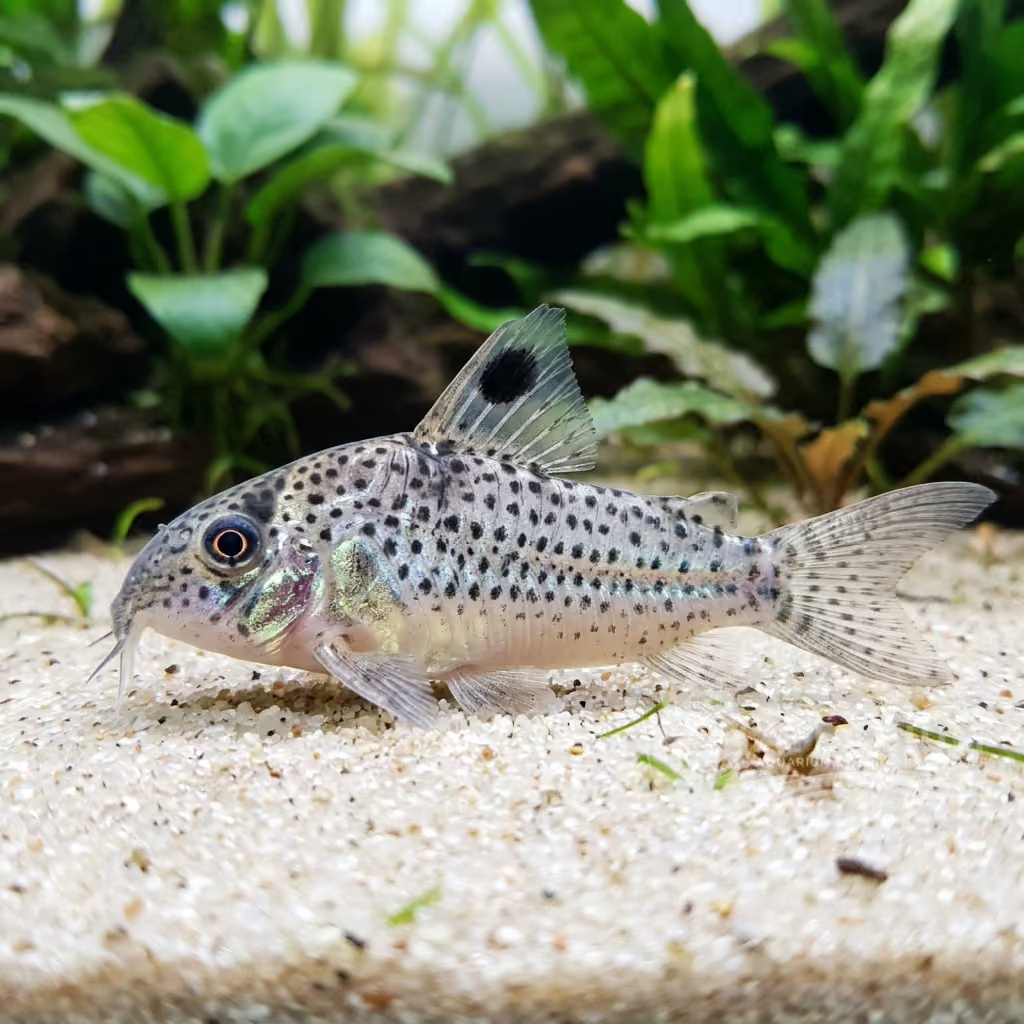
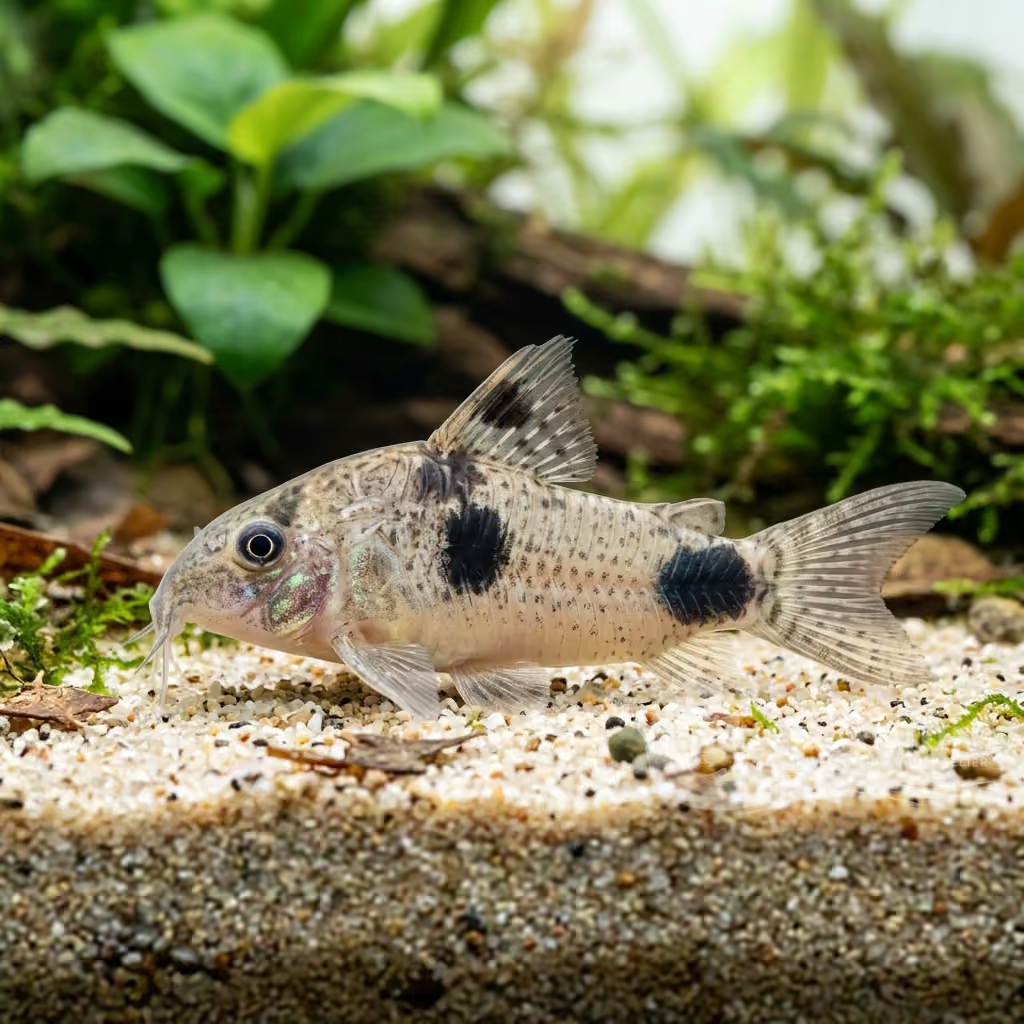
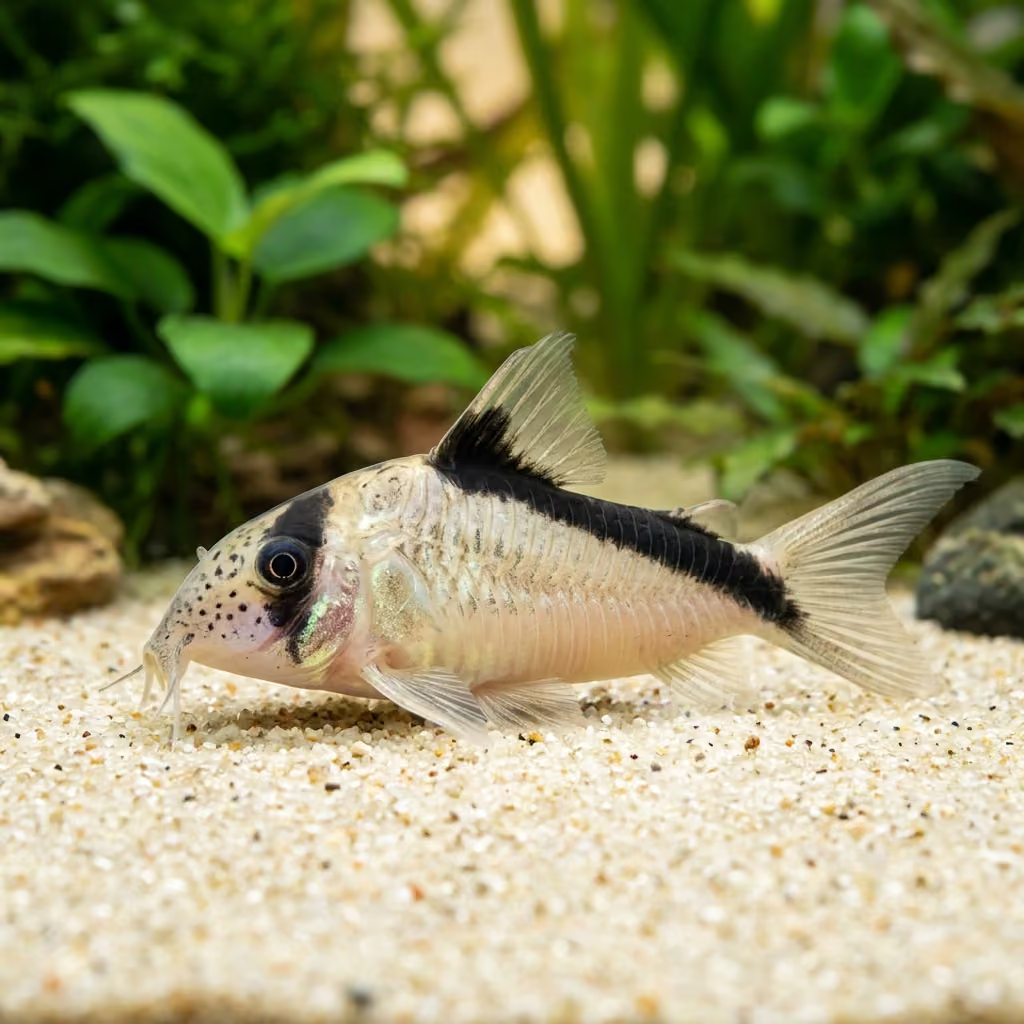
A very rare gem from Suriname. A Corydoras with a hypnotic pattern: a black eye mask, a deep black saddle on the dorsal fin, and three horizontal jagged bands in stark contrast to its golden body.
Water Temperature
22 - 27 °C
pH Value
6 - 7.5
Water type
Freshwater
Tank level
Bottom
Adult size
5 cm
Minimum tank volume
>= 60 L
Minimum group
8 - 10
GH
2 - 12 dGH
KH
1 - 6 dKH
TDS
40 - 240 ppm
Conductivity
63 - 375 uS/cm

Species description
Geographical Origin and Habitat: Suriname River basin and its tributaries (Republic of Suriname). Populates forest streams with moderately moving amber waters, fine sand substrate and intricate submerged root systems.
Taxonomy and Morphology: Boeseman's Corydoras (Hoplisoma boesemani). Corydoras with a standard silhouette (short snout). Named after the famous Dutch ichthyologist Marinus Boeseman.
Social Behavior: Vital gregariousness. This species draws security from numbers; keeping a group of 8-10 specimens allows observing its natural, exploratory and playful behavior.
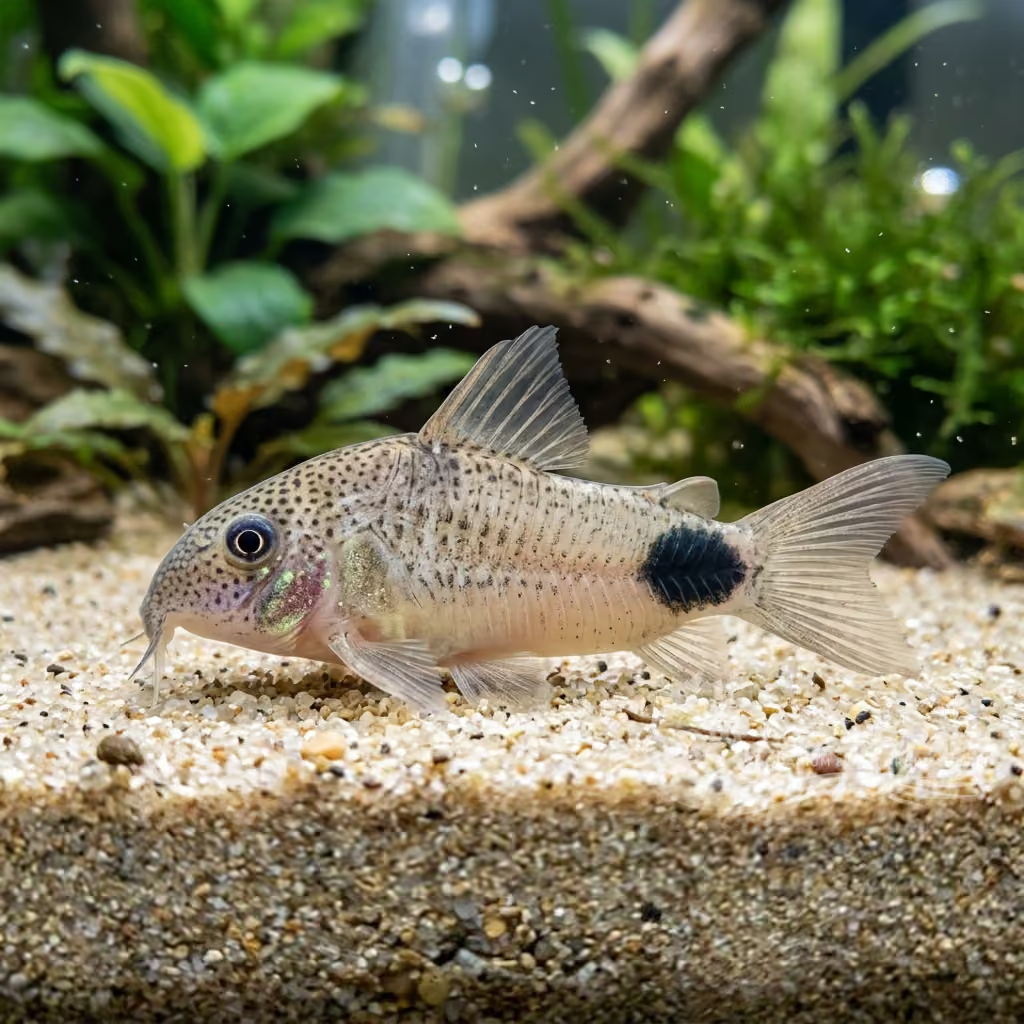
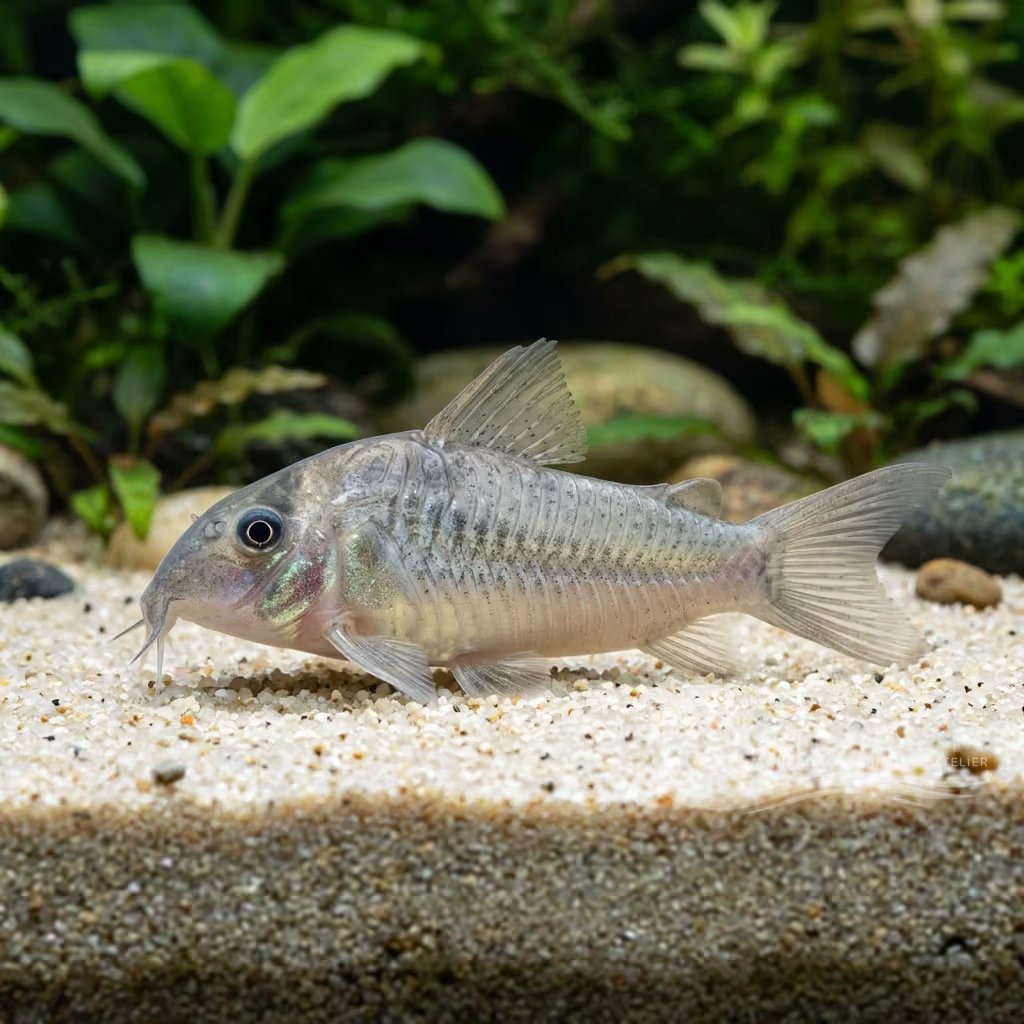
Coloration and Sexual Dimorphism: Elegant gray-beige livery characterized by a clear black mask (similar to C. metae or C. melini) and a large black spot covering most of the dorsal fin. Females are more swollen and wider when gravid.

Care, breeding and tankmates
Aquarium Setup: Tank of minimum 80 cm (32 inches). Fine sand mandatory to preserve the tactile sensors (barbels). Lighting should not be too intense; use Catappa leaves to amber the water.
Diet and Feeding: Omnivorous detritivore and micro-predator. Sinking feeds specific for catfish, enriched with high quality frozen food (bloodworms, daphnia). A varied diet accentuates its robustness.
Water Quality: Although it is an adaptable species, the best conditions are obtained in soft waters, well filtered but without excessively turbulent currents, with a low organic load on the bottom.
Compatibility and Cohabitation: Pacifist. Excellent combination with South American schooling fish that occupy the upper zones of the tank, such as Nannostomus or Carnegiella (hatchetfish), so as not to compete for living space.
Aquarium Breeding: Little documented but similar to other congeners: frantic chases, T-mating, and laying of adhesive eggs on the smooth surfaces of the tank.
Risks and Diseases: Species very susceptible to bacterial infections (barbel bacteriosis or fin rot) if substrate cleaning is neglected for months.

Geographic origin and distribution
Suriname River basin and its tributaries (Republic of Suriname). Populates forest streams with moderately moving amber waters, fine sand substrate and intricate submerged root systems.
Origin
Amazon, Orinoco, and Guianas

Fish profile
- Temperament
- Semi-aggressive
- Hoplisoma boesemani are peaceful, social schooling fish that thrive when kept in groups. Keeping them in numbers of at least six individuals greatly reduces their stress and promotes natural behaviors. They are completely harmless to plants and other tank inhabitants.
- Diet
- Omnivore
- These are omnivorous bottom feeders that require a varied diet to thrive. Their meals should include high-quality sinking pellets, wafers, and live or frozen foods like bloodworms. A balanced diet ensures proper growth and vibrant coloration for Hoplisoma boesemani.
- Life expectancy
- 5-8 years
- Adult size
- 5 cm
- Sex ratio
- Specific M:F ratio
- Maintaining a ratio of two or three males for every female is ideal for breeding purposes. This ratio encourages natural spawning behaviors and increases the chances of successful fertilization. In non-breeding community tanks, the exact ratio for Hoplisoma boesemani is less critical.
- Feeding frequency
- Twice daily
- They should be fed small amounts once or twice a day. It is important to provide only what Hoplisoma boesemani can consume within a few minutes to prevent water fouling. Occasional fasting days can also be beneficial for their digestive health.
- Bioload
- Low
- The Hoplisoma boesemani has a relatively low bioload compared to many other species of similar size. They are efficient scavengers that help keep the substrate clean, which slightly offsets their waste production. However, adequate biological and mechanical filtration is still necessary to maintain optimal water quality in the aquarium.
- Flow
- Stagnant
- They prefer moderate water movement that simulates their natural riverine habitats. A gentle current provides necessary oxygenation without exhausting the fish. Avoid overly strong flow that could sweep Hoplisoma boesemani away or cause stress.
- Jump risk
- No
- Reproduction
- Oviparous
- Breeding Hoplisoma boesemani in captivity is possible but requires specific water conditions and conditioning. They are egg layers that typically deposit their adhesive eggs on broad leaves or the aquarium glass. Parents may eat the eggs, so it is often best to raise the fry in a separate tank.
- Compatibility & tankmates
- Peaceful
- They are incredibly peaceful and make excellent additions to community aquariums. Hoplisoma boesemani gets along well with most other peaceful, similarly sized fish. Aggressive or large tank mates should be avoided as they may intimidate or harm them.
- Tank level
- Bottom
- They are obligate bottom dwellers that spend the majority of their time on the substrate. Hoplisoma boesemani constantly rummage through sand or smooth gravel in search of food. Very rarely will they be seen swimming in the middle or upper levels of the water column.

Scientific Parameters & Models
FishBase
Window to the official scientific data of the species
Data synced on: 06/15/2026
- Trophic level
- 3 ± 0.4 se
- Resilience
- High (less than 15 months)
- Phylogenetic uniqueness (PD50)
- 0.5
- Bayesian Length-Weight
- a = 0.00741, b = 3.14
- VulnerabilityLow vulnerability (10 / 100)

Related species
Recommendations grouped by close relatives, companion choices, and similar care.