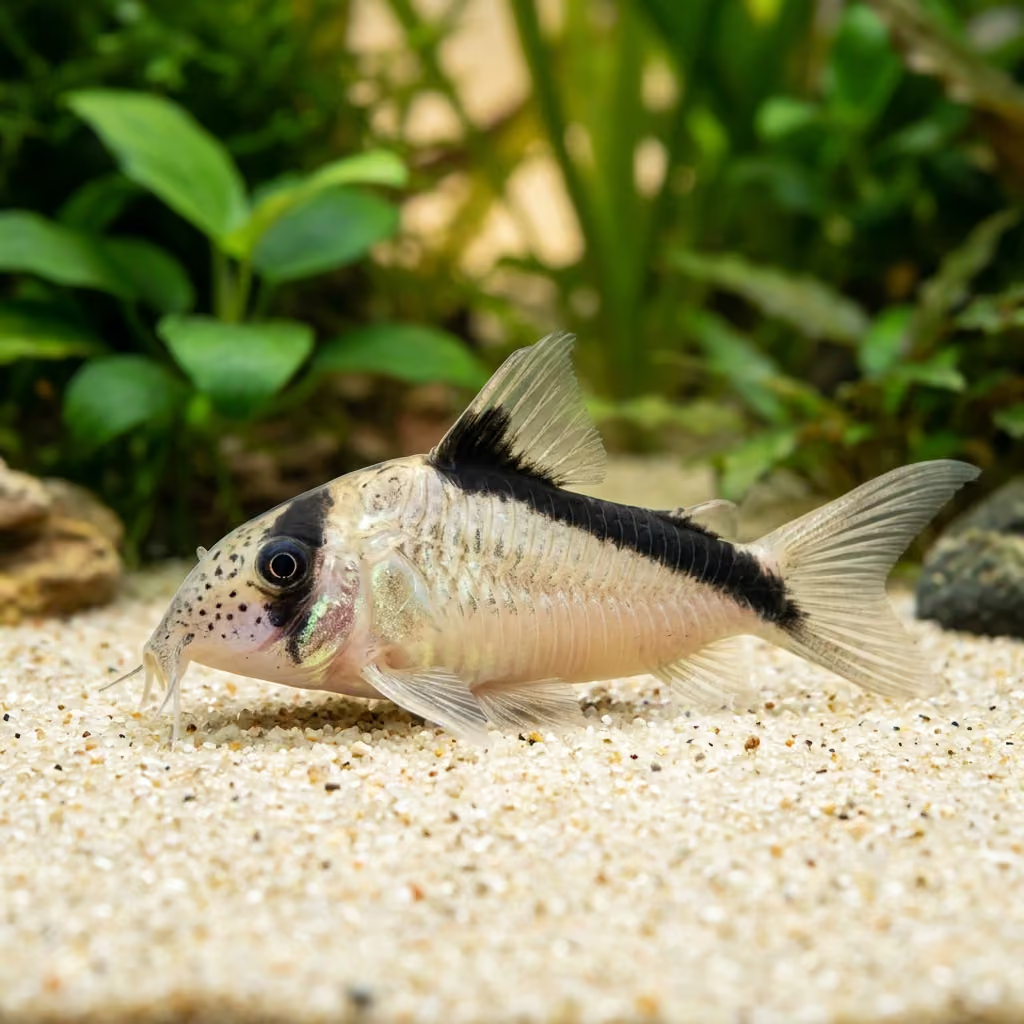
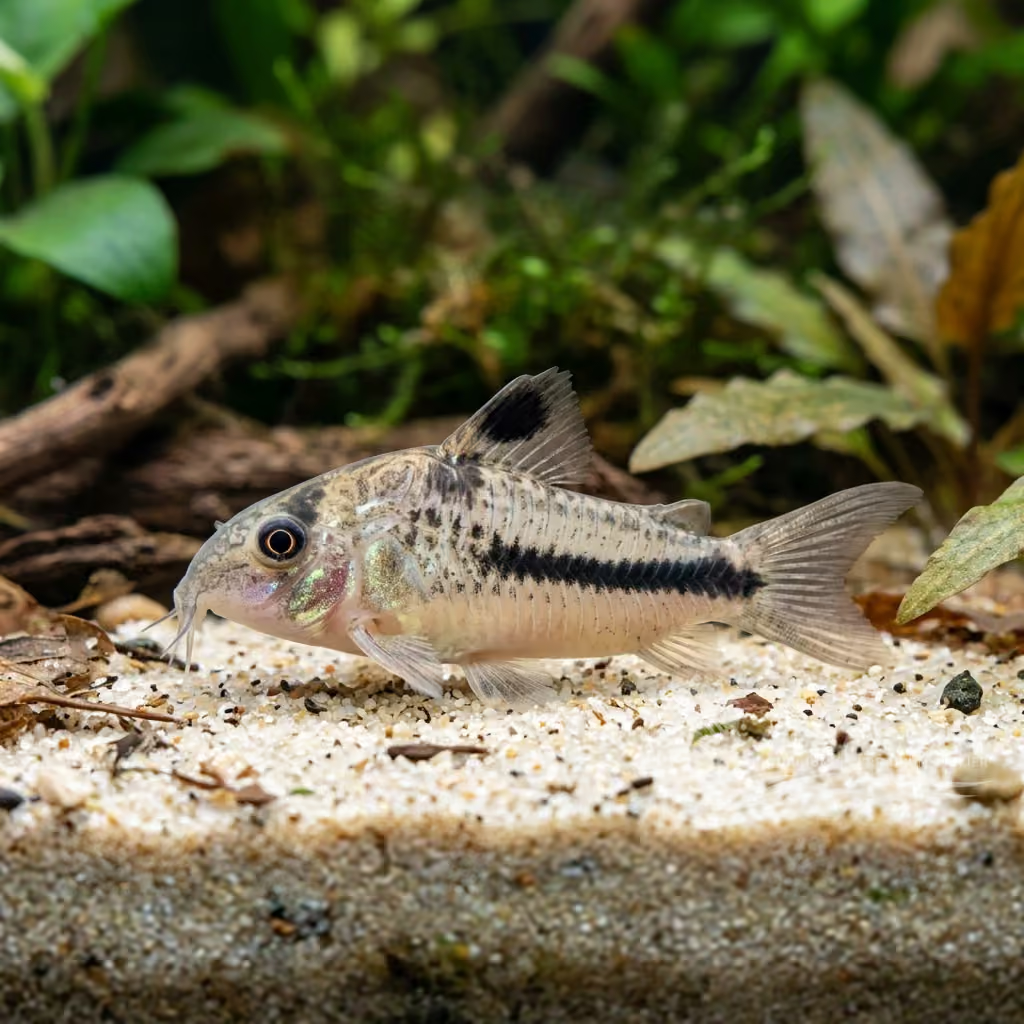
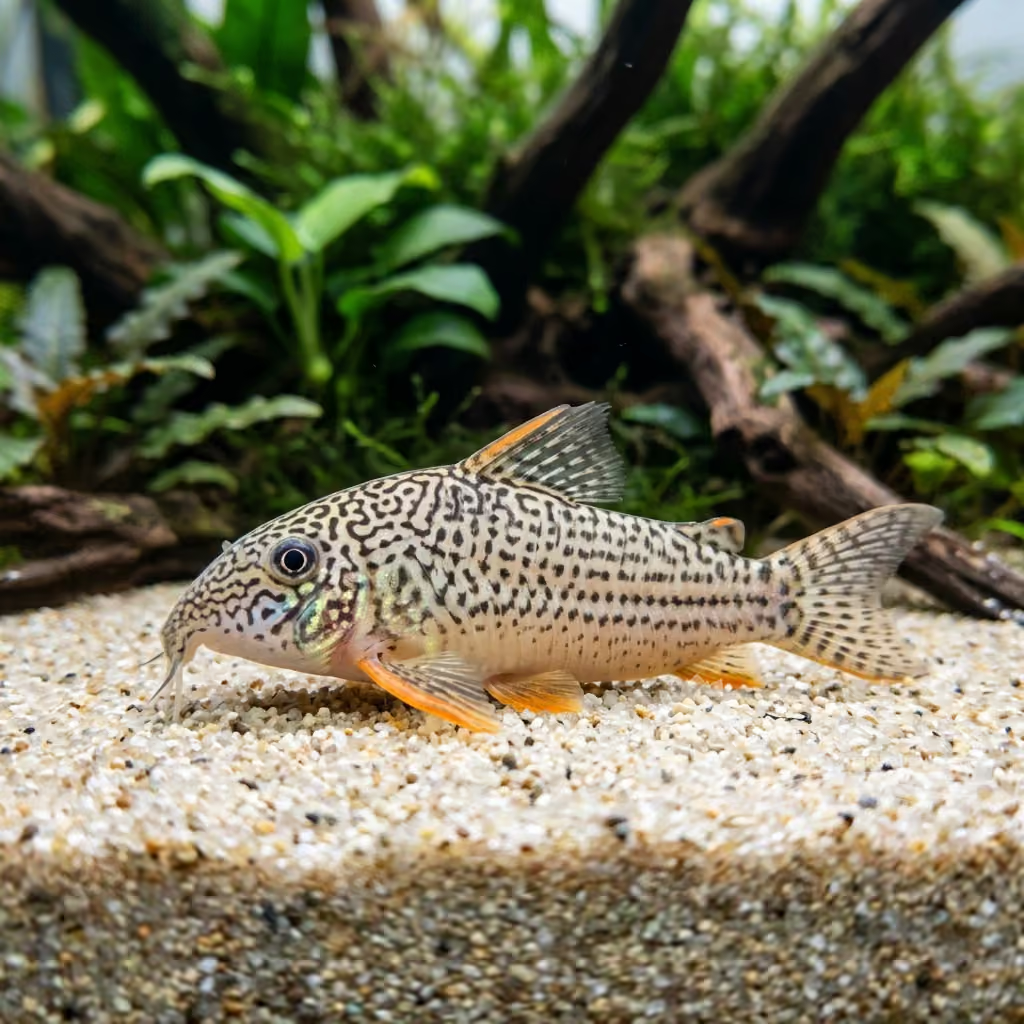
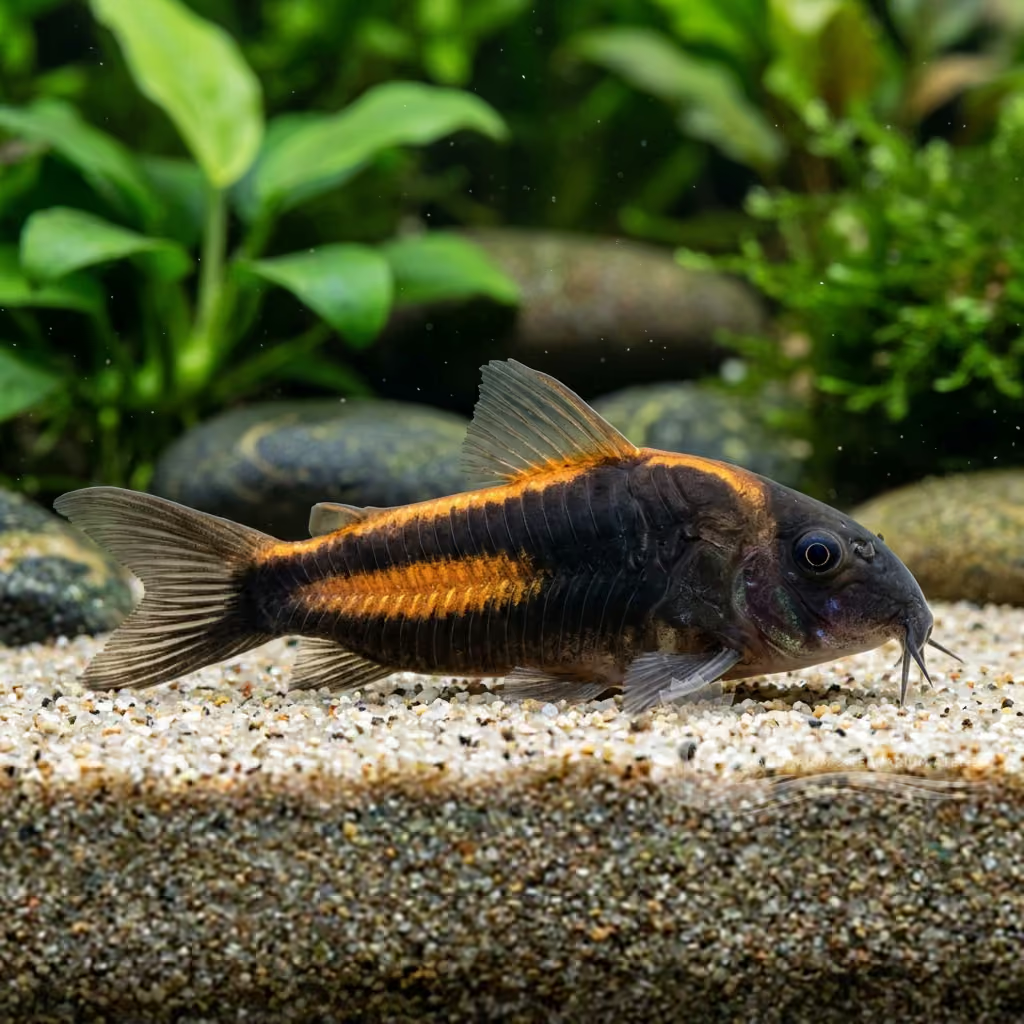
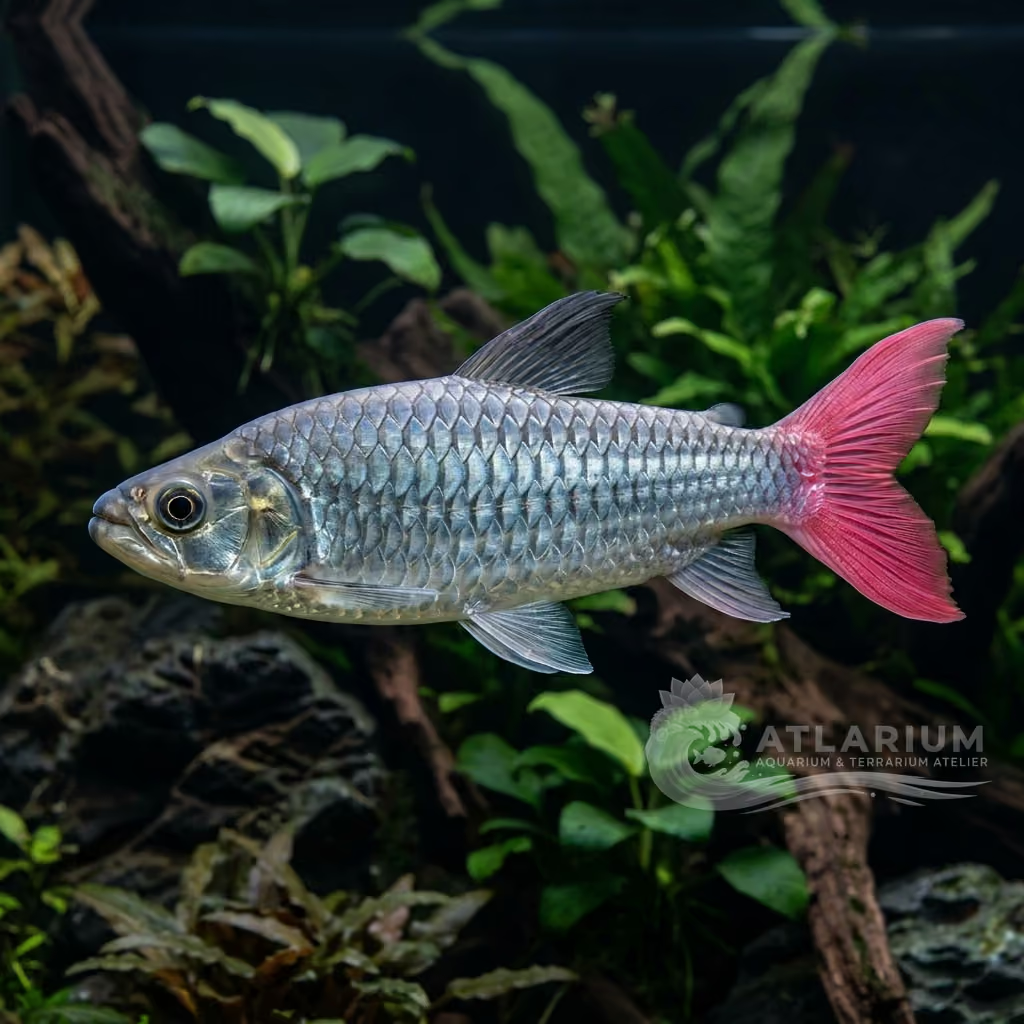
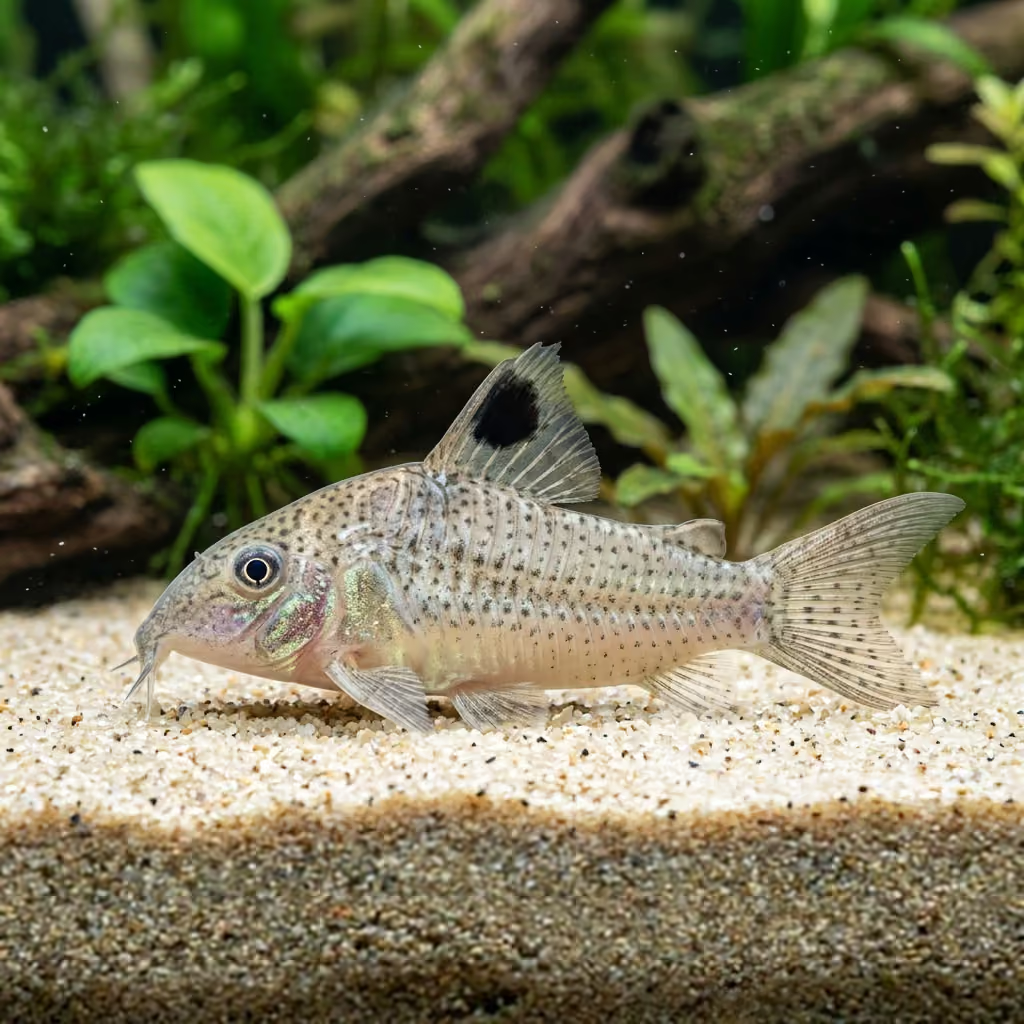
Emerald catfish
Brochis splendens
The 'big cousin' of Corydoras: robust body with brilliant metallic emerald green iridescence — larger (up to 9 cm), sturdier and more colorful than classic Corydoras. Peaceful, gregarious and tireless bottom explorer. In groups of 6+ constantly on the move. Fine sand mandatory for barbels. Breathes atmospheric air — needs surface access. Breeding possible with cool water change as trigger. High longevity.
22 - 28 °C
6 - 7.5
Freshwater
Bottom and middle
8 cm
>= 115 L
>= 6
2 - 15 dGH
1 - 7 dKH
40 - 295 ppm
63 - 461 uS/cm

Species description

Care, breeding and tankmates

Geographic origin and distribution
Origin

Fish profile
- Temperament
- Peaceful
- This species is exceptionally peaceful, docile, and social, making them exemplary candidates for community aquariums. They display zero aggression toward tankmates and are entirely focused on searching the substrate for food. They are schooling fish that feel most secure and display their active, natural behaviors when surrounded by a group of their own kind. If kept alone, they can become highly stressed, lethargic, and susceptible to disease.
- Diet
- Omnivore
- Emerald Catfish are foraging omnivores that require a varied and nutritious diet to thrive. They should not be treated as scavengers that only survive on leftover scraps from other fish, but rather fed directly. High-quality sinking pellets, discs, and tablets should form the staple of their daily diet. This should be regularly supplemented with live or frozen foods such as bloodworms, brine shrimp, tubifex, and daphnia to support their overall health and color.
- Life expectancy
- 8-12 years
- Adult size
- 8 cm
- Sex ratio
- Group
- These social catfish should be kept in a group of at least five to six individuals of mixed sexes to support their natural schooling behavior. While they do not have strict harem requirements, keeping a ratio of two males to one female is highly beneficial if you aim to trigger spawning. In a community setup, a balanced group with roughly equal numbers of males and females is perfectly suitable. Single individuals or small pairs will feel insecure and may hide constantly, highlighting the importance of a group structure.
- Feeding frequency
- Twice daily
- It is recommended to feed these catfish once or twice daily with portion sizes they can fully consume within a few minutes. Since they are nocturnal and crepuscular foragers, feeding them shortly before the aquarium lights turn off is highly effective. Ensure that other top-dwelling tankmates do not consume all the food before it reaches the bottom of the tank. Any uneaten food should be monitored to prevent water quality degradation.
- Bioload
- Medium
- Although they are bottom-dwellers, Brochis splendens has a bulkier body and grows larger than typical corydoras, leading to a moderate biological waste output. A school of these catfish requires efficient filtration, preferably with a high-capacity canister or hang-on-back filter to maintain pristine water quality. Regular weekly water changes of 20-30% are highly recommended to prevent the accumulation of harmful nitrates. Adequate tank volume, starting at 30 gallons, is essential to dilute the waste produced by their group-oriented active lifestyle.
- Flow
- Strong
- This species prefers gentle to moderate water flow, reflecting the slow-moving streams and flooded forest habitats of the Amazon basin. High-velocity currents or turbulent water can cause them stress and force them to expend too much energy while swimming. A filtration system that provides excellent water turn-over and oxygenation without creating strong surface waves is ideal. Creating calm pockets with plants, driftwood, and rocks allows them to rest comfortably on the substrate.
- Jump risk
- Yes
- While they are not traditional jumpers, their habit of darting rapidly to the surface to breathe air creates a moderate risk of accidentally leaping out of the tank. To prevent this, a secure, tight-fitting aquarium lid or cover is essential to keep them safe. It is also important to leave a small gap of about an inch or two between the water surface and the lid so they can easily access fresh air without hitting the cover. Floating plants can also help diffuse their sudden upward movements and add security.
- Reproduction
- Oviparous
- Reproduction in captivity is moderately difficult but highly rewarding, following a pattern similar to other Corydoras species. Spawning can be triggered by performing a large water change with slightly cooler, soft water to simulate the start of the rainy season. The female will carry fertilized eggs in a pocket formed by her pelvic fins and deposit them on flat surfaces like plant leaves, rocks, or tank glass. To prevent the parents from consuming the eggs, the adults or the eggs should be moved to a separate breeding tank for hatching.
- Compatibility & tankmates
- Peaceful
- Due to their peaceful nature, they are highly compatible with a wide range of non-aggressive tankmates. Suitable companions include small to medium tetras, rasboras, peaceful cichlids like apistogrammas, and other peaceful bottom-dwellers. They should not be housed with large, aggressive, or predatory fish that could easily intimidate or prey upon them. They also coexist peacefully with dwarf shrimp and snails, making them perfect for community layouts.
- Tank level
- Middle/Bottom
- Emerald Catfish primarily inhabit the bottom level of the aquarium, where they spend most of their time foraging in the substrate. However, because they are facultative air-breathers, they will periodically make quick, vertical dashes to the water surface to gulp atmospheric air. They also occasionally explore the lower-middle water column, especially in well-planted aquariums with shaded areas. Providing a clear open space at the substrate level along with accessible surface access is critical for their health.

Scientific Parameters & Models
Window to the official scientific data of the species
- Trophic level
- 3.3 ± 0.4 se
- Resilience
- High (less than 15 months)
- Phylogenetic uniqueness (PD50)
- 0.5
- Bayesian Length-Weight
- a = 0.02455, b = 3
- VulnerabilityLow vulnerability (10 / 100)

Image gallery
Licensed images linked to the species or, when marked, to the closest representative taxon.

Related species
Recommendations grouped by close relatives, companion choices, and similar care.