Mojave desert tortoise
Gopherus agassizii
An iconic terrestrial tortoise native to the Mojave Desert of the United States, highly adapted to extreme arid conditions and protected under U.S. federal laws.
Ambiente
Terrestre
Umidade
30 - 50 %
Temperatura diurna
12 - 34 °C
Temperatura ambiente
12 - 34 °C
Temperatura noturna
21 - 23 °C
Local para se aquecer
32 - 35 °C
Tamanho adulto
30 cm
Gabinete mínimo
>= 800 L
Temperatura de brumação
5 - 10 °C

Descrição da espécie
Geographical Origin and Habitat: Gopherus agassizii, commonly known as the Mojave desert tortoise, is native to the desert regions of the southwestern United States, primarily within the Mojave and Colorado Deserts of southern California, southern Nevada, southwestern Utah, and western Arizona. It inhabits sandy flats, alluvial fans (bajadas), rocky hillsides, and desert canyons. Its natural habitat is characterized by extreme temperature fluctuations, ranging from sub-freezing winters to scorching summers, where creosote bush (Larrea tridentata) scrub dominates and provides crucial cover.
Taxonomy and Genetics: It belongs to the family Testudinidae. Previously classified as the same species as the Sonoran desert tortoise (Gopherus morafkai), detailed mitochondrial DNA analysis and morphological studies confirmed Gopherus agassizii as a distinct species, separated geographically by the Colorado River. It is listed as a threatened species under the U.S. Endangered Species Act. Conservation genetic programs are actively managed to monitor population fragmentation and prevent genetic bottlenecks.
Behavior and Habits: Diurnal and crepuscular, adapting its active hours depending on seasonal temperatures. To survive the extreme desert heat of summer (exceeding 45°C) and the freezing temperatures of winter, it excavates deep, extensive burrows that can reach up to 9 meters in length. It spends over 95% of its life underground within these thermal shelters. It enters a state of deep brumation during the winter months and may estivate during dry summer periods to conserve body water.
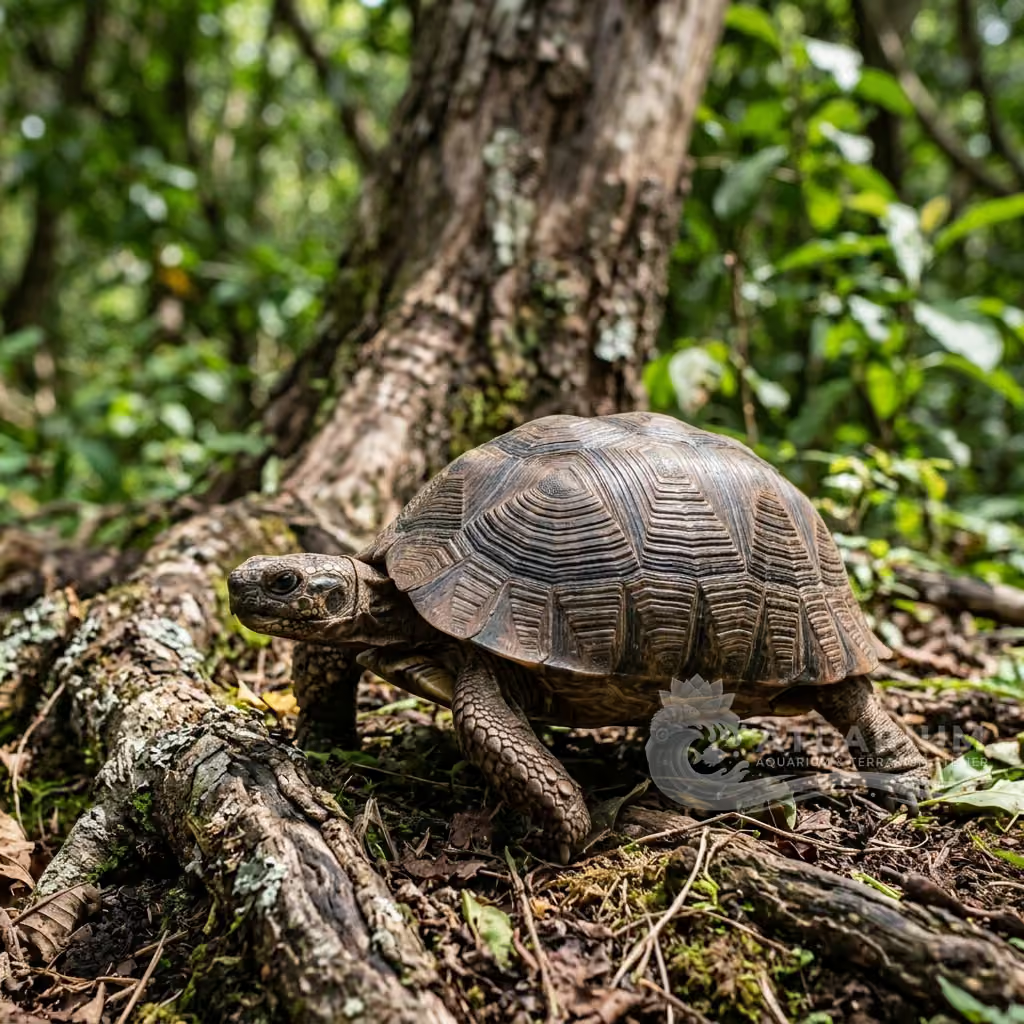
Morphology: It possesses a highly domed carapace that varies in color from brown and gray to dark yellow-orange, featuring distinct growth rings on the scutes. Adults typically reach a carapace length of 25 to 37 cm. The forelimbs are heavily scaled, flattened, and equipped with thick claws designed for heavy digging. The hind limbs are elephantine and cylindrical. Adult males are distinguished by a concave plastron and a long, upturned gular horn used to flip rivals during combat.

Cuidado, criação e companheiros de tanque
Terrarium Setup: Keeping this species indoors is only suitable for hatchlings or sick individuals, requiring a minimum enclosure size of 250-300 liters. Adults must be kept in large, secure outdoor pens that replicate their arid desert habitat. The substrate must consist of a deep, dry mix of topsoil and silica sand (50:50 ratio) that allows natural digging behavior. Provide sturdy, stable rock shelters and hollow logs that will not collapse.
Lighting and Heating: A strong thermal gradient is essential for indoor setups. Maintain a cool side at 24-26°C and a basking spot of 32-35°C using overhead basking lamps. A night drop to 18-20°C is required. High-output UVB lighting (10.0 or higher) must be provided for 12 hours daily, mounted at a safe distance to ensure sufficient UV radiation without risking thermal injury.
Humidity and Hydration: Maintain a dry overall environment with relative humidity between 30% and 50%. However, micro-humidity inside the burrows should be slightly higher. Provide a very shallow, wide water bowl for drinking and soaking, ensuring the water level does not exceed the bridge of the shell to prevent drowning. Change the water daily.
Feeding and Supplementation: Their diet must be strictly herbivorous, high in fiber, and very low in proteins and sugars. Feed a variety of wild desert grasses, weeds, dandelions, clover, hibiscus leaves, grass hay, and spineless prickly pear cactus pads (Opuntia). Never feed commercial canned foods or fruit. Dust food with calcium carbonate three times a week and vitamin D3 once a week.
Compatibility: Adult males are highly territorial and combative, especially during the breeding season. They must never be housed together to prevent fighting, which can result in injuries or a tortoise being flipped onto its back. A single male can be kept with one or two females in a very large outdoor pen with ample visual barriers.
Health and Common Diseases: Highly susceptible to Upper Respiratory Tract Disease (URTD), primarily caused by Mycoplasma, which is contagious and can be fatal. Poor lighting or diet leads to Metabolic Bone Disease (MBD) and shell pyramiding. Consult an experienced reptile veterinarian for any health concerns or quarantine protocols.

Origem e distribuição geográfica
Gopherus agassizii, commonly known as the Mojave desert tortoise, is native to the desert regions of the southwestern United States, primarily within the Mojave and Colorado Deserts of southern California, southern Nevada, southwestern Utah, and western Arizona. It inhabits sandy flats, alluvial fans (bajadas), rocky hillsides, and desert canyons. Its natural habitat is characterized by extreme temperature fluctuations, ranging from sub-freezing winters to scorching summers, where creosote bush (Larrea tridentata) scrub dominates and provides crucial cover.
Origem
América do Norte

Perfil de réptil
- Dieta
- Herbivore
- The Mojave Desert Tortoise feeds on native grasses, leafy plants, and vibrant desert wildflowers. During the short rainy season, they eagerly consume new growth and store water in their bladders. In captivity, a high-fiber diet consisting of dark leafy greens, hay, and weeds is required. Commercial tortoise pellets can be offered occasionally but should not make up the bulk of their meals.
- Tamanho adulto
- 30 cm
- Estilo de vida/Microhabitat
- Fossorial
- They inhabit arid, scrubland ecosystems characterized by creosote bush and cacti. Their highly specialized lifestyle allows them to survive for long periods without access to free-standing water. They rely on their sturdy burrows for thermoregulation and safety from harsh conditions. Maintaining an appropriate environment in captivity requires careful control of heat, UVB lighting, and dry substrate.
- Ciclo de atividades
- Diurnal
- Activity is highly dependent on seasonal temperatures and rainfall. They are most active during the spring when forage is abundant and temperatures are mild. During the hottest summer months, they emerge only during early mornings or late evenings to avoid hyperthermia. Rainfall will often trigger sudden bursts of activity as they surface to drink from temporary puddles.
- Socialidade
- Solitary
- Desert Tortoises spend up to 95% of their lives underground to escape the intense desert heat and freezing cold. They dig extensive burrows using their stout front legs and strong claws. Males can be quite aggressive towards each other during the breeding season, often engaging in fierce pushing contests. Despite their slow movement, they are surprisingly determined and adept at navigating rugged terrain.
- Reprodução
- Oviparous
- Mating often occurs in late summer or early fall when temperatures begin to cool slightly. Females can store sperm and may lay multiple small clutches of 4 to 8 eggs the following spring. Nests are shallowly dug in sandy soil near shrubs or burrow entrances. The resulting hatchlings are tiny, fragile, and highly vulnerable to predators during their first few years.
- Tolerância de tratamento
- Display only
- Picking up a Desert Tortoise can trigger a defensive response where they void their bladder. In the wild, losing this stored water can be fatal during prolonged droughts. When handling is required, lift them gently and securely with both hands to keep them calm. Keep handling sessions short and stress-free to ensure the tortoise's well-being.
- Brumação
- Obrigatório
- Desert Tortoises undergo brumation from roughly October to March when temperatures drop. They seal themselves deep within their burrows to maintain a consistent, cool temperature. Proper preparation for captive brumation involves a gradual reduction of temperatures and fasting to clear the digestive tract. Failure to empty the gut before brumation can lead to serious internal infections.
- Muda
- Regular
- Shedding is a continuous, barely noticeable process for Desert Tortoises. Skin slowly peels away from their legs and neck in small, dry fragments. A healthy environment with appropriate humidity microclimates in their hide will prevent shedding issues. Bathing them occasionally can aid in keeping their skin healthy, but they must be completely dried afterward.

Espécies relacionadas
Recomendações agrupadas por parentes próximos, escolhas de acompanhantes e cuidados semelhantes.