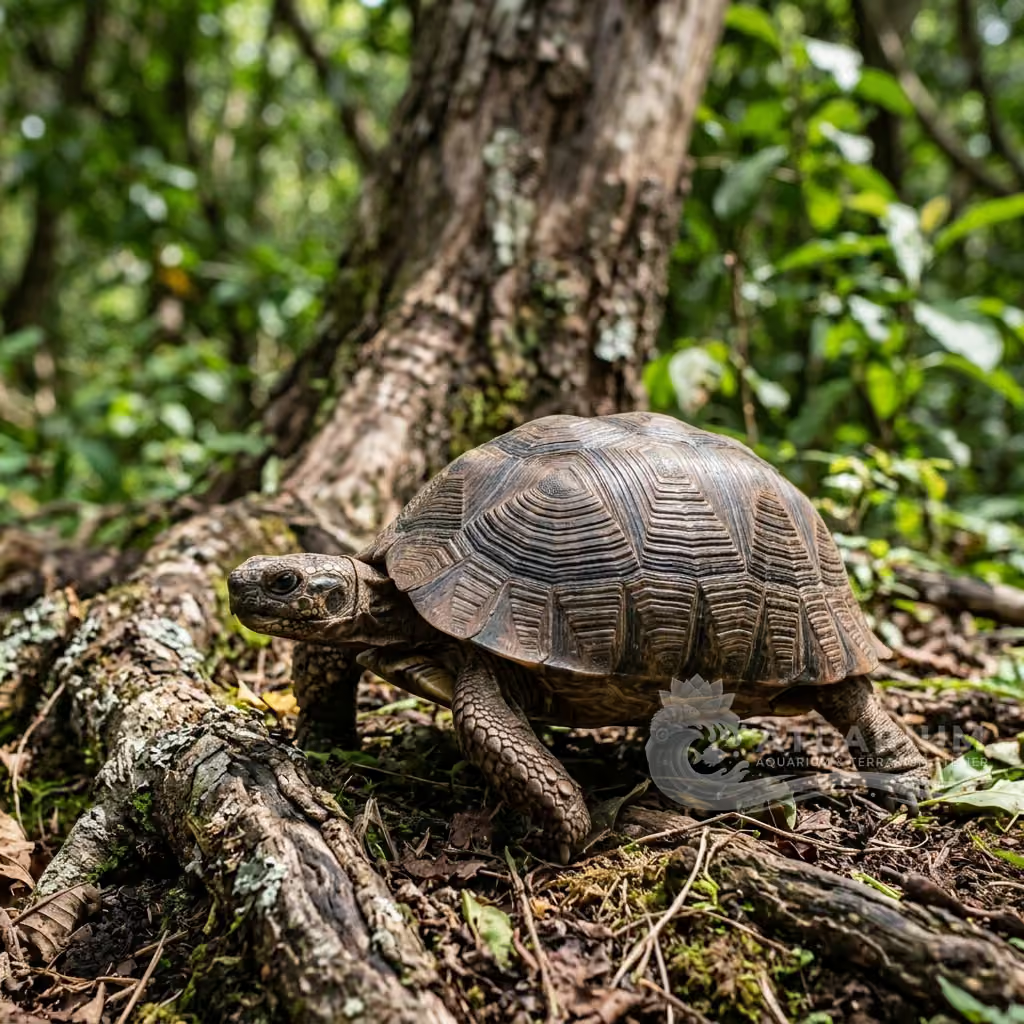
Albino African spurred tortoise
Centrochelys sulcata
An extremely rare genetic color morph of the African spurred tortoise, displaying a lack of melanin, red eyes, and a golden-yellow shell.
Ambiente
Terrestre
Umidade
30 - 60 %
Temperatura diurna
28 - 32 °C
Temperatura ambiente
30 °C
Temperatura noturna
20 °C
Local para se aquecer
35 - 38 °C
Tamanho adulto
85 cm
Gabinete mínimo
>= 10.000 L

Descrição da espécie
Geographical Origin and Habitat: This color morph belongs to the species Centrochelys sulcata, native to the semi-arid Sahel region of sub-Saharan Africa. Their natural environment includes dry grasslands, savannas, and desert margins. The 'Albino' morph is a recessive mutation propagated strictly within captive breeding programs.
Taxonomy and Genetics: Member of the family Testudinidae. The 'Albino' morph is caused by an autosomal recessive genetic mutation that results in the complete absence of melanin pigment. This leads to the characteristic golden-yellow or pinkish shell and skin, along with red or pink eyes due to exposed blood vessels.
Behavior and Habits: Terrestrial and diurnal. However, due to their lack of protective pigmentation, albino individuals are highly sensitive to intense light and tend to seek shade more frequently than standard specimens. They are active diggers, creating deep burrows to escape harsh external conditions.
Morphology: Retains the massive, heavy-built body of the species, with heavily scaled limbs and prominent spurs on their thighs. The carapace is a beautiful golden-yellow or cream color, completely devoid of dark brown or black markings. The eyes are bright red. Adults can grow up to 80 cm and weigh 50-80 kg.

Cuidado, criação e companheiros de tanque
Terrarium Setup: Hatchlings require large indoor tortoise tables (minimum 120x60 cm). Adults must be kept in large, secure outdoor enclosures with deep-set fencing to prevent tunneling. Provide plenty of shaded areas under shrubs or artificial covers, and a heated shelter for nights and cold seasons.
Lighting and Heating: Provide UVB lighting (10% bulb) but ensure it is not overly bright or direct to protect their sensitive red eyes. Provide a thermal gradient with a basking spot at 35-38 degrees Celsius (95-100°F) and a cool area at 26 degrees. Night temperatures must be kept above 20 degrees Celsius.
Humidity and Hydration: Maintain low ambient humidity (30-40%). A humid hide box is essential for hatchlings to prevent dehydration and ensure smooth carapace growth. A shallow, heavy water dish must be available daily. Soak young tortoises in warm water twice a week to aid hydration.
Feeding and Supplementation: Strictly herbivorous, high-fiber diet. Feed mixed grasses, hay, dandelion, clover, and spineless cactus pads. Do not feed fruit, sweet vegetables, or animal proteins, which can cause severe renal failure. Dust food with pure calcium three times a week and calcium with D3 once a week.
Compatibility: Males are highly territorial and will fight aggressively using their gular horns. House them individually or keep one male with multiple females in a very large outdoor area. Avoid keeping multiple males together as it leads to constant stress, fighting, and physical damage.
Health and Common Diseases: Highly prone to eye damage, photophobia, and irritation due to lack of ocular pigment. Also susceptible to Metabolic Bone Disease (MBD) and respiratory infections if kept in damp, cold conditions. Regular health checks of their eyes and shell are highly recommended.

Origem e distribuição geográfica
This color morph belongs to the species Centrochelys sulcata, native to the semi-arid Sahel region of sub-Saharan Africa. Their natural environment includes dry grasslands, savannas, and desert margins. The 'Albino' morph is a recessive mutation propagated strictly within captive breeding programs.
Origem
Melhoramento seletivo e cultivaresÁfrica e Madagascar

Perfil de réptil
- Dieta
- Herbivore
- Albino Sulcata tortoises follow the exact same strict herbivorous diet as their standard counterparts, requiring copious amounts of tough grasses and hays. Their daily meals should heavily feature meadow hays and safe weeds like clover or dandelion. Dark, leafy greens should only constitute a small fraction of their intake, while sugary fruits are strictly forbidden. Proper calcium supplementation is critical to support their rapid and massive bone and shell growth.
- Tamanho adulto
- 85 cm
- Estilo de vida/Microhabitat
- Terrestrial
- They are exclusively terrestrial and highly fossorial by nature. In the arid regions of sub-Saharan Africa, Sulcatas survive extreme heat by digging immense, deep burrows. In a captive environment, this instinct remains strong; owners must be prepared for extensive landscaping alterations and ensure that outdoor enclosures possess strong, deeply buried perimeter fences to prevent the tortoise from excavating their way out.
- Ciclo de atividades
- Diurnal
- The Sulcata, or African Spurred Tortoise, is strictly diurnal. They spend their days actively foraging across large areas for grasses and weeds, interspersed with long periods of basking under the harsh sun. Due to their immense size and high energy demands, they require extremely powerful heat and UVB lighting setups when housed indoors, though natural, unfiltered sunlight is always the best option for this massive species.
- Socialidade
- Solitary
- While sharing the powerful digging and roaming instincts of regular Sulcatas, albinos have highly sensitive eyes and skin due to their lack of melanin. They are far more susceptible to sunburn and overheating, meaning they require significantly more access to deep shade and carefully regulated UV exposure. They may prefer to forage during the dimmer hours of early morning or late evening to protect their sensitive vision.
- Reprodução
- Oviparous
- The reproductive process remains identical to standard Sulcatas, with breeding behavior triggered by seasonal shifts in temperature and humidity. The female excavates a deep, carefully constructed nest in the ground to deposit her sizable clutch of eggs. Since albinism is a recessive genetic trait, breeding programs require careful pairings of heterozygous or albino adults to produce visually albino hatchlings. The babies emerge fully independent and ready to forage.
- Tolerância de tratamento
- Tolerant
- Sulcatas are famous for their bold, outgoing, and generally docile temperaments. They rarely bite and quickly learn to recognize their keepers, often approaching for food. However, as the third-largest species of tortoise in the world, their sheer size and incredible physical strength make them difficult to manage or physically move as adults. They act like bulldozers, completely unaware of their own destructive power.
- Brumação
- Sulcatas originate from the hot, arid Sahel region of Africa and absolutely do not undergo winter brumation or hibernation. They are entirely incapable of surviving freezing or even moderately cold temperatures for extended periods. Keepers living in cooler climates must provide massive, highly insulated, and deeply heated indoor enclosures or climate-controlled sheds to house them safely through the winter months.
- Muda
- Regular
- Like all tortoises, they do not shed their skin in a single piece. Instead, the tough, leathery skin on their limbs and neck continuously flakes off in small patches. Proper hydration is critical, especially for fast-growing hatchlings, to ensure smooth shell growth (preventing 'pyramiding') and healthy skin. Regular soaking and access to a clean, shallow mud wallow can greatly assist in their natural molting and hydration process.

Espécies relacionadas
Recomendações agrupadas por parentes próximos, escolhas de acompanhantes e cuidados semelhantes.