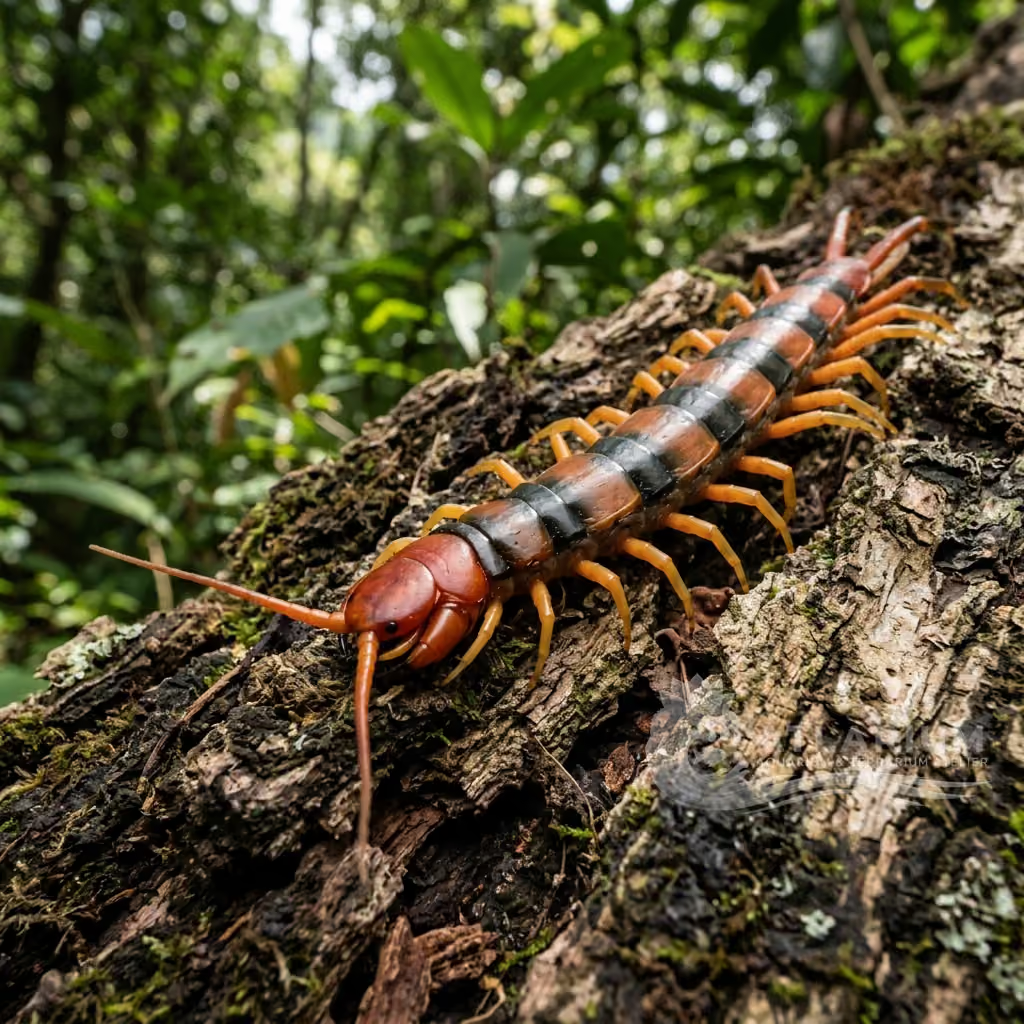
Asian Forest Centipede
Scolopendra dehaani
Encounter the Giant Asian Centipede, a massive, incredibly fast, and highly venomous predator. Strictly for experienced keepers, this solitary hunter demands an escape-proof, high-humidity enclosure.
Ambiente
Terrestre
Umidade
70 - 85 %
Temperatura diurna
24 - 28 °C
Temperatura noturna
20 - 24 °C

Descrição da espécie
Geographical Origin and Habitat: Scolopendra dehaani, commonly known as the Vietnamese Centipede or Giant Asian Centipede, is widespread throughout Southeast Asia, including Vietnam, Thailand, Malaysia, and parts of southern China. It inhabits the damp, leaf-littered floors of tropical rainforests and can often be found under rotting logs, rocks, or inside crevices.
Taxonomy and Genetics: It is a terrestrial invertebrate belonging to the class Chilopoda and the family Scolopendridae. It was previously considered a subspecies of Scolopendra subspinipes before being elevated to full species status.
Behavior and Habits: This species is incredibly fast, highly aggressive, and strictly nocturnal. It is an ambush predator that relies on its sensitive antennae to detect vibrations and chemical cues, striking prey with lightning speed and injecting potent venom.
Morphology: It is one of the largest centipedes in the world, regularly reaching 20-25 cm (8-10 inches). It features a segmented body with one pair of legs per segment. Coloration varies from reddish-brown to dark mahogany, often with yellow or orange legs. The first pair of legs is modified into venomous fangs known as forcipules.

Cuidado, criação e companheiros de tanque
Terrarium Setup: An escape-proof, highly secure terrarium is an absolute must, as they are powerful climbers and escape artists. A 10 to 15-gallon acrylic or glass enclosure with a locking lid is sufficient for an adult. Provide a deep layer (4-6 inches) of moisture-retaining substrate such as coco fiber or peat moss to allow for burrowing. Include cork bark flats or leaf litter for hiding.
Lighting and Heating: No special lighting is required; they prefer darkness. Maintain ambient temperatures between 24-28°C (75-82°F) using a thermostat-controlled heat mat placed on the side of the enclosure, never on the bottom, as they burrow to escape heat.
Humidity and Hydration: They require high humidity (70-80%) to prevent desiccation. Mist the enclosure regularly and keep the lower layers of the substrate damp, but ensure good ventilation to prevent stagnant air. Provide a small, shallow water dish.
Feeding and Supplementation: Strictly carnivorous. Feed a diet of appropriately sized insects such as crickets, dubia roaches, and superworms. Large adults can occasionally be offered a pinky mouse, though this should be rare. Feed 1-2 times a week. Remove uneaten prey to prevent mites.
Compatibility: Strictly solitary. They are highly territorial and exceptionally cannibalistic. Housing more than one together will inevitably result in the death and consumption of the weaker individual.
Health and Common Diseases: The most common health issue is mycosis (fungal infection), identified by black necrotic spots on the exoskeleton, usually caused by excessively wet, poorly ventilated enclosures. A bite from this species to a human is medically significant, causing excruciating pain, swelling, and systemic symptoms.

Origem e distribuição geográfica
Scolopendra dehaani, commonly known as the Vietnamese Centipede or Giant Asian Centipede, is widespread throughout Southeast Asia, including Vietnam, Thailand, Malaysia, and parts of southern China. It inhabits the damp, leaf-littered floors of tropical rainforests and can often be found under rotting logs, rocks, or inside crevices.
Origem
América do NorteSul e Sudeste AsiáticoLeste Asiático

Perfil de invertebrados terrestres
- Dieta
- Carnivore
- They are aggressive and opportunistic carnivores that prey on almost any animal they can overpower, including large insects, spiders, small reptiles, and amphibians. They use their modified front legs, called forcipules, to inject potent venom into their prey, quickly paralyzing it. In captivity, a diet of appropriately sized roaches, crickets, and occasional pinky mice is sufficient.
- Expectativa de vida
- 3-5 years
- Tamanho adulto
- 20 cm
- Estilo de vida/Microhabitat
- Terrestrial
- This species thrives in hot, humid tropical environments where they live a secretive, burrowing lifestyle. They require deep, moisture-retaining substrate to construct the tunnels they use for shelter and ambushing prey. Maintaining the correct balance of high humidity and adequate ventilation is crucial to prevent lethal fungal issues.
- Ciclo de atividades
- Nocturnal
- They are strictly nocturnal hunters, remaining secluded in deep burrows or under heavy logs during daylight hours to conserve moisture. Once darkness falls, they emerge to actively actively patrol their territory for potential prey. Their strong aversion to light ensures they are rarely seen active during the day unless forced from hiding.
- Socialidade
- Solitary
- These centipedes are strictly solitary and highly cannibalistic. They will not hesitate to attack, kill, and consume other centipedes, even of the same species and size. They must be housed individually from a very young age to prevent fatal encounters. Cohabitation is impossible under any circumstances.
- Reprodução
- Oviparous
- Females are known to lay a clutch of eggs in a dark, secluded location and will fiercely guard them against predators and fungal infections. The mother curls her body around the eggs and hatchlings, meticulously grooming them until they undergo their first molts. Once the young centipedes become independent, they disperse to avoid being cannibalized.
- Venenoso
- Yes
- Tolerância de tratamento
- Display only
- Handling of any kind is strongly discouraged due to their extreme speed, aggressive temperament, and medically significant venom. A bite from this species can cause excruciating pain, swelling, and systemic symptoms that may require medical attention. All necessary interactions, such as rehousing, must be performed using long tongs or a catch cup.
- Brumação
- Não obrigatório
- As tropical arthropods, they do not undergo brumation or require seasonal cooling periods. They rely on consistent, warm temperatures and high humidity year-round to maintain their metabolism and overall health. Any significant drop in temperature can be detrimental to their well-being and digestive processes.
- Muda
- Periodic
- They periodically shed their entire exoskeleton to accommodate growth, a highly vulnerable process during which they should never be disturbed. Prior to molting, they may refuse food, become lethargic, and their coloration might dull. After shedding, they often consume their old exoskeleton to recycle valuable nutrients, remaining hidden until their new armor hardens.

Galeria de imagens
Imagens licenciadas vinculadas à espécie ou, quando marcadas, ao táxon representativo mais próximo.

Espécies relacionadas
Recomendações agrupadas por parentes próximos, escolhas de acompanhantes e cuidados semelhantes.