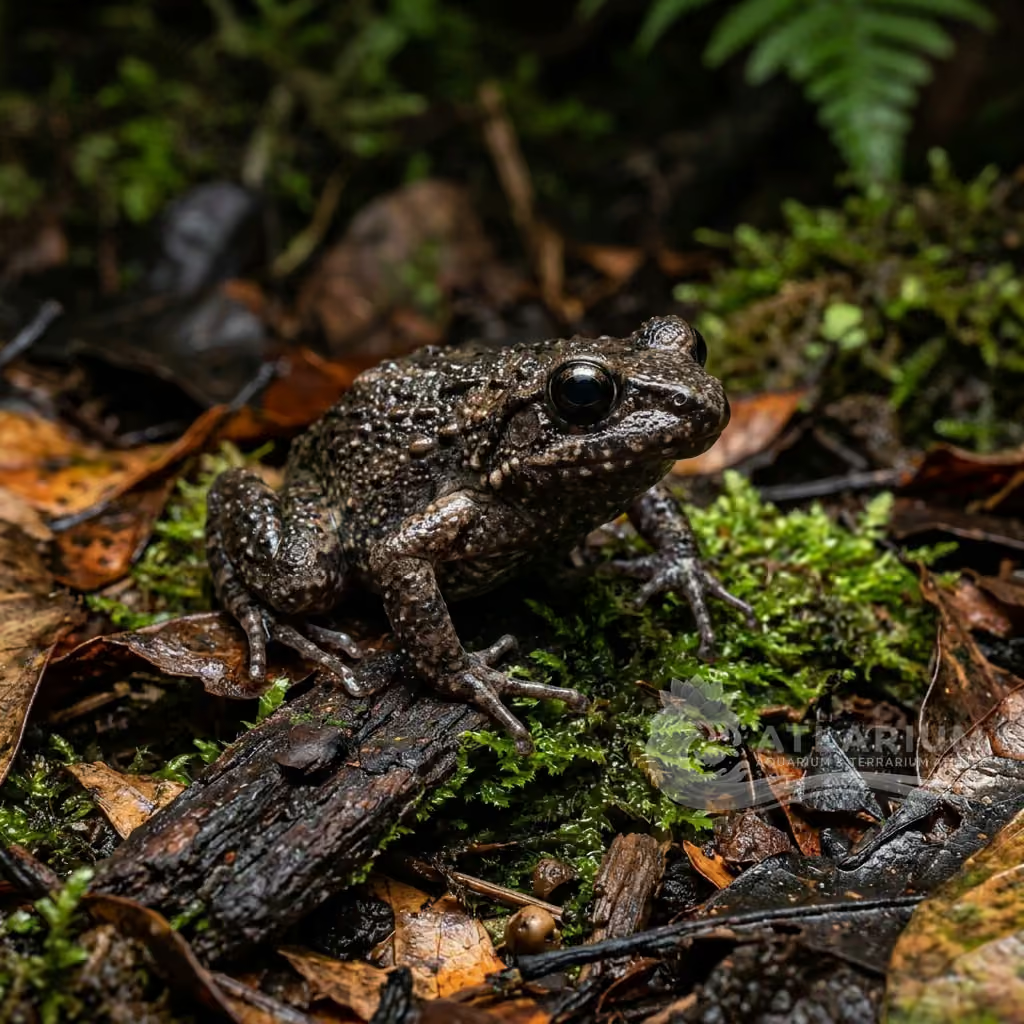
Tomato Frog
Dyscophus antongilii
The Tomato Frog is a robust, terrestrial amphibian endemic to Madagascar, famous for its bright red-orange warning colors. Burrowing and inactive, it needs a damp, loamy substrate to ambush prey.
Ambiente
Terrestre
Umidade
70 - 80 %
Temperatura diurna
24 - 28 °C
Temperatura noturna
20 - 22 °C

Descrição da espécie
Geographical Origin and Habitat: Endemic to the humid, swampy forest lowlands, agricultural marshes, irrigated fields, and slow-moving rivers around Antongil Bay in northeastern Madagascar. They are fossorial frogs that spend dry seasons burrowed in loose soil, emerging in large numbers during tropical summer rains.
Taxonomy and Genetics: Belongs to the Microhylidae family (narrow-mouthed frogs). Known globally as the Tomato Frog due to its round, smooth, bright red body resembling a ripe tomato. True D. antongilii is listed under CITES Appendix I, and is represented in the pet trade mostly by the non-threatened, captive-bred D. guineti (False Tomato Frog).
Behavior and Habits: Strictly terrestrial, slow-moving burrowers. They dig backward into soft soil using their hind feet, remaining buried with only their eyes and nostrils exposed. When threatened, they inflate their bodies and secrete a thick, sticky white skin secretion that can temporarily glue a predator's mouth shut.
Morphology: Display strong sexual dimorphism. Mature females are much larger, reaching up to 10–11 cm and exhibiting a brilliant, saturated tomato-red or orange-red dorsum. Males are significantly smaller, slender, and show a duller yellow-orange or brownish coloration.

Cuidado, criação e companheiros de tanque
Terrarium Setup: Requires a horizontal enclosure with a large floor plan (minimum 60x40 cm for a small group). Provide a deep layer (15–20 cm) of loose, damp substrate consisting of peat moss and coconut fiber to allow digging. Include dry oak leaves, cork bark pieces, and a very shallow water dish for hydration.
Lighting and Heating: Prefer a temperature gradient of 25–27°C on the warm side during the day, with access to cooler, burrowed zones of 21–23°C. Provide a night drop to 20–22°C. A low-intensity UVB light (5%) is recommended to prevent Metabolic Bone Disease and support general health.
Humidity and Hydration: Maintain substrate moisture and ambient humidity at 70–80%. Good ventilation is essential to prevent stagnant air, build-up of ammonia, and bacterial skin infections like Red Leg disease. Clean the water bowl daily and rotate the substrate regularly.
Feeding and Supplementation: Voracious eaters. Feed a variety of size-appropriate live insects including crickets, roaches, and earthworms. Dust all prey items with high-quality calcium and vitamin D3 supplements to support their fast-growing skeletal structure. Avoid feeding pinky mice frequently to prevent fatty liver disease.
Compatibility: Can be kept in groups. Ensure all individuals are of similar size, as their non-selective feeding habits and poor vision can lead to accidental cannibalism if smaller frogs are housed with large adult females.
Health and Common Diseases: The skin secretions can be mildly irritating to human skin and eyes; wash hands thoroughly after maintenance and do not handle with bare hands. Susceptible to respiratory issues in stagnant air, and bone deformities if calcium supplementation is lacking.

Origem e distribuição geográfica
Endemic to the humid, swampy forest lowlands, agricultural marshes, irrigated fields, and slow-moving rivers around Antongil Bay in northeastern Madagascar. They are fossorial frogs that spend dry seasons burrowed in loose soil, emerging in large numbers during tropical summer rains.
Origem
América do NorteÁfrica e MadagascarLeste Asiático

Perfil anfíbio
- Dieta
- Insectivore
- The diet of Dyscophus antongilii must be carefully managed to ensure optimal health and longevity. In its natural habitat, Dyscophus antongilii typically consumes a variety of specific prey items or plant matter. Captive specimens require a similarly balanced intake, often supplemented with essential vitamins and calcium. It is important to offer food that is appropriately sized to avoid choking or digestive issues. Regular monitoring of their feeding response helps in identifying any potential health problems early.
- Expectativa de vida
- 6-12 years
- Tamanho adulto
- 8.5 cm
- Estilo de vida/Microhabitat
- Terrestrial
- The lifestyle of Dyscophus antongilii varies greatly depending on whether they are terrestrial, arboreal, aquatic, or semi-aquatic. Designing an enclosure that accommodates their specific mode of living is essential for their physical and mental health. This includes providing the right substrate, climbing branches, or water features as needed. A proper setup allows Dyscophus antongilii to exercise, hide, and thermoregulate effectively. Understanding their lifestyle choices helps in creating a thriving captive environment.
- Ciclo de atividades
- Nocturnal
- The activity pattern of Dyscophus antongilii typically dictates when they feed, explore, and rest. Depending on their biology, they may be predominantly active during the day, night, or twilight hours. Replicating appropriate lighting and temperature cycles is crucial for maintaining their natural rhythm. Disruptions to this schedule can lead to stress and a decline in the health of Dyscophus antongilii. Keepers should try to interact with them during their most active periods to minimize disturbance.
- Socialidade
- Gregarious
- The behavior of Dyscophus antongilii is deeply influenced by its natural instincts and environment. These creatures exhibit unique social and territorial behaviors that must be respected in captivity. Providing a habitat that mimics their wild surroundings can greatly reduce stress and encourage natural activities. Dyscophus antongilii may show specific defensive or communicative displays when interacting with its environment. Observing these behaviors is key to understanding their overall well-being and comfort.
- Reprodução
- Oviparous
- Reproduction in Dyscophus antongilii requires specific environmental triggers such as temperature and humidity changes. Breeding these animals in captivity can be challenging and often demands a dedicated setup. Once successful mating occurs, careful attention must be given to the incubation of eggs or the care of live young. The offspring of Dyscophus antongilii are usually fragile and require highly specific conditions to thrive. Keepers must thoroughly research their reproductive cycle to achieve positive breeding results.
- Toxicidade
- Toxic
- When threatened, they inflate their bodies to appear larger and can secrete a thick, gummy white substance from their skin. This secretion is meant to deter predators like snakes by gumming up their eyes and mouths, and it can cause mild allergic reactions in humans. Hands must be washed thoroughly if contact with this exudate occurs.
- Estágio de vida
- Metamorphosis
- Tadpoles develop in stagnant pools of water and are filter feeders, consuming microscopic algae and detritus. Froglets emerge tiny and yellowish, slowly acquiring their namesake brilliant red-orange coloration as they mature over several months. Adults are round, heavy-bodied, and highly sedentary, capable of living over 10 years.
- Tolerância de tratamento
- Display only
- Handling should be kept to an absolute minimum to avoid stressing the animal and triggering its sticky defensive secretions. Their skin is highly absorbent, and human hands can easily transmit harmful chemicals or dry them out. If moving them is required, wearing moist, powder-free gloves is highly recommended.
- Brumação
- Não obrigatório
- In the wild, they may undergo a period of aestivation during the dry season, burrowing deep to conserve water. In captivity, maintaining consistent humidity and temperature usually negates the need for this resting period. Attempting to force aestivation is risky and generally unnecessary for standard pet keeping.
- Muda
- Regular
- Like all amphibians, they shed their skin periodically to maintain a clean, permeable surface. The shed skin is actively pushed forward with the front legs and consumed entirely. Because they spend so much time partially buried, shedding is almost never observed by keepers.

Espécies relacionadas
Recomendações agrupadas por parentes próximos, escolhas de acompanhantes e cuidados semelhantes.