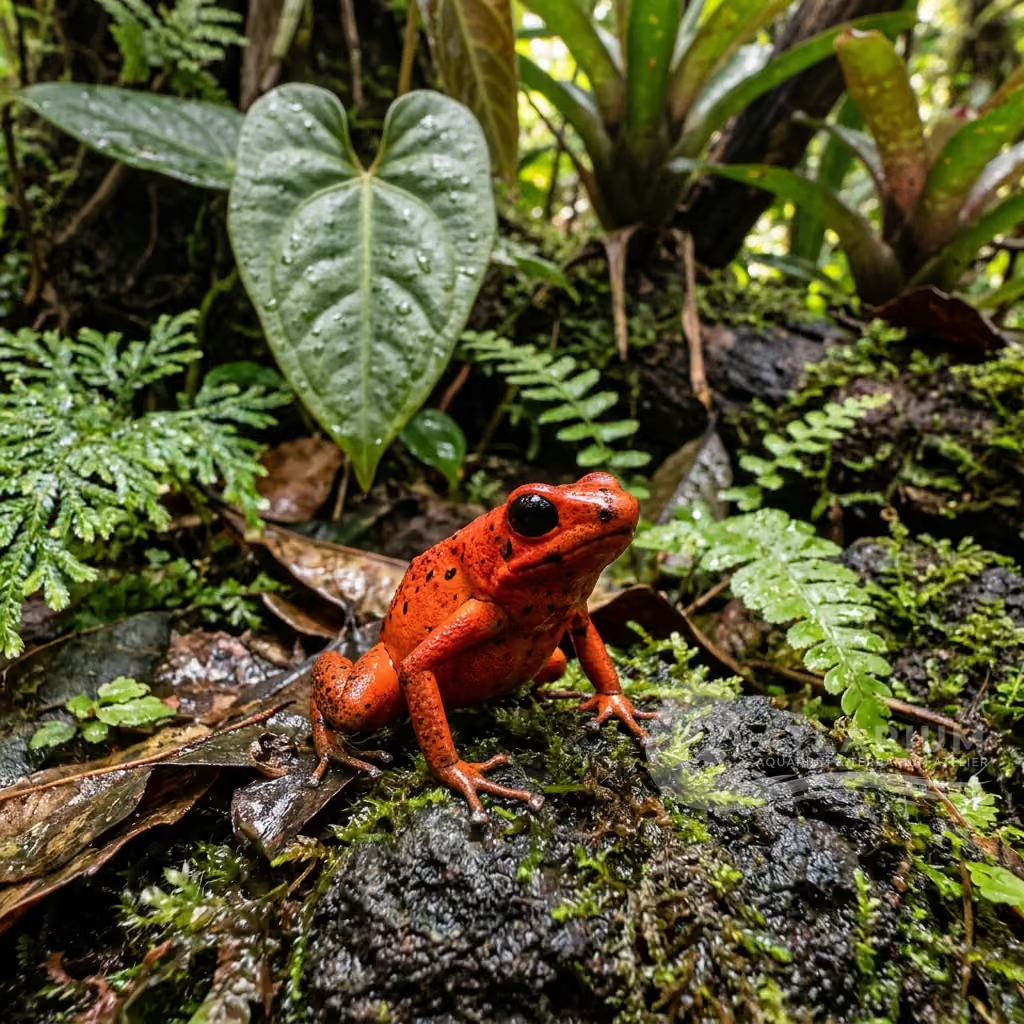
Imitator Poison Dart Frog
Ranitomeya imitator
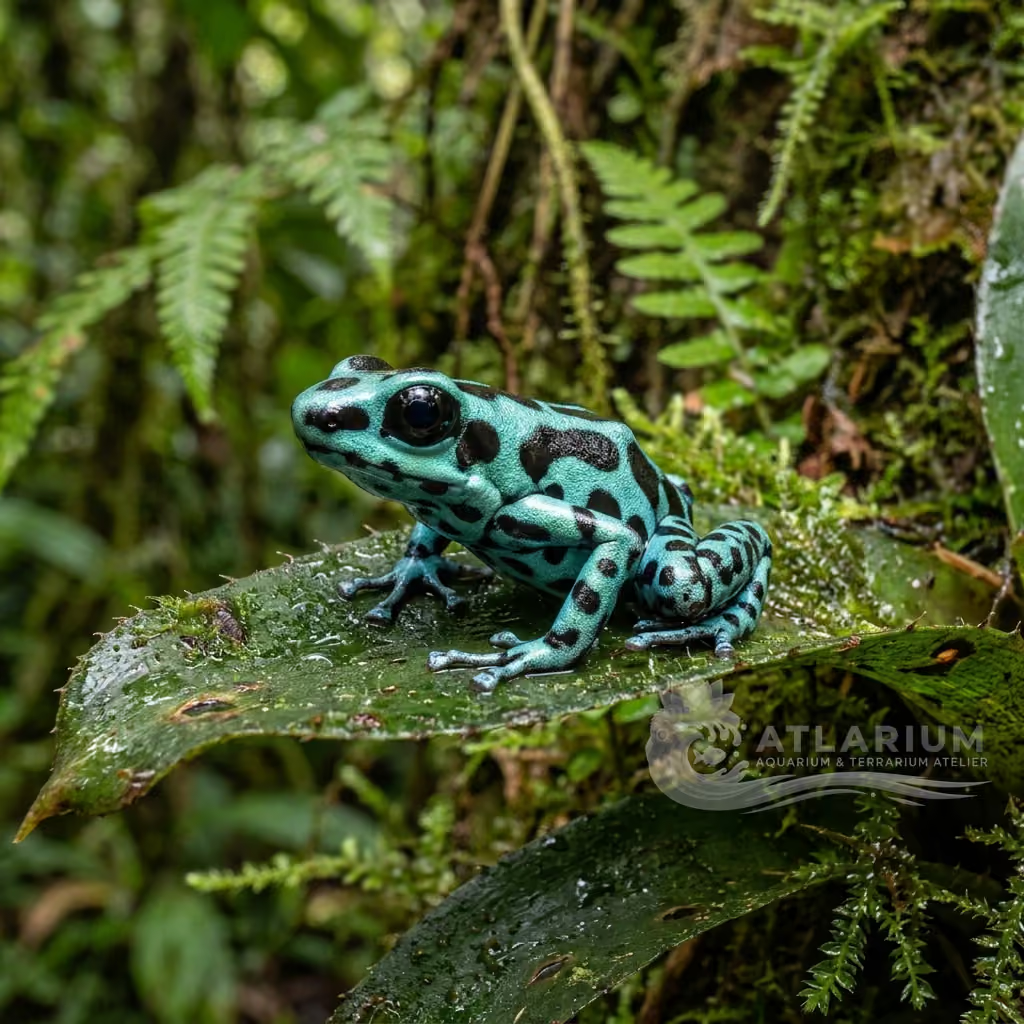
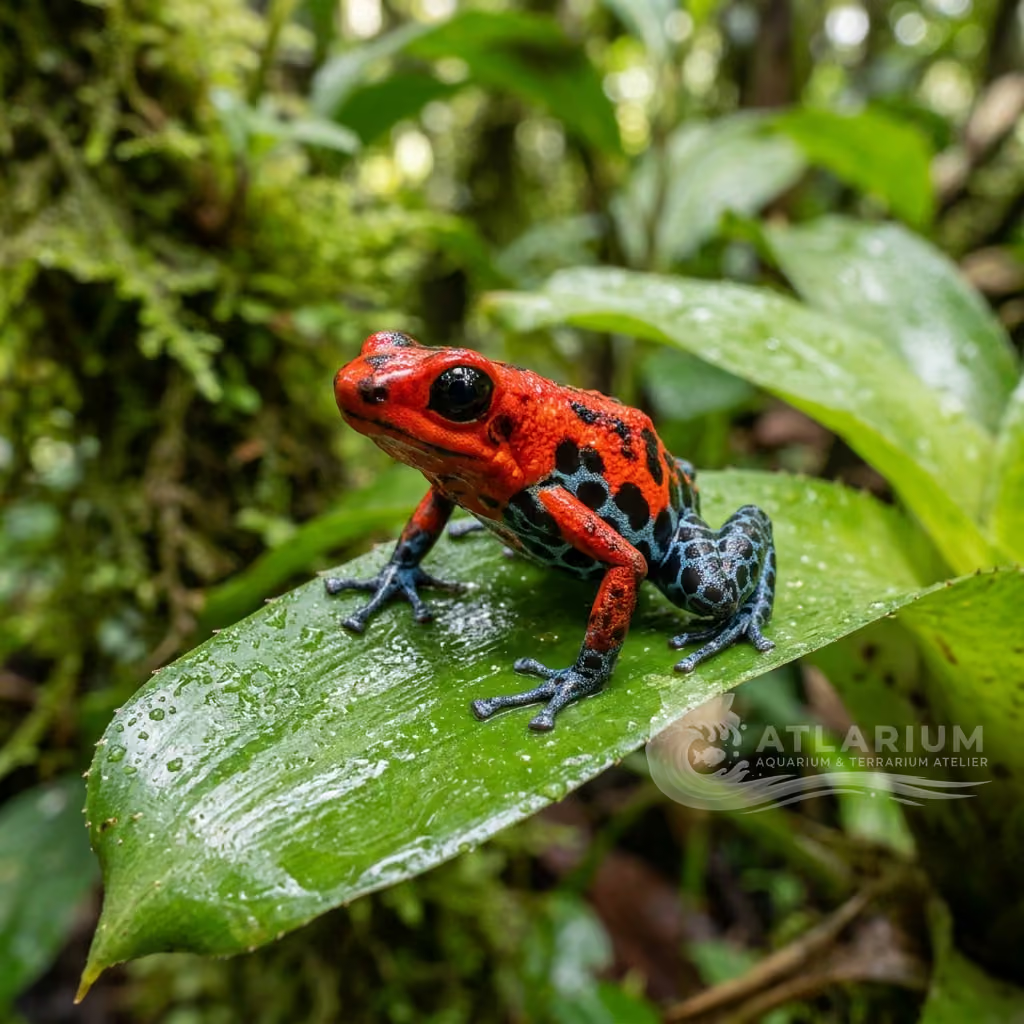
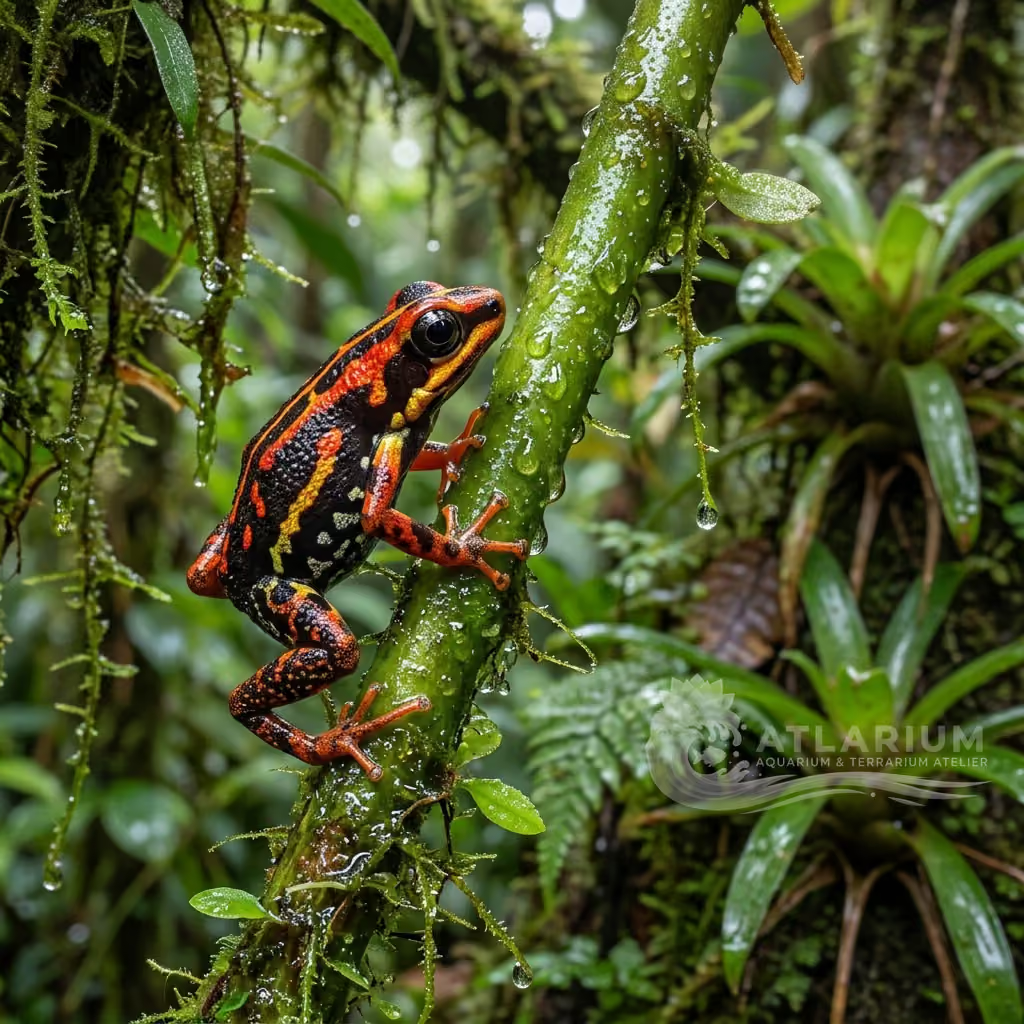
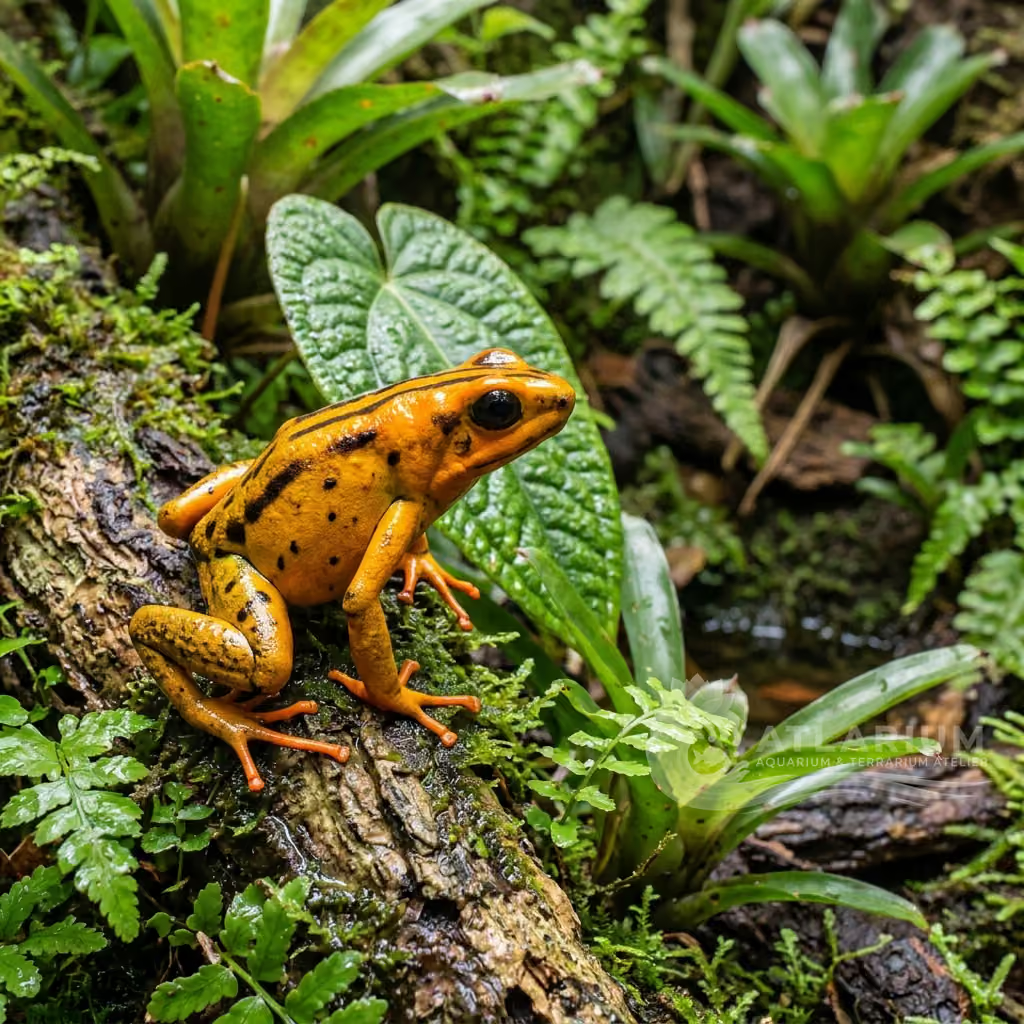
Mimic poison frog. A tiny thumbnail dart frog famous for Müllerian mimicry, adapting its colors and patterns to imitate co-occurring toxic species. Bold, active, and a remarkable breeder in captivity.
Ambiente
Terrestre
Umidade
80 - 90 %
Temperatura diurna
22 - 26 °C
Temperatura noturna
18 - 20 °C
Temperatura ambiente
22 - 26 °C
Gabinete mínimo
>= 30 L

Descrição da espécie
Geographical Origin and Habitat: Native to the lush, humid montane rainforests of north-central Peru, particularly in the San Martin region around Tarapoto. Strictly arboreal, it spends its life in the water-holding leaf axils of large epiphytic plants, such as bromeliads and heliconias, high in the canopy or thick understory vines.
Taxonomy and Genetics: A tiny "thumbnail" species reaching a maximum adult size of only 1.5 to 2 cm. Features specialized adhesive toe pads for climbing vertical wet surfaces. Its skin displays vibrant aposematic patterns (stripes, spots, or reticulations in green, yellow, orange, or cyan) depending on the regional morph.
Behavior and Habits: Diurnal, highly active, and agile. They display complex social behaviors, including monogamous pair-bonding and parental care. The male carries newly hatched tadpoles on his back to deposit them individually into water-filled bromeliad axils.
Morphology: Females are slightly larger, wider, and have a more rounded abdomen when carrying eggs. Males are more slender and possess a vocal sac, producing a persistent, insect-like trilling call during breeding periods.

Cuidado, criação e companheiros de tanque
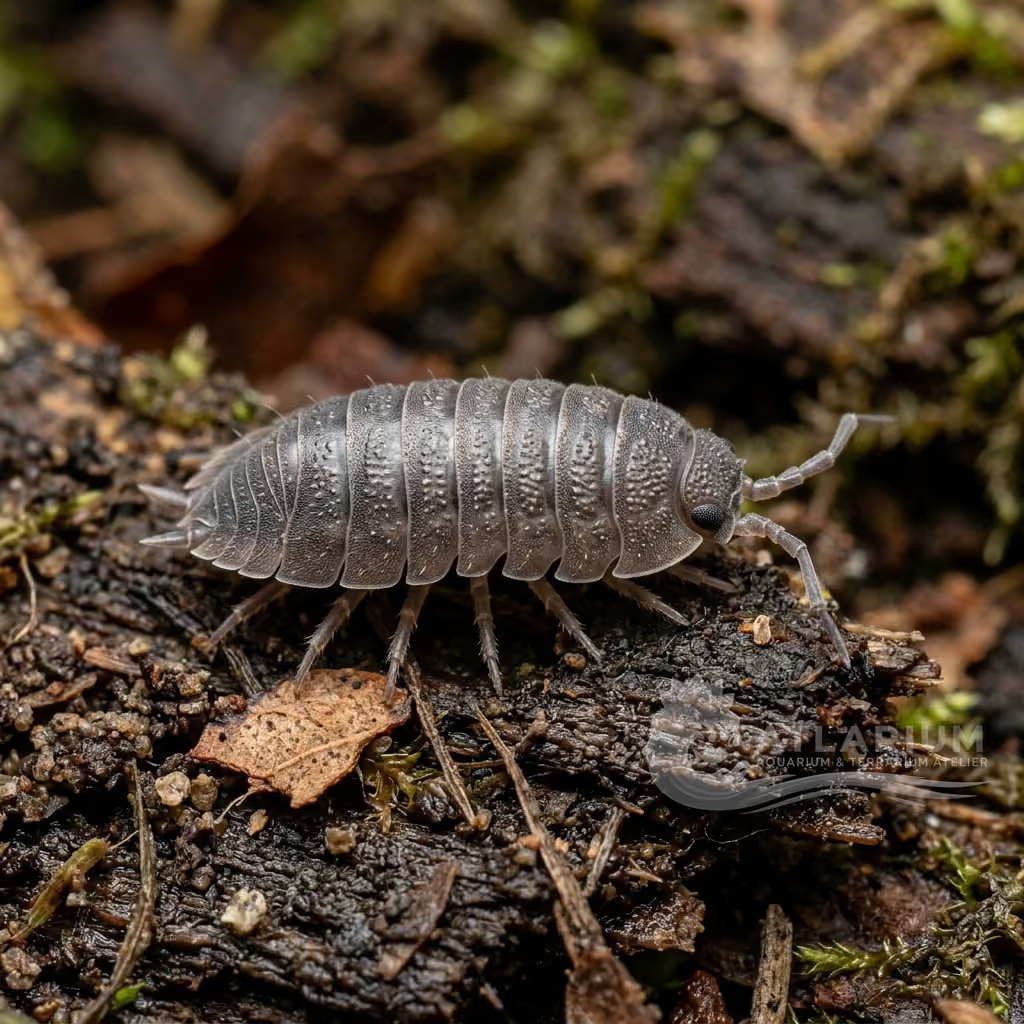
Terrarium Setup: Best housed in vertical, well-planted terrariums (minimum 30x30x40 cm for a pair). Furnish with live Neoregelia bromeliads, horizontal vines, cork bark tubes, and a layer of small leaf litter. Bioactive setups with springtails and isopods are highly recommended.
Lighting and Heating: Maintain moderate temperatures between 24°C and 26°C. Temperatures above 28°C can cause heat stroke and death. A nighttime temperature drop to 20-22°C is beneficial. Provide a low-level UVB light (2.0-5.0) to support skeletal development and plant growth.
Humidity and Hydration: Keep relative humidity high (80-90%) through automatic misting systems using reverse osmosis or distilled water. Ensure good cross-ventilation to prevent stagnant air and bacterial foot rot.
Feeding and Supplementation: Must be fed extremely small prey due to their size. Feed Drosophila melanogaster fruit flies, springtails, and micro-isopods. Dust all prey items with a high-quality calcium and vitamin supplement containing Vitamin A and D3 at every feeding.
Compatibility: Peaceful and highly social; can be kept in mixed-sex colonies. However, they should not be housed with other species of dart frogs to avoid hybridization or stress, nor with small invertebrates that they might eat.
Health and Common Diseases: Highly susceptible to rapid dehydration if humidity drops. Prone to metabolic bone disease if supplementation is neglected. Never handle these frogs with bare hands, as human skin secretions can cause fatal chemical shock to their semi-permeable skin.

Origem e distribuição geográfica
Native to the lush, humid montane rainforests of north-central Peru, particularly in the San Martin region around Tarapoto. Strictly arboreal, it spends its life in the water-holding leaf axils of large epiphytic plants, such as bromeliads and heliconias, high in the canopy or thick understory vines.
Origem
Melhoramento seletivo e cultivaresAmazônia, Orinoco e GuianasAmérica do NorteLeste Asiático

Perfil anfíbio
- Dieta
- Insectivore
- Imitator dart frogs thrive on a daily diet of extremely tiny invertebrates, foraging constantly for springtails, isopods, and mites. Cultured wingless fruit flies are the undisputed staple of their captive diet, and must be offered in small, regular quantities. Complete nutritional supplementation using high-quality calcium and multivitamin dusting is non-negotiable for their long-term survival in terrariums.
- Expectativa de vida
- 8-12 years
- Tamanho adulto
- 2 cm
- Estilo de vida/Microhabitat
- Arboreal
- Highly adapted to an arboreal lifestyle, the Imitator Poison Dart Frog spends the vast majority of its time in the upper canopy, climbing branches and leaves with specialized adaptations.
- Ciclo de atividades
- Diurnal
- The Imitator Poison Dart Frog is primarily active during the day, typical of diurnal species that rely on light to navigate, forage, and interact.
- Socialidade
- Gregarious
- These tiny, jewel-like frogs are arboreal and highly active, preferring to climb vines, glass, and broad leaves rather than staying on the ground. Males are surprisingly bold and will vocalize with a distinct, buzzy call from elevated perches to attract mates and warn off rivals. They are remarkably social and, given enough space, can be kept in small groups where they will constantly interact and explore together.
- Reprodução
- Oviparous
- This frog exhibits incredible biparental care, with males transporting tadpoles to small water pockets in bromeliads and females returning later to feed them unfertilized eggs. Unlike strictly obligate egg-feeders, these tadpoles can sometimes survive on algae and detritus, though egg feeding significantly boosts their survival rate. They are prolific breeders in captivity when provided with proper humidity, heavy planting, and film canisters for egg deposition.
- Toxicidade
- Harmless
- Like other poison dart frogs, their name derives from the potent alkaloids they secrete when consuming their natural, wild diet. They are considered non-toxic in captivity, as their terrarium diets lack the specific chemical precursors required for toxin synthesis. The 'imitator' in their name refers to their unique evolutionary ability to mimic the warning coloration of other toxic frog species living nearby.
- Estágio de vida
- Metamorphosis
- The aquatic tadpoles develop within the tiny micro-pools trapped in bromeliad leaves, slowly growing as they are fed by their parents. They undergo metamorphosis after roughly two months, emerging as incredibly tiny froglets that are prone to dehydration. These delicate froglets require an immediate, abundant supply of springtails to fuel their rapid growth into adulthood over the next six months.
- Tolerância de tratamento
- Display only
- As a highly sensitive or fragile species, the Imitator Poison Dart Frog should be considered a display-only animal. Handling causes immense stress and should only occur during emergencies.
- Brumação
- The Imitator Poison Dart Frog originates from stable tropical environments and does not require or tolerate a winter brumation period; temperatures must remain consistently warm year-round.
- Muda
- Periodic
- Shedding for the Imitator Poison Dart Frog heavily relies on high ambient humidity. A humid hide or frequent misting is crucial to prevent stuck shed and ensure a smooth, complete molt.

Espécies relacionadas
Recomendações agrupadas por parentes próximos, escolhas de acompanhantes e cuidados semelhantes.