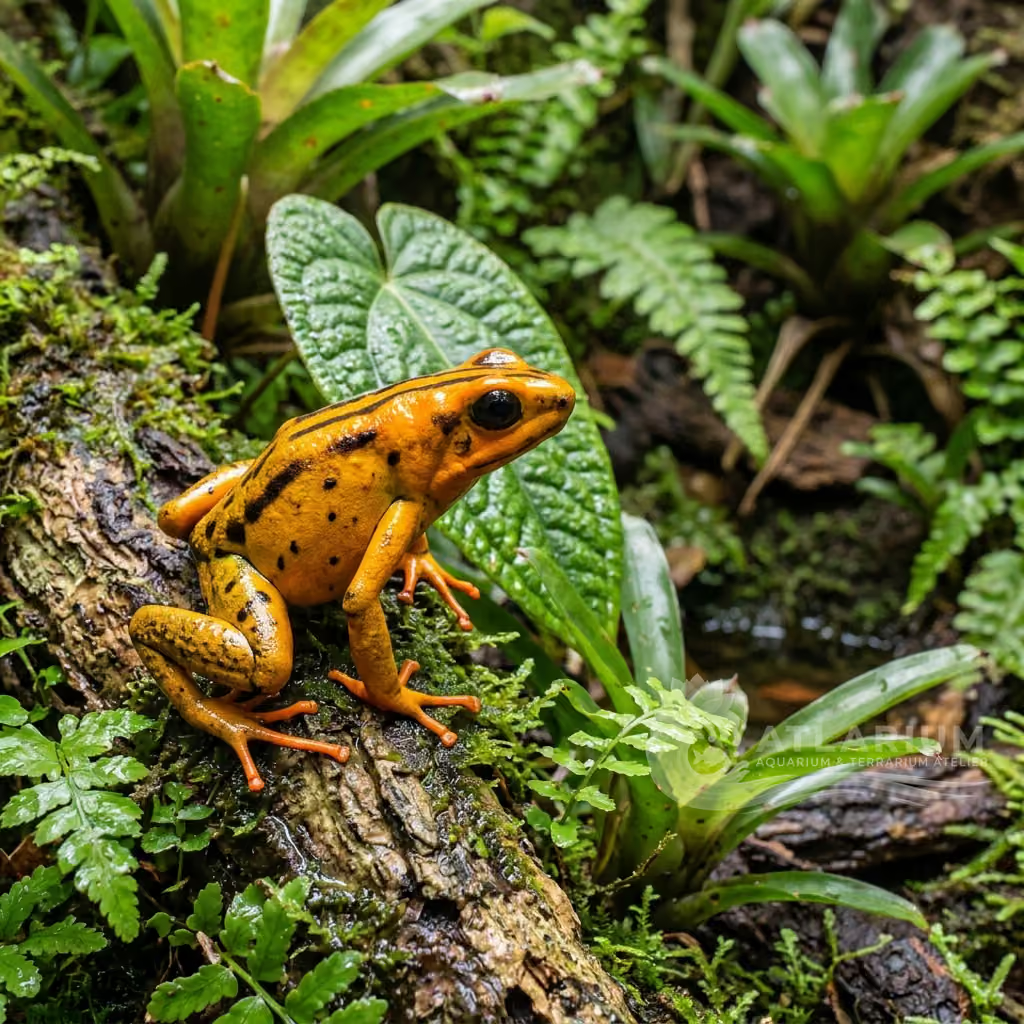
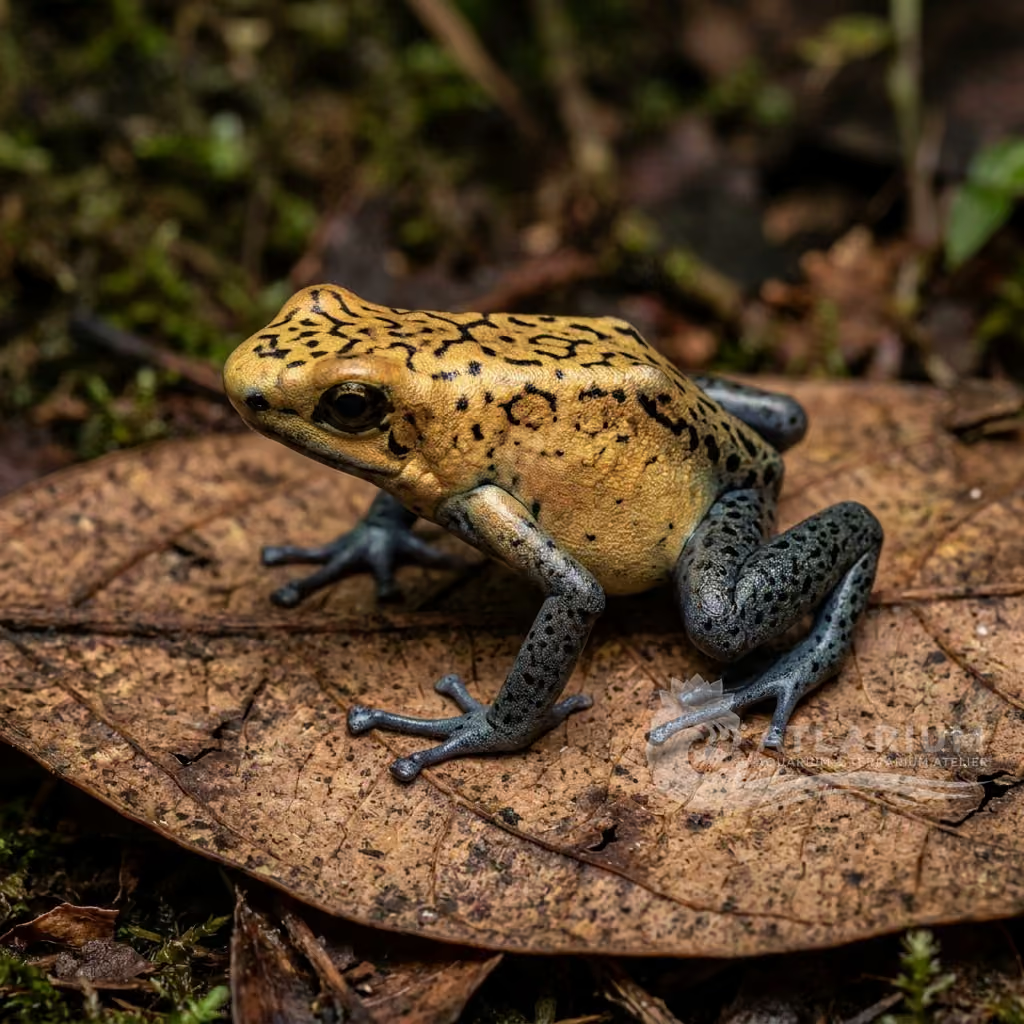
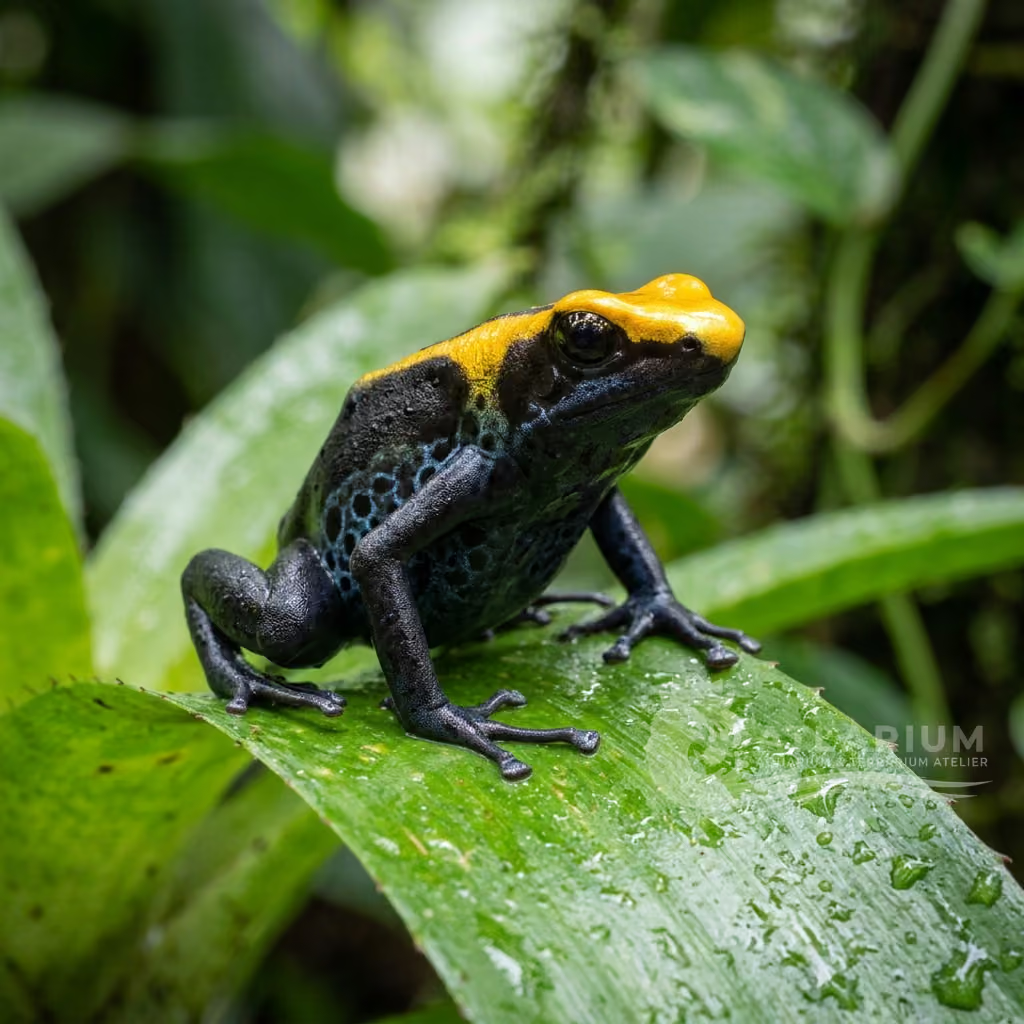
Imitator Poison Dart Frog (Banded)
Ranitomeya imitator
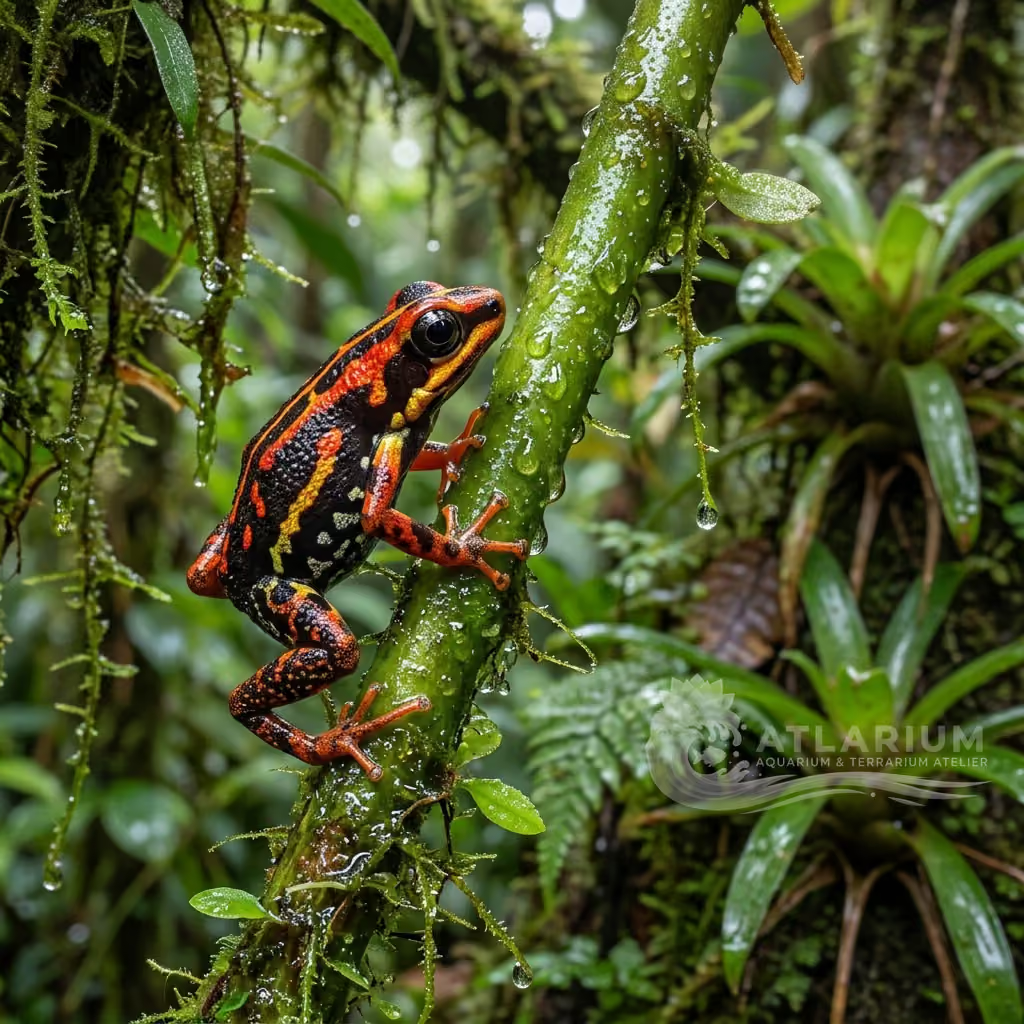
A stunning variant of the Mimic Poison Frog featuring thick, colorful horizontal bands across its body, perfectly representing aposematic mimicry.
Ambiente
Terrestre
Umidade
80 - 90 %
Temperatura diurna
24 - 26 °C
Temperatura noturna
20 - 21 °C
Temperatura ambiente
24 - 26 °C
Gabinete mínimo
>= 45 L

Descrição da espécie
Geographical Origin and Habitat: Deeply native to the lush, humid tropical rainforests of northern Peru (Tarapoto, San Martín). A thumbnail tree frog that spends its entire life in water-retaining epiphyte plants (bromeliads).
Taxonomy and Genetics: Family Dendrobatidae. Ranitomeya imitator "Banded". Famous for Müllerian mimicry, evolving its banded pattern to mimic co-occurring toxic species like Ranitomeya summersi to deter predators.
Behavior and Habits: Diurnal, hyper-active, and arboreal. Highly active and alert. Males produce a loud, trilling metallic call to defend territory and attract females. Displays complex parental care.
Morphology: Tiny "thumbnail" frog, reaching only 1.5-2 cm in size. Smooth skin with vibrant, contrasting yellow and black horizontal bands and bluish legs. Features specialized toe pads for climbing.

Cuidado, criação e companheiros de tanque
Terrarium Setup: Vertical tropical terrarium (minimum 30x30x40 cm). Plant heavily with live bromeliads (Neoregelia), climbing vines, ferns, and mosses. Provide cork bark tubes and film canisters as artificial oviposition sites.
Lighting and Heating: Moderate tropical climate. Maintain day temperatures at 24-26°C. Temperatures above 28°C are dangerous. Night drop to 20-21°C. Provide a 5% UVB light with high color rendering for plants and frog health.
Humidity and Hydration: High humidity (80-90%) is required. Mist daily with RO or distilled water. Ensure good ventilation to prevent stagnant, soggy conditions which lead to skin infections (red leg).
Feeding and Supplementation: Insectivorous. Feed daily with small live prey like Drosophila melanogaster (flightless fruit flies), springtails, and micro-crickets. Dust all prey with high-quality calcium, D3, and vitamin A.
Compatibility: Highly territorial, especially females. House in established pairs (one male, one female) or trios (two males, one female) in spacious setups to avoid stress-induced anorexia.
Health and Common Diseases: Extremely sensitive to dry air; escape from the terrarium is fatal within hours. Never handle with bare hands; skin oils are toxic. Maintain strict hygiene to prevent bacterial infections.

Origem e distribuição geográfica
Deeply native to the lush, humid tropical rainforests of northern Peru (Tarapoto, San Martín). A thumbnail tree frog that spends its entire life in water-retaining epiphyte plants (bromeliads).
Origem
Melhoramento seletivo e cultivaresAmazônia, Orinoco e GuianasAmérica do NorteLeste Asiático

Perfil anfíbio
- Dieta
- Insectivore
- As microphagous predators, their diet consists entirely of tiny invertebrates such as springtails, fruit flies, and aphids. In captivity, they should be fed daily with vitamin and calcium-dusted Drosophila melanogaster or similar small prey. Their fast metabolism requires frequent feeding.
- Expectativa de vida
- 8-10 years
- Tamanho adulto
- 2 cm
- Estilo de vida/Microhabitat
- Arboreal
- Arboreal and semi-arboreal, they thrive in densely planted, vertically oriented terrariums with high humidity. Bromeliads are crucial for their lifecycle, providing hiding spots and rearing pools for tadpoles. They do best in groups or pairs with plenty of visual barriers.
- Ciclo de atividades
- Diurnal
- Strictly diurnal, they are most active during the morning and late afternoon. They spend their day foraging for food, socializing, and defending territories. A proper photoperiod of 12 hours of light and 12 hours of darkness is essential.
- Socialidade
- Gregarious
- These dart frogs are bold, diurnal, and very active, constantly exploring their environment. Males are highly territorial and will call frequently to defend their space and attract mates. Despite their toxic wild counterparts, captive-bred individuals are harmless but should still be treated as display animals.
- Reprodução
- Oviparous
- They are known for their complex reproductive behavior, including courtship displays and biparental care. Females lay small clutches of eggs on broad leaves or inside film canisters. Once hatched, the male transports the tadpoles to individual water pools, and the female returns to feed them unfertilized trophic eggs.
- Toxicidade
- Harmless
- In the wild, their bright banding serves as aposematic coloration, warning predators of the toxic alkaloids present in their skin. These toxins are sourced entirely from their wild diet of specific, alkaloid-rich arthropods. Captive-raised frogs lack this specialized diet, meaning they completely fail to develop these toxic defenses. While they are completely harmless to humans, keepers should avoid handling them to prevent the frogs from absorbing harmful salts or chemicals through their skin.
- Estágio de vida
- Metamorphosis
- The life cycle starts with a terrestrial egg phase that lasts roughly 10 to 14 days before tadpoles emerge. The aquatic tadpoles require dedicated maternal feeding of trophic eggs for approximately 2 to 3 months to develop properly. They morph into tiny, fully formed froglets and leave the water, gradually adopting their striking adult coloration. With consistent feeding, they reach adult size and reproductive maturity within 6 to 8 months.
- Tolerância de tratamento
- Display only
- Like all poison dart frogs, they should be considered display-only pets. Their delicate, semi-permeable skin easily absorbs harmful oils and salts from human hands.
- Brumação
- They do not require brumation. They thrive in a stable, warm, and humid tropical environment year-round without any seasonal cooling.
- Muda
- Periodic
- Shedding occurs frequently and is often unnoticed because the frog eats the shed skin. Consistent high humidity is essential to prevent skin issues during this process.

Espécies relacionadas
Recomendações agrupadas por parentes próximos, escolhas de acompanhantes e cuidados semelhantes.