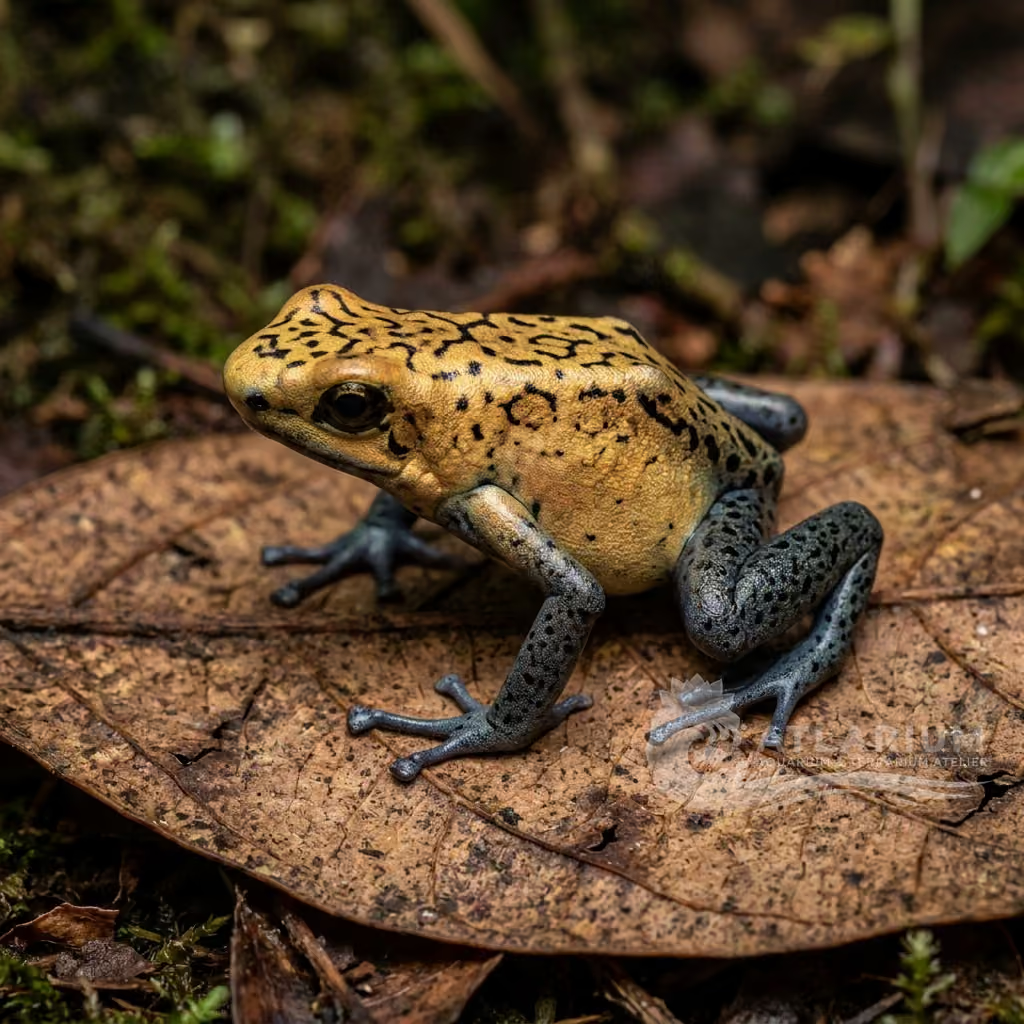
Anthony's Poison Arrow Frog
Epipedobates anthonyi
Visually near-identical to E. tricolor, but generally a deeper reddish-purple base color. Incredibly hardy and active, it stands as the absolute perfect introductory dart frog for bioactive novices.
Ambiente
Terrestre
Umidade
80 - 90 %
Temperatura diurna
23 - 26 °C
Temperatura noturna
18 °C
Temperatura ambiente
23 - 26 °C
Gabinete mínimo
>= 45 L
UVB
Ferguson 2
UVI
0,7 - 1 UVI

Descrição da espécie
Geographical Origin and Habitat: Found in the humid tropical and premontane forests of southwestern Ecuador and northwestern Peru. They live mainly on the forest floor but can agilely climb low branches and vegetation.
Taxonomy and Genetics: A member of the Dendrobatidae family, commonly known as Anthony's Poison Arrow Frog. Historically confused with Epipedobates tricolor, it is distinguished by its color patterns and is much more prolific and hardy, making it one of the best dart frogs for beginners.
Behavior and Habits: Diurnal, highly active, and bold. Males are prolific singers, producing a loud, bird-like trilling call. They reproduce readily in captivity, laying eggs on smooth surfaces or leaf litter.
Morphology: A small species reaching 2-2.5 cm. Mature females are rounder and heavier than males. Males have a vocal sac that becomes dark and expands during calling.

Cuidado, criação e companheiros de tanque
Terrarium Setup: Requires a bioactive terrarium with dense planting (e.g. 45x45x45 cm for a small group). Provide climbing branches, pieces of bark, and a thick layer of leaf litter. Large-leafed plants like Pothos or bromeliads are ideal for egg-laying.
Lighting and Heating: Requires moderate temperatures of 23 to 26°C. Temperatures above 28-30°C are dangerous and can be fatal. A night temperature drop to 21°C is beneficial. Provide LED lighting and 5% UVB to prevent metabolic bone disease.
Humidity and Hydration: Maintain high humidity levels of 80-90% through frequent misting with declorinated water. Ensure good ventilation to prevent stagnant air which leads to bacterial skin infections.
Feeding and Supplementation: Feed daily with wingless fruit flies (Drosophila melanogaster or hydei), springtails, and pinhead crickets. Dust all prey items with high-quality calcium and vitamin D3 supplements at every feeding.
Compatibility: Excellent community frogs. They can be housed in small groups or harems with minimal aggression, as males compete through singing rather than fighting. Do not mix with other frog species.
Health and Common Diseases: Direct handling must be avoided as human skin oils can cause osmotic shock. Extremely sensitive to household chemicals and insecticides. Keep the enclosure clean to prevent bacterial infections.

Origem e distribuição geográfica
Found in the humid tropical and premontane forests of southwestern Ecuador and northwestern Peru. They live mainly on the forest floor but can agilely climb low branches and vegetation.
Origem
Extra-Amazônica América do SulAmérica do NorteEuropa, Mediterrâneo e Ásia Ocidental

Perfil anfíbio
- Dieta
- Insectivore
- Eat bugs. Feed daily. Add vitamins.
- Expectativa de vida
- 8-12 years
- Tamanho adulto
- 2.5 cm
- Estilo de vida/Microhabitat
- Terrestrial
- Need high humidity. Forage constantly. Stable temps.
- Ciclo de atividades
- Diurnal
- Strictly diurnal. Morning peaks. 12h cycle.
- Socialidade
- Gregarious
- Very active. Males defend. Add barriers.
- Reprodução
- Oviparous
- Breed in rain. Males call. Tads swim.
- Toxicidade
- Harmless
- In their natural habitat, they secrete a powerful alkaloid called epibatidine, which is a potent analgesic, serving to deter predators. This toxin is sequestered from their specific wild diet and concentrated in their skin glands. Captive specimens are entirely harmless, as they lack access to the insects necessary to synthesize these chemical defenses.
- Estágio de vida
- Metamorphosis
- Eggs require constant moisture and hatch into tadpoles after approximately two weeks. The robust tadpoles are relatively easy to rear, feeding on a variety of algae, detritus, and commercial tadpole foods. Metamorphosis is swift, occurring in 6 to 8 weeks, producing fast-growing froglets that reach maturity in less than a year.
- Tolerância de tratamento
- Display only
- As a highly sensitive or fragile species, the Anthony's Poison Arrow Frog should be considered a display-only animal. Handling causes immense stress and should only occur during emergencies.
- Brumação
- The Anthony's Poison Arrow Frog originates from stable tropical environments and does not require or tolerate a winter brumation period; temperatures must remain consistently warm year-round.
- Muda
- Periodic
- Shedding for the Anthony's Poison Arrow Frog heavily relies on high ambient humidity. A humid hide or frequent misting is crucial to prevent stuck shed and ensure a smooth, complete molt.

Espécies relacionadas
Recomendações agrupadas por parentes próximos, escolhas de acompanhantes e cuidados semelhantes.