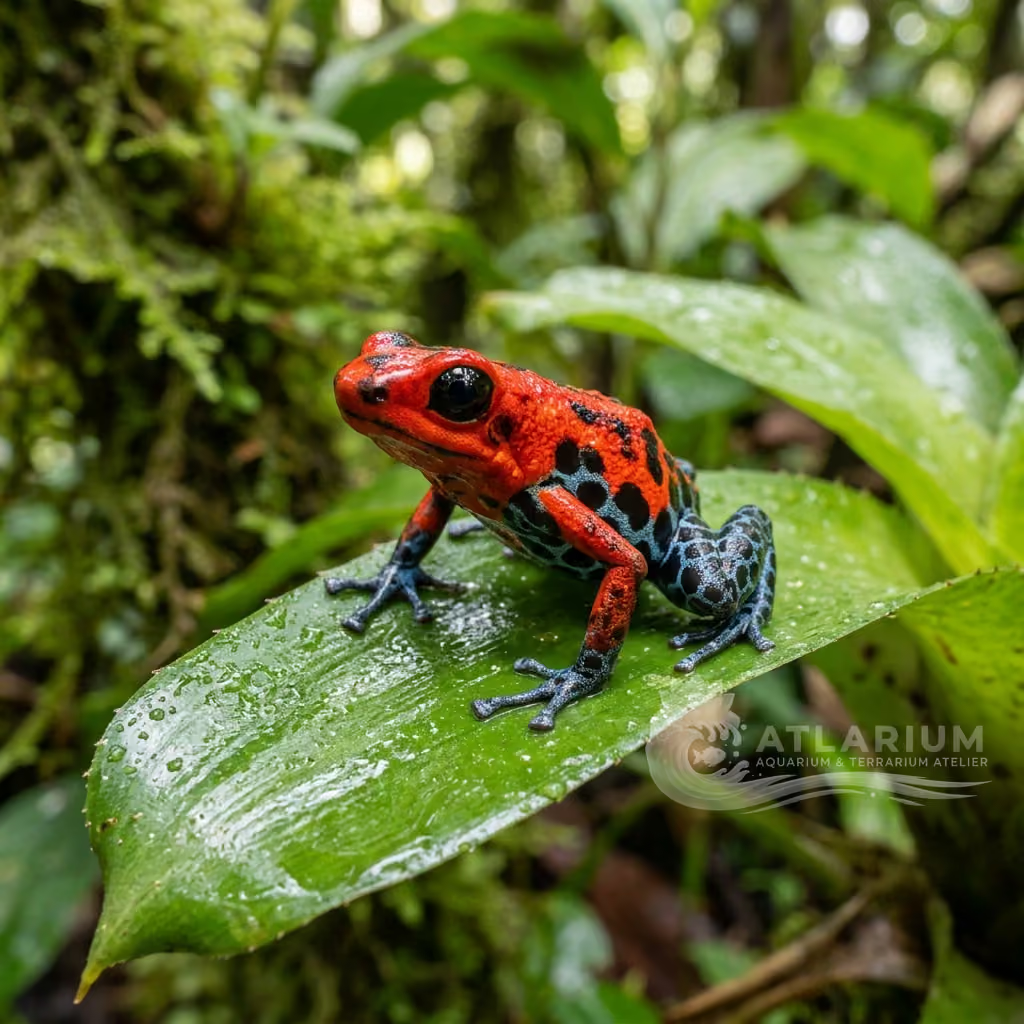
Strawberry Poison-dart Frog "Almirante"
Oophaga pumilio
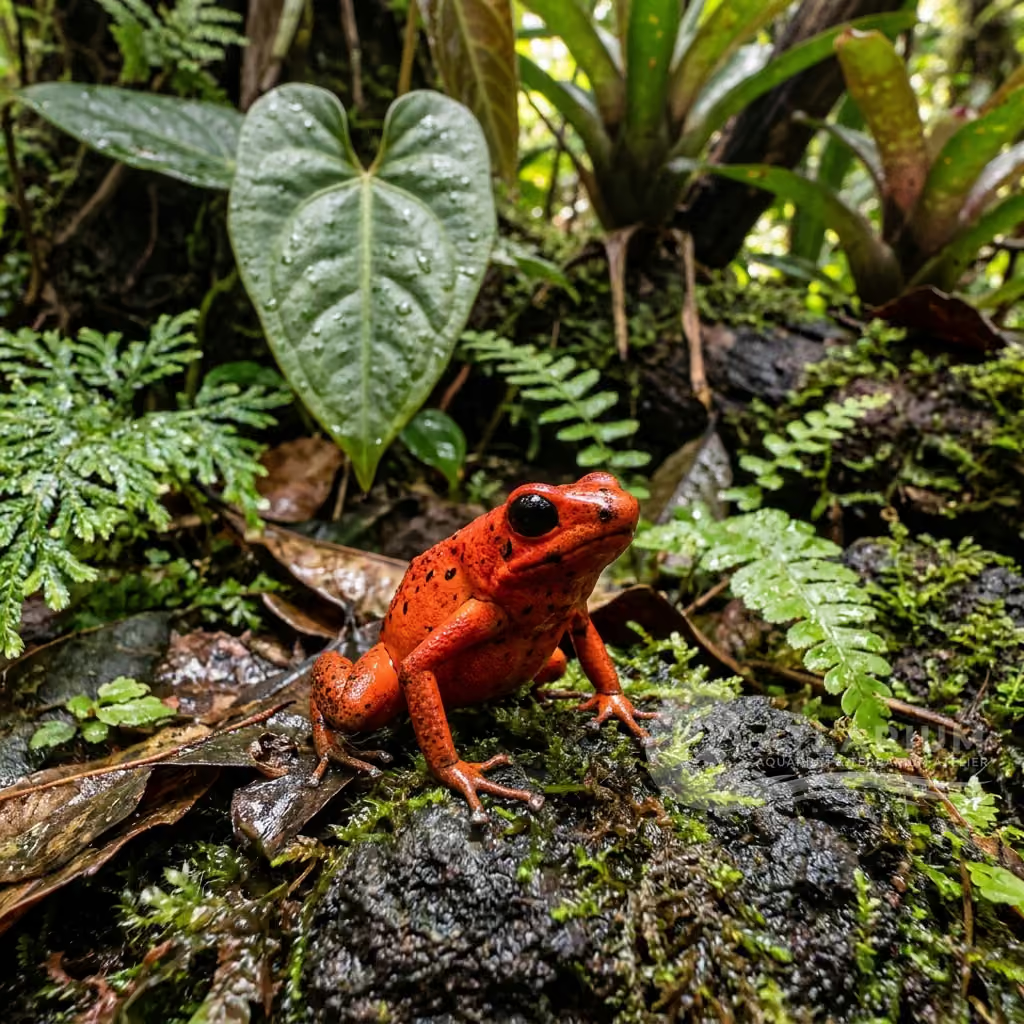
This tiny pumilio morph from Panama typically displays a striking solid red or orange coloration. Arboreal and bold, it needs a tall terrarium densely planted with epiphytic bromeliads.
Ambiente
Terrestre
Umidade
80 - 100 %
Temperatura diurna
22 - 26 °C
Temperatura noturna
19 - 21 °C
UVB
Ferguson 2
UVI
0,7 - 1 UVI

Descrição da espécie
Morph/Variant Note: Almirante local variant. A beautiful morph featuring a rich red dorsum with contrasting dark blue or black extremities.
Geographical Origin and Habitat: Found in Almirante, Panama, inhabiting lowland tropical forests, cacao plantations, and secondary growth. They rely on bromeliads for breeding.
Taxonomy and Genetics: Family Dendrobatidae. Oophaga pumilio (the Strawberry Poison Frog) is highly polymorphic, with over 30 distinct island and mainland morphs.
Behavior and Habits: Diurnal and territorial. Males defend calling sites on broad leaves. Females perform intensive parental care, transporting tadpoles to individual water-filled bromeliad leaf axils and feeding them with unfertilized food eggs.
Morphology: Tiny size (1.8-2.5 cm). Rich red dorsum with contrasting dark blue or black legs. Dimorphism is subtle; males have a dark, expandable vocal sac under the throat.

Cuidado, criação e companheiros de tanque
Terrarium Setup: Vertical tropical terrarium (minimum 45x45x60 cm). Plant heavily with live bromeliads (Neoregelia), climbing vines, and damp moss. Bromeliad leaf axils are critical for breeding and tadpole rearing.
Lighting and Heating: Daytime temperatures of 24-27°C. Avoid overheating above 28°C. Night drop to 22-23°C. Excellent lighting is needed for plant growth, plus low UVB (5%).
Humidity and Hydration: Extremely high humidity (85-100%). Install an automatic misting system. Ensure bromeliad cups are constantly filled with clean, dechlorinated water.
Feeding and Supplementation: Strictly micro-insectivorous. Feed springtails and flightless fruit flies (Drosophila melanogaster). Dust prey with calcium, vitamin A, and D3 at every feeding.
Compatibility: Best housed in single pairs or small harems. Males are highly territorial and will wrestle; avoid cohabitation of multiple males. Do not mix with other species.
Health and Common Diseases: Highly delicate. Never handle with bare hands. Require a constant food supply; cannot survive even 48 hours without food due to fast metabolism.

Origem e distribuição geográfica
Found in Almirante, Panama, inhabiting lowland tropical forests, cacao plantations, and secondary growth. They rely on bromeliads for breeding.
Origem
Melhoramento seletivo e cultivaresAmérica Central e CaribeEuropa, Mediterrâneo e Ásia Ocidental

Perfil anfíbio
- Dieta
- Insectivore
- Their natural diet consists of highly specialized micro-invertebrates like mites and ants, but in captivity, they thrive on a diet of flightless fruit flies and springtails. Because of their incredibly small size, they require the smallest available prey items. Frequent, daily feedings are necessary due to their fast metabolisms. All feeder insects must be dusted with vitamin supplements to maintain their vibrant health.
- Expectativa de vida
- 10-15 years
- Tamanho adulto
- 2.5 cm
- Estilo de vida/Microhabitat
- Arboreal
- They are predominantly arboreal compared to other small dart frogs, heavily utilizing the vertical space. A terrarium dense with bromeliads is an absolute requirement for them to thrive and breed. They spend substantial time perched on leaves surveying their surroundings for food and rivals. High humidity and stable tropical temperatures must be maintained constantly.
- Ciclo de atividades
- Diurnal
- As diurnal amphibians, they are constantly active during the day hunting and defending territory. Morning hours often trigger the most vocalizations from males. They prefer to forage while the tank is well-lit and humidity is high. At night, they seek refuge deep within bromeliad leaves or tucked away in dense vegetation.
- Socialidade
- Gregarious
- They are highly territorial, and males will frequently engage in wrestling matches if housed together in small enclosures. Despite their small stature, they are bold, active, and highly visible throughout the day. Their sharp, chirping calls can be heard frequently as males establish boundaries and court females. They are best kept in pairs or harems with ample space and visual barriers.
- Reprodução
- Oviparous
- This species exhibits fascinating obligate egg-feeding behavior where the female feeds her tadpoles unfertilized eggs. Males fiercely defend a calling territory to attract mates into bromeliads or leaf litter. After eggs hatch, the female carries the tadpoles to individual water-filled bromeliad axils. Raising the young requires a well-established planted tank, as artificial rearing is extremely difficult.
- Toxicidade
- Toxic
- Non-toxic in captivity due to an alkaloid-free diet.
- Estágio de vida
- Neotenic
- Tadpoles are aquatic and often cannibalistic, requiring separate rearing.
- Tolerância de tratamento
- Display only
- These frogs should be considered a display-only species. Their highly permeable skin is incredibly sensitive to the natural oils, salts, and any chemicals present on human hands. Handling causes severe stress and can easily compromise their health.
- Brumação
- Não obrigatório
- This tropical species does not undergo true brumation. They require consistently warm and highly humid conditions year-round. While breeders may slightly reduce misting to simulate a dry season and trigger breeding, temperatures should remain stable.
- Muda
- Periodic
- Shedding occurs regularly and is heavily dependent on maintaining high humidity levels (80-100%). The frog will perform stretching motions to loosen the old skin and will typically consume it entirely to recycle nutrients. Low humidity can lead to stuck shed and fatal dehydration.

Espécies relacionadas
Recomendações agrupadas por parentes próximos, escolhas de acompanhantes e cuidados semelhantes.