Yellow-banded Poison Dart Frog (Guyana)
Dendrobates leucomelas
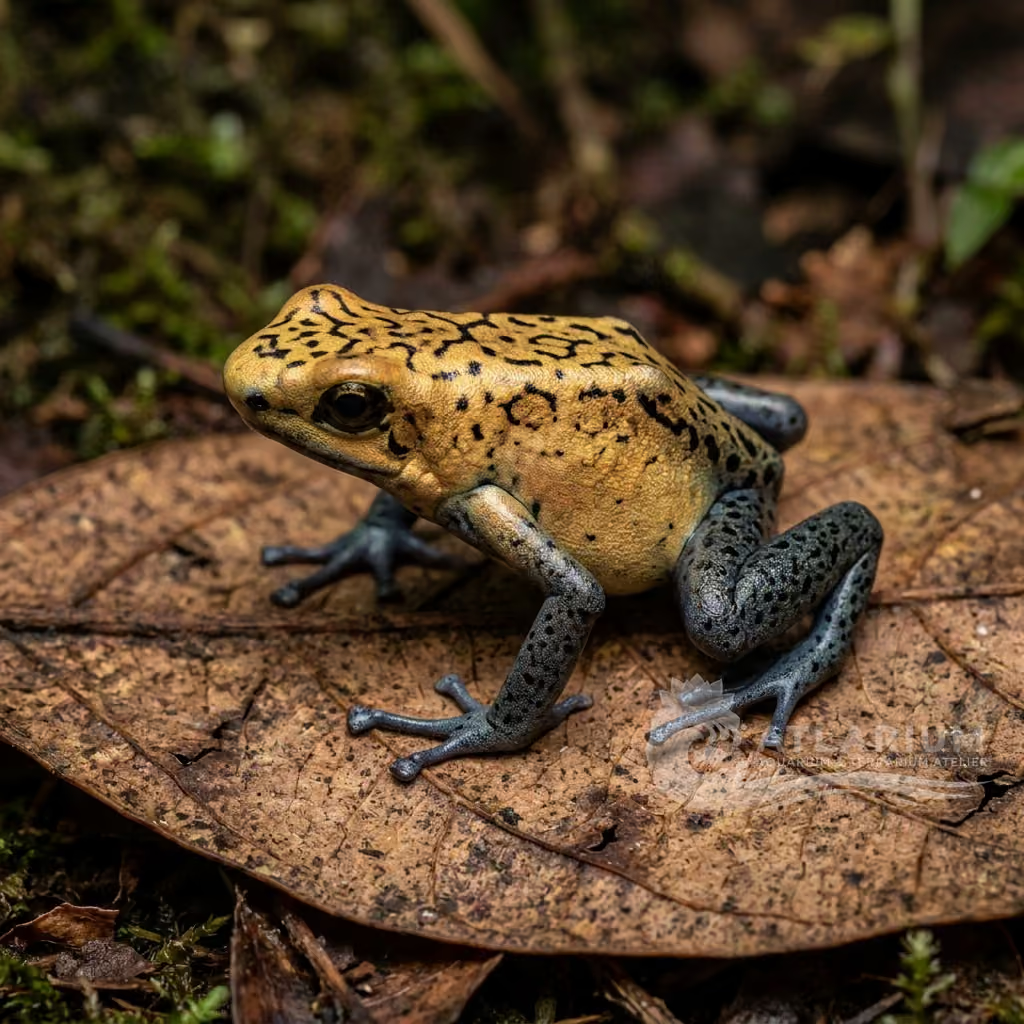
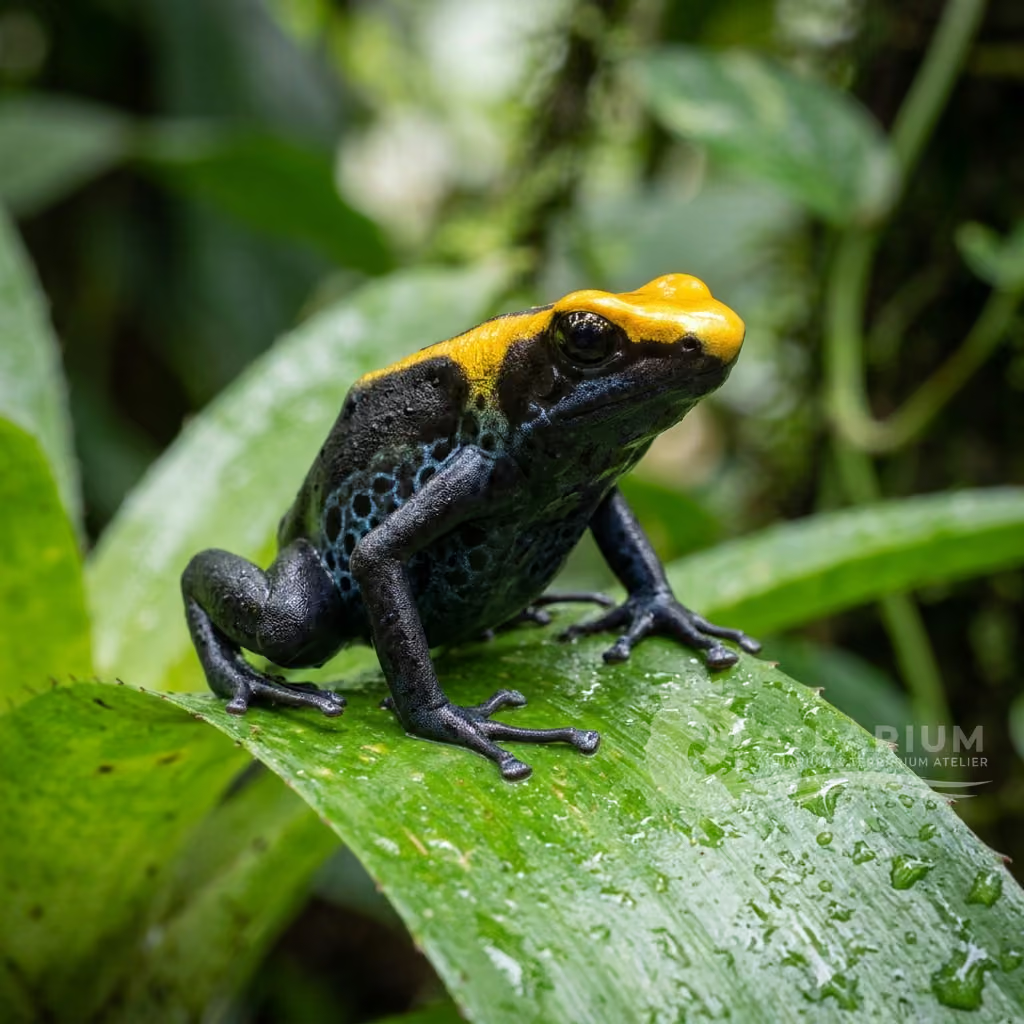
The Guyana Poison Dart Frog is a large-sized morph of Dendrobates leucomelas characterized by reduced black patterning and a more vibrant, expansive yellow coloration.
Ambiente
Terrestre
Umidade
70 - 100 %
Temperatura diurna
22 - 26 °C
Temperatura noturna
18 - 20 °C
UVB
Ferguson 1-2
UVI
0 - 1 UVI

Descrição da espécie
Geographical Origin and Habitat: Native to northern South America, primarily southern Venezuela, Guyana, northern Brazil, and eastern Colombia. They inhabit humid tropical rainforest floors, but are also frequently found in drier gallery forests.
Taxonomy and Genetics: A member of the Dendrobatidae family, commonly known as the Yellow-banded Poison Dart Frog or Bumblebee Dart Frog. The 'Guyana' morph is a larger-bodied variety showing a reduced amount of black markings and a more vibrant, intense yellow base color compared to standard populations. They reach 3.8 to 4.2 cm in size.
Behavior and Habits: Bold, active, and highly visible frogs. They climb actively up branches and tank walls. Males are prolific singers, producing a loud, high-pitched warble resembling a canary's song, triggered by humidity spikes.
Morphology: Sexes are visually very similar. Females are slightly larger, wider, and heavier. Males are smaller and possess a vocal sac that becomes dark and wrinkled during breeding activity.

Cuidado, criação e companheiros de tanque
Terrarium Setup: Requires a tall terrarium with horizontal space (minimum 45x45x60 cm for a small group). Provide climbing branches, textured background walls, live bromeliads, and a deep layer of oak leaves.
Lighting and Heating: Prefers slightly warmer temperatures than other dart frogs, thriving at 24 to 27°C. Avoid temperatures above 28°C. Provide low-intensity UVB lighting to simulate dappled forest canopy light.
Humidity and Hydration: Maintain target humidity levels between 75% and 85%. They tolerate minor humidity drops. A slightly drier winter period followed by increased misting in spring acts as a strong breeding trigger.
Feeding and Supplementation: Voracious ambush predators. Feed on wingless fruit flies (Drosophila melanogaster and hydei), springtails, and pinhead crickets. Preys must be dusted with high-quality calcium and vitamin powders.
Compatibility: Outstanding social frogs. They can be safely kept in small groups (4-6 individuals) with very low levels of aggression, where males will compete through vocalization rather than physical fighting.
Health and Common Diseases: Hardy and suitable for beginners under proper hygiene. Monitor for obesity, as dominant females can overeat. Feed at multiple spots in the terrarium to ensure equal food distribution.

Origem e distribuição geográfica
Native to northern South America, primarily southern Venezuela, Guyana, northern Brazil, and eastern Colombia. They inhabit humid tropical rainforest floors, but are also frequently found in drier gallery forests.
Origem
Melhoramento seletivo e cultivaresAmazônia, Orinoco e Guianas

Perfil anfíbio
- Dieta
- Insectivore
- This morph requires a varied diet consisting of small, live invertebrates. Flightless fruit flies make excellent staple feeders for adult frogs. Springtails are critical for juveniles and provide necessary foraging enrichment.
- Expectativa de vida
- 10-15 years
- Tamanho adulto
- 4 cm
- Estilo de vida/Microhabitat
- Terrestrial
- This species leads a largely terrestrial lifestyle with climbing tendencies. They thrive in a densely planted bioactive vivarium with leaf litter. High humidity levels and warm temperatures are essential for well-being.
- Ciclo de atividades
- Diurnal
- This frog is strictly diurnal, displaying peak activity during the morning. They spend their days actively foraging through the leaf litter. At night, they retreat to secure hiding spots under broad leaves.
- Socialidade
- Gregarious
- The Guyana morph is known for being relatively bold and highly active. They are primarily terrestrial but exhibit a strong inclination for climbing. Males are vocal and will establish territories, calling frequently.
- Reprodução
- Oviparous
- Breeding is typically stimulated by a simulated wet season with increased misting. Males possess a distinctive trill call to attract receptive females. Females lay small clutches of eggs on smooth, broad leaves.
- Toxicidade
- Harmless
- Like all poison dart frogs in captivity, the Guyana morph is entirely harmless. In the wild, they sequester alkaloid toxins from their specialized natural diet. Because their captive diet lacks these precursors, they cannot produce the toxins.
- Estágio de vida
- Metamorphosis
- The life cycle begins as aquatic tadpoles transported by adult males. Once metamorphosis is complete, the miniature froglets emerge onto land. They reach full sexual maturity at approximately 12 to 18 months of age.
- Tolerância de tratamento
- Display only
- Handling should be strictly avoided unless absolutely necessary for health checks. Their semi-permeable skin is highly sensitive to the oils on human hands. Even brief contact can disrupt their osmotic balance and cause stress.
- Brumação
- Não obrigatório
- This species does not undergo a true brumation period in captivity. They inhabit tropical rainforests where temperatures remain relatively stable. Significant temperature drops can lead to fatal health complications.
- Muda
- Periodic
- Like all amphibians, these dart frogs regularly shed their skin. The molting process is typically very quick and goes unnoticed. The frog consumes the shed skin to recycle essential nutrients.

Espécies relacionadas
Recomendações agrupadas por parentes próximos, escolhas de acompanhantes e cuidados semelhantes.