Green and Black Poison Dart Frog "Hawaiian"
Dendrobates auratus
A geographic color morph of the green and black poison dart frog introduced to Hawaii in 1932, famous for its brilliant metallic green and black pattern.
Ambiente
Terrestre
Umidade
80 - 100 %
Temperatura diurna
22 - 26 °C
Temperatura noturna
19 - 21 °C
UVB
Ferguson 1-2
UVI
0 - 1 UVI

Descrição da espécie
Geographical Origin and Habitat: Dendrobates auratus 'Hawaiian' is a specific population introduced to the island of Oahu, Hawaii, in 1932 for mosquito control purposes. Originally native to Central America (from Nicaragua to Colombia), this variety has adapted perfectly to the humid tropical forests of Hawaii, living mainly in the damp leaf litter, around tree roots, and in shaded plantations.
Taxonomy and Genetics: It belongs to the family Dendrobatidae. It is a small terrestrial frog that reaches an adult size of 3 to 4 centimeters, with females generally being larger and rounder than males. It features smooth skin containing toxin glands that secrete toxic alkaloids in the wild (this toxicity is lost in captivity due to the change in diet).
Behavior and Habits: It is a strictly diurnal, active, and curious amphibian. In the wild, it spends the day searching for small insects among the fallen leaves. Although mostly terrestrial, it shows excellent climbing abilities, frequently using bromeliads and tall plants to rest or deposit tadpoles. Males are territorial and may engage in wrestling matches.
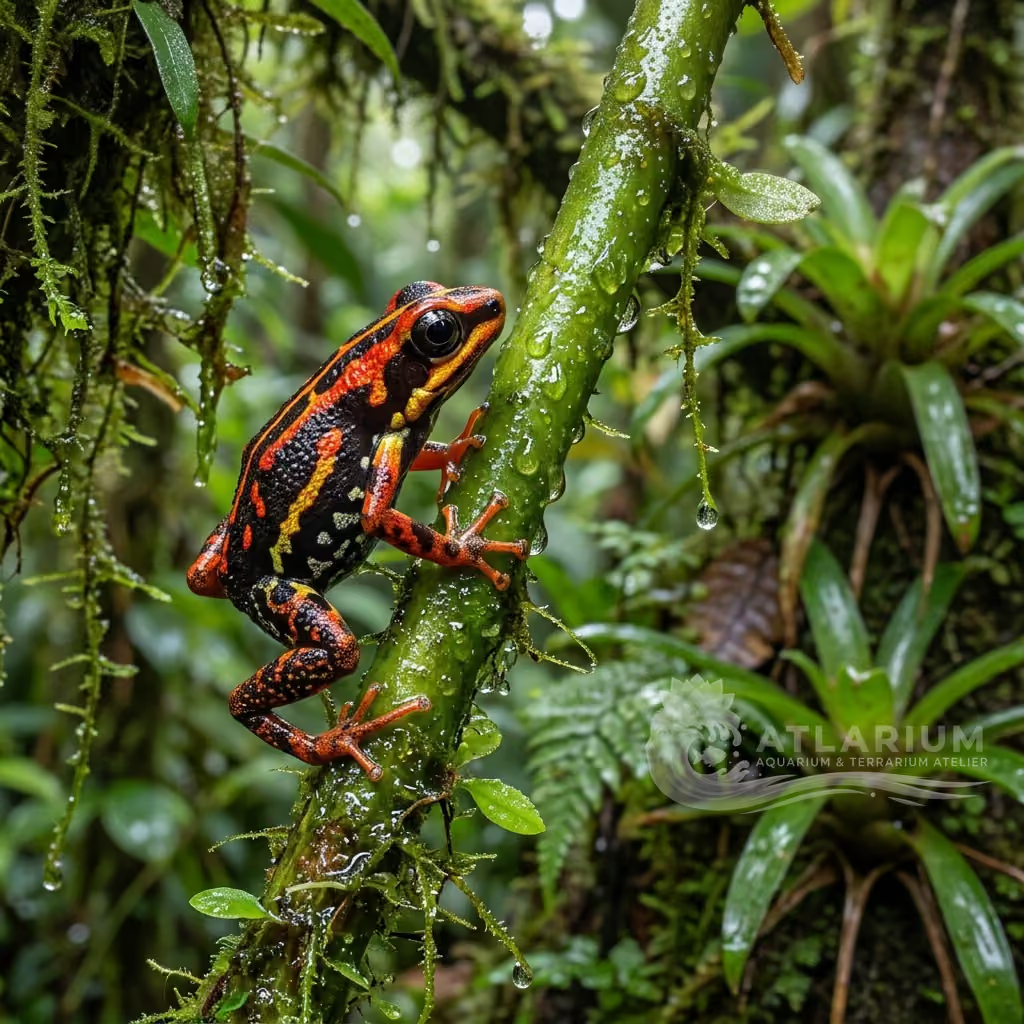
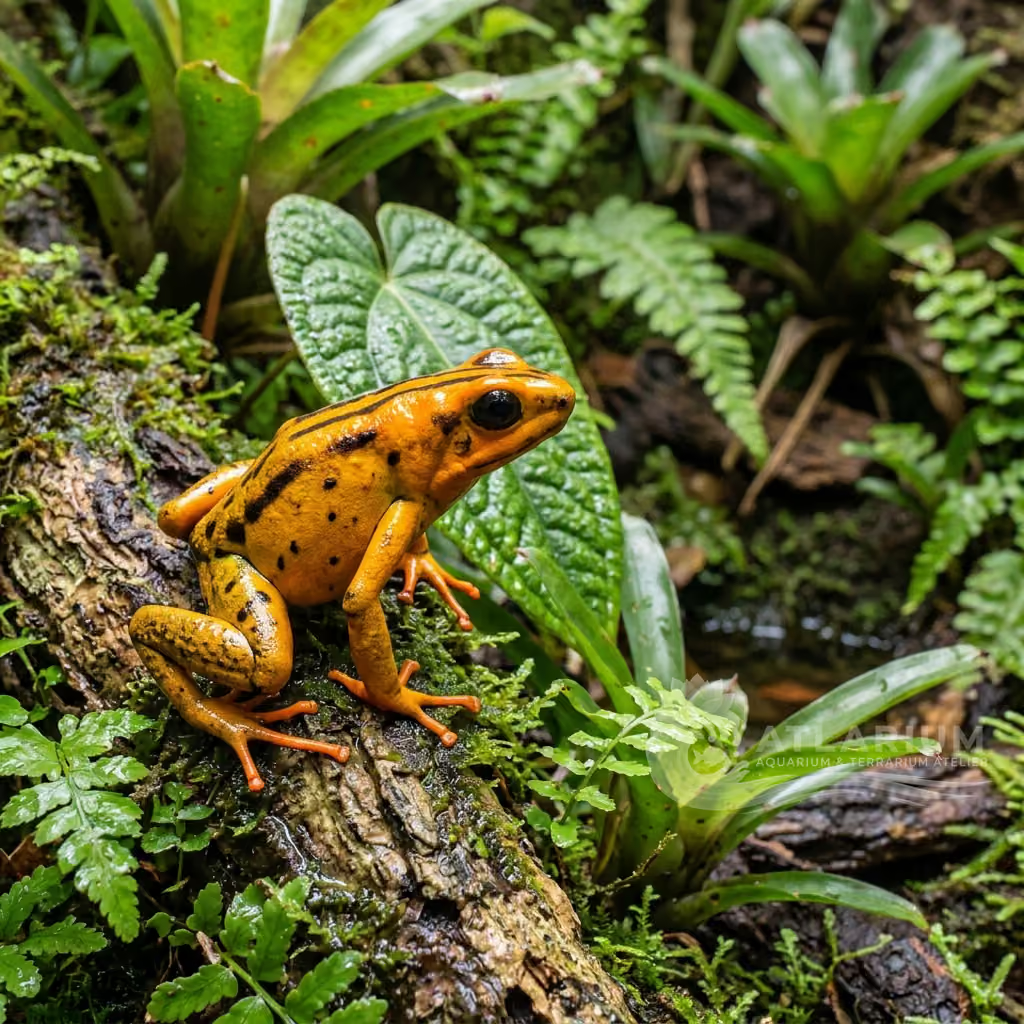
Morphology: The coloration of this Hawaiian morph is spectacular, featuring brilliant metallic green or blue-green spots and bands on a solid black or dark bronze background. The pattern is unique to each individual, acting like a fingerprint. Males have slightly broader toe pads on their front feet compared to females.

Cuidado, criação e companheiros de tanque
Terrarium Setup: Terrarium Setup: Requires a humid, bioactive terrarium of at least 50x50x50 cm for a pair or small group. The setup should feature a drainage layer topped with organic soil, a thick layer of leaf litter (oak or magnolia leaves), cork bark tubes, and live plants such as bromeliads (essential for breeding), pothos, and tropical ferns.
Lighting and Heating: Lighting and Heating: Provide a 12-hour photoperiod using LED lights suitable for plant growth. Strong UVB is not required, but a low-output (2.0) UVB bulb is beneficial. Daytime temperatures should be maintained between 23°C and 26°C, with a slight drop to around 20°C at night. Avoid temperatures exceeding 28°C.
Humidity and Hydration: Humidity and Hydration: Humidity must be kept high, ideally between 80% and 95%. This is achieved by misting the terrarium 2-3 times daily with reverse osmosis (RO) water to prevent calcium spots on leaves and the frogs' sensitive skin. The substrate must remain damp but never waterlogged to prevent root rot and bacterial infections.
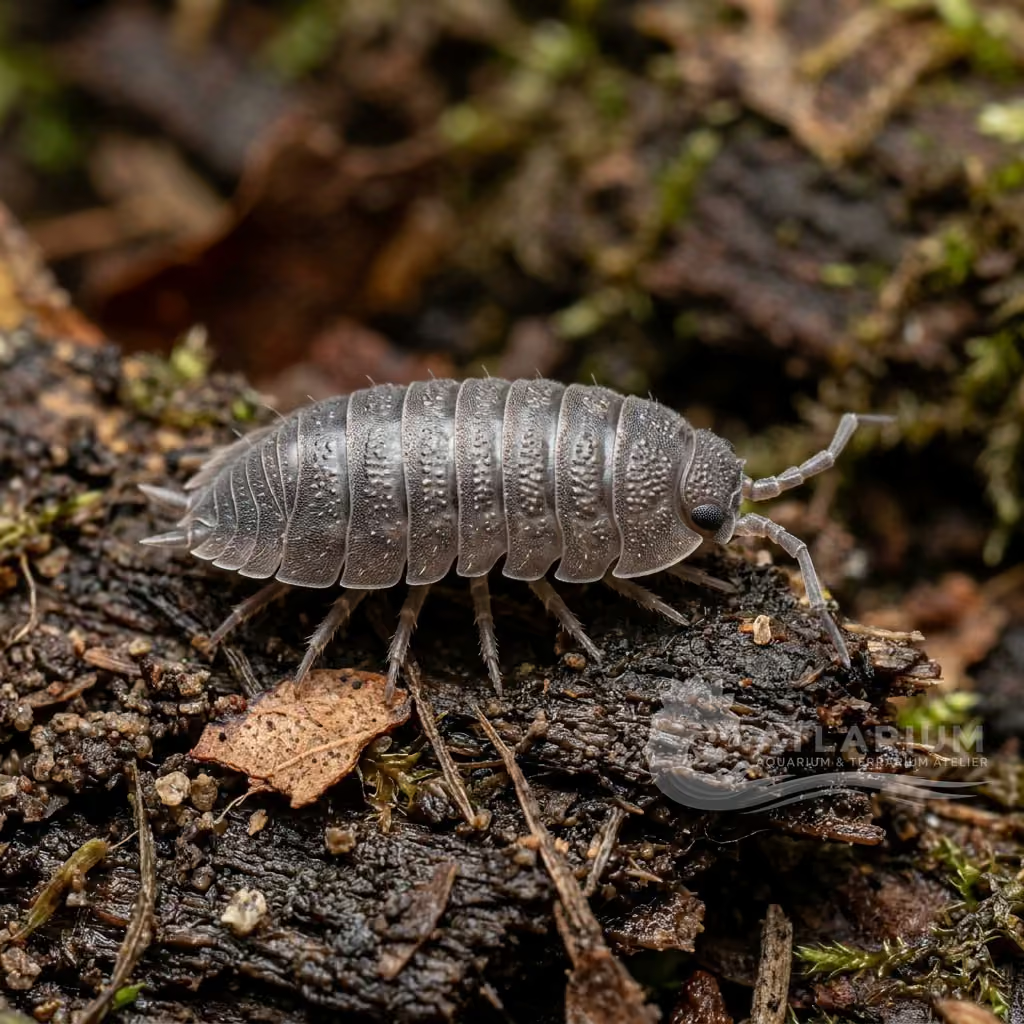
Feeding and Supplementation: Feeding and Supplementation: Feeds exclusively on small live insects. The staple diet in captivity consists of flightless fruit flies (Drosophila melanogaster and D. hydei), springtails, and dwarf isopods. It is vital to dust the insects at every feeding with a high-quality calcium and vitamin D3 supplement, alongside multivitamins.
Compatibility: Compatibility: Best kept in pairs or small groups of the same species. They can be aggressive towards other Dendrobates species, so mixed-species setups are strongly discouraged. Multiple males can coexist if the terrarium is spacious and offers plenty of visual barriers, but close monitoring for stress is advised.
Health and Common Diseases: Health and Common Diseases: These frogs are highly susceptible to fungal skin infections (such as chytridiomycosis) and bacterial infections if hygiene and humidity levels are neglected. Another common risk is rapid dehydration due to excessive ventilation or failure to mist. Prevent waste buildup by keeping the clean bioactive cleanup crew active.

Origem e distribuição geográfica
Dendrobates auratus 'Hawaiian' is a specific population introduced to the island of Oahu, Hawaii, in 1932 for mosquito control purposes. Originally native to Central America (from Nicaragua to Colombia), this variety has adapted perfectly to the humid tropical forests of Hawaii, living mainly in the damp leaf litter, around tree roots, and in shaded plantations.
Origem
Melhoramento seletivo e cultivaresExtra-Amazônica América do SulAmérica Central e CaribeOceanos tropicais e recifesCosmopolita ou apresentado

Perfil anfíbio
- Dieta
- Insectivore
- This species primarily feeds on small invertebrates such as fruit flies, springtails, and dwarf isopods. It is essential to dust their food with high-quality vitamin and calcium supplements at nearly every feeding. Offering a varied diet ensures optimal health and coloration. In captivity, they eagerly hunt down actively moving prey items.
- Expectativa de vida
- 7-20 years
- Tamanho adulto
- 4 cm
- Estilo de vida/Microhabitat
- Terrestrial
- Primarily terrestrial, they spend most of their time dwelling in the leaf litter of the forest floor. However, they will also occasionally climb low-lying branches and vegetation to explore. A terrarium with a thick layer of magnolia or oak leaves best replicates their natural habitat. They thrive in highly humid environments that simulate tropical rainforest floors.
- Ciclo de atividades
- Diurnal
- They are strictly diurnal, meaning they are most active during daylight hours. Throughout the morning and late afternoon, they actively hunt for prey across the terrarium floor. During the hottest parts of the day, they may retreat to cooler, shaded areas. A proper day-night lighting cycle is important for regulating their natural circadian rhythms.
- Socialidade
- Gregarious
- These frogs are known for their relatively bold and active nature in a well-planted vivarium. They can be territorial, especially males, though they can often be kept in small groups if enough space is provided. They spend a large portion of their day actively foraging and exploring the leaf litter. Providing ample hiding spots will encourage them to be more visible and reduce stress.
- Reprodução
- Oviparous
- Breeding often occurs after a period of heavy misting simulating the rainy season. Females typically lay small clutches of eggs on smooth leaves or in specialized breeding huts. Once tadpoles hatch, males often transport them to small water pockets such as bromeliad axils. Proper humidity and temperature are critical to encourage successful mating behavior.
- Toxicidade
- Toxic
- Non-toxic in captivity due to an alkaloid-free diet.
- Estágio de vida
- Neotenic
- Tadpoles are aquatic and often cannibalistic, requiring separate rearing.
- Tolerância de tratamento
- Display only
- These frogs should be considered a display-only species. Their highly permeable skin is incredibly sensitive to the natural oils, salts, and any chemicals present on human hands. Handling causes severe stress and can easily compromise their health.
- Brumação
- Não obrigatório
- This tropical species does not undergo true brumation. They require consistently warm and highly humid conditions year-round. While breeders may slightly reduce misting to simulate a dry season and trigger breeding, temperatures should remain stable.
- Muda
- Periodic
- Shedding occurs regularly and is heavily dependent on maintaining high humidity levels (80-100%). The frog will perform stretching motions to loosen the old skin and will typically consume it entirely to recycle nutrients. Low humidity can lead to stuck shed and fatal dehydration.

Espécies relacionadas
Recomendações agrupadas por parentes próximos, escolhas de acompanhantes e cuidados semelhantes.