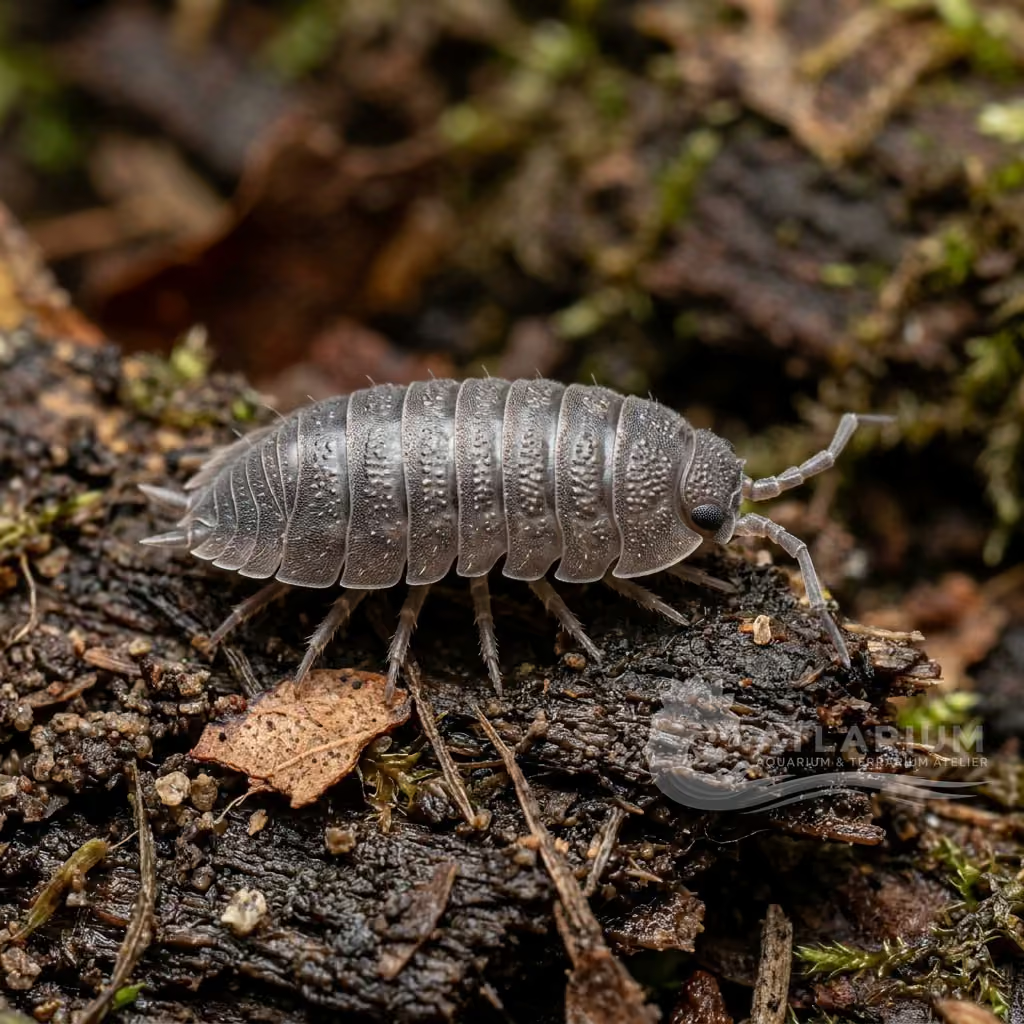
Dwarf White Isopod
Trichorhina tomentosa
The Trichorhina tomentosa, commonly known as 'Dwarf White Isopod'. Tiny (0.1 inches) and unstoppable, it is the backbone of every bioactive terrarium worldwide. Originating from tropical climates, this blind, white and parthenogenetic (reproduces without males) isopod lives its entire life buried in the humid soil, devouring feces, molds and debris without ever bothering or preying on the eggs of the host reptiles. The supreme and invisible cleaning crew.
Ambiente
Terrestre
Umidade
60 - 90 %
Temperatura ambiente
25 °C
Temperatura diurna
22 - 26 °C
Temperatura noturna
18 - 20 °C
Profundidade do substrato
>= 5 cm

Descrição da espécie
Geographical Origin and Habitat: Asphyxiating tropical cosmopolitan spread globally in greenhouses, deep leaf litter and hot compost worldwide.
Taxonomy and Genetics: Family Platyarthridae. (The Invisible Dwarf Scavenger). Unlike the mammoth and ornamental species of Porcellio or Cubaris, the Trichorhina is not a display animal. It is a blind biological machine, evolved to maximize the anaerobic destruction of decomposed organic matter without ever rising to the surface.
Behavior and Habits: Underground microscopic raiders. Totally lucifugous (they hate light) and blind. They live exclusively under the surface of the peat, they never climb on glass or dry cork. They are parthenogenetic: every individual is a female who clones herself producing dozens of tiny white copies, causing real demographic explosions (booms) if fed abundantly in the heat.
Morphology: Tiny elongated soft shell (Up to 0.1 inches max / 2-3 mm). Pigmentless (Translucent white) and without the ability to roll up (They do not conglobate). The exoskeleton is so soft and fragile that it dehydrates on contact with dry air in a few minutes. The antennae constantly feel the fetid ground in search of fungal spores.

Cuidado, criação e companheiros de tanque
Terrarium Setup: Guidance about terrarium setup for Trichorhina tomentosa must rely exclusively on the parameters and sources listed on this record.
Lighting and Heating: Guidance about lighting and heating for Trichorhina tomentosa must rely exclusively on the parameters and sources listed on this record.
Humidity and Hydration: Guidance about humidity and hydration for Trichorhina tomentosa must rely exclusively on the parameters and sources listed on this record.
Feeding and Supplementation: Guidance about feeding and supplementation for Trichorhina tomentosa must rely exclusively on the parameters and sources listed on this record.
Compatibility and Coexistence: Guidance about compatibility and coexistence for Trichorhina tomentosa must rely exclusively on the parameters and sources listed on this record.
Health and Common Diseases: Guidance about health and common diseases for Trichorhina tomentosa must rely exclusively on the parameters and sources listed on this record.

Origem e distribuição geográfica
Asphyxiating tropical cosmopolitan spread globally in greenhouses, deep leaf litter and hot compost worldwide.
Origem
Cosmopolita ou apresentadoAmérica Central e CaribeAmérica do NorteLeste Asiático

Perfil de invertebrados terrestres
- Dieta
- Detritivore
- This species thrives on a varied diet rich in decaying organic matter. They primarily consume high-quality leaf litter and soft rotting wood. Supplemental calcium and occasional vegetable scraps are essential for maintaining proper health and a strong exoskeleton.
- Tamanho adulto
- 0.5 cm
- Estilo de vida/Microhabitat
- Fossorial
- They are robust terrestrial invertebrates that thrive in a well-maintained terrarium environment. A distinct moisture gradient is crucial to prevent both fatal dehydration and harmful fungal infections. They spend the vast majority of their time navigating the complex microhabitats of the damp forest floor.
- Ciclo de atividades
- Nocturnal
- This species is primarily active during the night and the dimmer crepuscular hours. They typically remain hidden during the peak daylight hours to conserve vital moisture and avoid predators. Providing a natural day-night light cycle helps regulate their natural foraging and resting behaviors.
- Socialidade
- Gregarious
- Dwarf White Isopods are highly subterranean, spending almost all their time burrowing through the soil layer to escape the light. They are exceptionally social and live in incredibly dense colonies without any aggressive interactions. Their small size and cryptic nature make them less visible than other clean-up crew species, though they are incredibly effective workers. When exposed, their instinct is to quickly burrow back into the substrate rather than roll up.
- Reprodução
- Marsupial
- Reproduction occurs consistently throughout the year when kept under optimal terrarium conditions. Females incubate their developing eggs within a specialized ventral brood pouch known as a marsupium. The young emerge as fully formed miniatures and require stable moisture to survive their initial delicate molts.
- Venenoso
- No
- Tolerância de tratamento
- Display only
- Handling should be kept to an absolute minimum to avoid causing unnecessary stress. Their incredibly delicate bodies and limbs can be easily injured by improper or forceful grasping. If relocation is absolutely necessary, gently move them by scooping up the bark or leaf they are resting on.
- Brumação
- They generally do not require any brumation period when kept in a controlled captive environment. Maintaining stable and appropriately warm temperatures ensures continuous year-round activity and breeding success. It is important to avoid extreme cold to prevent potential and sudden colony crashes.
- Muda
- Periodic
- Molting occurs in two very distinct phases to allow the isopod continuous mobility during the process. Adequate environmental humidity is absolutely essential for them to successfully shed their old exoskeleton without complications. They will usually consume their freshly shed skin in order to rapidly reclaim lost calcium.

Espécies relacionadas
Recomendações agrupadas por parentes próximos, escolhas de acompanhantes e cuidados semelhantes.