Splash-backed Poison Frog (Yellow)
Adelphobates galactonotus
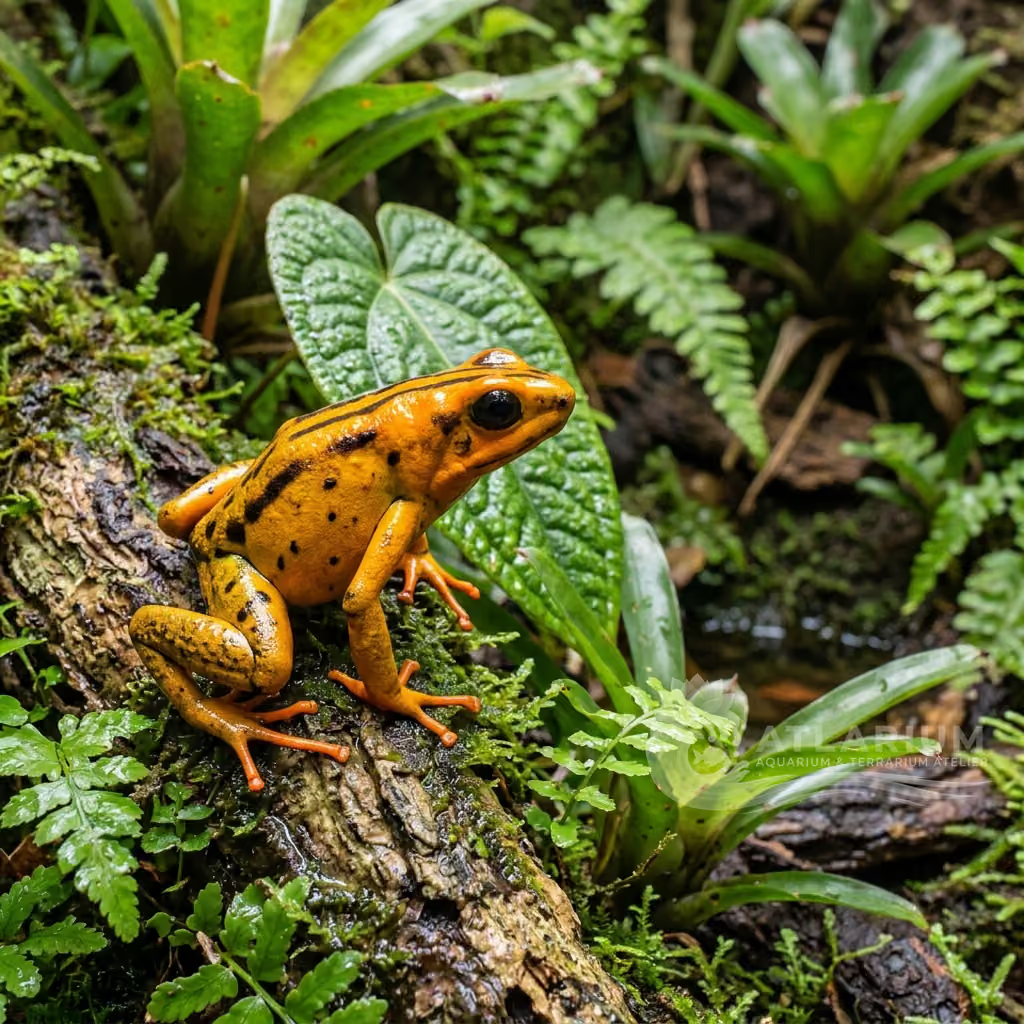
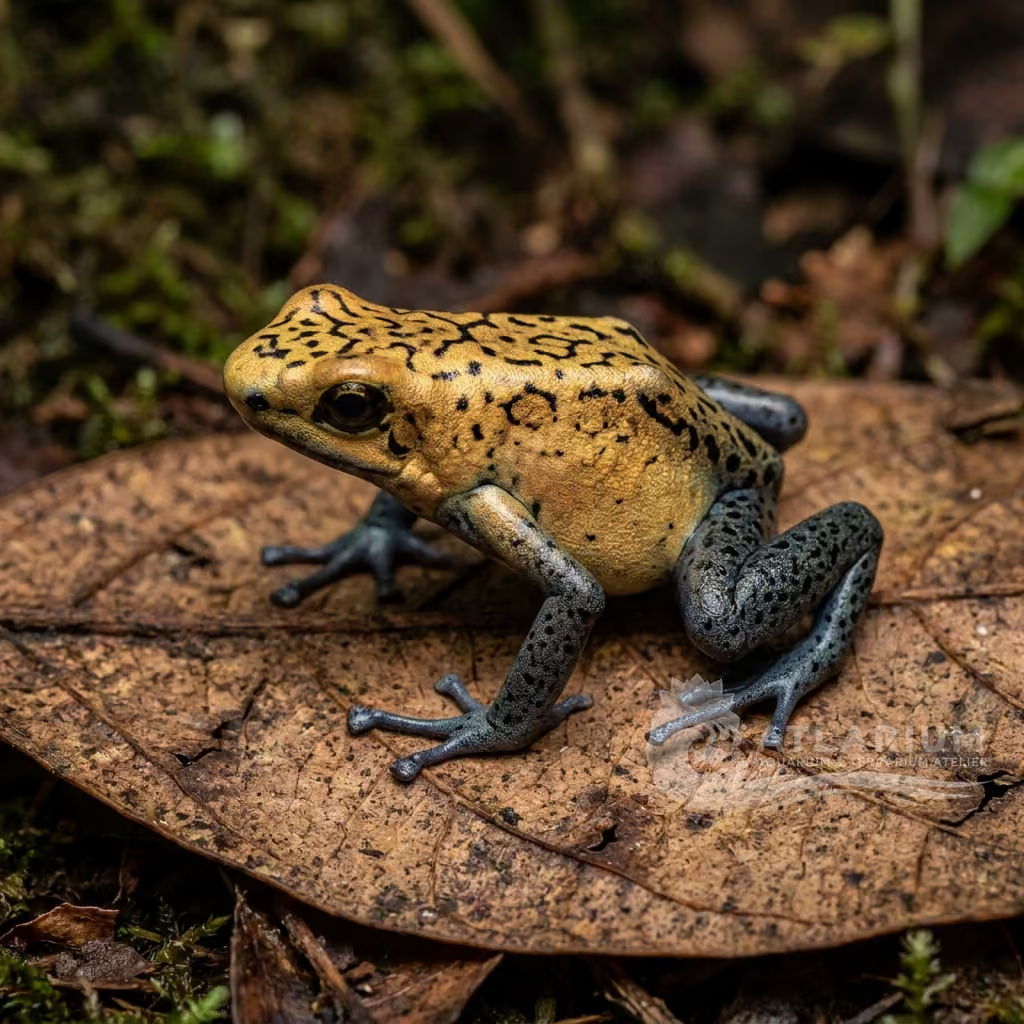
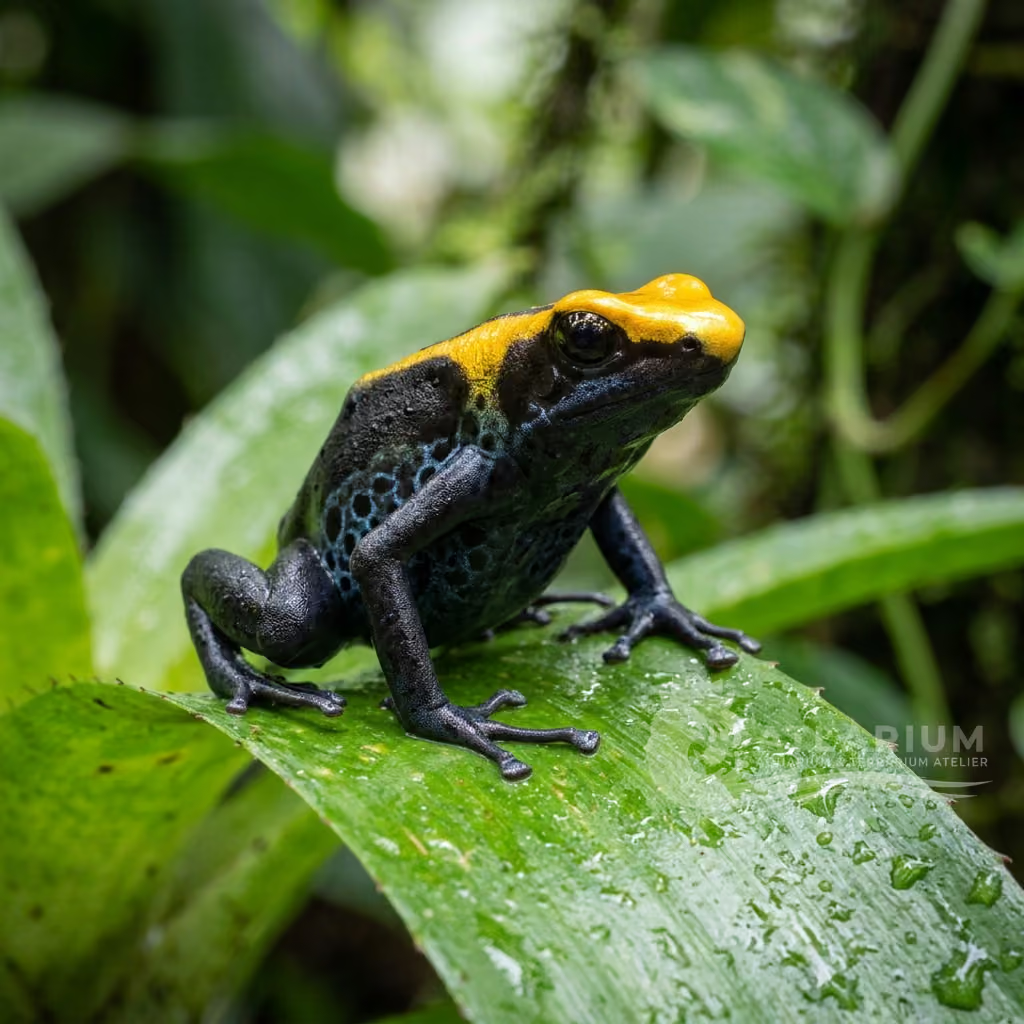
The 'Yellow' morph of the Splash-backed Poison Frog features a striking, solid lemon-yellow patch over its back, a bright color variant highly popular in the terrarium hobby.
Ambiente
Terrestre
Umidade
70 - 100 %
Temperatura diurna
20 - 26 °C
Temperatura noturna
18 - 21 °C

Descrição da espécie
Geographical Origin and Habitat: Distributed across the primary rainforests of the southern Amazon basin in Brazil, specifically within the Tapajós and Pará river basins. This species is strictly terrestrial, inhabiting the damp, shaded leaf litter of the forest floor, seeking shelter under fallen leaves, rotting logs, and coconut shells near slow-flowing streams.
Taxonomy and Genetics: A member of the Dendrobatidae family. The 'Yellow' morph is characterized by a bright, solid lemon-yellow color patch over its back, contrasting sharply with the deep black of the rest of its body. It reaches a length of up to 4 cm.
Behavior and Habits: Terrestrial and diurnal. These frogs walk slowly along the forest floor and are relatively bold, spending much of their time in the open. Males emit a faint buzzing call to attract females during the breeding season.
Morphology: Females are typically larger, rounder, and heavier than males when mature. Males are slightly smaller, more slender, and possess functional vocal sacs used in courtship.

Cuidado, criação e companheiros de tanque
Terrarium Setup: Best kept in a spacious, vertically short terrarium (e.g. 60x45x45 cm) for a small group. Use a thick layer of drainage substrate (such as clay balls) covered by leaf litter (oak or ketapang leaves) to provide hiding spots. Include pieces of cork bark and mosses, avoiding tall climbing branches as they are primarily terrestrial.
Lighting and Heating: Requires a warm tropical climate, with daytime temperatures between 24 and 26°C. Temperatures should not exceed 28°C, as overheating is fatal. A slight drop to 21°C at night is beneficial. Provide low-intensity UVB lighting (typically 5%) to prevent metabolic bone disease.
Humidity and Hydration: Maintain high humidity levels between 80% and 90% through regular misting with purified water. Proper ventilation is critical to prevent stagnant air and bacterial infections such as red leg syndrome. A shallow water bowl or damp moss area should always be available.
Feeding and Supplementation: Strictly insectivorous, feeding on small live prey such as fruit flies (Drosophila hydei and melanogaster), springtails, and micro-crickets. Food must be dusted with calcium and vitamin D3 supplements three times a week to prevent nutritional deficiencies.
Compatibility: A peaceful species that can be housed in small groups or harems (e.g. two males and four females in a suitable setup). They do not display the intense territorial aggression seen in some other dendrobatids. Avoid mixing with other species or genera to prevent cross-contamination.
Health and Common Diseases: Highly sensitive to skin toxins and chemicals. Handling should be avoided, as oils and soap residues on human hands can cause fatal irritation or stress. Common health issues include bacterial infections from poor sanitation and dehydration from inadequate misting.

Origem e distribuição geográfica
Distributed across the primary rainforests of the southern Amazon basin in Brazil, specifically within the Tapajós and Pará river basins. This species is strictly terrestrial, inhabiting the damp, shaded leaf litter of the forest floor, seeking shelter under fallen leaves, rotting logs, and coconut shells near slow-flowing streams.
Origem
Melhoramento seletivo e cultivaresAmazônia, Orinoco e GuianasAmérica do NorteLeste Asiático

Perfil anfíbio
- Dieta
- Insectivore
- Their diet consists of small insects such as fruit flies, springtails, and pinhead crickets. Captive frogs must receive properly gut-loaded and supplemented prey to prevent nutritional deficiencies. Feeding should occur almost daily due to their high metabolism.
- Expectativa de vida
- 4-8 years
- Tamanho adulto
- 4 cm
- Estilo de vida/Microhabitat
- Terrestrial
- Primarily terrestrial but will climb low vegetation and hardscape. They require a highly humid environment with deep leaf litter to mimic their native Amazonian forest floor. Providing a complex environment with varying moisture gradients is beneficial.
- Ciclo de atividades
- Diurnal
- Diurnal, with peak activity occurring in the morning and late afternoon. They spend their days actively hunting for food and interacting with conspecifics. A regular light cycle helps maintain their natural rhythms.
- Socialidade
- Gregarious
- They are generally bold and active, making them great subjects for a planted vivarium. They can be somewhat territorial, so adequate space and visual barriers are important if keeping a group. Their bright coloration serves as a warning to predators in the wild.
- Reprodução
- Oviparous
- Males call from hidden locations to attract females for breeding. Eggs are typically laid on wet leaves or in the axils of plants. The male attends to the eggs and later transports the newly hatched tadpoles to small pools of water to complete their metamorphosis.
- Toxicidade
- Harmless
- In the wild, they derive powerful alkaloid toxins from their specialized diet of Amazonian ants and mites, which they secrete through their skin as a defense. However, captive-bred "Yellow" morphs lack access to these specific dietary precursors and are entirely incapable of synthesizing these toxins. Therefore, they are completely non-toxic and present absolutely no danger to humans or other household pets.
- Estágio de vida
- Metamorphosis
- The aquatic tadpoles are robust and prone to cannibalism, necessitating individual rearing in clean, warm water with a protein-rich diet. Froglets require a heavily planted, highly humid environment with an abundance of micro-prey to support their rapid initial growth. Adult frogs are large, heavily built, and display a brilliant, solid yellow back over black legs, utilizing the entire terrarium floor.
- Tolerância de tratamento
- Display only
- Because their skin is semi-permeable and extremely sensitive, direct handling with bare hands must be strictly prohibited. Natural oils, salts, and chemical residues from human skin are rapidly absorbed and can cause severe physiological stress or fatal infections. When movement is necessary, it should be done using wet, powder-free gloves or by gently coaxing the frog into a clean transfer container.
- Brumação
- Não obrigatório
- Native to the stable, intensely tropical Amazon basin, this species does not possess the biological capacity to brumate or survive cold temperatures. They require a consistently warm and highly humid environment year-round, with ideal temperatures ranging between 75°F and 85°F. Significant temperature drops or prolonged exposure to cold will result in rapid metabolic decline, illness, and death.
- Muda
- Periodic
- Frequent shedding is vital for their rapid growth and to maintain the pristine condition of their permeable skin, which is crucial for respiration. The frog will undergo a brief series of contortions to break the old skin, wiping it forward over its head and immediately ingesting it to recycle nutrients. A consistently high humidity level in the terrarium is absolutely critical to ensure the skin sheds completely and safely.

Espécies relacionadas
Recomendações agrupadas por parentes próximos, escolhas de acompanhantes e cuidados semelhantes.