Dyeing Dart Frog "Awarape"
Dendrobates tinctorius
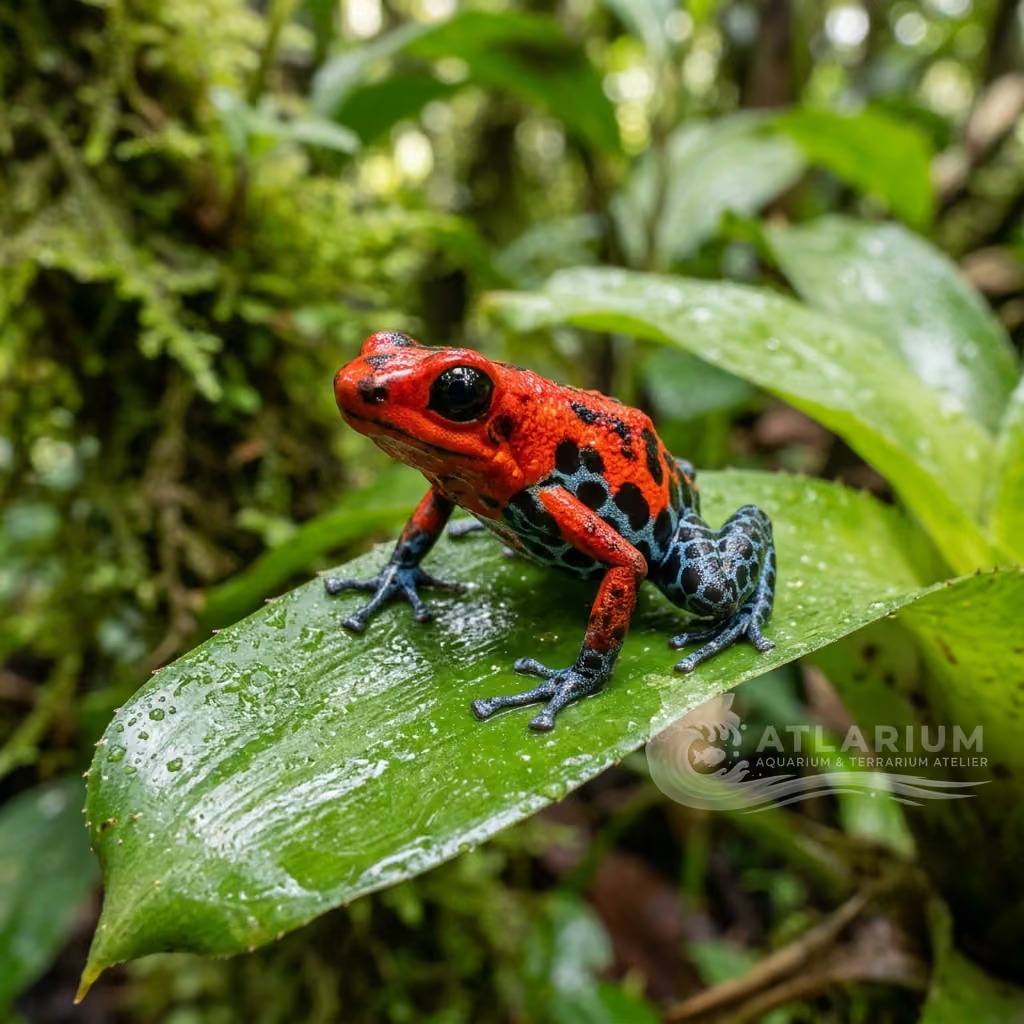
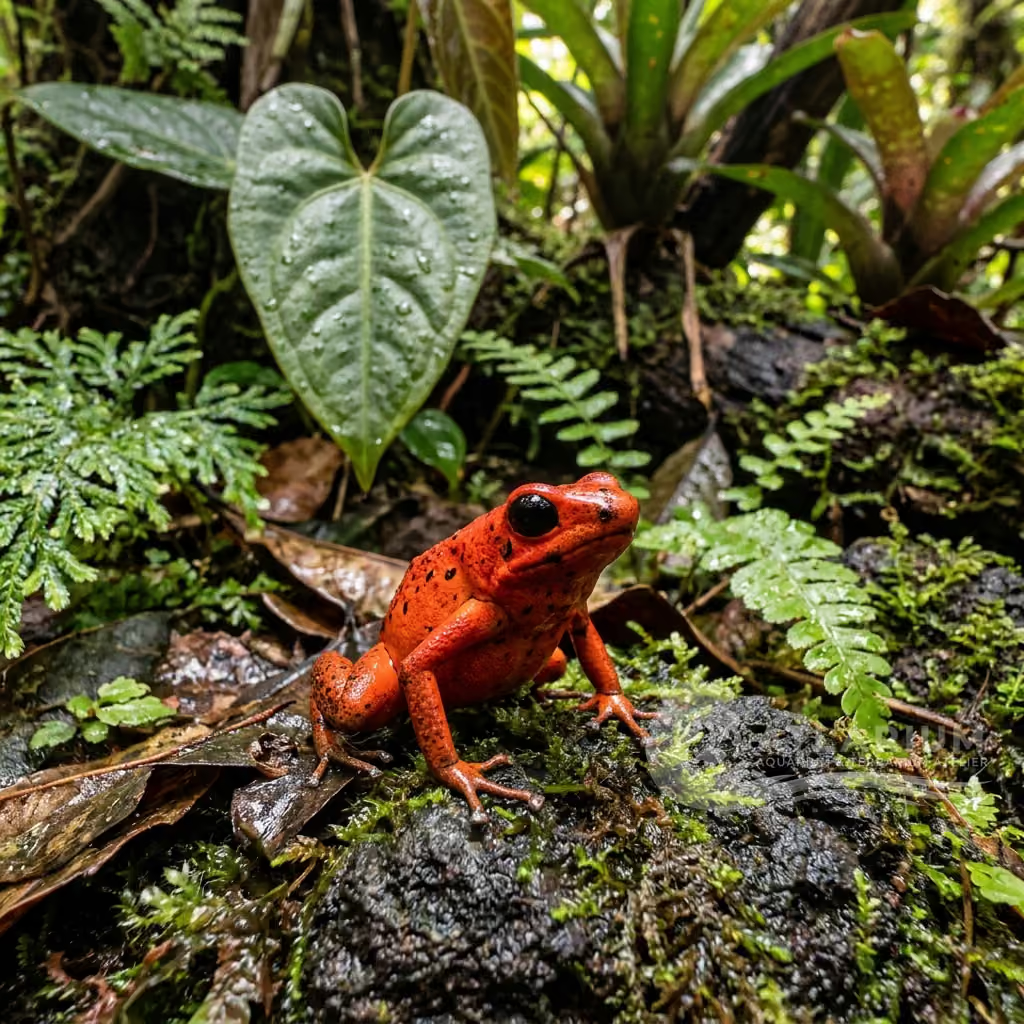
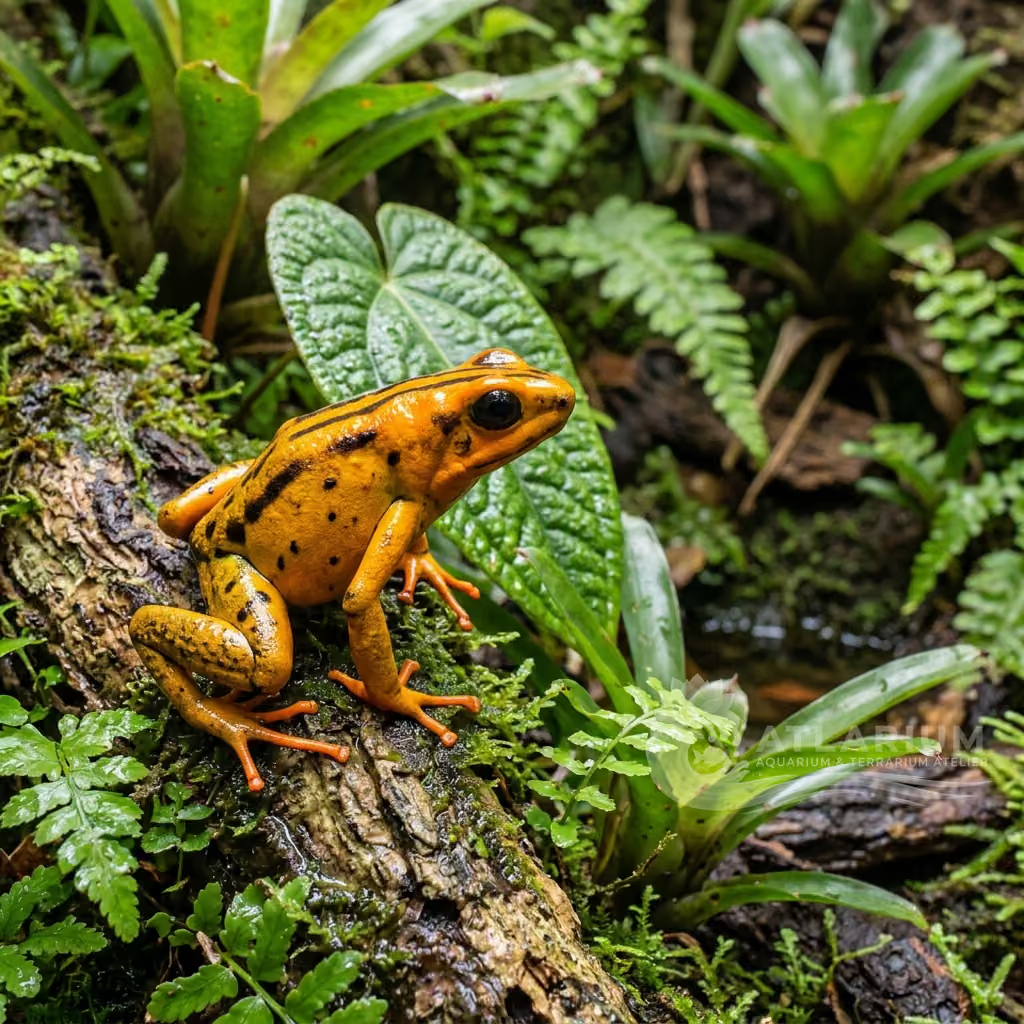
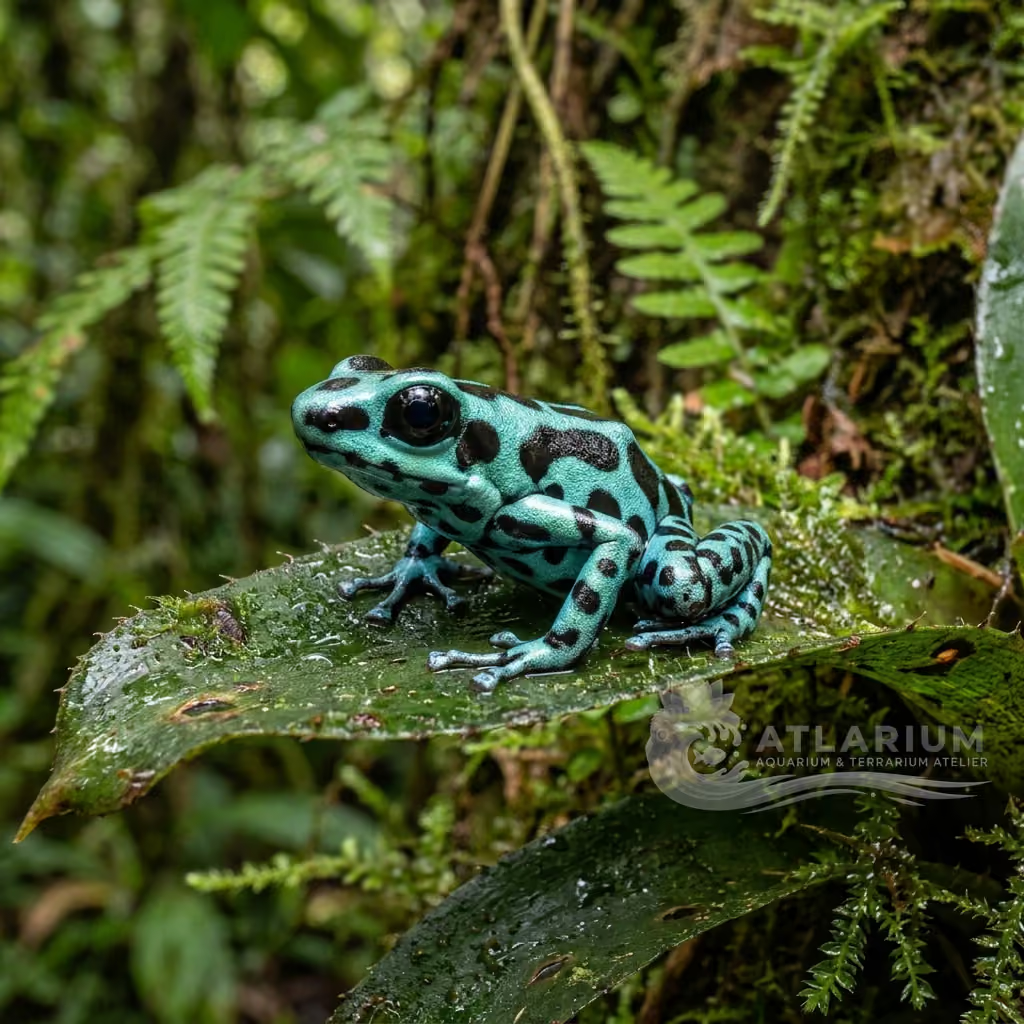
A stunning tinctorius morph displaying a dark body with fine, intricate yellow patterns and blue/gray limbs. Requires a cool, highly humid bioactive terrarium.
Ambiente
Terrestre
Umidade
80 - 100 %
Temperatura diurna
22 - 26 °C
Temperatura noturna
19 - 21 °C
UVB
Ferguson 1-2
UVI
0 - 1 UVI

Descrição da espécie
Geographical Origin and Habitat: Endemic to the dense primary rainforests of the Guiana Shield (Guyana, Suriname, French Guiana, and northern Brazil). They live strictly on the forest floor, moving through thick leaf litter, ferns, and rocks near streams where humidity is near saturation and light barely penetrates the canopy.
Taxonomy and Genetics: Part of the Dendrobatidae family, commonly known as poison dart frogs. They are large, robust frogs that can reach 5-6 cm in length. This morph features a distinctive pattern of fragmented stripes or spots of yellow or white on a dark base.
Behavior and Habits: Diurnal, terrestrial, and highly active. Despite their bright warning coloration, they are shy and spend the day foraging in the leaf litter. Males defend small territories with a soft buzzing call. Females can be aggressive toward each other, competing for breeding rights.
Morphology: Females are significantly larger and rounder when mature, while males are slimmer and have wider toe pads on their front feet to grip the female during mating.

Cuidado, criação e companheiros de tanque
Terrarium Setup: Requires a horizontal or cubic bioactive terrarium (e.g. 60x45x45 cm for a pair). A thick layer of leaf litter (such as oak or magnolia) is mandatory to provide hiding spots and support micro-fauna like springtails. Provide coconut huts and ground-level wood pieces for shelter.
Lighting and Heating: Prefers cool temperatures: 22-26°C during the day with a slight drop to 20-22°C at night. Temperatures above 28°C can be fatal. Low-intensity LED plant lighting and a weak UVB source (e.g. 2-5% UVB) are recommended for skeletal health.
Humidity and Hydration: Requires constant high humidity of 80-100%. The substrate must remain damp but not swampy. Mist daily, preferably in the morning. They do not use water dishes, absorbing moisture through their skin and drinking from water droplets.
Feeding and Supplementation: Insectivorous. Feed daily or every other day with flightless fruit flies (Drosophila hydei or melanogaster), springtails, and dwarf isopods. Supplement every feeding with pure calcium, and use a complete vitamin/mineral supplement with D3 once or twice a week.
Compatibility: Best kept individually or in a sexed pair. Housing multiple females is not recommended due to high female-female aggression. Do not mix with other species to avoid pathogen transmission, hybridization, and stress.
Health and Common Diseases: Never handle with bare hands, as skin oils and salts can damage their sensitive skin. Prone to nutritional deficiencies (such as spindly leg syndrome in tadpoles and MBD in adults) and chytridiomycosis. Quarantine all new animals.

Origem e distribuição geográfica
Endemic to the dense primary rainforests of the Guiana Shield (Guyana, Suriname, French Guiana, and northern Brazil). They live strictly on the forest floor, moving through thick leaf litter, ferns, and rocks near streams where humidity is near saturation and light barely penetrates the canopy.
Origem
Melhoramento seletivo e cultivaresAmazônia, Orinoco e Guianas

Perfil anfíbio
- Dieta
- Insectivore
- In the wild, Dendrobates tinctorius relies on a highly specialized diet consisting primarily of tiny invertebrates, foraging continuously on the forest floor for ants, termites, and microscopic soil arthropods that provide the alkaloids for their toxicity. In captivity, their diet must be carefully replicated using commercially available micro-feeders, with flightless fruit flies (Drosophila melanogaster and D. hydei) forming the staple of their nutritional intake, supplemented by springtails and dwarf white isopods. These prey items must be regularly dusted with high-quality calcium, vitamin D3, and multivitamin supplements to prevent metabolic bone disease and ensure optimal health.
- Expectativa de vida
- 10-15 years
- Tamanho adulto
- 5 cm
- Estilo de vida/Microhabitat
- Terrestrial
- Primarily terrestrial, these frogs inhabit the leaf litter of the forest floor. While they are mostly ground-dwelling and rely on dense terrestrial cover for security, they will occasionally climb low branches, rocks, or terrarium backgrounds.
- Ciclo de atividades
- Diurnal
- This species is strictly diurnal, remaining highly active throughout the daylight hours. They spend most of their day foraging for tiny insects, exploring their environment, and engaging in social or territorial behaviors.
- Socialidade
- Gregarious
- While they can exhibit fascinating interactive behaviors, Dendrobates tinctorius are generally considered moderately to highly territorial, particularly among females who fiercely defend small patches of the forest floor. In captive environments, housing them in male-female pairs is universally recommended to minimize stress and prevent fatal aggressive encounters, as multiple females will engage in intense wrestling matches. Males are generally more tolerant of each other, but a spacious enclosure with abundant visual barriers, complex hardscaping, and dense foliage is essential if a group setting is attempted.
- Reprodução
- Oviparous
- The reproductive cycle of Dendrobates tinctorius is a fascinating display of amphibian parental care, typically stimulated by the onset of the rainy season and increased humidity. Courtship involves tactile stimulation before the female lays small clutches of 4 to 10 eggs on smooth, sheltered surfaces such as broad leaves or inside secluded hides. The male assumes the primary responsibility for guarding and hydrating the developing embryos, and upon hatching after 14 to 18 days, he meticulously transports the tadpoles on his back to small, isolated bodies of water. In captivity, breeders often pull the eggs manually to rear the tadpoles individually.
- Toxicidade
- Toxic
- Non-toxic in captivity due to an alkaloid-free diet.
- Estágio de vida
- Neotenic
- Tadpoles are aquatic and often cannibalistic, requiring separate rearing.
- Tolerância de tratamento
- Display only
- These frogs should be considered a display-only species. Their highly permeable skin is incredibly sensitive to the natural oils, salts, and any chemicals present on human hands. Handling causes severe stress and can easily compromise their health.
- Brumação
- Não obrigatório
- This tropical species does not undergo true brumation. They require consistently warm and highly humid conditions year-round. While breeders may slightly reduce misting to simulate a dry season and trigger breeding, temperatures should remain stable.
- Muda
- Periodic
- Shedding occurs regularly and is heavily dependent on maintaining high humidity levels (80-100%). The frog will perform stretching motions to loosen the old skin and will typically consume it entirely to recycle nutrients. Low humidity can lead to stuck shed and fatal dehydration.

Espécies relacionadas
Recomendações agrupadas por parentes próximos, escolhas de acompanhantes e cuidados semelhantes.